
Project Management for Construction Projects: A Beginner's Step-by-Step Guide
Bringing a building from a blueprint to a physical reality is a complex task with countless moving parts. Effective project management for construction projects is the critical discipline that organises this chaos, ensuring a structure is completed safely, on time, and within budget. Without it, even the most promising projects can face costly delays, budget overruns, and significant safety risks.
- What You'll Learn
- What Exactly is Project Management in Construction?
- The 5 Core Phases of Construction Project Management
- 1. Project Initiation and Conception
- 2. Pre-construction: Planning and Design
- 3. Procurement: Sourcing Materials and Labour
- 4. Construction and Execution
- 5. Project Closeout and Handover
- Key Responsibilities of a Construction Project Manager
- Cost Management and Budgeting
- Schedule Management
- Quality Management
- Risk Management and Safety
- Communication and Stakeholder Management
- The Benefits of Effective Construction Management
- Choosing the Right Construction Management Software
- Top Construction Project Management Tools for Beginners
- 1. BrickControl: Best for Integrated Financial Management
- 2. HammerTech: Best for Safety and Compliance
- Understanding Pricing and Costs
- Common Mistakes to Avoid in Construction Project Management
- Frequently Asked Questions (FAQ)
- What are the 5 stages of construction project management?
- What are the 5 C's of project management?
- What are the 4 pillars of PM?
- What are the 7 keys of project management?
- Final Thoughts: Building Your Foundation for Success
This guide is designed for beginners who are new to the field of construction management. We'll break down the core principles, phases, and tools you need to understand. You'll learn the essential steps to guide a project from initial concept to final handover, setting you up for a successful career in this dynamic industry.
What You'll Learn
- The 5 Core Phases: We'll walk through the entire lifecycle of a construction project, from the initial idea and feasibility study to the final inspection and handover.
- A Project Manager's Key Role: Understand the critical responsibilities of a construction project manager, including managing costs, schedules, quality, and safety.
- Why Technology is Essential: Discover why modern construction management software is no longer a luxury but a necessity for efficiency, communication, and risk reduction.
- How to Choose the Right Tools: Learn what features to look for in construction project management software and how to select the best platform for your needs.
- Common Pitfalls to Avoid: We'll highlight the frequent mistakes that derail construction projects and provide actionable advice on how to steer clear of them.
What Exactly is Project Management in Construction?
Project management in construction is the specialised practice of planning, coordinating, and overseeing a building project from its conception to its completion. It involves directing and organising each part of the project lifecycle, from the initial design and procurement stages to the physical construction and final handover. The primary goal is to meet the client's requirements and deliver a finished project that meets all quality and regulatory standards.
At its heart, construction project management is about balancing the 'iron triangle'—a core concept in project management. This consists of three main constraints:
- Scope: This is the 'what' of the project. It defines the specific work that needs to be done, including the size, features, and functions of the final building.
- Time: This is the 'when'. It refers to the project schedule, including key milestones and the final completion date.
- Cost: This is the 'how much'. It encompasses the entire budget for the project, including labour, materials, equipment, and administrative expenses.
A construction project manager's job is to keep these three elements in balance. If a client wants to expand the scope (e.g., add another floor), the manager must communicate how this will impact the time and cost. Unlike project management in other sectors like IT, construction management faces unique challenges such as weather delays, supply chain disruptions, physical site safety, and complex local building regulations. This makes a structured and proactive approach absolutely vital.
The 5 Core Phases of Construction Project Management
Every construction project, regardless of its size, follows a similar lifecycle. Understanding these distinct phases is fundamental for any aspiring project manager. Breaking a massive undertaking into these manageable stages helps to organise tasks, allocate resources effectively, and track progress accurately.
1. Project Initiation and Conception
This is where it all begins. Before any ground is broken, the project must be defined and its feasibility determined. The client has an idea, and the initial task is to explore whether it's viable. This phase involves creating a business case to justify the project's expense and potential return on investment.
Key activities include conducting feasibility studies to assess economic, technical, and legal viability. Stakeholders are identified, and the project's high-level goals and objectives are established. The outcome of this phase is a project charter or a brief that outlines the scope and appoints the project manager, giving them the authority to start planning.
2. Pre-construction: Planning and Design
Once the project gets the green light, the detailed planning begins. This is arguably the most critical phase, as thorough planning prevents costly mistakes later on. The project manager assembles a team, including architects, engineers, and consultants, to develop the project plan.
This stage involves creating detailed architectural drawings, structural designs, and technical specifications. A comprehensive project management plan is developed, which includes a detailed budget, a project schedule (often using a Gantt chart), a risk management plan, and a communication plan. This blueprint guides the entire project through to completion.
3. Procurement: Sourcing Materials and Labour
With a solid plan in place, the next step is to acquire the necessary resources. The procurement phase involves sourcing and purchasing all the materials, equipment, and labour needed for construction. This is a complex process that requires careful coordination and negotiation.
Activities include sending out tenders or requests for proposals (RFPs) to subcontractors and suppliers. Bids are evaluated, and contracts are awarded to the chosen vendors. The project manager oversees the negotiation of contracts, ensuring the terms, conditions, and costs are favourable and clear. Efficient supply chain management is crucial here to ensure materials arrive on-site when needed.
4. Construction and Execution
This is the phase where the plan is put into action and the physical building work takes place. The project manager's role shifts to on-site supervision, coordination, and problem-solving. Their primary focus is to ensure the work is proceeding according to the schedule, budget, and quality standards defined in the plan.
Regular site meetings are held to track progress, address issues, and coordinate the work of various subcontractors. The manager monitors key performance indicators (KPIs), manages resource allocation, and ensures all work complies with safety regulations. This is the most dynamic phase, requiring constant oversight and quick decision-making.
5. Project Closeout and Handover
The final phase begins once the main construction work is complete. The goal is to finalise all activities and formally hand over the completed building to the client. This involves a meticulous process to ensure everything is finished to the required standard and all contractual obligations have been met.
Key activities include creating a 'punch list' of minor issues that need fixing, conducting final inspections with the client and regulatory bodies, and compiling all project documentation. This includes as-built drawings, warranties, and operation manuals. Once the client is satisfied and all payments are settled, the project is officially closed.
Key Responsibilities of a Construction Project Manager
A construction project manager wears many hats. They are leaders, communicators, financial planners, and problem-solvers all rolled into one. Their responsibilities span the entire project lifecycle, ensuring every aspect is managed with precision and foresight.
Cost Management and Budgeting
Keeping the project financially on track is a primary duty. This starts with creating a detailed and realistic cost estimate during the planning phase. Throughout the project, the manager must diligently track all expenses against the budget, from labour costs to material purchases.
Effective cost management involves approving invoices, managing change orders that can affect the budget, and providing regular financial reports to stakeholders. The goal is to prevent cost overruns and deliver the project within the agreed-upon financial limits.
Schedule Management
Time is money in construction. The project manager is responsible for creating a detailed project timeline and ensuring all tasks are completed according to schedule. This often involves using tools like the Critical Path Method (CPM) to identify tasks that directly impact the project's completion date.
They must coordinate the schedules of dozens of subcontractors, manage dependencies between tasks, and proactively address potential delays. If a delay occurs, the manager needs to adjust the schedule and find ways to get back on track without compromising quality or safety.
Quality Management
Delivering a high-quality building that meets or exceeds the client's expectations is non-negotiable. The project manager establishes quality standards and implements a quality control plan to monitor workmanship and materials throughout the construction process.
This includes conducting regular site inspections, ensuring work complies with building codes and specifications, and managing the resolution of any defects. Their attention to detail ensures the final product is durable, functional, and well-built.
Pro Tip: Implement a 'right first time' policy on your site. Encourage teams to focus on quality from the outset rather than relying on inspections to catch errors. This reduces rework, saves time, and lowers costs significantly.
Risk Management and Safety
Construction sites are inherently dangerous environments. A project manager's most important responsibility is to ensure the safety of everyone on site. This involves developing and enforcing a comprehensive safety plan that complies with all regulations.
Risk management goes beyond safety to include identifying potential financial, scheduling, and contractual risks. The manager must anticipate problems—like a key supplier going out of business or unexpected site conditions—and develop contingency plans to mitigate their impact. According to the UK's Health and Safety Executive (HSE), the construction sector remains a high-risk industry, making proactive safety management essential.
Communication and Stakeholder Management
The project manager is the central hub of communication for the entire project. They must effectively communicate with a wide range of stakeholders, including the client, architects, engineers, subcontractors, suppliers, and regulatory bodies.
This involves providing regular progress updates, facilitating meetings, and resolving conflicts. Clear, consistent, and transparent communication prevents misunderstandings, manages expectations, and keeps everyone aligned towards the common goal.
The Benefits of Effective Construction Management
Investing in skilled construction management isn't just an expense; it's a crucial factor that delivers tangible returns. A well-managed project runs more smoothly, encounters fewer problems, and ultimately achieves better outcomes for everyone involved.
- Improved Budget Control: With a dedicated manager overseeing costs, projects are far less likely to go over budget. They track every pound spent, negotiate better prices with suppliers, and manage financial risks proactively.
- Enhanced Efficiency and Timeliness: A project manager optimises the schedule, ensuring that subcontractors aren't tripping over each other and that materials arrive just in time. This coordination minimises downtime and keeps the project moving forward, increasing the likelihood of an on-time finish.
- Better Quality Assurance: By setting clear quality standards and conducting regular inspections, a project manager ensures the final build is free from defects and built to last. This protects the client's investment and the contractor's reputation.
- Increased Safety on Site: A focus on safety management reduces accidents and injuries, creating a safer working environment for everyone. This not only protects workers but also minimises the risk of costly work stoppages and legal issues.
- Clearer Communication: Having a single point of contact prevents miscommunication and ensures all stakeholders are kept informed. This transparency builds trust and helps in making collaborative and timely decisions.
Choosing the Right Construction Management Software
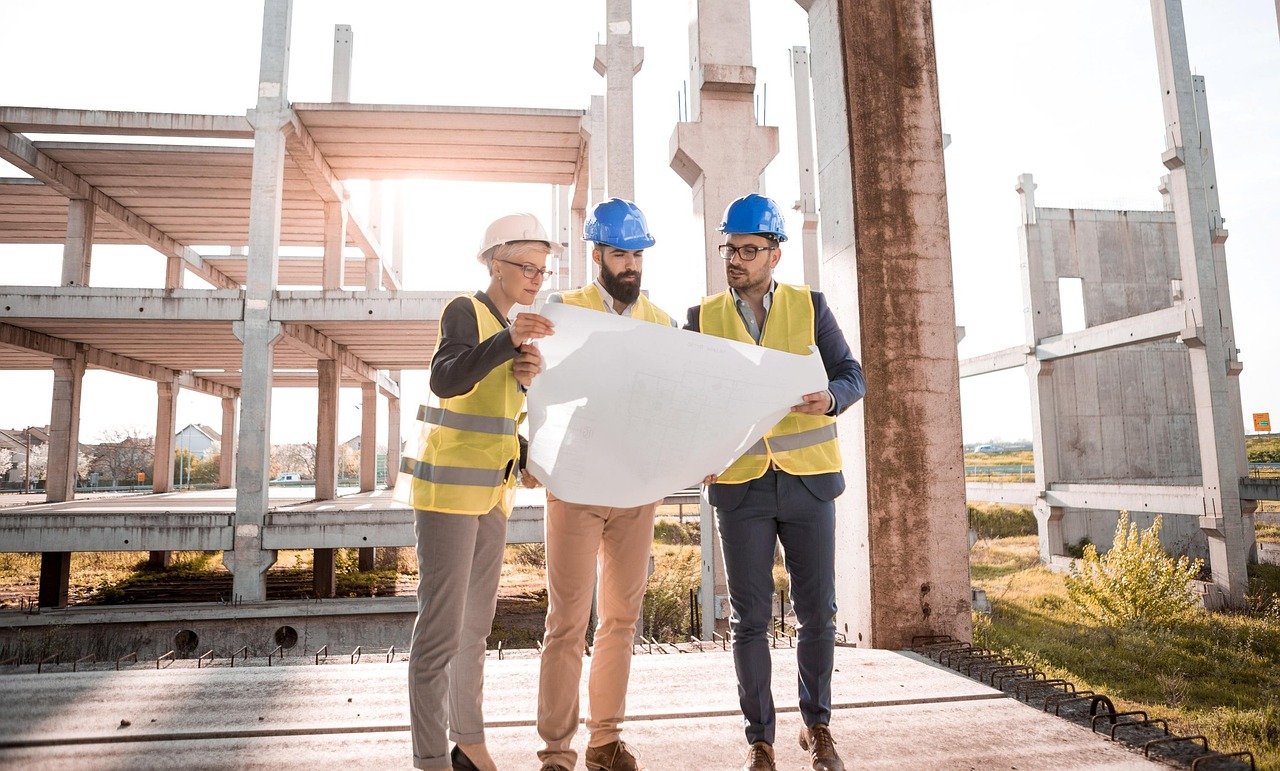
In today's construction industry, managing a project with spreadsheets and emails is no longer viable. Specialised construction management software has become an indispensable tool for centralising information, automating tasks, and improving collaboration. Choosing the right platform can have a massive impact on a project's success.
Key Features to Look For
When evaluating software options, there are several core features that are essential for effective construction management. Look for a platform that offers a comprehensive, integrated solution.
- Project Scheduling: The ability to create and manage detailed project timelines, often with Gantt chart visualisations, to track progress and manage dependencies.
- Document Management: A centralised repository for all project documents, including blueprints, contracts, change orders, and daily reports. This ensures everyone is working from the latest versions.
- Cost Tracking and Budgeting: Tools for managing the project budget, tracking actual costs against estimates, and handling invoices and payments.
- Mobile Access: A mobile app is crucial for on-site staff. It allows teams to access plans, file daily reports, complete safety checklists, and communicate from the field.
- Reporting and Analytics: Dashboards that provide a real-time overview of the project's health, including progress, budget status, and potential risks.
Factors to Consider Before You Buy
Beyond features, you need to consider how the software will fit with your company and projects. Ask these questions before making a decision:
- Scalability: Will the software grow with your business? Can it handle larger, more complex projects in the future?
- Ease of Use: A powerful tool is useless if your team finds it too complicated to use. Look for an intuitive interface and check if the provider offers good training and support.
- Integration Capabilities: Can the software connect with other tools you already use, such as your accounting software or CRM?
- Customer Support: When issues arise, you'll need responsive and helpful support. Check reviews and ask about their support options (phone, email, chat).
Top Construction Project Management Tools for Beginners
Navigating the market for construction software can be overwhelming. To help you get started, we've highlighted two excellent platforms that cater to different but equally important aspects of construction management. The best choice always depends on your specific needs, project size, and primary challenges.
1. BrickControl: Best for Integrated Financial Management
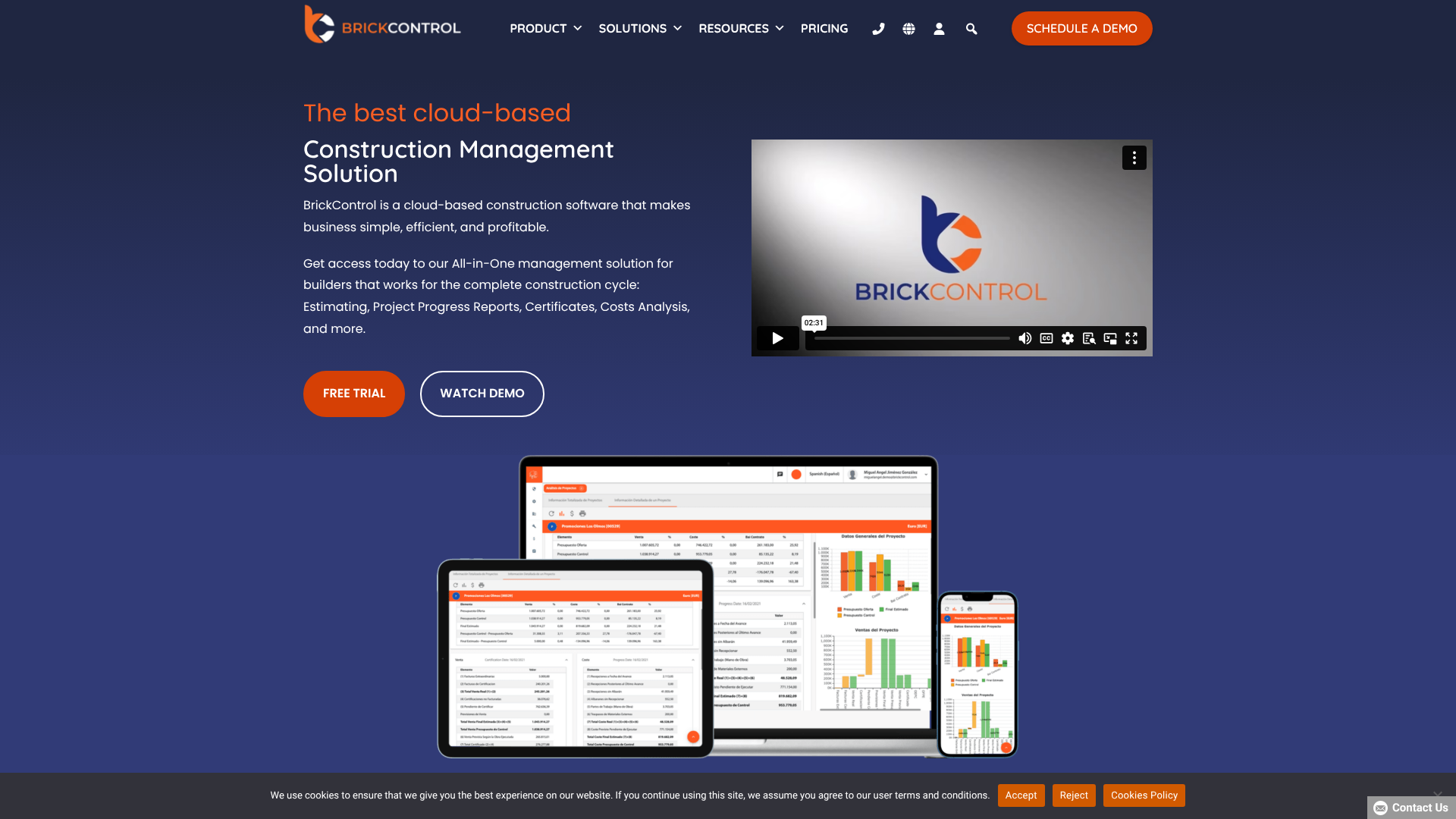
BrickControl is a powerful, cloud-based construction management software that excels at integrating all aspects of a project, with a particular strength in cost control and financial management. It functions like an Enterprise Resource Planning (ERP) system designed specifically for the construction industry, making it ideal for companies that need to tie project operations directly to their finances.
It's a great fit for small to medium-sized construction companies that want a single source of truth for everything from budgeting and procurement to accounting and project tracking. By connecting on-site progress with back-office financials, it provides a clear, real-time view of project profitability.
Pros
- All-in-One Platform: Combines project management, cost estimation, procurement, and accounting in one system, reducing the need for multiple software tools.
- Strong Financial Control: Offers detailed job costing, budget tracking, and financial reporting, giving you precise control over your project's finances.
- Scalable: The platform can adapt to the needs of growing businesses, handling multiple projects and users effectively.
Cons
- Learning Curve: As a comprehensive ERP system, it may have a steeper learning curve for teams accustomed to simpler, single-function tools.
- May Be Too Much for Very Small Projects: For a single, small-scale project, the extensive features might be more than what's necessary.
2. HammerTech: Best for Safety and Compliance
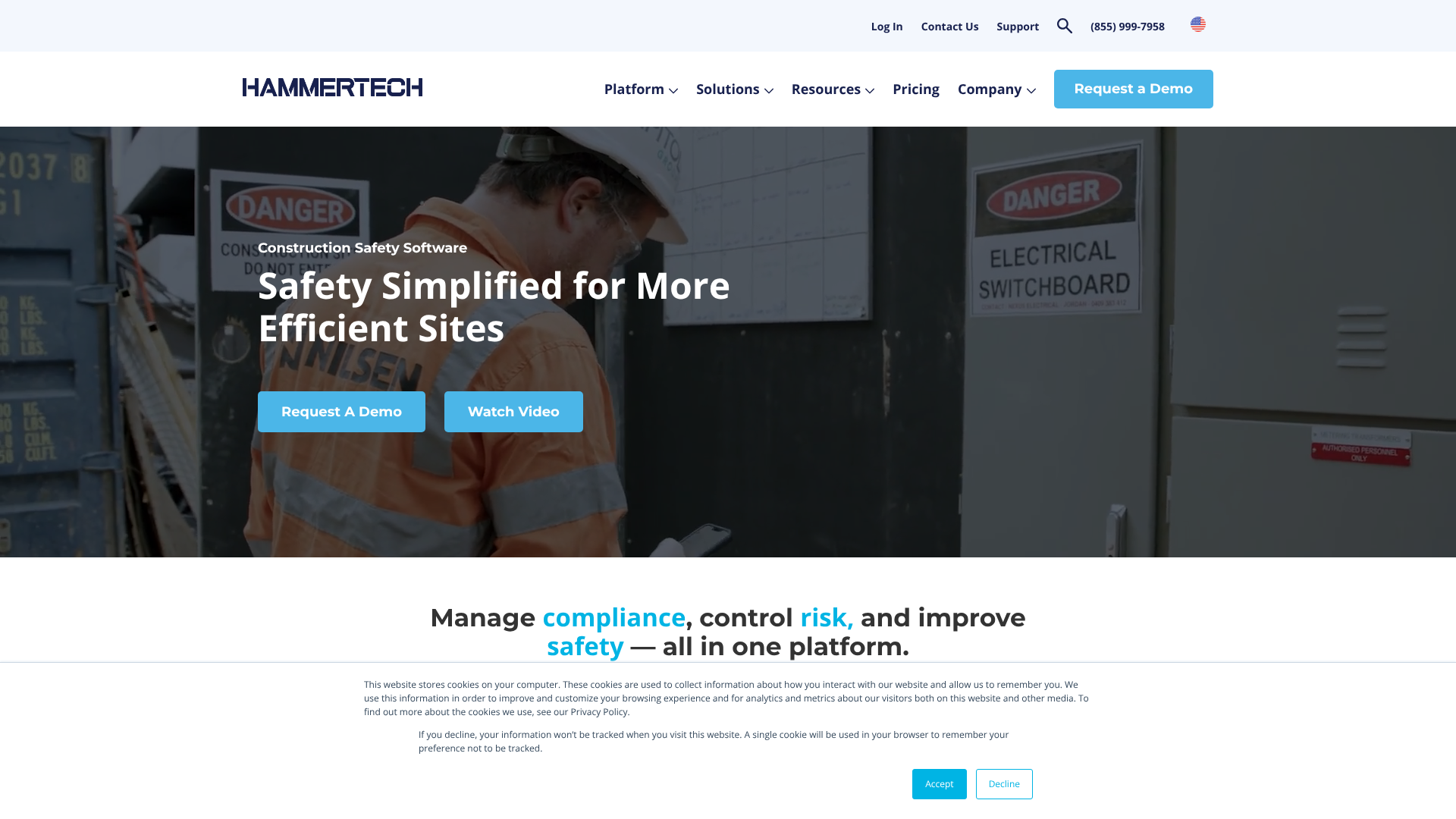
HammerTech is a specialised platform focused on one of the most critical areas of construction management: health, safety, and operational field management. While other platforms cover a broad range of features, HammerTech dives deep into ensuring your site is safe, compliant, and efficient. It's designed to move safety processes from paper-based systems to a streamlined digital workflow.
This tool is perfect for general contractors and project managers who prioritise site safety and want to reduce administrative work related to compliance. It's particularly valuable for larger projects with many subcontractors, where managing inductions, permits, and safety inspections can become a major challenge.
Pros
- Specialised Safety Focus: Provides robust tools for managing worker inductions, safety inspections, incident reporting, and equipment registers.
- Improved Compliance: Helps ensure that all workers and subcontractors meet safety and regulatory requirements before they even step on site.
- Efficient Field Operations: The mobile-first design allows site managers to conduct inspections, file reports, and manage safety issues directly from their phone or tablet.
Cons
- Niche Focus: It's not an all-in-one project management solution. You would likely need to pair it with another tool for financial and schedule management.
- Primarily for Larger Contractors: The feature set is most beneficial for larger projects and companies managing complex safety compliance needs.
Understanding Pricing and Costs
When budgeting for construction management software, it's important to understand the different pricing models and potential hidden costs. Most software providers use a subscription-based model, but the specifics can vary.
Common pricing structures include:
- Per User, Per Month: You pay a monthly fee for each person in your company who needs access to the software. This is common but can become expensive as your team grows.
- Tiered Plans: Providers offer several plans (e.g., Basic, Pro, Enterprise) with different feature sets and user limits. You choose the tier that best fits your needs.
- Based on Project Value: Some platforms base their pricing on the total value of the construction projects you manage through the software. This can be cost-effective for companies with fewer, high-value projects.
Beyond the subscription fee, be aware of potential additional costs like one-time setup or implementation fees, charges for data migration, and fees for premium customer support or training. Always ask for a detailed quote that covers all potential expenses.
| Feature Focus | BrickControl | HammerTech | General Competitors |
|---|---|---|---|
| Primary Use Case | Integrated ERP & Financials | Safety & Field Operations | All-in-One Project Management |
| Cost Management | Excellent | Limited | Good to Excellent |
| Scheduling | Good | Limited | Good to Excellent |
| Safety & Compliance | Basic | Excellent | Good |
| Mobile App | Yes | Yes | Yes |
| Pricing Model | Tiered Plans | Custom Quote | Per User / Tiered Plans |
| Best For | SMEs needing financial control | GCs prioritising site safety | Broad project management needs |
For the most accurate and up-to-date information, it's always best to visit the company's website or contact their sales team for a custom quote based on your specific requirements.
Common Mistakes to Avoid in Construction Project Management
Even with the best tools, success isn't guaranteed. Many beginners fall into common traps that can jeopardise a project. Being aware of these pitfalls is the first step to avoiding them.
- Poor Communication: Assuming everyone knows what they need to do is a recipe for disaster. A lack of clear and regular communication leads to misunderstandings, mistakes, and delays. Establish a clear communication plan from day one.
- Inaccurate Cost Estimation: Underestimating costs during the planning phase can doom a project before it starts. Be thorough, account for contingencies (a buffer of 10-15% is common), and use historical data to create realistic estimates.
- Scope Creep: This happens when small, unapproved changes gradually get added to the project, causing it to go over budget and past its deadline. Implement a formal change order process to manage any changes to the original scope.
- Neglecting Risk Management: Failing to plan for what could go wrong is a major oversight. Proactively identify potential risks—from bad weather to supplier delays—and create plans to deal with them before they become crises.
- Failing to Use Technology: Relying on outdated methods like paper forms and spreadsheets in 2026 is inefficient and prone to error. Embracing modern construction management software is essential for staying competitive and organised.
Frequently Asked Questions (FAQ)
Here are answers to some of the most common questions beginners have about project management in construction.
What are the 5 stages of construction project management?
The five core stages, or phases, that guide a construction project from start to finish are: 1. Initiation and Conception (defining the project and its feasibility), 2. Pre-construction and Planning (creating detailed designs, budgets, and schedules), 3. Procurement (sourcing materials and hiring subcontractors), **4.
Construction and Execution** (the physical building process), and 5. Project Closeout (final inspections, documentation, and handover to the client).
What are the 5 C's of project management?
The 5 C's are a simple framework for remembering key principles of successful project management. They are: Clarity (having clear goals and scope), Commitment (ensuring the team is dedicated to the project's success), Communication (keeping all stakeholders informed), Control (managing scope, cost, and schedule), and Complexity (understanding and managing all the interconnected parts of the project).
What are the 4 pillars of PM?
The four pillars, often referred to as the primary constraints of project management, are Scope, Resources, Time, and Money (Budget). A project manager's job is to balance these four elements. A change in one pillar, such as an increase in scope, will almost always require an adjustment in one or more of the others, like an increase in time or money.
What are the 7 keys of project management?
While different frameworks exist, a common set of seven keys to successful project management includes: 1. A clear project plan, 2. Strong leadership and a dedicated team, 3. Consistent and clear communication, **4.
Proactive risk management**, 5. Careful budget and schedule control, 6. Effective stakeholder management, and 7. A focus on quality assurance throughout the project lifecycle.
Final Thoughts: Building Your Foundation for Success
Stepping into the world of project management for construction projects can feel daunting, but it's a field built on clear principles and structured processes. By understanding the core phases, mastering key responsibilities, and leveraging the right technology, you can build a solid foundation for a successful career. Remember that every large-scale project is simply a collection of smaller, manageable tasks.
The key is to be proactive, organised, and an excellent communicator. Don't be afraid of the challenges; instead, see them as opportunities to learn and refine your skills. By avoiding common mistakes and focusing on delivering quality, you can guide your projects to a successful completion, on time and on budget.
If you're ready to streamline your projects and take control of your operations, consider exploring tools designed for the job. Platforms like BrickControl can provide the financial oversight you need, while a solution like HammerTech can transform your approach to site safety and compliance. Choosing the right tool is a critical step on your path to becoming an effective construction project manager.