



Non Compete Agreement Templates: A Buyer's Guide for UK Businesses
Protecting your business's most valuable assets—like client relationships, trade secrets, and proprietary strategies—is crucial for long-term success. One common tool for this is a non-compete agreement. While drafting one from scratch can be daunting, many businesses turn to non compete agreement templates as a cost-effective starting point. These documents provide a framework to prevent former employees or contractors from directly competing with you for a set period after they leave.
- What to Know
- What Exactly Are Non-Compete Agreement Templates?
- Key Features to Look For in a Non-Compete Template
- Clear and Specific Definitions
- The 'Three R's': Reasonable Scope, Region, and Restriction Period
- Consideration Clause
- Remedies for Breach and Governing Law
- How to Choose the Right Non-Compete Contract for Your Business
- Assess Your Specific Business Needs
- Understand Local and National Laws
- Evaluate the Source of the Template
- Top Recommendations for Non-Compete Agreement Templates
- 1. LegalContracts: Best for Customisable, Legally-Informed Documents
- 2. Free Government & Legal Aid Templates: Best for Educational Purposes
- 3. Industry-Specific Templates: Best for Niche Businesses
- Understanding the Costs: Free vs. Paid Non-Compete Forms
- The Pros and Cons of Using Non-Compete Templates
- Frequently Asked Questions (FAQ)
- Are non-compete agreements enforceable in the UK?
- What makes a non-compete agreement unreasonable?
- Do I need a solicitor to draft a non-compete agreement?
- Can I use a non-compete template for independent contractors?
- How long can a non-compete last?
- Final Thoughts: Protecting Your Business the Right Way
However, not all templates are created equal. A poorly constructed agreement can be legally unenforceable, leaving your business exposed. This guide will walk you through everything you need to know about choosing and using non-compete forms, ensuring you create a contract that is both fair and effective. We'll cover the essential clauses, compare free versus paid options, and highlight how to tailor a template to your specific business needs.
What to Know
- Templates are a starting point, not a final solution. They provide a solid structure, but always require customisation and, ideally, a final review by a legal professional.
- Enforceability is key. A non-compete agreement is only useful if it holds up in court. Its terms must be reasonable in scope, duration, and geographical area to be considered valid in the UK.
- Look for essential clauses. A good template will include clear definitions, a consideration clause, and specify the governing law. Missing these elements can render the document useless.
- Customisation is non-negotiable. Your business is unique, and your non-compete contracts should reflect that. One-size-fits-all solutions rarely offer adequate protection.
- Online legal services can offer a middle ground. Platforms like LegalContracts provide guided questionnaires to create customised documents that are more reliable than a generic free download.
What Exactly Are Non-Compete Agreement Templates?

A non-compete agreement, often called a restrictive covenant, is a legal contract where an employee or contractor agrees not to enter into or start a similar profession or trade in competition against their employer. The primary goal is to safeguard the employer's legitimate business interests after the working relationship ends. These interests typically include confidential information, customer connections, and the stability of the workforce.
So, what are non compete agreement templates. They are pre-drafted, standardised documents that contain the typical structure and legal language of a non-compete agreement. Think of them as a blueprint. Instead of starting with a blank page, you begin with a framework that outlines all the necessary sections, from the definition of a competitor to the consequences of a breach.
This makes the process of creating non-compete forms significantly faster and more accessible for business owners who may not have extensive legal expertise.
These templates can range from simple, one-page documents found on the internet to more sophisticated, interactive forms available through specialised legal tech platforms. The best ones are designed to be customised, allowing you to input specific details like the employee's role, the geographical area of restriction, and the duration of the non-compete clause. Using a template helps ensure you don't overlook critical components, providing a structured approach to drafting these important legal instruments.
Key Features to Look For in a Non-Compete Template
When you're evaluating different non compete templates, it's easy to get lost in the legal jargon. However, a few key features determine whether a template is a solid foundation or a potential liability. Focusing on these elements will help you select a document that is robust, clear, and more likely to be enforceable.
Clear and Specific Definitions
Vague language is the enemy of an enforceable contract. A quality template will have a dedicated section for definitions. It should clearly define terms like "Confidential Information," "Competitor," and "Business Interest." For example, instead of just saying "competitors," the agreement should specify companies in the same industry within a defined market. This clarity removes ambiguity and makes it easier for a court to understand and uphold the agreement's intent.
The 'Three R's': Reasonable Scope, Region, and Restriction Period
UK courts are very particular about non-compete clauses being reasonable. If a restriction is too broad, it can be struck down as an unfair restraint of trade. A good template will prompt you to define these three areas carefully:
- Reasonable Scope: The agreement should only restrict the ex-employee from activities directly related to the work they did for you. A software developer shouldn't be barred from all forms of IT work, only from developing competing software.
- Reasonable Region: The geographical limit should be confined to the area where your business actually operates and where the employee's departure could cause harm. A local bakery in Manchester can't reasonably restrict an ex-baker from working anywhere in the UK.
- Reasonable Restriction Period: The duration of the non-compete should be no longer than necessary to protect your business interests. For most roles, a period of 3 to 12 months is standard. Anything longer is often viewed as unreasonable by courts.
Consideration Clause
For a contract to be valid, both parties must receive something of value, which is known in legal terms as "consideration." For a new employee, the job offer itself is the consideration. For an existing employee, you may need to offer something new, such as a pay rise, a bonus, or a promotion, in exchange for them signing the non-compete. A proper template will include a clause specifying what the employee is receiving in return for their agreement not to compete.
Remedies for Breach and Governing Law
Finally, the template should clearly state what happens if the agreement is violated. This might include the right to seek an injunction (a court order to stop the competing activity) or financial damages. It should also specify the "Governing Law and Jurisdiction," which clarifies that any disputes will be settled under the laws of England and Wales, Scotland, or Northern Ireland, depending on your location. This prevents confusion if your company or the former employee is based in different regions.
How to Choose the Right Non-Compete Contract for Your Business

Selecting the right template is more than just finding one that looks professional. It requires a strategic approach that aligns with your business's specific risks and legal obligations. A non-compete contract that works for a tech startup won't be suitable for a local hairdressing salon. Here’s a framework to guide your decision.
Assess Your Specific Business Needs
Start by identifying what you are trying to protect. Are you concerned about a top salesperson taking their client list to a rival. Is your main worry a developer leaving to build a competing product using your proprietary code. Or do you want to prevent a senior manager from poaching your best staff.
The answers to these questions will determine the focus of your agreement.
For instance, if protecting client relationships is your priority, the agreement should have strong non-solicitation clauses. If trade secrets are the main concern, the confidentiality clauses need to be ironclad. Your choice of template should align with these priorities, offering robust language for the areas that matter most to you.
Understand Local and National Laws
The legal landscape for non-compete agreements is constantly evolving. In the UK, the government has proposed legislation to limit the duration of non-compete clauses to three months. According to the official UK Government response, this change is intended to boost competition and innovation. While not yet law, it signals a trend towards stricter regulation.
When choosing a template, ensure it reflects the current legal standards. A template that hasn't been updated in years might contain clauses that are no longer enforceable. This is where services that regularly update their documents based on legal changes provide significant value over a static, free download.
Pro Tip: When introducing a non-compete agreement, have an open conversation with the employee. Explain what it covers and why it's necessary for the business. This transparency can reduce feelings of mistrust and make it clear that the goal is to protect legitimate business interests, not to unfairly penalise them.
Evaluate the Source of the Template
Where you get your template from matters. A generic document from a random website carries a high risk. It might not be compliant with UK law, or it could be so poorly written that it offers no real protection. Consider these options:
- Free Generic Templates: Best used for educational purposes to understand the basic structure. They are rarely suitable for actual use without significant modification and legal review.
- Paid Legal Document Services: Platforms like LegalContracts offer a much safer alternative. They use guided questionnaires to help you build a document tailored to your industry and location, with clauses drafted by legal professionals.
- Solicitor-Drafted Templates: The most expensive but most secure option. A solicitor can provide a template specifically designed for your business, which you can then adapt for different roles.
Ultimately, the right choice depends on your budget and risk tolerance. However, investing a small amount in a reputable template service is often a wise decision that can save you significant legal costs down the line.
Top Recommendations for Non-Compete Agreement Templates
Navigating the world of non-compete forms can be confusing. To simplify your search, here are our top recommendations based on different needs and budgets, from fully customisable online platforms to educational resources.
1. LegalContracts: Best for Customisable, Legally-Informed Documents
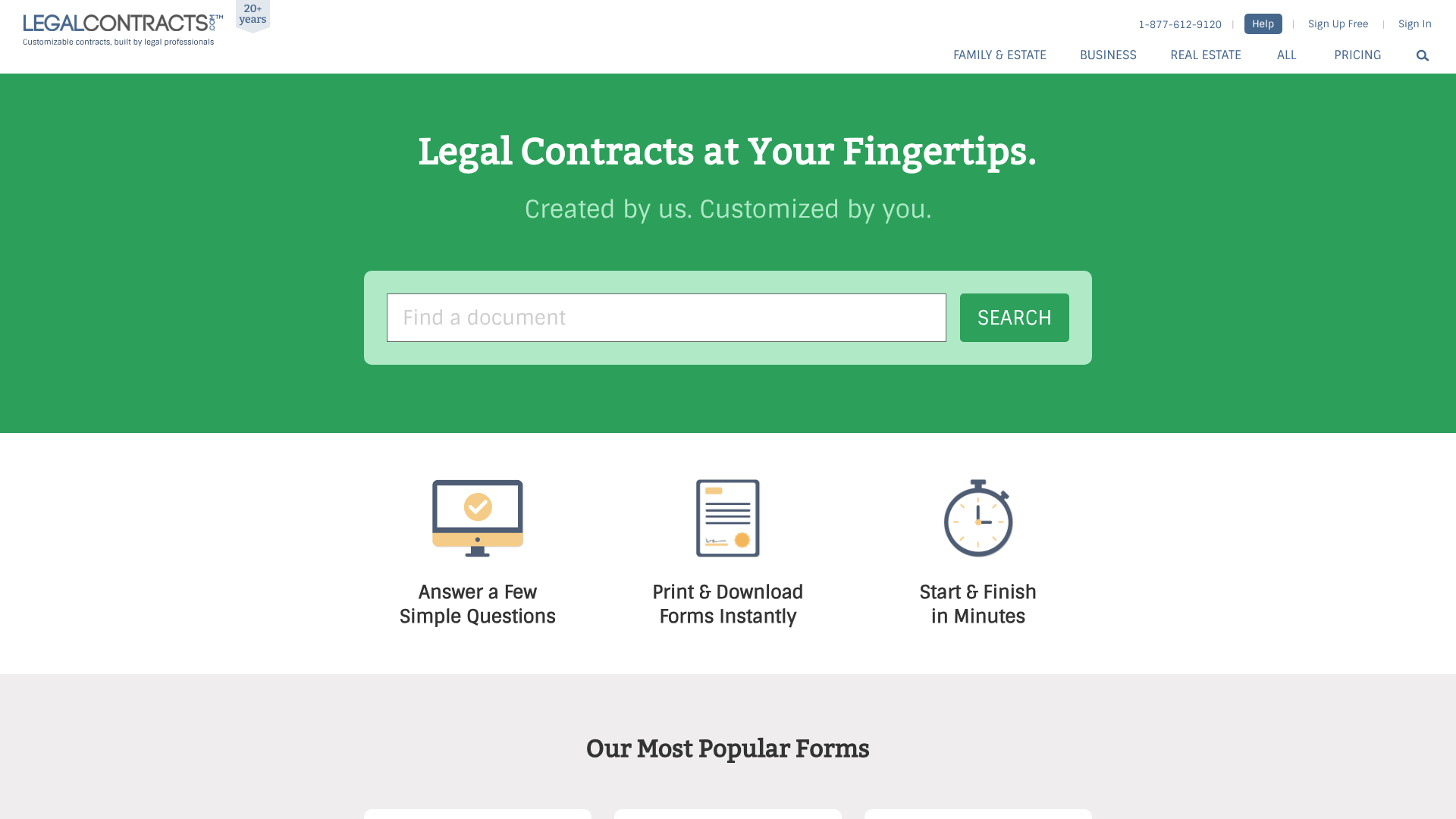
For businesses that need a reliable and legally sound document without the high cost of a solicitor, LegalContracts is an excellent choice. It’s not just a static template provider; it's an online platform that guides you through creating a customised legal document step-by-step. You answer a series of simple questions about your business, the employee's role, and the specific restrictions you need, and the platform generates a tailored non-compete agreement based on your answers.
This approach ensures the document is relevant to your jurisdiction and includes the necessary legal clauses. It effectively bridges the gap between a risky free template and expensive bespoke legal advice, making it ideal for small to medium-sized businesses.
Pros:
- Jurisdiction-Specific: The documents are tailored to comply with the laws of your specific country and region.
- Easy to Use: The questionnaire format simplifies a complex legal process.
- Comprehensive: Covers all the key clauses, including definitions, scope, and remedies for breach.
- Cost-Effective: Far more affordable than hiring a solicitor to draft a document from scratch.
Cons:
- Not a Substitute for Legal Advice: For highly complex situations or senior executive contracts, consulting a solicitor is still recommended.
- Subscription-Based: While offering great value, the subscription model may be less appealing for those who only need a single document.
2. Free Government & Legal Aid Templates: Best for Educational Purposes
For businesses on a tight budget or those simply wanting to understand the structure of a non-compete, resources from government bodies or legal aid websites can be useful. For example, the U.S. Securities and Exchange Commission (SEC) provides examples of non-compete agreements in its public filings, which can serve as educational tools. In the UK, some small business advisory services may offer basic templates.
These are best used as a learning resource to familiarise yourself with the standard language and clauses. They can help you prepare for a more detailed discussion with a legal professional or make a more informed choice when using a paid service.
Pros:
- Completely Free: No cost to download and review.
- Informative: Helps you understand the basic components of a non-compete contract.
Cons:
- Highly Generic: Not tailored to any specific industry or business need.
- Potentially Outdated: May not reflect the latest legal precedents or regulations.
- High Risk: Using one of these templates without significant customisation and legal review is not advisable.
3. Industry-Specific Templates: Best for Niche Businesses
Some industry and trade organisations provide legal document templates for their members, including non-compete agreements. For example, a trade body for digital marketing agencies might offer a template that includes clauses specifically related to client accounts, campaign strategies, and proprietary software.
If you belong to such an organisation, it's worth checking what resources they provide. These templates can be a great starting point because they are already aligned with the common risks and practices within your specific sector.
Pros:
- Industry-Relevant: The language and clauses are tailored to your sector's unique challenges.
- Often Vetted: Usually reviewed by legal experts familiar with the industry.
Cons:
- Limited Availability: Only accessible to members of specific organisations.
- Still Requires Customisation: You will still need to adapt the template to your business and have it reviewed.
Understanding the Costs: Free vs. Paid Non-Compete Forms
The decision between using a free template and paying for one often comes down to a simple cost-benefit analysis. While "free" is always tempting, it's important to understand the potential hidden costs and the value that paid options provide. This isn't just about the upfront price, but the long-term financial health and security of your business.
The Hidden Costs of "Free" Templates
A free non-compete template downloaded from the internet might seem like a great way to save money, but it can be one of the most expensive mistakes a business can make. The biggest risk is unenforceability. If an ex-employee challenges the agreement in court and it's found to be too broad, poorly worded, or non-compliant with local laws, a judge will likely throw it out. At that point, you have zero protection.
This can lead to significant financial losses if the former employee poaches your top clients or uses your trade secrets to launch a competing venture. Furthermore, the legal fees required to defend a poorly drafted agreement in court can quickly dwarf the cost of getting it right in the first place. A free template offers a false sense of security that can crumble when you need it most.
Pricing Structures for Paid Services
Paid options offer a spectrum of choices, each with a different pricing model. Understanding these can help you find the best fit for your budget and needs.
- One-Off Document Purchase: Some websites allow you to buy a single template for a flat fee. This can be a good option if you only need one document, but make sure the source is reputable.
- Subscription Models: This is the model used by platforms like LegalContracts. For a monthly or annual fee, you get access to a library of legal documents, including non-compete forms. This is ideal for businesses that need ongoing access to various legal templates, such as employment contracts, NDAs, and service agreements.
- Solicitor Fees: The premium option is to hire a solicitor to draft a custom non-compete agreement. This provides the highest level of assurance but also comes with the highest price tag, often running into hundreds or even thousands of pounds.
Cost vs. Value Comparison
When you compare the options, it becomes clear that the value of a paid service often outweighs its cost. A small investment in a customisable template from a reputable provider like LegalContracts is an investment in risk management. It provides a legally-informed document that is far more likely to be enforceable than a generic freebie. While it's not a complete substitute for bespoke advice from a solicitor, it represents a smart, affordable middle ground that offers real protection and peace of mind for your business.
The Pros and Cons of Using Non-Compete Templates
Using a template to create a non-compete agreement can be a powerful tool for businesses, but it's essential to approach it with a clear understanding of both the advantages and the potential drawbacks. Here’s a balanced look at the pros and cons.
Pros of Using Templates
Cost-Effectiveness: This is the most significant advantage. Drafting a legal document with a solicitor from scratch is expensive. Non-compete agreement templates, especially those from online legal services, offer a professional framework at a fraction of the cost, making legal protection accessible to startups and small businesses.
Time-Saving: Creating a legal contract requires careful thought and structure. A template provides this structure instantly. Instead of spending hours researching clauses and formatting, you can generate a first draft in minutes, allowing you to focus on customising the content to fit your needs.
Educational Value: For business owners who aren't legal experts, a good template can be an educational tool. It introduces you to the key components of a non-compete contract, such as consideration, scope, and jurisdiction. This knowledge empowers you to have more informed conversations with employees and legal counsel.
Standardisation and Consistency: If you need to issue non-compete agreements to multiple employees, using a template ensures consistency. This is important for fairness and makes managing your legal documents much simpler. Everyone is held to a clear, standardised set of expectations.
Cons of Using Templates
Risk of Being Unenforceable: This is the biggest drawback, particularly with free, generic templates. If the language is too broad, outdated, or not compliant with UK law, a court may refuse to enforce it. The agreement is only valuable if it can withstand legal scrutiny.
Lack of Specific Customisation: A template is, by its nature, a general document. It cannot account for the unique risks and nuances of your specific industry or business model. Over-reliance on a template without careful customisation can leave critical vulnerabilities unprotected.
A False Sense of Security: Ticking a box by having employees sign a templated agreement can lead to complacency. Business owners might assume they are fully protected when, in reality, the document has significant legal flaws. This false confidence can be dangerous.
The Evolving Legal Landscape: Laws surrounding non-compete agreements change. A static template downloaded today might be obsolete next year. Without ongoing updates, which services like LegalContracts provide, you risk relying on an outdated and unenforceable document.
Pro Tip: After customising your template, schedule a brief, one-off consultation with a solicitor to review it. This is often much cheaper than having them draft it from scratch and provides a final layer of assurance that your document is legally sound.
Frequently Asked Questions (FAQ)
Here are answers to some of the most common questions business owners have about non-compete agreements and templates.
Are non-compete agreements enforceable in the UK?
Yes, non-compete agreements are enforceable in the UK, but only if they are deemed "reasonable" by a court. The agreement must be designed to protect a legitimate business interest (like trade secrets or client relationships) and go no further than necessary to protect that interest. An overly restrictive agreement that unfairly prevents someone from earning a living will likely be struck down.
What makes a non-compete agreement unreasonable?
An agreement is typically considered unreasonable if its restrictions are too broad in terms of duration, geographical scope, or the types of activities it prohibits. For example, a five-year ban on working in an entire industry across the whole of Europe would almost certainly be deemed unreasonable. The restrictions must be narrowly tailored to the specific risk the employee poses to the business.
Do I need a solicitor to draft a non-compete agreement?
While you don't legally need a solicitor, it is highly recommended, especially for senior roles or complex business situations. A solicitor can provide bespoke advice and draft a contract with the highest chance of enforceability. However, using a reputable online service to create a customised document from a non-compete template can be a very effective and affordable alternative for many small businesses.
Can I use a non-compete template for independent contractors?
Yes, you can use non-compete forms for independent contractors, but the rules for enforceability can be even stricter. Courts are often more reluctant to enforce restrictions on independent contractors than on employees. The agreement must be very carefully drafted to be reasonable and to protect a legitimate business interest, as it could otherwise be seen as an unfair restraint on the contractor's ability to conduct their business.
How long can a non-compete last?
There is no single fixed maximum duration, as it depends on the industry and the employee's role. However, for most employees, a restriction period of 3 to 12 months is generally considered reasonable. For very senior executives with access to highly sensitive information, a longer period might be justifiable, but anything over 12 months will face heavy scrutiny from a court. The UK government is also considering a statutory limit of three months.
Final Thoughts: Protecting Your Business the Right Way
In today's competitive business environment, protecting your company's hard-won assets is not just an option; it's a necessity. Non-compete agreement templates offer an accessible and cost-effective way to establish a first line of defence. They provide a structured framework that saves time and helps ensure you cover all the essential legal bases.
However, the key takeaway is that a template is a tool, not a complete solution. The effectiveness of any non-compete contract hinges on its reasonableness and its alignment with current laws. A generic, one-size-fits-all approach is a recipe for failure. The real value lies in careful customisation—tailoring the scope, duration, and geographical limits to your specific business needs.
For businesses looking for a reliable and intelligent starting point, using a guided legal document service is a prudent choice. It balances affordability with legal integrity, giving you a document that is far more robust than a free download. If you want to create a document tailored to your needs before seeking final legal counsel, a platform like LegalContracts can provide the confidence and protection your business deserves.