

Top 5 Non Disclosure Agreement Templates Free for UK Businesses (2026)
Protecting your business's sensitive information is crucial, whether you're a startup pitching to investors, a company hiring a contractor, or an inventor sharing a new concept. A Non-Disclosure Agreement (NDA) is your first line of defence. Finding reliable non disclosure agreement templates free of charge can give you that protection without the initial legal costs. This guide breaks down the best free resources available, explains what to look for, and highlights the potential risks to help you secure your ideas effectively.
- What You'll Learn
- What is a Non-Disclosure Agreement and Why Do You Need One?
- Key Features to Look For in Free NDA Templates
- Definition of Confidential Information
- The Parties Involved
- Obligations of the Receiving Party
- Exclusions from Confidentiality
- Term and Duration
- Consequences of a Breach
- How to Choose the Right Free Confidentiality Agreement Template
- Unilateral vs. Mutual vs. Multilateral NDAs
- Consider Your Jurisdiction
- Assess the Complexity of Your Information
- Top 5 Sources for Non-Disclosure Agreement Templates (Free & Paid Options)
- 1. LegalContracts: Best for Customisable, Legally-Sound Agreements
- 2. LawDepot: Great for User-Friendly Document Creation
- 3. eForms: Excellent for a Wide Variety of Free Templates
- 4. UK Government Website: The Official Starting Point
- 5. Common Paper: Best for Standardised Mutual NDAs
- The Hidden Costs and Risks of Using Free Templates
- Lack of Legal Scrutiny
- Not Tailored to Your Specific Needs
- Outdated or Incorrect Clauses
- Potential for Unenforceability
- Frequently Asked Questions (FAQ)
- Can I write my own non-disclosure agreement?
- Can I make an NDA for free?
- How do you write a simple non-disclosure agreement?
- What are common NDA red flags?
- Can I put NDA information into ChatGPT?
- Final Thoughts: Protecting Your Ideas is Non-Negotiable
Finding the right template means understanding the key clauses that make an NDA enforceable and choosing a format that fits your specific situation. From simple one-page documents to more detailed agreements, the right template can make all the difference in safeguarding your intellectual property and confidential data.
What You'll Learn
- What an NDA Is: Understand the fundamental purpose of a Non-Disclosure Agreement and the common scenarios where it's essential for business operations.
- Key Clauses to Check: Learn to identify the critical components of any NDA, such as the definition of confidential information, party obligations, and the agreement's duration.
- Types of NDAs: Discover the difference between unilateral, bilateral (mutual), and multilateral agreements and how to choose the correct one for your needs.
- Top Free & Paid Resources: Get a curated list of the best places to find free NDA templates, including government sites and specialised legal tech platforms.
- Risks of Free Templates: Be aware of the potential downsides of using generic free templates, such as unenforceability or clauses that don't apply to UK law.
What is a Non-Disclosure Agreement and Why Do You Need One?
A Non-Disclosure Agreement, often called an NDA or a confidentiality agreement, is a legally binding contract between two or more parties. Its primary purpose is to protect sensitive information that is shared between them. Think of it as a formal, legally enforceable promise to keep a secret.
The party sharing the information (the 'Disclosing Party') wants to ensure the person or company receiving it (the 'Receiving Party') does not share it with anyone else without permission. This is vital in many business situations where trust alone isn't enough to protect valuable assets.
Common scenarios where you might use an NDA include:
- Discussing a business idea with a potential partner or investor.
- Hiring a freelancer or contractor who will have access to your company's internal data, client lists, or trade secrets.
- Exploring a potential merger or acquisition with another company.
- Showing a new product or invention to a manufacturer or distributor.
- Onboarding a new employee who will handle proprietary information.
Without an NDA, your confidential information could be exposed, copied, or used by competitors, causing significant financial and reputational damage. A well-drafted agreement provides a clear legal framework and recourse if the information is misused.
Key Features to Look For in Free NDA Templates
Not all free NDA templates are created equal. A weak or poorly worded agreement might not be enforceable in court, leaving your information vulnerable. When you review a template, make sure it contains these essential clauses. A missing or vague clause is a major red flag.
Definition of Confidential Information
This is arguably the most important section of the entire agreement. It must clearly and specifically define what information is considered confidential. Vague terms like "business information" are not enough. A good template will allow you to specify categories like financial data, customer lists, marketing strategies, software code, product designs, and any other proprietary knowledge.
Look for a clause that marks information as confidential whether it's shared orally, in writing, or electronically. Some agreements require written information to be physically stamped "Confidential," which can be impractical. A more modern approach is to define confidentiality by the nature of the information itself.
The Parties Involved
The NDA must clearly identify all parties involved. This includes their legal names and addresses. It should specify who is the Disclosing Party and who is the Receiving Party. In some cases, both parties might be sharing information, which requires a mutual or bilateral NDA.
Obligations of the Receiving Party
This clause outlines what the receiving party can and cannot do with the confidential information. It should state that the information can only be used for the specific purpose of the business relationship (the 'Permitted Purpose'). It should also explicitly forbid the receiver from disclosing the information to any third party without prior written consent.
Exclusions from Confidentiality
An NDA cannot protect information that is already public knowledge. This section lists the exceptions. Typically, information is not considered confidential if it:
- Was already known to the receiving party before the agreement.
- Is or becomes publicly available through no fault of the receiving party.
- Is rightfully received from a third party who is not under a confidentiality obligation.
- Is required to be disclosed by law or a court order.
Term and Duration
This clause specifies how long the confidentiality obligations will last. The duration can vary significantly. For a business partnership discussion, it might be 1-5 years. For trade secrets, the obligation might be indefinite or last as long as the information remains a trade secret.
Ensure the term is reasonable for the type of information you are protecting.
Consequences of a Breach
A strong NDA outlines what happens if the agreement is broken. This often includes the right for the disclosing party to seek an injunction (a court order to stop the disclosure) and to sue for financial damages. This clause adds weight to the agreement and serves as a powerful deterrent.

How to Choose the Right Free Confidentiality Agreement Template

Once you know what to look for, you need to select the right type of agreement for your situation. Using the wrong type can create confusion or fail to provide the protection you need. The main consideration is the flow of information between the parties involved.
Unilateral vs. Mutual vs. Multilateral NDAs
Understanding the flow of confidential information is key to choosing the correct document. There are three primary types of NDAs:
Unilateral NDA: This is the most common type. It's used when only one party is disclosing sensitive information, and the other party agrees not to share it. For example, a startup founder pitching an idea to a potential investor would use a unilateral NDA to protect their concept.
Mutual (or Bilateral) NDA: This type is used when two parties are disclosing confidential information to each other. Both parties agree to protect the other's secrets. This is common in joint ventures or partnerships where both sides are sharing proprietary data to evaluate a potential collaboration.
Multilateral NDA: This is used when three or more parties are involved, and at least one party will be disclosing information to the others. It's more complex but efficient, as it avoids the need for multiple separate bilateral NDAs. For example, an inventor sharing a design with a group of potential manufacturers and marketing agents at the same time would use a multilateral NDA.
Consider Your Jurisdiction
Contract law varies by country and even by state or region. It is absolutely essential to use a template that is compliant with the laws of your jurisdiction. If you are a UK-based business, using a template designed for US law could render it unenforceable in a UK court. Always look for templates that specify they are for use in England and Wales, Scotland, or Northern Ireland, depending on your location.
Assess the Complexity of Your Information
The more valuable and complex your confidential information, the more detailed your NDA needs to be. A simple, one-page non disclosure templates free download might be sufficient for a preliminary conversation with a freelancer. However, if you are sharing the core formula for a new product or detailed financial projections for a company sale, you need a much more robust agreement. In high-stakes situations, a free template may not be enough, and it's wise to consider a professional service.
Pro Tip: When customising a template, be as specific as possible in the 'Definition of Confidential Information' clause. Instead of saying "marketing plans," list specifics like "customer acquisition strategies for Q4 2026, social media content calendars, and partner affiliate lists." The more specific you are, the stronger your protection.
Top 5 Sources for Non-Disclosure Agreement Templates (Free & Paid Options)
Here are some of the best places to find reliable NDA templates. We've included both truly free options and premium services that offer a higher level of customisation and legal assurance.
1. LegalContracts: Best for Customisable, Legally-Sound Agreements
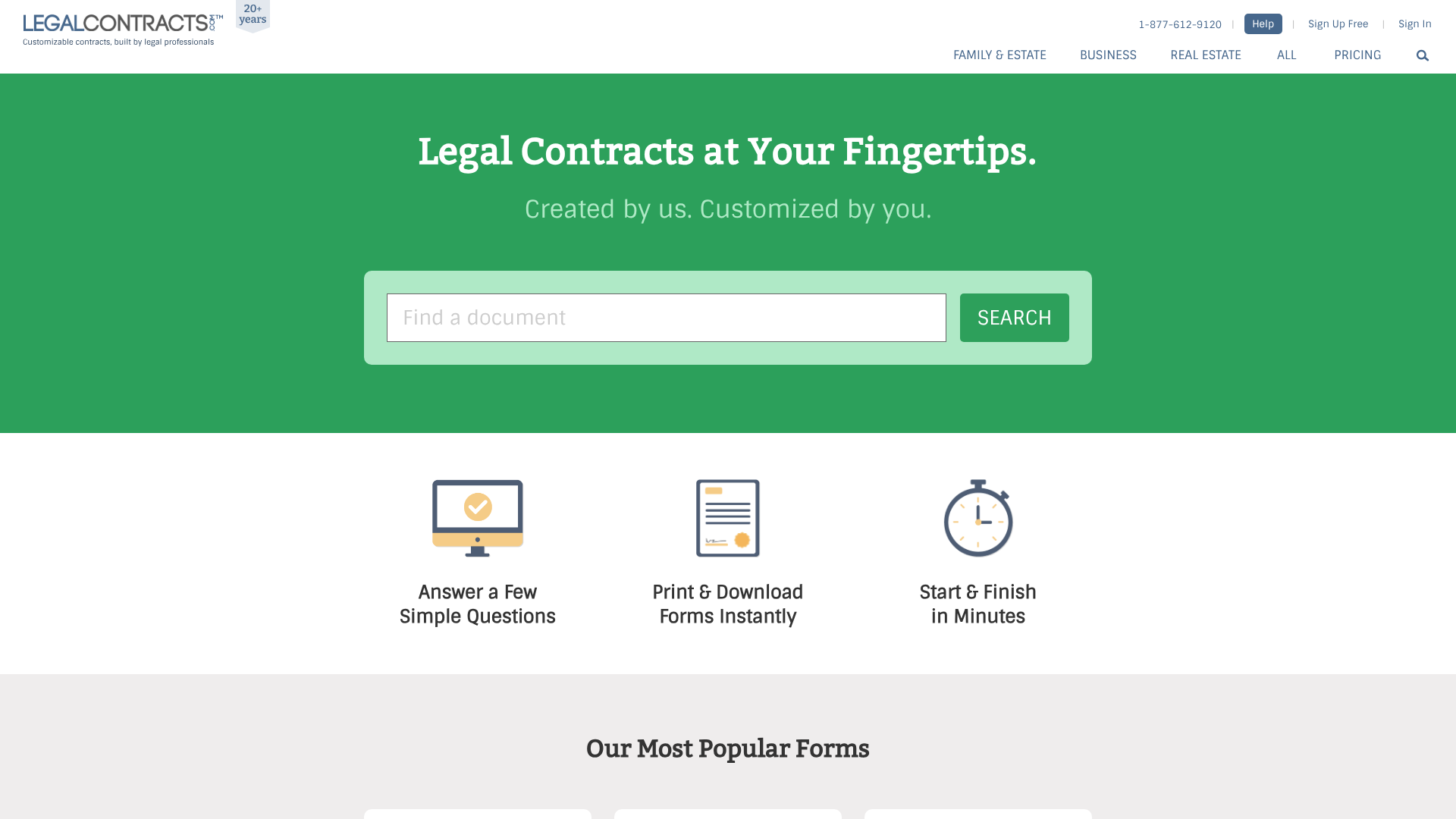
While not entirely free, LegalContracts offers a powerful and reliable way to create legally sound documents. It uses a step-by-step questionnaire to build a Non-Disclosure Agreement tailored to your specific needs, ensuring all the necessary clauses for your jurisdiction are included. This approach significantly reduces the risk of using a generic template that doesn't fully protect you.
This service is ideal for businesses that need more than a basic template and want the peace of mind that comes from a professionally guided process. You can often create a document to see if it fits your needs before committing to a purchase or subscription, making it a low-risk way to get a high-quality agreement.
Pros
- Highly Customisable: The document is built based on your answers, ensuring it's tailored to your situation.
- Jurisdiction-Specific: Creates agreements that are compliant with UK law.
- Comprehensive: Covers all the essential clauses and edge cases that generic templates often miss.
Cons
- Not Completely Free: It's a premium service, though the cost is a fraction of hiring a solicitor.
- Requires Sign-Up: You need to create an account to build and save your document.
If you need a reliable, custom-built NDA that provides robust legal protection, it's worth exploring the options at LegalContracts.
2. LawDepot: Great for User-Friendly Document Creation
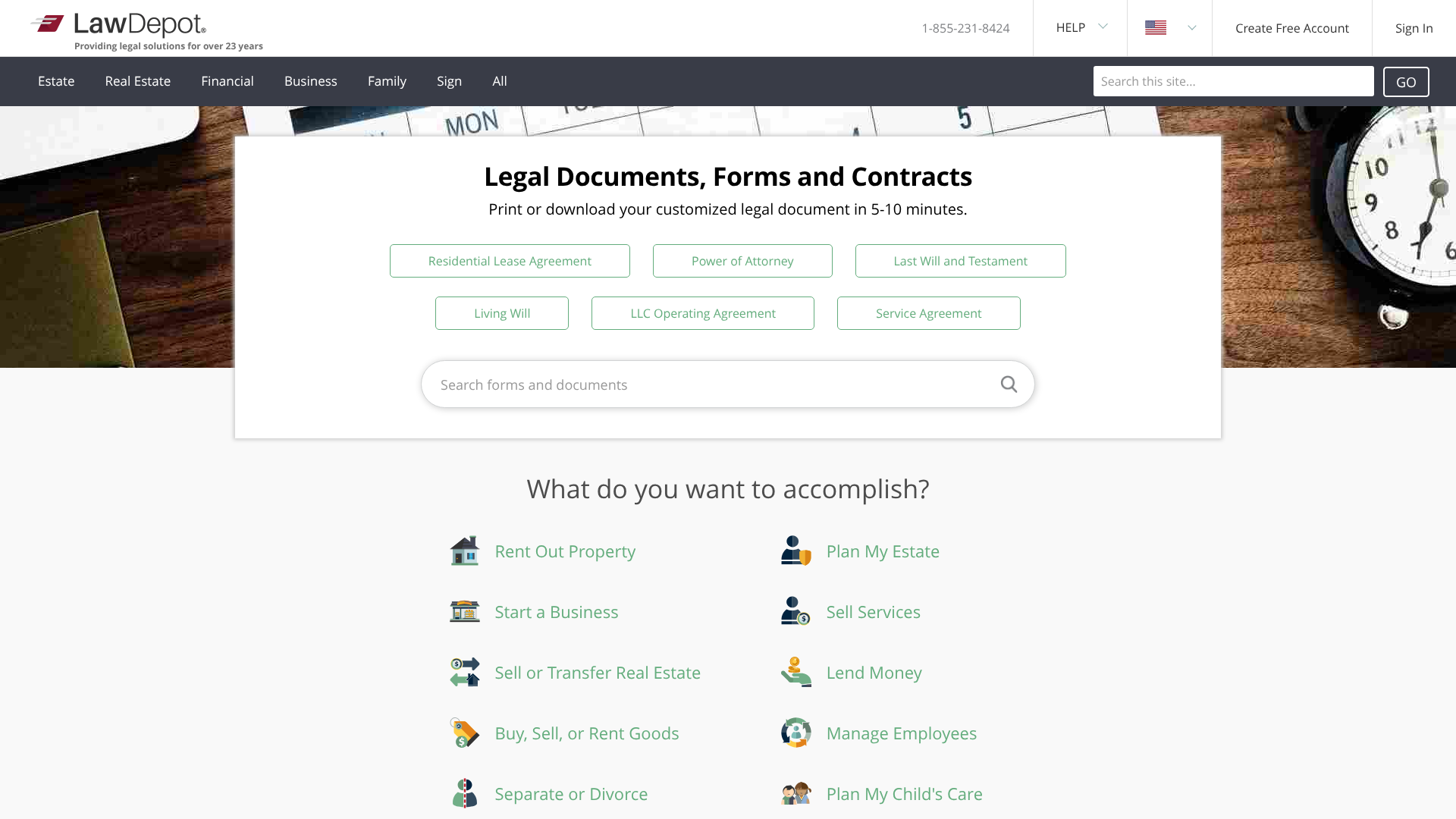
LawDepot is another major player in the online legal document space and a strong competitor. Similar to LegalContracts, it provides a user-friendly interface that guides you through creating an NDA. It asks a series of questions and generates a customised document based on your inputs.
LawDepot often offers a free trial period, which allows you to create and download a document for free. This makes it a great option for those who need a one-off agreement and are comfortable with a subscription model if they need more documents later. Their templates are well-regarded and cover a wide range of legal situations.
Pros
- Easy to Use: The questionnaire format simplifies the creation process.
- Good Guidance: Provides explanations for each clause as you go.
- Free Trial Available: You can often get the document you need for free during the trial period.
Cons
- Subscription Model: The main offering is a subscription, which may not suit everyone.
- Limited Free Access: Outside of the trial, access is restricted.
3. eForms: Excellent for a Wide Variety of Free Templates
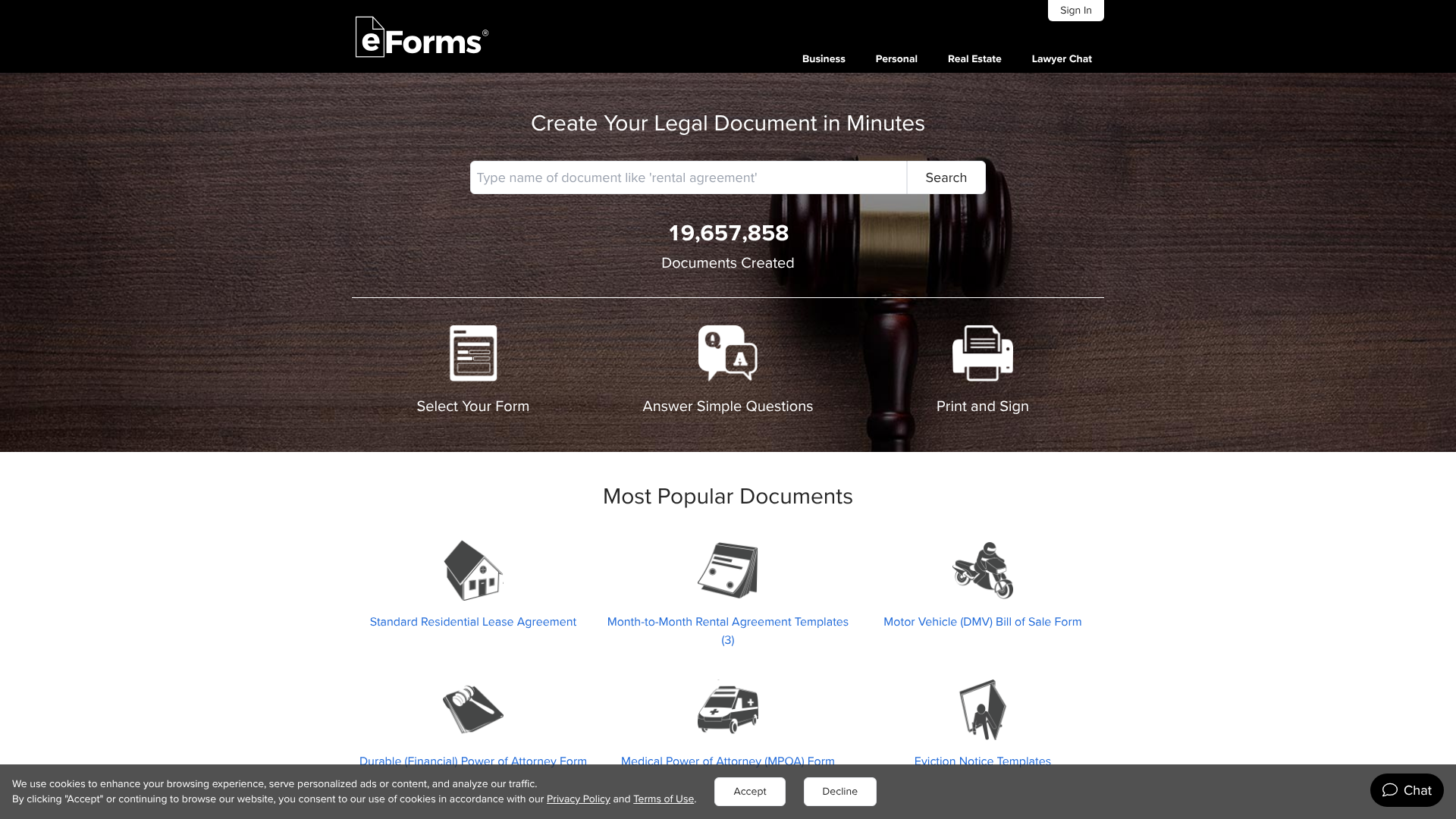
eForms is one of the most popular resources for genuinely free legal templates. It offers a vast library of documents, including several variations of Non-Disclosure Agreements. You can typically download them in Word or PDF format, allowing you to edit them as needed.
This is a fantastic starting point if you have a good understanding of what you need and are comfortable customising a document yourself. However, because the templates are generic, you must carefully review them to ensure they fit your specific circumstances and are appropriate for UK law.
Pros
- Truly Free: No cost to download and use the templates.
- Multiple Formats: Available in both PDF and Word for easy editing.
- Wide Selection: Offers different types of NDAs (unilateral, mutual, etc.).
Cons
- Generic Nature: Templates are not tailored to your specific situation.
- Legal Risk: May not be fully compliant with your local jurisdiction without careful review.
4. UK Government Website: The Official Starting Point
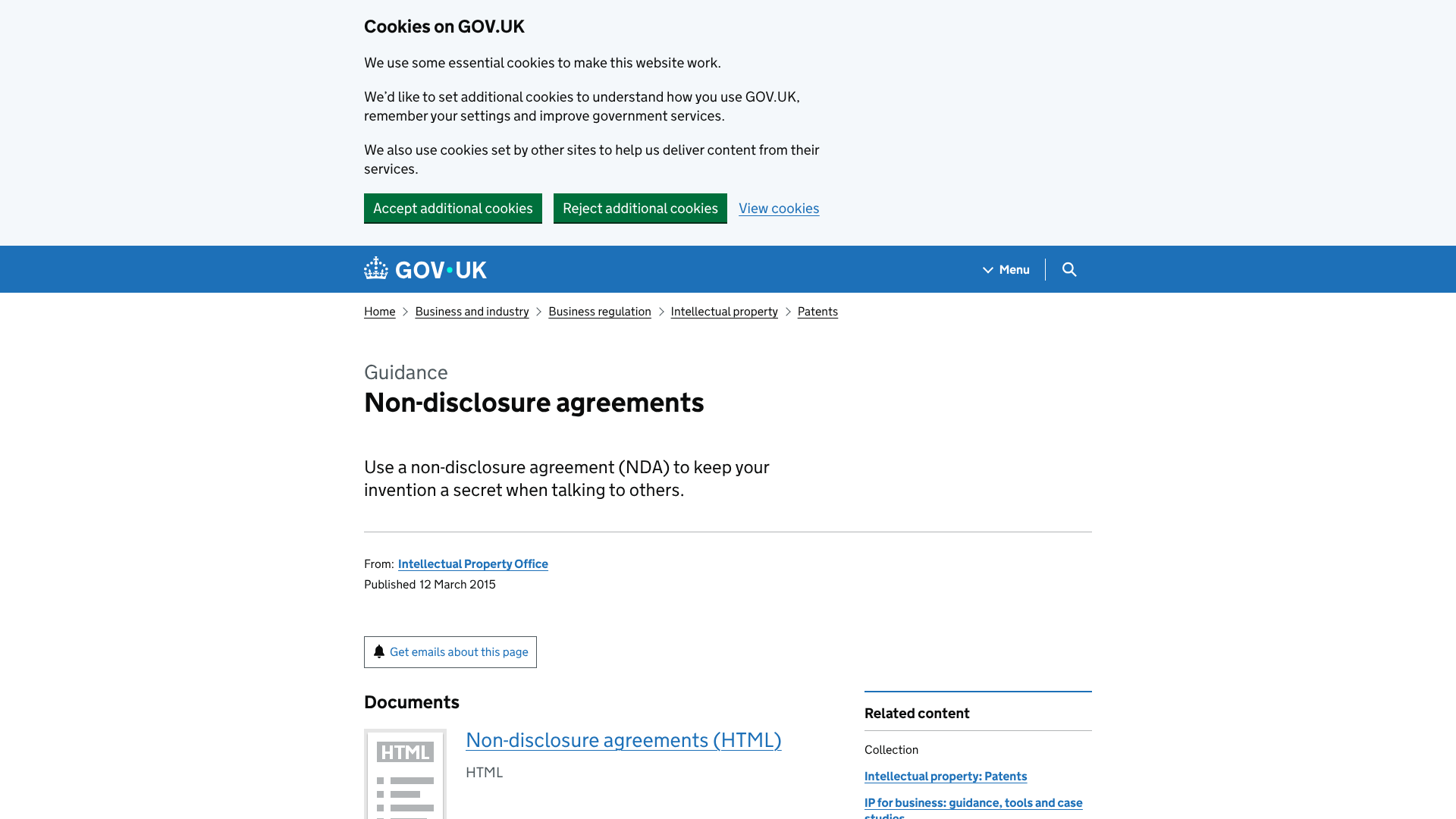
The UK Government's official website, GOV.UK, provides basic templates and guidance for various business needs, including intellectual property protection. You can find sample confidentiality agreement clauses and templates designed to be a starting point for UK businesses.
Using a template from an official source like this provides a high level of trust and authority. However, these templates are often very basic and are intended to be adapted. They won't cover complex situations but are an excellent, reliable resource for simple, straightforward agreements. For more information, you can review the guidance on the Intellectual Property Office's page.
Pros
- Authoritative Source: Comes directly from the UK Government.
- Trustworthy: You can be confident the basic legal principles are sound for the UK.
- Completely Free: No cost or sign-up required.
Cons
- Very Basic: Lacks the detail needed for complex or high-value information.
- Requires Customisation: You will need to adapt it significantly for your own use.
5. Common Paper: Best for Standardised Mutual NDAs
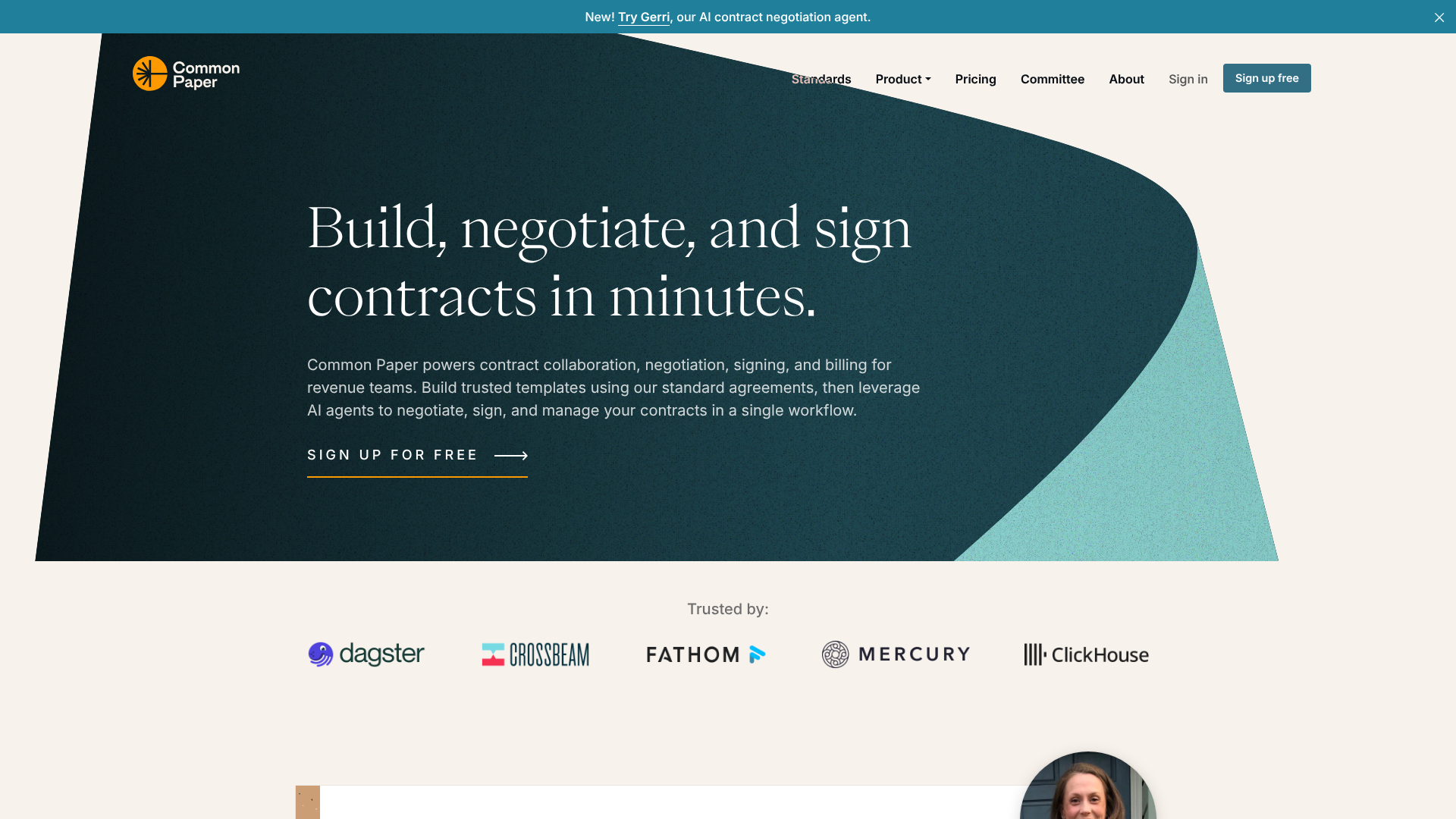
Common Paper is a unique resource that offers open-source, community-vetted legal agreements. Their Mutual NDA is particularly popular in the tech and startup communities. It was created by a committee of lawyers to be a fair, standard, and easy-to-understand agreement.
If you need a mutual NDA for a partnership or collaboration, this is an excellent choice. Because it's a standard agreement, it can help speed up negotiations since both parties are starting from a balanced and widely accepted document. You can download it for free in Word or PDF format.
Pros
- Industry Standard: Widely used and accepted, especially in tech.
- Balanced and Fair: Drafted to be equitable for both parties.
- Free and Open-Source: No cost and transparent development.
Cons
- Limited Scope: Primarily focused on mutual NDAs.
- Less Flexible: Not ideal for unilateral disclosures or highly unique situations.
The Hidden Costs and Risks of Using Free Templates
While free confidentiality agreement templates are an attractive option, especially for new businesses, it's important to be aware of the potential risks. A flawed NDA can be worse than no NDA at all, as it can provide a false sense of security while offering no real legal protection.
Lack of Legal Scrutiny
Many templates found online have not been reviewed by a qualified legal professional. They could be outdated, contain unenforceable clauses, or miss critical protections specific to your industry or jurisdiction. A court could deem the entire agreement invalid if it contains poorly drafted language.
Not Tailored to Your Specific Needs
A generic template cannot possibly account for the unique details of your business relationship. It might not adequately define the specific type of confidential information you are trying to protect. This ambiguity can create loopholes that a receiving party could exploit.
Outdated or Incorrect Clauses
Laws change over time. A free template that was perfectly valid five years ago might now contain clauses that are no longer compliant with current legislation, such as GDPR in the UK and Europe. Using an outdated document could lead to it being challenged and thrown out in court.
Potential for Unenforceability
If an NDA is overly broad or places unreasonable restrictions on the receiving party, a court may refuse to enforce it. For example, an agreement that defines the term of confidentiality as lasting forever for information that is not a trade secret is likely to be considered unreasonable. These are nuances that a generic template often gets wrong.
Using a guided service like LegalContracts helps mitigate these risks by ensuring your document is up-to-date, specific to your needs, and compliant with the laws of your jurisdiction.
Frequently Asked Questions (FAQ)
Here are answers to some common questions about creating and using Non-Disclosure Agreements.
Can I write my own non-disclosure agreement?
Yes, you can technically write your own NDA. However, it is highly risky unless you have a strong legal background. Contract law is complex, and small mistakes in wording can render the entire document unenforceable. Using a reliable, well-vetted template from a reputable source is a much safer alternative to starting from scratch.
Can I make an NDA for free?
Absolutely. You can make an NDA for free by using templates from sources like the UK Government website, eForms, or Common Paper. These are excellent starting points. The key is to carefully review and customise the template to ensure it accurately reflects your agreement and protects your specific information.
How do you write a simple non-disclosure agreement?
To write a simple NDA, you need to include the core elements: the names of the parties, a clear definition of what is confidential, the obligations of the receiver, the duration of the agreement, and the law that governs it (e.g., the laws of England and Wales). Start with a simple template and fill in the specifics for your situation. For very basic needs, this can be effective.
What are common NDA red flags?
Common red flags in an NDA template include vague definitions of confidential information, an unreasonably long duration, no specific mention of the governing law or jurisdiction, and the absence of a clause detailing the consequences of a breach. Another red flag is an agreement that is heavily one-sided and offers no protection for the receiving party.
Can I put NDA information into ChatGPT?
It is strongly advised not to put any confidential information from an NDA, or any sensitive information at all, into public AI models like ChatGPT. These models may use the data you input to train their systems, which could inadvertently expose your secrets. While you can ask an AI to help you understand legal concepts or draft a generic clause, never input the actual confidential details you are trying to protect.
Final Thoughts: Protecting Your Ideas is Non-Negotiable
In today's competitive business environment, safeguarding your confidential information is not just good practice—it's essential for survival and growth. Using non disclosure agreement templates free of charge is a practical and cost-effective way to establish a baseline of legal protection for your ideas, strategies, and data.
While free resources from government websites and platforms like eForms offer a great starting point, it's crucial to understand their limitations. A generic template may contain loopholes or fail to comply with UK law, leaving you exposed. For situations involving high-value information or complex business relationships, the risks of a flawed agreement often outweigh the initial cost savings.
For peace of mind and a legally robust agreement tailored to your specific needs, consider using a trusted, guided service. Platforms like these bridge the gap between a risky free template and the high cost of a solicitor. For a reliable and customisable document, consider using a service like LegalContracts to ensure your most valuable assets are properly protected.