

11 Best B2B Sales Prospecting Tools for Growth Teams in 2026
Finding a steady stream of qualified leads is the lifeblood of any B2B company. Yet, manual prospecting—scouring websites, scrolling through LinkedIn, and guessing email addresses—is a time-consuming process that yields inconsistent results. The right B2B sales prospecting tools automate the grunt work, allowing your sales team to focus on what they do best: building relationships and closing deals. These platforms are no longer a luxury; they are a fundamental part of a modern, efficient sales engine.
- What You'll Learn
- What Are B2B Sales Prospecting Tools?
- The Core Benefits: Why Your Sales Team Needs Prospecting Software
- Increased Efficiency and Productivity
- Higher Quality Leads
- Improved Data Accuracy
- Scalable and Personalised Outreach
- Key Features to Look For in B2B Prospecting Tools
- Extensive and Accurate Contact Database
- Advanced Search and Filtering
- Intent Data Signals
- CRM and Tech Stack Integration
- Sales Engagement and Automation
- How to Choose the Right Sales Prospecting Software for Your Business
- 1. Define Your Prospecting Needs and Goals
- 2. Evaluate Your Current Tech Stack
- 3. Consider Your Budget and Team Size
- 4. Prioritise Usability and Onboarding
- 5. Test with Free Trials and Demos
- The Top 11 B2B Sales Prospecting Tools for 2026
- 1. Apollo.io (Best All-in-One Platform)
- 2. HubSpot Sales Hub (Best for CRM Integration)
- 3. LinkedIn Sales Navigator (Best for Social Selling)
- 4. Reply.io (Best for Multi-Channel Outreach)
- 5. Hunter (Best for Email Finding)
- 6. ZoomInfo (Best for Enterprise Data)
- 7. Instantly.ai (Best for Cold Email at Scale)
- 8. Zoho CRM (Best for Budget-Conscious Teams)
- 9. Outreach (Best for Sales Engagement)
- 10. PandaDoc (Best for Proposal Stage)
- 11. SimplyBook.me (Best for Appointment Scheduling)
- Pricing Comparison: What to Expect from B2B Sales Tools
- Frequently Asked Questions (FAQ)
- What is the difference between sales prospecting and lead generation?
- Can I use free B2B prospecting tools?
- How do I ensure my prospecting is GDPR compliant?
- Should my prospecting tool be part of my CRM?
- Final Thoughts: Choosing Your Prospecting Powerhouse
Choosing the right software can feel overwhelming with so many options available, each promising to fill your pipeline overnight. This guide cuts through the noise. We'll break down what these tools do, the essential features to look for, and review the top 11 options on the market for 2026 to help you find the perfect fit for your team's size, budget, and goals.
What You'll Learn
- All-in-one platforms are powerful: Tools like Apollo.io combine a massive contact database with sales engagement features, offering a complete solution in one place.
- CRM integration is non-negotiable: A seamless connection to your CRM, such as HubSpot CRM or Zoho CRM, is essential for tracking leads and maintaining a single source of truth.
- Key features define value: Look for high-quality data, advanced search filters, buyer intent signals, and robust automation capabilities to maximise your return on investment.
- The best tool depends on your needs: Your choice should be guided by your team size, budget, existing tech stack, and specific sales strategy, whether it's high-volume outreach or account-based marketing.
What Are B2B Sales Prospecting Tools?
B2B sales prospecting tools are software applications designed to help salespeople identify, find contact information for, and engage with potential business customers. Think of them as a high-tech toolkit that replaces outdated methods like cold calling from a phone book or manually building lead lists. Their primary function is to streamline and accelerate the top of the sales funnel, where identifying the right people at the right companies is the most critical and often most difficult task.
At its core, sales prospecting is the active process of searching for potential customers, clients, or buyers to develop new business. In a B2B context, this means finding the specific companies that fit your Ideal Customer Profile (ICP) and then identifying the key decision-makers within those organisations. These tools provide the data and the means to do this at scale.
They achieve this by combining several key functions. Many platforms start with a massive, constantly updated database of company and contact information. This data goes far beyond a name and email, often including job titles, company size, annual revenue, technologies used by the company, and even recent hiring trends. This allows sales reps to build highly targeted lists of prospects who are much more likely to be a good fit for their product or service.
The Core Benefits: Why Your Sales Team Needs Prospecting Software
Integrating dedicated B2B prospecting tools into your sales process isn't just about moving faster; it's about working smarter and achieving better results. The impact of these platforms can be felt across the entire sales organisation, from individual rep productivity to overall revenue growth.
Increased Efficiency and Productivity
This is the most immediate and noticeable benefit. Manual prospecting is incredibly labour-intensive. A sales development representative (SDR) can spend hours every day searching for a handful of qualified contacts. Sales prospecting software automates this entire process. Instead of manually searching LinkedIn or company websites, a rep can apply a few filters and generate a list of hundreds of ideal prospects in minutes. This frees up dozens of hours per week, allowing them to focus on high-value activities like personalising outreach, conducting discovery calls, and nurturing relationships.
Higher Quality Leads
More leads don't always mean more sales. The quality of those leads is what truly matters. B2B sales tools allow teams to be incredibly specific about who they target. Using advanced filters for industry, company size, revenue, geographic location, and even the specific technologies a company uses (technographics), reps can build lists that perfectly match their ICP. This precision ensures that the sales team is spending its time talking to prospects who can actually benefit from—and afford—their solution, leading to higher conversion rates and shorter sales cycles.
Improved Data Accuracy
Bad data is a silent killer of sales productivity. Bounced emails, wrong numbers, and outdated job titles waste time and damage your sender reputation. Reputable sales prospecting software invests heavily in verifying and regularly updating its data. Many tools include built-in email verification features that check the validity of an email address in real-time before you send a message. This dramatically reduces bounce rates and ensures your outreach efforts are actually reaching their intended recipients.
Scalable and Personalised Outreach
Once you have a list of high-quality prospects, you need an effective way to engage them. Many modern B2B sales tools include sales engagement features that allow you to build automated, multi-step outreach campaigns, often called sequences or cadences. These campaigns can combine emails, phone calls, and social media touchpoints. Crucially, they allow for personalisation at scale by using data points from the prospect's profile (like their name, company, or job title) to make each message feel relevant and tailored, significantly increasing response rates.
Key Features to Look For in B2B Prospecting Tools

Not all sales prospecting software is created equal. When evaluating your options, focusing on a few core features will help you distinguish between a basic contact finder and a powerful growth engine. These are the capabilities that provide the most significant impact on your team's success.
Extensive and Accurate Contact Database
The foundation of any great prospecting tool is its data. You need a platform with a large, global database of companies and contacts relevant to your target market. Ask potential vendors about the size of their database, how often they update their records, and what their data sources are. High accuracy is critical; a smaller, more accurate database is always better than a massive, outdated one. Look for tools that offer a data accuracy guarantee or have strong reviews regarding data quality.
Advanced Search and Filtering
A large database is useless without the ability to navigate it effectively. Powerful search and filtering capabilities are what allow you to pinpoint your ideal customers. Look for tools that go beyond basic filters like industry and company size. The best platforms offer granular filtering options, including employee headcount growth, technologies used, funding rounds, specific keywords in job titles, and more. This level of detail is essential for building hyper-targeted prospect lists.
Intent Data Signals
Intent data is one of the most powerful features in modern prospecting. It helps you identify accounts that are actively researching solutions like yours right now. These tools track online signals—such as which companies are visiting your website (even if they don't fill out a form), what topics they are researching on third-party sites, and which keywords they are searching for. Targeting a company showing active buying intent dramatically increases the likelihood of a positive response because your outreach is timely and relevant.
CRM and Tech Stack Integration
Your prospecting tool should not operate in a silo. Seamless integration with your Customer Relationship Management (CRM) platform is absolutely essential. This ensures that when a new prospect is identified, their information can be pushed directly into the CRM with a single click, eliminating manual data entry and preventing duplicate records. A good integration syncs all activities, such as emails sent and calls made, creating a complete record of every interaction and a single source of truth for your sales team. Ensure the tool integrates smoothly with your existing stack, whether it's HubSpot CRM, Zoho CRM, or Salesforce.
Sales Engagement and Automation
Finding contacts is only half the battle. The next step is reaching out to them. Many top-tier tools now include built-in sales engagement features. This includes the ability to create automated email sequences, use a built-in dialler for calls, and set tasks to connect on LinkedIn. This functionality turns the platform into an end-to-end solution, allowing reps to manage their entire top-of-funnel workflow without constantly switching between different applications.
Pro Tip: When evaluating tools, always prioritise data compliance. Ensure the vendor is transparent about how they source their data and that they adhere to regulations like GDPR in Europe and CCPA in California. Using non-compliant data can lead to significant legal and financial penalties.
How to Choose the Right Sales Prospecting Software for Your Business

Selecting the right B2B sales tools is a strategic decision that can have a lasting impact on your revenue growth. A methodical approach will help you cut through the marketing hype and find a platform that genuinely meets your team's needs. Follow these steps to make an informed choice.
1. Define Your Prospecting Needs and Goals
First, clarify what you want to achieve. Are you trying to increase the sheer volume of leads for your SDR team? Are you implementing an Account-Based Marketing (ABM) strategy that requires deep insights into a few key accounts? Is social selling on LinkedIn your primary channel? Your specific goals will determine which features are most important. For example, a team focused on ABM will need strong intent data and company-level insights, while a team focused on high-volume outreach will prioritise automation and sequencing features.
2. Evaluate Your Current Tech Stack
Make a list of the sales and marketing tools your team already uses every day. Your CRM is the most important piece of this puzzle. Any prospecting tool you choose must have a reliable, native integration with your CRM to avoid creating data silos and manual work. Consider other tools as well, such as your email client (Gmail, Outlook), marketing automation platform, and any sales diallers. A tool that fits neatly into your existing workflow will see much higher adoption rates.
3. Consider Your Budget and Team Size
Pricing for sales prospecting software varies wildly. Some tools charge a flat fee per user per month, while others use a credit-based system where you pay for each contact you reveal or export. Be realistic about your budget. While enterprise-grade tools like ZoomInfo offer incredible data, their price point may be prohibitive for a startup. Conversely, a cheaper tool might not provide the data quality or features a larger team needs to scale. Look for platforms with transparent pricing and plans that can grow with you.
4. Prioritise Usability and Onboarding
A complex tool with a steep learning curve will frustrate your team and lead to low adoption, wasting your investment. During your evaluation, pay close attention to the user interface (UI). Is it intuitive and easy to navigate? A clean, modern design is often a sign of a well-thought-out product. Furthermore, ask about the onboarding process and ongoing customer support. Good vendors will offer comprehensive training and responsive support to ensure your team gets the most value from the platform.
5. Test with Free Trials and Demos
Never buy a prospecting tool without seeing it in action. Almost all vendors offer a free trial or a personalised demo. Use this opportunity to test the platform against your real-world needs. Build a test list of prospects in your target market and evaluate the quality and accuracy of the contact data. Test the CRM integration to see how smoothly it works. This hands-on experience is the best way to confirm whether a tool is the right fit for your team before you commit to a contract.
The Top 11 B2B Sales Prospecting Tools for 2026
Here is our curated list of the best B2B sales prospecting tools, categorised by their primary strengths to help you find the right solution for your specific needs.
1. Apollo.io (Best All-in-One Platform)
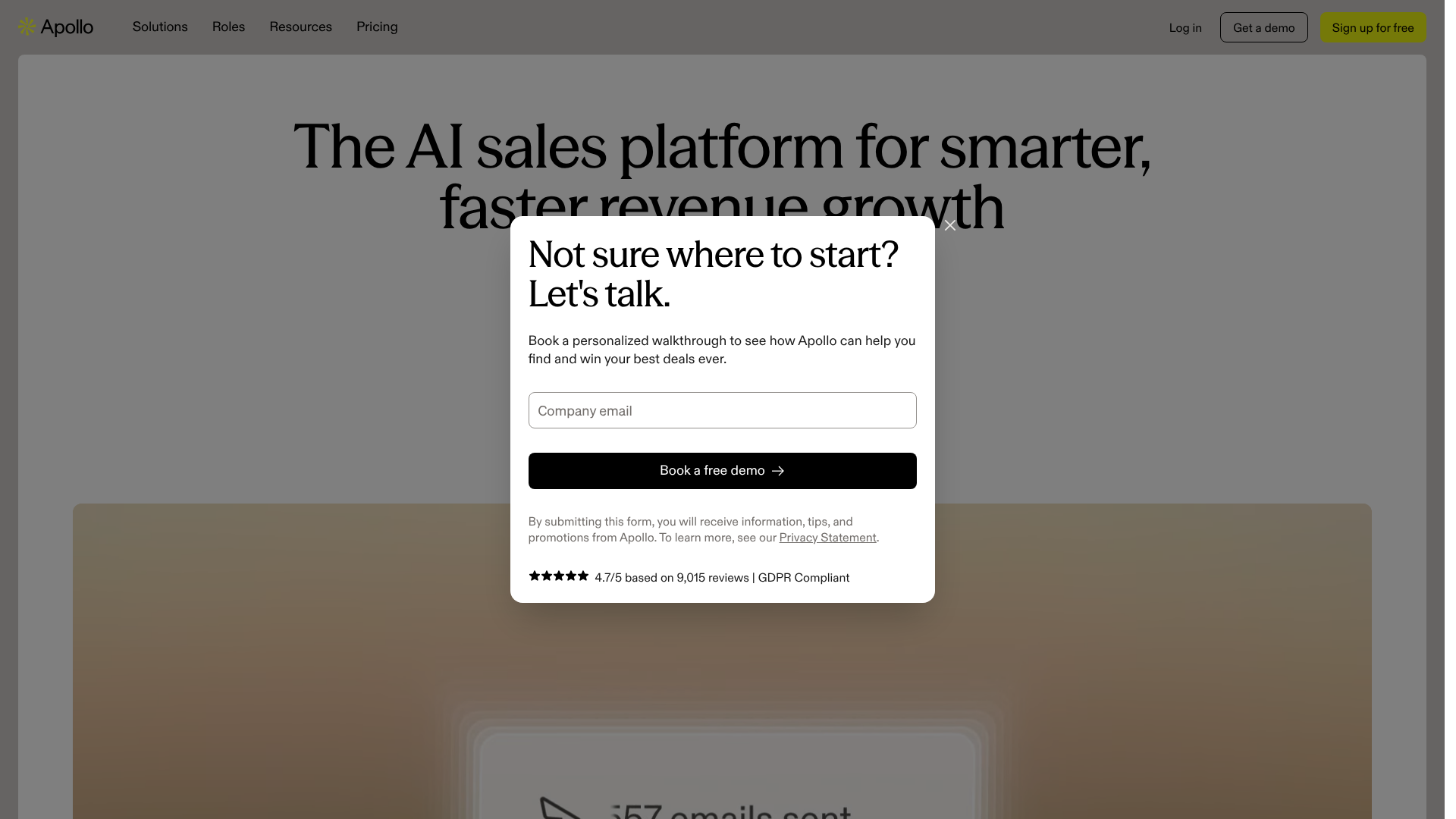
Apollo.io has become a favourite for startups and SMBs by combining a massive B2B contact database with a full suite of sales engagement tools. It allows you to find prospects, automate email sequences, make calls, and analyse results all within one platform, offering exceptional value.
Pros:
- Comprehensive Feature Set: Includes a database of over 275 million contacts, email sequencing, a power dialler, and analytics.
- Great Value: The pricing is highly competitive, and the free plan is one of the most generous available, making it accessible for small teams.
- Ease of Use: The Chrome extension is particularly useful, allowing you to find contact data directly from LinkedIn profiles.
Cons:
- Data Inconsistencies: While the database is huge, data accuracy can sometimes be lower for niche industries or smaller companies compared to premium providers.
- UI Can Be Busy: With so many features, the interface can feel a bit overwhelming for first-time users.
Best for: Startups, SMBs, and sales teams looking for a powerful, affordable, all-in-one prospecting and engagement solution. If you're looking for a platform that does almost everything, Apollo.io is an excellent place to start.
2. HubSpot Sales Hub (Best for CRM Integration)
For companies already using the HubSpot ecosystem, Sales Hub is a natural and powerful choice. It builds prospecting and sales engagement tools directly into the HubSpot CRM, creating a unified platform for managing the entire customer lifecycle from first touch to final sale.
Pros:
- Seamless Integration: Perfect, native integration with HubSpot's Marketing and Service Hubs provides a complete view of every customer interaction.
- User-Friendly: Like all HubSpot products, Sales Hub is known for its clean, intuitive interface that is easy for teams to adopt.
- Powerful Automation: Includes email templates, tracking, sequencing, and a meeting scheduler directly within your inbox and CRM.
Cons:
- Limited Prospect Database: Its built-in database is not as extensive as dedicated platforms like Apollo or ZoomInfo.
- Can Be Expensive: While the free tools are great, the professional and enterprise tiers can become costly as your team grows.
Best for: Companies of all sizes that are already invested in or planning to adopt the HubSpot CRM platform.
3. LinkedIn Sales Navigator (Best for Social Selling)
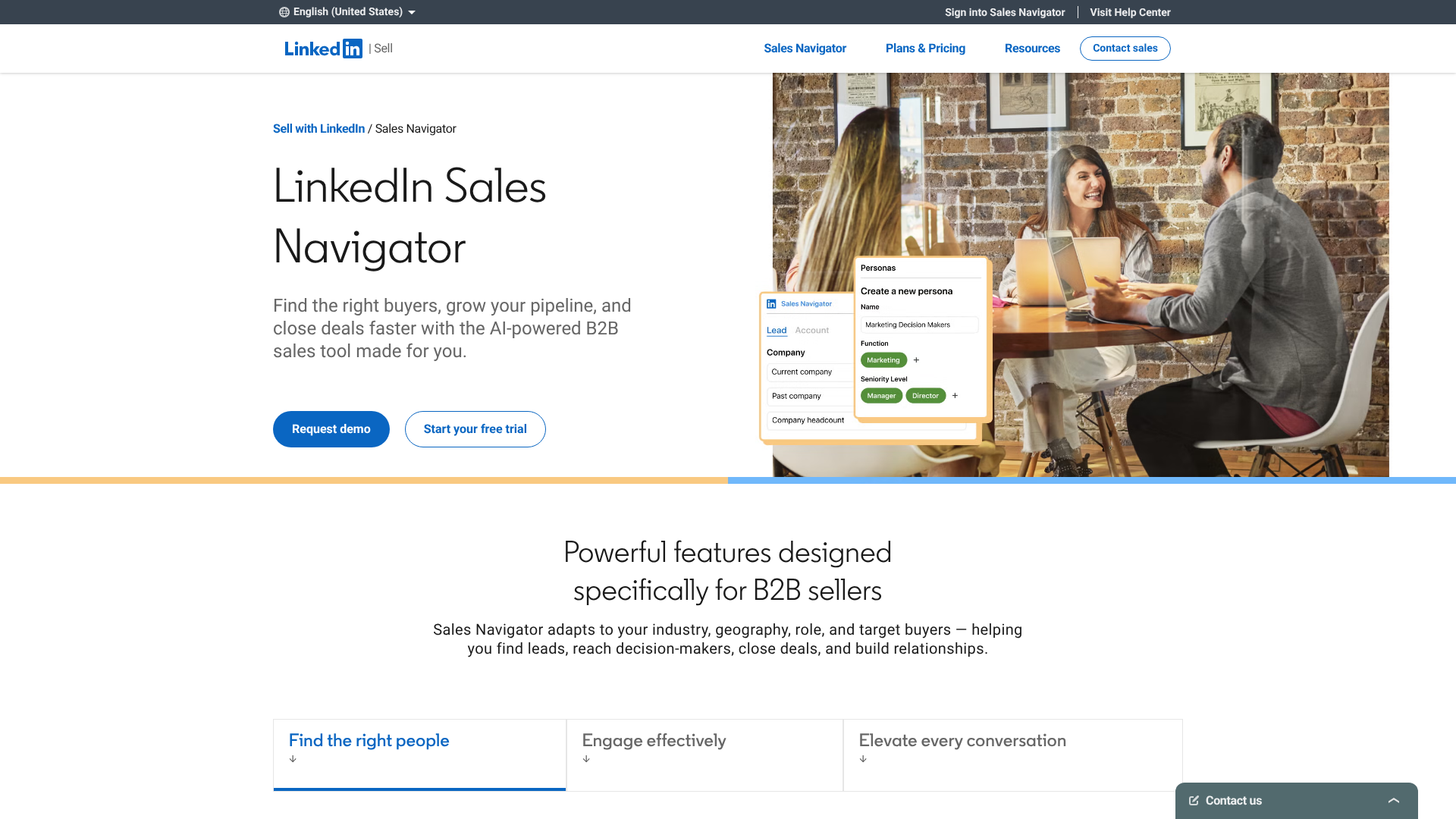
LinkedIn is the world's largest professional network, and Sales Navigator is the key to unlocking its full prospecting potential. It’s an essential tool for any sales professional who relies on social selling to find, connect with, and build relationships with prospects.
Pros:
- Unmatched Professional Data: Access to LinkedIn's entire network with advanced search filters that are far more powerful than the standard search.
- Lead Recommendations: The platform proactively suggests new leads and accounts that fit your saved preferences.
- InMail Messages: Allows you to contact LinkedIn members you're not connected with directly.
Cons:
- No Contact Details: It does not provide direct email addresses or phone numbers, requiring you to use another tool in tandem.
- A Closed Ecosystem: All activity is contained within LinkedIn; it's a research and engagement tool, not an outreach automation platform.
Best for: Sales teams whose ideal customers are active on LinkedIn and who use a social selling-heavy strategy.
4. Reply.io (Best for Multi-Channel Outreach)
Reply.io is a top-tier sales engagement platform designed to automate and scale communication across multiple channels. It excels at creating sophisticated outreach sequences that combine emails, calls, LinkedIn tasks, and even WhatsApp messages.
Pros:
- True Multi-Channel Sequencing: Go beyond email to create comprehensive touchpoint plans that engage prospects wherever they are.
- AI-Powered Features: Includes an AI assistant to help write emails, score prospect interest, and book meetings.
- Data Sourcing: Includes a built-in B2B contact database and a Chrome extension to find emails on LinkedIn.
Cons:
- Learning Curve: The sheer number of features and customisation options can be complex to set up initially.
- Database Isn't Its Core Strength: While the data finder is useful, it's not as robust as specialised database providers.
Best for: Sales teams focused on executing sophisticated, multi-touch outreach campaigns and who need a powerful automation engine. If you want to orchestrate complex campaigns, Reply.io is a strong contender.
5. Hunter (Best for Email Finding)
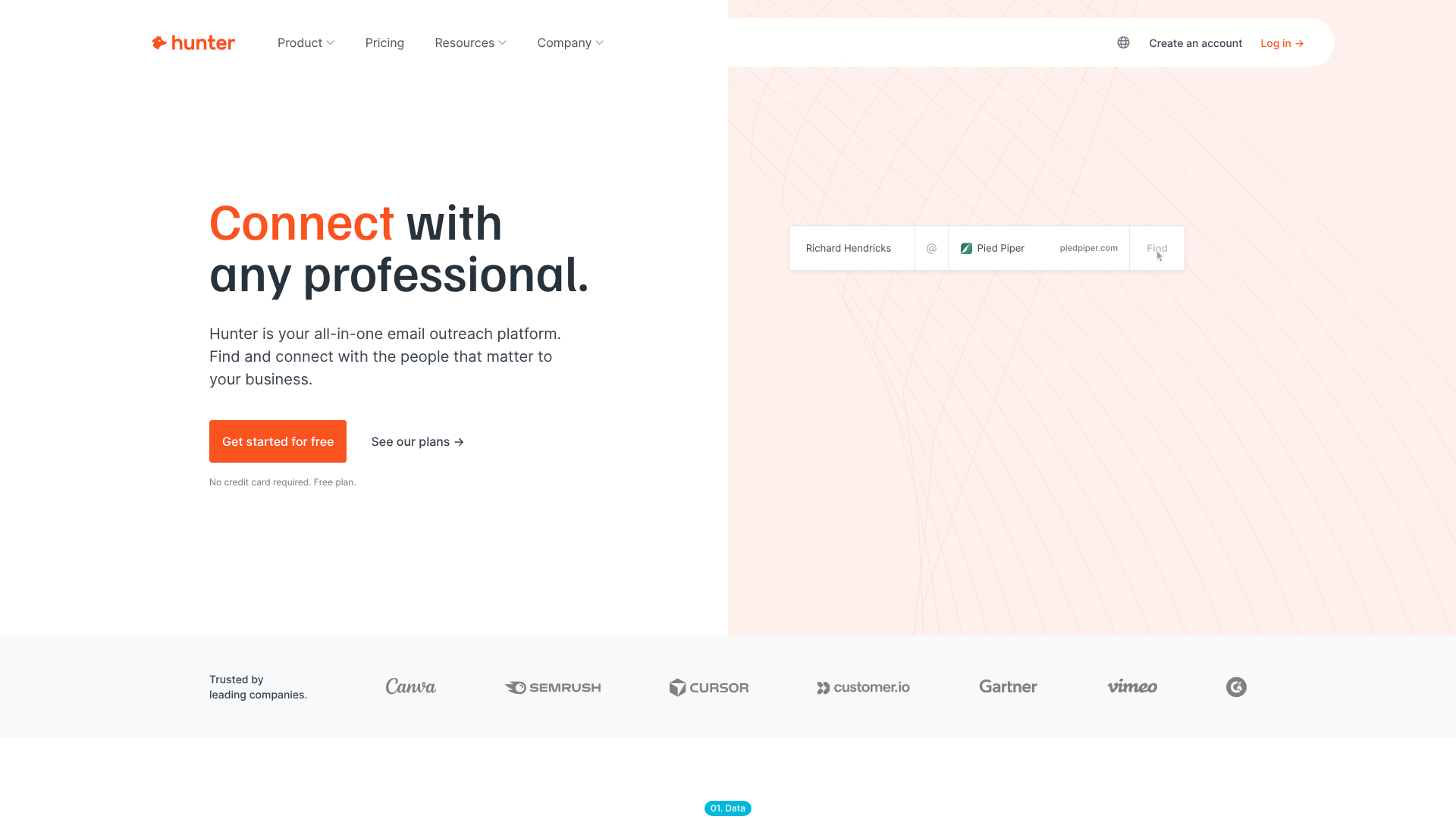
Hunter is a simple, fast, and highly effective tool with one primary job: finding and verifying professional email addresses. Its straightforward approach and high accuracy have made it a go-to tool for sales and marketing teams worldwide.
Pros:
- High Accuracy: Hunter is widely regarded for the accuracy of its email verification, which helps protect your sender reputation.
- Simple to Use: The interface is clean and intuitive, and the Chrome extension makes finding emails on the fly effortless.
- Generous Free Plan: The free plan offers 25 searches and 50 verifications per month, which is great for occasional use.
Cons:
- Limited Scope: It focuses almost exclusively on email addresses, lacking the broader company data and engagement features of other tools.
- Campaigns Feature is Basic: While it offers Hunter Campaigns for simple outreach, it's not a replacement for a full sales engagement platform.
Best for: Individuals and teams who need a reliable, no-frills tool to find and verify email addresses to supplement their main CRM or outreach platform.
6. ZoomInfo (Best for Enterprise Data)
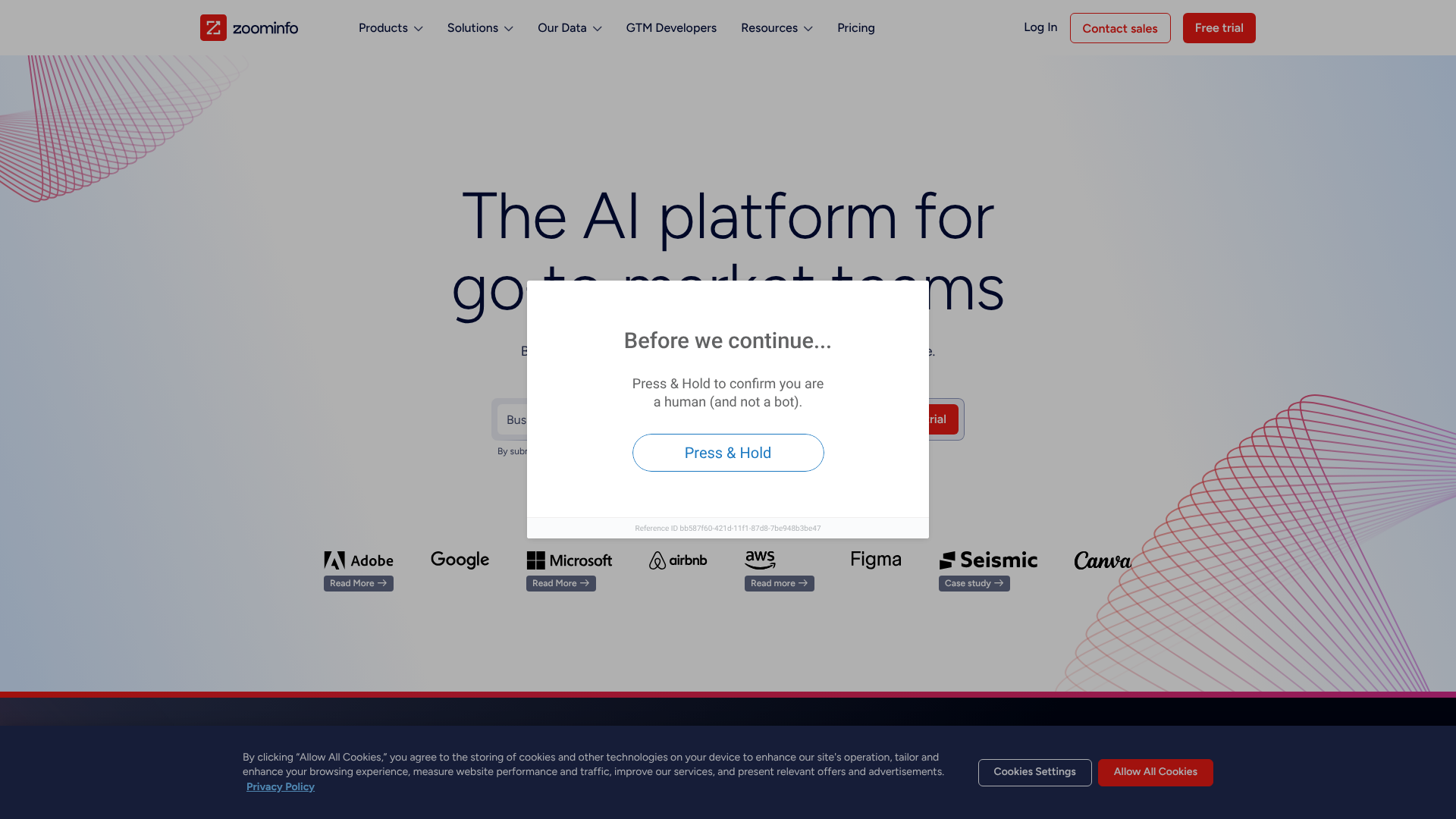
ZoomInfo is a market leader in the B2B data space, renowned for the depth, breadth, and accuracy of its company and contact information. It's a premium solution designed for enterprise-level sales and marketing organisations that require the highest quality data available.
Pros:
- Best-in-Class Data: Widely considered the gold standard for data accuracy, including direct-dial mobile numbers and verified emails.
- Powerful Intent Data: Its platform can identify companies that are actively researching specific topics, indicating strong buyer intent.
- Deep Company Insights: Provides detailed organisational charts, technographic data, and real-time news alerts.
Cons:
- High Cost: ZoomInfo is one of the most expensive options on the market, with pricing that puts it out of reach for most small businesses.
- Annual Contracts: Typically requires a commitment to an annual contract.
Best for: Enterprise and mid-market companies with large sales teams and a significant budget who cannot compromise on data quality.
7. Instantly.ai (Best for Cold Email at Scale)
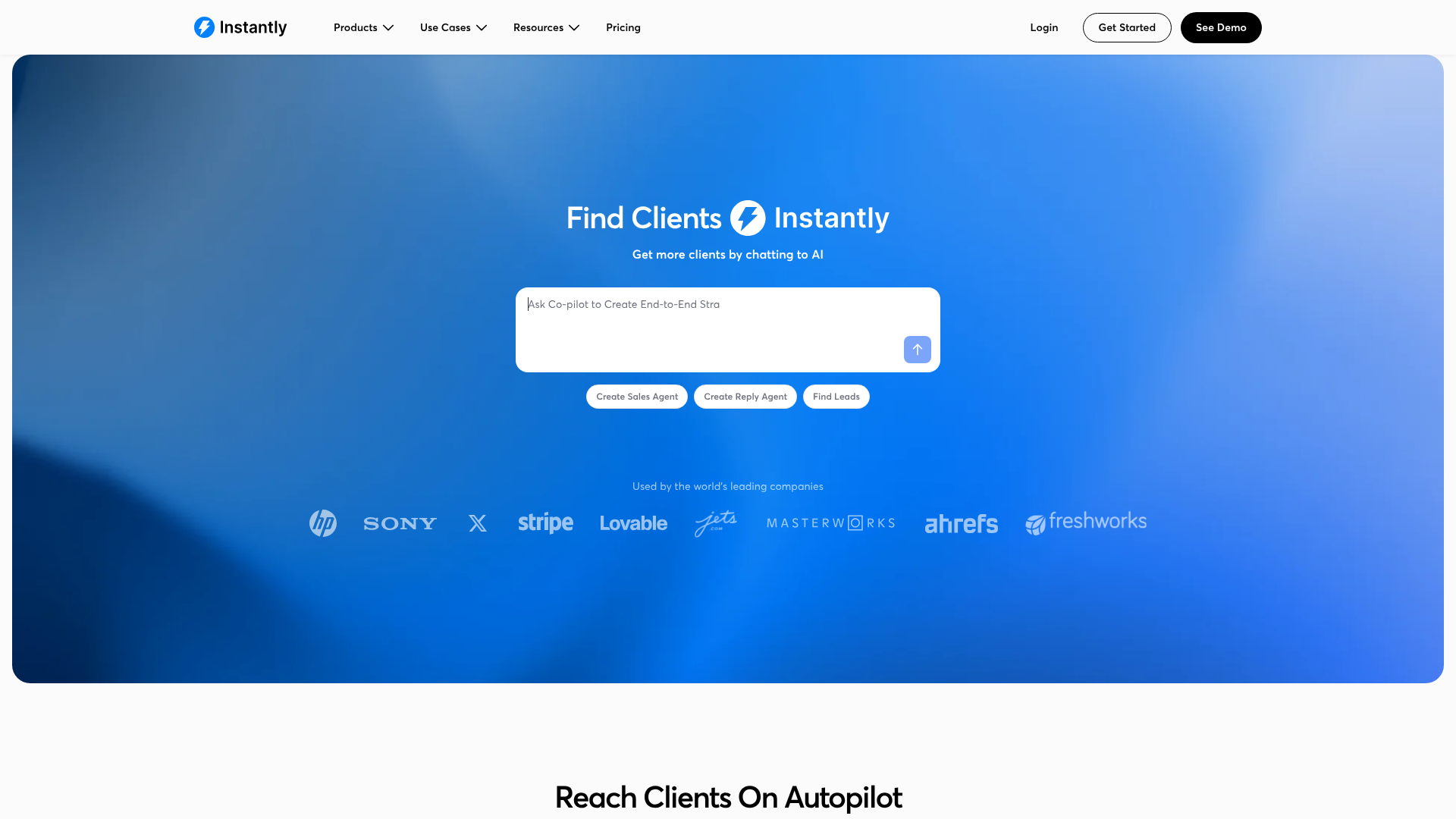
Instantly.ai has quickly gained popularity for its focus on scaling cold email outreach while protecting sender deliverability. Its standout feature is the unlimited email account warm-up and smart sending capabilities, which are crucial for high-volume campaigns.
Pros:
- Unlimited Email Warm-up: Connect as many sending accounts as you need and warm them up automatically to improve deliverability.
- Affordable Scaling: The pricing model is designed to make high-volume sending accessible without breaking the bank.
- Simple Campaign Setup: The interface is focused and makes it easy to launch and manage large-scale email campaigns.
Cons:
- Primarily Email-Focused: Lacks the multi-channel (calling, social) capabilities of platforms like Reply.io or Outreach.
- Analytics are Basic: Reporting is functional but not as deep as more mature sales engagement platforms.
Best for: Lead generation agencies and sales teams that rely heavily on cold email and need to manage multiple sending accounts at scale. Check out Instantly.ai if this is your focus.
8. Zoho CRM (Best for Budget-Conscious Teams)
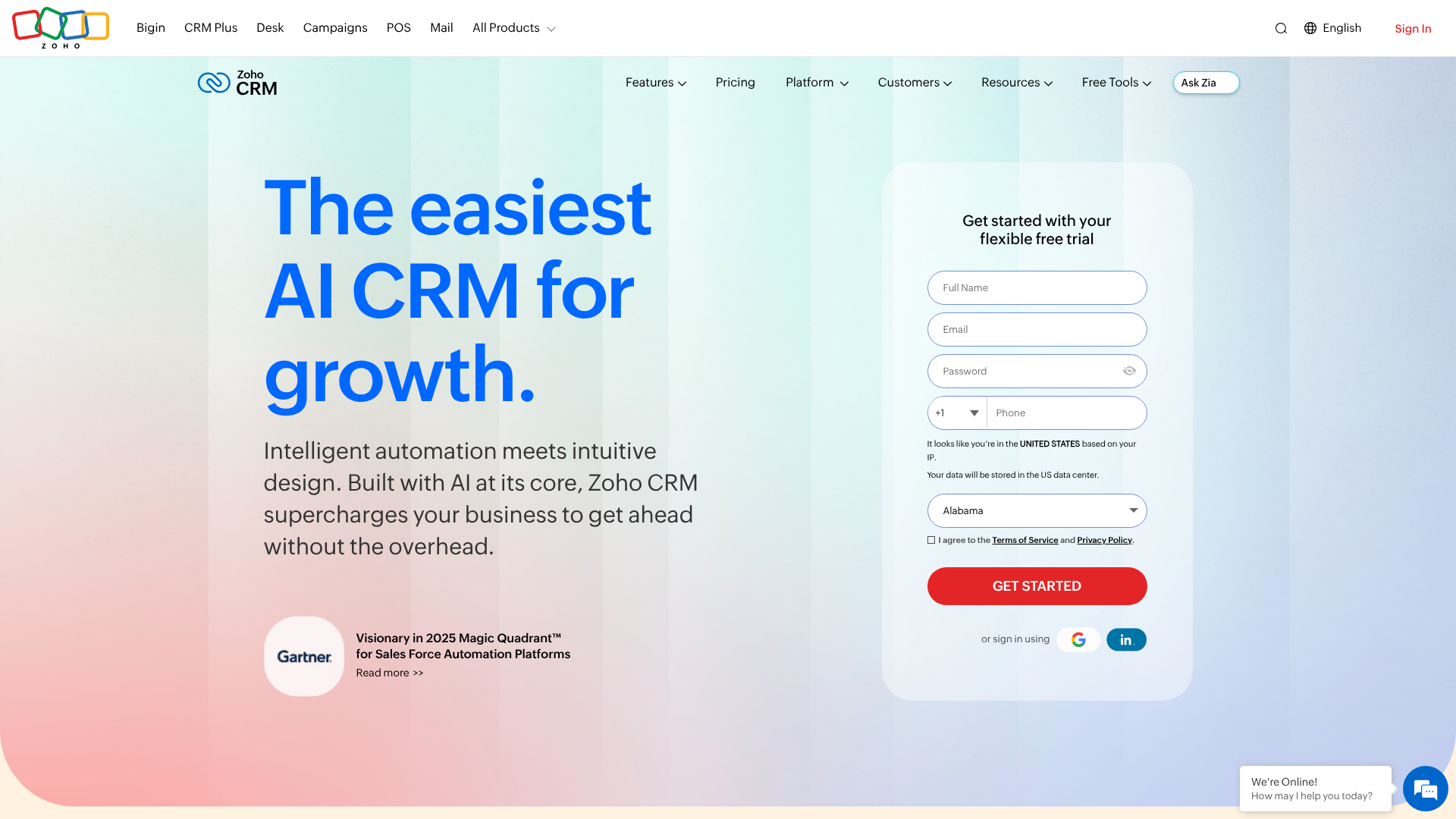
Zoho CRM is a veteran in the CRM space, offering a feature-rich platform at an extremely competitive price point. It's part of the broader Zoho suite of business applications, providing an all-in-one solution for businesses looking to manage their entire operations on a single platform.
Pros:
- Exceptional Value: Zoho CRM offers a powerful set of features, including lead management and workflow automation, at a fraction of the cost of its competitors.
- Highly Customisable: The platform can be tailored to fit the unique processes of almost any business.
- Integrated Suite: Seamlessly connects with over 40 other Zoho apps for marketing, finance, and HR.
Cons:
- Dated User Interface: The UI can feel less modern and intuitive compared to newer platforms.
- Prospecting Features are Secondary: While it has sales tools, it lacks a built-in, high-quality B2B database for finding new leads.
Best for: Small to medium-sized businesses that need a powerful, affordable, and customisable CRM with solid sales force automation features. Zoho CRM is a great starting point.
9. Outreach (Best for Sales Engagement)
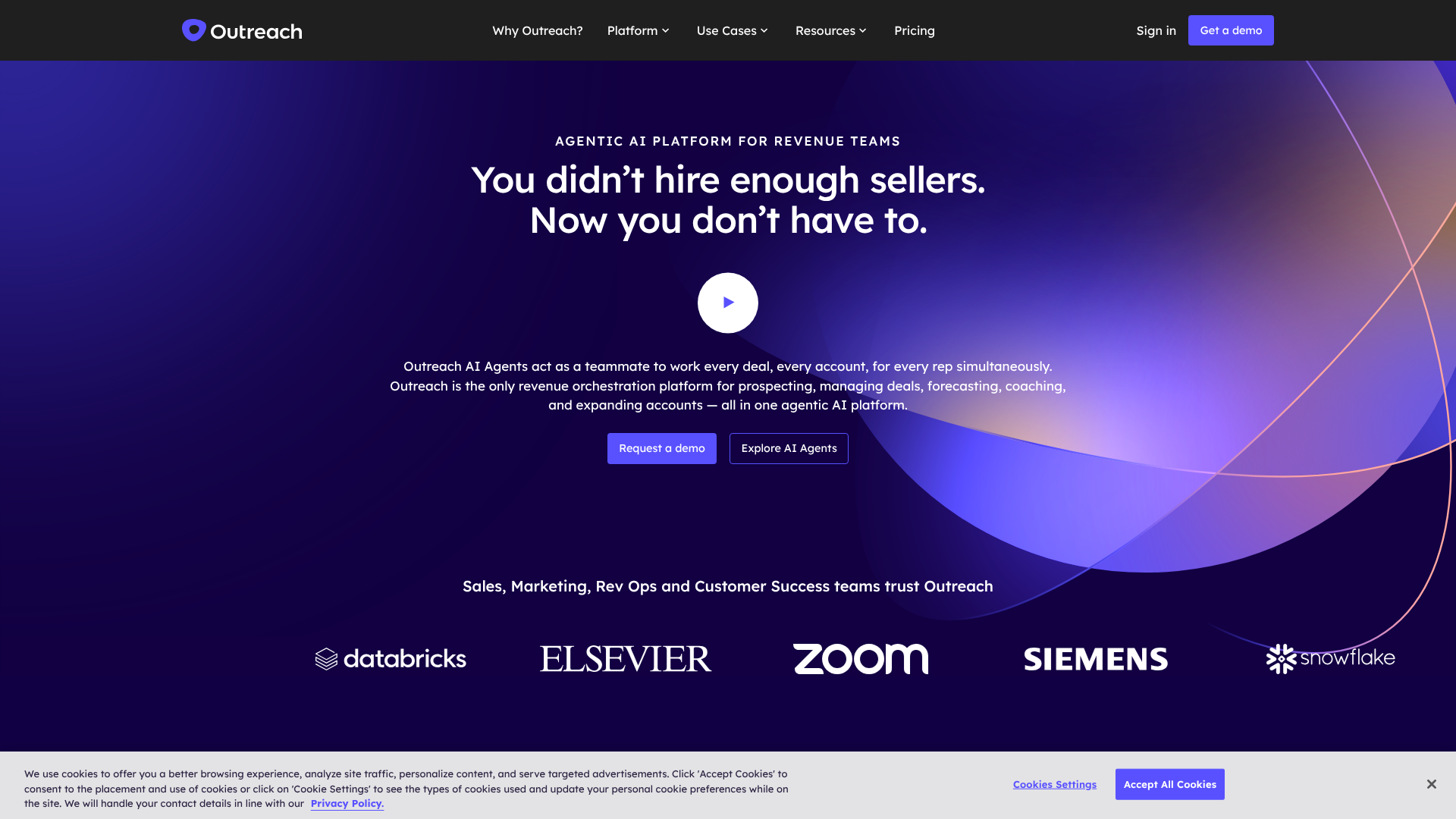
Outreach is a leading sales engagement platform that helps sales teams streamline and automate their communication workflows. It's designed to ensure reps follow best practices and engage with prospects consistently and effectively through its powerful sequencing and analytics engine.
Pros:
- Powerful Automation: Its “Sequences” are highly customisable and can automate complex workflows across email, phone, and social.
- Deep Analytics and Reporting: Provides managers with detailed insights into team performance and what activities are driving results.
- AI-Powered Insights: Features like Kaia (Knowledge AI Assistant) provide real-time assistance during sales calls.
Cons:
- Premium Pricing: Outreach is positioned as a premium solution and is priced accordingly.
- Complexity: Can be complex to implement and requires dedicated resources to manage effectively.
Best for: Established mid-market and enterprise sales teams that need a centralised platform to manage all sales activities and drive rep productivity. If you need top-tier engagement management, consider Outreach.
10. PandaDoc (Best for Proposal Stage)
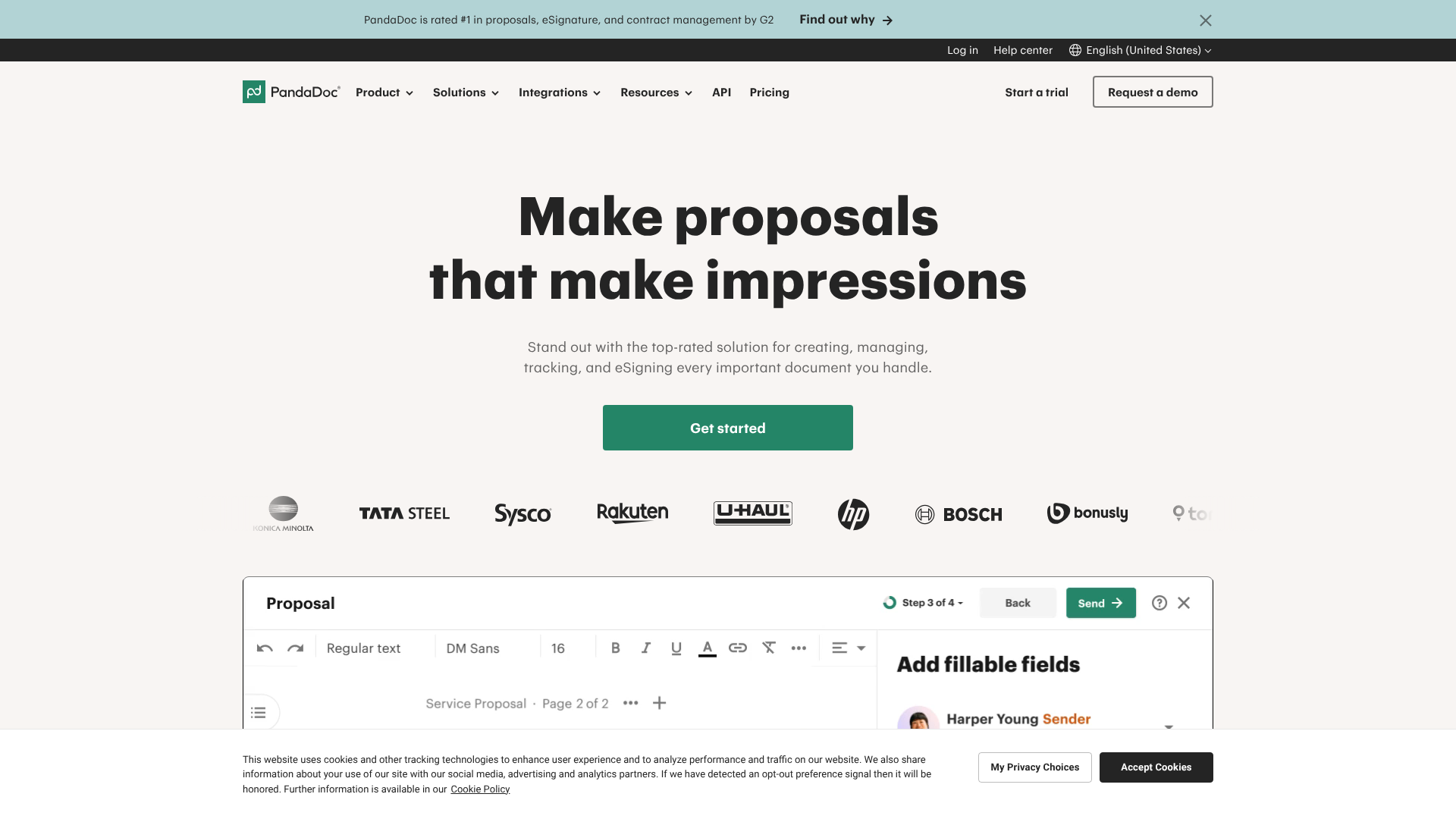
While not a tool for finding new leads, PandaDoc is a critical piece of the sales toolkit for the final stages of prospecting: turning a qualified lead into a customer. It streamlines the creation, sending, and e-signing of proposals, quotes, and contracts.
Pros:
- Professional Documents: Create beautiful, professional-looking proposals and quotes quickly using templates.
- Document Analytics: Get notified the moment a prospect opens, views, or comments on your document, allowing for timely follow-up.
- CRM Integration: Integrates with most major CRMs to pull deal data directly into your documents, reducing manual entry.
Cons:
- Not a Lead Generation Tool: It's focused on the bottom of the funnel, not the top.
Best for: Sales teams that want to improve their closing process, shorten their sales cycle, and gain insights into how prospects interact with their sales documents. PandaDoc can help you close more deals.
11. SimplyBook.me (Best for Appointment Scheduling)
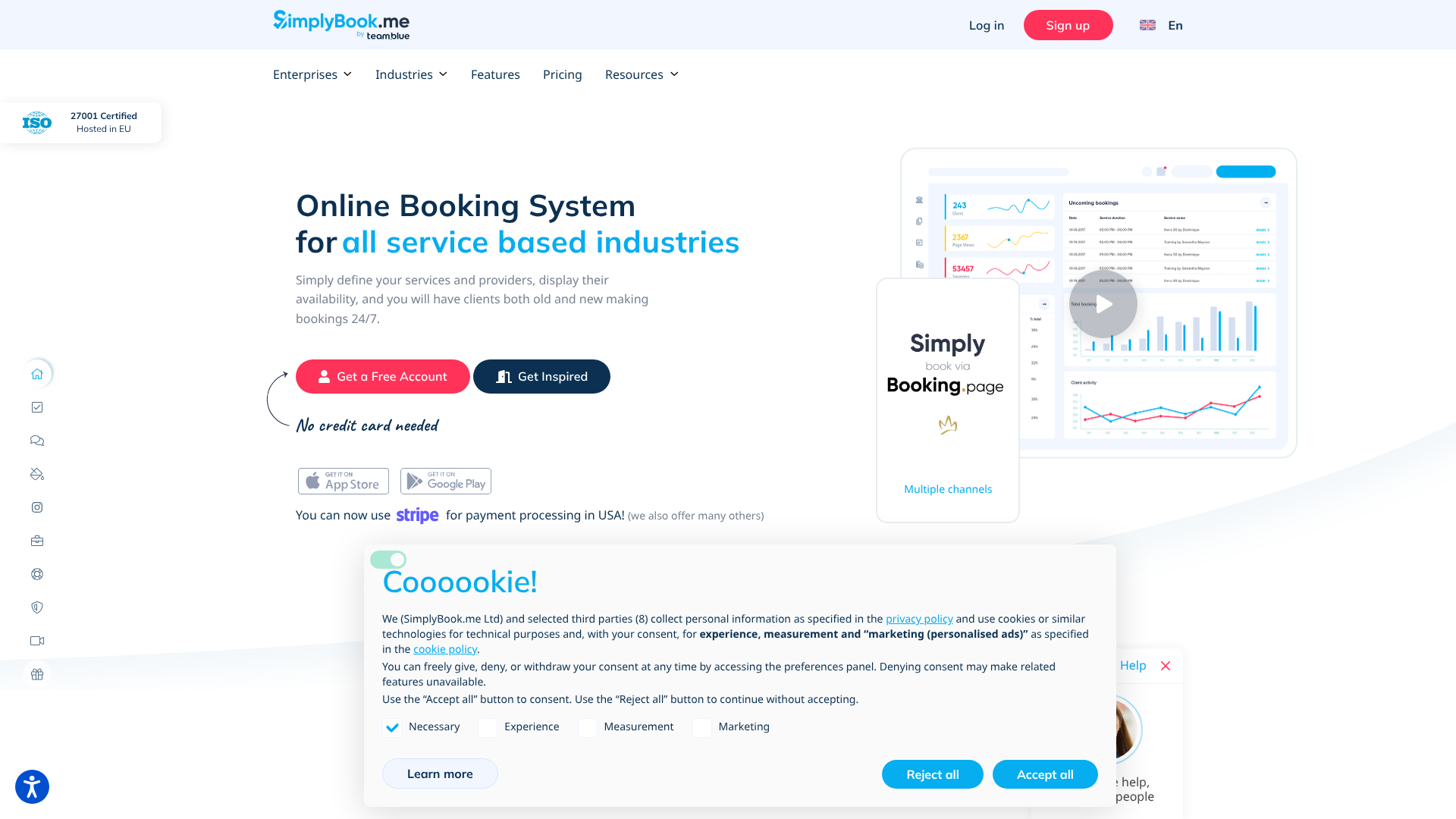
Eliminating the back-and-forth of scheduling a demo or discovery call is a simple way to accelerate the sales process. SimplyBook.me is a flexible and professional online booking system that makes it easy for prospects to book a meeting with you.
Pros:
- Highly Customisable: Create a branded booking page that matches your company's look and feel.
- Accepts Payments: Useful for consultants or businesses that charge for initial consultations.
- Wide Range of Integrations: Connects with calendars, payment gateways, and other business tools.
Cons:
- A Supporting Tool: It's a specific solution for one part of the sales process, not a comprehensive prospecting platform.
Best for: Any sales professional or service-based business that needs a reliable and customisable system for managing client appointments. SimplyBook.me simplifies scheduling.
Pricing Comparison: What to Expect from B2B Sales Tools
Understanding the different pricing models for B2B sales tools is key to finding a solution that fits your budget. Costs can vary significantly based on features, data volume, and the number of users. Here’s a breakdown of the common structures you'll encounter.
| Pricing Model | How It Works | Best For | Example Tools | Typical Cost (per user/month) |
|---|---|---|---|---|
| Freemium | Offers a free, feature-limited plan to get started. | Individuals or small teams testing the waters. | Apollo.io, HubSpot, Hunter | £0 (with limitations) |
| Per-User, Per-Month | A flat monthly or annual fee for each user on the platform. | Teams that need predictable, consistent costs. | HubSpot Sales Hub, Outreach | £40 – £200+ |
| Credit-Based | You purchase credits to spend on actions like revealing contacts or exporting data. | Teams with variable usage needs. | Apollo.io (paid plans), Hunter | Varies widely based on volume |
| Enterprise (Custom) | Custom pricing based on the specific needs of a large organisation. | Large teams needing premium data and support. | ZoomInfo, Outreach | Quote-based (often £10,000+/year) |
It's important to remember that the listed price doesn't always tell the whole story. Some platforms require annual contracts, while others offer month-to-month flexibility. Always check the vendor's official website for the most current and detailed pricing information before making a decision.
Frequently Asked Questions (FAQ)
What is the difference between sales prospecting and lead generation?
Sales prospecting and lead generation are related but distinct concepts. Lead generation is typically a marketing function focused on attracting potential customers, often through inbound methods like content marketing, SEO, and paid ads. It's about creating a system where interested people come to you. Sales prospecting, on the other hand, is an active, outbound sales activity. It involves salespeople proactively searching for, identifying, and reaching out to specific individuals at target companies who may not yet be aware of their solution.
Can I use free B2B prospecting tools?
Yes, you absolutely can. Many excellent platforms offer free tiers that are perfect for individuals, freelancers, or small teams just getting started. For example, HubSpot CRM offers a suite of free sales tools, including email tracking and a meeting scheduler. Apollo.io and Hunter both have generous free plans that provide a monthly allowance of credits for finding contact information. While these free plans have limitations on volume and features, they are a fantastic way to experience the power of these tools without any financial commitment.
How do I ensure my prospecting is GDPR compliant?
GDPR (General Data Protection Regulation) compliance is crucial when prospecting in the European Union. To stay compliant, you should prioritise using B2B prospecting tools that are transparent about their data sourcing and are themselves GDPR compliant. When conducting outreach, you must have a legitimate interest in contacting the person, the message must be relevant to their professional role, and you must provide a clear and easy way for them to opt-out of future communications. It's always best to consult with a legal professional to ensure your specific processes are fully compliant.
Should my prospecting tool be part of my CRM?
There are pros and cons to this approach. The main advantage of having prospecting tools built into your CRM (like with HubSpot Sales Hub or Zoho CRM) is the seamless workflow. All data and activities are in one place, creating a single source of truth and eliminating the need to switch between apps. The main disadvantage is that the prospecting features within a CRM may not be as powerful or the contact database as extensive as those offered by a specialised, standalone prospecting platform like Apollo.io or ZoomInfo. The best choice often depends on your team's specific needs and priorities.
Final Thoughts: Choosing Your Prospecting Powerhouse
Selecting the right B2B sales prospecting tools can fundamentally transform your sales team's ability to build a predictable and scalable revenue pipeline. The days of manual, inefficient prospecting are over. Today's tools provide the data, automation, and insights needed to connect with the right buyers at the right time.
The best platform for your business will always depend on your unique circumstances. There is no single 'best' tool for everyone. Your decision should be guided by your sales process, team size, budget, and the technology you already use. The key is to find a solution that empowers your team, streamlines their workflow, and ultimately helps them start more high-quality conversations.
For teams seeking an all-in-one solution with incredible value, Apollo.io is an outstanding choice. If your business runs on HubSpot, integrating the HubSpot Sales Hub is the most logical and efficient path forward. We recommend shortlisting two or three tools from this list, running a trial, and choosing the one that feels like the most natural fit for your team.