




Online Degree in Construction Management: What to Know Before Enrolling
Deciding to pursue an online degree in construction management is a significant step towards a leadership role in a dynamic and essential industry. This path offers a unique blend of flexibility and specialised education, designed to equip you with the skills needed to oversee complex projects from blueprint to completion. Whether you're already working in the trades and looking to advance, or you're a career changer drawn to the built environment, understanding the nuances of these programmes is crucial.
- What You'll Learn
- What Exactly is an Online Degree in Construction Management?
- The Core Curriculum: What Will You Actually Study?
- Project Planning and Scheduling
- Cost Estimation and Financial Management
- Construction Law and Contract Administration
- Safety and Risk Management
- Building Information Modelling (BIM) and Technology
- Key Benefits of Studying Construction Management Online
- How to Choose the Right Online Construction Management Programme
- Accreditation: The Non-Negotiable Factor
- Programme Structure: Synchronous vs. Asynchronous
- Faculty Experience and Industry Connections
- Student Support and Career Services
- A Look at Top-Tier Online Programmes
- Understanding the Costs: Pricing and Financial Aid
- The Reality Check: Pros and Cons of an Online Degree
- Frequently Asked Questions
- Is a construction management degree online worth it?
- Can you get your construction management degree online?
- Is a 2-year construction management degree worth it?
- Can you make 200K a year in construction?
- Final Thoughts
This guide breaks down everything you need to know. We'll explore what you'll learn, how to choose the right programme, the potential costs involved, and the real-world career outcomes. By the end, you'll have a clear picture of what it takes to succeed and whether this educational journey aligns with your professional goals.
What You'll Learn
- Core Curriculum: An online construction management degree covers essential topics like project scheduling, cost estimation, contract law, and safety regulations, preparing you for the multifaceted demands of the job.
- Key Benefits: The primary advantages include the flexibility to study while working, access to a wider range of universities, and the development of crucial digital literacy skills valued in the modern construction industry.
- Choosing a Programme: Accreditation is the most important factor. You should also evaluate the programme's structure (synchronous vs. asynchronous), faculty expertise, and the level of student support offered.
- Cost and Value: Tuition fees vary widely, but online degrees can be more affordable than on-campus equivalents. The return on investment is often high, with graduates poised for significant salary increases and career advancement.
- Career Outlook: Graduates are qualified for roles like Project Manager, Cost Estimator, and Site Superintendent, with strong earning potential, often exceeding six figures with experience.
What Exactly is an Online Degree in Construction Management?

An online degree in construction management is a higher education qualification, typically a Bachelor of Science (B.S.), that you can earn entirely through distance learning. It’s designed to teach you the business, technical, and managerial skills required to lead construction projects of all sizes, from residential homes to massive infrastructure developments. Unlike a degree in civil engineering or architecture that focuses on design, this qualification centres on the execution and delivery of a project.
At its core, the degree prepares you to be a project's central nervous system. You learn how to manage schedules, control budgets, ensure site safety, and coordinate the vast network of contractors, suppliers, and stakeholders involved. The curriculum is a blend of business administration, engineering principles, and practical management techniques tailored specifically for the construction sector.
The primary difference between an online and an on-campus programme is the delivery method. Online learning provides flexibility, allowing you to fit coursework around your existing job and personal commitments. This makes it an ideal choice for individuals already working in construction who want to move from a field role into a management position without pausing their careers. It's also well-suited for career changers who need an accessible entry point into this thriving industry.
The Core Curriculum: What Will You Actually Study?
A comprehensive degree in construction management online is built on several key pillars of knowledge. These subjects are designed to give you a 360-degree view of a project's lifecycle, ensuring you have the competence to handle challenges from every angle. While specific course names may vary between universities, the foundational topics are remarkably consistent.
Project Planning and Scheduling
This is where you learn to be a master strategist. Courses in this area teach you how to break down a large construction project into manageable tasks, sequence them logically, and allocate the necessary time and resources. You'll become proficient with industry-standard software like Primavera P6 or Microsoft Project to create detailed timelines and critical path analyses. The goal is to ensure the project stays on track, preventing costly delays.
Cost Estimation and Financial Management
Every construction project lives and dies by its budget. This part of the curriculum teaches you the art and science of estimating costs for labour, materials, and equipment. You'll learn how to read blueprints to perform quantity take-offs, analyse historical data, and prepare competitive bids. Beyond estimation, you'll study financial management principles, including cash flow analysis, cost control, and project accounting, to keep the project profitable.
Construction Law and Contract Administration
Understanding the legal framework of construction is non-negotiable. These courses cover contract law, liability, liens, and dispute resolution. You'll learn to read, interpret, and administer the complex contracts that govern relationships between owners, contractors, and subcontractors. For students looking to deepen their understanding, resources like LegalContracts can provide examples of the types of standardised documents used across the industry, offering practical insight into the templates and clauses you'll encounter professionally.
Safety and Risk Management
Ensuring a safe work site is a construction manager's highest priority. You will study health and safety regulations, such as those from the Occupational Safety and Health Administration (OSHA) in the US or the Health and Safety Executive (HSE) in the UK. The curriculum focuses on identifying potential hazards, developing safety plans, and fostering a culture of safety on site. Modern programmes often introduce students to digital safety management systems, like the platforms offered by HammerTech, which are used in the field to streamline safety inspections, incident reporting, and compliance tracking.
Building Information Modelling (BIM) and Technology
Technology is transforming the construction industry, and your education will reflect that. BIM is a critical component, where you'll learn to work with 3D models that contain vast amounts of project data. This technology helps with clash detection, visualisation, and coordination. You'll also be introduced to various construction management software solutions that integrate multiple functions.
Tools like BrickControl exemplify this trend, offering a single platform to manage everything from estimating and scheduling to procurement and financial control, reflecting the integrated approach modern managers must take.
Key Benefits of Studying Construction Management Online

Opting for an online construction management program offers a distinct set of advantages tailored to the needs of modern learners and professionals. These benefits go beyond simple convenience, providing a strategic pathway to career growth that aligns with the demands of both the industry and personal life.
First and foremost is the unparalleled flexibility. The majority of online programmes are designed for working adults. This means you can continue to earn an income and gain practical experience in your current role while you study. Asynchronous formats, where you can access lectures and complete assignments on your own schedule, are particularly beneficial for those with unpredictable work hours, a common reality in the construction field.
Second, online education removes geographical barriers. You are no longer limited to the universities in your immediate area. This opens up access to some of the top-ranked construction management programmes across the country or even internationally. You can choose a programme based on its specific strengths, faculty reputation, or specialisations without the need to relocate, which represents a significant saving in time and money.
Third, there are often considerable cost savings. While tuition fees can be comparable to on-campus degrees, you eliminate many associated expenses. There are no commuting costs, no need for on-campus housing or meal plans, and often, digital textbooks are cheaper than physical copies. This financial relief can make higher education more attainable for many aspiring managers.
Finally, pursuing a degree online inherently develops strong technological proficiency and self-discipline. You'll become adept at using learning management systems (LMS), digital collaboration tools, and various software—skills that are directly transferable to the modern, tech-driven construction site. The self-motivation required to succeed in an online environment is also a highly valued trait in any leadership role.
How to Choose the Right Online Construction Management Programme
With a growing number of universities offering a degree in construction management online, selecting the one that best fits your career goals can feel overwhelming. To make an informed decision, it's essential to evaluate programmes based on a few critical criteria. These factors will ensure you receive a quality education that is respected by employers and provides a real return on your investment.
Accreditation: The Non-Negotiable Factor
This is the single most important consideration. Accreditation ensures that the programme meets rigorous academic and professional standards. In the United States, the primary accrediting body for construction management programmes is the American Council for Construction Education (ACCE). In the UK, look for accreditation from the Chartered Institute of Building (CIOB).
Graduating from an accredited programme is often a prerequisite for professional certifications and is a strong signal to employers that you have received a high-quality, industry-vetted education.
Programme Structure: Synchronous vs. Asynchronous
Online learning isn't a one-size-fits-all model. Programmes are typically structured in one of two ways. Synchronous programmes require you to log in for live lectures and discussions at specific times, offering a more traditional classroom feel with real-time interaction. Asynchronous programmes provide recorded lectures and materials that you can access anytime, offering maximum flexibility.
Consider your learning style and personal schedule. If you thrive on interaction and structure, a synchronous model might be better. If you need to fit studies around a demanding job, an asynchronous format is likely the superior choice.
Faculty Experience and Industry Connections
The quality of your instructors has a massive impact on your learning experience. Look for programmes where the faculty members have significant real-world experience in the construction industry, not just academic credentials. Professors who have worked as project managers, estimators, or executives bring invaluable practical insights into the virtual classroom. Furthermore, universities with strong industry connections can provide better networking opportunities, guest lectures from industry leaders, and stronger career placement services upon graduation.
Pro Tip: Don't hesitate to reach out to the admissions department and ask to speak with a programme advisor or even a current student. Ask specific questions about the faculty's industry background, the technologies used in the courses, and the career support available to online students. Their answers can reveal a lot about the programme's quality.
Student Support and Career Services
Distance learning requires a robust support system. Investigate what resources the university provides specifically for its online students. This includes access to academic advisors, technical support for the online platform, library resources, and, crucially, career services. A good programme will offer online career fairs, CV-building workshops, and access to an alumni network that can help you find job opportunities after you graduate.
Strong student support is a sign that the institution is truly invested in the success of its online learners.
A Look at Top-Tier Online Programmes
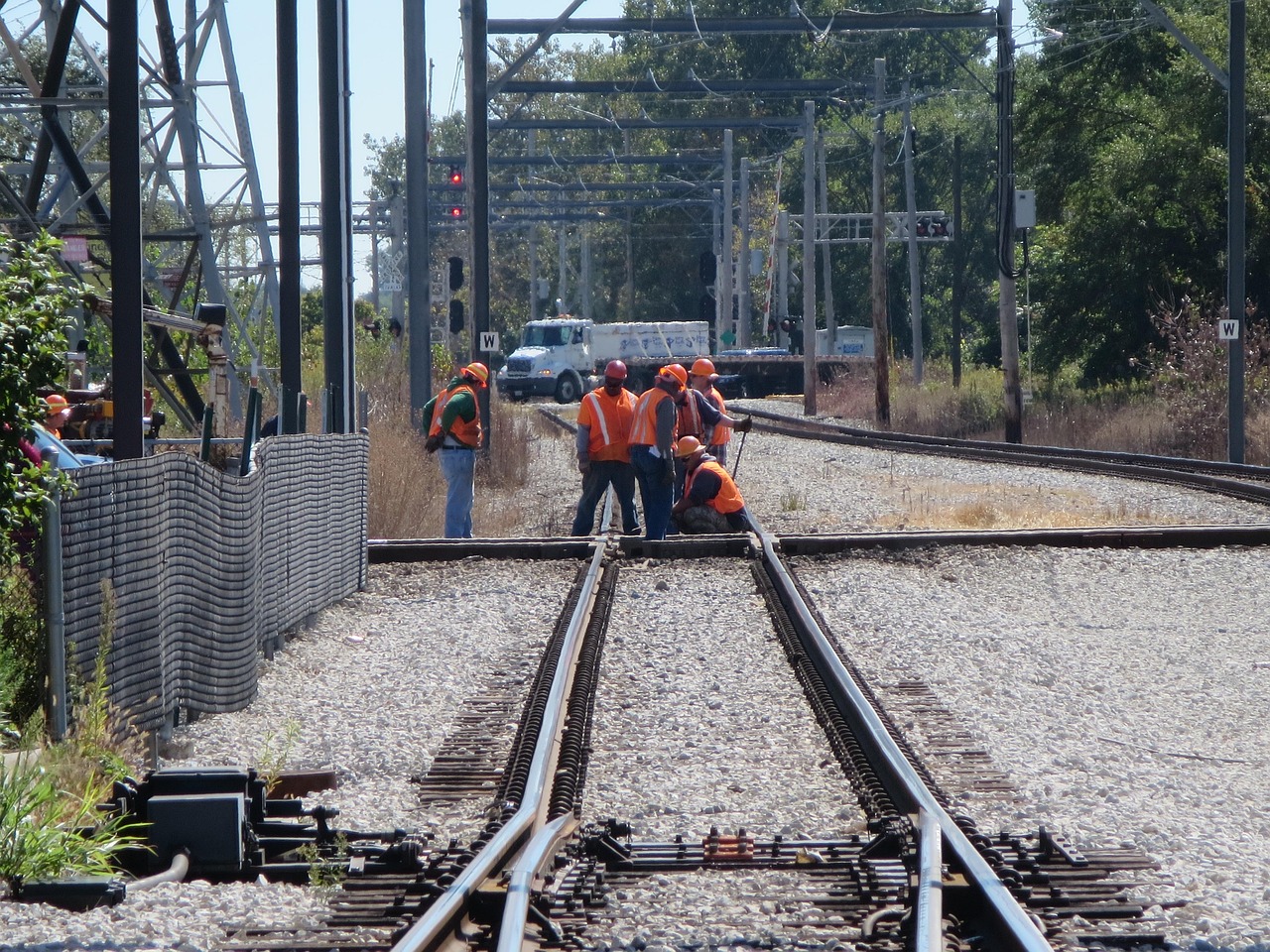
While a definitive ranking of the "best" online programmes can be subjective and change yearly, several universities consistently stand out for their quality, reputation, and commitment to distance education in construction management. These institutions serve as excellent benchmarks for what a top-tier programme should offer. When you research, look for the qualities these programmes embody.
For example, universities like Arizona State University (ASU) and Louisiana State University (LSU) are frequently cited for their comprehensive online Bachelor of Science programmes. What makes them notable is their alignment with ACCE accreditation standards, ensuring the curriculum is rigorous and relevant. They often feature faculty with deep industry roots and have designed their online platforms to be interactive and engaging, moving beyond simple recorded lectures.
Another model to look for is the degree-completion programme, which is perfect for students who already have a two-year associate's degree in a related field. Institutions like the University of Oklahoma (OU) and Dunwoody College of Technology offer excellent online programmes tailored for these students. They allow you to transfer a significant number of credits, providing a more direct and cost-effective path to a bachelor's degree. This structure acknowledges prior learning and experience, which is a huge benefit for those already in the industry.
When evaluating any programme, look beyond the university's overall brand name and focus on the specifics of the construction management department. Does it have strong ties to major construction firms? Does its curriculum include the latest technologies like BIM and drone surveying? The best programmes are those that not only teach you the theory but also connect you directly to the current practices and technologies shaping the future of construction.
Understanding the Costs: Pricing and Financial Aid
The financial investment is a major factor in deciding to pursue an online degree. The cost of an online construction management program can vary dramatically from one institution to another, so it's vital to do thorough research and understand the full financial picture before you enrol.
Tuition is typically charged on a per-credit-hour basis. As of 2026, you can expect this to range anywhere from £250 to over £800 per credit hour, depending on whether the institution is public or private and its overall ranking. A full bachelor's degree usually requires around 120 credit hours, so you can calculate a baseline tuition cost from there. Remember to check if there's a difference in tuition for in-state versus out-of-state students, as some public universities extend their in-state rates to all online learners, which can be a significant saving.
Beyond tuition, be sure to account for additional fees. Many universities charge a technology fee for online students to cover the costs of the learning management system and technical support. You'll also need to budget for digital textbooks, specialised software required for certain courses, and potentially a proctoring service for exams. These "hidden costs" can add up, so ask for a detailed breakdown of all potential expenses from the admissions office.
Fortunately, online students are generally eligible for the same types of financial aid as their on-campus counterparts. This includes government loans, grants, and scholarships. Be sure to fill out the Free Application for Federal Student Aid (FAFSA) in the US or the equivalent student finance application in the UK. Many universities also offer their own scholarships specifically for students in construction management programmes.
Furthermore, if you're already employed, check if your company offers a tuition assistance programme. Many construction firms are willing to invest in their employees' education, especially if it leads to a management role within the company.
The Reality Check: Pros and Cons of an Online Degree
Like any educational path, earning a construction management degree online has its unique set of advantages and disadvantages. A balanced and realistic understanding of both sides is essential for determining if this mode of learning is the right fit for your personality, learning style, and career aspirations.
Pros
- Unmatched Flexibility: The ability to learn on your own schedule is the most significant benefit. This allows you to maintain your current employment, manage family responsibilities, and avoid the rigid structure of a traditional university timetable.
- Self-Paced Learning: Many online programmes allow you to move through material at a speed that suits you. You can spend extra time on challenging topics or accelerate through subjects you already have some familiarity with, creating a more personalised educational experience.
- Broader Access to Programmes: As mentioned, online learning removes geographical constraints, giving you access to a wider variety of specialised and highly-ranked programmes than you would have locally.
- Development of Key Soft Skills: Succeeding as an online student requires a high degree of self-discipline, time management, and written communication skills—all of which are highly prized in any management position.
Cons
- Limited In-Person Networking: One of the biggest drawbacks is the lack of spontaneous, face-to-face interaction with peers and professors. While online forums and virtual group projects exist, they don't fully replicate the organic networking and relationship-building that happens on a physical campus.
- Requires Strong Self-Motivation: Without the structure of scheduled classes and in-person accountability, the onus is entirely on you to stay on track. Procrastination can be a major hurdle, and it takes a dedicated individual to keep up with the workload.
- Potential for Less Hands-On Experience: While many programmes incorporate virtual labs and simulations, you may miss out on some of the hands-on laboratory work (like materials testing) that on-campus students experience. However, this is often mitigated if you are already working in the industry.
- Isolation: For some, the experience of learning alone can feel isolating. It's important to actively participate in online discussions and connect with classmates to build a sense of community and support.
Frequently Asked Questions
Is a construction management degree online worth it?
Yes, for most people, it is absolutely worth it. An online degree from an accredited institution holds the same value as an on-campus degree to employers. The return on investment is often excellent, as the qualification can lead to significant salary increases and opens the door to leadership positions like Project Manager or Superintendent. The flexibility it offers allows you to gain this valuable qualification without sacrificing your current income, making it a financially sound decision for career advancement.
Can you get your construction management degree online?
Yes, you can earn a complete construction management degree entirely online. Many reputable universities offer full Bachelor of Science (B.S.) and even Master of Science (M.S.) programmes through distance learning. These programmes are specifically designed for the online format and are accredited, ensuring they meet the same high academic standards as their on-campus equivalents. You can complete all coursework, from cost estimating to contract law, through a virtual learning environment.
Is a 2-year construction management degree worth it?
A 2-year associate's degree in construction management is a great starting point and is definitely worth it for many individuals. It can qualify you for entry-level management or technical roles, such as an assistant project manager or field engineer. It also serves as a perfect stepping stone to a 4-year bachelor's degree, as most credits will transfer to a degree-completion programme, saving you time and money in the long run. It's a valuable credential that provides a faster path into the industry.
Can you make 200K a year in construction?
Yes, earning £200,000 or more per year is achievable in construction management, but it typically requires significant experience and a senior-level role. Positions like Senior Project Manager, Construction Executive, or Director of Operations, especially at large firms or on complex, high-value projects, can command salaries in this range. A bachelor's degree in construction management is often the foundational requirement for reaching these top-tier positions. Your earning potential will also be influenced by factors like geographical location, company size, and project type.
Final Thoughts
Embarking on an online degree in construction management is a powerful move to build a lasting and rewarding career. It offers a flexible, accessible, and highly effective way to gain the knowledge needed to lead in an industry that is constantly shaping the world around us. By focusing on accredited programmes, understanding the curriculum, and realistically assessing the costs and benefits, you can make a choice that aligns perfectly with your ambitions.
The journey requires dedication and self-discipline, but the rewards are substantial. You'll not only gain technical expertise in scheduling, budgeting, and safety but also develop the critical leadership and communication skills that define a successful manager. Whether you're laying the first stone of your career or building upon years of field experience, an online degree is the blueprint for your professional future.