

Web Hosting for Cheap: A Buyer's Guide for Startups & Small Budgets
Finding reliable web hosting for cheap can feel like a contradiction. You need a fast, secure, and dependable home for your website, but you're working with a tight budget. The good news is that you don't have to choose between affordability and quality. Many providers offer excellent entry-level plans that give you all the essential tools to get online without a hefty price tag, making affordable web hosting a reality for new projects, small businesses, and personal blogs.
- What You'll Learn
- What Exactly is "Cheap Web Hosting"?
- The Non-Negotiable Features of Any Good Budget Web Hosting
- Uptime Guarantee (99.9%+)
- Page Load Speed
- 24/7 Customer Support
- Free SSL Certificate
- User-Friendly Control Panel
- How to Choose the Right Affordable Web Hosting for You
- 1. Assess Your Website's Needs
- 2. Understand Pricing Traps: Introductory vs. Renewal Rates
- 3. Read the Fine Print: Storage, Bandwidth, and "Unlimited" Policies
- 4. Consider Scalability: Can Your Hosting Grow With You?
- Top Recommendations for Web Hosting for Cheap in 2026
- 1. Hostinger: Best Overall Value
- 2. Bluehost: Best for WordPress Beginners
- 3. Namecheap: Best for the Absolute Lowest Cost
- 4. HostGator: Good for Simple Websites and Reliability
- Pricing and Cost Comparison
- The Pros and Cons of Budget Web Hosting
- When to Avoid Cheap Hosting (And What to Choose Instead)
- Frequently Asked Questions
- Where is the cheapest place to host my website?
- What is the cheapest way to host a basic website?
- Can I host my own website for free?
- Which hosting is best for beginners?
- What are the 4 types of web hosting?
- Final Thoughts
The key is knowing what to look for and how to spot the difference between a genuine bargain and a service that will cause headaches down the line. This guide will walk you through everything you need to know to make an informed decision, from understanding the essential features to comparing the top providers and avoiding common pricing traps. We'll help you find a hosting plan that supports your goals today and can grow with you tomorrow.
What You'll Learn
- Price vs. Value: The cheapest upfront price isn't always the best long-term deal. We'll show you how to evaluate renewal rates and overall value.
- Essential Features: Not all budget hosting is equal. Key features like a 99.9% uptime guarantee, a free SSL certificate, and 24/7 support are non-negotiable.
- Top Recommendations: For most users on a budget, Hostinger offers the best combination of performance and price, while Bluehost is an excellent, user-friendly choice for WordPress beginners.
- Types of Hosting: Shared hosting is the most common form of cheap web hosting, offering a low-cost way to get started by sharing server resources with other users.
- Scalability is Key: Your first hosting plan should be affordable, but it should also come from a provider that offers easy upgrades as your website traffic grows.
What Exactly is "Cheap Web Hosting"?
When people search for "cheap web hosting," they are almost always looking for shared hosting. This is the most basic and cost-effective type of hosting available. In a shared hosting environment, your website resides on a server alongside hundreds, sometimes thousands, of other websites. All these sites share the server's resources, including its processing power (CPU), memory (RAM), and storage space.
This shared model is what makes the service so inexpensive. Because the provider can host many customers on a single piece of hardware, the cost per customer is driven down significantly. For a new website, a personal blog, a portfolio, or a small business just getting started, this is often the perfect solution. You get all the necessary features to launch and run a website for just a few pounds per month.
However, the term "cheap" often comes with a catch: introductory pricing. Most providers lure new customers with incredibly low prices for the first term, which can be anywhere from one to four years. For example, you might see a plan advertised for £1.99 per month, but this price is only valid if you pay for three years upfront. When it's time to renew, that price could jump to £7.99 per month or more.
It's crucial to look at both the initial cost and the renewal rate to understand the true long-term expense.
The Non-Negotiable Features of Any Good Budget Web Hosting
Even when you're looking for a bargain, there are some features you should never compromise on. A low price is meaningless if your website is constantly offline, slow to load, or insecure. Here are the essential features to look for in any budget web hosting plan.
Uptime Guarantee (99.9%+)
Uptime refers to the percentage of time your website is online and accessible to visitors. The industry standard is a 99.9% uptime guarantee. While that might sound close to 100%, the difference is significant. A 99.9% uptime means your site could be down for about 43 minutes per month.
A 99% uptime, which sounds almost as good, translates to over seven hours of downtime per month. Lost visitors, lost sales, and a damaged reputation are the costs of poor uptime, so never settle for less than 99.9%.
Page Load Speed
Website speed is critical for both user experience and search engine optimisation (SEO). Visitors are impatient; if your site takes more than a few seconds to load, they're likely to leave and never return. Google also uses page speed as a ranking factor, meaning a slow site can hurt your visibility in search results. Look for providers that offer Solid-State Drives (SSDs) for storage, as they are significantly faster than traditional Hard Disk Drives (HDDs).
Other performance-enhancing features like LiteSpeed web servers and built-in caching can also make a big difference.
24/7 Customer Support
When something goes wrong with your website, you need help immediately, not during business hours on the next working day. Reliable 24/7 customer support is a must, especially for beginners who may have questions about setting up their site or troubleshooting issues. The best providers offer multiple support channels, including live chat, phone, and email/ticket systems. Live chat is often the fastest and most convenient option for resolving common problems.
Free SSL Certificate
An SSL (Secure Sockets Layer) certificate encrypts the data transmitted between your website and your visitors' browsers. This is essential for security, especially if you handle any personal information like contact forms or e-commerce transactions. Websites with SSL have "https://" in their URL and display a padlock icon in the browser's address bar, which builds trust with visitors. Google also flags sites without SSL as "Not Secure," which can scare away potential customers.
A free SSL certificate from Let's Encrypt is now a standard offering from any reputable host, so don't ever pay extra for it on a basic plan.
User-Friendly Control Panel
A control panel is the dashboard where you manage your hosting account. This is where you'll install software like WordPress, set up email accounts, manage your files, and monitor your resource usage. The most common control panel is cPanel, known for its intuitive graphical interface. Some hosts, like Hostinger, have developed their own custom control panels (hPanel) that are designed to be even more user-friendly for beginners.
How to Choose the Right Affordable Web Hosting for You

With so many options available, selecting the right affordable web hosting provider can be overwhelming. The best choice depends on your specific needs, technical comfort level, and long-term goals. Follow this decision-making framework to find the perfect fit.
1. Assess Your Website's Needs
First, consider the type of website you're building. The requirements for a simple personal blog are very different from those of an online store.
- Personal Blog or Portfolio: You'll likely need a basic shared hosting plan. Look for one-click WordPress installation, a free domain for the first year, and enough storage for your text and images.
- Small Business Website: Your focus should be on reliability and speed. A plan with an excellent uptime record, SSD storage, and 24/7 support is crucial. You'll also want a professional email address (e.g.,
you[[@yourdomain](https://[twitter](https://twitter.com/yourdomain).com/yourdomain).com](https://www.(https://www.instagram.com/yourdomain.com/).com/yourdomain.com/)). - Small E-commerce Store: Security is paramount. In addition to a free SSL certificate, you might look for plans that are PCI compliant and offer dedicated IP addresses, though many small stores start on robust shared hosting plans.
2. Understand Pricing Traps: Introductory vs. Renewal Rates
This is the most important factor in budget hosting. That eye-catching £1.99/month price is designed to get you in the door. It almost always requires a long-term commitment (2-4 years) and will increase significantly upon renewal. Before you buy, always check the renewal price.
Sometimes, a provider with a slightly higher introductory rate of £3.99/month might have a more reasonable renewal rate of £8.99/month, making it cheaper in the long run than the one that jumps from £1.99 to £10.99.
Pro Tip: Calculate the total cost over a four-year period (initial term + first renewal) to get a true sense of the long-term expense. This helps you compare apples to apples and avoid surprises later.
3. Read the Fine Print: Storage, Bandwidth, and "Unlimited" Policies
Many hosts advertise "unlimited" storage and bandwidth. However, this is always subject to a Fair Use Policy. If your site starts using an excessive amount of server resources (for example, by hosting large video files or getting massive traffic spikes), your provider may ask you to upgrade or could even suspend your account. For most new websites, these limits are never an issue, but it's good to be aware that "unlimited" doesn't truly mean infinite.
4. Consider Scalability: Can Your Hosting Grow With You?
Your goal is for your website to succeed and grow. As your traffic increases, you'll eventually outgrow a basic shared hosting plan. A good provider makes this transition easy. Check if they offer a clear upgrade path to more powerful options like VPS (Virtual Private Server) or cloud hosting.
The ability to scale up without having to migrate your entire website to a new company is a huge convenience.
Top Recommendations for Web Hosting for Cheap in 2026
After evaluating dozens of providers based on price, performance, features, and support, here are our top recommendations for finding great web hosting for cheap.
1. Hostinger: Best Overall Value
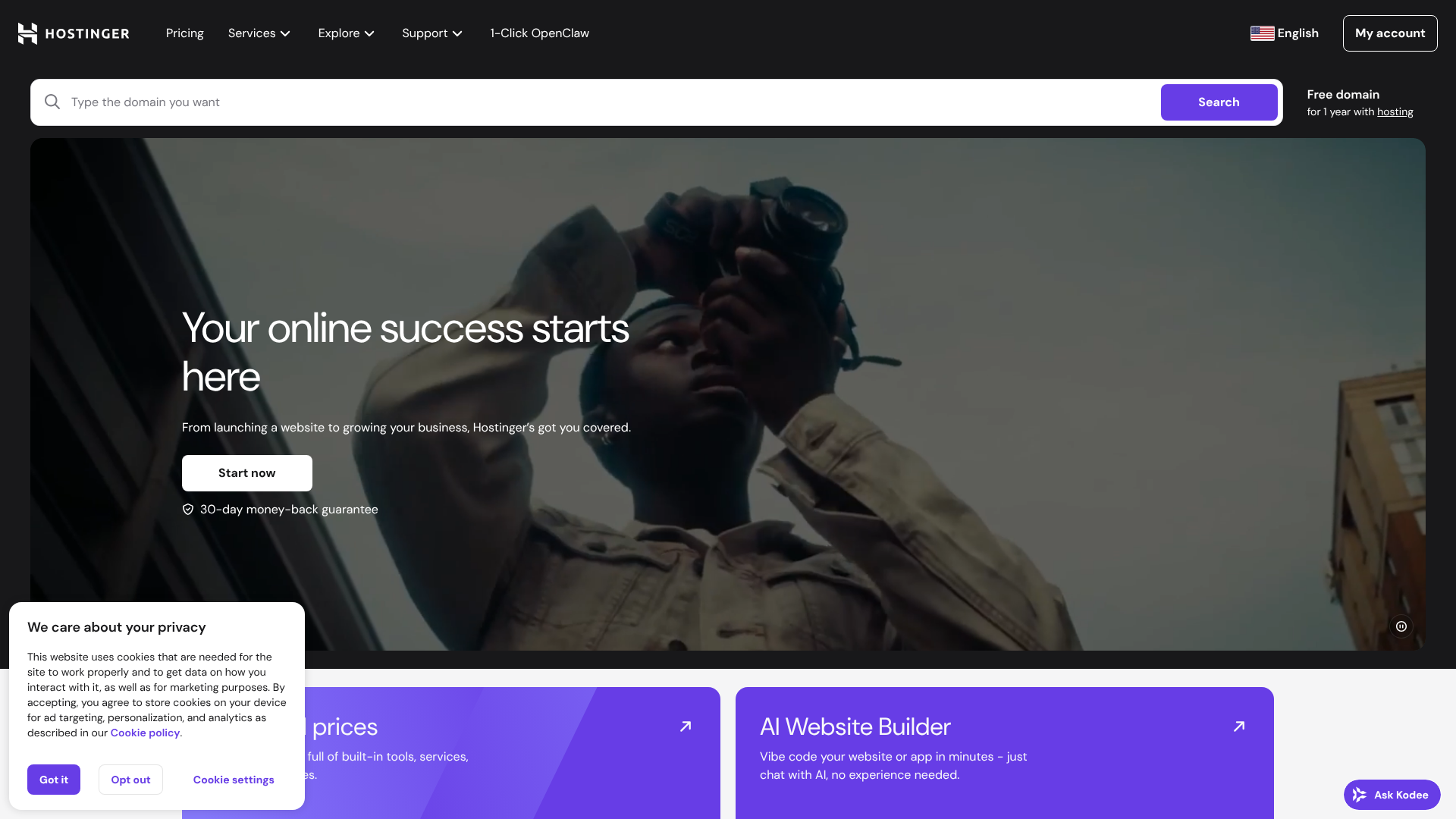
Hostinger consistently stands out for offering premium features at an incredibly low price point. Their introductory deals are among the best in the industry, and they deliver excellent performance, thanks to their use of LiteSpeed web servers and built-in caching.
Their custom-built control panel, hPanel, is clean, modern, and very easy to navigate, making it a great alternative to the more traditional cPanel. They also offer 24/7 support via live chat and a 30-day money-back guarantee, so you can try their service risk-free.
- Best for: Beginners, bloggers, and small business owners looking for the best possible performance on a tight budget.
- Pros: Extremely low introductory prices, fast server performance, user-friendly hPanel, free weekly backups on most plans.
- Cons: Renewal rates are significantly higher than the initial price, and there is no phone support.
2. Bluehost: Best for WordPress Beginners
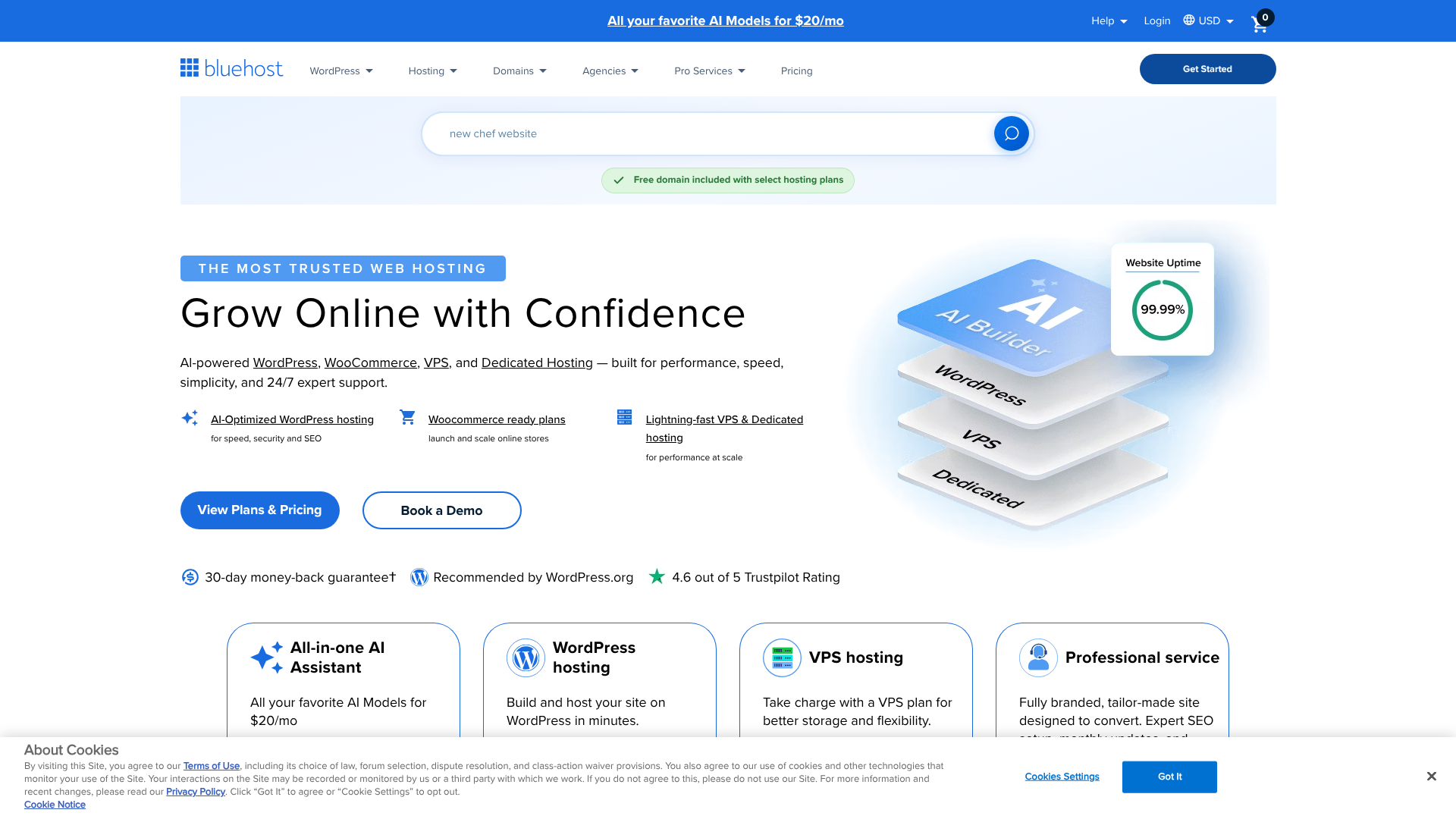
Bluehost is one of the most well-known names in web hosting and is one of only three providers officially recommended by WordPress.org. Their platform is specifically optimised for WordPress, and their onboarding process is one of the easiest for new users.
When you sign up, Bluehost automatically installs WordPress for you and provides a guided setup to help you choose a theme and launch your site. Their custom dashboard simplifies common tasks, and they include a free domain name for the first year, a free SSL certificate, and a free CDN (Content Delivery Network) with all plans.
- Best for: First-time website owners and anyone building a site with WordPress.
- Pros: Officially recommended by WordPress, very beginner-friendly interface, free domain name for one year, reliable uptime.
- Cons: Higher renewal rates, and they don't offer monthly billing options on basic plans.
3. Namecheap: Best for the Absolute Lowest Cost
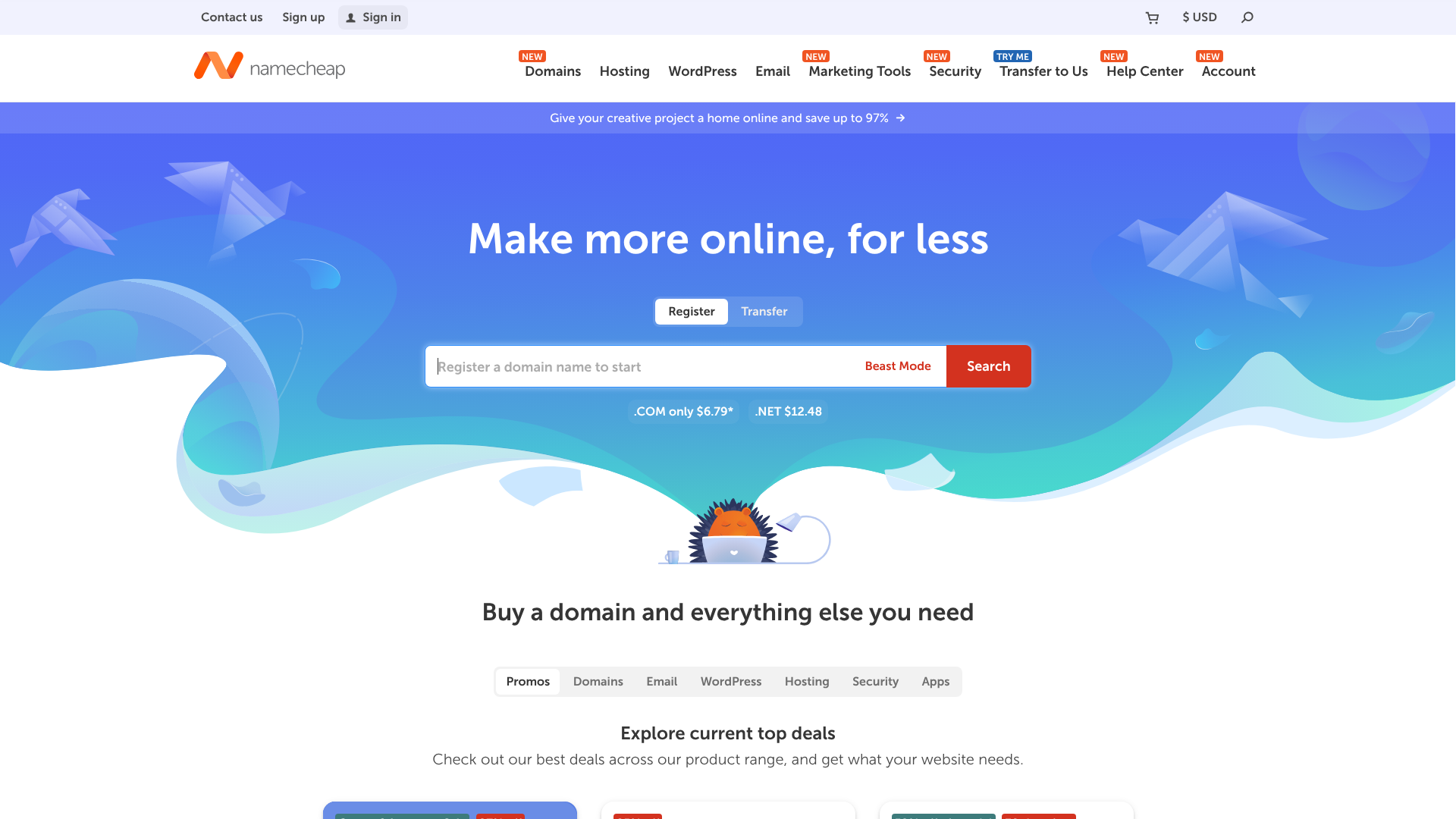
As their name suggests, Namecheap is a leader in low-cost services, starting with domain names and extending to their hosting plans. Their shared hosting is one of the most affordable options on the market, both for introductory and renewal prices.
While their plans are more basic than Hostinger's or Bluehost's, they cover all the essentials, including a free SSL certificate, cPanel access, and a website builder. A unique perk is that they offer a free domain name with privacy protection included, something many other hosts charge extra for.
- Best for: Users on the tightest of budgets who need a simple, no-frills hosting solution.
- Pros: Extremely cheap plans, free domain privacy, unmetered bandwidth, monthly payment options are available.
- Cons: Performance can be less consistent than premium competitors, and their uptime guarantee is slightly lower at 99.9%.
4. HostGator: Good for Simple Websites and Reliability
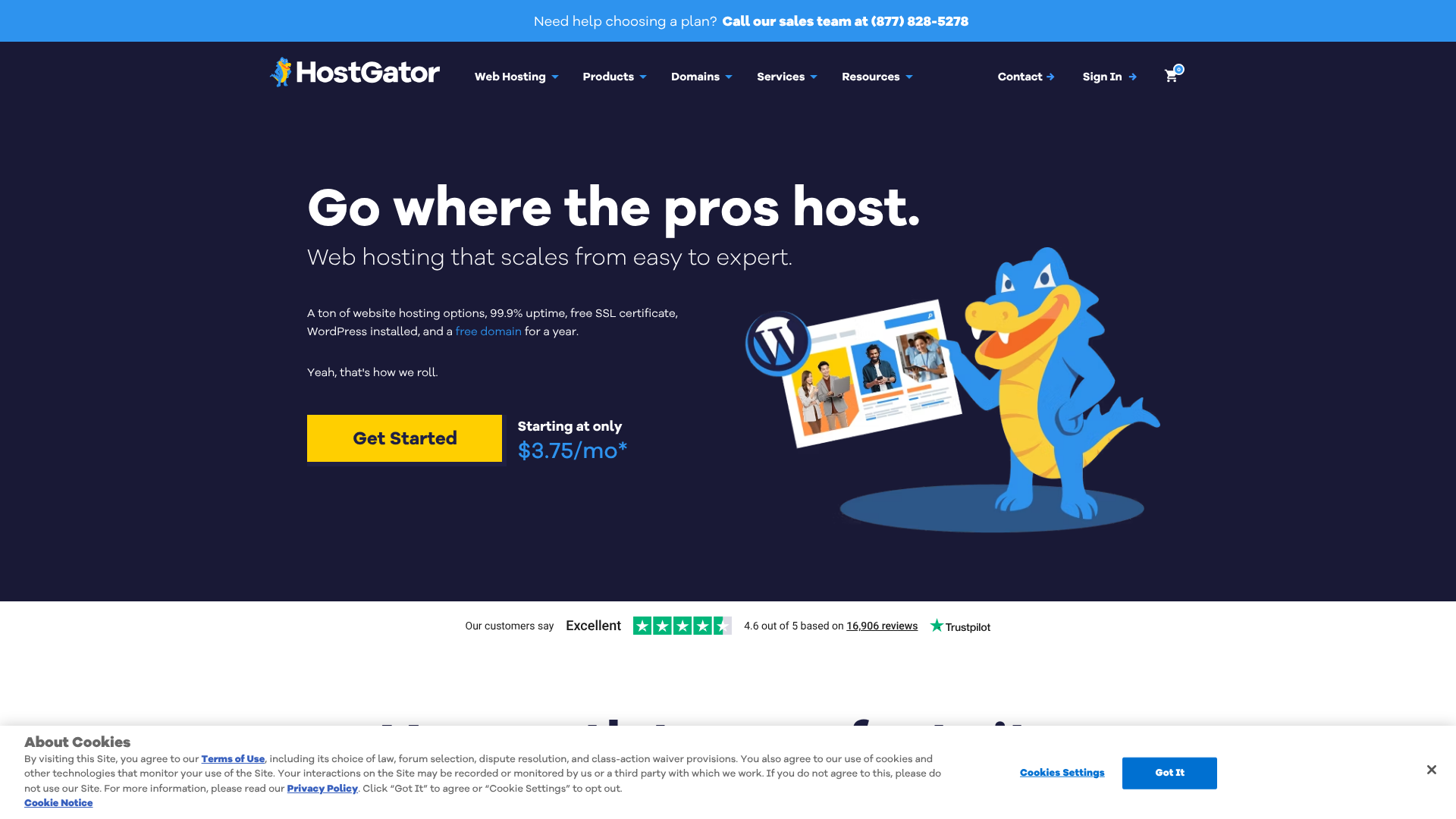
HostGator is another long-standing player in the hosting industry, known for its reliability and flexible plans. They offer unmetered storage and bandwidth on all shared plans, along with a free domain for the first year and a free SSL certificate.
One of HostGator's standout features is its generous 45-day money-back guarantee, giving you more time to test their service. They also include their own drag-and-drop website builder, which can be a great tool for those who want a simple way to design their site without using WordPress.
- Best for: Small businesses and personal websites that need a reliable, set-and-forget hosting solution.
- Pros: 45-day money-back guarantee, unmetered resources, includes a free website builder, good customer support.
- Cons: Their user interface feels a bit dated compared to others, and they have a reputation for upselling during the checkout process.
Pricing and Cost Comparison
To help you visualise the differences, here’s a quick comparison of our top recommended providers for affordable web hosting. Prices reflect the lowest-tier shared hosting plans and are subject to change.
| Feature | Hostinger | Bluehost | Namecheap | HostGator |
|---|---|---|---|---|
| Introductory Price | From ~£1.99/mo | From ~£2.34/mo | From ~£1.57/mo | From ~£2.97/mo |
| Renewal Price | ~£7.99/mo | ~£8.99/mo | ~£3.96/mo | ~£9.99/mo |
| Free Domain? | Yes (1 year) | Yes (1 year) | Yes (1 year) | Yes (1 year) |
| Free SSL? | Yes | Yes | Yes | Yes |
| Control Panel | hPanel | Custom | cPanel | cPanel |
| Best For | Overall Value | WordPress Beginners | Lowest Cost | Reliability |
Note: Prices are approximate and based on the longest billing cycle. Always check the provider's website for the most current pricing.
The Pros and Cons of Budget Web Hosting
Choosing a budget web hosting plan is a smart move for many, but it's important to go in with realistic expectations. Understanding the trade-offs will help you determine if it's the right fit for your project.
The Advantages
- Low Cost of Entry: The most obvious benefit is the price. For just a few pounds a month, you can get a professional website online, making it accessible to virtually anyone.
- Simplicity: Shared hosting plans are designed for ease of use. Providers handle all the technical server management, security updates, and maintenance, so you can focus on building your website.
- All-in-One Packages: Most plans come with everything you need to get started, including a domain name, SSL certificate, email accounts, and one-click software installers.
The Disadvantages
- Performance Limitations: Because you're sharing server resources, your site's performance can be affected by other websites on the same server. A sudden traffic spike on a neighbouring site could temporarily slow yours down.
- Resource Caps: While many plans are advertised as "unmetered," there are always underlying limits. If your site grows too large or gets too much traffic, you will be required to upgrade to a more expensive plan.
- Aggressive Upselling: To make up for the low prices, some hosts will try to sell you numerous add-ons during checkout and in your control panel. It's important to be discerning and only purchase what you truly need.
- Less Customisation: Shared hosting gives you limited control over the server environment. You can't install custom software or modify server settings, which advanced users might require.
When to Avoid Cheap Hosting (And What to Choose Instead)
While budget web hosting is perfect for getting started, there are certain scenarios where it's not the right choice. As your website evolves, its needs will change, and investing in more powerful hosting becomes essential for growth and stability.
You should consider upgrading from cheap shared hosting if:
- Your website receives high traffic: If you consistently get thousands of visitors per day, a shared server will struggle to keep up, leading to slow load times and potential crashes.
- You run a serious e-commerce store: Online stores with significant sales volume need the enhanced security, performance, and dedicated resources of a VPS or managed hosting plan to protect customer data and ensure smooth transactions.
- Your website is mission-critical: If your business relies entirely on your website being online and fast 100% of the time, the potential performance fluctuations of shared hosting are too great a risk.
What are the alternatives?
- Managed WordPress Hosting: For serious WordPress users, providers like WP Engine and Kinsta offer managed solutions. They handle all technical aspects of running WordPress, provide expert support, and are built on high-performance infrastructure. They cost more, but the speed, security, and peace of mind are worth it for established businesses.
- Website Builders: If you want an all-in-one solution where hosting, design, and maintenance are completely integrated, a platform like Squarespace is an excellent choice. You don't manage the hosting yourself; it's all part of the package. This is ideal for users who prioritise beautiful design and simplicity over technical control.
- VPS Hosting: A Virtual Private Server (VPS) is the next step up from shared hosting. It gives you a dedicated slice of a server's resources, offering better performance and more control without the cost of a fully dedicated server.
Frequently Asked Questions
Where is the cheapest place to host my website?
For the lowest possible introductory price, providers like Hostinger and Namecheap often have plans that start at under £2 per month when you sign up for a long-term plan. However, it's essential to also consider the renewal rate, as Namecheap often has a lower renewal cost, potentially making it cheaper over a 4-5 year period.
What is the cheapest way to host a basic website?
The most budget-friendly method is to sign up for a long-term shared hosting plan during a promotional period. By paying for two, three, or even four years upfront, you lock in the lowest possible monthly rate. Combining this with a provider that includes a free domain name for the first year will give you the absolute lowest startup cost.
Can I host my own website for free?
Yes, free web hosting services exist, but they come with significant limitations. These services typically place ads on your site, give you a subdomain (e.g., yourname.freehost.com), offer very limited storage and bandwidth, and provide little to no customer support. While they can be used for practice projects, they are not recommended for any serious personal or business website.
Which hosting is best for beginners?
Bluehost is widely regarded as one of the best hosting providers for beginners. Their guided WordPress setup, intuitive dashboard, and strong customer support make the process of launching a new website very straightforward. Hostinger is also an excellent choice due to its clean and simple hPanel interface.
What are the 4 types of web hosting?
The four main types of web hosting are:
- Shared Hosting: Multiple websites share the resources of a single server. It's the most affordable and common option for beginners. 2.
VPS (Virtual Private Server) Hosting: A single server is partitioned into several virtual servers. Each website gets its own dedicated resources, offering better performance and control than shared hosting. 3. Dedicated Server Hosting: You rent an entire physical server for your website alone.
This provides maximum performance, security, and control but is also the most expensive option. 4. Cloud Hosting: Your website is hosted on a network of connected servers. This offers excellent scalability and reliability, as you can pull resources from multiple servers as needed.
Final Thoughts
Finding high-quality web hosting for cheap is entirely possible in 2026. The market is filled with providers who offer feature-rich, reliable services at prices that are accessible to everyone. The key is to look beyond the headline price and focus on the overall value. By prioritising essential features like 99.9% uptime, fast SSD storage, 24/7 support, and a free SSL certificate, you can build a solid foundation for your website without breaking the bank.
For most people starting out, a provider like Hostinger offers an unbeatable combination of price and performance. If you're specifically building a WordPress site and want the most beginner-friendly experience possible, Bluehost is an outstanding choice. By assessing your needs and understanding the long-term costs, you can confidently choose an affordable web hosting plan that will serve you well as you launch and grow your online presence.