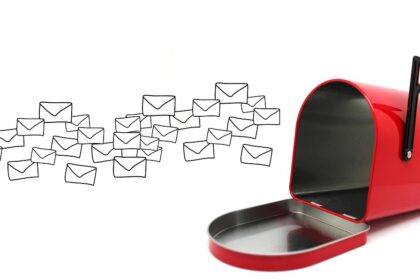
Marketing automation for beginners can sound more complicated than it really is. At its simplest, it means using software to handle repeatable marketing tasks based on triggers, schedules, or customer actions. Instead of manually sending every follow up, updating every contact, or remembering every campaign step, you set rules and let the system handle the routine work.
- What is marketing automation?
- How does marketing automation work?
- Why should beginners use marketing automation?
- Marketing automation examples for beginners
- How to start marketing automation as a beginner
- Common marketing automation mistakes to avoid
- What tools do you need for marketing automation?
- FAQs about marketing automation
- What is marketing automation in simple terms?
- Is marketing automation good for small businesses?
- What is an example of marketing automation?
- Is marketing automation difficult to learn?
- What should I automate first?
- Final thoughts
That does not mean handing your entire marketing strategy to software. Good automation gives you more time to create useful content, understand your audience, and improve campaigns. It is especially useful when a business needs to follow up consistently without adding more manual work.
What is marketing automation?
Marketing automation is the use of software to automate repetitive marketing activities. These can include email follow ups, lead nurturing, audience segmentation, customer onboarding, reminders, and campaign reporting. The exact features vary between platforms, but the basic idea is the same: an action happens, the system checks a rule, and a predefined task follows.
For example, someone might subscribe to a newsletter. That subscription can trigger a welcome email. A later action, such as clicking a link, can place the contact into another segment or start a different message sequence. Platforms such as HubSpot, Salesforce, and Mailchimp all describe automation as a way to streamline repeatable marketing work and respond to customer behaviour.
How does marketing automation work?
Most automated campaigns are built around a trigger, a condition, and an action. The trigger starts the workflow. The condition determines what happens next. The action is the message, task, update, or other process the system carries out.
Imagine a simple newsletter workflow. A visitor submits a form, which triggers a welcome email. If the subscriber clicks a useful guide, the system can record that engagement and send a related message later. If there is no interaction, the workflow can use a different follow up. This approach lets marketers respond to behaviour rather than sending exactly the same message to everyone.
Why should beginners use marketing automation?
The biggest reason is consistency. A manual process can easily be delayed when a team is busy. An automated workflow can run according to the rules you set, which makes routine follow up easier to manage.
Automation can also make it easier to organise leads. Instead of treating every contact as identical, you can use information such as signup source, interests, previous interactions, or customer status to create relevant groups. That can make communications more useful without requiring someone to sort every contact manually.
There is also a time saving benefit. Automating repetitive tasks means marketers can spend more time on strategy, creative work, customer research, and analysing results. The technology does not remove the need for human judgement. It handles the repeatable parts so people can focus on decisions that need context.
Marketing automation examples for beginners
Welcome emails
A welcome sequence is one of the simplest places to begin. When someone joins an email list, an automated message can introduce the business, explain what subscribers can expect, and point them towards a useful resource.
Lead follow up
If a visitor completes a lead form, automation can send an immediate confirmation or useful follow up. Your team can then decide whether the lead needs personal contact based on the information and engagement available.
Customer onboarding
New customers often need several pieces of information after they buy. Automated messages can deliver setup instructions, educational resources, or reminders in a planned sequence.
Re engagement campaigns
If subscribers stop interacting with your emails, an automated re engagement workflow can give them a clear reason to return. The goal should be useful communication rather than simply sending more messages.
Abandoned cart reminders
For ecommerce businesses, an abandoned cart workflow can remind a shopper about items left in their basket. The timing and message should be tested carefully so the reminder is helpful rather than intrusive.
How to start marketing automation as a beginner
Start with one repetitive process rather than trying to automate everything. A welcome sequence is often a practical first project because the trigger is clear and the customer journey is easy to understand.
First, define the goal. You might want to welcome subscribers, generate enquiries, improve onboarding, or bring inactive customers back. A clear goal makes it easier to decide whether the workflow is working.
Next, map the journey before choosing complicated features. Write down the trigger, the first action, any waiting period, the possible customer responses, and what should happen next. Keeping the first workflow simple also makes mistakes easier to spot.
Then choose software that matches your needs. Look at the channels you actually use, the integrations you require, reporting options, contact limits, ease of use, and the cost as your audience grows. You do not need the most advanced platform if a simpler system can handle your workflow.
Finally, test everything before switching it on. Check links, timing, audience rules, personalisation fields, unsubscribe options, and the experience on mobile devices. Review the results after launch and improve the workflow based on real performance.
Beginner marketing automation checklist
- Choose one clear goal for the workflow.
- Define one specific audience and trigger.
- Map the actions and possible customer responses.
- Write useful messages with a clear purpose.
- Test links, timing, rules, and unsubscribe options.
- Choose one or two metrics to review after launch.
Common marketing automation mistakes to avoid
The first mistake is automating a poor process. Software can make an inefficient workflow run faster, but it does not make the underlying strategy better. Decide what the customer should experience before building the automation.
Another mistake is sending too many messages. Automation makes it easy to create multiple campaigns, but subscribers still have limited attention. Review overlapping workflows and make sure each message has a clear purpose.
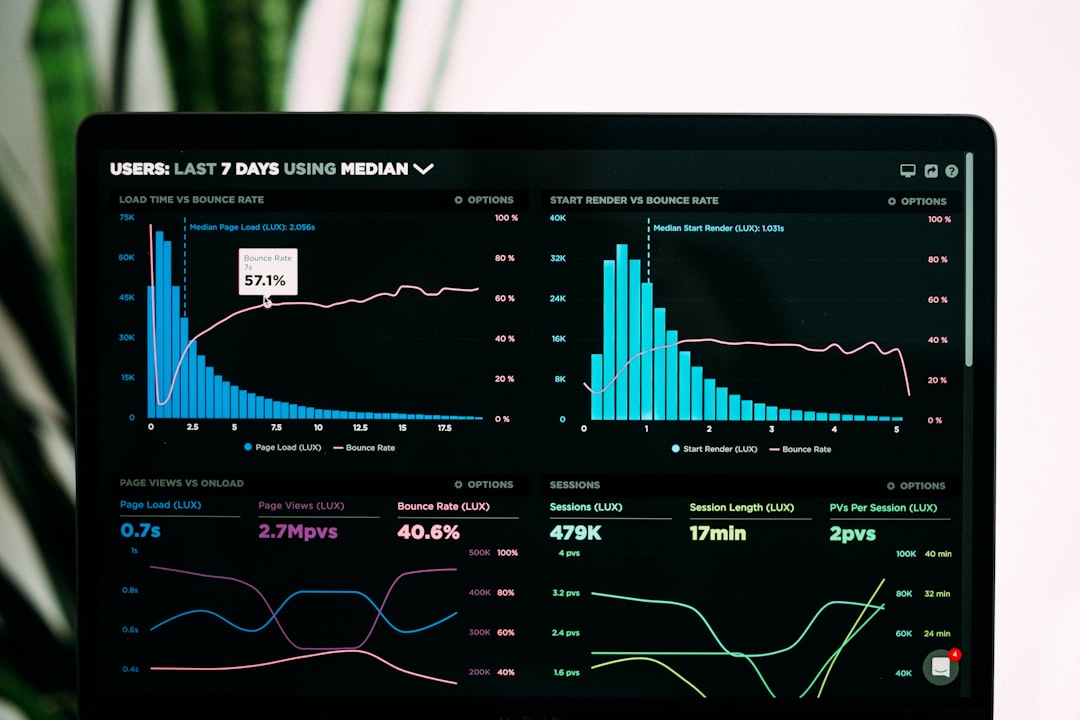
It is also important not to ignore the data behind your workflows. Check delivery, engagement, conversions, unsubscribes, and other relevant metrics. Automation should be reviewed regularly rather than treated as a set and forget system.
What tools do you need for marketing automation?
The tools you need depend on the process you want to automate. An email marketing platform may be enough for a basic welcome sequence. A growing business may also need a customer relationship management system, lead capture forms, analytics, and integrations that connect different parts of the customer journey.
For example, Tech Happened already covers related areas such as the best time to send email campaigns, lead capture page templates, and the Leadpages integration with Mailchimp. These topics can form part of a wider marketing workflow, but automation works best when each tool has a defined role.
FAQs about marketing automation
What is marketing automation in simple terms?
Marketing automation is software that carries out repeatable marketing tasks automatically when certain conditions are met. A common example is sending a welcome email after someone subscribes to a mailing list.
Is marketing automation good for small businesses?
Yes. Small businesses can use automation to reduce repetitive work and maintain consistent follow up. The best starting point is usually a simple workflow that solves a specific problem rather than a large system with features you do not need.
What is an example of marketing automation?
A welcome email sent automatically after a person joins a mailing list is a basic example. Other examples include lead follow up, customer onboarding, abandoned cart reminders, and re engagement campaigns.
Is marketing automation difficult to learn?
Basic workflows can be straightforward to build, especially when a platform provides visual workflow tools and templates. More advanced automation becomes more complex because it can involve multiple channels, audience rules, integrations, and data sources.
What should I automate first?
Choose a repetitive task with a clear trigger and a predictable outcome. A welcome sequence, simple lead follow up, or customer onboarding workflow can be a sensible first project because the steps are easy to define and measure.
Final thoughts
Marketing automation for beginners is less about replacing marketers and more about removing repetitive work from the process. Start with one useful workflow, define the customer experience, test every step, and measure what happens after launch. As your processes become clearer, you can add more automation where it genuinely improves efficiency or the customer experience.