


Getting Started with Semrush for SEO: A Beginner's Guide
Search Engine Optimisation (SEO) can feel like a complex puzzle with constantly changing pieces. For anyone new to digital marketing, knowing where to start is often the biggest hurdle. Using Semrush for SEO provides a clear roadmap, transforming guesswork into a data-driven strategy that delivers measurable results. It's an all-in-one platform designed to demystify the process of ranking higher on search engines like Google.
- What You'll Learn
- What is Semrush and Why is it Essential for SEO?
- A Deep Dive into Semrush's Key SEO Features
- Keyword Research Toolkit
- On-Page and Technical SEO Analysis
- Competitor Analysis Suite
- Link Building Tools
- Rank Tracking (Position Tracking)
- Getting Started: Your First Steps with the Semrush SEO Tool
- 1. Set Up Your First Project
- 2. Run Your First Site Audit
- 3. Find Your First Keywords
- 4. Analyse a Top Competitor
- Semrush Pricing: Which Plan is Right for You?
- The Pros and Cons of Using Semrush for Search Optimisation
- Frequently Asked Questions about Semrush and SEO
- Does Semrush help with SEO?
- Is Semrush free for SEO?
- Is SEO dead or evolving in 2026?
- Is Semrush a Russian company?
- Final Thoughts: Is Semrush Worth It for Your SEO Efforts?
This guide is built for beginners. We'll break down exactly what Semrush is, how its core features work, and provide a simple, step-by-step process to get you started. You'll learn how to find valuable keywords, analyse your competition, and fix technical issues on your website, all within one powerful toolkit.
What You'll Learn
- What Semrush Is: Understand how Semrush functions as a complete SEO toolkit, covering everything from keyword research to technical site audits.
- Core Features Explained: Discover the most important tools for beginners, including the Keyword Magic Tool, Site Audit, and competitor analysis features.
- How to Get Started: Follow a simple, step-by-step guide to set up your first project, find keywords, and analyse your competition effectively.
- Pricing and Plans: Learn about the different Semrush plans, including the free option, to help you decide which one fits your needs and budget.
- Key Pros and Cons: Get a balanced view of Semrush's strengths and weaknesses to determine if it's the right investment for your goals.
What is Semrush and Why is it Essential for SEO?
Semrush is a comprehensive digital marketing platform that contains a suite of tools for various online marketing disciplines, but its heart and soul lie in search engine optimisation. Think of it as a powerful magnifying glass for the internet. It allows you to see exactly what your competitors are doing to succeed, find the search terms your potential customers are using, and identify technical problems with your own website that could be holding you back.
The primary reason using Semrush for search optimisation is so effective is that it replaces assumptions with concrete data. Instead of guessing which keywords to target, you can see their search volume, difficulty, and who currently ranks for them. Instead of wondering why a competitor's site gets more traffic, you can analyse their backlink profile and top-performing pages.
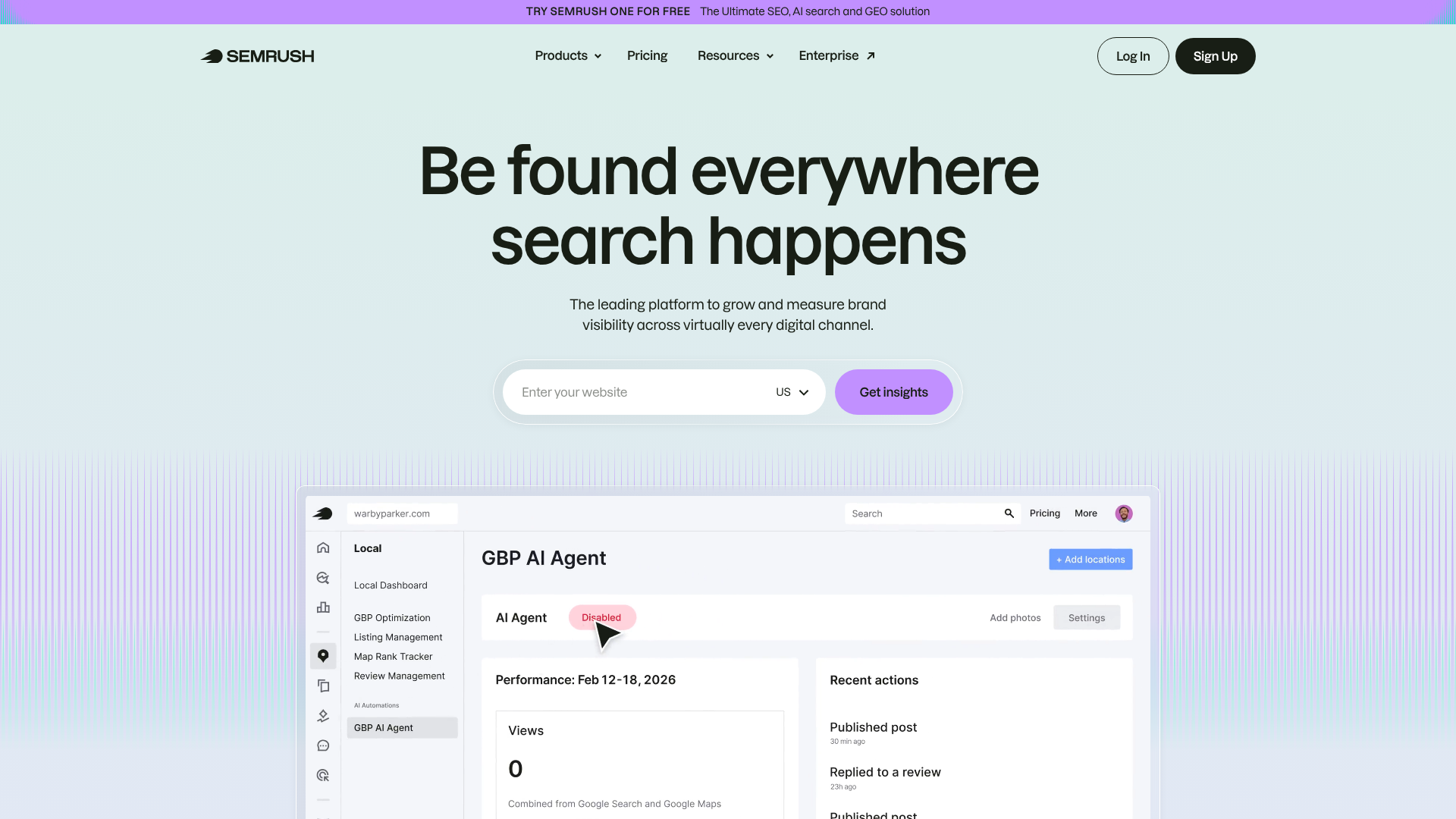
At its core, the semrush seo tool helps you answer three critical questions:
- What are my opportunities? (Keyword research, content gaps)
- How am I performing? (Rank tracking, site audits)
- What are my competitors doing? (Domain overview, backlink analysis)
By providing clear answers to these questions, Semrush empowers businesses, freelancers, and marketers of all levels to create effective SEO strategies. It organises the vast, chaotic world of search data into actionable reports and dashboards, making it an indispensable asset for anyone serious about growing their online presence.

A Deep Dive into Semrush's Key SEO Features
While Semrush offers over 50 tools, beginners should focus on a core set to avoid feeling overwhelmed. Mastering these foundational features will provide the biggest impact on your SEO performance. Here’s a breakdown of the essential tools and what they do.
Keyword Research Toolkit
Keyword research is the foundation of any successful SEO strategy. You need to know what your audience is searching for. Semrush provides a powerful set of tools to uncover these opportunities.
- Keyword Magic Tool: This is your primary starting point. You enter a broad "seed" keyword (e.g., "dog training"), and the tool generates thousands of related keywords, questions, and search terms. You can filter this massive list by search volume (how many people search for it per month), keyword difficulty (how hard it is to rank for), and search intent (informational, commercial, etc.) to find the perfect keywords for your content.
- Keyword Gap: This tool lets you compare your website's keyword profile against up to four competitors. It instantly shows you keywords that your competitors rank for but you don't. This is one of the fastest ways to find valuable content ideas and plug gaps in your own strategy.
- Keyword Manager: As you find promising keywords, you can save them to the Keyword Manager. This allows you to create targeted lists for different pages or blog posts and refresh their metrics with a single click, keeping your data up-to-date.
On-Page and Technical SEO Analysis
Your website's technical health is a critical ranking factor. If Google can't crawl or understand your site properly, even the best content won't rank. The Site Audit tool is your personal technical SEO consultant.
It crawls your entire website, just like a search engine would, and checks for over 140 common technical and on-page SEO issues. These are categorised into Errors (critical problems), Warnings (medium-priority issues), and Notices (minor suggestions). For a beginner, this is invaluable. It flags problems like broken links, missing title tags, slow-loading pages, and duplicate content, and provides clear instructions on how to fix them.
Competitor Analysis Suite
Understanding your competition is a massive advantage in SEO. Semrush excels at providing deep insights into what makes your rivals successful. The main tool here is the Domain Overview.
Simply enter a competitor's domain, and you'll get a high-level report on their organic search traffic, the number of keywords they rank for, their backlink profile, and their top-performing content. From this dashboard, you can dive deeper into their specific organic keywords to see which terms drive the most traffic for them. This helps you reverse-engineer their success and apply similar tactics to your own site.
Pro Tip: When analysing competitors, don't just look at their top keywords. Use the "Pages" report in the Organic Research section to find their most popular blog posts or service pages. This tells you which topics are resonating most with their audience and can inspire your own content calendar.
Link Building Tools
Backlinks—links from other websites to yours—are like votes of confidence in the eyes of Google. They are a crucial factor for ranking for competitive terms. Semrush offers several tools to help manage and acquire them.
- Backlink Audit Tool: This tool analyses your existing backlink profile and identifies potentially "toxic" or harmful links that could be hurting your rankings. It integrates with Google Search Console and allows you to create a "disavow" file to tell Google to ignore these bad links.
- Link Building Tool: This feature helps you find and manage outreach opportunities. You enter the keywords you want to rank for, and it scours the web for relevant websites you could get a link from. It then provides a simple interface to manage your outreach campaign, track your emails, and monitor your progress.
Rank Tracking (Position Tracking)
How do you know if your SEO efforts are working? You track your rankings. The Position Tracking tool allows you to monitor your website's daily rankings for a specific set of keywords across different locations (country, city) and devices (desktop, mobile).
This is essential for measuring progress. You can see which keywords are moving up, which are falling, and how your visibility compares to your competitors for the same set of terms. It provides clear, visual graphs that make it easy to report on your SEO performance over time.
Getting Started: Your First Steps with the Semrush SEO Tool
Jumping into a powerful platform like Semrush can feel intimidating. The best approach is to focus on a few simple, high-impact tasks. Here is a step-by-step workflow for any beginner.
1. Set Up Your First Project
A Project in Semrush is a dedicated dashboard for a single website. It brings together data from 12 different tools, including Site Audit and Position Tracking, into one place. When you first log in, you'll be prompted to create one.
Simply enter your domain name and give the project a name. Semrush will then guide you through setting up the core tools. The most important ones to configure at the start are the Site Audit and Position Tracking tools. This initial setup might take a few minutes as Semrush crawls your site and gathers data.
2. Run Your First Site Audit
Once your project is set up, the Site Audit will run automatically. When it's finished, you'll see an overall "Site Health" score as a percentage. Don't panic if it's not 100%—almost no site is perfect.
Click into the audit report and go to the "Issues" tab. Start with the "Errors" category, as these are the most critical problems. Semrush provides a "Why and how to fix it" tooltip for every issue, giving you clear, actionable advice. A common and easy-to-fix error for beginners is a broken internal link or a missing meta description.
3. Find Your First Keywords
Navigate to the Keyword Magic Tool. Start by entering a broad topic related to your business. For example, if you sell handmade coffee mugs, you could start with "coffee mugs".
Now, use the filters on the left. A great starting strategy for a new website is to look for long-tail keywords (phrases of 3+ words) with lower competition. Set the Keyword Difficulty (KD%) filter to "Very Easy" or "Easy" (0-29). This will show you terms you have a realistic chance of ranking for.
Look for question-based keywords (e.g., "how to clean ceramic coffee mugs") as they are excellent for blog content.
4. Analyse a Top Competitor
Identify one of your main competitors. Go to the Domain Overview tool and enter their website address. You'll immediately see an estimate of their monthly organic traffic and their top organic keywords.
Click on the number under "Organic Search Traffic" to go to the Organic Research report. Here, you can see a full list of the keywords they rank for. Sort this list by "Traffic %" to see which keywords are sending them the most visitors. This is a goldmine of information, showing you exactly which terms are most valuable in your industry.
Semrush Pricing: Which Plan is Right for You?

Choosing the right subscription is crucial, as Semrush is a significant investment. The platform offers several tiers tailored to different types of users, from solo entrepreneurs to large agencies. It's important to understand the key differences to avoid paying for features you don't need.
Semrush offers three main paid plans: Pro, Guru, and Business. There is also a limited free account, which is a great way to explore the interface but is not sufficient for ongoing SEO work due to its strict data limits.
- Free Account: This allows you to perform 10 searches per day across various tools and track up to 10 keywords. It's useful for getting a feel for the platform but you'll hit the limits very quickly.
- Pro Plan: This is the entry-level paid plan, designed for freelancers, startups, and marketers with a limited budget. It provides access to all the core SEO tools needed to manage a small number of websites. You can create up to 5 projects and track 500 keywords.
- Guru Plan: This is the most popular plan, aimed at small to medium-sized businesses and growing marketing agencies. The main advantage over the Pro plan is the inclusion of the Content Marketing Platform, historical data, and higher limits across the board (15 projects, 1,500 keywords).
- Business Plan: This is built for large agencies and enterprises with extensive client work or complex needs. It offers the highest limits, API access, and advanced features like Share of Voice metrics.
Here is a simple comparison of the core plans:
| Feature | Pro Plan | Guru Plan | Business Plan |
|---|---|---|---|
| Ideal User | Freelancers, Startups | SMEs, Small Agencies | Large Agencies, Enterprises |
| Projects | 5 | 15 | 40 |
| Keywords to Track | 500 | 1,500 | 5,000 |
| Content Marketing Platform | No | Yes | Yes |
| Historical Data | No | Yes | Yes |
Pricing for these plans can change, so it's always best to visit the official Semrush website for the most current information. They typically offer a discount for annual billing, which can provide significant savings if you're committed to using the tool long-term.
The Pros and Cons of Using Semrush for Search Optimisation
No tool is perfect, and it's important to have a balanced perspective. While Semrush is a market leader for good reason, understanding its strengths and weaknesses will help you decide if it's the right fit for your specific needs.
Pros
- All-in-One Toolkit: The biggest advantage is the sheer breadth of tools available in one subscription. You get keyword research, competitor analysis, rank tracking, technical audits, and link building tools all under one roof. This eliminates the need to subscribe to multiple different services, saving money and simplifying your workflow.
- Excellent Competitor Analysis: Semrush's ability to deconstruct a competitor's strategy is second to none. The Keyword Gap and Backlink Gap tools provide instantly actionable insights that can shape your entire SEO approach.
- Vast and Accurate Data: The platform pulls from a massive database of keywords, domains, and backlinks, making its data highly reliable for strategic decision-making. The keyword difficulty scores and search volume estimates are considered among the most accurate in the industry.
- User-Friendly Interface: For the amount of data it presents, Semrush does an excellent job of making it accessible. The dashboards are clean, reports are easy to generate, and most tools include helpful tips and explanations.
Cons
- Cost: The primary drawback is the price. For a solo blogger or a very small business, the monthly subscription can be a significant expense. While the value is there, the initial cost can be a barrier to entry.
- Overwhelming for Absolute Beginners: While user-friendly, the sheer number of features can be daunting at first. It takes time to learn where everything is and how all the tools work together. New users should stick to the core features initially to avoid feeling overwhelmed.
- Link Building Tool Limitations: While the Link Building Tool is useful for managing outreach, some users find the prospect discovery to be less comprehensive than specialised outreach platforms. It's a great starting point but may not be sufficient for large-scale link building campaigns.
Frequently Asked Questions about Semrush and SEO
Here are answers to some of the most common questions people have when considering Semrush for their SEO needs.
Does Semrush help with SEO?
Yes, absolutely. Semrush is specifically designed to help with virtually every aspect of SEO. It provides the data and tools necessary to build and execute a successful strategy from start to finish. It helps you find what your customers are searching for (keyword research), fix your website's technical foundation (site audit), create content that ranks (on-page SEO checker), and build authority (link building tools).
Without a tool like Semrush, SEO becomes a process of guesswork. You are essentially flying blind, unsure of which keywords to target, how you compare to competitors, or what technical issues are hurting your site. Semrush provides the visibility needed to make informed decisions that lead to better rankings and more traffic.
Is Semrush free for SEO?
Semrush offers a limited free account, but its full capabilities are only available through its paid subscription plans. The free account is a good way to test the platform's interface and run a few basic reports, but it comes with very strict daily limits on data and features.
For example, with a free account, you can only perform 10 keyword or domain analytics searches per day and track a maximum of 10 keywords. This is not enough for any serious, ongoing SEO work. The paid plans unlock the high data limits, historical data, and advanced features that make the tool so powerful.
Is SEO dead or evolving in 2026?
SEO is far from dead; it is constantly evolving. The core principles of creating high-quality, relevant content that answers user questions remain the same. However, the tactics and technologies are always changing, especially with the rise of AI in search.
Tools like Semrush are essential for keeping up with these changes. They help marketers understand shifts in search intent, adapt to new search features like AI overviews, and continue to make data-driven decisions. SEO in 2026 is less about "tricking" algorithms and more about deeply understanding user needs and creating the best possible experience, which is exactly what Semrush helps you do.
Is Semrush a Russian company?
This is a common question due to the company's origins. Semrush was founded in 2008 by Oleg Shchegolev and Dmitry Melnikov in Russia. However, the company has since relocated and is now a global entity.
As of today, Semrush is a publicly traded company in the United States (listed on the NYSE) with its headquarters in Boston, Massachusetts. While it has roots in Russia, its operations, leadership, and corporate structure are now based in the US.
Final Thoughts: Is Semrush Worth It for Your SEO Efforts?
For anyone serious about improving their website's visibility in search results, a tool like Semrush is not just a luxury—it's a necessity. The ability to conduct in-depth keyword research, perform comprehensive site audits, and gain deep insights into your competition's strategy provides an undeniable advantage.
While the price point may be a consideration for those on a tight budget, the return on investment is often significant. The time saved and the quality of data-driven decisions it enables can lead to substantial growth in organic traffic and revenue, paying for the subscription many times over. For beginners, the platform offers a structured way to learn and apply the core principles of SEO.
If you're ready to move beyond guesswork and start building a professional, effective SEO strategy, Semrush is one of the best investments you can make. The best way to understand its power is to experience it firsthand.
Ready to see what Semrush can do for your website? Explore its features and try it out on the official Semrush website.