




Lead Generation for IT Services: A Beginner's Guide for 2026
If you run an IT services company, you know that technical expertise is only half the battle. The other half is consistently finding new clients who need that expertise. Effective lead generation for IT services is the engine that drives growth, moving your business from relying on sporadic referrals to building a predictable pipeline of qualified prospects. Without a steady flow of new opportunities, even the most skilled IT firm can struggle to scale.
- What You'll Learn
- What Exactly is Lead Generation for IT Services?
- Why a Solid Lead Gen Strategy is Non-Negotiable
- Core Strategies to Generate Leads for IT Services
- 1. High-Value Content Marketing
- 2. Search Engine Optimisation (SEO)
- 3. Educational Webinars
- 4. Targeted Cold Outreach
- 5. Lead Nurturing with Email Automation
- Choosing the Right Lead Generation Approach for Your IT Business
- Understanding the Costs: Pricing Models for Lead Gen
- The Pros and Cons of Different IT Lead Generation Methods
- Frequently Asked Questions (FAQ)
- How do I start lead generation for my IT company?
- What is the most effective lead generation channel for MSPs?
- How long does it take to see results from lead generation?
- Should I hire a lead generation agency or do it in-house?
- Final Thoughts
This guide is designed for beginners who want to understand and implement proven strategies to generate leads for IT services. We'll break down the fundamental concepts, explore actionable tactics, and highlight the tools that can streamline your efforts. Whether you're a managed service provider (MSP), a cybersecurity consultant, or a custom software developer, these principles will help you attract, engage, and convert potential clients.
What You'll Learn
- The Core Concept: Understand what lead generation for IT services truly means and why it's different from general B2C marketing.
- Proven Strategies: Discover a mix of inbound and outbound tactics, including content marketing, SEO, webinars, and targeted outreach, that work specifically for the tech industry.
- Essential Tools: Learn about key software for landing pages, email automation, and SEO that can amplify your lead generation efforts.
- Cost vs. Value: Get a clear picture of the potential costs involved and how to measure the return on your investment.
- Common Pitfalls: Identify and avoid the frequent mistakes that prevent IT companies from building a successful lead pipeline.
What Exactly is Lead Generation for IT Services?
Lead generation for IT services is the process of identifying, attracting, and capturing the interest of potential clients who could benefit from your technical solutions. Unlike selling a simple product, generating IT service leads involves a longer sales cycle, higher-value transactions, and the need to build significant trust. A 'lead' in this context isn't just any contact; it's a business or individual who has shown interest and fits your ideal client profile.
The goal is to create a systematic process that moves a prospect from initial awareness of your company to genuine interest in your services. This journey often starts with them encountering a piece of your content, seeing an ad, or receiving a personalised email. From there, you nurture that initial interest with valuable information, positioning your company as a credible authority and a trusted problem-solver.
For IT companies, this process is particularly nuanced. You're not just selling a service; you're selling a partnership built on reliability, security, and expertise. Therefore, your lead generation activities must reflect that. This means focusing on education over hard selling, demonstrating value upfront, and targeting the specific decision-makers within an organisation, such as CIOs, IT managers, or CTOs.
The process is less about casting a wide net and more about precision-targeting the right people in the right companies with the right message.
Why a Solid Lead Gen Strategy is Non-Negotiable
A structured approach to finding IT service leads is crucial for sustainable growth. Relying solely on word-of-mouth or passive referrals is unpredictable and leaves your business vulnerable to market fluctuations. A proactive strategy provides control over your sales pipeline and future revenue.
One of the primary benefits is creating a predictable and scalable sales pipeline. When you have consistent lead generation campaigns running, you can forecast new business with greater accuracy. This allows for better resource planning, hiring decisions, and overall business strategy. Instead of experiencing 'feast or famine' cycles, you build a steady stream of opportunities.
Furthermore, a strong lead gen IT services strategy establishes your brand as an authority in a crowded marketplace. By creating helpful content, hosting informative webinars, and engaging in thoughtful outreach, you build credibility. Prospects begin to see you not just as a vendor, but as a knowledgeable partner who understands their challenges. This trust is essential when selling complex and critical services like cybersecurity or cloud infrastructure management.
Finally, an effective strategy improves your return on investment (ROI). By defining your ideal customer profile (ICP) and targeting your efforts, you waste less time and money on prospects who are a poor fit. This focus ensures your marketing budget is spent on attracting high-quality leads who are more likely to convert into long-term, profitable clients. Over time, this efficiency compounds, making your client acquisition process more cost-effective.

Core Strategies to Generate Leads for IT Services
There is no single 'best' way to generate leads for IT companies. The most successful firms use a multi-channel approach that combines different strategies to reach prospects at various stages of their buying journey. Here are some of the most effective methods for beginners to start with.
1. High-Value Content Marketing
Content marketing is the foundation of modern lead generation. It involves creating and sharing valuable, relevant content to attract and engage your target audience. For IT services, this means moving beyond generic blog posts and producing in-depth resources that solve real problems for your potential clients.
Think about creating whitepapers on cybersecurity trends, detailed case studies of successful client projects, or comprehensive guides on migrating to the cloud. This type of content demonstrates your expertise and builds trust. The key is to offer genuine value in exchange for a prospect's contact information. You can 'gate' your most valuable content behind a simple form, instantly turning a reader into a lead.
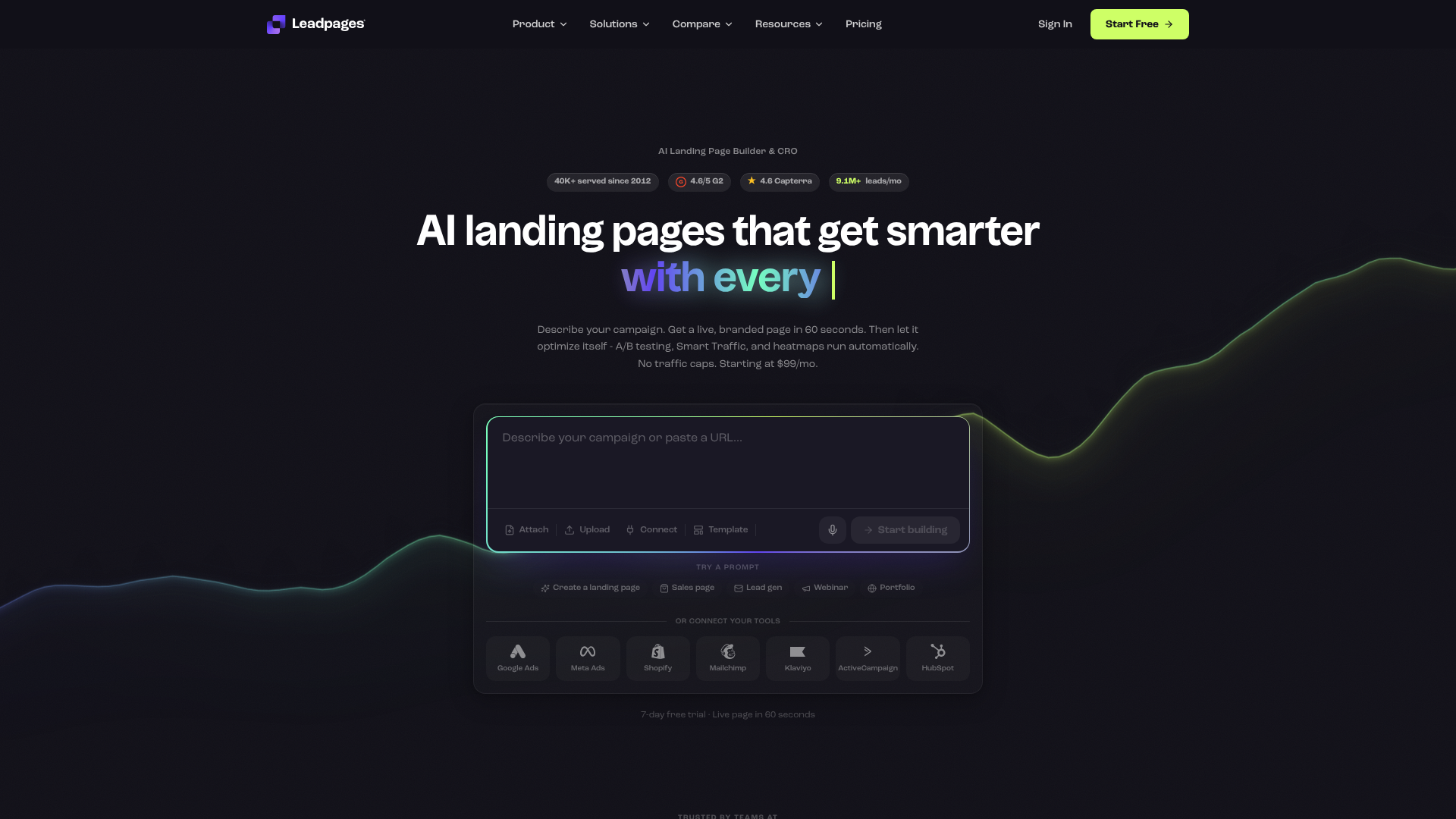
To make this strategy work, you need a way to create professional-looking landing pages to host these forms. A tool like Leadpages is excellent for this, as it allows you to build high-converting pages quickly without needing to code. This ensures a smooth experience for the user and a higher conversion rate for your content offers.
2. Search Engine Optimisation (SEO)
What good is great content if no one can find it? SEO is the process of optimising your website to rank higher in search engine results for relevant queries. When a business owner in your city searches for "managed IT services near me," you want your company to appear at the top of the results.
Effective SEO for an IT company involves several key areas. First is keyword research: identifying the terms your potential clients are searching for. Tools like Mangools (KWFinder) can help you find valuable keywords with manageable competition. Second is on-page SEO: ensuring your website's content, titles, and structure are optimised for those keywords.
Finally, local SEO is critical for MSPs and other geographically-focused IT providers, which involves optimising your Google Business Profile and building local citations.
SEO is a long-term strategy, but the leads it generates are often high-quality because they come from people actively searching for a solution you provide. It's an investment that pays dividends for years to come.
3. Educational Webinars
Webinars are a powerful tool to generate leads for IT services because they allow you to connect with a large audience in an interactive format. You can host a webinar on a topic that addresses a major pain point for your target audience, such as "5 Common Security Mistakes Small Businesses Make" or "A Beginner's Guide to Office 365 Migration."
During the webinar, you provide immense value and establish your authority on the subject. At the end, you can make a soft offer for a free consultation or a special package for attendees. Everyone who registers for the webinar becomes a lead, and those who attend are highly qualified because they've dedicated an hour of their time to learn from you.
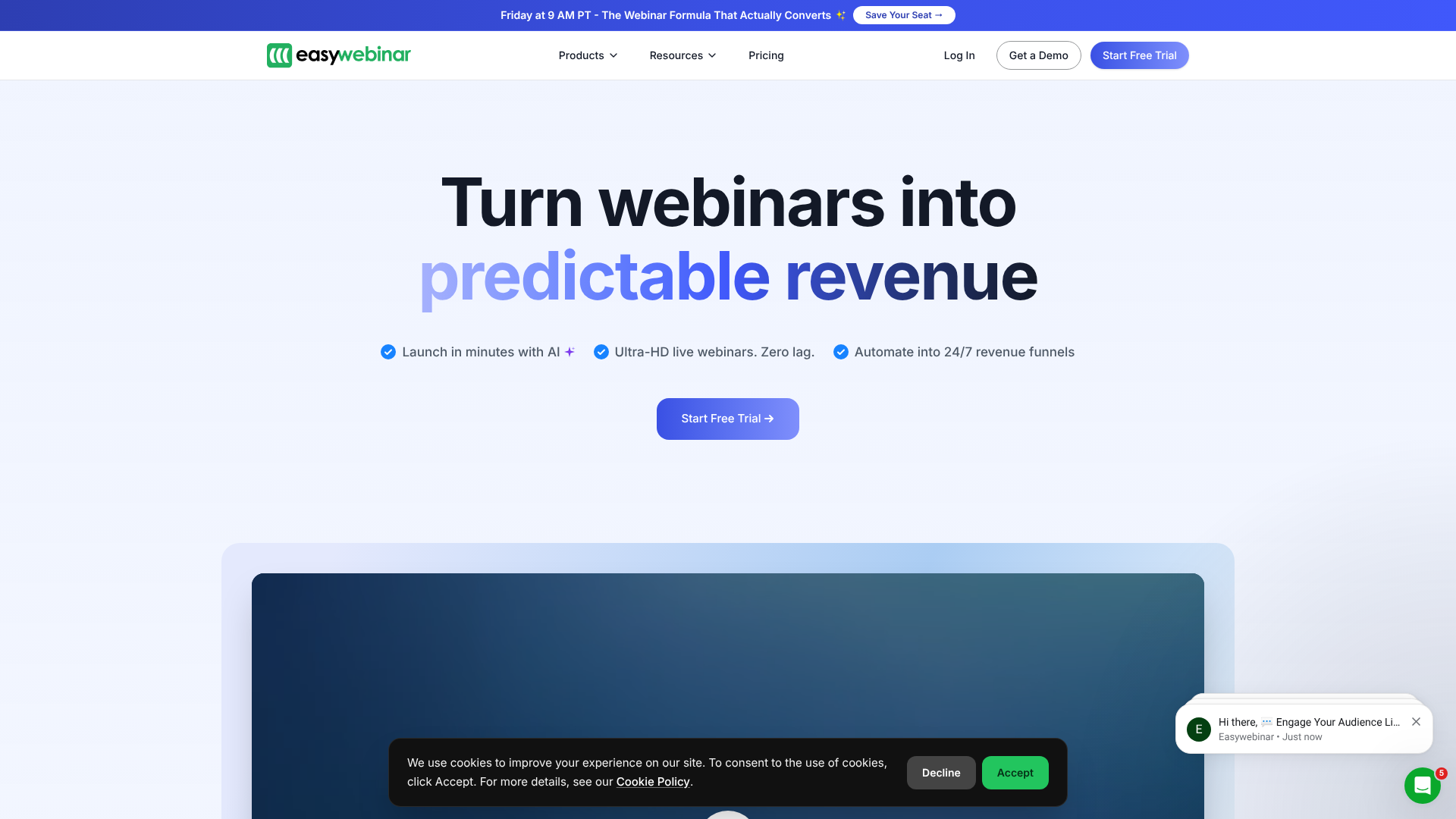
Platforms like EasyWebinar make it simple to set up, promote, and run professional webinars. They handle registration, reminders, and follow-up, allowing you to focus on delivering a great presentation.
4. Targeted Cold Outreach
While inbound marketing is powerful, outbound strategies like cold email and LinkedIn outreach are still highly effective for IT services, especially when done correctly. The key is to avoid generic, spammy messages. Instead, focus on personalisation and value.
Start by building a highly targeted list of companies that fit your ideal client profile. Use tools like LinkedIn Sales Navigator or Hunter to find the contact information for the right decision-makers. Then, craft a personalised email that references their company, their role, or a recent industry trend. Your goal isn't to sell your services in the first email, but to start a conversation by offering a valuable resource or insight.
Pro Tip: When doing cold outreach, always focus on the prospect's problem, not your solution. A message like, "I noticed many companies in the manufacturing sector are struggling with supply chain software integration. We recently published a guide on solving this—thought you might find it useful," is far more effective than, "We sell IT services. Can we have 15 minutes of your time?"
5. Lead Nurturing with Email Automation
Not every lead is ready to buy immediately. Lead nurturing is the process of building relationships with prospects over time, providing them with relevant information until they are ready to make a purchase decision. Email marketing is the primary tool for this.
Once you capture a lead through a content download or webinar registration, you can enter them into an automated email sequence. This sequence should deliver a series of helpful emails that educate the prospect further and keep your brand top-of-mind. For example, you could send a follow-up case study, an invitation to another webinar, or a checklist related to their initial interest.
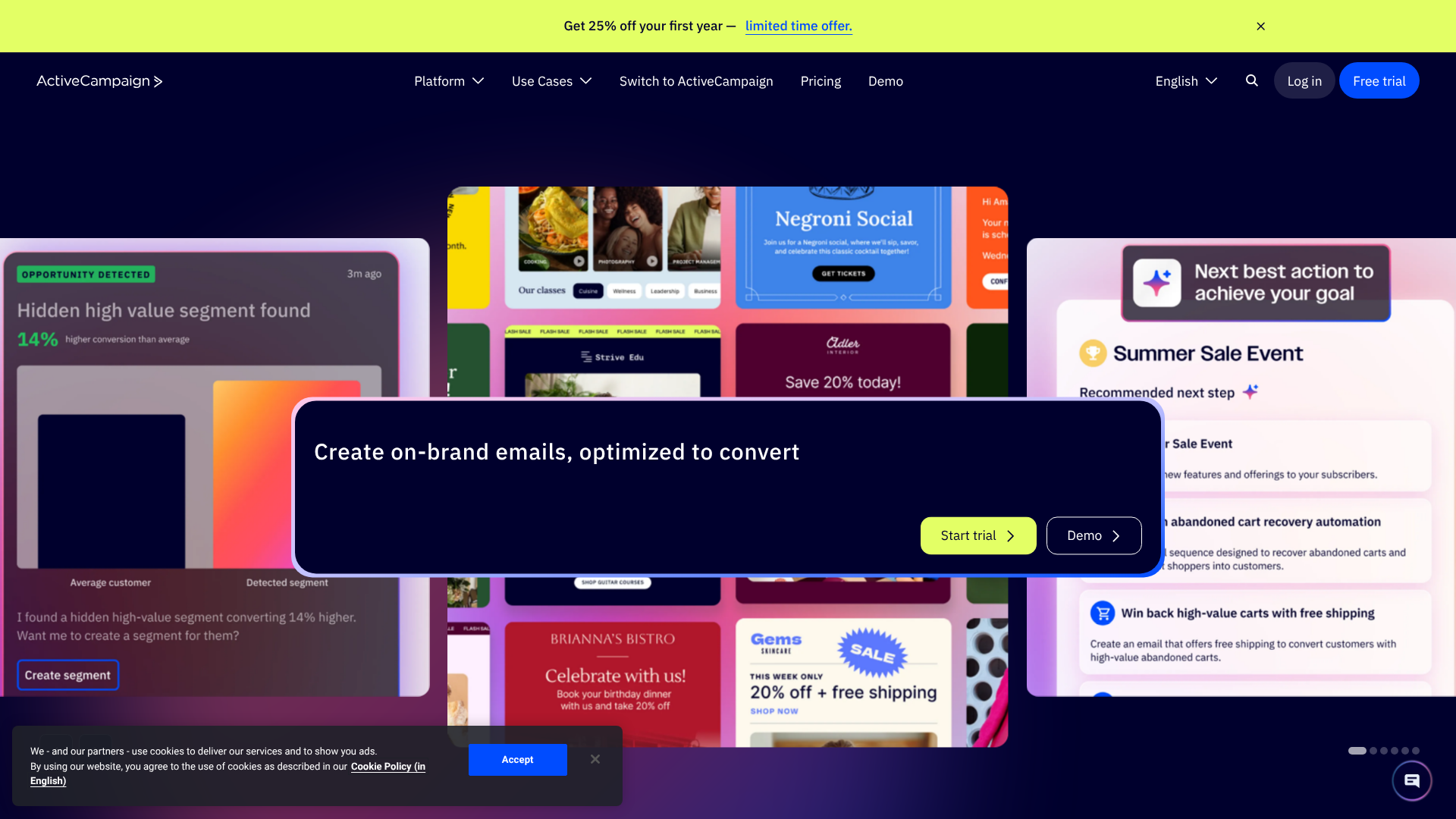
Marketing automation platforms like ActiveCampaign are essential for this. They allow you to segment your audience and send targeted messages based on their behaviour, ensuring that each lead receives the most relevant information for their needs. This systematic follow-up dramatically increases conversion rates compared to letting leads go cold.
Choosing the Right Lead Generation Approach for Your IT Business
With several strategies available, it can be overwhelming for a beginner to know where to start. The right approach depends on your specific business goals, budget, and target audience. You don't need to do everything at once; it's better to master one or two channels before expanding.
First, consider your ideal client. Are you targeting small local businesses or large national enterprises? For local businesses, a strong local SEO strategy and participation in local business networking groups might be most effective. For larger enterprises, a more sophisticated approach like Account-Based Marketing (ABM), where you target specific high-value accounts with personalised campaigns, might be necessary.
Next, evaluate your resources and timeline. Content marketing and SEO are powerful but take time to show results, often 6-12 months. If you need leads more quickly, paid advertising on platforms like Google Ads or LinkedIn can deliver faster results, but it requires a consistent budget. Cold outreach can also generate quicker responses if you have the time to dedicate to list building and personalisation.
A balanced approach is often best. You could start with a foundational content marketing strategy to build long-term authority while running a targeted LinkedIn Ads campaign to generate short-term leads. As you gather data, you can see which channels deliver the best ROI and double down on what works, gradually building a comprehensive lead generation machine.
Understanding the Costs: Pricing Models for Lead Gen
The cost to generate leads for IT services can vary dramatically. It's important to understand the different pricing structures and what you can expect to invest, whether you're handling it in-house, using tools, or hiring an agency.
If you're managing lead generation in-house, your primary costs will be software and time. Essential tools can range from £50 to over £500 per month. For example:
Landing Page Builders: Tools like Leadpages often start around £30-£40 per month. * Email Marketing/Automation: Platforms like ActiveCampaign have plans starting from £25 per month, scaling with your contact list size.
SEO Tools: A basic keyword research tool like Mangools (KWFinder) is relatively affordable, while comprehensive suites like Semrush or Ahrefs can cost several hundred pounds per month. * Advertising Spend: For Google or LinkedIn Ads, your budget is flexible, but a meaningful campaign often requires at least £500-£1,000 per month to gather enough data.
Hiring a lead generation agency is another option. These agencies typically charge in one of three ways: a monthly retainer (a fixed fee for ongoing services), a pay-per-lead model (you pay for each qualified lead delivered), or a performance-based model (a base fee plus commission on closed deals). Retainers for IT lead generation can range from £1,500 to £5,000+ per month, depending on the scope of work. While more expensive upfront, a good agency can accelerate your results significantly.
The Pros and Cons of Different IT Lead Generation Methods
Every lead generation strategy has its strengths and weaknesses. Understanding these trade-offs is key to building a balanced and resilient marketing plan. A strategy that works wonders for one IT firm might be a poor fit for another, depending on their market, resources, and sales cycle.
For example, SEO is fantastic for generating high-intent, organic leads at a low long-term cost, but it requires patience and significant upfront effort with no guarantee of quick results. On the other hand, Paid Advertising can bring in leads almost instantly, but it requires a constant budget, and the leads stop the moment you stop paying. It's a classic trade-off between time and money.
Here’s a breakdown of the pros and cons of the most common methods:
| Strategy | Pros | Cons |
|---|---|---|
| Content Marketing & SEO | Builds long-term authority and trust. Generates high-quality, inbound leads. Low long-term cost per lead. | Takes a long time (6-12+ months) to see results. Requires consistent effort and expertise. |
| Paid Advertising (PPC) | Delivers fast results and immediate traffic. Highly targetable and scalable. Easy to measure ROI. | Can be expensive, especially in competitive niches. Leads stop when you stop paying. Requires ongoing management. |
| Cold Outreach | Highly targeted and proactive. Allows for deep personalisation. Can generate high-value leads quickly. | Time-consuming and requires skill. Can damage brand reputation if done poorly. Low response rates are common. |
| Webinars | Positions you as an expert. Generates highly qualified and engaged leads. Can be repurposed into other content. | Requires significant preparation and promotion. Technical issues can occur. Attendance rates can be low. |
| Referral Marketing | Leads are pre-qualified and have high trust. Very low cost of acquisition. High conversion rates. | Not predictable or scalable. Relies on existing clients. Can be slow to build momentum. |
Pro Tip: The best approach is to create a 'flywheel' where different strategies support each other. For example, use paid ads to promote a high-value whitepaper. The leads who download it are then nurtured via an automated email sequence, which invites them to an educational webinar. This integrated approach is far more effective than using each channel in isolation.

Frequently Asked Questions (FAQ)
How do I start lead generation for my IT company?
The best way to start is by clearly defining your Ideal Customer Profile (ICP). Identify the industries, company sizes, and job titles of the clients you serve best. Once you know who you're targeting, choose one or two strategies to focus on first. A great starting point is creating one high-value content piece (like a guide or checklist) and promoting it on LinkedIn to your target audience.
What is the most effective lead generation channel for MSPs?
For Managed Service Providers (MSPs), a combination of local SEO and targeted outreach is often most effective. Local SEO helps you get found by businesses in your service area who are actively searching for IT support. At the same time, building relationships through local business groups and personalised LinkedIn outreach can create a steady stream of referral and direct leads.
How long does it take to see results from lead generation?
The timeline depends heavily on the strategy you choose. Paid advertising can generate leads within days or weeks. Content marketing and SEO are long-term investments, typically taking 6 to 12 months to build momentum and produce a consistent flow of organic leads. Cold outreach can yield results within a few weeks, but requires consistent effort to maintain.
Should I hire a lead generation agency or do it in-house?
This depends on your budget, time, and expertise. Doing it in-house gives you more control and can be more cost-effective if you have the skills on your team. However, it requires a significant time commitment. Hiring an agency can accelerate your results by leveraging their experience and resources, but it comes at a higher monthly cost.
A hybrid approach, where you handle some tasks in-house and outsource others, can also be effective.
Final Thoughts
Mastering lead generation for IT services is a journey, not a destination. It requires a strategic mindset, a willingness to experiment, and a commitment to providing value at every step. By moving away from a reactive, referral-based model to a proactive, multi-channel strategy, you can build a predictable and scalable engine for growth.
Start small by defining your ideal client and mastering one or two channels, like content marketing combined with SEO or targeted LinkedIn outreach. Use powerful tools like Leadpages for capturing leads, EasyWebinar for engaging them, and ActiveCampaign for nurturing them into clients. Measure your results, learn from the data, and consistently refine your approach. Over time, you'll build a robust pipeline that fuels your IT company's success for years to come.