
Lead Generation vs Lead Nurturing: A 2026 Guide for Marketers
Many marketers treat their sales funnel like a bucket with a hole in it. They spend enormous effort and budget filling it with new prospects, only to watch most of them leak out before ever becoming customers. This common frustration often stems from a misunderstanding of two critical, yet distinct, marketing functions. The debate over lead generation vs lead nurturing isn't about choosing a winner; it's about understanding how these two processes work together to create a powerful and efficient growth engine.
- In a Nutshell
- What is Lead Generation vs Lead Nurturing? A Tale of Two Halves
- Lead Generation: Casting the Wide Net
- Lead Nurturing: Building the Relationship
- Lead Gen vs Lead Nurture: Side-by-Side Comparison
- Key Features and Benefits: Why You Need Both Lead Generation and Nurturing
- Choosing Your Focus: When to Prioritise Generation vs Nurturing
- Top Tools for Lead Generation and Nurturing
- Cost and Investment: A Realistic Look at Pricing
- The Pros and Cons of Focusing on One Over the Other
- Frequently Asked Questions (FAQ)
- What is the difference between lead generation and nurturing leads?
- What is the 5-minute rule for leads?
- What are the 4 laws of lead generation?
- Is lead generation illegal?
- What are the 4 types of leads?
- Final Thoughts: Creating a Symbiotic Growth Engine
Lead generation is the art of attracting strangers and converting them into someone who has shown an interest in your company. Lead nurturing, on the other hand, is the science of building a relationship with that interested person, guiding them from initial curiosity to purchase-ready confidence. Without generation, you have no one to talk to. Without nurturing, most of your conversations go nowhere.
Mastering both is the key to sustainable success.
This guide will break down the essential differences, benefits, and strategies for each. We'll explore the right tools for the job and help you decide where to focus your resources to fix your leaky bucket once and for all.
In a Nutshell
- Different Goals, Different Funnel Stages: Lead generation focuses on the Top of the Funnel (ToFu) to capture new leads (quantity). Lead nurturing focuses on the Middle and Bottom of the Funnel (MoFu/BoFu) to convert those leads into customers (quality).
- It's a Partnership, Not a Competition: Viewing it as 'lead gen vs lead nurture' is a mistake. The most successful strategies integrate both. Generation fills the pipeline, and nurturing moves leads through it, maximising the return on your initial investment.
- Tactics and Tools Vary: Generation uses tactics like SEO, ads, and landing pages with tools like Leadpages or Jotform. Nurturing relies on email automation, personalised content, and webinars, using platforms like ActiveCampaign or EasyWebinar.
- Focus Depends on Your Business Stage: A new business must prioritise generation to build an audience. A business with a large database of cold leads and low conversion rates should focus more resources on nurturing.
What is Lead Generation vs Lead Nurturing? A Tale of Two Halves
To truly grasp the concept, it's best to think of your marketing and sales process as a journey. Lead generation is the first step of that journey, while lead nurturing is the guided tour that follows. One gets people in the door; the other convinces them to stay and make a purchase.
Lead Generation: Casting the Wide Net
Lead generation encompasses all the activities you undertake to attract potential customers and capture their contact information. This is the top-of-funnel (ToFu) stage, where the primary goal is to convert anonymous website visitors or social media scrollers into identifiable leads. The focus here is on volume and initial interest.
Think of it like a fishing operation. Your lead generation tactics are the different types of nets and bait you use to catch as many relevant fish as possible. These tactics often involve offering something of value—a lead magnet—in exchange for an email address. Common lead generation strategies include:
- Content Marketing: Creating valuable blog posts, guides, or videos that attract your target audience through search engines. Tools like Semrush are vital for identifying the topics your audience is searching for.
- Paid Advertising: Running targeted ads on platforms like Google, Facebook, or LinkedIn to reach a specific demographic with a compelling offer.
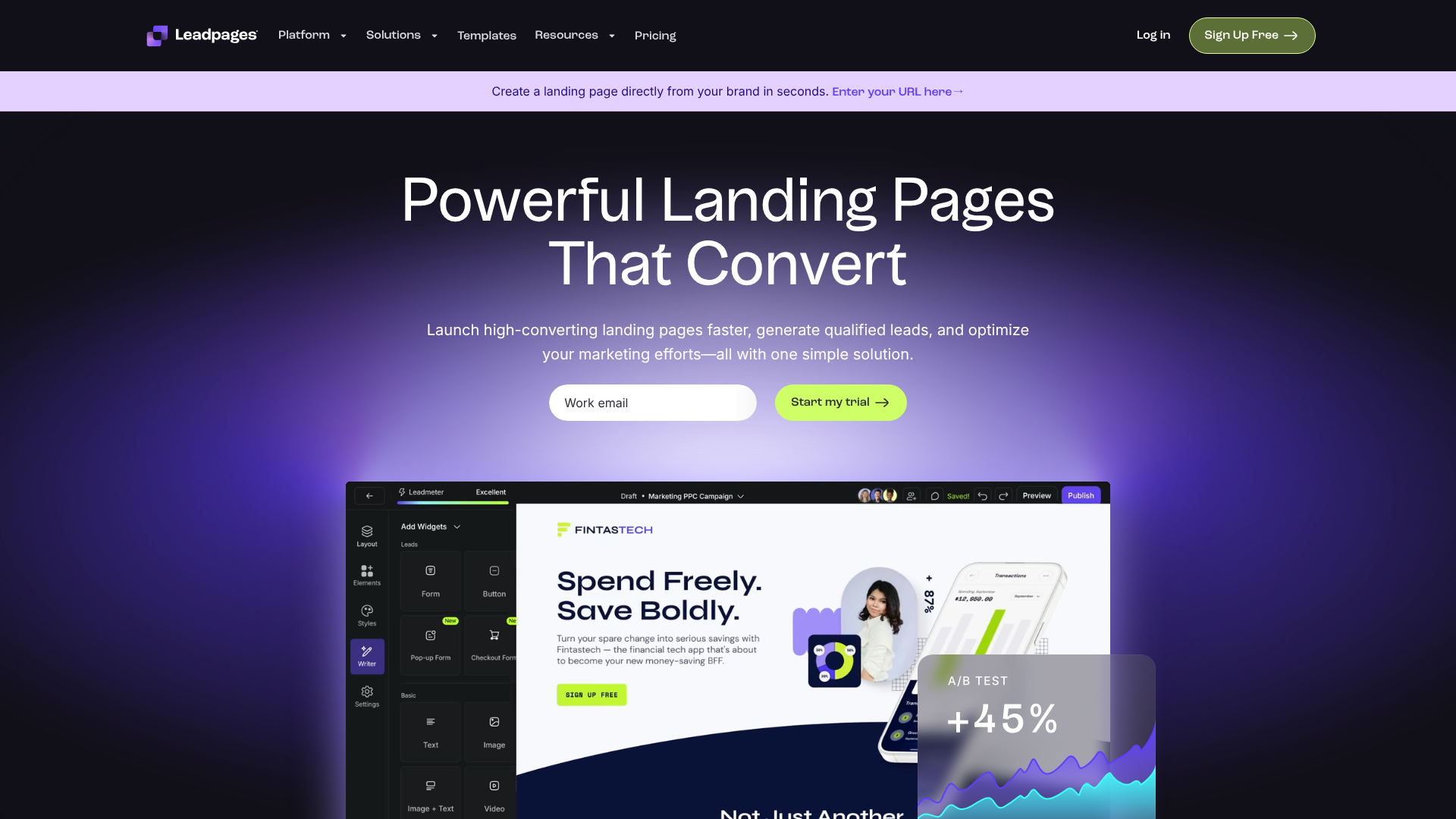
- Landing Pages: Designing dedicated web pages with a single goal: to persuade a visitor to fill out a form. Platforms like Leadpages specialise in creating high-converting landing pages quickly.
- Social Media Marketing: Engaging with potential customers on social platforms and directing them to your lead magnets.
The end product of this stage is typically a Marketing Qualified Lead (MQL)—someone who has engaged with your marketing but isn't yet ready for a sales conversation.
Lead Nurturing: Building the Relationship
Once you've captured a lead, the work has just begun. According to industry research, around 50% of the leads in any system are not yet ready to buy. This is where lead nurturing comes in. It's the process of building relationships with your leads, providing them with timely and relevant information to help move them down the sales funnel.
If generation is casting the net, nurturing is the patient process of building trust with the fish you've caught, showing them you have the solution to their problems. This happens in the middle-of-funnel (MoFu) and bottom-of-funnel (BoFu) stages. The goal shifts from quantity to quality. Key lead nurturing tactics include:
- Email Drip Campaigns: A series of automated emails sent to a lead over time, designed to educate them about their problem and your solution. Platforms like ActiveCampaign excel at creating these sophisticated workflows.
- Personalised Content: Sending targeted content (case studies, white papers, demo videos) based on a lead's behaviour and interests.
- Webinars and Demos: Hosting live or automated events that provide immense value and showcase your product's capabilities. Software like EasyWebinar makes this process manageable.
- Retargeting Ads: Showing specific ads to people who have already visited your site or engaged with your content.
The goal of nurturing is to transform an MQL into a Sales Qualified Lead (SQL)—someone who has demonstrated a clear intent to buy and is ready to speak with your sales team.
Pro Tip: Implement lead scoring to automate your nurturing process. Assign points to leads based on their actions (e.g., +10 for visiting the pricing page, +25 for attending a webinar). Once a lead reaches a certain score, they can be automatically flagged as an SQL for the sales team, ensuring no warm lead is missed.
Lead Gen vs Lead Nurture: Side-by-Side Comparison

To make the distinction crystal clear, here’s a direct comparison of the two processes.
| Feature | Lead Generation | Lead Nurturing |
|---|---|---|
| Primary Goal | Capture new leads and fill the pipeline | Build relationships and convert leads to customers |
| Funnel Stage | Top of Funnel (ToFu) | Middle/Bottom of Funnel (MoFu/BoFu) |
| Focus | Quantity and Awareness | Quality and Trust |
| Key Tactics | SEO, PPC Ads, Landing Pages, Content Offers | Email Automation, Personalised Content, Webinars |
| Core Metrics | Cost Per Lead (CPL), MQLs, Click-Through Rate | Conversion Rate, Sales Cycle Length, SQLs |
| Relationship | Transactional (information for value) | Relational (building trust over time) |
Key Features and Benefits: Why You Need Both Lead Generation and Nurturing
Understanding the definitions is one thing, but appreciating their combined impact on your bottom line is another. A strategy that only focuses on one area will always underperform. A truly effective growth strategy relies on the synergy between lead generation and nurturing.
The Power of Effective Lead Generation
A consistent lead generation effort is the lifeblood of any growing business. It's the engine that powers everything else. Without it, even the world's best nurturing programme has nothing to work with.
First, it fills your sales pipeline. A healthy, predictable flow of new leads gives your sales team a constant stream of opportunities to work on, preventing the dreaded 'feast or famine' cycle that plagues so many companies. This stability is essential for accurate forecasting and sustainable growth.
Second, lead generation activities significantly increase your brand awareness. Every blog post, social media ad, or downloadable guide puts your brand in front of a new audience. Even if someone doesn't convert into a lead immediately, you've planted a seed of recognition that can pay off months or even years down the line.
Finally, it provides invaluable market data. By analysing which lead magnets perform best, which ad copy resonates, and what topics drive traffic, you gain deep insights into your customers' pain points and priorities. This data can inform product development, marketing messaging, and overall business strategy.
The Unsung Hero: Benefits of Lead Nurturing
While lead generation gets much of the glory, lead nurturing is where the profit is often realised. Companies that excel at lead nurturing generate 50% more sales-ready leads at a 33% lower cost, according to Forrester Research.
Its primary benefit is maximising the return on your lead generation spend. You've already paid (in time or money) to acquire a lead; nurturing ensures that investment isn't wasted. Instead of letting uninterested leads go cold, you keep the conversation going, dramatically increasing the chances they'll eventually buy from you.
Nurturing also builds profound trust and authority. By consistently providing value and helpful information without asking for anything in return, you position your brand as a trusted advisor, not just a vendor. When the time comes to make a purchase, you'll be the first company they think of.
Furthermore, a strong nurturing process can significantly shorten the sales cycle. Nurtured leads are more educated about their problem and your solution. When they finally raise their hand to talk to sales, they are better informed and have fewer objections, leading to a faster and smoother closing process.
Choosing Your Focus: When to Prioritise Generation vs Nurturing

While you always need both, your business goals and current situation will dictate where you should allocate the majority of your resources. It’s not a permanent choice but a strategic allocation of effort based on immediate needs.
Scenarios to Double Down on Lead Generation
There are specific times in a business's lifecycle when filling the top of the funnel is the absolute top priority. If you find yourself in one of these situations, it's time to ramp up your lead generation efforts.
- New Business or Product Launch: If you're just starting out or launching a new product, you have no existing audience. Your primary goal is to build a list from scratch. All your energy should be focused on awareness campaigns, creating foundational lead magnets, and driving initial traffic.
- Entering a New Market: When expanding into a new geographical region or industry vertical, your brand is likely unknown. Aggressive lead generation is necessary to establish a foothold and begin building a database of relevant contacts in that new market.
- An Empty or Shrinking Pipeline: If your sales team is reporting a lack of leads and future revenue looks uncertain, you have an urgent top-of-funnel problem. You need to immediately deploy lead generation campaigns to get more prospects in the door and ensure business continuity.
Scenarios to Ramp Up Lead Nurturing
Conversely, there are times when your biggest opportunity for growth lies within the leads you already have. If your marketing looks like this, it's time to shift focus to nurturing.
- Long Sales Cycles: For businesses selling complex B2B solutions or high-ticket items, the sales process can take months. Nurturing is non-negotiable in this environment. It's the only way to stay top-of-mind and build the deep trust required to close a major deal.
- High Cost-Per-Lead (CPL) and Low Conversion Rates: If you're spending a lot to acquire leads but very few are becoming customers, your funnel is broken in the middle. Pouring more money into generation will only waste more money. The smart move is to invest in a nurturing system to better qualify and convert the leads you're already getting.
- A Large, Cold Database: Many established companies have a CRM filled with thousands of old leads who never converted. This is a potential goldmine. Launching a re-engagement campaign and building nurturing sequences for this audience is often far more cost-effective than generating new leads from scratch.
Top Tools for Lead Generation and Nurturing
Executing these strategies effectively requires the right technology stack. The market is filled with excellent tools designed for each specific stage of the customer journey. Here are some top recommendations for both sides of the lead nurturing vs generation equation.
Essential Lead Generation Software
These tools are designed to attract visitors and make it easy to capture their information.
- Landing Page Builders: A dedicated landing page is one of the most effective ways to convert traffic into leads. Tools like Leadpages and Unbounce provide drag-and-drop builders and optimised templates, allowing you to launch high-converting campaigns without a developer.
- Form Builders: Capturing lead data requires flexible and powerful forms. Jotform is a fantastic tool that allows you to create everything from simple contact forms to complex multi-page surveys, integrating with hundreds of other applications.
- SEO & Content Tools: To attract organic traffic, you need to know what people are searching for. Platforms like Semrush, Ahrefs, and Mangools (KWFinder) provide the keyword research and competitor analysis data needed to create content that ranks and attracts potential leads.
Powerful Lead Nurturing Platforms
Once you have the lead, these platforms help you build the relationship and guide them towards a sale.
- Email Marketing & Automation: This is the core of any nurturing strategy. Platforms like ActiveCampaign and GetResponse go beyond simple newsletters, offering sophisticated automation that can send personalised messages based on user behaviour, ensuring every lead gets the right message at the right time.
- Webinar Software: Webinars are a high-impact nurturing tactic for educating leads at scale. Software like EasyWebinar and WebinarGeek provide all the tools you need to host, manage, and automate your online events.
- CRM (Customer Relationship Management): While not exclusively a nurturing tool, a CRM is essential for tracking every interaction a lead has with your company. It provides the single source of truth that allows both marketing and sales to have informed, contextual conversations.
Pro Tip: The real power comes from integrating your tools. Connect your landing page software directly to your email marketing platform. Ensure your CRM gets data from your form builder. This creates a seamless flow of information, allowing for immediate and automated follow-up the moment a new lead is generated.
Cost and Investment: A Realistic Look at Pricing
Budgeting for growth requires understanding the costs associated with both generating and nurturing leads. The pricing structures and typical investment levels can differ significantly between the two activities.
The Cost of Generating a Lead
The cost of lead generation can vary wildly depending on your industry, target audience, and chosen channels. A lead from a targeted LinkedIn ad campaign for enterprise software might cost hundreds of pounds, while a lead from an organic blog post might have a marginal cost close to zero (though it required a significant upfront investment in content creation).
Pricing for lead generation tools often follows a tiered subscription model. For example, landing page builders like Leadpages typically charge based on the number of sites or features you need. SEO tools like Semrush often price based on the number of projects, keywords tracked, and reports you can run. You should budget for both the software costs and any advertising spend you plan to use.
The Investment in Nurturing a Relationship
The costs associated with lead nurturing are generally more predictable. The primary expense is the software, specifically your email marketing automation or marketing automation platform. Most of these tools, including ActiveCampaign and GetResponse, price their plans based on the number of contacts in your database.
This model scales with your business—as your list grows, your cost increases. The other major investment is time. Creating the content for your email sequences, case studies, and webinars requires a significant commitment from your marketing team. However, this should be viewed as an investment to protect and maximise the return on your more volatile lead generation spend.
The Pros and Cons of Focusing on One Over the Other
To truly understand why an integrated approach is essential, it's helpful to examine the consequences of focusing exclusively on one strategy while neglecting the other. Both paths lead to significant business challenges.
The Pitfalls of "Generation-Only" Marketing
A business that is obsessed with lead generation but ignores nurturing often looks successful on the surface but struggles with profitability. They are constantly pouring new leads into the top of the funnel.
- Pro: The sales pipeline always looks full, and brand awareness grows rapidly.
- Con: This is the classic "leaky bucket" syndrome. The vast majority of leads, who aren't ready to buy immediately, are ignored and forgotten. Conversion rates are typically very low.
- Con: Marketing spend is incredibly inefficient. The business is constantly paying to acquire new leads instead of monetising the ones they already have.
- Con: The sales team becomes demoralised. They are forced to cold call a long list of unqualified, uninterested MQLs, leading to low morale and high turnover.
The Limitations of "Nurturing-Only" Marketing
On the other side, a business that only focuses on nurturing its existing list can be very efficient but will eventually stagnate. They are experts at converting the leads they have.
- Pro: Conversion rates are high, and the relationship with their existing audience is very strong.
- Con: The pipeline eventually runs dry. With no new leads coming in, the business is simply talking to the same people over and over again. Growth stalls.
- Con: The business becomes insular and fails to attract new audiences or enter new markets. They miss out on significant growth opportunities.
- Con: They become vulnerable to market shifts. If their existing customer base is disrupted, they have no new leads to fall back on.
Frequently Asked Questions (FAQ)
Here are answers to some of the most common questions people have when comparing lead generation and lead nurturing.
What is the difference between lead generation and nurturing leads?
The simplest difference lies in their goals and timing. Lead generation is the initial act of attracting a potential customer and capturing their contact details, typically at the top of the sales funnel. Lead nurturing is the ongoing process of building a relationship with that captured lead over time, guiding them through the middle and bottom of the funnel until they are ready to make a purchase.
What is the 5-minute rule for leads?
The "5-minute rule" is a well-known sales and marketing principle, popularised by a study from Lead Response Management. It states that the odds of contacting a lead are 100 times greater if you attempt to connect within 5 minutes versus 30 minutes. The odds of qualifying that lead are 21 times greater. This rule highlights the critical importance of having an immediate follow-up process, often automated, for new leads generated.
Pro Tip: Use automation to win the 5-minute rule. Set up a workflow in your marketing automation platform (like ActiveCampaign) that instantly sends a welcome email and notifies a sales rep the moment a new lead fills out a form on your website.
What are the 4 laws of lead generation?
While there isn't an official set of "laws," most successful lead generation strategies are built on four key principles:
- Target: Clearly define your ideal customer profile. You can't generate qualified leads if you don't know who you're trying to attract. 2.
Offer: Create a compelling lead magnet that solves a specific problem for your target audience. This value exchange is the core of lead generation. 3. Capture: Use optimised landing pages and simple forms to make it as easy as possible for someone to give you their information.
- Follow-up: Have a plan for what happens next. This is where lead nurturing begins.
Is lead generation illegal?
Legitimate lead generation is perfectly legal and is the foundation of modern marketing. However, certain methods of acquiring contact information are illegal. For example, buying email lists of people who have not consented to be contacted and sending them marketing messages is a violation of regulations like GDPR in the UK and Europe. The key is consent.
As long as you are generating leads by having people willingly provide their information in exchange for value, you are operating legally and ethically.
What are the 4 types of leads?
Leads are often categorised based on their level of readiness to buy. Four common types are:
- Information Qualified Lead (IQL): Someone at the very top of the funnel who has provided their contact info for something educational, like an ebook. 2.
Marketing Qualified Lead (MQL): An IQL who has shown further interest by engaging more with your marketing content, like attending a webinar or repeatedly visiting your site. 3. Sales Qualified Lead (SQL): An MQL who has taken an action that indicates buying intent, such as requesting a demo or visiting the pricing page. They are ready to be contacted by sales.
- Product Qualified Lead (PQL): Common in SaaS, this is a lead who has used your product (e.g., through a free trial) and has taken actions that indicate they are likely to become a paying customer.
Final Thoughts: Creating a Symbiotic Growth Engine
The conversation should never be about lead generation vs lead nurturing. It should be about how to build a seamless bridge between the two. One cannot function effectively without the other. Generation builds the audience; nurturing builds the revenue.
Together, they create a predictable, scalable, and efficient engine for business growth.
Take a close look at your own marketing and sales funnel. Where is the biggest bottleneck? Are you struggling to get enough people in the door, or are you letting interested prospects slip away due to a lack of follow-up? Answering that question will tell you where to focus your energy first.
If you're looking to improve your processes, investing in the right tools is a critical step. To strengthen your lead capture, consider a dedicated landing page builder like Leadpages. If your biggest gap is in relationship-building, exploring a powerful automation platform like ActiveCampaign or an engaging webinar tool like EasyWebinar could provide the breakthrough you need. By balancing both sides of the equation, you can finally stop filling a leaky bucket and start building a real asset for your business.