
Web Hosting with HostGator: A Step-by-Step Guide for Beginners (2026)
Getting your website online for the first time can feel like a huge task, but choosing the right foundation makes all the difference. For many new website owners, bloggers, and small businesses, starting with web hosting with HostGator is a popular and accessible first step. It offers a balance of affordability, features, and user-friendliness designed to get you up and running without a steep learning curve or a large initial investment.
- Quick Summary
- What Exactly is Web Hosting with HostGator?
- Core Features of HostGator Web Hosting
- User-Friendly cPanel Control Panel
- 99.9% Uptime Guarantee
- Free SSL Certificate
- Free Domain Name for the First Year
- One-Click WordPress Installation
- How to Choose the Right HostGator Hosting Plan
- Shared Hosting: The Best Starting Point
- Managed WordPress Hosting: For Serious Bloggers
- VPS and Dedicated Hosting: For Growing Websites
- Step-by-Step Guide: Setting Up Your Website with HostGator
- Step 1: Choose Your Hosting Plan
- Step 2: Register Your Free Domain Name
- Step 3: Complete Your Purchase
- Step 4: Access Your cPanel and Install WordPress
- Visual Walkthrough: Hosting a Website on HostGator
- Understanding HostGator's Pricing and Costs
- The Pros and Cons of Using HostGator
- HostGator Alternatives: A Quick Comparison
- Frequently Asked Questions (FAQ)
- Final Thoughts: Is Web Hosting with HostGator Right for You?
This guide is designed to walk you through the entire process, from understanding what HostGator offers to choosing the perfect plan and launching your first website. We'll cover the essential features, compare the costs, and provide a clear, step-by-step tutorial to demystify the setup. By the end, you'll have the confidence and knowledge to make an informed decision and start building your online presence.
Quick Summary
- Best For Beginners: HostGator is primarily aimed at individuals and small businesses who are new to web hosting, offering an intuitive control panel and one-click installations.
- Affordable Starting Point: The introductory prices for HostGator hosting plans are among the most competitive in the market, making it easy to start on a budget.
- Key Features Included: Even the most basic plans come with essential features like a free domain name for the first year, a free SSL certificate, and unmetered bandwidth.
- Plan Selection is Key: HostGator offers various plans (Shared, WordPress, VPS). Choosing the right one, typically a shared plan like 'Baby' or 'Hatchling', is crucial for balancing cost and performance.
- Be Aware of Renewals: While initial prices are low, renewal rates are significantly higher. It's important to factor this into your long-term budget.
What Exactly is Web Hosting with HostGator?
Before we get into the specifics, let's clarify what web hosting is. Imagine your website is a house. The domain name (like yourwebsite.com) is the address, but the web hosting is the actual plot of land where your house is built. It's a physical space on a powerful computer, called a server, where all your website's files, images, and content are stored.
When someone types your website's address into their browser, the browser connects to the server where your files are hosted and displays your site. Without web hosting, your website simply wouldn't be accessible on the internet. HostGator is a company that provides this service. They own and maintain massive data centres full of servers, and you rent a small portion of that space from them.
HostGator has been a major player in the hosting industry since 2002. Their services are specifically designed to be accessible for users who may not have extensive technical knowledge. They are best known for their shared hosting plans, which are perfect for personal blogs, portfolios, and small business websites that are just starting out.
Core Features of HostGator Web Hosting

HostGator packs its plans with a range of features designed to make managing a website straightforward. While the exact features vary between plans, here are the core components that make HostGator a compelling option, especially for those new to building websites.
User-Friendly cPanel Control Panel
One of the most significant advantages of using HostGator is its inclusion of cPanel. cPanel is the industry-standard control panel for managing web hosting accounts. It provides a graphical, icon-based interface that simplifies complex tasks, so you don't need to know how to code or use command-line tools.
From your cPanel dashboard, you can manage everything related to your website. This includes creating professional email addresses (like you[[@yourdomain](https://[twitter](https://twitter.com/yourdomain).com/yourdomain).com](https://www.(https://www.instagram.com/yourdomain.com/).com/yourdomain.com/)), installing software like WordPress with a single click, managing your website files, checking your site's statistics, and setting up databases. For a beginner, having this intuitive hub is invaluable.
99.9% Uptime Guarantee
Uptime refers to the amount of time your website is online and accessible to visitors. If your hosting server goes down, so does your website. HostGator offers a 99.9% uptime guarantee, which means they promise your site will be operational at least 99.9% of the time.
While 99.9% sounds almost perfect, it still allows for about 43 minutes of downtime per month. In practice, most reputable hosts achieve better uptime than their guarantee suggests. If HostGator fails to meet this guarantee in a given month, you can be eligible for one month of credit on your account, though you typically have to request it.
Free SSL Certificate
An SSL (Secure Sockets Layer) certificate is a crucial security feature that encrypts the data transferred between your website and your visitors' browsers. It's what puts the padlock icon and "https://" in the address bar. This is essential for protecting sensitive information like login details or payment information.
Google also uses SSL as a ranking signal, meaning websites with it are more likely to rank higher in search results. HostGator provides a free SSL certificate from Let's Encrypt with all its hosting plans. It's automatically installed and renewed, ensuring your site remains secure and trustworthy without any extra cost or effort.
Free Domain Name for the First Year
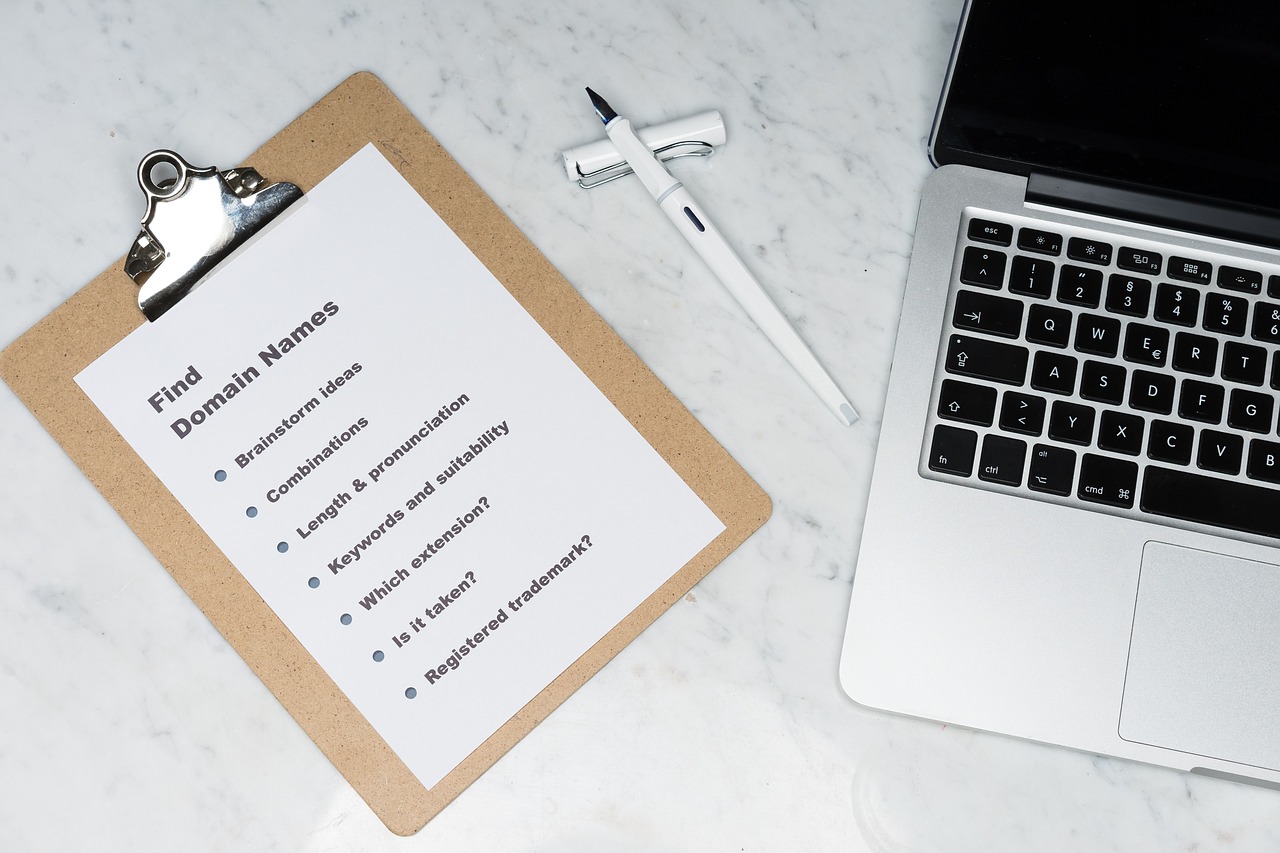
To have a website, you need both a domain name and hosting. HostGator simplifies this by offering a free domain name registration for the first year with their annual shared, WordPress, and cloud hosting plans. This is a great perk for new users as it saves you an immediate cost of around £10-£15.
It's important to remember that the domain is only free for the first year. After that, you will need to pay the standard annual renewal fee for the domain, which is separate from your hosting renewal cost. This is standard practice across most hosting providers that offer a free domain.
One-Click WordPress Installation
WordPress is the world's most popular content management system (CMS), powering over 40% of all websites. HostGator makes it incredibly easy to get started with WordPress using a one-click installer available in cPanel. Instead of manually downloading and uploading files, you can have a fresh WordPress site ready to go in just a few minutes.
This feature is a massive time-saver and removes a significant technical barrier for beginners. Once installed, you can log in to your WordPress dashboard and start customising your site, choosing a theme, and adding content right away.
Pro Tip: When installing WordPress, always choose a strong, unique password for your admin account. Avoid using common words like "admin" or "password" to protect your site from brute-force attacks.
How to Choose the Right HostGator Hosting Plan
HostGator offers a wide array of hosting solutions, which can be confusing at first. However, for most new users, the choice comes down to one of their shared hosting plans. Here’s a breakdown of the main types of HostGator web hosting to help you decide which is right for you.
Shared Hosting: The Best Starting Point
Shared hosting is the most popular and affordable type of hosting. As the name suggests, you are sharing server resources (like processing power and memory) with other websites on the same server. This model keeps costs low and is perfectly adequate for new websites with low to moderate traffic.
HostGator offers three main shared hosting plans:
- Hatchling Plan: The most basic plan. It allows you to host a single domain, making it ideal for a personal blog or a simple portfolio website. It includes all the core features like a free domain, SSL, and unmetered bandwidth.
- Baby Plan: This is often the recommended choice. The main difference from the Hatchling plan is that it allows you to host unlimited domains. If you think you might want to create more than one website in the future, this plan offers the best value.
- Business Plan: This plan includes everything in the Baby plan, plus several premium features. These include a free upgrade to a Positive SSL, a dedicated IP address, and free SEO tools. It's geared towards small businesses that need a bit more power and security from the start.
Here’s a quick comparison of the key features:
| Feature | Hatchling Plan | Baby Plan | Business Plan |
|---|---|---|---|
| Number of Websites | 1 | Unlimited | Unlimited |
| Free Domain (1 Year) | Yes | Yes | Yes |
| Free SSL Certificate | Yes | Yes | Yes (Positive SSL) |
| One-Click WordPress | Yes | Yes | Yes |
| Dedicated IP | No | No | Yes |
| SEO Tools | No | No | Yes |
| Best For | A single, simple site | Multiple sites/future growth | Small business sites |
Managed WordPress Hosting: For Serious Bloggers
If you know for sure that your website will be built on WordPress, HostGator's managed WordPress hosting is worth considering. These plans are hosted on servers specifically optimised for WordPress, which often results in faster loading speeds and enhanced security compared to standard shared hosting.
Managed WordPress hosting also includes features like automatic updates for the WordPress core, plugins, and themes, as well as advanced security measures to protect against common WordPress vulnerabilities. While it costs a bit more than shared hosting, the performance and convenience benefits can be worthwhile for a growing blog or business site.
VPS and Dedicated Hosting: For Growing Websites
As your website grows and attracts more traffic, you may eventually outgrow shared hosting. That's when you would look at upgrading to a Virtual Private Server (VPS) or a Dedicated Server.
- VPS Hosting: This is a middle ground between shared and dedicated hosting. You still share a physical server, but you get a dedicated, virtual portion of its resources. This gives you more power, control, and stability.
- Dedicated Hosting: This is the most powerful option. You rent an entire physical server for your website alone. It offers maximum performance, security, and control, but it's also the most expensive and requires more technical expertise to manage.
For anyone just starting, shared hosting is the way to go. You can always upgrade to a more powerful plan later as your needs evolve.
Step-by-Step Guide: Setting Up Your Website with HostGator
Getting started with web hosting HostGator is a straightforward process. Follow these steps to purchase your hosting plan and get your website online.
Step 1: Choose Your Hosting Plan
First, navigate to the HostGator website and select the hosting type you want. For this guide, we'll focus on Shared Hosting. You'll see the three plans: Hatchling, Baby, and Business. For most beginners, the Baby Plan is the best choice because it allows for future growth with unlimited websites.
Click the "Buy Now" button on the plan you've chosen.
Step 2: Register Your Free Domain Name
The next screen will ask you to choose a domain. If you're claiming your free domain, enter your desired domain name into the search box under "Register a New Domain". The system will check if it's available. If it is, it will be added to your cart.
If you already own a domain name that you purchased elsewhere, you can select the "I Already Own This Domain" tab and enter it there. You'll need to update your domain's nameservers later to point to HostGator, a process their support can help with.
Step 3: Complete Your Purchase
On this page, you'll confirm your plan details and billing cycle. HostGator offers significant discounts for longer-term commitments (12, 24, or 36 months). The 36-month plan offers the lowest monthly rate, but choose the term that best fits your budget.
Next, create your HostGator account by entering your email and a password. Then, fill in your billing information.
Scroll down to the "Add Additional Services" section. This is where HostGator offers several add-ons. You can typically uncheck all of these to keep costs down. The free SSL certificate is sufficient for most new sites, and you can find free alternatives for backups and security later on.
Review your order total, agree to the terms, and click "Checkout Now!".
Step 4: Access Your cPanel and Install WordPress
After your purchase is complete, HostGator will send you a welcome email with your login details for your customer portal and cPanel. Log in to your cPanel using the provided credentials.
Inside cPanel, look for an icon or section labelled "WordPress Installer" or "Softaculous Apps Installer". Click on it, select WordPress, and follow the on-screen prompts. You'll need to choose the domain you want to install it on, set a site name, and create an admin username and password. Click "Install", and the system will set up WordPress for you automatically.
Once the installation is finished, you'll be given a link to your WordPress login page (usually yourdomain.com/wp-admin). You can now log in and start building your website!
Visual Walkthrough: Hosting a Website on HostGator
For a more detailed visual guide on the setup process, the video below provides an excellent step-by-step walkthrough.
Understanding HostGator's Pricing and Costs
One of the most common points of confusion with any web host is pricing. HostGator is known for its very attractive introductory offers, but it's crucial to understand the full cost structure to avoid surprises down the line.
The low prices you see advertised (e.g., £2.25/month) are promotional rates that apply to your first billing term, and you usually have to sign up for a 36-month plan to get the best deal. When your initial term is over, your plan will renew at the regular, non-promotional rate, which is significantly higher. This is a standard practice in the hosting industry, not unique to HostGator.
To build trust, it's important to be transparent about this. Before you buy, make sure you are aware of the renewal price. You can usually find this information in the checkout process or on their pricing pages. Factoring in the renewal cost will give you a more accurate picture of your long-term investment.
HostGator also offers a 30-day money-back guarantee on their shared, VPS, and reseller hosting plans. This allows you to try their service with minimal risk. If you're not satisfied within the first 30 days, you can cancel your account and receive a full refund on your hosting fees. Note that this guarantee typically does not cover add-ons or domain name registrations.
The Pros and Cons of Using HostGator
No web host is perfect for everyone. Based on user reviews on platforms like Reddit and expert analysis from sources like PCMag, HostGator has clear strengths and weaknesses. Understanding these will help you decide if it's the right fit for your project.
What We Like (Pros)
- Highly Affordable: The introductory pricing makes it one of the cheapest ways to get a website online, which is a huge advantage for those on a tight budget.
- Beginner-Friendly: The combination of an intuitive customer portal, cPanel, and one-click installers makes it very easy for non-technical users to get started.
- Generous Features: Even the basic plans are packed with value, including a free domain, a free SSL certificate, and unmetered bandwidth.
- Good Customer Support: HostGator offers 24/7 support via live chat and phone. While experiences can vary, having constant access to help is reassuring for beginners.
- Scalability: As your site grows, HostGator provides a clear upgrade path from shared hosting all the way up to dedicated servers, so you don't have to switch providers.
Where HostGator Could Improve (Cons)
- High Renewal Rates: The price jump after the initial term can be a shock if you're not prepared for it. The regular rates are less competitive than the introductory offers.
- Aggressive Upselling: During the checkout process, several additional services are pre-selected. You need to be careful to uncheck them if you don't want them.
- Average Performance: While perfectly fine for new sites, the speed and performance on the cheapest shared plans may not match more premium or specialised hosts. Websites with high traffic might experience slowdowns.
- Paid Site Migrations: HostGator used to offer free site migrations, but this service now often comes with a fee, which can be a drawback if you're moving an existing site.
Pro Tip: To get the best long-term value, sign up for the longest term you can afford (e.g., 36 months). This locks in the low introductory rate for three years, saving you a significant amount compared to renewing annually at the regular price.
HostGator Alternatives: A Quick Comparison
While this guide focuses on HostGator, it's helpful to know how it stacks up against other popular providers mentioned in the same conversations, especially in forums like r/webhosting.
HostGator vs. GoDaddy
GoDaddy is another giant in the hosting and domain registration space. Both are beginner-friendly and offer competitive introductory pricing. Generally, users find HostGator's cPanel interface slightly more traditional and straightforward, while GoDaddy has a more modern but sometimes more complex custom dashboard. HostGator's plans often come with slightly fewer limitations on things like databases on their basic tiers.
HostGator vs. Bluehost
This is a very common comparison, partly because both HostGator and Bluehost are owned by the same parent company, Newfold Digital. They share a lot of similarities in terms of pricing, features, and performance. The main difference often comes down to branding and user interface. Bluehost is officially recommended by WordPress.org and has a more guided, WordPress-centric onboarding experience, which some beginners prefer.
HostGator's traditional cPanel offers a bit more raw control, which some users appreciate.
Frequently Asked Questions (FAQ)
Here are answers to some of the most common questions people ask about web hosting with HostGator.
Is HostGator a good web hosting company?
Yes, for the right user, HostGator is a very good web hosting company. It excels for beginners, personal projects, and small businesses that need an affordable and easy-to-use platform to get started. Its strengths are its low entry cost, user-friendly cPanel, and solid feature set. However, users with high-traffic websites or those who are sensitive to renewal price increases might find better value with other providers.
How much does HostGator charge for hosting?
HostGator's shared hosting plans start with promotional pricing that can be as low as a few pounds per month, especially if you sign up for a 36-month term. For example, the Hatchling plan might start around £2.25/month. However, upon renewal, these prices increase to the regular rate, which could be closer to £8-£12/month depending on the plan. Always check the current pricing and renewal rates on their website.
Which one is better, HostGator or GoDaddy?
Neither is definitively "better"; they serve a similar audience but with slight differences. HostGator is often praised for its straightforward cPanel and slightly better value on its shared plans. GoDaddy has a massive brand presence and is a leader in domain registration, but its hosting can sometimes feel secondary and involves more upselling. For pure, simple web hosting, many users lean towards HostGator.
Is there a problem with HostGator?
The most common complaints about HostGator revolve around two main issues: the high renewal prices after the introductory period and occasional performance issues on the cheapest shared hosting plans during peak traffic times. While their uptime is generally reliable, shared hosting by its nature means resources are divided, which can impact speed. Being aware of these potential issues helps set realistic expectations.
Is HostGator owned by GoDaddy?
No, HostGator is not owned by GoDaddy. HostGator is owned by Newfold Digital (formerly Endurance International Group or EIG), a large tech company that also owns many other hosting brands, including Bluehost, iPage, and Constant Contact. This is why you'll often see similarities in the services offered by HostGator and Bluehost.
Which is better, Bluehost or HostGator?
This is a very close comparison as they are sister companies. Bluehost is often recommended for absolute beginners using WordPress due to its guided setup process. HostGator offers a more traditional hosting experience with cPanel that gives you a bit more direct control. Performance and pricing are very similar, so the choice often comes down to personal preference regarding the user interface.
Final Thoughts: Is Web Hosting with HostGator Right for You?
Choosing a web host is a foundational decision for your online journey. Web hosting with HostGator remains one of the most popular choices for a reason: it successfully lowers the barrier to entry for creating a website. It provides an affordable, feature-rich, and user-friendly environment that is ideal for beginners, bloggers, and small business owners.
If you are starting your first website, value ease of use, and are working with a limited budget, HostGator is an excellent choice. The Baby Plan, in particular, offers fantastic value by allowing you to host unlimited websites, giving you room to grow and experiment with new projects without needing to upgrade immediately.
While it's important to be mindful of the renewal pricing and the limitations of shared hosting, the initial value and support offered by HostGator provide a solid launchpad for your online ambitions. If you're ready to take the first step and build your presence on the web, HostGator has all the tools you need to get started.
Ready to launch your site? You can explore the latest HostGator hosting plans and get started on their official website. Check out HostGator's current offers here.