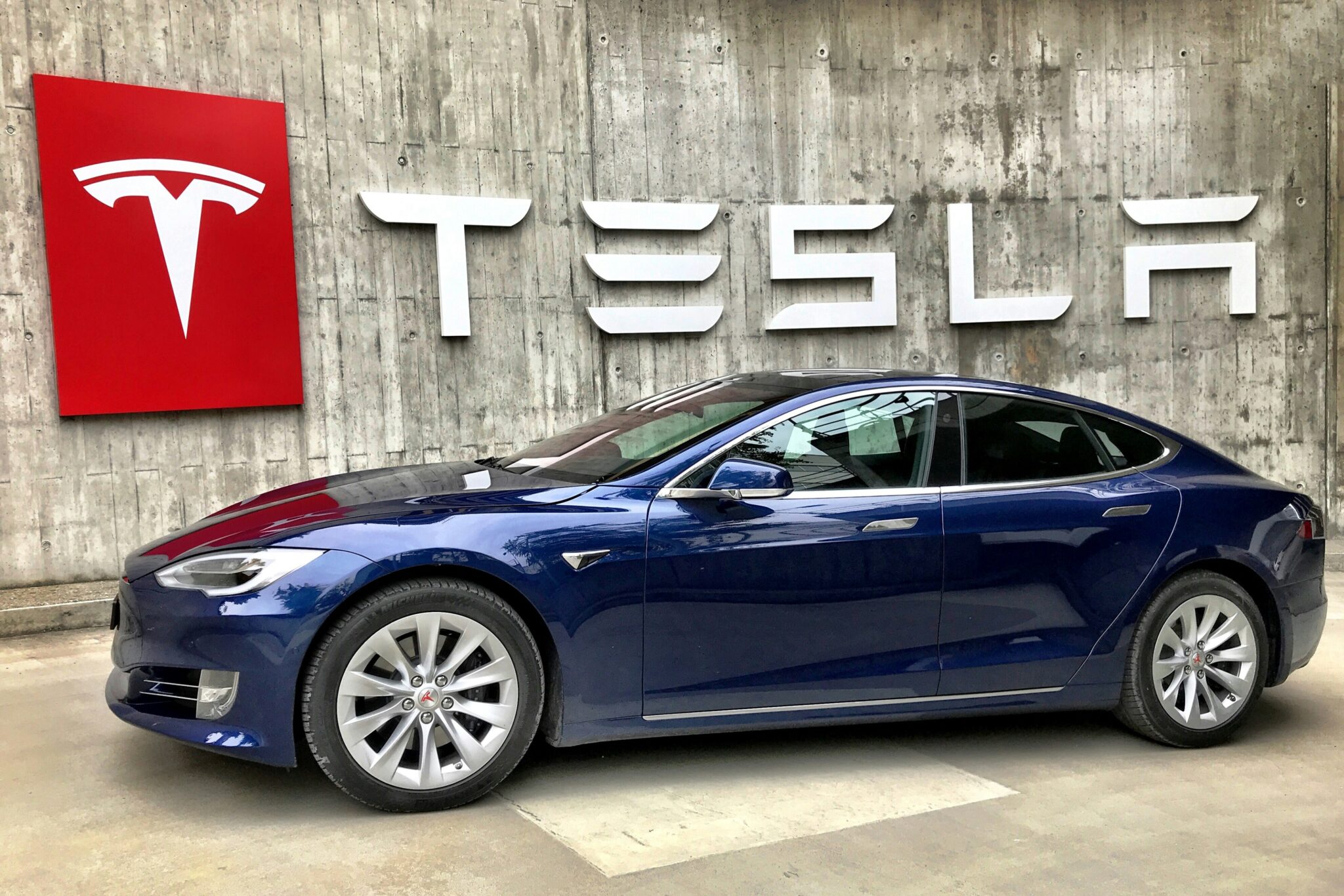
Tesla has taken a major step toward launching a commercial Robotaxi service by removing human safety monitors from its test vehicles in Austin, Texas.
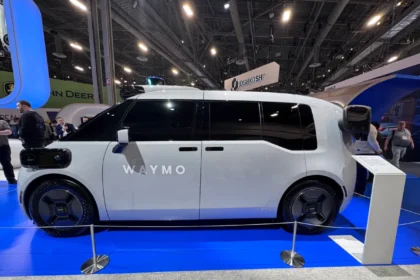
Just six months after beginning limited Robotaxi testing in the city, Tesla is now allowing the vehicles to operate with no safety driver or monitor onboard. The move brings the company closer to CEO Elon Musk’s long-promised vision of fully autonomous ride-hailing and puts it in more direct competition with Alphabet-owned Waymo.
Musk has spent nearly a decade claiming Tesla vehicles were only a software update away from full autonomy. Now, as the company transitions to empty vehicles on public roads, Tesla appears closer than ever to delivering on that promise. Last week, Musk said Waymo “never really had a chance against Tesla.”
The shift is expected to increase regulatory and public scrutiny, especially as Tesla prepares to offer rides to paying customers. Since June, Tesla’s small Austin test fleet has reportedly been involved in at least seven crashes. Details remain limited, as the company heavily redacts incident reports submitted to the National Highway Traffic Safety Administration.
Over the weekend, videos showing an empty Tesla Model Y driving through Austin spread on social media. Musk later confirmed the testing was taking place “with no occupants.” While Tesla has not announced when it plans to offer fully driverless rides to customers, the company hinted at a gradual rollout. Tesla’s official X account posted, “Slowly, then all at once,” while Head of AI Ashok Elluswamy added, “And so it begins!”
Tesla first launched Robotaxi rides in Austin in June, offering trips to a small group of influencers and customers. Initially, an employee sat in the passenger seat to intervene if necessary. By September, safety monitors moved to the driver’s seat, and Tesla later removed its waitlist while expanding the service area across much of the Austin metro region. Despite this expansion, the fleet reportedly never exceeded 25 to 30 vehicles.
Musk previously claimed Tesla would operate a Robotaxi fleet covering half of the U.S. population by the end of the year. That target was later revised, with Musk stating in November that Tesla would likely double its Austin fleet to around 60 vehicles.
Outside Texas, Tesla has also been testing a ride-hailing service in the San Francisco area using its advanced driver assistance software. However, California’s stricter regulations require multiple permits for fully driverless operation, unlike Texas, which has far fewer regulatory barriers.
Related: Tesla’s Self-Driving Tech Under Federal Investigation
Musk has also repeatedly suggested Tesla owners could eventually add their personal vehicles to the Robotaxi network. In 2016, he claimed every Tesla produced had the hardware needed for full autonomy, a statement he later admitted was incorrect. Tesla has since released multiple generations of self-driving hardware, leaving millions of existing vehicles in need of upgrades, a point Musk acknowledged earlier this year.
As Tesla moves closer to offering driverless rides, the success, and safety, of its Robotaxi program may prove pivotal for the company’s future.