

Top 5 Non Disclosure Agreement Templates Free for UK Startups & Freelancers
Protecting your business ideas, client data, or proprietary technology is crucial for any startup or freelancer. Before you can have those critical conversations with potential partners, investors, or contractors, you need a solid legal framework in place. This often leads to a search for non disclosure agreement templates free of charge, providing a vital tool to safeguard your sensitive information without incurring hefty legal costs right from the start.
- What to Know
- What Exactly is a Non-Disclosure Agreement (NDA)?
- Unilateral vs. Bilateral: Choosing the Right Type of Free NDA Template
- Key Features to Look for in Complimentary Non-Disclosure Templates
- Clear Definition of Confidential Information
- Obligations of the Receiving Party
- Exclusions from Confidentiality
- Term and Termination
- Jurisdiction and Governing Law
- Remedies for Breach
- Top 5 Sources for Non Disclosure Agreement Templates Free in 2026
- 1. LegalContracts: Best for Guided Customisation
- 2. LawDepot: Excellent for Variety and Options
- 3. DocuSign: Ideal for E-Signature Integration
- 4. Juro: Great for Tech Startups and Modern Businesses
- 5. UK Government Website (GOV.UK): The Official, No-Frills Option
- The Hidden "Costs" of No Cost NDA Forms
- Pros and Cons of Using Free NDA Templates
- Frequently Asked Questions (FAQ)
- Are free NDA templates legally binding?
- When should I NOT use a free NDA template?
- Can I edit a free NDA template?
- How long should an NDA last?
- Final Thoughts: Protecting Your Ideas Smartly
However, navigating the world of online legal documents can be tricky. A poorly drafted agreement can offer a false sense of security, leaving your most valuable assets exposed. This guide breaks down everything you need to know about using complimentary non-disclosure templates, from understanding the key clauses to choosing the right option for your specific needs in the UK.
What to Know
- Customisation is Key: Free NDA templates are an excellent starting point, but they are not one-size-fits-all. You must customise the document to reflect the specific information you're protecting and the nature of your business relationship.
- Essential Clauses Matter: Always check for critical clauses, including a precise definition of 'Confidential Information', the obligations of the receiving party, the duration (term) of the agreement, and any exclusions.
- Know Your NDA Type: The two most common types are unilateral (one-way) and bilateral (mutual). Choosing the correct one is fundamental to the agreement's purpose and enforceability.
- Understand the 'Freemium' Model: Many services offer no cost NDA forms to build, but may require a subscription or one-off payment to download, print, or have them electronically signed. Be aware of the full process before you invest your time.
What Exactly is a Non-Disclosure Agreement (NDA)?

A non-disclosure agreement, often called an NDA or a confidentiality agreement, is a legally binding contract between two or more parties. Its primary purpose is to protect sensitive information that is shared between them. The agreement outlines what information is considered confidential and creates a legal obligation for the party receiving the information not to disclose it to any unauthorised third party.
The core of an NDA revolves around defining the roles of the parties involved. The 'Disclosing Party' is the individual or company sharing the secret information. The 'Receiving Party' is the person or entity who agrees to keep that information confidential. In some cases, both parties may be sharing and receiving information, which requires a different type of agreement.
This confidential information can be anything from a business plan, a secret recipe, financial data, customer lists, software code, or a new invention. The NDA specifies the scope of this information, ensuring there is no ambiguity about what needs to be protected. It's a foundational document used in countless business scenarios, such as when you're hiring a new employee or freelancer, discussing a potential merger, pitching an idea to an investor, or collaborating with another company on a project.
Unilateral vs. Bilateral: Choosing the Right Type of Free NDA Template
Not all NDAs are created equal. The flow of confidential information determines the structure of the agreement. Using the wrong type can lead to confusion or leave one party unprotected. Most free NDA templates will be categorised as either unilateral or bilateral, and it's essential to understand the difference.
The Unilateral (One-Way) NDA
A unilateral NDA is the most common type. It's used when only one party is disclosing confidential information, and the other party is agreeing to protect it. This creates a one-way street of obligation. The flow of sensitive data goes from the Disclosing Party to the Receiving Party, and only the Receiving Party is bound by the confidentiality terms.
Think of it as a shield for your secrets. You would use a unilateral NDA when you're showing your business plan to a potential investor, giving a contractor access to your backend systems, or sharing product designs with a marketing agency. In each case, you are the one with the secrets to protect, and the other party needs to agree not to share them.
The Bilateral (Mutual) NDA
A bilateral NDA, also known as a mutual NDA, is used when two parties are disclosing confidential information to each other. Both parties act as both a Disclosing and a Receiving Party. This creates a two-way street of obligation, where each side agrees to protect the other's secrets.
This type of agreement is common in situations involving deeper collaboration. For example, if two companies are exploring a joint venture, they will both need to share financial records, strategic plans, and operational details. A bilateral NDA ensures that all information shared during these negotiations is protected, regardless of who it came from. It establishes a level playing field of trust from the outset.
The Multilateral NDA
While less common, a multilateral NDA is used when three or more parties are involved, and each may be sharing information with the others. This is often more efficient than signing separate unilateral or bilateral NDAs between each party. It's typically used in complex projects or investment rounds involving multiple stakeholders who all need to be privy to the same pool of confidential information.
Key Features to Look for in Complimentary Non-Disclosure Templates

When you download a free template, you're getting a starting framework. The value and legal strength of that document depend on the clauses it contains and how well they are tailored to your situation. Rushing through this step is a common mistake. Before using any template, scrutinise it for these essential components.
Clear Definition of Confidential Information
This is arguably the most important clause in the entire agreement. It must be specific and unambiguous about what is being protected. A vague definition like "business information" is weak and hard to enforce. A strong clause will explicitly list categories of information, such as financial data, marketing strategies, customer lists, trade secrets, software code, and any other proprietary knowledge.
It should also include a catch-all phrase like "and any other information marked as confidential" to cover all bases.
Obligations of the Receiving Party
This section details exactly what the receiving party can and cannot do with the information. It should state that the information can only be used for the agreed-upon purpose (e.g., evaluating a business proposal) and not for any personal or competitive gain. It should also require the receiving party to take reasonable steps to secure the information, similar to how they would protect their own confidential data.
Exclusions from Confidentiality
No NDA can protect information that is already public. This clause clarifies what is not considered confidential, which is just as important as defining what is. Standard exclusions include information that was already public knowledge, information the receiving party already possessed before the agreement, or information that was independently developed by the receiving party without reference to the disclosed secrets.
Term and Termination
This clause specifies the duration of the agreement. How long must the receiving party keep the information secret. The term can vary widely depending on the industry and the nature of the information. For a new tech idea, a term of 2-5 years might be appropriate.
For enduring trade secrets, the obligation might need to last indefinitely. The agreement should also state that the confidentiality obligations survive the termination of the business relationship.
Jurisdiction and Governing Law
This clause determines which country's or state's laws will be used to interpret the agreement and where any legal disputes will be handled. For businesses in the UK, it's crucial that the governing law is specified as that of England and Wales, Scotland, or Northern Ireland. Using a template designed for the US without changing the jurisdiction can make it incredibly difficult and expensive to enforce.
Remedies for Breach
What happens if the agreement is broken? This clause outlines the potential consequences. It typically states that the disclosing party is entitled to seek injunctive relief (a court order to stop the disclosure) in addition to monetary damages. This is important because once a secret is out, the financial damage can be hard to calculate and may not be an adequate remedy.
Top 5 Sources for Non Disclosure Agreement Templates Free in 2026
Finding a reliable starting point for your NDA is the first step. Here are five excellent sources that offer no cost NDA forms, each with its own strengths, catering to different needs from simple, official documents to customisable, guided platforms.
1. LegalContracts: Best for Guided Customisation
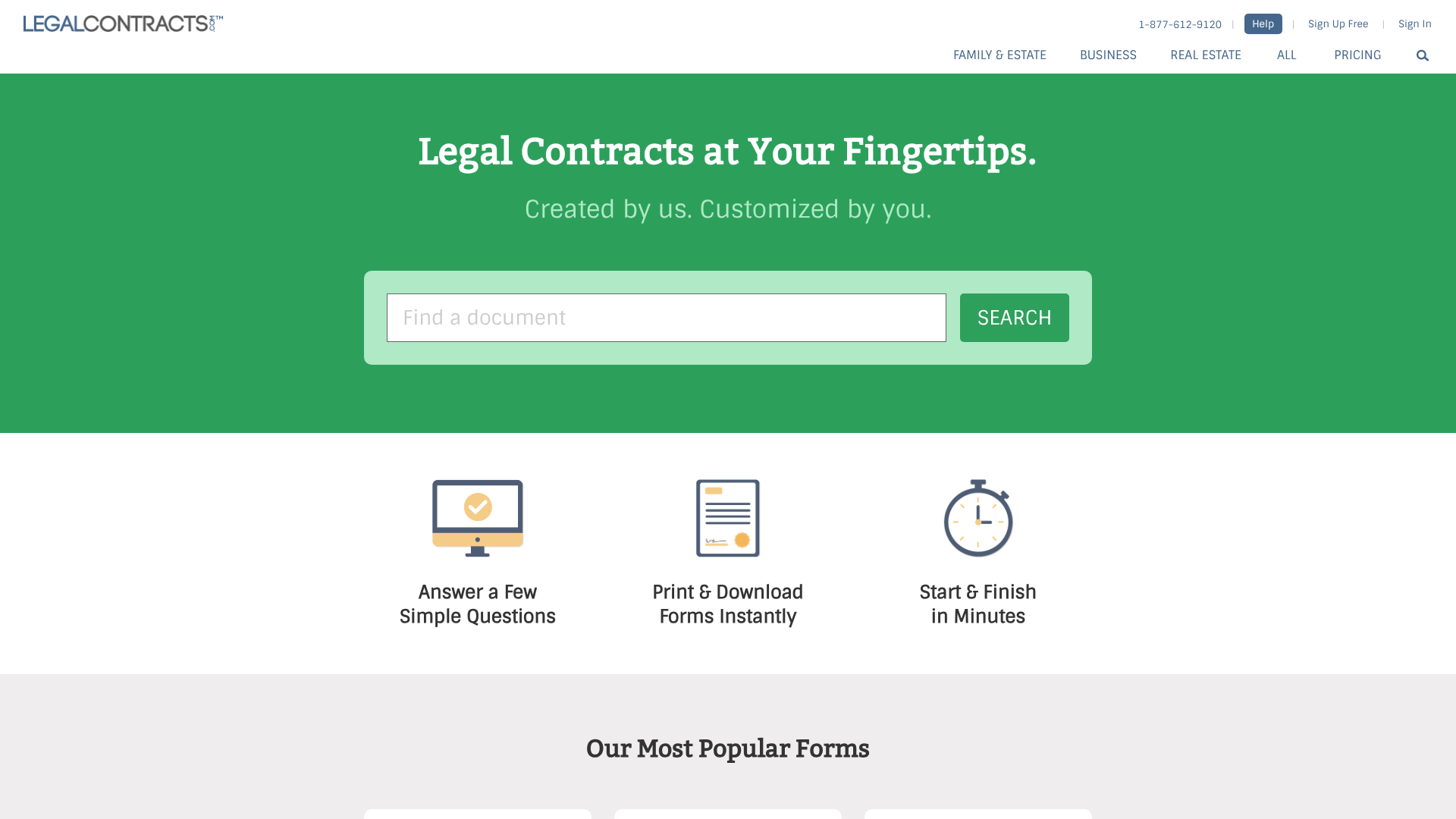
LegalContracts provides an intuitive, question-and-answer-based platform that builds a customised legal document for you. Instead of just giving you a blank template, it walks you through the process step-by-step, asking relevant questions about your situation to ensure the final document is tailored to your needs.
This guided approach is excellent for those who are not legal experts, as it helps prevent common mistakes and ensures you consider important clauses you might otherwise overlook. The platform can generate both unilateral and bilateral NDAs suitable for a wide range of business scenarios.
Pros
- User-Friendly: The questionnaire format simplifies the creation process.
- Comprehensive: Covers many different jurisdictions and specific situations.
- Educational: Helps you understand the components of your NDA as you build it.
Cons
- Subscription Model: While you can often create the document for free, downloading the final version in multiple formats typically requires a free trial or a paid subscription.
2. LawDepot: Excellent for Variety and Options
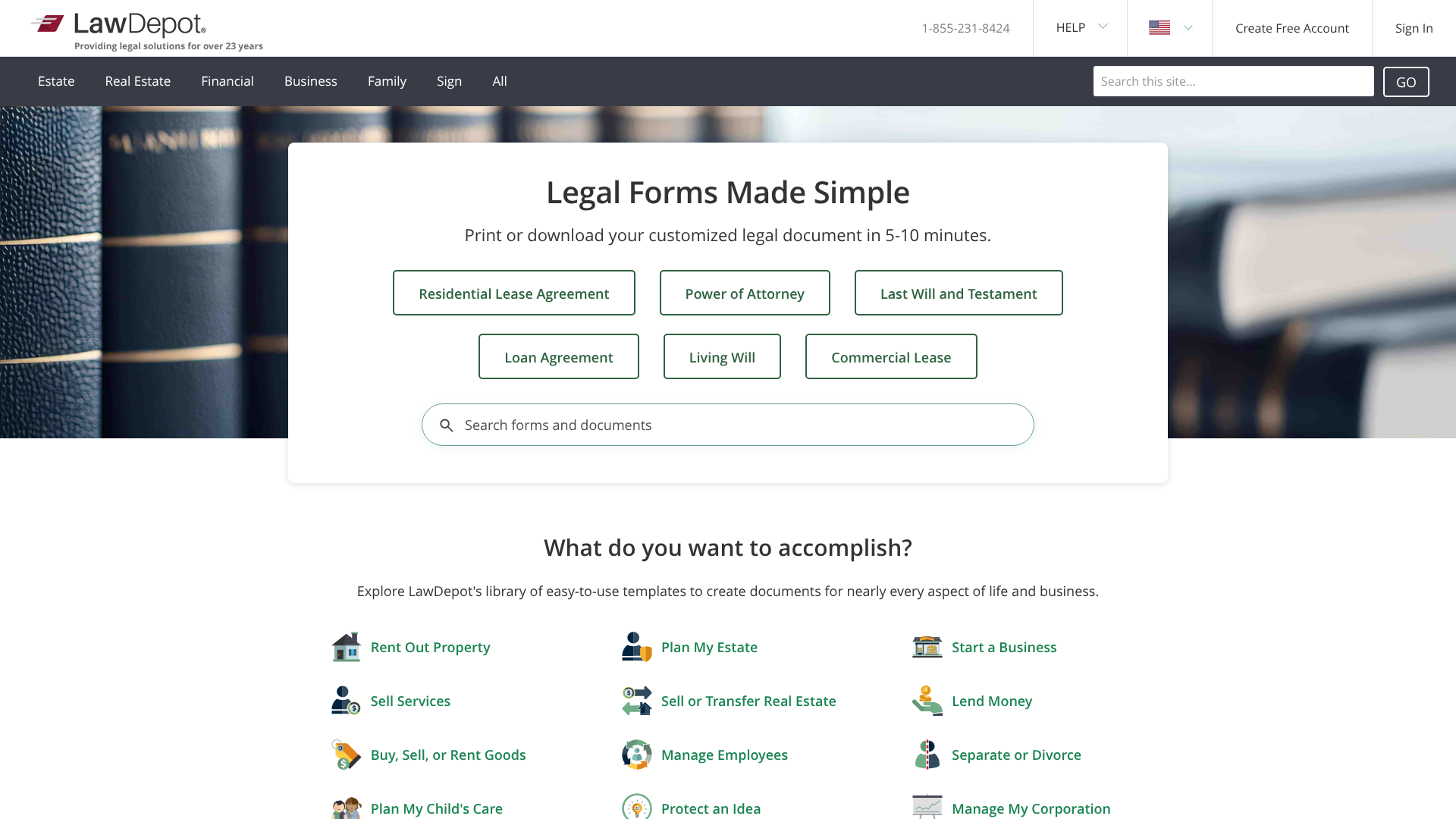
LawDepot is another major player in the online legal document space, offering a vast library of templates, including highly detailed NDAs. Like LegalContracts, it uses a guided process to help you build a document that fits your circumstances. It's well-regarded for its thoroughness and the level of detail it allows.
Their service is particularly useful if you need to create an NDA that complies with the specific laws of England and Wales, Scotland, or Northern Ireland, as they provide jurisdiction-specific options.
Pros
- High Customisation: Allows for detailed tailoring of clauses.
- Jurisdiction-Specific: Provides templates that are compliant with UK law.
- Clear Instructions: The platform offers helpful explanations for each step.
Cons
- Trial-Based Access: Full access to download and print is usually part of a one-week free trial that converts to a paid subscription if not cancelled.
3. DocuSign: Ideal for E-Signature Integration
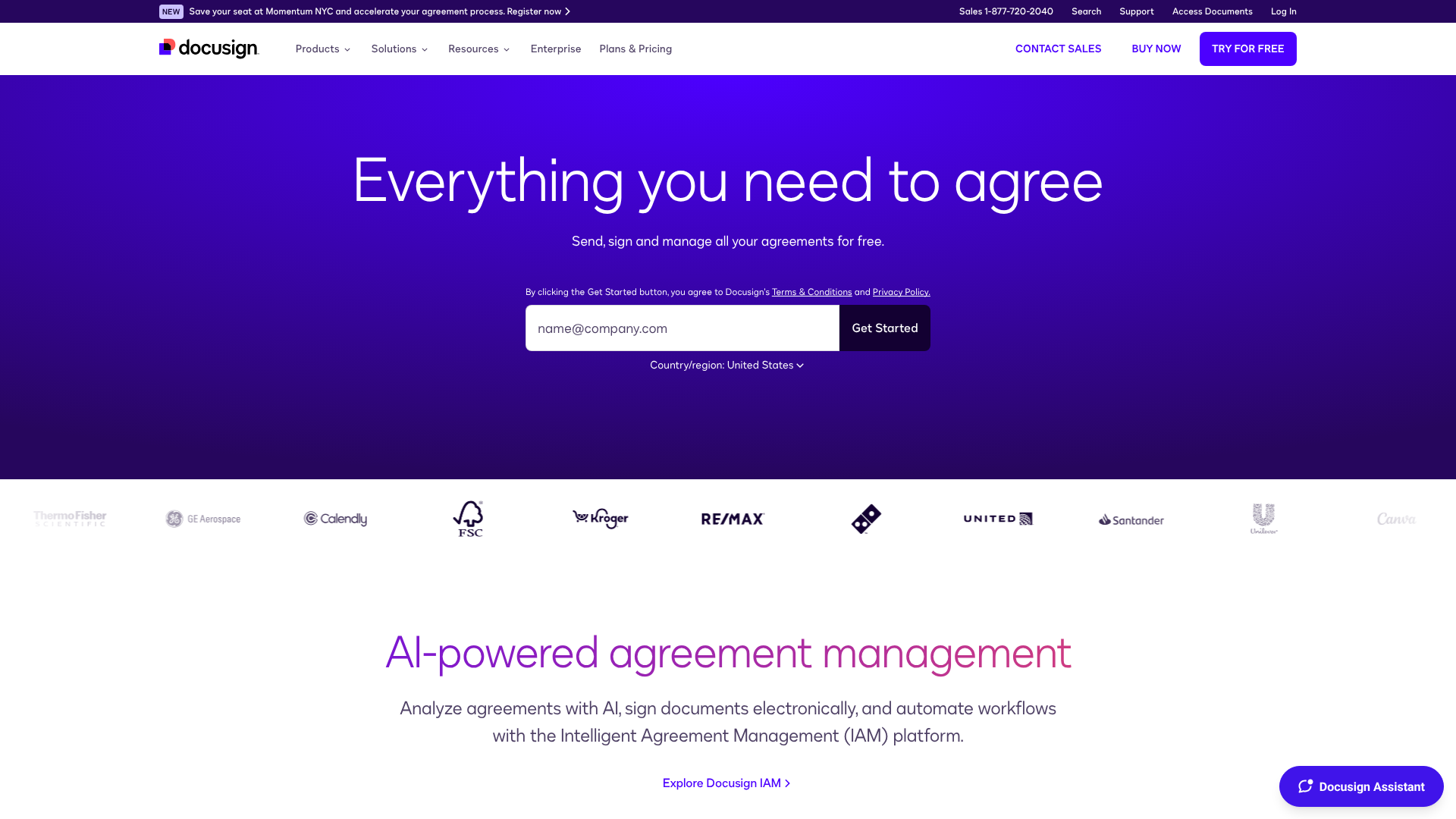
DocuSign is famous for its electronic signature technology, but it also offers a library of basic agreement templates, including a free non-disclosure agreement. The primary advantage of using DocuSign is the seamless integration of the template with its e-signature platform.
You can generate the NDA and then immediately send it to the other party for a legally binding digital signature. This is incredibly efficient for businesses that operate remotely or need a quick turnaround.
Pros
- E-Signature Workflow: The best option for a smooth, all-in-one digital process.
- Trusted Brand: DocuSign signatures are widely accepted and legally recognised.
- Efficient: Speeds up the process of getting the agreement signed and finalised.
Cons
- Basic Template: The NDA template itself is more generic than those from specialised legal document sites. You may need to do more manual customisation.
4. Juro: Great for Tech Startups and Modern Businesses
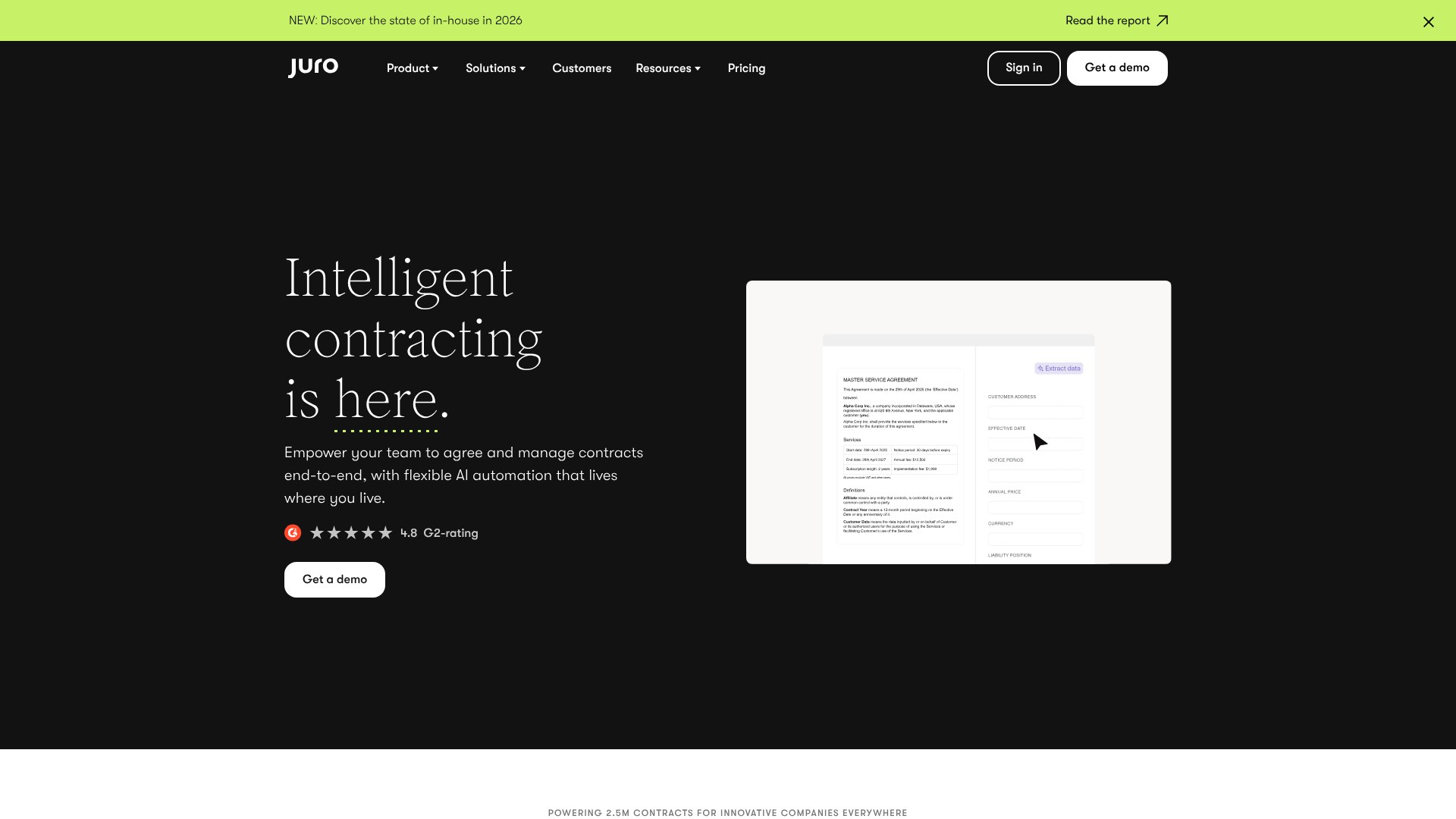
Juro is a modern contract automation platform designed for in-house legal teams and tech-savvy businesses. While its core offering is a paid platform, it provides several high-quality legal templates for free, including a well-drafted NDA. Their templates are known for being clean, written in plain English, and designed for the digital age.
This is a great option for startups and scale-ups that want legal documents that are easy to understand and manage, moving away from dense, traditional legalese.
Pros
- Modern and Clear: Templates are designed for readability and ease of use.
- Startup-Focused: Geared towards the needs of technology and software companies.
- High-Quality Drafting: Often drafted by lawyers with experience in the tech sector.
Cons
- Upsell to Platform: The free template is a gateway to their comprehensive (and paid) contract management system.
5. UK Government Website (GOV.UK): The Official, No-Frills Option
The UK Government's Intellectual Property Office provides basic NDA templates directly on the GOV.UK website. These are simple, straightforward documents that can be used as a starting point for discussions. As an official source, you can be confident that the basic legal principles are sound.
This is the most genuinely free option, with no trials or subscriptions. However, it is also the most basic. It's a solid choice for very simple, low-risk situations but will likely require significant additions for more complex commercial dealings.
Pros
- Completely Free: No hidden costs, trials, or subscriptions.
- Authoritative Source: Comes directly from the UK Government.
- Simple and Direct: Easy to download and use for basic needs.
Cons
- Very Basic: Lacks the detailed clauses and customisation options of other services.
- No Guidance: You are on your own to determine if the template is suitable for your needs.
The Hidden "Costs" of No Cost NDA Forms
The word "free" is always appealing, but when it comes to legal documents, it's important to consider the potential hidden costs and risks. Using a generic, no cost NDA form without proper consideration can end up being far more expensive than hiring a solicitor in the first place.
The most significant risk is that the agreement may be unenforceable. If the definition of confidential information is too broad or the term is unreasonably long, a court might invalidate the entire contract. This would mean you have zero legal protection, and the time spent getting the document signed was wasted. The cost here isn't monetary at first, but the loss of your intellectual property could be catastrophic.
Furthermore, there's a significant time cost. A generic template might be 70% right for your situation, but that last 30% requires careful thought and drafting. If you're not familiar with legal language, you could spend hours trying to modify the document, potentially introducing errors or inconsistencies. Your time is valuable, and spending it on amateur legal work is often not the best use of it.
Finally, many online services operate on a freemium model. They let you use their tools to build your complimentary non-disclosure templates, investing your time and effort. However, when you're ready to download the final PDF or Word document, you hit a paywall. This could be a request to sign up for a free trial (which requires a credit card) or a one-off payment.
While not necessarily a negative, it's a 'cost' you should be aware of from the beginning.
Pro Tip: Before using any free template, spend 15 minutes outlining the specific information you need to protect and the unique circumstances of your relationship with the other party. Compare this list against the template's clauses. If you see major gaps, it's a sign that the template may not be sufficient on its own.
Pros and Cons of Using Free NDA Templates
Deciding whether to use a free template involves weighing the convenience and cost savings against the potential risks. There is no single right answer for every business or every situation. Understanding the trade-offs is crucial for making an informed decision.
The Advantages
- Cost-Effectiveness: The most obvious benefit is the price. For startups, freelancers, and small businesses operating on a tight budget, avoiding an upfront legal bill of several hundred pounds can be a significant advantage. It lowers the barrier to putting basic legal protections in place.
- Speed and Accessibility: You can find and download a template in minutes. This allows you to move quickly on business opportunities without waiting for a solicitor's appointment. When you need to have a conversation tomorrow, a template provides an immediate solution.
- Educational Value: Working with a template can be a great way to familiarise yourself with the structure and key terms of an NDA. It helps you understand what's standard and what you need to think about, which can make future conversations with lawyers more efficient and productive.
The Disadvantages
- Lack of Customisation: A generic template cannot account for the unique nuances of your business, industry, or the specific information you're sharing. It might miss key details that are critical for your protection.
- Risk of Being Unenforceable: This is the biggest danger. If the template is poorly drafted, outdated, or uses clauses not applicable to UK law, a court may refuse to enforce it. This leaves your confidential information completely unprotected.
- A False Sense of Security: Signing a document that looks official can make you feel protected when you aren't. This can lead to you sharing information more freely than you otherwise would, compounding the potential damage if the agreement fails.
- No Legal Advice: A template is a tool, not a service. It cannot provide legal advice or tell you whether an NDA is the right tool for your situation. Only a qualified solicitor can assess your risks and recommend the best course of action.
Frequently Asked Questions (FAQ)
Are free NDA templates legally binding?
Yes, a free NDA template can be a legally binding contract, provided it is properly completed and signed by all parties and its terms are lawful and reasonable. A contract's validity doesn't depend on whether you paid for the template. However, the risk with free templates lies in the details. If the clauses are vague, overly broad, or not compliant with local laws (e.g., UK contract law), a court may find parts of it, or the entire agreement, to be unenforceable.
When should I NOT use a free NDA template?
You should avoid using a free template for high-stakes situations. This includes deals involving the sale of a business, licensing of extremely valuable intellectual property (like a pharmaceutical formula or core software algorithm), complex international transactions, or when sharing information that is fundamental to your company's entire competitive advantage. In these cases, the cost of a professionally drafted agreement from a solicitor is a worthwhile investment.
Can I edit a free NDA template?
Not only can you edit it, but you absolutely should. A template should always be seen as a starting point, not a final document. You must review and modify it to accurately reflect your specific agreement, the exact nature of the confidential information, and the relationship between the parties. Be cautious, however, not to delete or alter standard legal clauses without understanding their purpose.
How long should an NDA last?
The duration, or 'term', of an NDA can vary significantly. A common term for general business discussions is between 1 to 5 years. The appropriate length depends on how long the information will remain sensitive. For example, information about an upcoming product launch only needs to be protected until the launch date.
However, for a genuine trade secret, like a secret recipe or a manufacturing process, the confidentiality obligation may need to last indefinitely or as long as the information remains a trade secret.
Final Thoughts: Protecting Your Ideas Smartly
Using non disclosure agreement templates free of charge is a smart, practical move for many startups, freelancers, and small businesses. They provide an accessible and cost-effective way to establish a baseline of legal protection for your valuable ideas and information. They empower you to have important conversations with confidence, knowing you've taken a crucial first step in safeguarding your assets.
However, the key is to treat these templates as a starting point, not a final solution. The greatest risk lies not in the template itself, but in using it blindly. Always take the time to read, understand, and customise the document to fit your unique circumstances. Pay close attention to the definition of confidential information, the term of the agreement, and the governing law.
For those who want the affordability of a template but the peace of mind of a more guided and robust process, services can bridge that gap effectively. If you're looking for a reliable and straightforward way to create a customised agreement, a platform like LegalContracts offers a user-friendly experience that can help you produce a stronger, more tailored document without the high cost of a solicitor.