


Top 12 Healthcare Software Development Companies for Clinics in 2026
Choosing a partner to build or supply your medical software is one of the most critical decisions a healthcare organisation can make. The right choice can streamline operations, improve patient care, and ensure regulatory compliance, while the wrong one can lead to costly delays and security risks. Finding the top healthcare software development companies involves sifting through hundreds of options, from bespoke development agencies to large-scale enterprise providers.
- What You'll Learn
- What Defines a Top Healthcare Software Development Company?
- Essential Features and Benefits of Modern Healthcare Software
- How to Choose the Right Healthcare Software Partner
- Step 1: Define Your Project Scope and Requirements
- Step 2: Evaluate Technical Expertise and Industry Experience
- Step 3: Check for Regulatory Compliance Knowledge
- Step 4: Review Case Studies and Client Testimonials
- Step 5: Understand Their Development Process and Communication Style
- Top Custom Healthcare Software Development Companies
- Leading Health Tech Companies & Enterprise Platforms
- 7. Epic Systems
- 8. Oracle Cerner
- 9. athenahealth
- 10. Salesforce Health Cloud
- 11. MedBridge
- 12. Veradigm (formerly Allscripts)
- Understanding Pricing Models and Cost Factors
- Weighing the Pros and Cons: Custom vs. Off-the-Shelf Software
- Advantages of Custom Software Development
- Disadvantages of Custom Software Development
- Advantages of Off-the-Shelf (Enterprise) Solutions
- Disadvantages of Off-the-Shelf (Enterprise) Solutions
- Frequently Asked Questions
- What is the average cost of developing healthcare software?
- How long does it take to build a custom healthcare application?
- What is the most important factor when choosing a healthcare software developer?
- What are the key regulations for healthcare software?
- Final Thoughts
This guide simplifies that process. We've analysed the market to bring you a curated list of both custom developers who can build a solution from scratch and leading health tech companies that offer powerful, ready-to-deploy platforms. Whether you're a startup looking to innovate or an established clinic aiming to upgrade your systems, you'll find a suitable partner here.
What You'll Learn
- Key Differentiators: Understand the crucial difference between custom software developers and enterprise platform providers to determine which is right for your needs.
- Essential Selection Criteria: Learn a step-by-step process for evaluating and choosing a software partner, focusing on technical expertise, compliance, and proven experience.
- Top-Tier Recommendations: Get a detailed breakdown of 12 leading companies, including custom development firms and major enterprise players, complete with their specialities, pros, and cons.
- Cost and Pricing Insights: Discover the common pricing models in healthcare software development and the key factors that will influence your project's budget.
- Strategic Decision-Making: Weigh the advantages and disadvantages of building custom software versus buying an off-the-shelf solution to make an informed investment.
What Defines a Top Healthcare Software Development Company?
A healthcare software development company is a specialised firm that designs, builds, deploys, and maintains software solutions for the healthcare industry. Unlike generalist developers, these companies possess deep domain knowledge of the complex clinical workflows, data security mandates, and regulatory frameworks that govern medical technology. Their expertise covers a wide spectrum of applications, from Electronic Health Record (EHR) systems to telemedicine platforms and medical billing software.
It's important to distinguish between two primary types of companies in this space. First, there are custom healthcare software developers. These are agencies you hire to build a unique software solution tailored precisely to your organisation's needs. They are ideal for innovative projects, solving niche problems, or creating a competitive advantage through technology.
Second, there are enterprise software providers or leading health tech companies. These organisations, like Epic or Oracle Cerner, offer powerful, pre-built platforms that serve as the backbone for thousands of hospitals and clinics. You don't hire them to build from scratch; instead, you adopt and configure their existing systems. Both models have their place, and the best choice depends entirely on your organisation's goals, budget, and operational requirements.
Essential Features and Benefits of Modern Healthcare Software

When evaluating potential software or a development partner, understanding the core features and their resulting benefits is crucial. Modern healthcare technology is built around improving efficiency, security, and patient outcomes. Focusing on these key areas ensures you invest in a solution that delivers tangible value.
Core Features to Look For
- HIPAA/GDPR Compliance and Security: This is non-negotiable. Any software handling Protected Health Information (PHI) must have robust security measures, including end-to-end encryption, access controls, and audit trails to comply with regulations like HIPAA in the US and GDPR in Europe.
- Interoperability (HL7 & FHIR): The ability for different systems to exchange and interpret data is vital. Look for expertise in standards like Health Level Seven (HL7) and Fast Healthcare Interoperability Resources (FHIR), which allow your new software to communicate with existing EHRs, labs, and pharmacy systems.
- Scalability and Cloud Infrastructure: The solution should be ableto grow with your organisation. Cloud-based platforms (using services like AWS, Azure, or Google Cloud) offer superior scalability, reliability, and accessibility compared to on-premise servers.
- User-Centric Design (UI/UX): Software must be intuitive for both clinicians and patients. A poor user interface can lead to errors, slow adoption, and clinician burnout. A clean, logical design is essential for efficiency and safety.
Key Benefits for Healthcare Providers
- Improved Patient Outcomes: Features like remote monitoring, telehealth consultations, and automated appointment reminders directly contribute to better patient engagement and adherence to treatment plans.
- Enhanced Operational Efficiency: Automating administrative tasks such as billing, scheduling, and record-keeping frees up staff to focus on patient care. This reduces manual errors and streamlines workflows across departments.
- Reduced Costs and Administrative Burden: Efficient software minimises the need for manual data entry, reduces paperwork, and optimises resource allocation. This leads to significant long-term cost savings.
- Data-Driven Decision Making: Centralised data and powerful analytics tools allow administrators and clinicians to track key performance indicators, identify trends, and make informed decisions to improve both clinical and financial performance.
How to Choose the Right Healthcare Software Partner
Selecting from the best healthcare software firms is a strategic process that requires careful due diligence. Rushing this decision can lead to budget overruns, compliance issues, and a final product that doesn't meet your needs. Following a structured approach will help you identify a partner that aligns with your vision and has the technical capability to deliver.

Step 1: Define Your Project Scope and Requirements
Before you even start looking for developers, you must clearly define what you want to build. Create a detailed document outlining the problem you're solving, the target users (e.g., doctors, nurses, patients), the core features needed, and your key performance indicators for success. A clear scope prevents misunderstandings and helps you get accurate quotes.
Step 2: Evaluate Technical Expertise and Industry Experience
Look beyond general software development skills. Does the company have a dedicated healthcare practice? Ask about their experience with specific technologies relevant to your project, such as AI for diagnostics, IoT for remote monitoring, or cloud architecture for scalability. A firm with a proven track record in health tech will understand the unique challenges and nuances of the industry.
Step 3: Check for Regulatory Compliance Knowledge
This is a critical step. Your potential partner must have a deep understanding of HIPAA, HITECH, and GDPR. Ask them to describe their process for ensuring compliance throughout the development lifecycle. They should be able to discuss data encryption, secure data storage, access controls, and how they conduct security audits.
Step 4: Review Case Studies and Client Testimonials
Past performance is a strong indicator of future success. Ask for case studies of projects similar to yours. Don't just read the testimonials on their website; ask for client references you can speak with directly. This gives you unfiltered insight into their communication, project management, and ability to deliver on promises.
Pro Tip: When reviewing case studies, pay close attention to the business outcomes, not just the technical features. Did their solution reduce administrative costs by a certain percentage? Did it improve patient appointment attendance? Quantifiable results demonstrate real value.
Step 5: Understand Their Development Process and Communication Style
Clarify their development methodology (e.g., Agile, Scrum) and how they handle project management. You should expect regular updates, clear communication channels, and a collaborative approach. A transparent process with frequent feedback loops is essential for keeping the project on track and ensuring the final product meets your expectations.
Top Custom Healthcare Software Development Companies
These firms specialise in building tailored software solutions from the ground up. They are the ideal choice when you have a unique requirement that off-the-shelf products cannot meet or when you're looking to build a proprietary platform to gain a competitive edge.
1. ScienceSoft
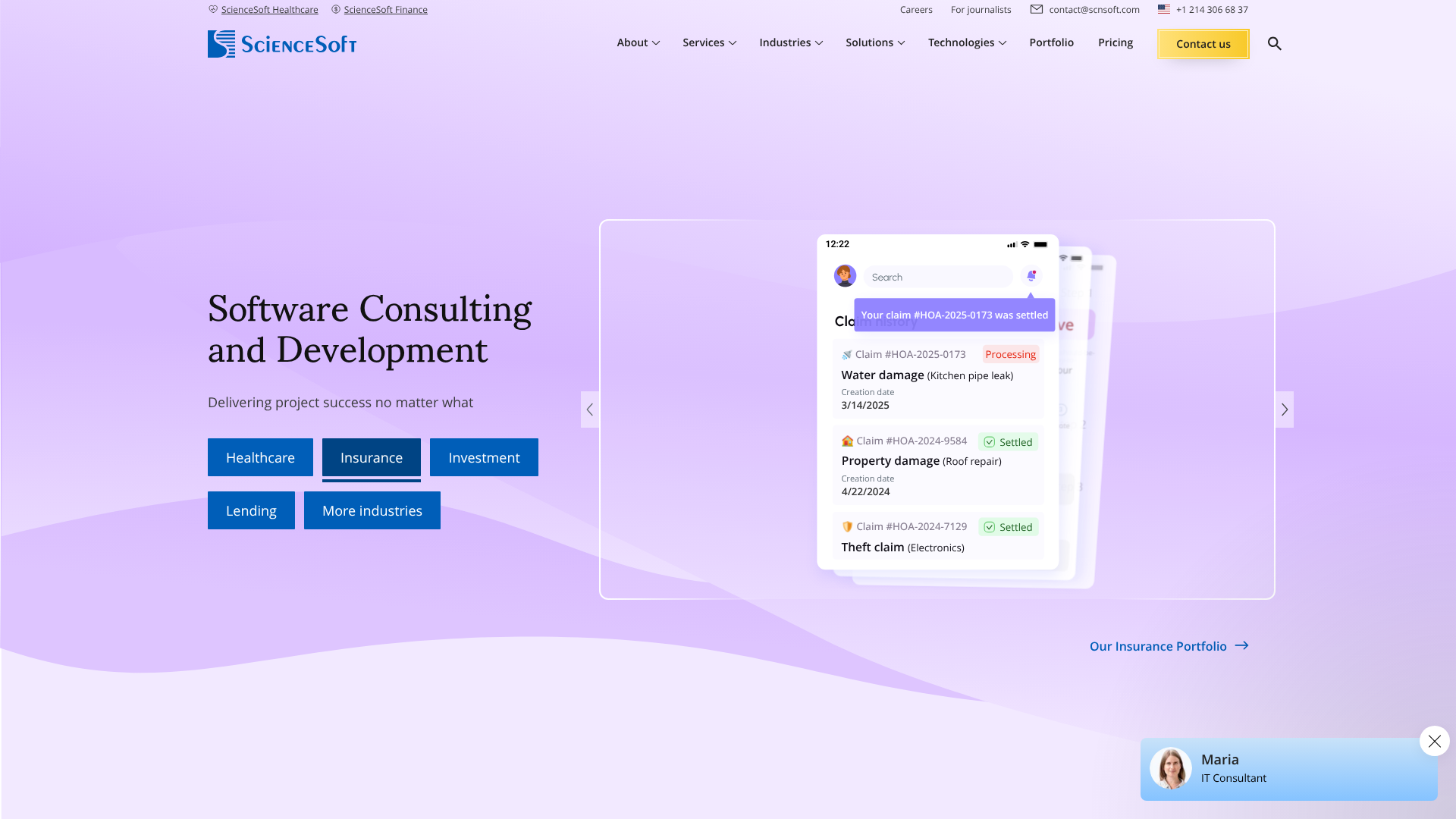
With over 30 years in IT and a significant focus on healthcare, ScienceSoft is a veteran in the field. The company offers a full range of services, from initial consulting and business analysis to development, testing, and support. They are known for their expertise in building complex, enterprise-grade systems that are secure and compliant.
Their portfolio includes EHR/EMR systems, hospital management software, telemedicine apps, and solutions with advanced features like IoT and AI. They are a strong choice for established healthcare organisations looking for a reliable, long-term technology partner.
Pros
- Extensive experience in the healthcare domain.
- Strong focus on security and HIPAA compliance.
- Full-cycle development services from ideation to support.
Cons
- As a large company, they may be less agile than smaller, specialised firms.
- Their pricing may be higher, reflecting their enterprise focus.
2. Itransition
Itransition is another large, well-established player known for its comprehensive software engineering services. Their healthcare practice is robust, focusing on helping providers modernise legacy systems and implement new digital solutions. They have a strong competency in data analytics, predictive modelling, and process automation for healthcare.
They work with hospitals, clinics, and health tech startups to create solutions for remote patient monitoring, practice management, and patient engagement. Their global presence allows them to assemble large, skilled teams for complex projects.
Pros
- Expertise in legacy system modernisation and cloud migration.
- Strong capabilities in AI, machine learning, and data analytics.
- Scalable teams for large and complex projects.
Cons
- Project management can be complex due to their size and global distribution.
- May not be the most cost-effective option for smaller startups.
3. Vention
Vention is a popular choice for startups and growth-stage companies looking to build innovative health tech products. They provide access to top-tier engineering talent and are known for their ability to quickly assemble dedicated development teams. Their focus is on helping clients accelerate their product roadmap and get to market faster.
They have experience across various health tech niches, including telehealth, mental health platforms, and fitness and wellness apps. Their flexible engagement models make them an attractive partner for companies that need to scale their development capacity quickly.
Pros
- Access to a large pool of highly skilled engineers.
- Fast team setup and project kickoff.
- Flexible models suitable for startups and scaling companies.
Cons
- Less focused on strategic consulting compared to firms like ScienceSoft.
- Clients need a clear product vision and internal project management.
4. Simform
Simform is a digital product engineering company that helps businesses with their digital transformation initiatives. They are highly rated for their custom software development, mobile app development, and API integration services. In healthcare, they focus on creating user-friendly applications that improve the patient and provider experience.
Their expertise lies in building mobile health (mHealth) apps, patient portals, and custom SaaS platforms for healthcare providers. They follow an Agile development process, ensuring transparency and collaboration throughout the project.
Pros
- Strong expertise in mobile app development and UI/UX design.
- Agile methodology promotes client involvement and flexibility.
- Good reputation for delivering high-quality, user-centric products.
Cons
- May have less deep-domain expertise in highly specialised medical fields.
- Better suited for application development than for core enterprise systems.
5. Arkenea
Arkenea is a boutique firm that specialises exclusively in healthcare software development. This sharp focus gives them a deep understanding of the industry's challenges, from regulatory hurdles to clinical workflows. They are particularly well-regarded for their work with health tech startups and entrepreneurs.
They offer end-to-end services, guiding clients from the initial idea through to product launch and beyond. Their services include product strategy, UI/UX design, development, and compliance consulting, making them a one-stop shop for bringing a new health tech product to life.
Pros
- Niche specialisation in healthcare software.
- Strong focus on helping startups and new ventures succeed.
- End-to-end product development services.
Cons
- As a smaller firm, they may have limited capacity for very large projects.
- Their specialised focus may come at a premium price.
6. Glorium Technologies
Glorium Technologies focuses on serving the tech startup ecosystem, with a strong practice in health tech and real estate tech. They specialise in cloud-first development, helping clients build scalable and secure digital health platforms. Their approach is geared towards rapid development and iteration, which is ideal for startups needing to validate their ideas quickly.
They are experienced in developing HIPAA-compliant web and mobile applications, patient management systems, and data analytics dashboards. Their model is designed to act as an extension of a startup's in-house team.
Pros
- Focus on cloud-native and scalable solutions.
- Geared towards the needs of startups and fast-growing companies.
- Cost-effective solutions compared to larger enterprise-focused firms.
Cons
- May not have the deep enterprise integration experience of larger consultancies.
- Primarily focused on development rather than broader strategic consulting.
Leading Health Tech Companies & Enterprise Platforms
This category includes the industry giants that provide comprehensive, off-the-shelf software platforms. These solutions are the operational backbone for many of the world's largest healthcare systems. You typically adopt and customise these platforms rather than building from scratch.
7. Epic Systems
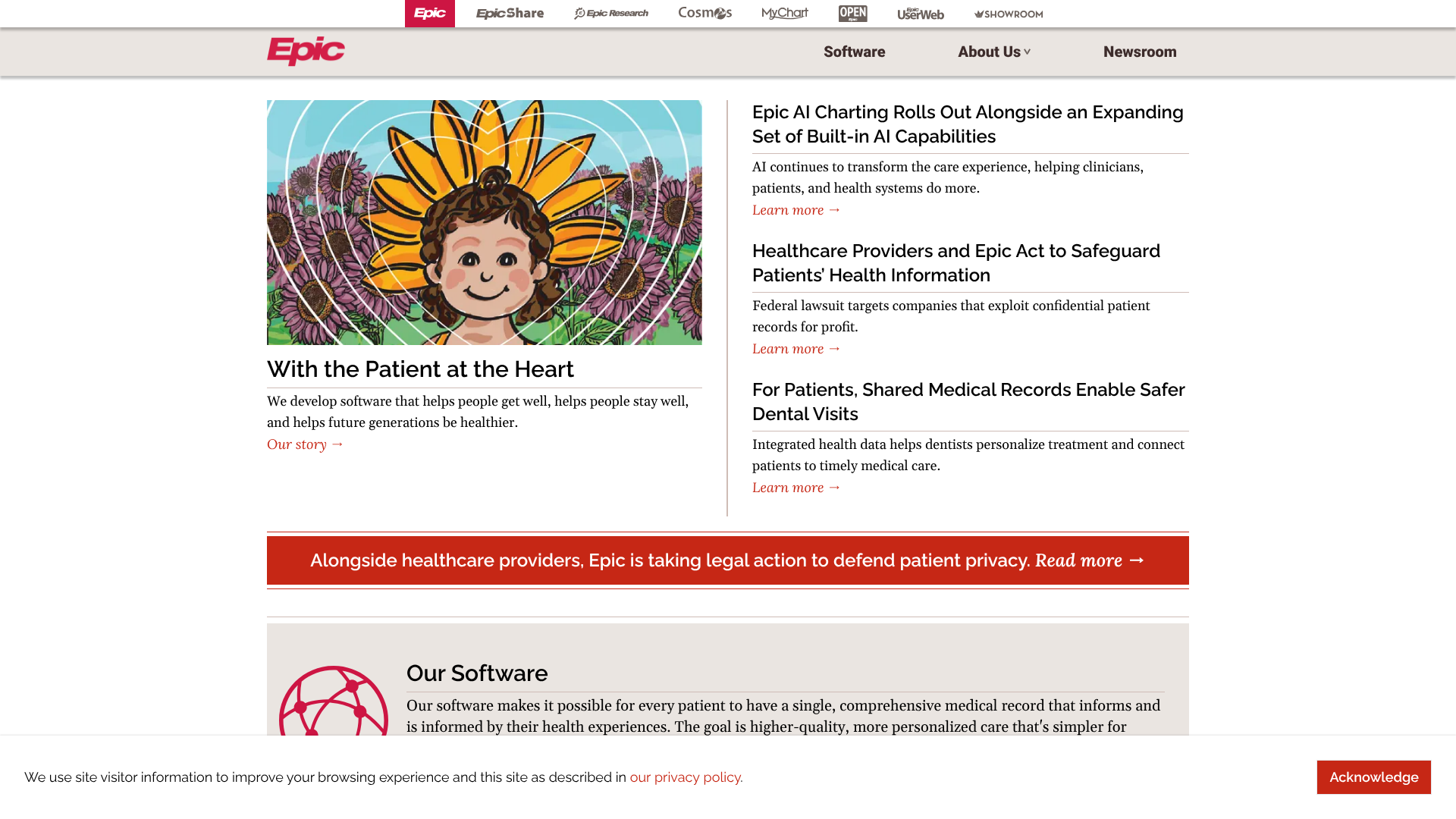
Epic is the dominant market leader in the Electronic Health Records (EHR) space, particularly in the United States. Their integrated software suite covers virtually every aspect of patient care, from clinical documentation and scheduling to billing and patient portals (MyChart). Epic is known for its comprehensive, unified system that provides a single source of truth for patient data.
Implementing Epic is a massive undertaking, typically reserved for large hospitals and health systems. However, its widespread adoption makes it a powerful platform for interoperability within its network.
Pros
- Market leader with a comprehensive, fully integrated platform.
- Strong interoperability between organisations that use Epic.
- Robust features covering all aspects of hospital and clinic operations.
Cons
- Extremely high cost of implementation and maintenance.
- The system can be rigid and difficult to customise.
- Primarily suitable for large, enterprise-level organisations.
8. Oracle Cerner
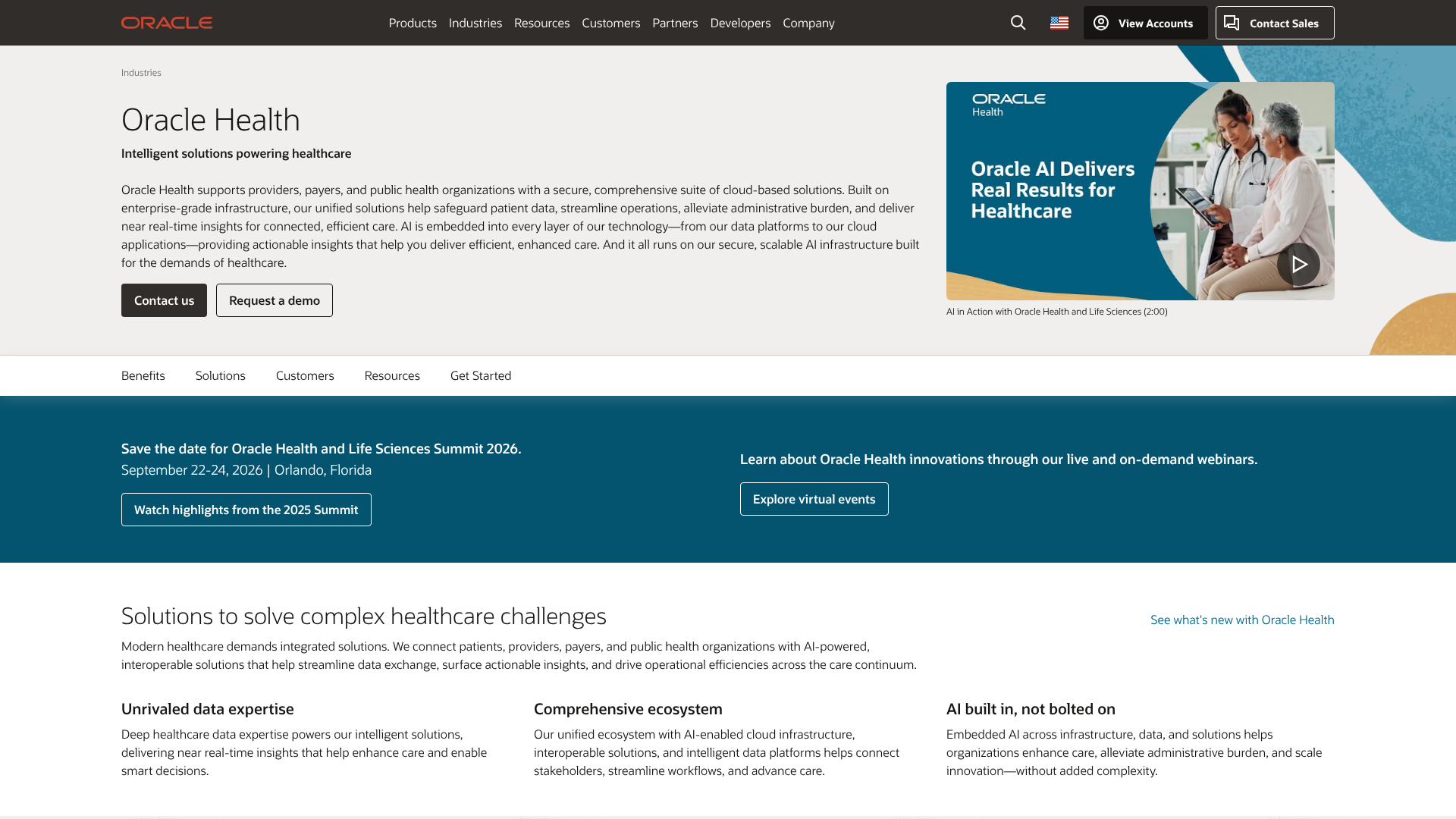
Following its acquisition by Oracle, Cerner is another heavyweight in the hospital information systems market. Like Epic, it offers a wide range of solutions for managing clinical and financial operations. Cerner's platform is known for its strong clinical capabilities and its open architecture, which allows for better integration with third-party applications.
Oracle's influence is expected to bring enhanced cloud capabilities and data analytics to the Cerner platform, making it a formidable competitor to Epic. It is also widely used by large health systems globally.
Pros
- Open platform that facilitates third-party integrations.
- Strong clinical workflows and decision support tools.
- Backed by the technological prowess of Oracle.
Cons
- Implementation is complex and expensive.
- The user interface is sometimes criticised as being less intuitive than competitors.
- Can be overkill for smaller clinics or independent practices.
9. athenahealth
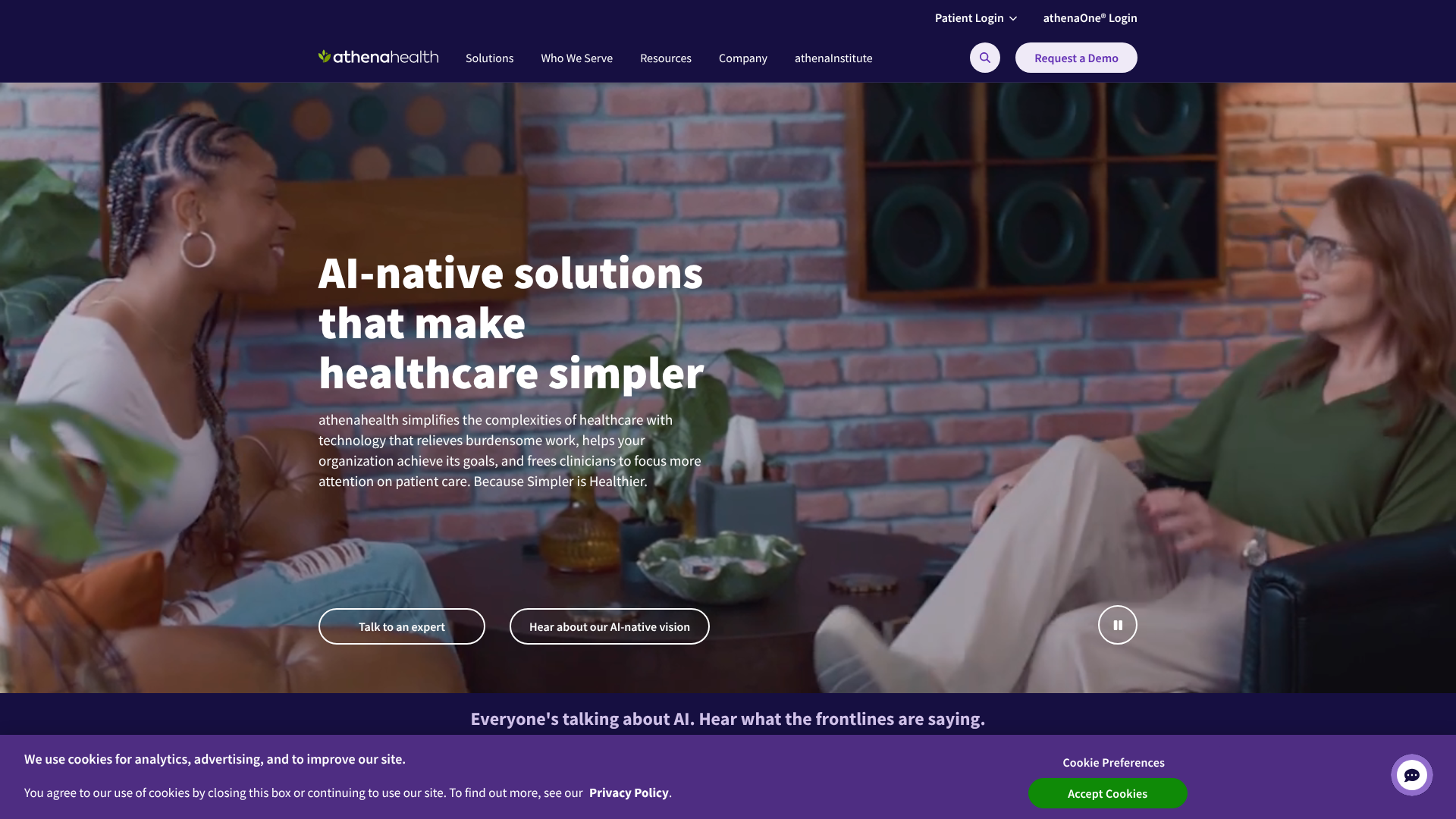
Athenahealth focuses on providing cloud-based services for ambulatory care, targeting physician practices and smaller clinics. Their core offerings include athenaClinicals (EHR), athenaCollector (medical billing), and athenaCommunicator (patient engagement). Their network-based model allows them to share insights and best practices across their entire client base.
They are a popular choice for practices that want a modern, cloud-native solution without the massive upfront investment required by systems like Epic or Cerner. Their services are designed to improve both clinical efficiency and financial performance.
Pros
- Cloud-based platform with a modern interface.
- Strong focus on revenue cycle management and practice performance.
- More accessible for small to medium-sized practices.
Cons
- Less comprehensive than enterprise systems for large hospitals.
- Some users report that customisation options are limited.
10. Salesforce Health Cloud
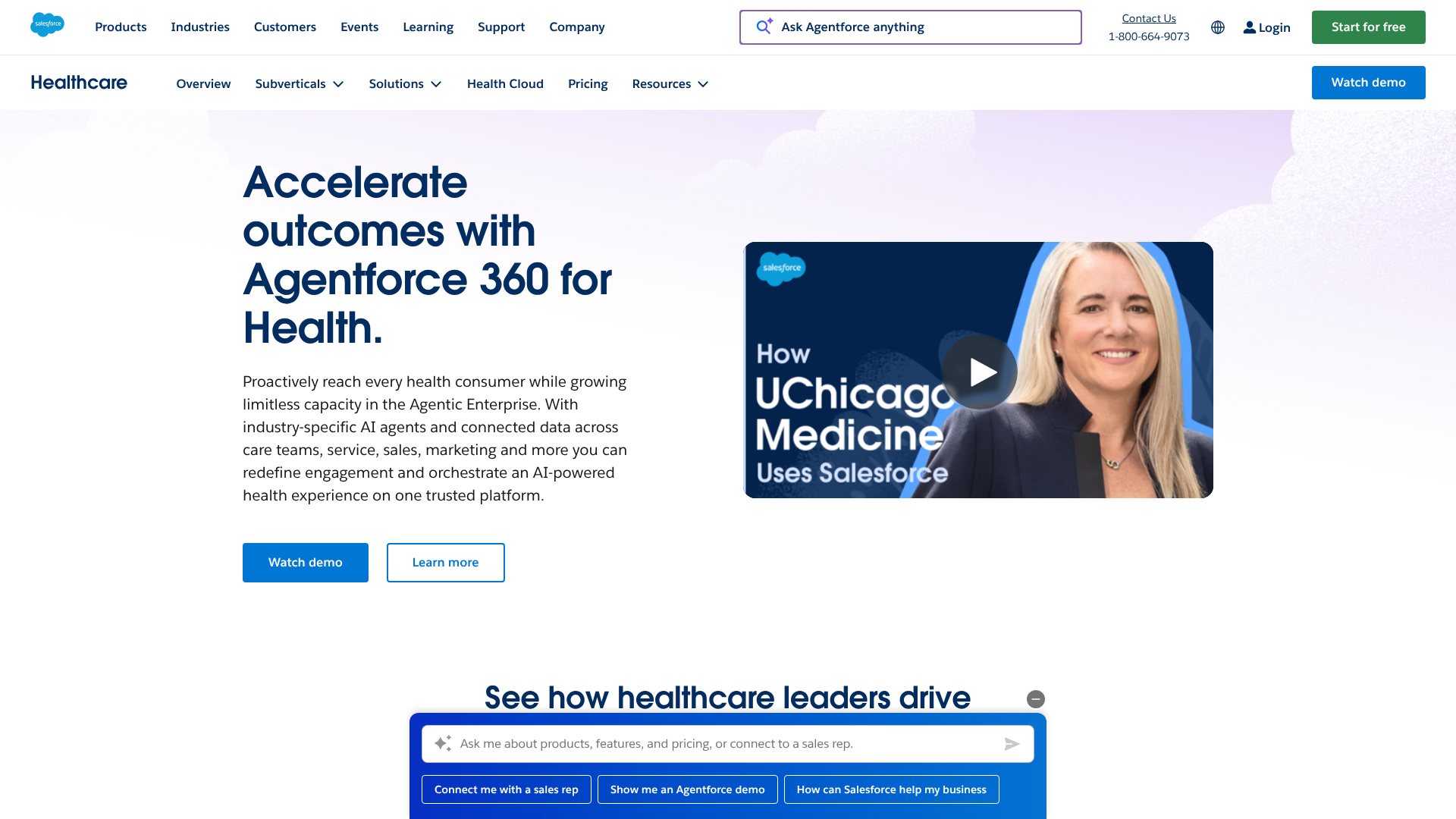
Salesforce Health Cloud is not a traditional EHR. Instead, it's a patient relationship management (PRM) platform built on top of the world's leading CRM. It helps healthcare organisations get a 360-degree view of their patients, manage patient journeys, and personalise communication. It's designed to work alongside an existing EHR, not replace it.
Health Cloud is excellent for improving patient engagement, care coordination, and marketing efforts. It allows providers to manage relationships and data from various sources in one central place, from medical records to wearable device data.
Pros
- Unparalleled capabilities for patient relationship management.
- Highly customisable and extensible with thousands of AppExchange apps.
- Integrates with existing EHRs to provide a unified patient view.
Cons
- It is not an EHR system and requires integration with one.
- Can be complex and expensive to implement and customise correctly.
11. MedBridge
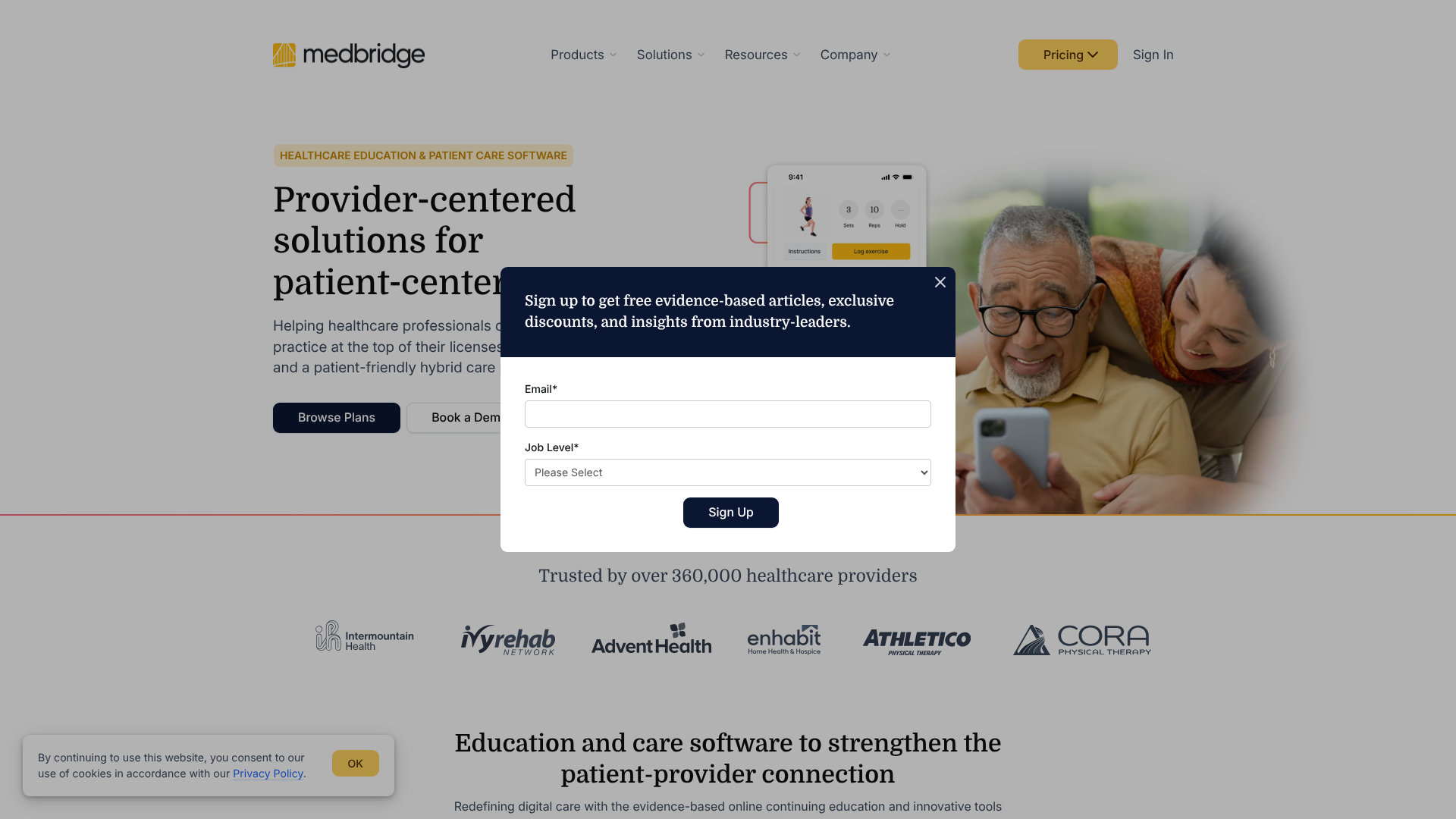
MedBridge represents a different but equally important category of leading health tech companies: the specialised solution provider. It is a digital health platform focused on providing evidence-based solutions for healthcare professionals and their patients, particularly in fields like physiotherapy, occupational therapy, and nursing. It's an excellent example of a successful, targeted software solution that development firms aim to build.
The platform combines high-quality continuing education courses for clinicians with a powerful patient engagement suite. This includes tools for building and delivering home exercise programmes, tracking patient progress, and providing patient education. It helps organisations improve clinical outcomes, increase patient satisfaction, and ensure staff are highly trained.
Pros
- Specialised platform with deep expertise in rehabilitation and nursing.
- High-quality, accredited continuing education content for professionals.
- Excellent patient engagement tools that improve adherence and outcomes.
Cons
- Niche focus; not a general-purpose EHR or practice management system.
- Primarily serves specific disciplines rather than an entire hospital system.
12. Veradigm (formerly Allscripts)
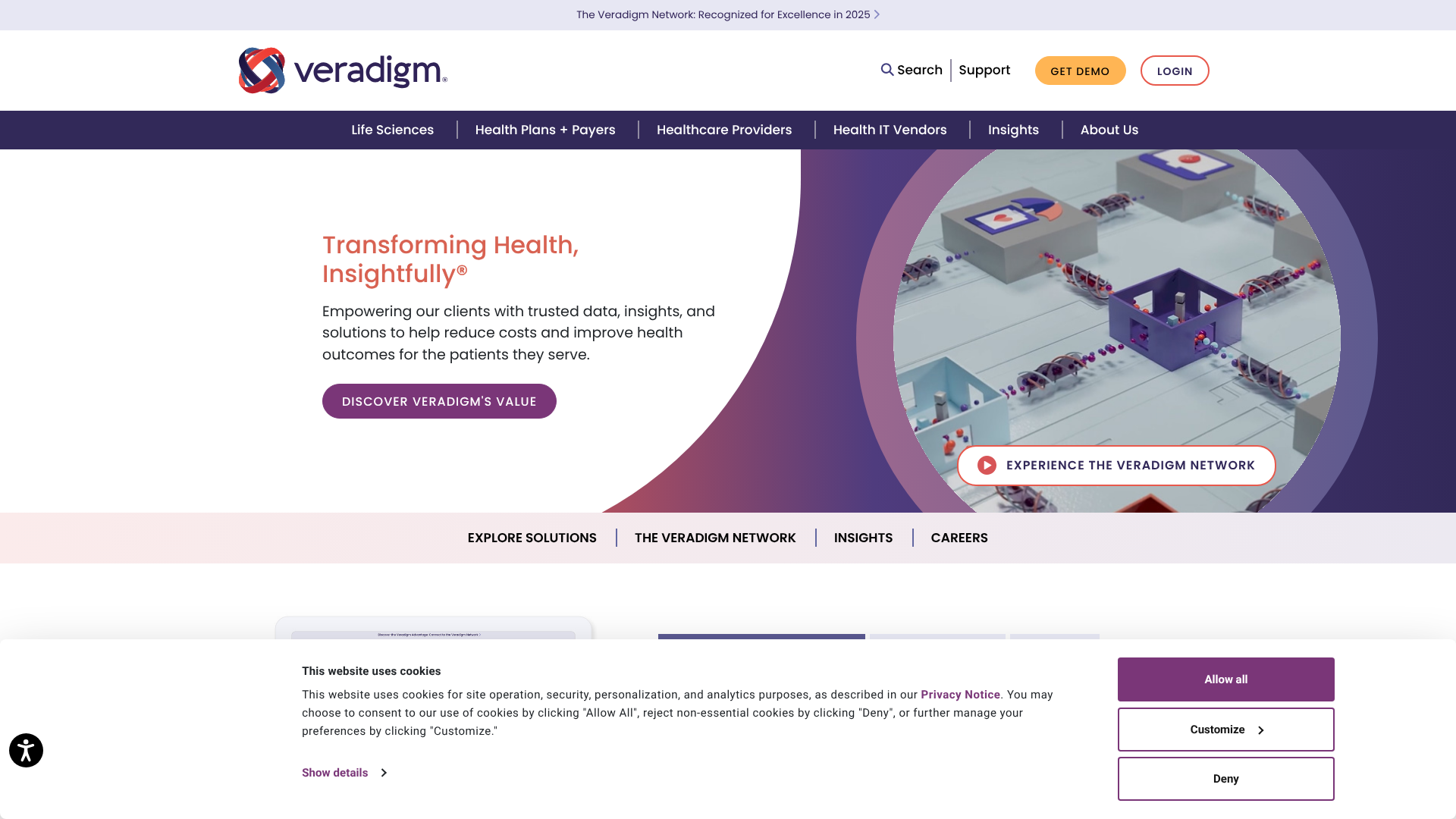
Veradigm offers a wide range of EHR solutions catering to different parts of the healthcare ecosystem, from physician practices to hospitals and health systems. They are known for their open, connected approach, aiming to create a network of health information that can be shared across different care settings.
Their portfolio is diverse, which can be both a strength and a weakness. They offer multiple EHR platforms (like TouchWorks and Sunrise) tailored to different needs. This provides choice but can sometimes lead to a less integrated experience compared to a single-platform provider like Epic.
Pros
- Open architecture promotes data sharing and interoperability.
- Diverse portfolio of solutions for different types of healthcare organisations.
- Strong focus on data and analytics.
Cons
- Managing multiple product lines can lead to a fragmented user experience.
- Has faced stiff competition from more integrated, cloud-native platforms.
Understanding Pricing Models and Cost Factors
Budgeting for healthcare software is a complex task, whether you're building a custom solution or licensing an enterprise platform. The costs can vary dramatically based on the approach you take and the complexity of your requirements. Understanding the common pricing models and cost drivers is essential for planning and avoiding unexpected expenses.
Common Pricing Structures for Custom Development
When you hire one of the best healthcare software firms for a custom project, you'll typically encounter one of these models:
- Fixed Price: This model involves a single, upfront price for the entire project. It's best suited for small projects with extremely well-defined requirements. The main advantage is budget predictability, but it's inflexible if you need to make changes.
- Time & Materials: You pay for the actual time and resources spent on the project, usually at an hourly or daily rate. This model is highly flexible and ideal for complex projects where requirements may evolve. It requires close monitoring to keep the budget in check.
- Dedicated Team: You hire a full team of developers who work exclusively on your project for a monthly fee. This model offers a high degree of control and integration, acting as an extension of your in-house team. It's great for long-term, large-scale projects.
Key Factors Influencing Project Cost
- Complexity and Features: The single biggest cost driver. A simple appointment scheduling app will cost far less than a full-featured EHR with AI-powered diagnostics and third-party integrations.
- Compliance and Security Requirements: Building software that is fully HIPAA compliant requires specialised expertise and rigorous testing, which adds to the cost.
- Team Size and Location: The number of developers, designers, and project managers on the team directly impacts the cost. Furthermore, rates for healthcare software developers in North America or Western Europe are significantly higher than in Eastern Europe or Asia.
- Ongoing Maintenance and Support: The project doesn't end at launch. You need to budget for ongoing hosting, bug fixes, security updates, and feature enhancements, which can be 15-20% of the initial development cost annually.
Weighing the Pros and Cons: Custom vs. Off-the-Shelf Software
One of the most fundamental decisions is whether to build a custom solution or buy a pre-existing one. Each path has distinct advantages and disadvantages, and the right choice depends on your organisation's unique circumstances.
Pro Tip: A hybrid approach is often effective. You can use an off-the-shelf EHR as your core system and then hire a custom development firm to build smaller, specialised applications that integrate with it via APIs. This gives you the best of both worlds.
Advantages of Custom Software Development
- Tailored to Your Needs: The software is designed to match your exact workflows, eliminating the need to change your processes to fit the software.
- Competitive Advantage: A unique, proprietary solution can differentiate your services and create a significant competitive edge.
- No Licensing Fees: You own the software, so you don't have to pay recurring per-user licensing fees, though you are responsible for maintenance.
- Flexibility and Scalability: You have complete control to modify, adapt, and scale the software as your organisation grows and changes.
Disadvantages of Custom Software Development
- Higher Upfront Cost: The initial investment in designing, building, and testing a custom solution is significantly higher than buying an off-the-shelf product.
- Longer Time to Market: It can take many months, or even years, to develop a complex healthcare application from scratch.
- Maintenance Responsibility: You are fully responsible for all ongoing maintenance, security updates, and technical support.
- Higher Risk: There's always a risk that the project will go over budget, miss deadlines, or fail to meet expectations.
Advantages of Off-the-Shelf (Enterprise) Solutions
- Lower Upfront Cost: The initial investment is generally lower because the development costs are spread across many customers.
- Faster Implementation: The software is already built, so implementation is much faster than custom development.
- Proven and Reliable: These platforms have been tested and refined by thousands of users, making them stable and reliable.
- Support and Maintenance Included: The vendor handles all updates, security, and technical support as part of your subscription or maintenance agreement.
Disadvantages of Off-the-Shelf (Enterprise) Solutions
- May Not Fit Your Workflow: You may have to adapt your internal processes to fit the software's design, which can be disruptive.
- Recurring Costs: You'll likely pay ongoing subscription or licensing fees, which can add up over time.
- Limited Customisation: While you can configure the software, you have little to no control over the core features and future development roadmap.
- Vendor Lock-in: It can be very difficult and expensive to switch to a different provider once you've committed to a platform.
| Feature | Custom Development | Off-the-Shelf Software |
|---|---|---|
| Initial Cost | High | Low to Medium |
| Time to Deploy | Long (Months to Years) | Fast (Weeks to Months) |
| Workflow Fit | Exact Match | May Require Compromise |
| Ongoing Costs | Maintenance & Hosting | Licensing/Subscription Fees |
| Control & Flexibility | Full Control | Limited to Vendor's Roadmap |
| Competitive Edge | High Potential | Low Potential |
Frequently Asked Questions
What is the average cost of developing healthcare software?
The cost can range from £40,000 for a simple mobile app to well over £1,000,000 for a complex, enterprise-grade system like a custom EHR. The final price depends heavily on the project's complexity, the features required, the size of the development team, and their geographic location. A detailed project scope is necessary to get an accurate estimate.
How long does it take to build a custom healthcare application?
Similar to cost, the timeline varies widely. A Minimum Viable Product (MVP) with core features can often be developed in 4-6 months. A full-featured, polished application can take anywhere from 9 months to 2 years or more. Factors like regulatory compliance, third-party integrations, and data migration can significantly extend the timeline.
What is the most important factor when choosing a healthcare software developer?
While technical skill is important, the most critical factor is proven domain experience in healthcare. A developer who understands HIPAA, FHIR, and clinical workflows will be able to anticipate challenges and build a much more effective and compliant product. Always prioritise a firm with a strong portfolio of successful healthcare projects.
What are the key regulations for healthcare software?
In the United States, the primary regulations are the Health Insurance Portability and Accountability Act (HIPAA) and the Health Information Technology for Economic and Clinical Health (HITECH) Act, which govern the privacy and security of protected health information (PHI). In Europe, the General Data Protection Regulation (GDPR) is the key legislation. Depending on the type of software, FDA or CE marking regulations for medical devices may also apply.
Final Thoughts
Navigating the world of healthcare software is a significant undertaking, but making the right choice can transform your organisation's efficiency and the quality of care you provide. The journey begins with a clear understanding of your own needs: are you looking to solve a unique problem with a custom-built solution, or do you need a powerful, proven platform to run your entire operation?
The top healthcare software development companies like ScienceSoft and Vention offer the expertise to bring a unique vision to life, while leading health tech companies like Epic and athenahealth provide the robust infrastructure that powers modern healthcare. Specialised platforms like MedBridge demonstrate the power of targeted software to solve specific challenges in areas like professional development and patient engagement.
Ultimately, the best partner is one that not only has the technical skills but also shares your commitment to security, compliance, and improving patient outcomes. Conduct thorough due diligence, ask detailed questions, and choose a partner you can trust for a long-term, successful collaboration.