




How to Master Epic Healthcare Software Training: A Guide for Clinicians
Navigating the world of electronic health records (EHRs) is a core requirement for modern healthcare professionals. At the forefront of this technology is Epic Systems, and undergoing proper epic healthcare software training is no longer just an advantage—it's essential for providing efficient, safe, and effective patient care. Whether you're a new nurse, a seasoned physician, or an administrator, understanding how to approach this training is critical for your career.
- What You'll Learn
- What Exactly is Epic Healthcare Software Training?
- The Core Components of an Effective Epic Training Program
- Key Benefits of Mastering Epic Software
- How to Get Access to Epic Software Training: A Step-by-Step Guide
- The Primary Path: Employer Sponsorship
- The "Self-Sponsorship" Myth
- Alternative Ways to Learn Epic Workflows
- For Healthcare Organisations: Building a Supplemental Training Program
- Understanding Epic Training Costs and Pricing Structures
- Pros and Cons of the Epic Training Model
- Frequently Asked Questions about Epic Training
- Is Epic hard to learn in healthcare?
- How do I get certified in Epic software?
- Is it worth it to get Epic certification?
- Which Epic certification is the highest paid?
- Who is Epic's biggest competitor?
- What skills do you need for Epic training?
- Final Thoughts: Is Epic Training Right for Your Career?
This guide breaks down everything you need to know about Epic training. We'll cover what it involves, the different paths to getting trained, the costs, and how you can prepare for success. We will demystify the process, from initial onboarding to achieving proficiency, helping you turn a potentially daunting requirement into a powerful career asset.
What You'll Learn
- The Structure of Epic Training: Epic training is a highly structured, role-based program, not a casual software tutorial. It's designed to build deep proficiency for specific clinical and administrative roles.
- Access is Key: The vast majority of official Epic training and certification is only available through sponsorship from a healthcare organisation that uses the software. Individuals generally cannot pay for it themselves.
- Benefits Beyond the Basics: Proper training leads to improved patient safety, greater job efficiency, and enhanced career opportunities within the healthcare IT sector.
- Costs are Organisational: For individuals, training is typically covered by the employer. The significant costs are part of the hospital's overall implementation contract with Epic.
- Alternative Learning Exists: While official certification is restricted, you can still learn Epic workflows through unofficial channels like online tutorials and professional networking to build familiarity.
What Exactly is Epic Healthcare Software Training?
Epic healthcare software training is a formal, structured educational program designed to equip clinical and administrative staff with the skills to use the Epic EHR system effectively. It's far more than a simple walkthrough of software features. The primary goal is to ensure every user can perform their job-specific tasks accurately, efficiently, and safely within the platform, directly impacting patient outcomes and operational success.
Unlike general software tutorials, an Epic healthcare training program is meticulously tailored to different roles within a hospital or clinic. A surgeon's training will focus on ordering, clinical documentation, and viewing imaging results, while a front-desk scheduler’s training will centre on patient registration, appointment booking, and insurance verification. This role-based approach ensures that every user learns the specific workflows relevant to their daily responsibilities, avoiding information overload.
The training is designed to build true proficiency, not just basic familiarity. It involves rigorous modules, hands-on practice in a simulated environment (known as the 'sandbox'), and often concludes with a proficiency test to verify competency. For technical staff, such as analysts and system builders, the training is even more intensive, leading to formal certifications that validate their expertise in configuring and maintaining the system.


The Core Components of an Effective Epic Training Program
An effective Epic training initiative is a multi-faceted system that combines different learning styles and methods to accommodate a diverse healthcare workforce. It's built on a foundation of customisation and verification to ensure the investment in the EHR translates into real-world results.
Role-Specific Learning Paths
The most critical component of epic software training is its role-based curriculum. Epic and the healthcare organisations that implement it understand that a one-size-fits-all approach would be inefficient and ineffective. Each user is assigned a learning path based on their specific job function.
For example:
- Inpatient Nurses (ClinDoc): Their training focuses heavily on the Clinical Documentation (ClinDoc) module, covering medication administration records (MAR), patient assessments, care plans, and flowsheets.
- Outpatient Physicians (Ambulatory): They are trained on the EpicCare Ambulatory module, learning to manage patient charts, write prescriptions (eLogs), place orders, and document patient encounters efficiently.
- Pharmacists (Willow): Their curriculum centres on the Willow module, which manages pharmacy operations, from verifying medication orders to dispensing and inventory management.
- Schedulers (Cadence/Prelude): They learn the Cadence module for scheduling appointments and the Prelude module for patient registration and admissions.
Blended Learning Formats
To cater to different learning preferences and busy clinical schedules, Epic training typically uses a blended model. This approach combines self-paced learning with interactive, instructor-led sessions. The format often includes:
- E-Learning Modules: Foundational web-based courses that users can complete on their own time. These cover basic navigation and core concepts.
- Instructor-Led Classes: These can be virtual or in-person sessions led by a credentialed Epic trainer. This is where users can ask questions and walk through complex workflows in real-time.
- Sandbox Practice: A dedicated training environment that mirrors the live Epic system. This allows users to practice tasks and make mistakes without any risk to real patient data.
Proficiency and Certification
Training doesn't end with completing the classes. Most organisations require users to pass a proficiency exam to gain access to the live Epic environment. This test ensures they have retained the critical information and can perform essential tasks correctly. It’s a crucial step for maintaining data integrity and patient safety.
For IT professionals, the process is even more formal. After completing in-depth training on specific modules, they must pass a rigorous exam administered by Epic to become certified. This certification is a highly respected credential in the healthcare IT industry and is a prerequisite for anyone who will be building, configuring, or maintaining the Epic system.
Pro Tip: When you're in your Epic training, focus on understanding the why behind a workflow, not just memorising the clicks. Knowing why a certain field is required or why an order set is structured a certain way will help you adapt to system updates and troubleshoot issues more effectively.
Key Benefits of Mastering Epic Software
Investing time and effort into mastering Epic software offers significant returns for individual healthcare professionals, the organisations they work for, and the patients they serve. The benefits extend far beyond simply knowing how to navigate a computer program; they are foundational to modern healthcare delivery.
For the individual clinician or administrator, proficiency in Epic is a major career asset. It reduces daily friction and frustration, allowing you to spend more time on patient care and less on wrestling with technology. Clinicians who are adept at using the EHR report higher job satisfaction and less burnout. Furthermore, having deep Epic skills on your CV makes you a more attractive candidate, as hospitals prefer to hire staff who can hit the ground running with minimal additional training.
For the healthcare organisation, a well-trained workforce is critical to realising the return on their multi-million-dollar Epic investment. Proficient users lead to better clinical documentation, which improves data quality for reporting, research, and billing. This, in turn, enhances revenue cycle management and ensures regulatory compliance. Most importantly, skilled users make fewer errors, leading to a direct improvement in patient safety and quality of care.
Ultimately, patients are the primary beneficiaries. When their care team is proficient with the EHR, information flows smoothly between departments and providers. This leads to better-coordinated care, a reduction in duplicate tests, and fewer medication errors. A well-used EHR ensures that every member of the care team has a complete and accurate picture of the patient's health, leading to better diagnoses and treatment plans.
How to Get Access to Epic Software Training: A Step-by-Step Guide
One of the most common questions from aspiring healthcare professionals is how they can get their hands on Epic training. Unlike many other software skills, you can't simply sign up for a course online. Access is tightly controlled, and understanding the proper channels is key.
The Primary Path: Employer Sponsorship
For over 99% of people, the only way to receive official epic healthcare software training is to be employed by a healthcare system that uses Epic. Epic Systems has a strict policy of only providing training and certification to employees of their client organisations. This is done to maintain quality control and ensure that only authorised personnel have access to the powerful, proprietary system.
Here’s how the process typically works:
- Get Hired: Secure a position at a hospital, clinic, or healthcare network that has implemented Epic.
- Onboarding Training: As part of your new-hire orientation, you will be automatically enrolled in the required Epic training for your specific role.
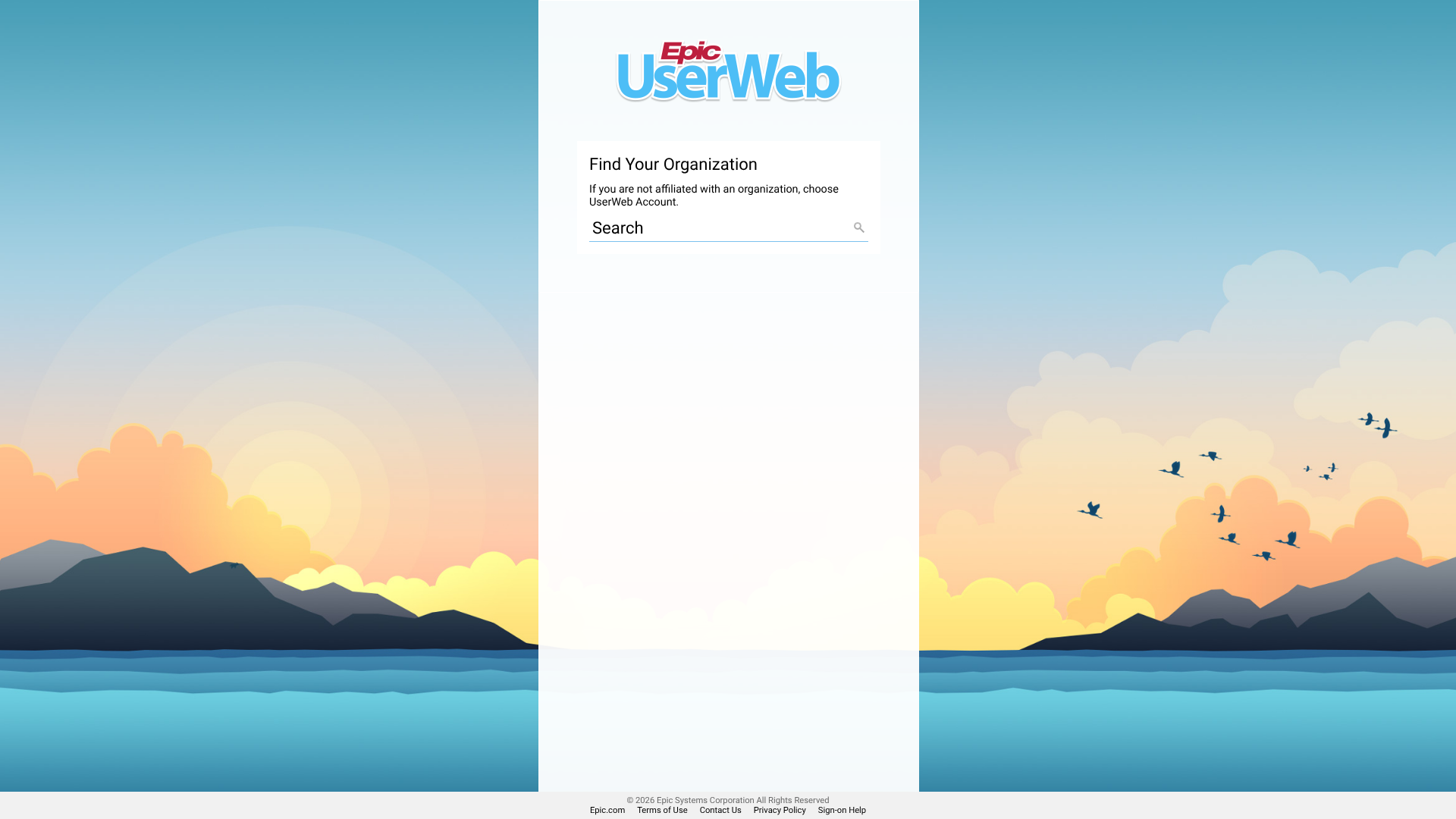
- Complete the Curriculum: You will be given access to e-learning modules and scheduled for instructor-led classes.
- Pass the Proficiency Test: After completing your training, you must pass an exam to demonstrate your competence before you are granted access to the live patient environment.
The "Self-Sponsorship" Myth
A persistent myth is that an individual can pay for their own Epic certification to get a job. This is incorrect. Epic does not sell training or certification directly to the public. If you see a third-party website offering to sell you an Epic certification, it is not legitimate.
The reason for this strict control is twofold. First, training requires access to a functioning Epic environment, which contains proprietary software and sample data. Second, Epic wants to ensure that certified professionals are not just knowledgeable but also have real-world experience within a healthcare organisation, which is why sponsorship is a prerequisite.
Alternative Ways to Learn Epic Workflows
While you can't get official training on your own, you can still build familiarity with Epic's look, feel, and common workflows. This can give you a significant advantage in interviews.
- YouTube Tutorials: There are numerous unofficial tutorials created by clinicians and trainers that walk through common tasks. These are excellent for visual learners.
- Networking: Talk to colleagues, mentors, or contacts who currently use Epic. Ask them to describe their daily workflows and the most important functions for their role.
- Online Forums: Communities on Reddit, such as r/healthIT, often have discussions where users share tips and insights about using the software.
Here is a helpful overview video that demonstrates some of the basic navigation and features you might encounter:
For Healthcare Organisations: Building a Supplemental Training Program
While Epic provides the core curriculum, many organisations find they need to create supplemental training materials to cover their own customised workflows, specific policies, or state regulations. This is where a learning management system (LMS) becomes invaluable.
Platforms like LearnWorlds or Teachable allow training departments to quickly build their own micro-learning modules, short videos, and quick-reference guides. These can be deployed to staff to reinforce key concepts or introduce new workflows without having to go through a full-scale retraining event. For ongoing professional development that complements technical EHR skills, platforms like MedBridge offer a vast library of accredited continuing education courses for clinicians.
Understanding Epic Training Costs and Pricing Structures
When individuals ask about the cost of Epic training, there's often a misunderstanding of how it's priced. Because training is tied to employment, the financial model is very different from a typical software course.
For an individual employee, epic software training is almost always free. The cost is absorbed by the employer as a necessary part of onboarding and operations. Your hospital sees this as an investment in its staff and a requirement for using the EHR system they've spent millions on. You will not receive a bill for your mandatory training sessions or your proficiency exam.
For the healthcare organisation, the costs are substantial and are bundled into the overall Epic implementation and maintenance contract. A hospital doesn't just buy software; it buys a massive, enterprise-wide system that includes implementation support, ongoing maintenance, and, crucially, training for its entire staff. The price tag for an Epic implementation can range from tens of millions to over a billion dollars for a large health system.
Several factors influence the training portion of this cost:
- Number of Users: The more employees that need training, the higher the cost. * Modules Implemented: A hospital implementing a wide array of specialised modules (like oncology, cardiology, or transplant) will have more complex and expensive training needs. * Training Staff: The organisation must hire and credential its own team of trainers to deliver the curriculum. * Ongoing Training: Costs are not a one-time event.
New hires need training, and existing staff need retraining for major system upgrades.
So, while there is no simple "price per course," it's understood to be a significant, multi-million-dollar component of a hospital's IT budget.
Pros and Cons of the Epic Training Model
The highly controlled, employer-sponsored model for Epic training has distinct advantages and disadvantages. Understanding both sides can provide a clearer picture of the healthcare IT landscape.
Advantages
- High-Quality Standardisation: Because Epic controls the curriculum, it ensures a high and consistent level of quality. A certified analyst from one hospital has the same foundational knowledge as one from another.
- Ensures Organisational Vetting: The sponsorship model means that trainees are already part of a healthcare organisation. This provides a level of professional vetting and ensures they have a legitimate need for system access.
- Protects Proprietary Information: Epic's software is a complex and valuable asset. This closed model helps protect its intellectual property from being widely disseminated.
- Creates a Skilled Workforce: The rigorous process creates a pool of highly competent, certified professionals who are in high demand, which helps maintain high standards in the health IT industry.
Disadvantages
- High Barrier to Entry: The biggest drawback is the difficulty for new professionals to break into the field. Without prior employment at an Epic hospital, it's nearly impossible to get the training needed to become an Epic analyst.
- Limits Independent Learning: IT professionals who want to proactively learn a new skill or pivot their career into healthcare are often stuck. They cannot simply take a course to become more marketable.
- Potential for Rigidity: The standardised curriculum may not always perfectly align with a specific hospital's heavily customised workflows, requiring organisations to invest in additional supplemental training.
- Bottleneck for Talent: The reliance on employer sponsorship can create a talent bottleneck, making it harder for hospitals to quickly find and hire qualified Epic-certified professionals.
Pro Tip: If you're trying to get a job as an Epic analyst, focus on roles like 'IT support' or 'clinical informatics assistant' at an Epic hospital. Once you're an employee, you can express interest in moving to the Epic team and get sponsored for certification internally. This is a common pathway into the field.
Frequently Asked Questions about Epic Training
Navigating the world of Epic training brings up many questions. Here are detailed answers to some of the most common ones.
Is Epic hard to learn in healthcare?
Epic can be challenging to learn, but it's not impossibly difficult. The difficulty often depends on an individual's technical comfort and their specific role. The system is vast and complex, so the initial learning curve can feel steep. However, the role-based training is designed to break it down into manageable parts, focusing only on what you need to know for your job.
With good training and consistent practice in the sandbox environment, most users become comfortable within a few weeks.
How do I get certified in Epic software?
Epic certification is a professional credential primarily for IT analysts, builders, and administrators, not for end-users like nurses or doctors. To get certified, you must first be sponsored by your employer (a healthcare organisation that is an Epic client). You will then attend in-depth, multi-week training courses at Epic's headquarters in Verona, Wisconsin (or virtually). After completing the courses, you must pass a comprehensive exam and complete a project to earn your certification in a specific module.
Is it worth it to get Epic certification?
For IT professionals looking to build a career in healthcare technology, getting an Epic certification is absolutely worth it. It is considered a gold standard in the industry and leads to high-paying, in-demand roles. Certified Epic analysts are some of the most sought-after professionals in health IT. For clinicians, while you won't get a formal certification, becoming a 'super user' or trainer within your department is also highly valuable for career advancement.
Which Epic certification is the highest paid?
While salaries vary by location, experience, and organisation, some of the highest-paid Epic certifications are typically in specialised or complex areas. Modules like Tapestry (managed care), Cogito (analytics and reporting), and clinical modules like Beacon (oncology) or Cupid (cardiology) often command higher salaries due to the specialised knowledge required. Application coordinators and analysts with multiple certifications are also top earners.
Who is Epic's biggest competitor?
Epic's biggest competitor in the large hospital and health system market is Cerner (now part of Oracle Health). Both companies dominate the EHR landscape in the United States and increasingly, internationally. Other competitors include MEDITECH, Allscripts (now Veradigm), and various smaller vendors that focus on specific niches, like outpatient clinics or specialty practices.
What skills do you need for Epic training?
Beyond basic computer literacy, the most important skills are attention to detail, a willingness to learn, and critical thinking. You need to be able to follow multi-step processes accurately. For those pursuing certification, strong analytical and problem-solving skills are essential. A clinical background is also extremely helpful for analysts, as it provides context for the workflows you are building and supporting.
Final Thoughts: Is Epic Training Right for Your Career?
Embarking on epic healthcare software training is a significant step in any healthcare career. For clinicians, it's a mandatory tool of the trade, and achieving proficiency is key to delivering excellent care and reducing daily stress. Mastering your role-specific workflows will make you a more effective and efficient provider, directly benefiting your patients and your team.
For those in or aspiring to a career in healthcare IT, the path through Epic is more structured but incredibly rewarding. The sponsorship model presents a challenge, but it also ensures that certified professionals are highly valued and well-compensated. The key is to get your foot in the door at a healthcare organisation that uses Epic, prove your value, and seek out opportunities for internal sponsorship.
Ultimately, whether you are an end-user or a system builder, Epic training is more than just learning software. It's about understanding the digital backbone of modern healthcare. By embracing the learning process and committing to proficiency, you are investing in your career and in the future of patient care. For organisations looking to enhance their training programs, exploring a flexible LMS like LearnWorlds can be a powerful next step to complement Epic's core curriculum.