

Sales Enablement vs Sales Engagement: Which Drives More B2B Revenue?
In the world of sales, the terms 'enablement' and 'engagement' are often used interchangeably, creating confusion for leaders trying to build a high-performing team. While they both aim to increase revenue, the debate over sales enablement vs sales engagement centres on two fundamentally different approaches. One focuses on preparing your team for success, while the other focuses on executing the interactions that lead to deals. Understanding the distinction isn't just academic; it's critical for diagnosing your sales process bottlenecks and investing in the right strategy and tools to fix them.
- Quick Summary
- The Core Difference: Sales Enablement vs Sales Engagement
- Key Features and Benefits: An In-Depth Comparison
- Enablement vs Engagement: Which Does Your Team Need First?
- Scenarios Where You Need Sales Enablement
- Scenarios Where You Need Sales Engagement
- The Synergy: Why You Ultimately Need Both
- Top Tools for Enablement and Engagement
- Understanding the Investment: Pricing and Cost Comparison
- A Balanced View: Pros and Cons of Each Approach
- Frequently Asked Questions (FAQ)
- What is the difference between sales enablement and engagement?
- What are the three pillars of sales enablement?
- Can you have sales engagement without sales enablement?
- Which is more important for a startup?
- Final Thoughts: Building a Cohesive Sales Strategy
This guide breaks down the comparison of enablement vs engagement, clarifying what each discipline involves, the tools that power them, and how to decide which approach your team needs to prioritise right now. We'll explore their unique features, benefits, and costs, helping you build a more effective and efficient sales machine.
Quick Summary
- Sales Enablement is the Foundation: It’s the strategic process of equipping your sales team with the content, training, coaching, and tools they need to sell effectively. Think of it as preparing the chef with the best ingredients and recipes.
- Sales Engagement is the Action: This refers to the actual interactions between a salesperson and a potential customer, often automated and optimised by technology. This is the waiter delivering the meal and engaging with the diner.
- They Aren't Competitors: The most successful sales organisations don't see it as enablement vs engagement; they see them as two sides of the same coin. Strong enablement makes engagement more meaningful and effective.
- Your Focus Depends on Your Bottleneck: If your reps struggle with product knowledge or closing skills, prioritise enablement. If your reps are skilled but bogged down by manual outreach and follow-up, prioritise engagement.
The Core Difference: Sales Enablement vs Sales Engagement
At its heart, the difference between sales enablement and sales engagement is the difference between preparation and execution. Enablement is about building the engine and providing the fuel, while engagement is about driving the car and navigating the journey to the destination.
What is Sales Enablement? The Strategic Foundation
Sales enablement is a strategic, ongoing process focused on equipping salespeople to have more valuable conversations and provide a better buying experience. It's an internal-facing function that ensures every rep has the knowledge, skills, and assets to succeed. The goal is to make sellers as efficient and effective as possible.
Key components of sales enablement include:
- Content Management: Organising and providing easy access to case studies, white papers, battle cards, proposal templates, and email scripts. This ensures brand consistency and arms reps with proven materials.
- Training and Coaching: This covers everything from new-hire onboarding and product training to advanced negotiation skills and sales methodology coaching. It’s about building long-term competency.
- Tools and Technology: Providing and managing the core tech stack, including the Customer Relationship Management (CRM) system. A well-configured CRM like HubSpot CRM is the backbone of any good enablement strategy, acting as the single source of truth for customer data and interactions.
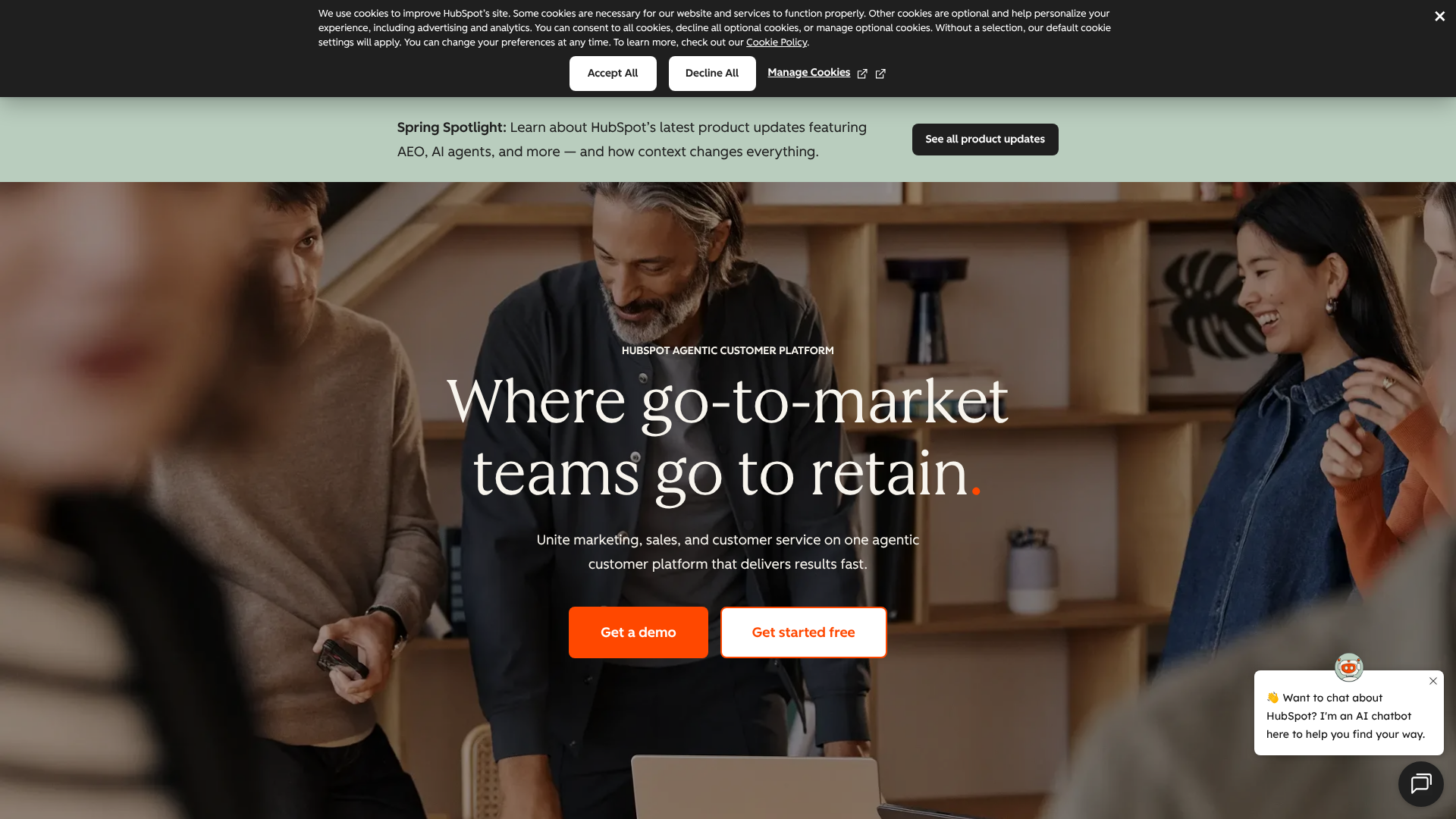
Essentially, sales enablement answers the question: "Have we given our sellers everything they need to win before they even speak to a prospect?"
What is Sales Engagement? The Tactical Execution
Sales engagement refers to the series of interactions between a seller and a buyer. It's the practical application of the resources provided by enablement. Modern sales engagement is heavily reliant on technology platforms that help reps manage, automate, and analyse these interactions at scale.
Key components of sales engagement include:
- Outreach Cadences: Building and automating multi-step, multi-channel (email, phone, social media) sequences to ensure consistent and persistent follow-up with prospects.
- Communication Analytics: Tracking metrics like email open rates, click-through rates, and reply rates to understand what messaging resonates with buyers. This allows for data-driven optimisation.
- Workflow Automation: Automating administrative tasks like logging calls and emails in the CRM, scheduling meetings, and sending follow-ups. This frees up reps to spend more time actually selling.
Sales engagement platforms like Outreach or Reply.io are designed to streamline these actions, making reps more productive. Engagement answers the question: "How can we execute our outreach more efficiently and effectively to create more conversations?"

Key Features and Benefits: An In-Depth Comparison
While both disciplines aim for revenue growth, they achieve it through different features and deliver distinct benefits. A direct sales engagement comparison with enablement highlights these differences clearly.
| Feature Focus | Sales Enablement | Sales Engagement |
|---|---|---|
| Primary Goal | Improve seller effectiveness and knowledge | Increase seller efficiency and activity |
| Core Activities | Training, coaching, content creation, process optimisation | Email sequencing, call dialling, task automation |
| Key Metrics | Win rates, sales cycle length, quota attainment, content usage | Emails sent, calls made, meetings booked, reply rates |
| Typical Tools | CRM, Content Management Systems, Learning Management Systems | Sales Engagement Platforms, Auto-diallers, Email Automation |
| Main Beneficiary | The sales representative (competency) | The sales representative (productivity) |
Sales Enablement Features & Benefits
The primary benefit of a strong sales enablement strategy is creating a more competent and confident sales team. By focusing on the quality of rep preparedness, you achieve better long-term outcomes.
- Benefit 1: Increased Win Rates. When reps are equipped with the right content for each stage of the buyer's journey and coached on how to handle objections, they are far more likely to close deals. They move from simply pitching a product to acting as a trusted advisor.
- Benefit 2: Shorter Sales Cycles. Effective enablement provides reps with the resources to answer buyer questions quickly and accurately, removing friction from the sales process. This accelerates the journey from initial contact to a signed contract.
- Benefit 3: Improved Seller Retention. Investing in training and development shows reps that the company is invested in their success. This leads to higher job satisfaction and reduces costly team turnover.
Sales Engagement Features & Benefits
The core benefit of sales engagement is a massive boost in productivity. It allows a single rep to manage hundreds of prospect relationships simultaneously without letting anything fall through the cracks.
- Benefit 1: Higher Sales Activity. Automation handles the repetitive, time-consuming tasks. This allows reps to make more calls, send more emails, and ultimately book more meetings in the same amount of time.
- Benefit 2: Consistent Follow-up. Sales engagement platforms ensure no lead is forgotten. Automated cadences execute a persistent follow-up strategy, which is critical since up to 80% of sales require five or more follow-ups.
- Benefit 3: Data-Driven Insights. These platforms provide clear data on which email templates, call scripts, and sequences are performing best. This allows sales leaders to double down on what works and train the team on proven tactics, creating a powerful feedback loop.
Enablement vs Engagement: Which Does Your Team Need First?
This is the critical question for many sales leaders operating with a limited budget. The answer depends entirely on identifying your team's biggest weakness. It’s not about which is better, but which will solve your most pressing problem right now.
Scenarios Where You Need Sales Enablement
If you're experiencing issues related to the quality of your sales interactions, enablement should be your priority. Look for these warning signs:
- Inconsistent Messaging: Your reps all describe your product differently, and there's no unified value proposition. This confuses buyers and weakens your brand.
- Long Ramp-Up Times: It takes new hires six months or more to become productive. A structured onboarding and training programme is a core enablement function that can slash this time.
- Low Win Rates: Your team is busy and booking meetings, but they consistently lose to competitors or "no decision." This signals a gap in selling skills, product knowledge, or competitive intelligence.
- Unused Marketing Content: Your marketing team produces great case studies and white papers, but the sales team never uses them. An enablement function bridges this gap by organising content and training reps on when and how to use it.
Scenarios Where You Need Sales Engagement
If your reps are skilled but inefficient, an engagement platform can be transformative. Prioritise engagement if you see these signs:
- Reps Drowning in Admin: Your top performers spend hours each day manually logging activities in the CRM, sending follow-up emails, and scheduling calls. Their selling time is drastically limited.
- Inconsistent Lead Follow-up: Leads are falling through the cracks because reps are manually trying to keep track of who to contact and when. There's no systematic process for nurturing prospects over time.
- No Data on Outreach Performance: You have no idea which email subject lines get opened or which value propositions generate replies. Your improvement efforts are based on guesswork, not data.
Pro Tip: A simple way to diagnose your need is to shadow a B-player on your sales team for a day. Note how much time they spend on administrative tasks versus actual selling. If the admin time is over 30-40%, a sales engagement tool could provide immediate ROI. If they struggle with what to say during their selling time, focus on enablement first.
The Synergy: Why You Ultimately Need Both
Ultimately, the sales enablement vs engagement debate is a false choice. They are deeply interconnected. Pouring money into a sales engagement platform without proper enablement is like buying a sports car for someone who doesn't know how to drive. You'll go fast, but you'll likely crash.
Great enablement provides the high-quality fuel (messaging, content, skills) for the high-performance engine (the engagement platform). When combined, reps can execute proven, high-quality outreach at scale, leading to a predictable and scalable revenue pipeline.
Top Tools for Enablement and Engagement
Choosing the right technology is crucial for implementing either strategy effectively. The market is filled with options, but they generally fall into distinct categories that support either enablement or engagement functions.
Essential Sales Enablement Platforms
Enablement tools focus on organising knowledge and streamlining foundational sales processes.
- Customer Relationship Management (CRM): The CRM is the non-negotiable core of any sales tech stack. It serves as the central database for all prospect and customer information. Platforms like HubSpot CRM and Zoho CRM are excellent starting points, offering robust contact management, deal tracking, and reporting that are essential for both enablement and engagement.
- Content and Proposal Management: These tools help create, share, and track sales collateral. They ensure reps use the most up-to-date and on-brand materials. Solutions like PandaDoc and Proposify allow you to build templates for proposals and contracts, see when a prospect has viewed a document, and get deals signed faster with eSignature capabilities.
Leading Sales Engagement Platforms
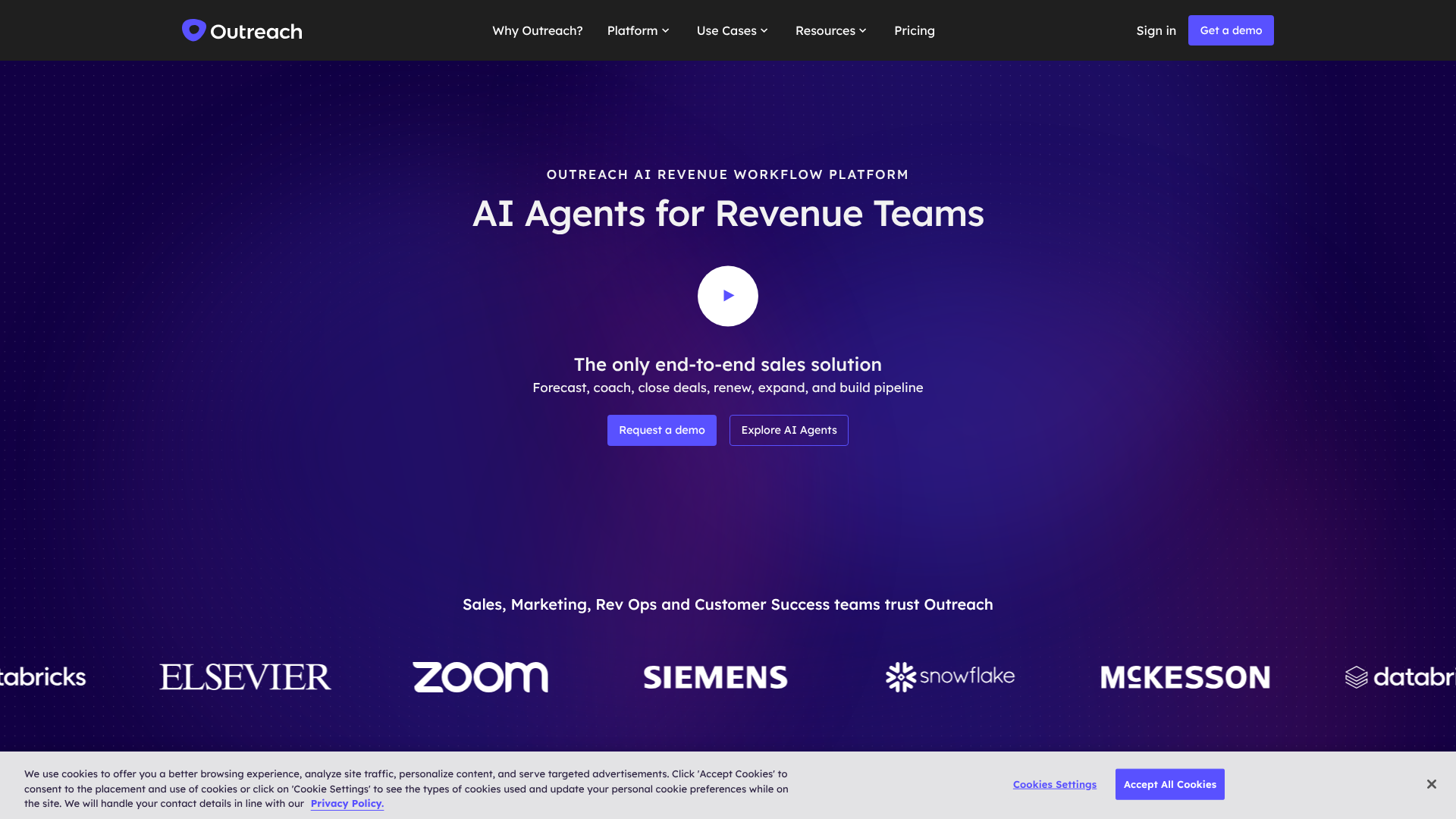
Engagement platforms are built for action, helping reps execute their outreach with speed and precision.
- All-in-One Sales Engagement: These are comprehensive platforms that combine multi-channel sequencing, call dialling, AI-powered conversation intelligence, and deep analytics. Outreach is a well-known leader in this category, providing a complete solution for enterprise sales teams to manage the entire engagement lifecycle.
- Email Sequencing and Automation: For teams focused primarily on scaling their email outreach, tools like Reply.io and Instantly.ai offer powerful features. They allow you to build complex email sequences with automated follow-ups, A/B test your messaging, and manage replies efficiently.
- Data and Intelligence Platforms: Some tools combine a massive B2B contact database with engagement features. Apollo.io is a popular choice for teams that need to both find new prospects and engage with them through email and call sequences, all within a single platform.
Understanding the Investment: Pricing and Cost Comparison
Budget is often a deciding factor when choosing where to invest. The pricing structures for enablement and engagement tools reflect their different functions.
Sales Enablement Costs
Costs for enablement tools can vary widely. A foundational CRM might have a free tier or start around £15-£40 per user per month for basic plans. More advanced content management or learning management systems (LMS) are typically priced per user and can range from £30 to over £150 per user per month, depending on the complexity and features.
The investment here is often broader than just software. It includes the time and resources spent creating high-quality training materials and sales content. The ROI is measured over the long term through improved win rates and shorter sales cycles.
Sales Engagement Costs
Sales engagement platforms are almost always priced on a per-user, per-month subscription basis. Entry-level plans can start around £50-£80 per user, while more comprehensive platforms like Outreach can cost £100-£200 or more per user per month. The price often depends on the number of features, such as call dialling, AI analysis, and the level of CRM integration.
The ROI for these tools is typically easier and faster to calculate. You can directly measure the increase in rep activity (dials, emails sent) and the subsequent rise in meetings booked, making it a more straightforward business case.
For specific pricing, it's always best to visit the provider's website, as plans and features change frequently.
A Balanced View: Pros and Cons of Each Approach
To make an informed decision, it's important to understand the potential upsides and downsides of prioritising one area over the other.
The Pros and Cons of Focusing on Sales Enablement
Pros:
- Builds Sustainable Skills: It creates a foundation of knowledge and skill that benefits the company for years, even if reps leave.
- Improves Quality of Interactions: Reps have more meaningful, value-driven conversations, which improves the customer experience and brand reputation.
- Increases Strategic Win Rates: It helps teams win complex deals against tough competition by focusing on strategy, not just volume.
- Creates Consistency: Ensures every rep is telling the same story and following the same proven process.
Cons:
- Slower ROI: The impact on revenue can take longer to measure compared to the immediate activity boost from an engagement tool.
- Requires Significant Upfront Effort: Building a great content library and training programme takes considerable time and cross-functional collaboration (especially with marketing).
- Can Lack Urgency: Without a focus on execution, enablement efforts can become academic exercises that don't translate into immediate pipeline growth.
The Pros and Cons of Focusing on Sales Engagement
Pros:
- Immediate Productivity Gains: Automation delivers a clear and instant boost in the number of prospects a rep can contact.
- Highly Measurable: It's easy to track activity metrics and demonstrate a direct correlation between tool usage and meetings booked.
- Scales Outreach: Allows teams to systematically reach a much larger audience than would be possible manually.
- Enforces Process: Cadences and playbooks ensure that reps follow a consistent outreach process for every lead.
Cons:
- Risk of "Quality vs. Quantity" Trade-off: Without good messaging and strategy (from enablement), scaling outreach can mean scaling spam, which damages your brand.
- Can Become a Crutch: Reps may rely too heavily on automation and lose their core prospecting and communication skills.
- Doesn't Fix a Broken Message: If your value proposition is weak, an engagement tool will only help you deliver that weak message to more people, faster.
Frequently Asked Questions (FAQ)
What is the difference between sales enablement and engagement?
The simplest way to understand the difference is that sales enablement is about preparing the seller, while sales engagement is about the seller's interaction with the buyer. Enablement focuses on internal resources like training, content, and tools to make reps smarter and more effective. Engagement focuses on the external actions—the emails, calls, and social touches—used to connect with prospects, often using technology to make those actions more efficient.
What are the three pillars of sales enablement?
The three core pillars of a comprehensive sales enablement strategy are generally considered to be Training & Coaching, Content, and Technology. Training covers onboarding and continuous skill development. Content involves creating and managing all the assets reps use during the sales cycle. Technology refers to the tools, especially the CRM, that underpin the entire sales process.
Can you have sales engagement without sales enablement?
Yes, you can, but it's often a recipe for poor results. A team can use a sales engagement platform to send thousands of emails, but if they haven't been enabled with a strong value proposition, effective messaging, and relevant content, those emails will likely be ignored or marked as spam. Effective engagement is powered by the strategic foundation that enablement provides.
Which is more important for a startup?
For an early-stage startup, sales enablement is arguably more important to focus on first. In the beginning, the priority is figuring out a repeatable sales process, crafting a message that resonates (product-market fit), and understanding the customer's pain points. These are all core enablement activities. Once you have a playbook that works, you can invest in a sales engagement platform to scale that successful process.
Final Thoughts: Building a Cohesive Sales Strategy
The discussion should never truly be sales enablement vs sales engagement. Instead, leaders should be asking how to integrate them into a single, powerful growth engine. These two functions are not at odds; they are complementary forces that, when aligned, create a sales organisation that is both smart and fast, strategic and productive.
Your first step is to conduct an honest audit of your team. Where is the biggest leak in your revenue bucket? Are deals being lost because of a lack of skill and preparation, or are opportunities being missed due to inefficiency and slow follow-up? Answering that question will tell you where to make your initial investment.
If you're ready to build a solid foundation with a central hub for your customer data and sales content, exploring a powerful CRM like HubSpot CRM is a great place to start. If your foundation is solid but you need to scale your team's outreach and productivity, platforms like Outreach or Reply.io can provide an immediate and measurable lift.