

5 Best Deal Management Software for Sales Teams (2026 Review)
Managing a sales pipeline without the right tools can feel like juggling with too many balls in the air. Spreadsheets get outdated, vital information gets lost in email threads, and forecasting becomes a guessing game. Finding the best deal management software is the key to bringing order to this chaos, helping your team focus on what they do best: building relationships and closing deals. These platforms centralise all deal-related information, automate repetitive tasks, and provide clear visibility into your entire sales process from start to finish.
- Main Points
- What Exactly is Deal Management Software?
- The Core Features That Define the Best Software for Deals
- Visual Pipeline Management
- Automation Workflows
- Reporting and Analytics
- Communication and Activity Tracking
- Document Management and eSignatures
- Unlocking the Benefits: Why Your Sales Team Needs a Top Deal Management Tool
- How to Choose the Right Deal Management Software for Your Business
- 1. Assess Your Current Sales Process
- 2. Define Your Must-Have Features
- 3. Consider Your Team's Size and Technical Skill
- 4. Evaluate Integration Capabilities
- The 5 Best Deal Management Software Platforms for 2026
- Comparing Top Deal Management Tools: A Side-by-Side Look
- Frequently Asked Questions (FAQ)
- What is the difference between CRM and deal management software?
- How does deal management software improve sales forecasting?
- Can I use deal management software for industries other than sales?
- How much does deal management software typically cost?
- Final Thoughts: Choosing Your Deal Management Solution
Good deal management solutions don't just store data; they transform it into actionable insights. They help you understand which deals are likely to close, where bottlenecks are forming, and how your team is performing against its targets. By organising every interaction, document, and next step, you empower your sales reps to be more efficient, collaborative, and ultimately, more successful.
Main Points
- Centralised Control: Deal management software consolidates all communications, documents, and activities related to a sales opportunity into a single, accessible record, eliminating data silos.
- Key Features to Look For: The most effective tools offer visual pipeline management, workflow automation, in-depth analytics, and robust integration capabilities with your existing tech stack.
- Beyond the CRM: While many CRMs offer deal management, specialised tools or advanced CRM modules provide deeper functionality for forecasting, sales engagement, and document tracking.
- Choosing the Right Fit: The best option depends on your team's size, sales process complexity, budget, and integration needs. There is no one-size-fits-all solution.
- Top Contenders: Platforms like HubSpot CRM offer an excellent all-in-one solution for growing teams, while Zoho CRM provides deep customisation, and Outreach excels in sales engagement for high-velocity teams.
What Exactly is Deal Management Software?
Deal management software is a specialised platform designed to help sales teams track, manage, and analyse their sales opportunities from initial contact to a closed deal. Think of it as a central command centre for your entire sales pipeline. It goes beyond a simple contacts list or a basic CRM by providing a structured framework for every stage of the sales cycle.
At its core, the software gives you a visual representation of your sales pipeline, often in a Kanban-style board where each deal is a card that moves through stages like 'Prospecting', 'Qualification', 'Proposal Sent', and 'Negotiation'. This visual approach provides an at-a-glance overview of your entire pipeline's health, showing where every opportunity stands in real-time. This clarity is something a spreadsheet simply cannot offer.
These deal management solutions are built for action. They log every interaction—emails, phone calls, meetings—and link them directly to the relevant deal. This creates a complete, chronological history that any team member can access, ensuring everyone is on the same page and that handovers are smooth. This functionality is crucial for collaborative sales environments and for managers who need to coach their reps effectively.
The Core Features That Define the Best Software for Deals

When evaluating different platforms, certain core features separate the truly effective tools from the basic ones. Understanding these features will help you identify the best software for deals that aligns with your team's specific workflow and goals.
Visual Pipeline Management
This is arguably the most critical feature. A clear, visual pipeline allows sales reps and managers to see the status of every deal at a glance. Most top tools use a drag-and-drop interface, where deals can be moved from one stage to the next. This intuitive design makes it easy to update deal statuses, identify stalled opportunities, and prioritise efforts. It transforms an abstract sales process into a tangible, manageable workflow.
Automation Workflows
Top deal management tools save countless hours by automating repetitive administrative tasks. This can include sending follow-up emails after a set number of days, creating tasks for reps when a deal moves to a new stage, or updating deal records based on specific triggers. By handling the busywork, automation frees up your sales team to spend more time selling and less time on data entry.
Reporting and Analytics
Data is useless without insights. The best software provides powerful reporting and analytics dashboards. These tools help you track key metrics like win rate, average deal size, and sales cycle length. More advanced platforms offer sales forecasting features that use historical data and AI to predict future revenue, giving leadership the information they need to make strategic business decisions.
Communication and Activity Tracking
To effectively manage a deal, you need a complete history of all interactions. Deal management software automatically logs emails, records call notes, and syncs with your calendar to track meetings. This creates a single source of truth for each deal, ensuring no context is lost and that any team member can pick up an opportunity without missing a beat.
Document Management and eSignatures
Modern sales involves a lot of paperwork: proposals, quotes, contracts, and more. Integrated document management allows you to store all relevant files directly within the deal record. Many platforms go a step further by integrating with or offering built-in eSignature capabilities through tools like PandaDoc or eSignly, streamlining the final, crucial steps of closing a deal.
Unlocking the Benefits: Why Your Sales Team Needs a Top Deal Management Tool
Implementing a dedicated deal management system isn't just about getting organised; it's about driving tangible business results. The benefits ripple across the entire sales organisation, from individual reps to senior leadership, creating a more efficient and predictable revenue engine.
One of the most immediate benefits is a significant boost in productivity. By automating manual data entry and follow-up reminders, the software gives back valuable time to your sales representatives. Instead of spending hours updating spreadsheets and CRM records, they can focus their energy on high-value activities like prospecting, building relationships, and conducting product demos. This shift directly translates to more opportunities being worked on and a higher potential for closed deals.
Furthermore, these platforms dramatically improve the accuracy of sales forecasting. With all deal data centralised and updated in real-time, managers can generate forecasts based on concrete data rather than gut feelings. The software can analyse deal stages, historical win rates, and deal momentum to provide a much more reliable prediction of future revenue. This accuracy is vital for resource planning, setting realistic targets, and managing stakeholder expectations.
Collaboration also sees a major improvement. In a shared system, everyone has visibility into the sales pipeline. This transparency means sales reps can easily cover for colleagues, managers can provide targeted coaching based on real deal activity, and cross-functional teams like marketing and customer success can align their efforts with the sales process. This unified approach ensures a smoother customer journey and prevents important details from falling through the cracks.
How to Choose the Right Deal Management Software for Your Business

Selecting the right platform is a critical decision that can impact your team's performance for years to come. With so many options available, it's important to have a structured approach to your evaluation. Follow these steps to ensure you choose a tool that truly fits your needs.
1. Assess Your Current Sales Process
Before you even look at software, map out your existing sales process. What are the distinct stages a deal moves through, from lead to close? Who is involved at each stage? Identify the biggest pain points and bottlenecks. Are deals stalling in the proposal stage? Is follow-up inconsistent? Knowing your weaknesses will help you prioritise features that solve your most pressing problems.
2. Define Your Must-Have Features
Based on your process assessment, create a checklist of essential features. If your team struggles with visibility, a strong visual pipeline is non-negotiable. If administrative tasks are bogging down your reps, robust automation is a must. Differentiate between 'must-haves' and 'nice-to-haves' to stay focused on what will deliver the most impact.
3. Consider Your Team's Size and Technical Skill
An overly complex system will go unused, no matter how powerful it is. Consider the technical aptitude of your team. A small, agile team might prefer a simple, intuitive tool like Pipedrive, while a large enterprise with a dedicated IT department might be able to handle the complexity of Salesforce. Always prioritise user adoption; a tool that people actually use is always better than a more powerful one that they don't.
4. Evaluate Integration Capabilities
Your deal management software doesn't exist in a vacuum. It needs to connect with the other tools your team uses every day. Make a list of your critical software, such as your email provider (Gmail, Outlook), calendar, marketing automation platform, and proposal software like Proposify. Ensure any solution you consider offers seamless, reliable integrations with your existing tech stack to avoid creating more data silos.
Pro Tip: Always take advantage of free trials. Get your key sales team members to use the software for a week or two with real deals. This is the best way to test usability, see how it fits your workflow, and gather genuine feedback before making a financial commitment.
The 5 Best Deal Management Software Platforms for 2026
After extensive research and analysis of the market, we've compiled a list of the top platforms that excel in helping sales teams close more deals. Each tool has its unique strengths, catering to different business sizes and sales methodologies.
1. HubSpot CRM
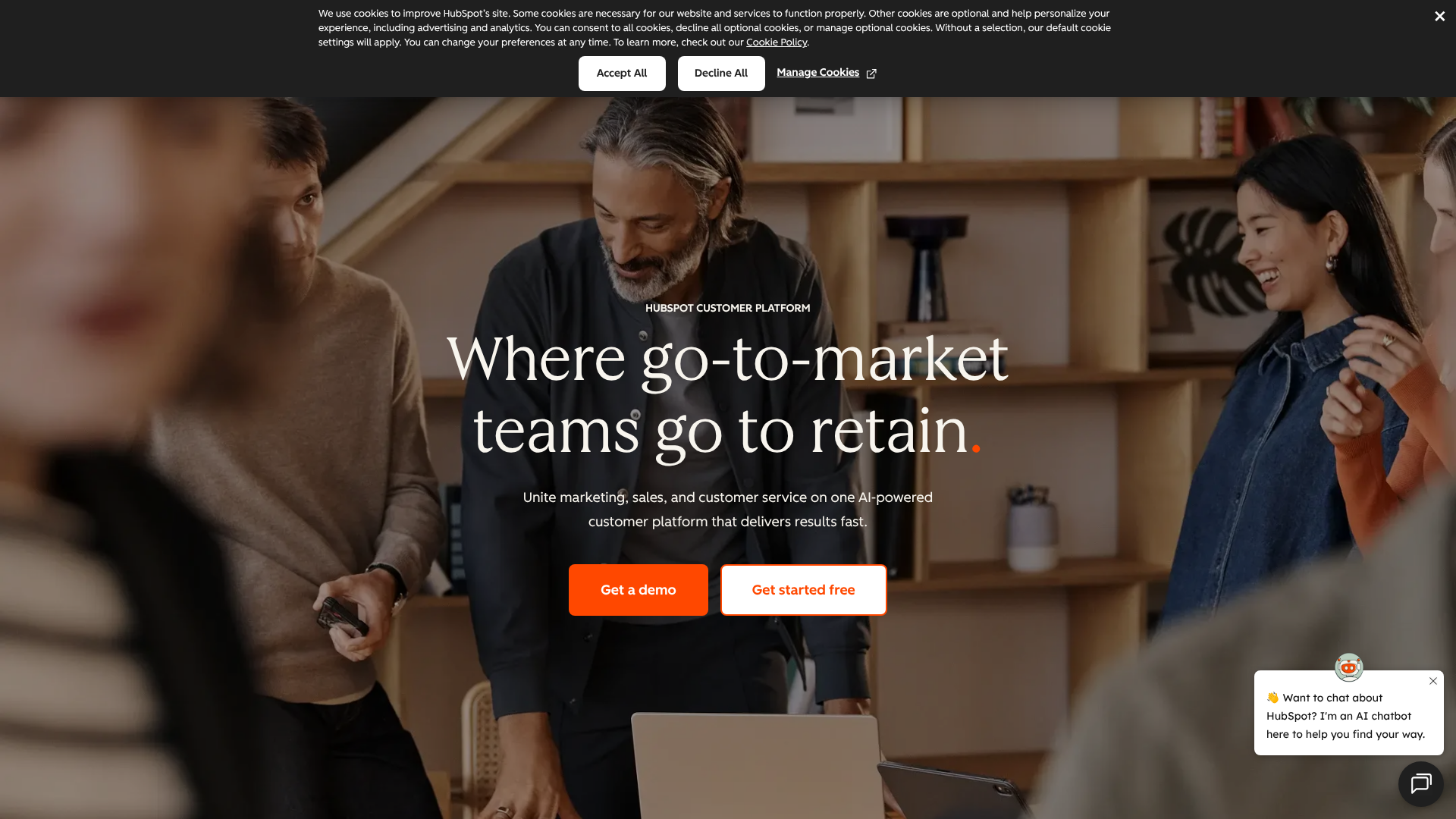
HubSpot has evolved from a marketing automation leader into a comprehensive CRM platform, and its Sales Hub offers some of the best deal management software features available, especially for small to medium-sized businesses (SMBs).
Its core strength lies in its all-in-one nature. The deal pipeline is clean, intuitive, and deeply integrated with the marketing and service hubs. This provides a complete 360-degree view of every contact, showing their marketing interactions long before they became a sales opportunity. The free CRM is incredibly generous, making it the perfect entry point for businesses looking to move away from spreadsheets without an initial investment.
Pros
- Excellent Free Version: The free CRM includes deal pipelines, contact management, and email tracking, offering immense value.
- All-in-One Platform: Seamlessly integrates sales, marketing, and customer service data for a unified customer view.
- User-Friendly Interface: Known for its clean design and ease of use, which helps with team adoption.
Cons
- Can Get Expensive: While the free tier is great, costs can escalate quickly as you move up to the professional and enterprise tiers.
- Less Customisable than Competitors: May not offer the deep customisation required by businesses with highly complex sales processes.
Best for: SMBs and mid-market companies that want a powerful, easy-to-use, all-in-one platform for growth. If you're looking for a system that can handle your entire customer lifecycle, HubSpot CRM is an outstanding choice.
2. Zoho CRM
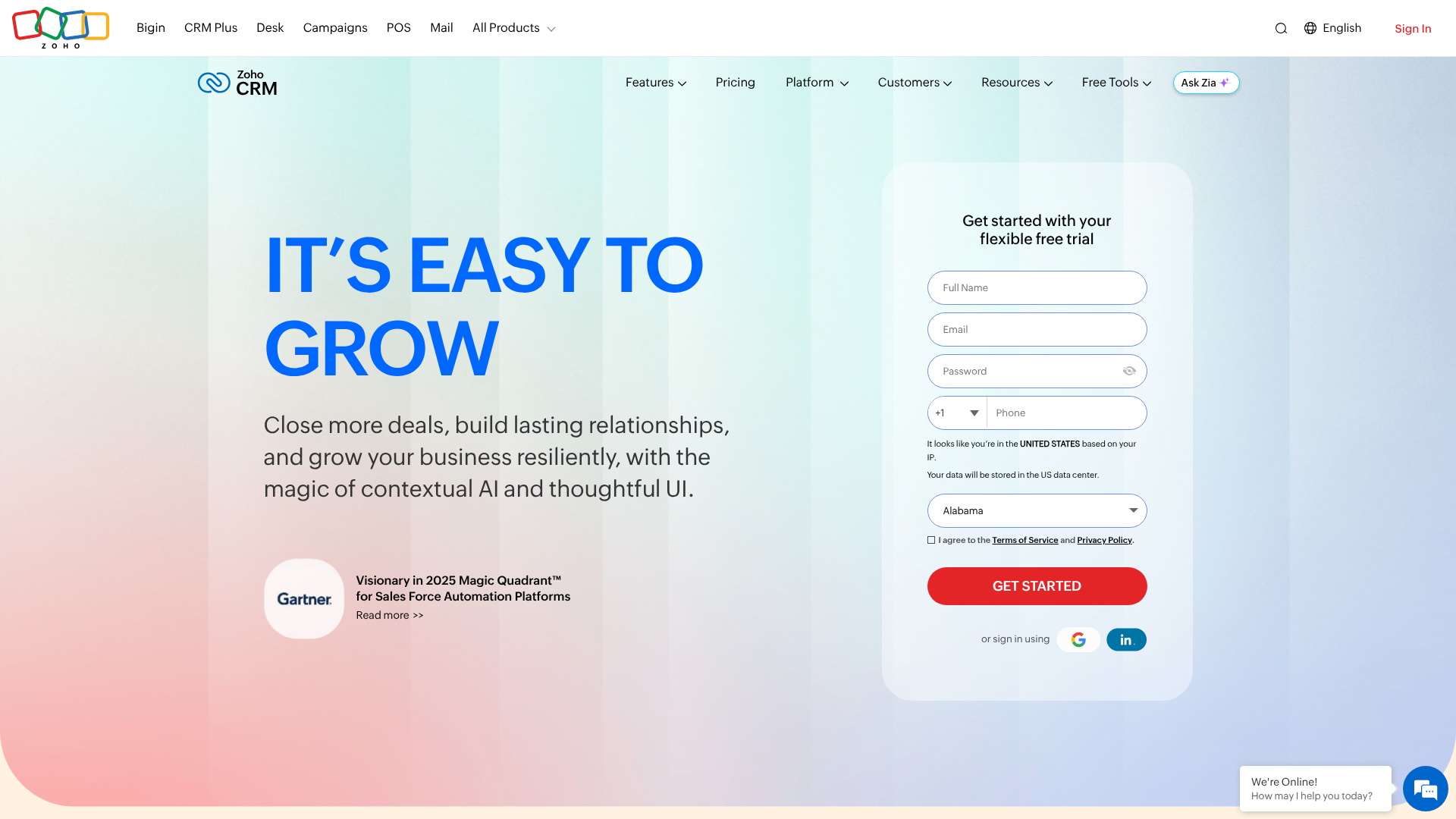
Zoho CRM is a powerhouse in the CRM space, known for its incredible breadth of features and extensive customisation options at a very competitive price point.
Where Zoho truly shines is its ability to be tailored to almost any business process. You can create custom modules, fields, and workflows to perfectly match your unique sales cycle. It's part of the wider Zoho ecosystem, which includes over 40 different business applications, offering unparalleled integration potential if you commit to their suite. Its AI-powered assistant, Zia, provides intelligent suggestions, predicts deal outcomes, and helps reps prioritise their activities.
Pros
- Highly Customisable: Can be adapted to fit even the most unique and complex sales workflows.
- Great Value for Money: Offers enterprise-grade features at a fraction of the cost of its main competitors.
- Broad Ecosystem: Integrates deeply with a huge suite of other Zoho business apps.
Cons
- Can Be Overwhelming: The sheer number of features and settings can have a steep learning curve for new users.
- Interface Feels Dated to Some: While highly functional, the user interface isn't as modern as some newer platforms.
Best for: Businesses of all sizes that need a highly customisable and scalable deal management solution without the enterprise price tag. If you need a platform that can adapt and grow with you, Zoho CRM is a top contender.
3. Outreach
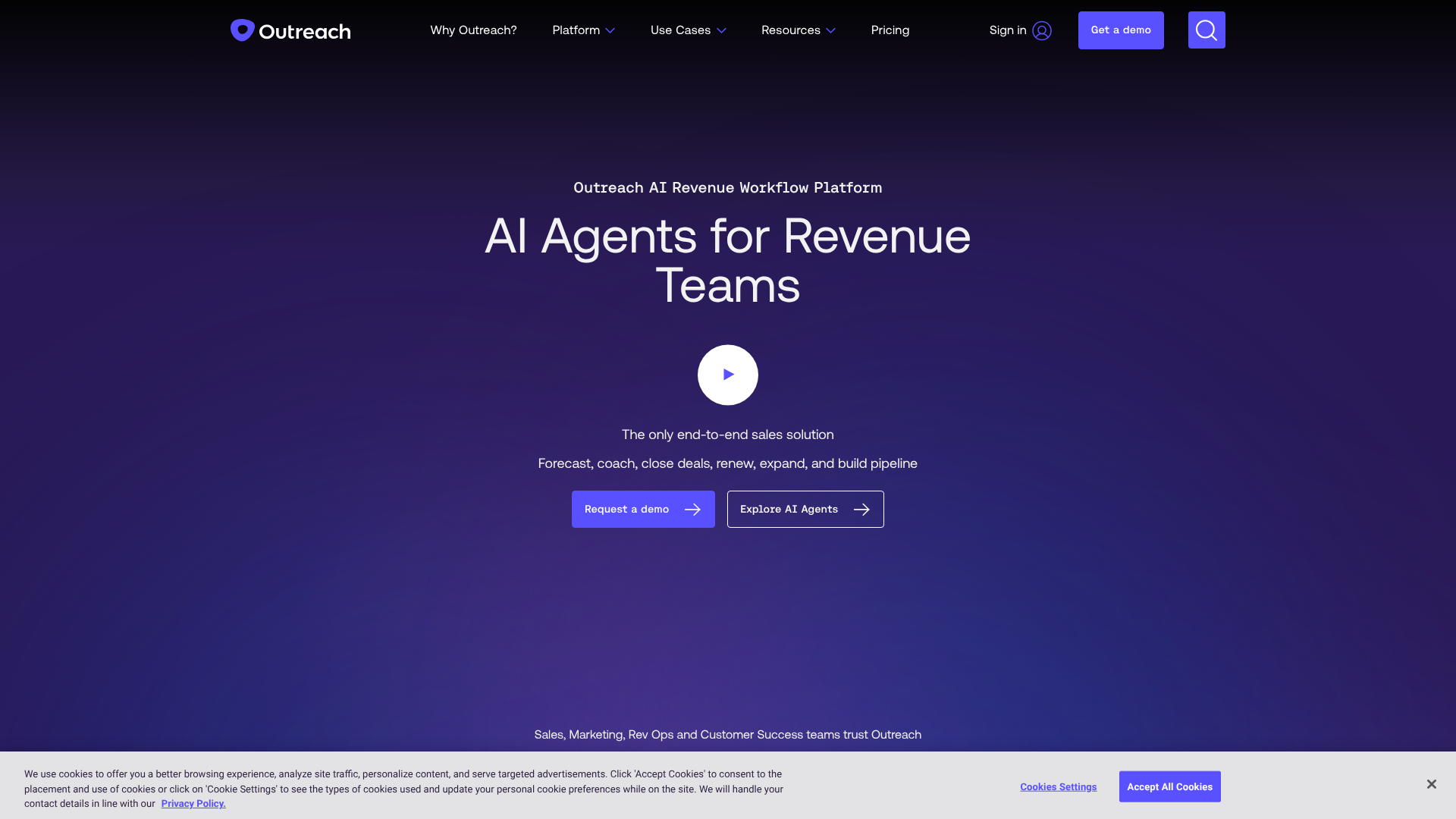
Outreach is more than just a CRM; it's a dedicated sales engagement and intelligence platform designed to help sales teams execute their strategy and close deals with greater efficiency.
It focuses on the execution aspect of sales. Outreach helps teams build and automate multi-channel communication sequences (email, phone, social media) to ensure consistent follow-up. Its standout feature is its AI, which analyses vast amounts of sales data to provide insights into what's working. It can guide reps on the best next steps, identify deals at risk, and provide managers with data-backed coaching opportunities.
It's built for high-velocity, modern sales teams.
Pros
- Powerful Sales Engagement: Excels at automating and optimising outreach sequences across multiple channels.
- Actionable AI Insights: Provides concrete guidance to reps and managers to improve performance.
- Deep Integration with CRMs: Works on top of platforms like Salesforce to enhance their functionality.
Cons
- Niche Focus: It's not a standalone CRM and is best used to augment an existing system.
- Enterprise Pricing: It's a premium tool aimed at larger, more mature sales organisations.
Best for: Mid-market and enterprise sales teams that need to optimise their sales execution and use AI to drive efficiency and predictability. For teams focused on high-volume engagement, Outreach is a market leader.
4. Pipedrive
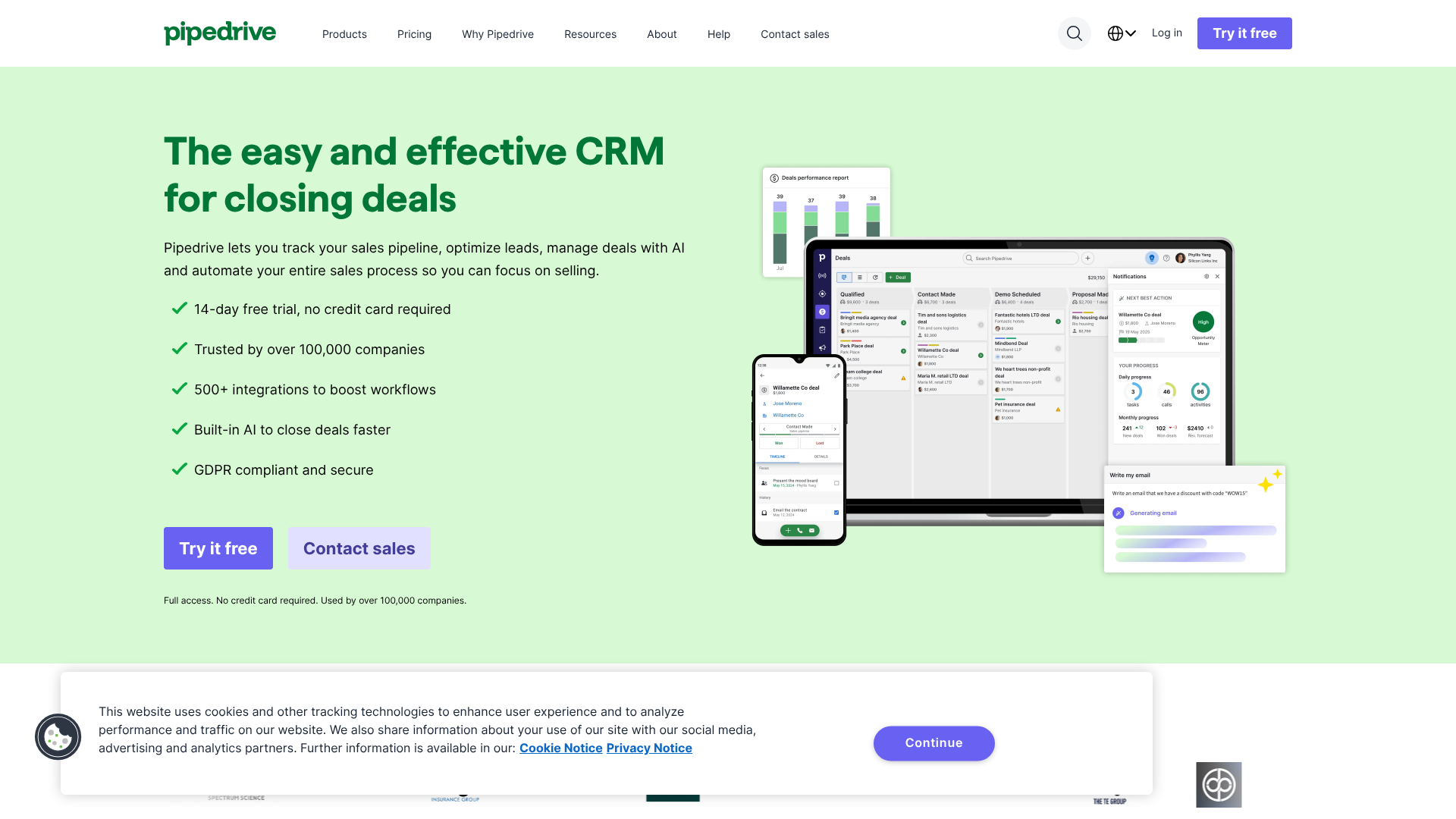
Pipedrive was one of the first platforms to popularise the visual sales pipeline, and it remains one of the best for teams that want a simple, intuitive, and sales-focused tool.
The entire platform is built around the concept of activity-based selling. It prompts reps to schedule their next activity for every deal, ensuring that no opportunity is ever neglected. Its interface is famously clean and easy to navigate, making it a favourite among sales teams who find other CRMs to be bloated and overly complex. While it has added more features over the years, its core focus remains on helping salespeople manage their pipeline effectively.
Pros
- Exceptional User Experience: Incredibly intuitive and easy to learn, leading to high user adoption.
- Activity-Based Selling Focus: Keeps reps focused on the actions that move deals forward.
- Good Mobile App: Allows reps to manage their pipeline effectively on the go.
Cons
- Limited Marketing Features: Lacks the built-in marketing automation capabilities of all-in-one platforms.
- Reporting Can Be Basic: While functional, its reporting isn't as deep as more enterprise-focused tools.
Best for: Small and medium-sized businesses that want a straightforward, sales-first tool that their team will actually enjoy using.
5. Salesforce Sales Cloud
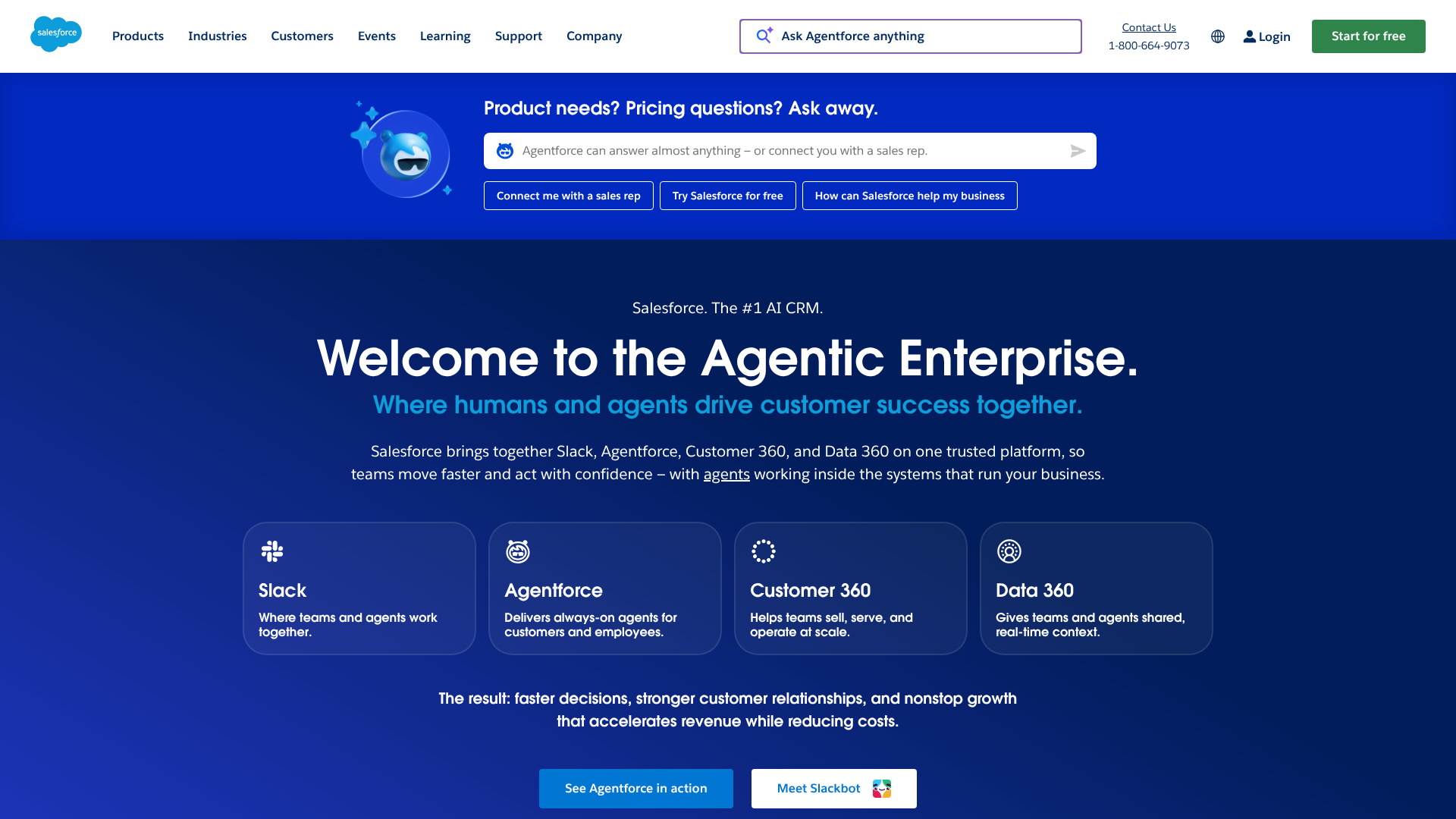
Salesforce is the undisputed giant of the CRM world, and its Sales Cloud platform is the gold standard for enterprise deal management.
Its power lies in its near-infinite customisability and scalability. It can be configured to handle the most complex, multi-layered sales processes imaginable. The Salesforce AppExchange offers thousands of third-party integrations, meaning it can connect to virtually any other business system. Its Einstein AI provides sophisticated forecasting, lead scoring, and opportunity insights, making it a formidable tool for large, data-driven organisations.
Pros
- Infinitely Scalable: Can support businesses from startups to the largest global enterprises.
- Massive Ecosystem: The AppExchange provides integrations for almost any conceivable need.
- Powerful AI and Analytics: Offers some of the most advanced reporting and forecasting capabilities on the market.
Cons
- Very Expensive: The licensing costs, implementation fees, and need for specialised administrators make it a significant investment.
- Complex and Steep Learning Curve: Requires extensive training and often a dedicated admin to manage effectively.
Best for: Large enterprises with complex sales processes, large teams, and the budget and resources to implement and manage a highly sophisticated system.
Comparing Top Deal Management Tools: A Side-by-Side Look
To help you visualise the differences between these leading platforms, here's a quick comparison of their key attributes.
| Feature | HubSpot CRM | Zoho CRM | Outreach | Pipedrive | Salesforce Sales Cloud |
|---|---|---|---|---|---|
| Best For | All-in-one growth platform (SMBs) | Deep customisation & value | Sales engagement & AI (Enterprise) | Simplicity & usability (SMBs) | Complex processes (Enterprise) |
| Key Strength | Ease of use & free CRM | Customisability | AI-driven sales execution | Visual pipeline | Scalability & ecosystem |
| Pricing Model | Freemium, with paid tiers | Tiered subscriptions (affordable) | Custom quote (premium) | Tiered subscriptions (mid-range) | Tiered subscriptions (premium) |
| Ease of Use | Very High | Medium | Medium | Very High | Low |
Frequently Asked Questions (FAQ)
What is the difference between CRM and deal management software?
While there is significant overlap, the key difference is focus. A Customer Relationship Management (CRM) system is a broad platform for managing all interactions with customers and potential customers. Deal management is a specific function within or alongside a CRM that is laser-focused on tracking and advancing sales opportunities through the pipeline. Many modern CRMs, like HubSpot and Zoho, have excellent built-in deal management modules, but some teams use specialised tools like Outreach to enhance a CRM's capabilities.
How does deal management software improve sales forecasting?
It improves forecasting by replacing guesswork with data. The software tracks the value of each deal, its current stage in the pipeline, and the historical probability of deals closing from that stage. By aggregating this data across the entire pipeline, it can generate a weighted forecast that is far more accurate than a simple sum of all open deals. Advanced tools also use AI to analyse deal engagement and other signals to further refine these predictions.
Can I use deal management software for industries other than sales?
Absolutely. The principles of managing a multi-stage process apply to many fields. For example, M&A (Mergers and Acquisitions) firms use it to track potential acquisition targets through due diligence. Venture capital firms use it to manage their investment pipeline.
Real estate developers use it to track property development projects. Any process that has distinct stages and requires tracking of communication and documents can benefit from this type of software.
How much does deal management software typically cost?
The cost varies dramatically. Some platforms like HubSpot offer a free-forever plan with basic deal management features. Paid plans for most SMB-focused tools typically start around £15-£40 per user per month. More advanced or enterprise-grade platforms like Salesforce and Outreach can cost upwards of £120 per user per month, often with additional implementation and support fees.
It's crucial to consider the total cost of ownership, not just the monthly subscription fee.
Final Thoughts: Choosing Your Deal Management Solution
Choosing the best deal management software for your team is a strategic decision that can pay dividends in efficiency, revenue, and team morale. The key is to move beyond the feature lists and focus on what your business truly needs. Start by understanding your own sales process, identifying your biggest challenges, and defining your goals.
For most small and growing businesses, an all-in-one platform that combines ease of use with powerful features is the ideal starting point. It provides a solid foundation that can scale with you. For larger or more complex organisations, the ability to customise workflows and integrate deeply with other systems becomes paramount.
If you're looking for a powerful, user-friendly platform that can manage your entire customer lifecycle, we highly recommend exploring HubSpot CRM. For businesses that require deep customisation and a feature-rich environment at an unbeatable value, Zoho CRM offers incredible flexibility. Take advantage of the free trials, involve your team in the decision, and choose the tool that will empower them to close more deals, faster.