



Sales Enablement vs Sales Engagement: Which to Prioritise for Your Sales Team?
In the world of sales, the terms 'enablement' and 'engagement' are often used interchangeably, leading to confusion about where to invest time and resources. Understanding the debate around sales enablement vs sales engagement is crucial because while they work together, they solve different problems. One prepares your team for the race; the other helps them run it faster and more efficiently.
- In a Nutshell
- Sales Enablement vs Sales Engagement: The Fundamental Difference
- A Side-by-Side Comparison: Enablement and Engagement in Sales
- Key Features and Benefits: What Each Discipline Delivers
- Core Features of Sales Enablement Platforms
- Core Features of Sales Engagement Platforms
- The Overarching Benefits
- Pros and Cons: A Balanced View of Sales Engagement vs Enablement
- The Upside and Downside of Focusing on Sales Enablement First
- The Upside and Downside of Focusing on Sales Engagement First
- Choosing Your Focus: Do You Need Enablement or Engagement?
- Scenarios Where Sales Enablement is Your Priority
- Scenarios Where Sales Engagement is Your Priority
- The Power of Both: Achieving Sales Synergy
- Top Tools for Enablement and Engagement in 2026
- Understanding the Investment: Pricing and Cost Comparison
- Frequently Asked Questions (FAQ)
- Can a CRM be both an enablement and engagement tool?
- Which should a startup prioritise: sales enablement or sales engagement?
- How do you measure the success of sales enablement?
- Are sales engagement and marketing automation the same?
- Final Thoughts: Building a Cohesive Sales Machine
Sales enablement is the strategic, behind-the-scenes process of equipping your team with the right content, training, and tools to have valuable conversations with buyers. In contrast, sales engagement is the tactical, front-line activity of interacting with those buyers through emails, calls, and social media. Getting this distinction right is the first step toward building a high-performing sales organisation that not only works hard but also works smart.
This guide will break down the core differences, explore the key features and benefits of each, and provide a clear framework for deciding which approach your team needs most right now. We'll look at the tools that power each discipline and how they can ultimately be combined to create an unstoppable sales machine.
In a Nutshell
- Enablement is Preparation: Sales enablement focuses on the strategic preparation of your sales team. It involves providing the training, content, and tools they need before they ever speak to a prospect.
- Engagement is Execution: Sales engagement is about the tactical execution of sales activities. It covers the direct interactions between a salesperson and a potential customer, aiming to make them more efficient and effective.
- Different Goals, Same Mission: Enablement aims to improve seller effectiveness and knowledge, while engagement aims to increase seller productivity and interaction volume. Both serve the ultimate mission of driving revenue.
- Not a Competition, but a Partnership: The most successful sales teams don't choose one over the other. They use powerful enablement strategies to fuel high-quality engagement activities.
- Your Bottleneck Decides Your Priority: The right choice depends on your team's biggest challenge. Are reps unprepared and inconsistent (an enablement problem)? Or are they prepared but slow and disorganised in their outreach (an engagement problem)?
Sales Enablement vs Sales Engagement: The Fundamental Difference
At its core, the distinction is simple: one is about preparing the seller, and the other is about the seller's actions. Think of it like a professional athlete. Enablement is the coaching, the playbook, the nutritional plan, and the high-tech gear. Engagement is the athlete actually playing the game—running, passing, and scoring.
Both are essential to win, but they address different parts of the performance equation. Let's break down each concept in more detail to clarify their unique roles.
What is Sales Enablement? The Strategic Foundation
Sales enablement is a strategic, ongoing process focused on equipping sales teams to have more effective conversations at every stage of the buyer's journey. It's not a one-time project but a continuous function that ensures sellers have the skills, knowledge, and assets to maximise their success. The goal is to make sellers as valuable to the buyer as possible.
This discipline is built on three core pillars:
- Training and Coaching: This includes everything from new hire onboarding and product knowledge training to advanced sales methodology coaching. It ensures every rep understands what to sell, who to sell to, and how to sell it effectively.
- Content and Assets: This involves creating, managing, and delivering sales content like case studies, white papers, proposal templates, and email scripts. A central content library ensures reps can easily find the right, on-brand asset at the right time.
- Tools and Technology: This pillar focuses on providing the foundational technology stack. The cornerstone is often a Customer Relationship Management (CRM) system like HubSpot CRM, which acts as the single source of truth for all customer data. It also includes tools for document management and e-signatures, such as eSignly.
Essentially, sales enablement works on the sales process to make it better, ensuring every rep is a trusted advisor, not just a product pitcher.
What is Sales Engagement? The Tactical Execution
Sales engagement is the technology layer that sits on top of enablement, focusing on the interactions between sellers and buyers. It's about streamlining and optimising the high volume of activities required in modern sales, such as sending emails, making calls, and connecting on social media. The primary goal is to increase the quantity and quality of customer interactions, ensuring no lead falls through the cracks.
Sales engagement platforms (SEPs) are designed to make sellers more productive. They do this by automating manual tasks and providing data on what's working. Key functions include:
- Outreach Automation: Building multi-step, multi-channel sequences (or cadences) that combine emails, calls, and social touches. This ensures persistent and consistent follow-up with every prospect.
- Communication and Workflow Streamlining: Allowing reps to execute their tasks from a single interface, often directly within their CRM or email client. This reduces time spent switching between different applications.
- Analytics and Insights: Tracking every interaction—email opens, link clicks, replies, and call connections. This data helps sales leaders understand which sequences, templates, and messages are most effective, allowing for continuous process improvement.
Platforms like Outreach and Reply.io are prime examples of tools built specifically for this purpose. They help reps execute the playbook that the enablement team created, but at scale and with full visibility.
A Side-by-Side Comparison: Enablement and Engagement in Sales
To make the differences even clearer, here’s a direct comparison of the two disciplines across several key areas.
| Aspect | Sales Enablement | Sales Engagement |
|---|---|---|
| Primary Goal | Improve seller effectiveness and readiness. | Increase seller productivity and interaction volume. |
| Focus | Strategic and foundational (the 'why' and 'how'). | Tactical and executional (the 'what' and 'when'). |
| Timing | Primarily before and between sales interactions. | During active sales interactions with prospects. |
| Key Activities | Training, coaching, content creation, process design. | Emailing, calling, social selling, scheduling meetings. |
| Target User | The entire sales organisation, including reps and leaders. | Primarily front-line sales reps (SDRs, BDRs, AEs). |
| Key Metrics | Win rates, sales cycle length, new hire ramp time, content usage. | Open rates, reply rates, meetings booked, activities per rep. |
| Example Tools | CRM (Zoho CRM), Content Management (PandaDoc), Training Platforms. | SEP (Apollo.io), Sales Dialer, Email Automation (Instantly.ai). |
Key Features and Benefits: What Each Discipline Delivers
Understanding the core features of the platforms that power these disciplines helps clarify their distinct value propositions. While some modern platforms are starting to blend features, the primary focus of each category remains different.
Core Features of Sales Enablement Platforms
Enablement technology is designed to be the backbone of the sales organisation, providing a centralised hub for knowledge and resources.
- Content Management & Analytics: This is more than just a folder on a shared drive. Enablement platforms provide a single, searchable repository for all sales collateral. Crucially, they track which content is being used by reps and, more importantly, which content is actually viewed by prospects and influences deals. This helps marketing and sales leaders understand what assets are truly valuable.
- Sales Training & Coaching: Modern enablement tools often include modules for learning and development. This can range from structured onboarding programmes for new hires to AI-powered conversation intelligence that records, transcribes, and analyses sales calls to identify coaching opportunities.
- Playbook Automation: These features guide reps through the sales process in real-time. Based on the deal stage, industry, or buyer persona stored in the CRM, the platform can recommend the next best action, suggest relevant content to share, or provide key talking points.
Core Features of Sales Engagement Platforms
Engagement technology is all about action. These platforms are built for speed, efficiency, and visibility into the day-to-day activities of sales reps.
- Multi-channel Sequencing: This is the heart of most SEPs. Reps can build automated outreach sequences that include a mix of emails, phone calls, LinkedIn connection requests, and other tasks. The system automatically progresses prospects through the sequence and creates tasks for manual actions like phone calls.
- Communication Automation & Tracking: SEPs provide powerful email features like templates with personalisation, A/B testing for subject lines, and deep tracking of opens, clicks, and replies. This data is logged automatically back to the CRM, saving reps hours of administrative work.
- Sales Dialer & Call Analytics: Many platforms, such as Reply.io, include an integrated VoIP dialer that allows reps to click-to-call directly from their task list. These calls can be recorded, logged, and analysed to track talk time, connection rates, and other important call metrics.
- Meeting Schedulers: To reduce the back-and-forth of booking a demo, SEPs integrate with calendar tools or have their own built-in schedulers, like SimplyBook.me, allowing prospects to book a time with a single click.
The Overarching Benefits
Ultimately, both disciplines aim to increase revenue, but they achieve it in different ways. Investing in sales enablement leads to a more competent and confident sales team, resulting in higher-quality conversations, shorter sales cycles, and improved win rates. The messaging is consistent, and reps are seen as trusted advisors.
Investing in sales engagement leads to a more productive and efficient sales team. It ensures every lead is worked thoroughly, reps can handle a larger volume of prospects, and managers have clear visibility into team activity and performance.
Pros and Cons: A Balanced View of Sales Engagement vs Enablement
Deciding where to invest first requires understanding the trade-offs. Neither approach is a silver bullet, and focusing exclusively on one while neglecting the other can create new problems.
The Upside and Downside of Focusing on Sales Enablement First
Starting with enablement means building your house on a solid foundation. You're defining your processes, crafting your message, and training your people before you try to scale your outreach.
Pros:
- Builds a Scalable Foundation: A well-defined sales process and consistent messaging are critical for sustainable growth. Enablement gets this right from the start.
- Ensures Quality and Consistency: Every rep is equipped with the same high-quality training and content, leading to a better and more consistent buyer experience.
- Improves Long-Term Effectiveness: By focusing on skills and knowledge, you create better salespeople, which pays dividends for years to come.
Cons:
- Slower Time to Value: Creating comprehensive training programmes and a full content library takes time. The return on investment isn't always immediate.
- Can Be Resource-Intensive: It requires significant input from marketing, product, and sales leadership to build effective enablement resources.
- Risk of 'Perfect' Being the Enemy of 'Good': Teams can get stuck in a cycle of content creation and training without ever getting to the execution phase.
The Upside and Downside of Focusing on Sales Engagement First
Jumping straight to engagement tools is tempting because the results are often fast and visible. You're giving your reps a powerful engine to boost their activity levels immediately.
Pros:
- Delivers Quick Productivity Gains: Reps can immediately handle more leads and send more emails, leading to a rapid increase in activity metrics.
- Immediate Impact on Pipeline: More outreach often translates directly to more conversations and more meetings booked in the short term.
- Easy to Measure ROI: It's simple to track the increase in activities, response rates, and meetings booked after implementing an SEP.
Cons:
- Scaling Bad Habits: If your messaging is weak or your process is flawed, an engagement tool just helps you do the wrong things faster and at a greater scale.
- Focus on Quantity Over Quality: Reps might become obsessed with activity metrics (e.g., number of emails sent) instead of focusing on the quality of their interactions.
- Can Feel Robotic to Prospects: Without proper personalisation and strategy (which comes from enablement), automated outreach can come across as spammy and damage your brand's reputation.
Pro Tip: A common mistake is buying a powerful sales engagement tool like Outreach or Apollo.io without first establishing a basic sales playbook. This leads to reps sending thousands of ineffective, generic emails and burning through your target market.
Choosing Your Focus: Do You Need Enablement or Engagement?

The best way to decide is to diagnose your team's primary bottleneck. Is the problem with the engine (enablement) or the fuel injection system (engagement)? Use the following scenarios as a guide.
Scenarios Where Sales Enablement is Your Priority
You likely have an enablement problem if you're experiencing these symptoms:
- Long Ramp-Up Times: It takes new sales hires six months or more to become fully productive.
- Inconsistent Messaging: If you listen to five different sales calls, you hear five different value propositions and product descriptions.
- Reps Can't Find Content: Salespeople complain they "can't find" the right case study or presentation, so they create their own rogue, off-brand materials.
- Low Win Rates: Your team is getting plenty of meetings and creating opportunities, but they struggle to get deals across the finish line.
- High Discounting: Reps resort to heavy discounts to close deals because they aren't confident in communicating value.
If this sounds familiar, your priority should be to invest in building out your sales playbook, creating a centralised content library, and implementing regular coaching sessions. A solid CRM and a document management tool like Better Proposals are great starting points.
Scenarios Where Sales Engagement is Your Priority
You likely have an engagement problem if these issues are common:
- Low Rep Productivity: Salespeople spend more time on administrative tasks (logging data, sending one-off emails) than on actually selling.
- Inconsistent Follow-Up: Leads and prospects fall through the cracks because there's no systematic process for follow-up.
- Low Response Rates: Your team is sending emails but has no visibility into who is opening them, clicking them, or replying.
- Long Response Times: It takes hours or even days for reps to respond to inbound inquiries because their workflow is inefficient.
- Lack of Visibility: As a manager, you have no clear idea of your team's daily activity levels or which outreach strategies are working.
In this case, implementing a sales engagement platform is the logical next step. It will automate manual work, enforce a consistent follow-up process, and give you the data you need to optimise your outreach.
The Power of Both: Achieving Sales Synergy
Ultimately, the debate over sales engagement vs enablement is a false choice. You need both. The most advanced sales organisations view them as two halves of a whole. Enablement creates the strategy, and engagement executes it.
Imagine this workflow: The enablement team uses data to determine that a specific case study is highly effective at the mid-funnel stage. They create an email template featuring this case study. This template and case study are then loaded into the sales engagement platform. Now, every rep can add this proven, high-impact touchpoint to their outreach sequences with a single click, ensuring the best content is delivered to the right person at the right time, every time.
Top Tools for Enablement and Engagement in 2026
Choosing the right technology is key to implementing either strategy successfully. Here are some of the leading platforms in each category.
Leading Sales Enablement Software
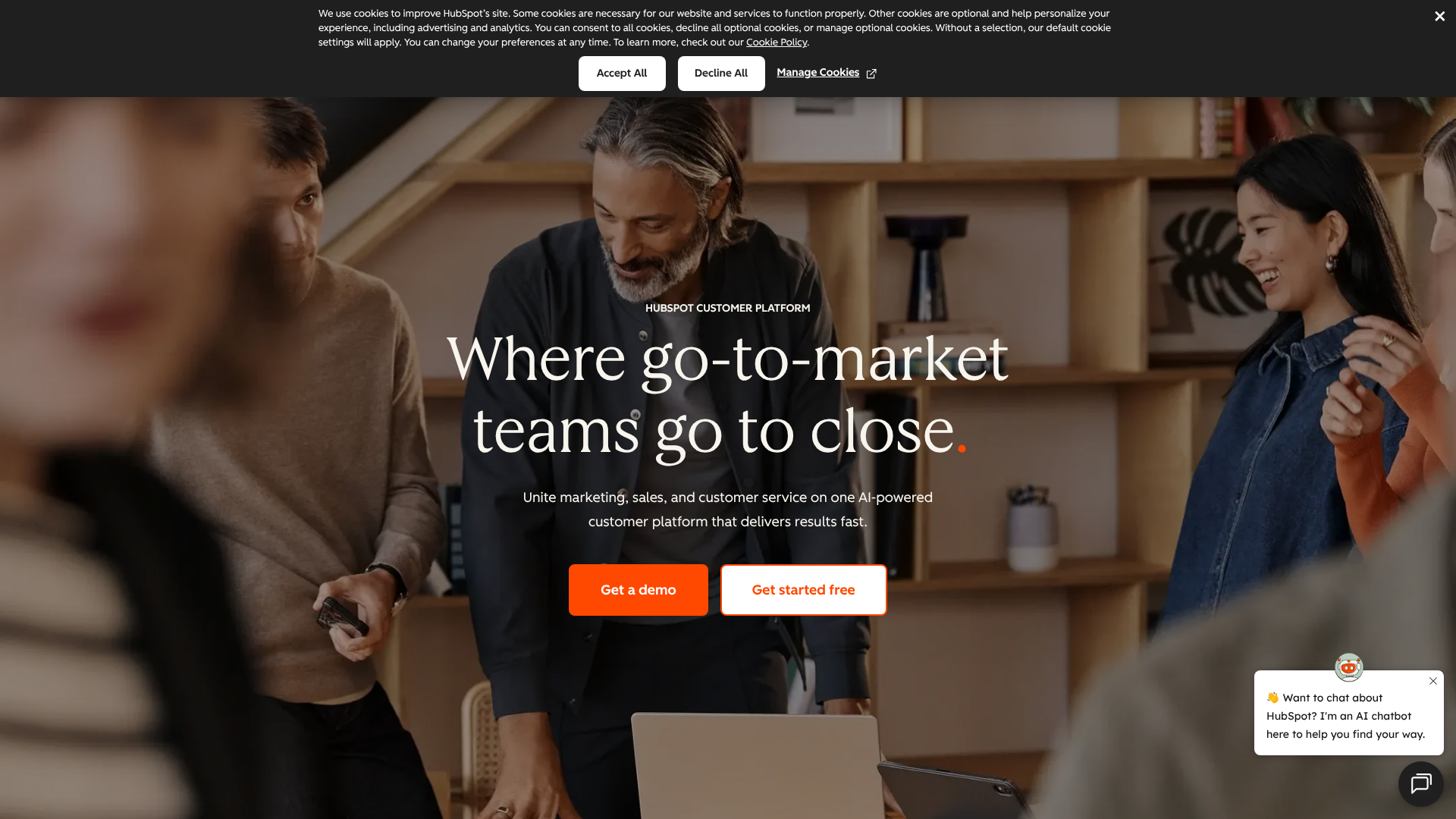
- HubSpot CRM (and Sales Hub): HubSpot offers a powerful all-in-one solution. Its free CRM provides a foundational database, while the paid Sales Hub adds enablement features like content libraries (playbooks), document tracking, and call recording. It's an excellent choice for businesses that want a single, integrated platform for marketing, sales, and service.
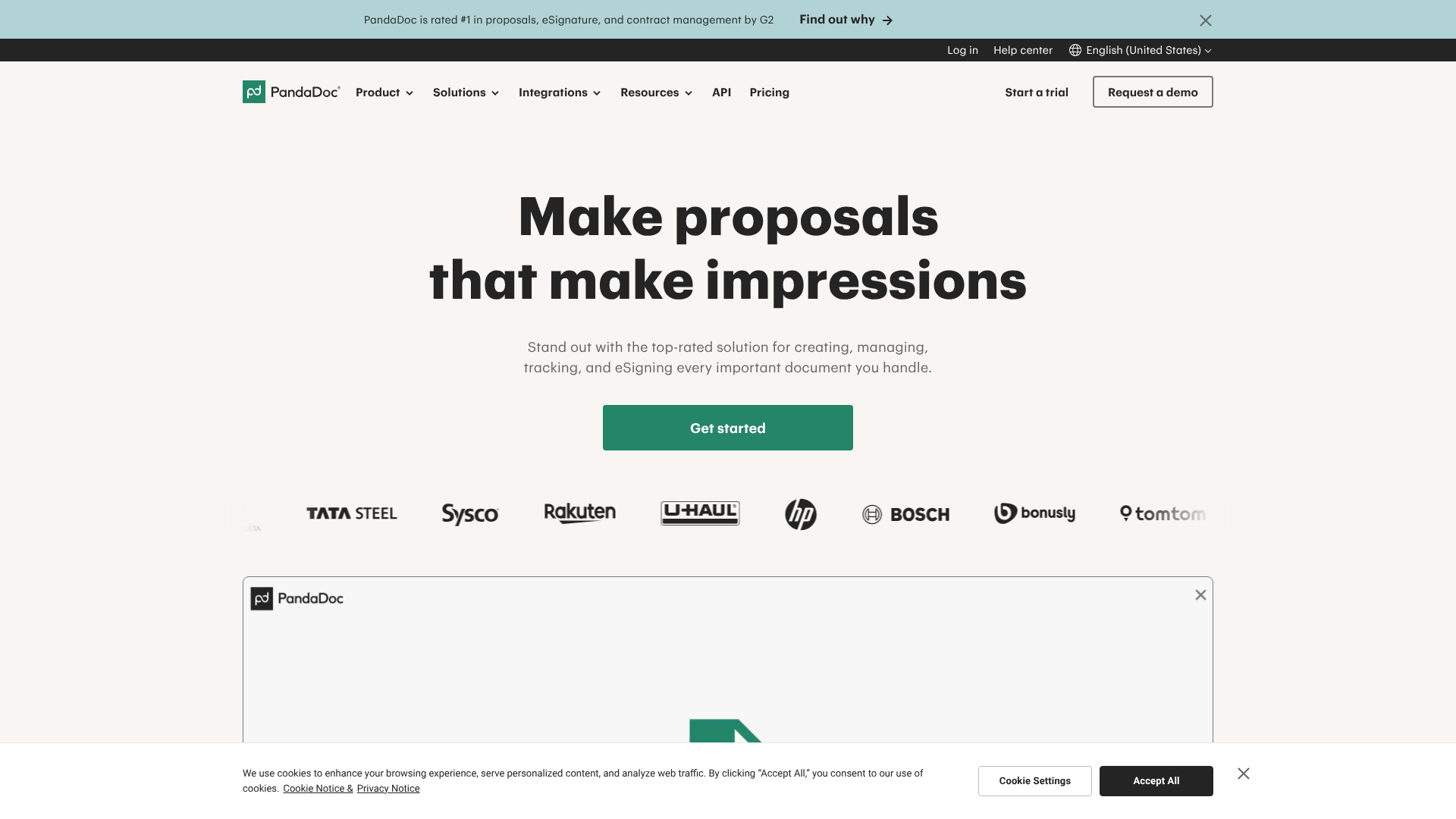
- PandaDoc: This tool specialises in the content and document side of enablement. It allows teams to create, send, and track proposals, quotes, and contracts. Its analytics show you exactly how prospects interact with your documents, providing valuable insights to guide follow-up conversations.
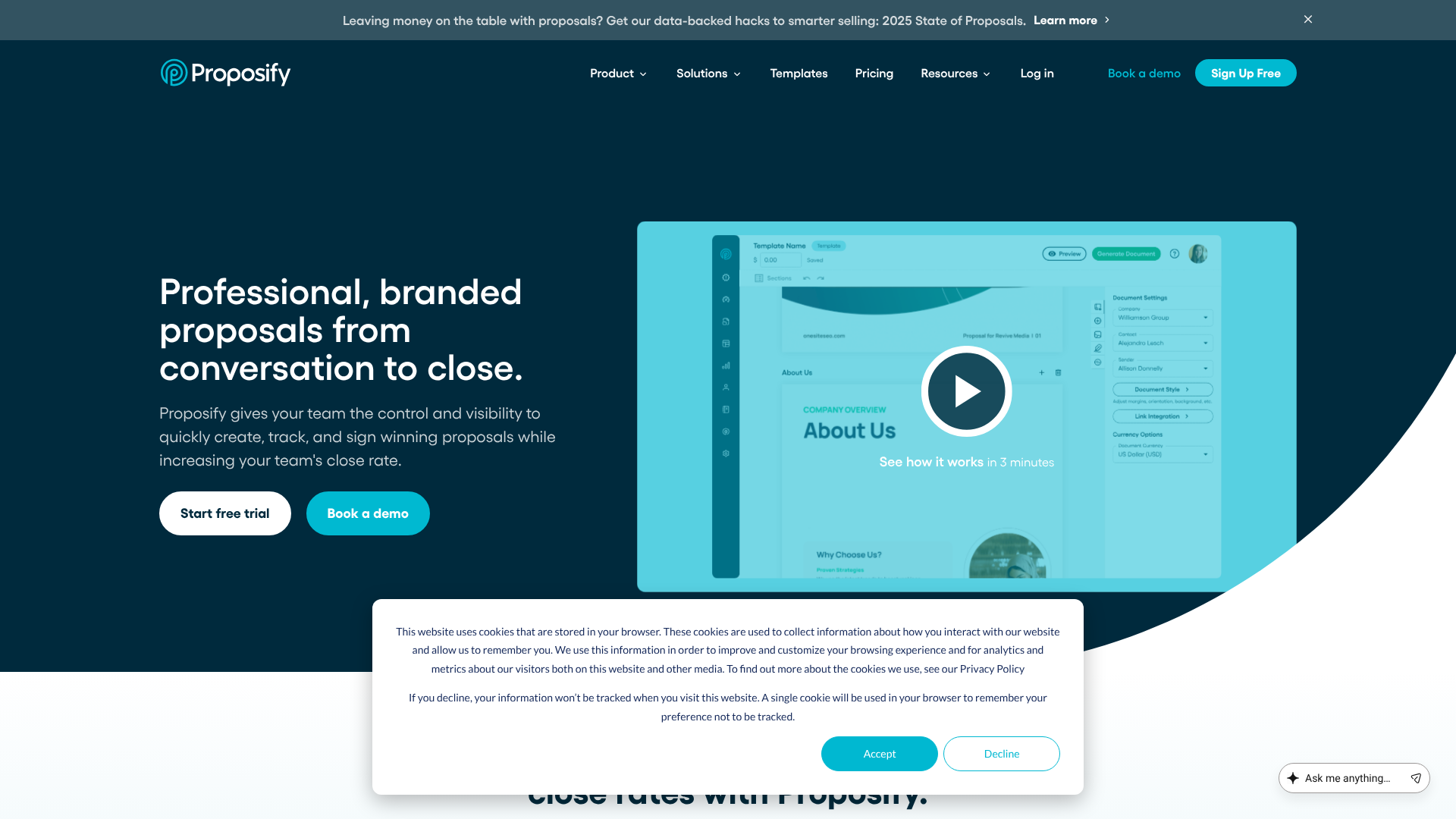
- Proposify: Similar to PandaDoc, Proposify focuses on streamlining the creation of sales documents. It offers a rich library of templates and content blocks, ensuring that every proposal sent is professional, on-brand, and error-free. It's particularly strong for teams that produce a high volume of complex proposals.
Leading Sales Engagement Platforms
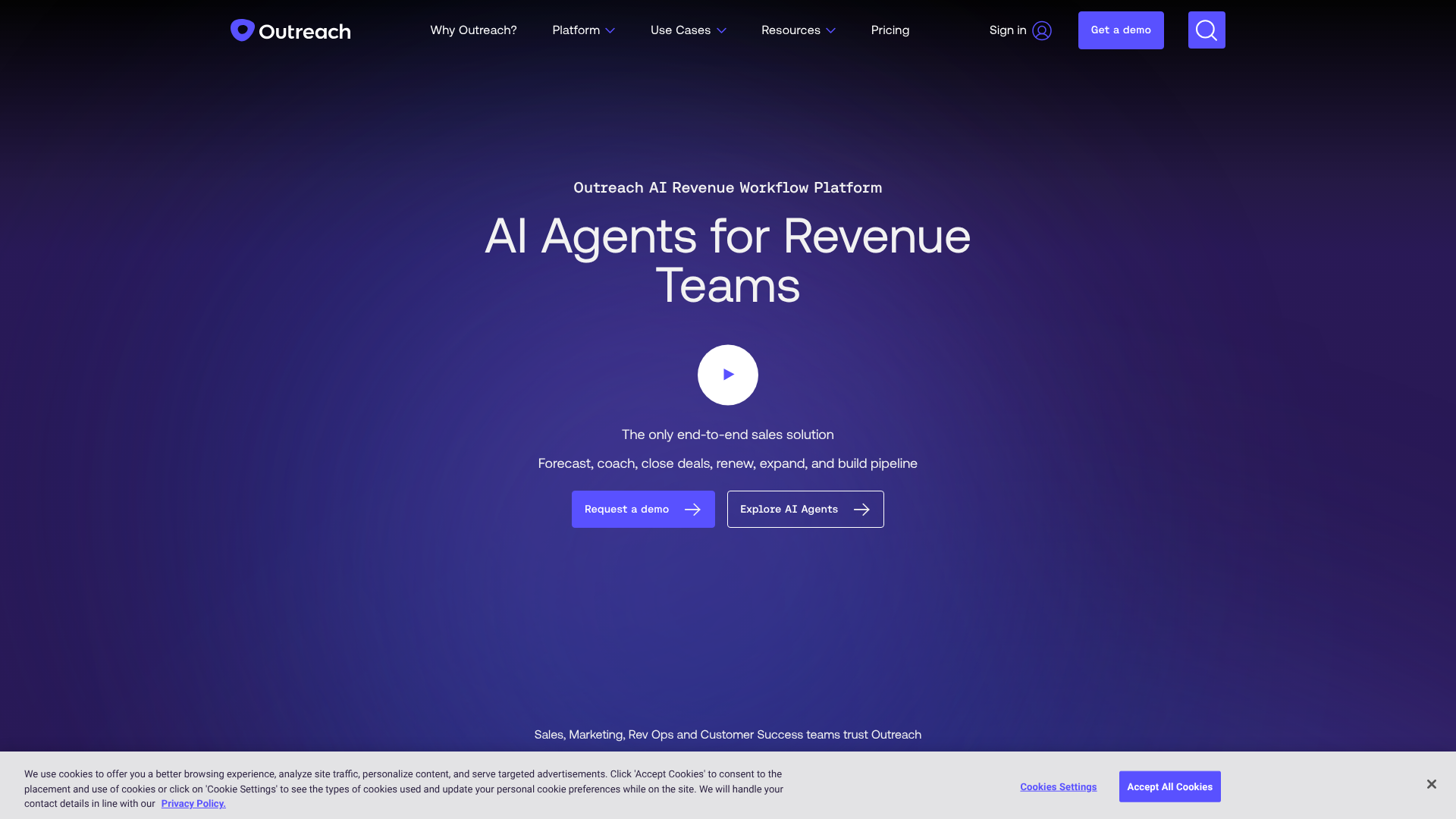
- Outreach: Often considered the enterprise market leader, Outreach provides a comprehensive suite of tools for managing multi-channel outreach. It's known for its deep analytics, AI-powered insights, and robust integrations, making it a top choice for large, data-driven sales teams.

- Reply.io: A versatile and powerful platform that's popular with small businesses and mid-market companies. Reply.io excels at multi-channel sequencing and includes an AI email writer, a B2B contact database, and a built-in calendar scheduler, offering tremendous value in one package.
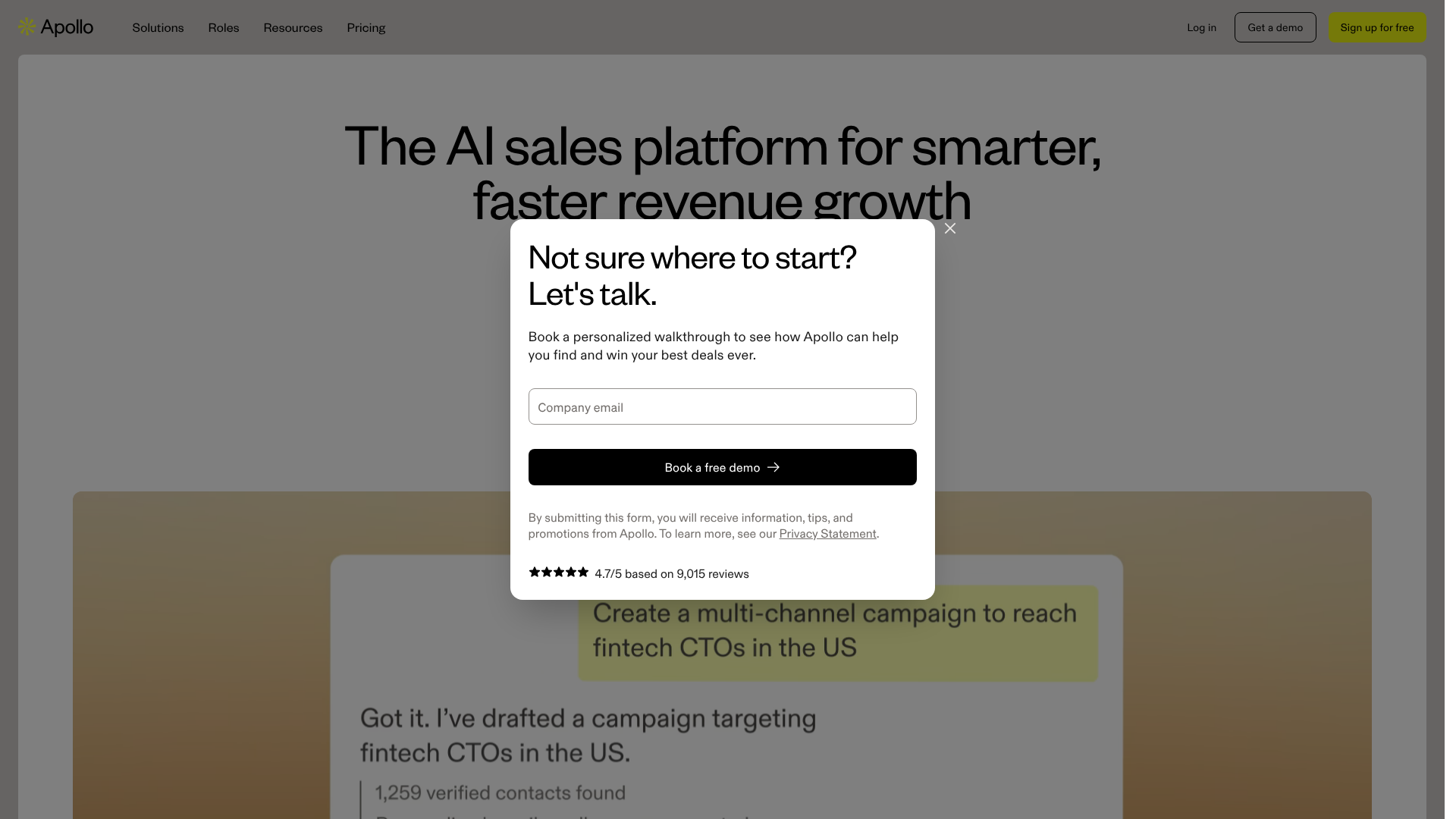
- Apollo.io: Apollo stands out by combining a massive, accurate B2B contact database with a full-featured sales engagement platform. This allows teams to find prospects and engage with them all within a single tool, dramatically streamlining the top-of-funnel workflow.
Understanding the Investment: Pricing and Cost Comparison
Budgeting for these tools requires understanding their typical pricing structures. While prices vary widely, there are some common models.
Enablement and engagement tools are almost always priced on a per-user, per-month basis, typically requiring an annual contract. The final cost is influenced by the number of seats you need, the feature tier you select, and any additional services like premium support or implementation assistance.
- Sales Enablement Tool Pricing: Foundational CRMs like HubSpot and Zoho offer free or low-cost entry points, but their advanced enablement features are found in higher-tier plans, which can range from £40 to £120 per user, per month.
- Sales Engagement Tool Pricing: These platforms generally start around £40-£60 per user per month for basic plans. More advanced platforms with AI features and deeper analytics, like Outreach or top-tier plans of Reply.io, can cost upwards of £100 per user, per month.
When calculating the return on investment (ROI), remember what you're measuring. For enablement, look for improvements in lagging indicators like win rates and sales cycle length. For engagement, look at leading indicators like rep activity levels and meetings booked. For the most accurate and up-to-date information, it's always best to visit the provider's website.
Frequently Asked Questions (FAQ)
Can a CRM be both an enablement and engagement tool?
Yes, increasingly so. Modern CRM platforms like HubSpot CRM are blurring the lines by incorporating features from both categories. HubSpot's Sales Hub includes a content repository and playbooks (enablement) as well as email sequencing and automated task creation (engagement). While they may not have the depth of a specialised, best-in-class SEP, they offer a convenient, all-in-one solution for many businesses.
Which should a startup prioritise: sales enablement or sales engagement?
This depends on the stage and primary bottleneck. A very early-stage startup should first focus on basic enablement: defining its ideal customer profile, crafting a core value proposition, and creating a simple sales deck. This is the foundational playbook. Once that's in place, they can quickly layer on a sales engagement tool to scale their outreach and test their messaging efficiently.
Trying to scale with an engagement tool before the basic enablement is done is a recipe for failure.
How do you measure the success of sales enablement?
Measuring enablement success involves a mix of metrics. Key performance indicators (KPIs) include a reduction in new hire ramp-up time, increased usage of approved sales content, shorter average sales cycle lengths, and, ultimately, higher quota attainment and win rates across the team. It's about tracking the overall effectiveness and efficiency of the sales force over time.
Are sales engagement and marketing automation the same?
No, they are distinct. Marketing automation platforms (like HubSpot's Marketing Hub or Mailchimp) are designed for one-to-many communication, typically at the top of the funnel. They nurture large audiences with broad campaigns. Sales engagement platforms are designed for one-to-one or one-to-few communication, managed directly by a salesperson to engage qualified prospects in a personalised way, typically in the middle and bottom of the funnel.
Final Thoughts: Building a Cohesive Sales Machine
The discussion of sales enablement vs sales engagement shouldn't be about choosing a winner. Instead, it should be about understanding their symbiotic relationship. Enablement provides the intelligence, the strategy, and the quality content. Engagement provides the engine, the workflow, and the scale to deliver that quality to the market efficiently.
Your first step is to perform an honest assessment of your sales team. Where are the biggest leaks in your revenue bucket? If your reps are knowledgeable but slow and disorganised, an investment in a sales engagement platform will yield fast results. If your reps are busy but ineffective, inconsistent, and unable to articulate value, then focusing on a strong sales enablement foundation is non-negotiable.
Ultimately, the goal is to create a seamless system where world-class preparation meets flawless execution. By strategically investing in both enablement and engagement, you empower your sales team not just to meet their targets, but to create exceptional experiences for your buyers. If you're looking to build that strong foundation, exploring a CRM like HubSpot CRM is an excellent first step. For scaling your outreach efficiently, platforms like Reply.io or Apollo.io can dramatically increase your team's capacity.