

Sales Enablement vs Sales Engagement: Which Strategy Drives More Revenue?
In the world of sales, the terms 'sales enablement' and 'sales engagement' are often used interchangeably, causing confusion for even seasoned sales leaders. While they both aim to improve sales performance, understanding the distinction in the sales enablement vs sales engagement debate is critical for building an efficient and effective revenue engine. They represent two different sides of the same coin: one focuses on preparing your team for success, and the other focuses on executing interactions with buyers.
- What to Know
- Defining the Terms: Sales Enablement vs Sales Engagement
- Side-by-Side: A Direct Sales Engagement Comparison
- Key Features and Benefits: Enablement vs Engagement
- The Core Benefits of a Strong Sales Enablement Strategy
- The Tangible Wins from Sales Engagement Platforms
- How to Choose: Do You Need Enablement, Engagement, or Both?
- Scenario 1: Your Team Needs Sales Enablement First
- Scenario 2: Your Team is Ready for Sales Engagement
- The Power Couple: Integrating Enablement and Engagement
- Top Tools for Enablement and Engagement in 2026
- Understanding the Investment: Pricing and Cost Comparison
- Typical Pricing Models for Sales Enablement Software
- Common Pricing Structures for Sales Engagement Platforms
- Pros and Cons: A Balanced View
- The Upsides and Downsides of Focusing on Sales Enablement
- The Advantages and Disadvantages of Adopting Sales Engagement
- Frequently Asked Questions (FAQ)
- Can a CRM be used for both sales enablement and engagement?
- Is sales enablement a role or a strategy?
- How do you measure the success of sales enablement?
- What's the difference between sales engagement and marketing automation?
- Final Thoughts: Building a Cohesive Sales Engine
This guide breaks down the core differences, explores the unique benefits of each approach, and provides a clear framework for deciding which strategy—or combination of strategies—your team needs right now. We'll cover the key features, tools, and costs associated with both disciplines to help you make an informed investment that directly impacts your bottom line.
What to Know
- Sales Enablement is Strategic Preparation: It's the process of equipping your sales team with the resources, training, content, and tools they need to sell more effectively. Think of it as building the race car and training the driver.
- Sales Engagement is Tactical Execution: It involves the actual interactions between sellers and buyers, often managed and optimised through technology. This is the driver actively racing on the track, using the car's systems to win.
- They Aren't Competitors; They're Partners: The most successful sales organisations don't choose one over the other. They use a strong enablement foundation to power intelligent, scalable engagement activities.
- Your Biggest Bottleneck Dictates Your Starting Point: If your reps struggle to find content or articulate value, you need enablement. If they are well-prepared but inefficient in their outreach, you need engagement.
Defining the Terms: Sales Enablement vs Sales Engagement
To truly grasp the concept of enablement vs engagement, it’s essential to define each one clearly. They address different challenges within the sales process, but their goals are ultimately aligned: to help salespeople close more deals, faster.
What is Sales Enablement? The Strategic Foundation
Sales enablement is a strategic, ongoing process focused on empowering your sales team to perform at their best. It’s an internal function that ensures every salesperson has the knowledge, skills, and resources required to have valuable conversations with prospects at each stage of the buyer's journey.
The core pillars of sales enablement include:
- Content: Creating and managing a centralised library of assets like case studies, white papers, proposal templates, and email scripts. This ensures messaging is consistent and reps can quickly find what they need.
- Training: Developing comprehensive onboarding programs for new hires and providing continuous coaching and skill development for the entire team.
- Tools: Implementing and managing the technology stack that supports the sales process, most notably the Customer Relationship Management (CRM) system.
- Analytics: Measuring the performance of content and training initiatives to understand what's working and identify areas for improvement.
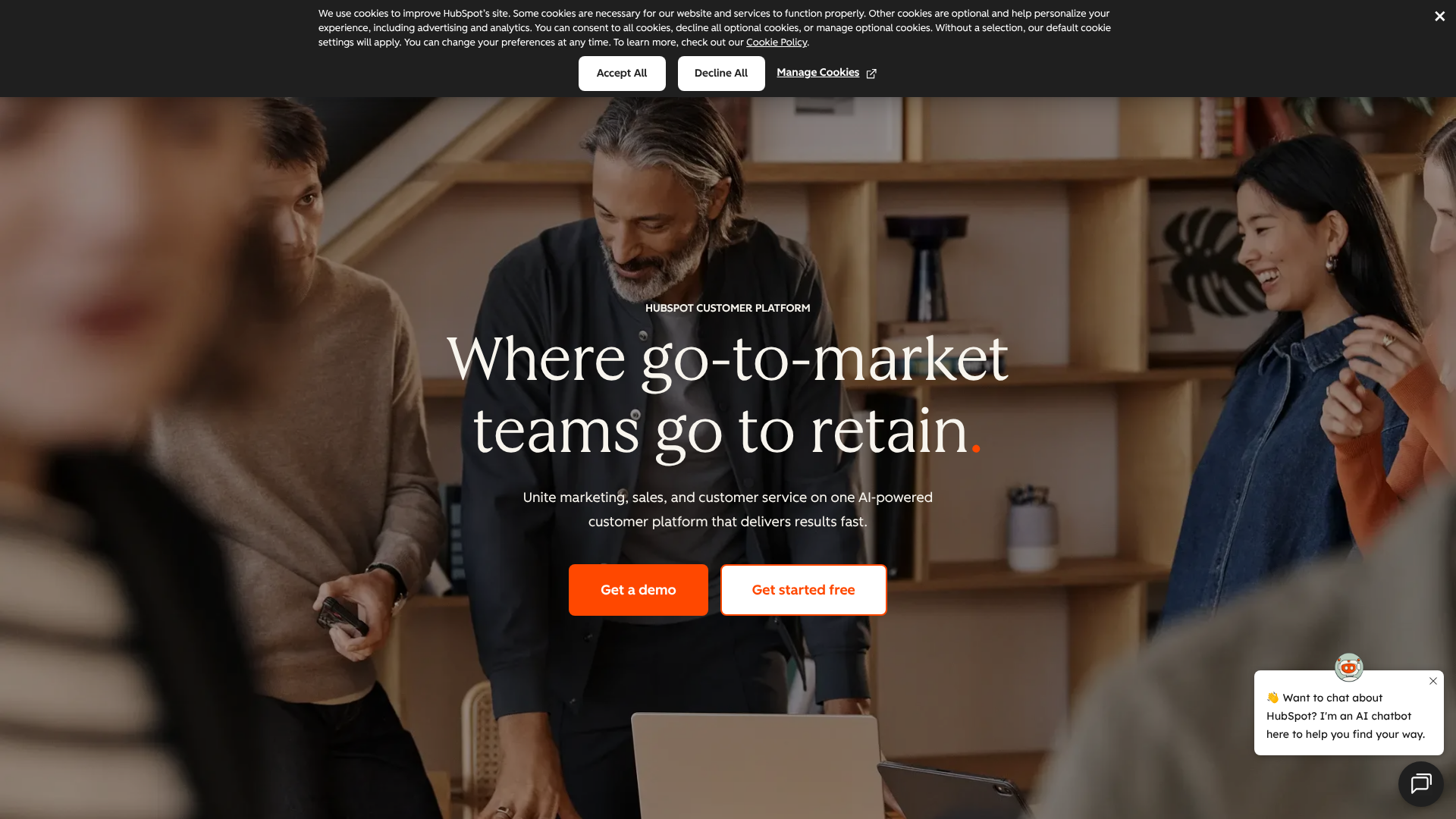
Think of sales enablement as the support structure for your entire sales organisation. A powerful CRM like HubSpot CRM often serves as the central hub for enablement, housing customer data and content in one accessible place.
What is Sales Engagement? The Tactical Execution
Sales engagement refers to the technology and workflows that facilitate, measure, and optimise the interactions between sellers and buyers. While enablement prepares the seller, engagement is about executing the outreach and managing the conversation efficiently and at scale.
Sales Engagement Platforms (SEPs) are the primary tools in this category. Their core pillars are:
- Multi-channel Outreach: Allowing reps to connect with prospects via email, phone calls, social media, and SMS within a single, unified workflow.
- Automation: Using automated sequences or 'cadences' to ensure consistent follow-up without manual effort. This frees up reps to focus on high-value activities.
- Analytics: Providing detailed metrics on every interaction, such as email open rates, click-through rates, and reply rates. This data helps reps understand what messaging resonates with buyers.
- Optimisation: Using A/B testing and performance data to continually refine outreach strategies for better results.
If enablement is building the race car, sales engagement is the dashboard that tells the driver how fast they're going, their fuel level, and the best line to take on the next corner. Platforms like Outreach are designed specifically for this purpose, streamlining the entire outreach process.

Side-by-Side: A Direct Sales Engagement Comparison
Seeing the two concepts next to each other makes their distinct roles even clearer. This table provides a quick, scannable overview of their primary differences.
| Feature | Sales Enablement | Sales Engagement |
|---|---|---|
| Primary Goal | To improve sales effectiveness and readiness. | To optimise and scale interactions with buyers. |
| Key Focus | Internal: Preparing the sales team. | External: Communicating with prospects. |
| Core Activities | Content creation, training, coaching, process optimisation. | Email sequencing, automated follow-ups, call logging, A/B testing. |
| Typical Tools | CRM, Content Management Systems (CMS), Learning Management Systems (LMS). | Sales Engagement Platforms (SEPs), diallers, email automation tools. |
| Metrics for Success | Quota attainment, content usage, time-to-ramp for new hires, win rates. | Reply rates, meetings booked, pipeline generated, conversion rates. |
Key Features and Benefits: Enablement vs Engagement
Both strategies offer significant advantages, but they solve different problems. Understanding their specific benefits helps you identify which area needs the most attention in your organisation.
The Core Benefits of a Strong Sales Enablement Strategy
A well-executed sales enablement strategy creates a foundation for predictable revenue growth. It moves your team from an ad-hoc approach to a structured, repeatable system for success.
- Increased Rep Productivity: When reps can find the right content in seconds instead of minutes (or hours), they spend more time actively selling. Centralised content libraries within a CRM or a tool like PandaDoc for proposals are key to this.
- Improved Message Consistency: Enablement ensures every rep is using the most up-to-date, on-brand messaging. This consistency builds trust with buyers and strengthens your brand's position in the market.
- Faster Onboarding and Ramp Time: New hires become productive members of the team much faster when they have a structured onboarding program, clear playbooks, and readily available training materials.
- Higher Quota Attainment: By equipping reps with the right skills, knowledge, and content, enablement directly impacts their ability to close deals. It's a direct investment in the quality of your sales force.
The Tangible Wins from Sales Engagement Platforms
Sales engagement delivers immediate efficiency gains and provides the data needed to make smarter sales decisions. It's about working smarter, not just harder.
- Enhanced Sales Efficiency: Automating repetitive tasks like follow-up emails can save each rep several hours per week. This reclaimed time can be spent on personalising outreach to key accounts or conducting discovery calls.
- Deeper Prospect Insights: Engagement platforms show you exactly how prospects interact with your outreach. Knowing a prospect has opened your email five times or clicked on a specific link gives you the context needed for a timely and relevant follow-up call.
- Scalable Personalisation: It's impossible to write a unique email for every single prospect. SEPs use templates, snippets, and dynamic fields to personalise outreach at scale, combining the efficiency of automation with the effectiveness of a human touch.
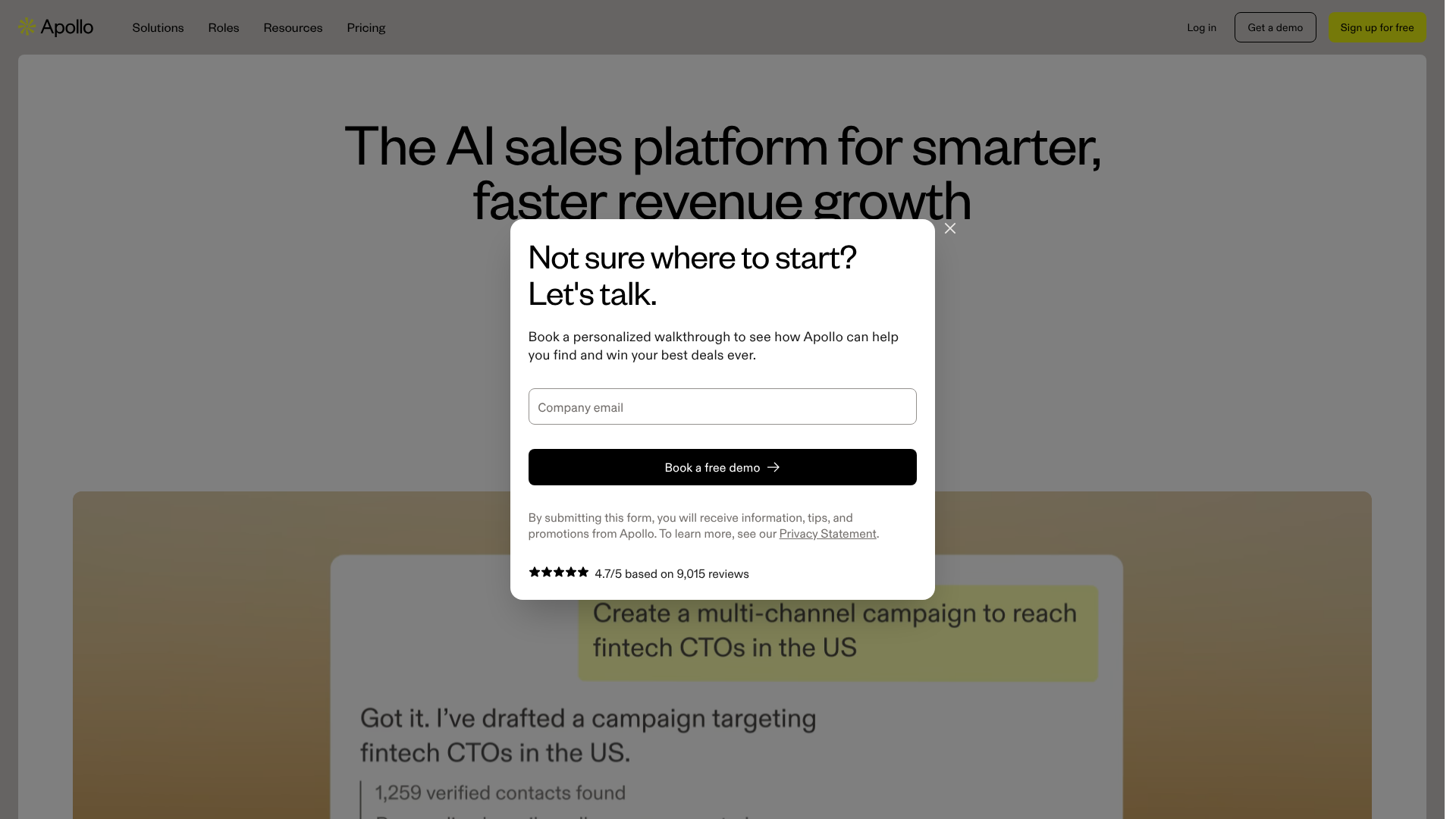
- Improved Pipeline Visibility: Every touchpoint is automatically logged in the CRM. This gives sales leaders a crystal-clear view of sales activity and helps with more accurate forecasting. A platform like Apollo.io is valuable here, as it combines a prospect database with engagement features.
Pro Tip: Create a feedback loop. Use the data from your sales engagement platform (e.g., which email templates get the most replies) to inform your sales enablement strategy. If a certain template is highly effective, formalise it and add it to your official sales playbook for all reps to use.
How to Choose: Do You Need Enablement, Engagement, or Both?
This isn't an 'either/or' decision in the long run. Every mature sales organisation needs both. The real question is: where should you start? The answer lies in identifying your team's biggest bottleneck.
Scenario 1: Your Team Needs Sales Enablement First
You should prioritise sales enablement if you recognise these symptoms:
- Content Chaos: Your reps complain they can't find the right case studies or presentations. They waste time recreating materials or using outdated versions.
- Inconsistent Messaging: When you listen to sales calls, each rep describes your product differently. There's no unified value proposition.
- Slow Ramp-Up: It takes new hires six months or more to become fully productive. Onboarding is unstructured and relies on shadowing senior reps.
- Low Win Rates: Your team is busy and generates a lot of activity, but deals aren't closing. Reps struggle to handle objections or differentiate from competitors.
If this sounds familiar, your foundation is weak. Before you try to scale outreach, you need to equip your team properly. Start by organising your content, documenting your sales process, and implementing a regular coaching cadence.
Scenario 2: Your Team is Ready for Sales Engagement
You should invest in sales engagement if your team is facing these challenges:
- Manual Task Overload: Your reps spend more time on admin tasks—logging calls, sending follow-up emails, scheduling meetings—than on actual selling.
- Leads Are Falling Through the Cracks: Despite having a good process, busy reps forget to follow up with promising leads, and valuable opportunities are lost.
- Lack of Data: You don't know which outreach strategies are working. You can't answer basic questions like, "Which email subject line gets the most opens?" or "How many touchpoints does it take to book a meeting?"
- Outreach Isn't Scalable: Your reps have a solid process, but they've hit a ceiling on how many prospects they can manage effectively at one time.
In this case, your team is prepared but inefficient. A sales engagement platform will act as a force multiplier, automating their workflows and providing the data needed to optimise their efforts.
The Power Couple: Integrating Enablement and Engagement
The ultimate goal is a seamless system where enablement and engagement work together. In this ideal state, the sales enablement team acts as an internal service provider, creating the plays and content. The sales engagement platform is the vehicle that allows reps to execute those plays perfectly and at scale.
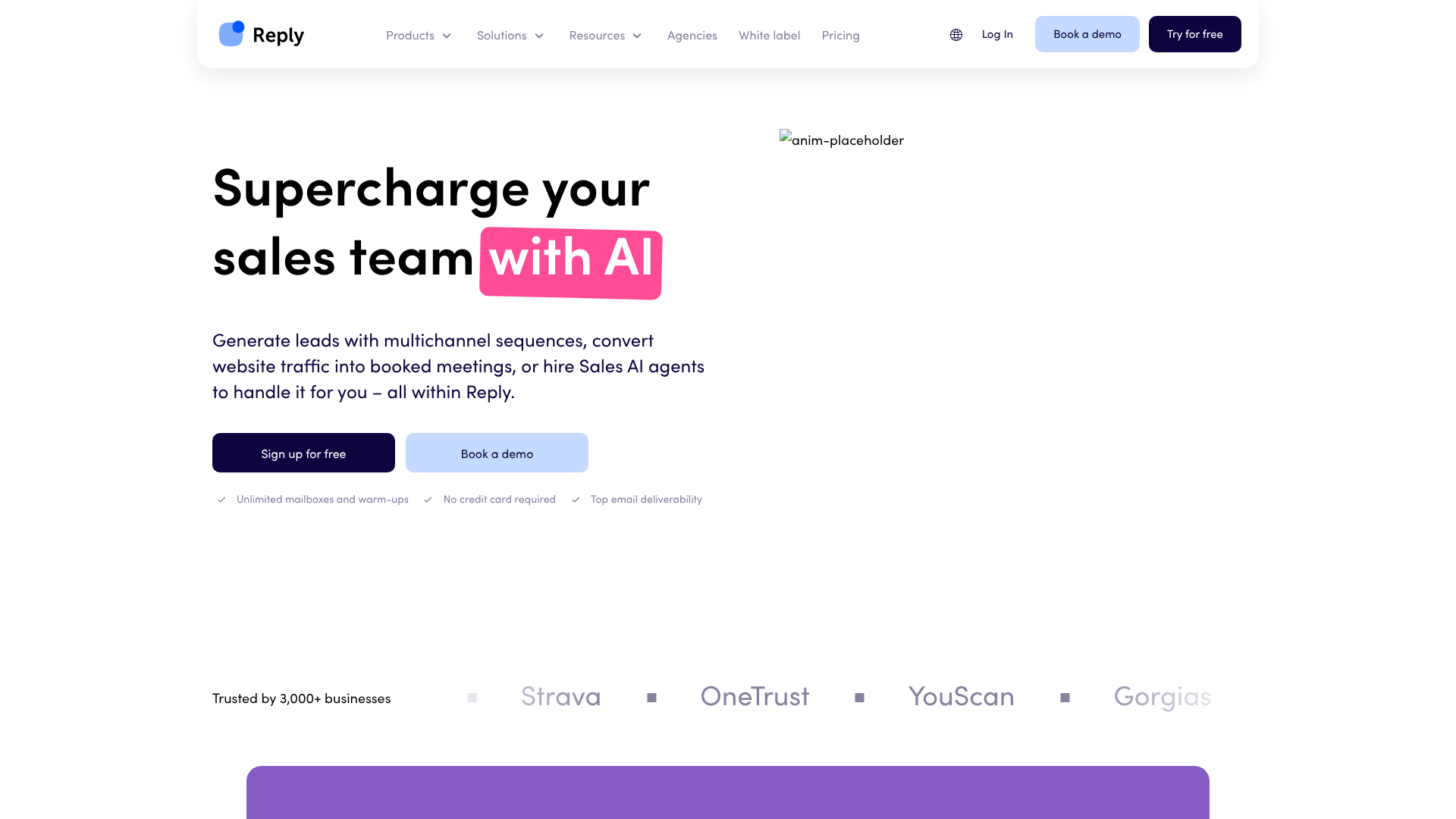
For example, the enablement team develops a new battle card for a key competitor. They upload it to the central content library. A rep then uses a snippet from that battle card in an email sequence within their engagement tool, like Reply.io. The platform tracks the reply rate on that email, providing real-world data back to the enablement team on how effective their messaging is.

Top Tools for Enablement and Engagement in 2026
Choosing the right technology is crucial for bringing these strategies to life. The market is crowded, but tools generally fall into a few key categories.
Essential Sales Enablement Tools
These tools form the backbone of your sales tech stack.
- Customer Relationship Management (CRM): This is non-negotiable. The CRM is your single source of truth for all customer and prospect data.
- HubSpot CRM: An excellent choice for small to medium-sized businesses, offering a powerful free tier and an all-in-one platform that grows with you.
- Zoho CRM: Known for its extensive customisation options and strong value proposition, making it a favourite for businesses with unique processes.
- Content & Document Management: These platforms streamline the creation, sharing, and tracking of sales documents.
- PandaDoc: A great all-rounder for proposals, quotes, and contracts with built-in eSignature and analytics.
- Better Proposals: Focuses on creating beautiful, high-converting online proposals with robust tracking features.
- Proposify: Offers strong brand control and content library features, ideal for larger teams that need to maintain consistency.
- eSignature: Essential for closing deals quickly and efficiently in a digital world. eSignly provides a secure and straightforward way to get documents signed.
Leading Sales Engagement Platforms (SEPs)
These platforms are designed to automate and optimise outreach.
- All-in-One Platforms: These are the market leaders, offering comprehensive multi-channel capabilities.
- Specialised Outreach Tools: These tools often focus on doing one thing exceptionally well.
- Instantly.ai: A favourite among cold email specialists for its focus on deliverability, with features like unlimited email account warm-up.
- Hunter Campaigns (Hunter.io): A simple yet effective cold email tool that integrates seamlessly with Hunter's well-known email finder.
- Data & Engagement Hybrids: These platforms provide both the contact data and the tools to engage with it.
- Apollo.io: A popular choice for its massive B2B database combined with solid sequencing and analytics features, offering great value in a single platform.
Understanding the Investment: Pricing and Cost Comparison
The cost of implementing these strategies varies widely based on the tools you choose and the size of your team. It's important to consider both the software subscription costs and the internal resources required for implementation.
Typical Pricing Models for Sales Enablement Software
Enablement tools are typically priced on a per-user, per-month basis. The cost can range significantly.
- CRMs: Pricing can start from free for basic functionality (HubSpot CRM's free tier is very generous) and go up to £150+ per user per month for advanced enterprise editions.
- Content Management & Proposal Tools: These platforms, like PandaDoc or Proposify, generally fall in the range of £20 to £60 per user per month, depending on the feature set.
- Hidden Costs: The biggest cost of enablement is often not the software itself, but the time and resources required to create high-quality content, develop training programs, and drive adoption across the team. This requires dedicated effort from sales leadership, marketing, and potentially a dedicated enablement manager.
Common Pricing Structures for Sales Engagement Platforms
SEPs are also almost always priced per user per month, and they tend to be a more significant investment than individual enablement tools.
- Subscription Tiers: Most SEP vendors offer several pricing tiers. A basic plan might cost around £60 per user per month, while more advanced plans with AI features, advanced analytics, and more administrative controls can cost £120 or more per user per month.
- Annual Contracts: Many vendors, especially those targeting larger companies, require an annual contract paid upfront.
- Value Proposition: While the sticker price can seem high, the ROI is often easy to calculate. If a platform saves each rep five hours a week and helps them book two extra meetings a month, it can pay for itself very quickly. For the most current pricing, it's always best to visit the vendor's official website.
Pro Tip: When evaluating tools, run a pilot program with a small group of users first. This allows you to test the platform's real-world impact and build a stronger business case for a full rollout, ensuring you invest in a tool your team will actually use and benefit from.
Pros and Cons: A Balanced View
No strategy is a silver bullet. It's important to understand the potential upsides and downsides of focusing on one area over the other.
The Upsides and Downsides of Focusing on Sales Enablement
Pros:
- Builds a Strong Foundation: It creates a sustainable, long-term asset for the company in the form of well-trained reps and high-quality content.
- Improves Sales Quality: It focuses on making every salesperson better, leading to more meaningful conversations and higher win rates.
- Ensures Brand Consistency: A unified message across the sales team builds trust and strengthens market perception.
Cons:
- Slower ROI: The impact of training and content can be harder to measure directly and may take longer to show up in revenue numbers.
- Requires Cross-Functional Buy-In: Effective enablement requires close collaboration between sales, marketing, and product teams, which can be challenging to coordinate.
- Can Be Seen as 'Overhead': If not tied directly to performance metrics, it can be viewed as a cost centre rather than a revenue driver.
The Advantages and Disadvantages of Adopting Sales Engagement
Pros:
- Quick Efficiency Gains: The impact of automation on rep productivity is often immediate and significant.
- Highly Measurable: It's easy to track activity metrics and correlate them with outcomes like meetings booked and deals won.
- Scales Outreach: It allows a small team to manage a large pipeline and ensures no lead is forgotten.
Cons:
- Risk of Impersonal Automation: If used poorly, it can lead to generic, spammy outreach that damages your brand's reputation.
- Can Create a 'Crutch': Over-reliance on automation can cause reps' core selling skills (like prospecting and cold calling) to atrophy.
- Can Be Expensive: The per-user costs for top-tier platforms can add up quickly, especially for larger teams.
Frequently Asked Questions (FAQ)
Can a CRM be used for both sales enablement and engagement?
Yes, to an extent. A CRM is the cornerstone of sales enablement, acting as the central repository for customer data and often housing sales content. Many modern CRMs, like HubSpot, also have built-in light engagement features, such as email templates, tracking, and simple sequences. However, they typically lack the sophisticated multi-channel automation, A/B testing, and in-depth analytics of a dedicated Sales Engagement Platform.
Is sales enablement a role or a strategy?
It's both. At its core, sales enablement is a strategic function within a business. In smaller companies, the responsibility for this strategy might fall on the Head of Sales or a marketing leader. As a company grows, it often becomes a dedicated role or even a full team responsible for executing the strategy through training, content management, and process improvement.
How do you measure the success of sales enablement?
Measuring sales enablement success involves tracking both leading and lagging indicators. Leading indicators include content usage rates, completion rates for training modules, and rep confidence scores. Lagging indicators are the business results you're ultimately trying to influence: quota attainment percentage, sales cycle length, average deal size, and new hire time-to-productivity.
What's the difference between sales engagement and marketing automation?
They are similar in concept but different in application and audience. Marketing automation platforms (like Mailchimp or Marketo) are designed for one-to-many communication, nurturing a large database of leads with broad campaigns. Sales engagement platforms are built for one-to-one communication at scale, empowering individual sales reps to manage personalised outreach to a specific list of target accounts.
Final Thoughts: Building a Cohesive Sales Engine
The debate over sales enablement vs sales engagement is not about choosing a winner. It's about understanding that they are two essential components of a modern, high-performing sales engine. Enablement provides the fuel (content and training), while engagement is the high-performance engine that uses that fuel to win the race (scaled, optimised outreach).
Your journey should begin by honestly assessing your team's greatest weakness. If your reps are disorganised, inconsistent, and lack the core knowledge to succeed, your priority must be sales enablement. Build your foundation, create your playbook, and train your team.
If your reps are sharp and knowledgeable but are buried in manual tasks and struggling to manage their pipeline effectively, it's time to invest in sales engagement. Give them the tools to automate their process and scale their success. Ultimately, the goal is to create a seamless system where both functions support and enhance each other, creating a cycle of continuous improvement that drives predictable revenue growth.
If you're looking to build your foundational tech stack, explore a powerful, all-in-one platform like HubSpot CRM. If you're ready to scale your outreach and make your team more efficient, platforms like Outreach and Reply.io are excellent places to start your search.