

Top 5 Non Disclosure Agreement Templates Free for Small Businesses (2026)
Protecting a brilliant idea, sensitive client data, or a secret recipe is fundamental for any business, especially a small one. Before you can have those crucial conversations with potential investors, partners, or freelancers, you need a legal safeguard in place. This is where finding reliable non disclosure agreement templates free of charge becomes a vital first step. These documents, also known as NDAs, create a confidential relationship between you and another party, legally preventing them from sharing your private information without permission.
- What You'll Learn
- What Exactly is a Non-Disclosure Agreement (and Why You Need One)?
- Key Features and Benefits of Using a Free NDA Template
- How to Choose the Right Complimentary Non-Disclosure Template
- Top 5 Sources for Non Disclosure Agreement Templates Free of Charge
- Understanding the "Cost" of No-Cost NDA Forms
- Pros and Cons: Should You Use a Free Template?
- Pros of Using Free NDA Templates
- Cons of Using Free NDA Templates
- Watch: How to Create and Customise Your NDA
- Frequently Asked Questions
- What is the difference between a confidentiality agreement and an NDA?
- How long should an NDA last?
- Is a free NDA legally binding?
- Can I write my own NDA?
- When should I NOT use an NDA?
- Final Thoughts
But navigating the world of legal documents can feel daunting. How do you know which template to trust. What clauses are absolutely essential. This guide breaks it all down.
We'll explore the best sources for no-cost NDA forms, explain the key features you must look for, and help you choose the right option to protect your business's most valuable assets without spending a fortune on legal fees.
What You'll Learn
- What an NDA is for: An NDA, or Non-Disclosure Agreement, is a legally binding contract used to protect sensitive information shared between two or more parties.
- Key clauses to look for: A solid template must clearly define the parties, the confidential information, the recipient's obligations, and the agreement's duration.
- Unilateral vs. Mutual NDAs: You'll learn the difference between one-way (unilateral) and two-way (mutual) agreements and when to use each type.
- The importance of customisation: Even the best free templates need to be tailored to your specific situation and jurisdiction to be fully effective.
- Where to find reliable templates: We'll review the top sources for trustworthy and complimentary non-disclosure templates, from government sites to online legal service providers.
What Exactly is a Non-Disclosure Agreement (and Why You Need One)?
Think of a Non-Disclosure Agreement (NDA) as a formal, legally enforceable promise. It's a contract where one or more parties agree not to disclose confidential information they've shared with each other. It sets the rules for how sensitive information should be handled, creating a cone of silence around your trade secrets, business plans, or proprietary data.
Many people use the terms NDA and 'confidentiality agreement' interchangeably, and for the most part, they refer to the same legal instrument. The core purpose is to protect information that gives your business a competitive edge. You'll find them indispensable in numerous common business scenarios, such as when you're pitching to investors, collaborating with another company on a project, hiring a freelance developer with access to your code, or even onboarding a new employee who will handle sensitive customer data.
There are two primary flavours of NDAs you'll encounter:
Unilateral (One-Way) NDA: This is the most common type. It's used when only one party is disclosing sensitive information. For example, if you're a startup founder sharing your business plan with a potential investor, you would use a unilateral NDA to protect your information. The investor is the 'receiving party' and is bound not to share what they learn.
Mutual (Two-Way) NDA: This type is used when both parties are sharing confidential information with each other. Imagine two companies exploring a potential merger or joint venture. Both sides will need to share financial records, customer lists, and strategic plans. A mutual NDA ensures that the information shared by both companies is protected equally.
Key Features and Benefits of Using a Free NDA Template
Opting for a free NDA template is an attractive choice for startups and small businesses operating on a tight budget. The most obvious benefit is the cost saving, as engaging a solicitor to draft a simple NDA from scratch can be expensive. Beyond that, templates provide immediate access, allowing you to secure a situation quickly without waiting for legal appointments. They also serve as an excellent educational tool, familiarising you with the standard structure and language of legal contracts.
However, not all templates are created equal. To ensure your agreement is robust and enforceable, you must verify it contains several key clauses. A weak or incomplete NDA can provide a false sense of security, leaving your most critical assets exposed. Think of these clauses as the essential pillars that hold up your entire agreement.
Here are the non-negotiable features your template must include:
- Identification of the Parties: The agreement must clearly state the full legal names of the individuals or companies involved—the 'Disclosing Party' (who shares the information) and the 'Receiving Party' (who receives it).
- Definition of Confidential Information: This is arguably the most critical section. A vague definition is a common failure point. The template should allow you to be specific about what constitutes 'confidential information', whether it's financial data, source code, marketing strategies, customer lists, or product designs.
- Obligations of the Receiving Party: The contract must explicitly state what the receiver can and cannot do. This usually includes promises to keep the information secret, not to use it for any purpose other than the agreed-upon one, and to take reasonable measures to prevent its disclosure.
- Exclusions from Confidentiality: A good template will also define what is not considered confidential. This typically includes information that is already public knowledge, was already known to the receiver before the agreement, or is independently developed by the receiver without using the confidential information.
- Term (Duration): The NDA must specify how long the duty of confidentiality lasts. This can be a fixed period (e.g., 3-5 years) or can continue until the information is no longer a trade secret. The duration should be reasonable for the type of information being protected.
- Governing Law and Jurisdiction: This clause specifies which country's or state's laws will be used to interpret the agreement and where any legal disputes would be handled. For a UK business, it's crucial that the governing law is specified as England and Wales, Scotland, or Northern Ireland.
How to Choose the Right Complimentary Non-Disclosure Template
With countless options available online, selecting the right one from a sea of complimentary non-disclosure templates can feel overwhelming. The key is to approach it methodically, ensuring the document you choose is appropriate for your specific circumstances. A template that works perfectly for a software developer might be unsuitable for a restaurant owner sharing secret recipes.
First, carefully assess your situation. Are you the only one sharing sensitive information, or is it a two-way street. This will determine whether you need a unilateral or mutual NDA. Using the wrong type can either leave you unprotected or create unnecessary obligations for the other party, potentially stalling negotiations.
Always start by clarifying the flow of information.
Next, consider the source of the template. Is it a reputable legal technology company, a government body, or a random blog. Prioritise sources that are known for providing legally sound documents. Look for templates that are specifically tailored to your jurisdiction.
A template written for US law may contain clauses that are not enforceable or relevant in the United Kingdom, so always check for a UK-specific version.
Finally, the format and customisability of the template are crucial. A static PDF file is far less useful than an editable Word document or an interactive online builder. Your goal is to find a template that provides a strong foundation but allows you to easily add, remove, or modify clauses to fit your unique situation. Never treat a template as a one-size-fits-all solution; it is a starting point, not the final product.

Top 5 Sources for Non Disclosure Agreement Templates Free of Charge
Here are five reliable sources where you can find high-quality, no-cost NDA forms to protect your business.
1. LegalContracts
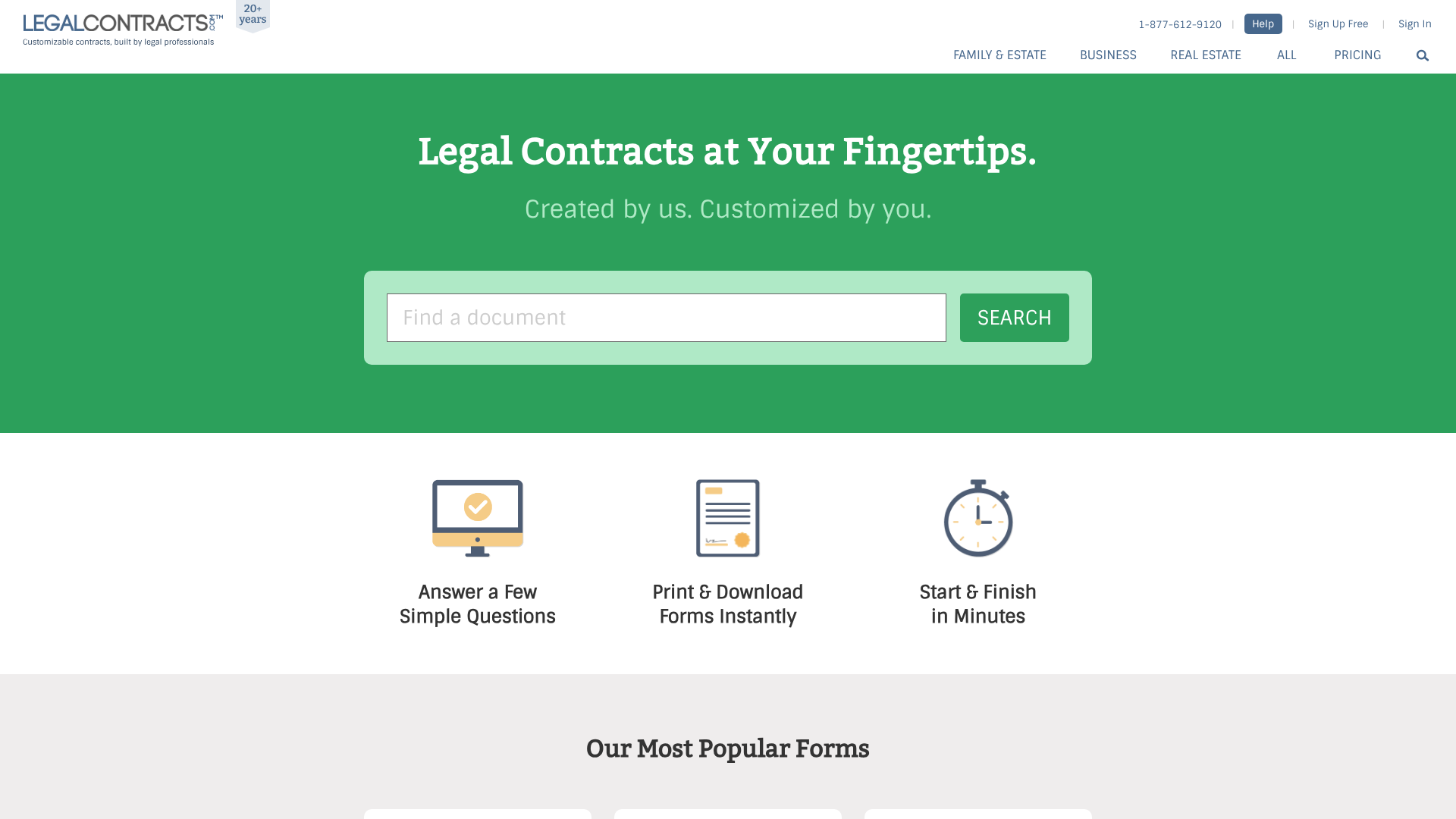
LegalContracts is an online platform that helps you create customised legal documents through a simple, step-by-step process. Instead of just downloading a generic file, their service guides you through a questionnaire, asking relevant questions about your situation. Based on your answers, it generates a Non-Disclosure Agreement tailored to your needs.
This guided approach is particularly helpful for those who aren't familiar with legal terminology, as it helps ensure you've considered all the necessary details. The platform can help you create both unilateral and mutual NDAs suitable for various scenarios, from protecting trade secrets to discussing a potential sale of a business.
Pros
- Guided Process: The question-and-answer format simplifies the creation of a customised document.
- Jurisdiction-Specific: The platform helps create documents that are appropriate for your local laws.
- Comprehensive: Covers a wide range of clauses and scenarios that a basic template might miss.
Cons
- Subscription Model: While you can often create a document for free during a trial period, ongoing access and use of their full library typically require a subscription.
2. LawDepot
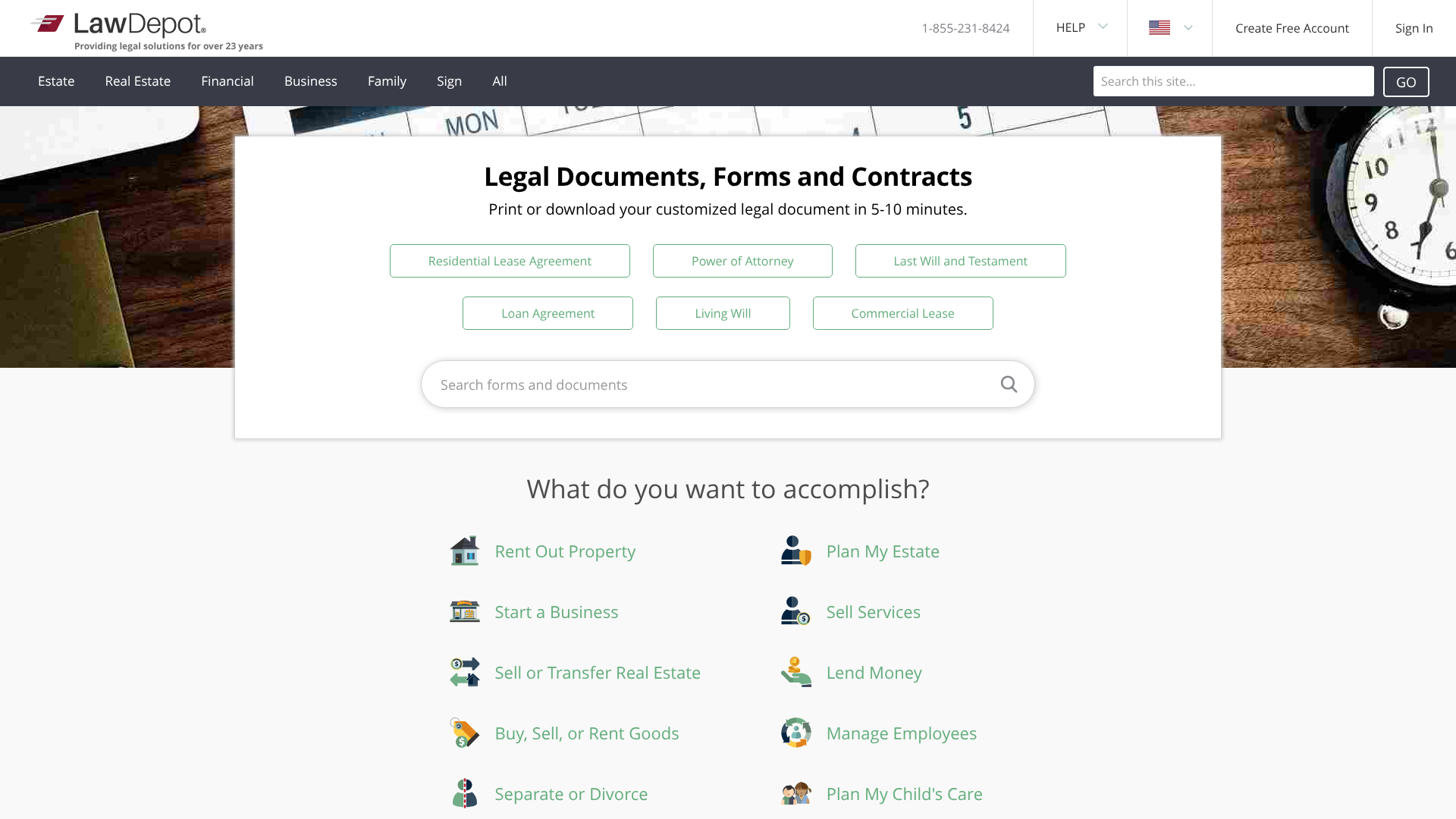
LawDepot is another major player in the online legal document space, offering a vast library of templates for businesses and individuals. Much like LegalContracts, it uses an interactive tool to help you build a customised NDA. You can specify the parties, the duration, the governing law, and other critical details to create a document that fits your needs.
One of LawDepot's main draws is its free trial, which typically allows you to create, download, and print your required documents at no cost. This makes it an excellent option for a one-off need, as long as you remember to manage your subscription before the trial period ends. Their templates are widely used and generally well-regarded.
Pros
- Highly Customisable: The online builder offers a high degree of control over the final document.
- Trusted Brand: A well-established and reputable source for legal templates.
- Free Trial Access: Allows you to create and save your document for free.
Cons
- Requires Subscription for Full Access: After the trial, you'll need a paid subscription to create new documents or access advanced features.
3. DocuSign
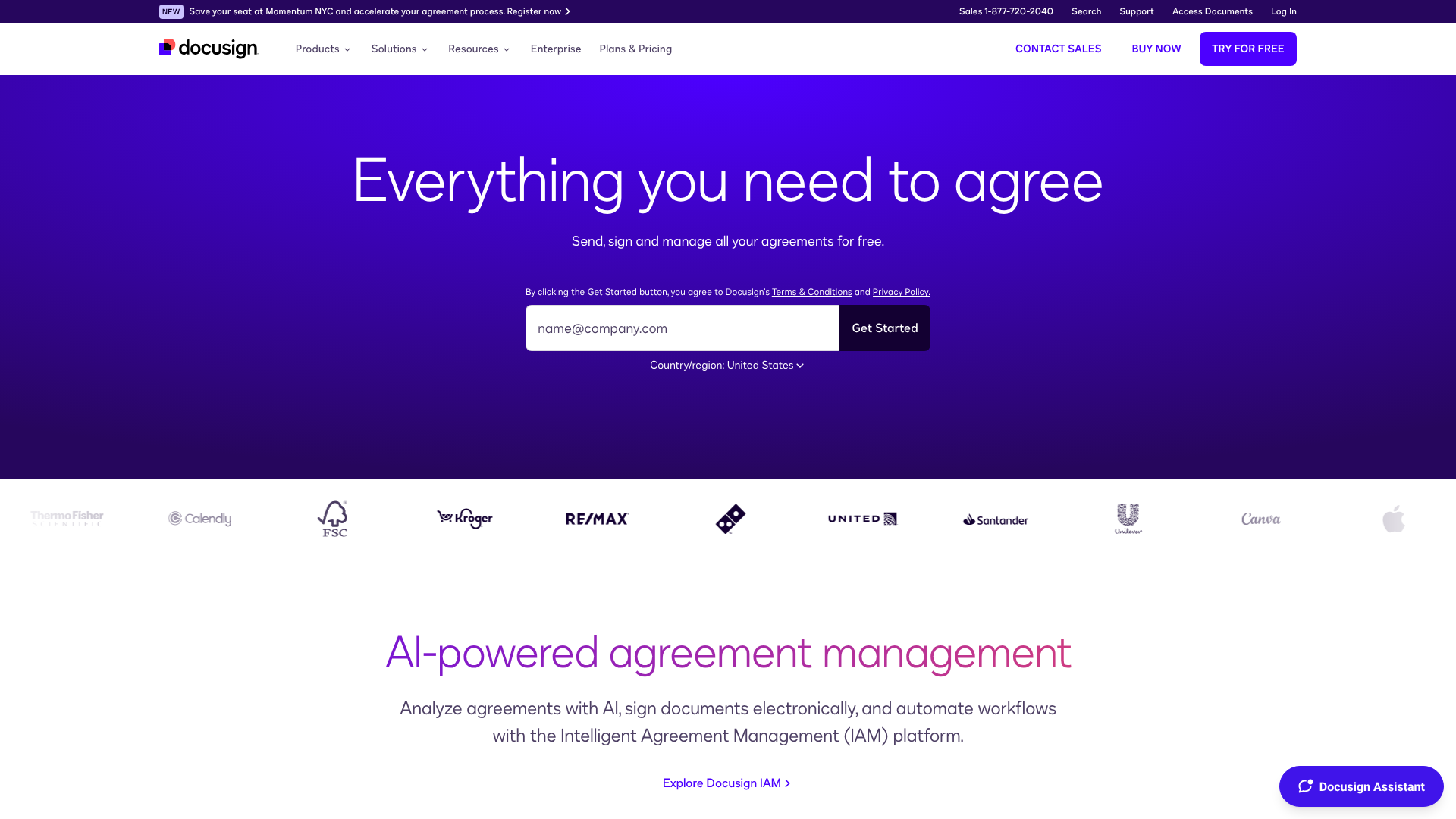
DocuSign is famous for its e-signature platform, but it also provides a collection of agreement templates, including NDAs. The primary advantage of using DocuSign is the seamless integration of document creation and execution. You can select a template, fill in the details, and send it for a legally binding electronic signature all within the same workflow.
This is incredibly efficient for businesses that need to get NDAs signed quickly and frequently. While their templates might be more basic than those from specialised document builders, they cover all the essential clauses and are perfect for straightforward situations. The combination of a template with a world-class signing tool is a powerful one.
Pros
- Integrated E-Signatures: The easiest way to create, send, and get an NDA signed electronically.
- Efficient Workflow: Streamlines the entire process from drafting to execution.
- Mobile-Friendly: Parties can review and sign documents from any device.
Cons
- Templates Can Be Basic: The focus is more on the signing process than on deep legal customisation.
- Core Features are Paid: The free plan has limitations, and advanced features require a subscription.
4. GOV.UK
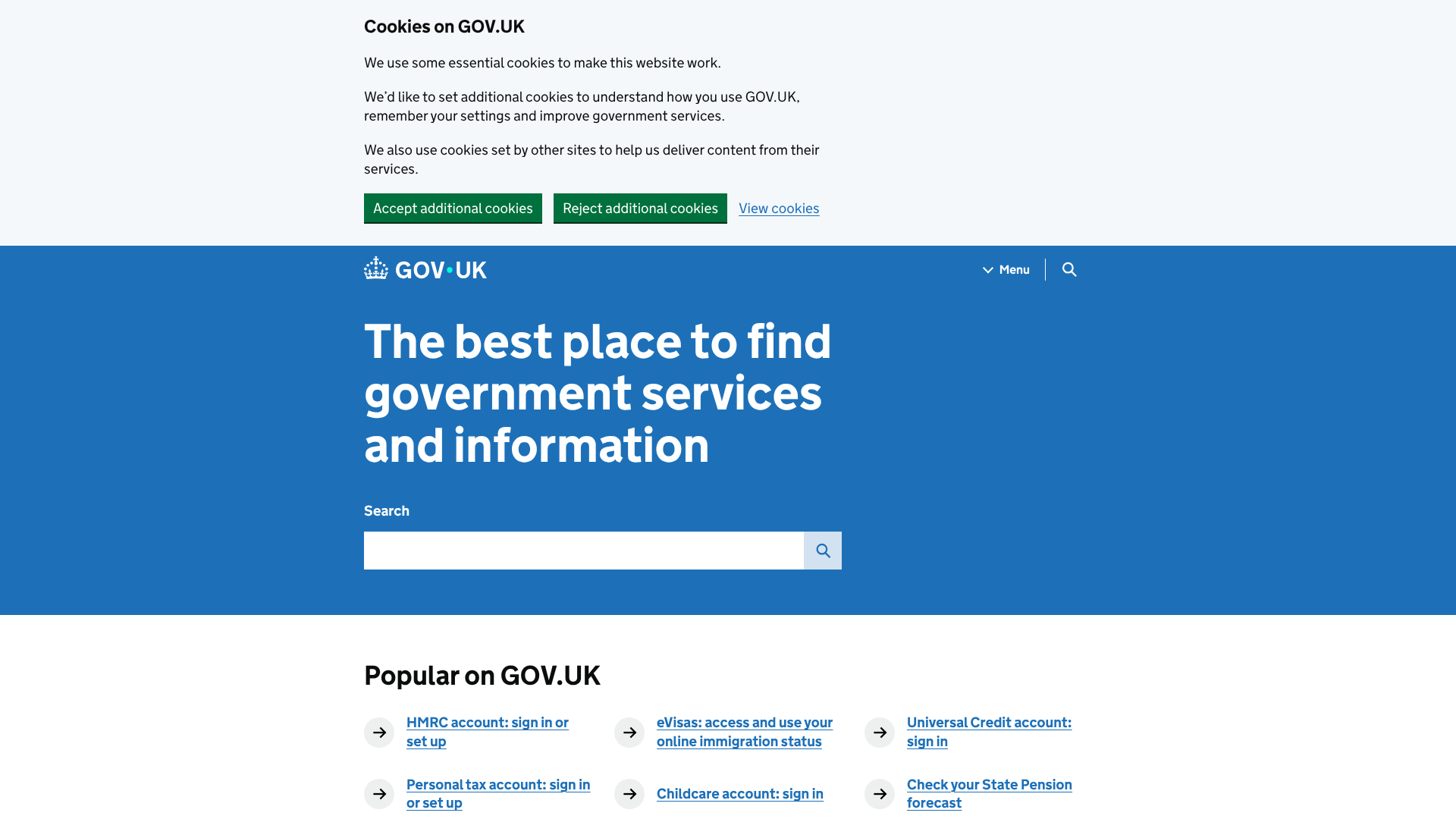
For UK-based businesses, the official government website, GOV.UK, is an invaluable and authoritative resource. The Intellectual Property Office (IPO), a part of the government, provides guidance and basic agreement templates to help individuals and businesses protect their ideas. You can find sample confidentiality agreements directly on their site.
Using a template from GOV.UK gives you confidence that it is aligned with UK law. These documents are completely free and serve as a fantastic starting point. However, they are often designed to be simple and may not cover complex commercial scenarios, so they will almost certainly require customisation to be truly effective for your specific needs.
Pros
- Authoritative Source: You can trust that the template is based on UK law.
- Completely Free: No trials, subscriptions, or hidden costs.
- Clear and Simple: Easy to understand for those without a legal background.
Cons
- Very Basic: Lacks the detailed clauses needed for high-stakes or complex situations.
- Requires Manual Customisation: You will need to edit the document yourself to add specific details.
Pro Tip: When using a basic template like one from GOV.UK, pay close attention to the 'Definition of Confidential Information' clause. Be as specific as possible. Instead of saying "business information," list exactly what is covered, such as "customer data, marketing plans dated Q1 2026, and software source code for Project X."
5. SignWell
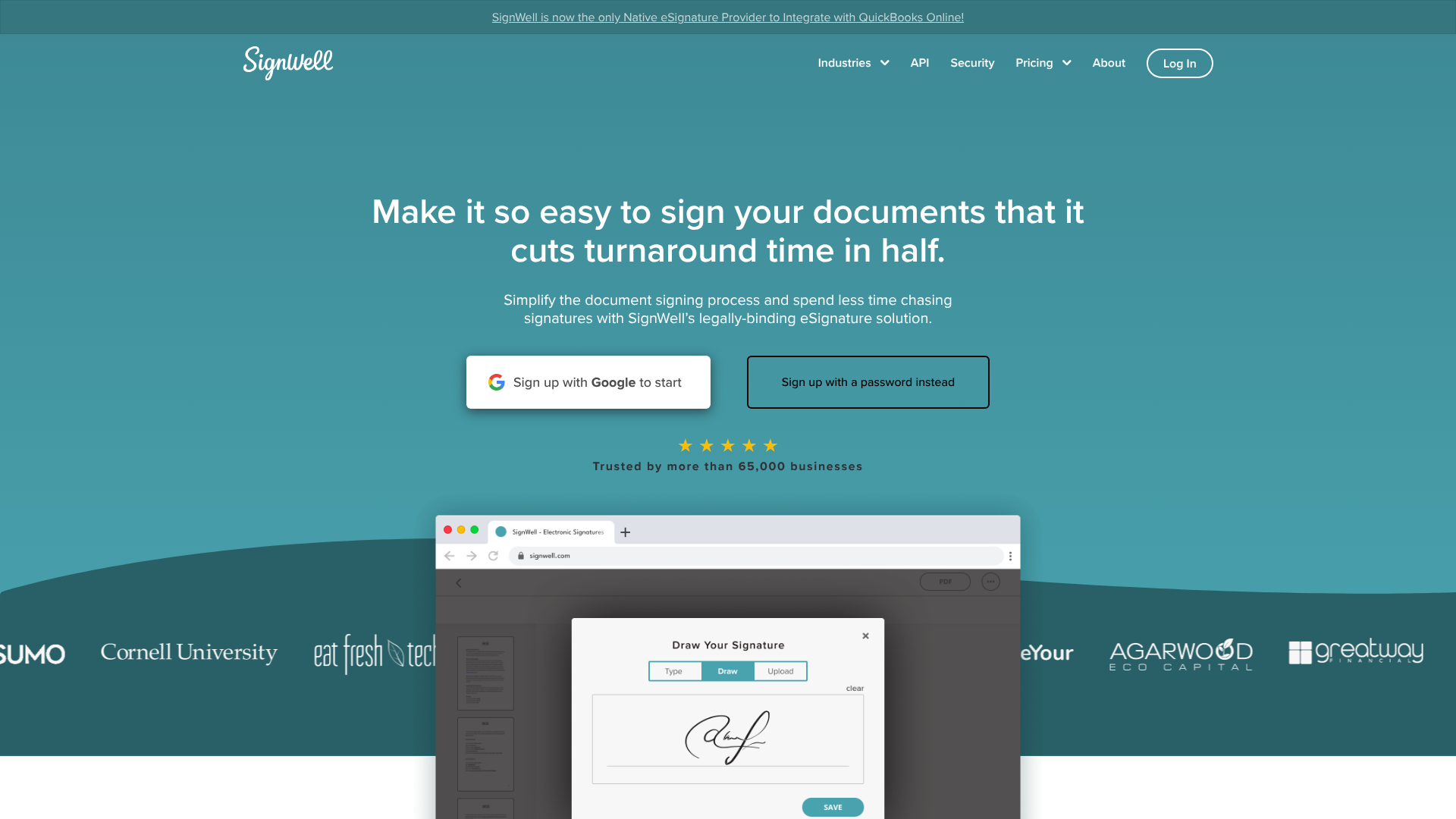
SignWell (formerly Docsketch) is another platform that combines document templates with e-signatures. It offers a free plan that is quite generous, allowing you to send a certain number of documents for signature each month. Their library includes a standard Non-Disclosure Agreement template that you can use as part of this free service.
This makes SignWell a great option for freelancers or small businesses that only need to handle a few NDAs per month and want the convenience of electronic signing without committing to a paid plan. The platform is user-friendly and focuses on making the signing process as simple as possible for all parties involved.
Pros
- Generous Free Plan: Includes both templates and a set number of e-signatures per month.
- User-Friendly Interface: Clean and easy to navigate.
- Audit Trail: Provides a legally compliant audit trail for all signed documents.
Cons
- Limited Documents on Free Plan: High-volume users will need to upgrade to a paid plan.
- Template is Standardised: May require adjustments for non-standard situations.
Understanding the "Cost" of No-Cost NDA Forms
The term "free" can be misleading. While you may not pay any money upfront for no cost NDA forms, there can be other, less obvious costs to consider. The most significant potential cost is legal risk. A generic, poorly drafted template that doesn't adequately protect your information could cost you your entire business if a breach occurs.
If the agreement is found to be unenforceable in court, it's as good as having no agreement at all.
Another hidden cost is time. Finding a suitable template, understanding its clauses, and customising it to fit your specific needs requires a significant investment of your time and attention. This is time that could otherwise be spent on growing your business. A template that is not designed for your jurisdiction, for example, might require a complete overhaul to be compliant with local laws.
Finally, many services that offer free templates operate on a 'freemium' model. They provide a basic document for free but place their more robust, customisable, or industry-specific versions behind a paywall. You might find that the free version is too limited for your needs, pushing you towards an upgrade. It's important to understand these limitations before you invest time in filling one out.
Here is a quick comparison of the potential 'costs' associated with our top recommended sources:
| Provider | Model | Best For | Potential "Cost" |
|---|---|---|---|
| LegalContracts | Subscription (with trial/free options) | Guided customisation | Subscription fee for ongoing access after the trial. |
| LawDepot | Subscription (with trial) | A wide variety of legal documents | Forgetting to cancel the free trial can lead to charges. |
| DocuSign | Freemium/Subscription | Integrated signing workflow | The template may be basic; core features are paid. |
| GOV.UK | Completely Free | Basic UK-specific agreements | Time spent customising and the risk of it being too simple. |
| SignWell | Freemium | Individuals needing a few signatures | Limited number of documents on the free plan. |
Pros and Cons: Should You Use a Free Template?
Deciding whether to use a free template or invest in professional legal advice depends on your specific situation, the sensitivity of the information, and your risk tolerance. Both paths have distinct advantages and disadvantages.
Pros of Using Free NDA Templates
- Zero Financial Outlay: This is the most compelling reason. For startups, freelancers, and small businesses, avoiding legal fees at an early stage can make a huge difference to the bottom line.
- Speed and Accessibility: You can have a drafted NDA ready in minutes. This is ideal for situations where time is of the essence and you need to have a conversation protected quickly.
- Educational Value: Working with a template helps you understand the fundamental components of a legal agreement. It familiarises you with key concepts like 'confidential information', 'term', and 'governing law'.
Cons of Using Free NDA Templates
- Overly Generic: A one-size-fits-all template may not adequately cover the nuances of your industry or the specific type of information you are protecting. For example, an NDA for software needs different clauses than one for a new food product.
- Incorrect Jurisdiction: Using a template designed for another country's legal system is a major risk. Legal standards for what makes a contract enforceable vary significantly around the world.
- False Sense of Security: The biggest danger is believing you are protected when you are not. An improperly drafted or incomplete NDA might be challenged and deemed unenforceable in court, leaving your secrets exposed.
Watch: How to Create and Customise Your NDA
For a visual guide on what goes into creating an effective Non-Disclosure Agreement, this video provides a helpful overview of the process.
Frequently Asked Questions
What is the difference between a confidentiality agreement and an NDA?
For all practical purposes, there is no significant difference between a confidentiality agreement and a Non-Disclosure Agreement (NDA). The terms are used interchangeably to refer to the same type of legally binding contract. 'Confidentiality Agreement' is often seen as a more formal term, while 'NDA' is the common acronym used in business circles. Both documents serve the exact same function: to protect sensitive information from being shared.
How long should an NDA last?
The duration, or 'term', of an NDA can vary greatly depending on the nature of the information being protected. For information that has a short shelf-life, like a marketing campaign plan, a term of 1 to 2 years might be sufficient. For more enduring secrets, such as a proprietary formula or software source code, a longer term of 3 to 5 years, or even longer, is common. Some NDAs are written to last until the information is no longer considered a trade secret.
Is a free NDA legally binding?
Yes, a free NDA can be just as legally binding as one drafted by a solicitor, provided it contains all the essential elements of a valid contract. This includes a clear offer and acceptance, consideration (the exchange of promises), and the intention to create legal relations. The key is that the agreement must be properly drafted, clearly define all terms, and be correctly signed by all parties. The source of the template doesn't determine its legality; its content does.
Can I write my own NDA?
While you technically can write your own NDA, it is extremely risky unless you have a strong legal background. Contract law is complex, and small mistakes in wording can render an entire agreement unenforceable. Using a reputable, well-vetted template from a source like LegalContracts or GOV.UK is a much safer approach than starting from a completely blank page. These templates are designed to include the necessary legal language to be effective.
When should I NOT use an NDA?
There are situations where presenting an NDA can be counterproductive. For example, many venture capitalists and angel investors refuse to sign NDAs at an initial pitch stage because they see hundreds of similar ideas. Forcing one on them could signal that you are inexperienced and may cause them to pass on the meeting. Additionally, you should not use an NDA to protect information that is already in the public domain, as it would be unenforceable.
Final Thoughts
For small businesses, startups, and freelancers, non disclosure agreement templates free of charge are an incredibly valuable resource. They provide a cost-effective and immediate way to establish a legal framework for protecting your most sensitive information. Whether you're discussing a new invention, sharing financial data, or collaborating on a creative project, a well-chosen NDA is your first line of defence.
However, it's crucial to treat these templates as a starting point, not a final solution. The effectiveness of your NDA hinges on its relevance to your specific situation, its clarity in defining what's confidential, and its compliance with your local jurisdiction. Always take the time to read and customise the document to ensure it truly meets your needs.
If you're looking for more than just a static file and want a guided process to ensure you've covered all your bases, using an online document builder is a smart next step. Services like LegalContracts can help you create a robust, customised agreement that gives you genuine peace of mind, allowing you to focus on what you do best: building your business.