


Top 5 Non-Disclosure Agreement Templates to Protect Your Ideas (2026)
Protecting your confidential business information is crucial, whether you're a startup founder pitching to investors, a business hiring a freelancer, or a company entering a new partnership. Using well-structured non-disclosure agreement templates provides a straightforward and cost-effective way to establish a legal framework for confidentiality. These documents, also known as confidentiality agreement forms, set clear expectations about how sensitive information should be handled, preventing costly leaks and protecting your competitive edge.
- What to Know
- What Exactly Are Non-Disclosure Agreement Templates?
- The Core Components: What to Look for in NDA Templates
- 1. Identification of the Parties
- 2. A Clear Definition of Confidential Information
- 3. Obligations of the Receiving Party
- 4. The Time Period (Term)
- 5. Consequences of a Breach
- How to Choose the Right Confidentiality Agreement Form for Your Needs
- Top 5 Sources for Non-Disclosure Agreement Templates in 2026
- 1. LegalContracts: Best for Customisable, Legally-Sound Documents
- 2. Government & University Websites: Best for Free, Authoritative Templates
- 3. LawDepot: A Strong Alternative for Guided Templates
- 4. DocuSign: Best for Integrated E-Signature
- 5. Open-Source Legal Templates: For Tech Startups
- Pricing and Cost: Free vs. Paid NDA Templates
- Pros and Cons of Using Pre-Made Templates
- Frequently Asked Questions (FAQ)
- Can I make my own non-disclosure agreement?
- Where can I find a free NDA template?
- How do you write a simple non-disclosure agreement?
- Do I need a solicitor to draft an NDA?
- Can I put NDA information into ChatGPT?
- What are red flags in an NDA?
- Conclusion: Securing Your Information the Smart Way
This guide breaks down the best sources for NDA templates, explains the critical clauses you need to include, and helps you decide between free options and paid services. We'll cover everything you need to know to choose and use a template that safeguards your valuable ideas and data effectively.
What to Know
- Templates Are a Starting Point: Non-disclosure agreement templates offer a cost-effective and efficient foundation for protecting information, but they often require customisation to fit your specific situation.
- Key Elements Are Non-Negotiable: A valid NDA must clearly define the parties involved, what constitutes 'confidential information', the obligations of the recipient, and the duration of the agreement.
- Types of NDAs Matter: Choosing the right type of agreement—unilateral (one-way), bilateral (mutual), or multilateral—is essential. The choice depends entirely on who is sharing sensitive information.
- Legal Advice Is Prudent for High-Stakes Deals: While templates are excellent for many standard situations, consulting a solicitor is wise when dealing with highly valuable intellectual property or complex international partnerships.
- Online Services Offer a Middle Ground: Platforms like LegalContracts provide a balance between free, generic templates and expensive legal fees, guiding you through creating a customised and legally sound document.
What Exactly Are Non-Disclosure Agreement Templates?
A non-disclosure agreement (NDA), often called a confidentiality agreement, is a legally binding contract between two or more parties. Its primary purpose is to prevent the sharing of confidential material or information that has been disclosed for a specific purpose but must be kept secret. Think of it as a formal promise not to reveal secrets.
An NDA template is a pre-written, standardised version of this contract. It provides the essential structure and legal language, which you can then adapt to your specific circumstances. Using a template saves you the time and expense of drafting a contract from scratch. These non-disclosure forms are designed to be a reliable starting point, containing the standard clauses that courts expect to see.
To use them effectively, you first need to understand the three main types:
Unilateral (One-Way) NDA: This is the most common type. It's used when only one party is disclosing confidential information, and the other party agrees not to share it. For example, a startup founder sharing their business plan with a potential investor would use a unilateral NDA. The investor is the recipient and agrees to keep the founder's information secret.
Bilateral (Mutual) NDA: This type is used when two parties are disclosing confidential information to each other. Both parties agree to protect the other's secrets. A typical scenario is two companies exploring a potential merger or joint venture. Both will need to share sensitive financial and operational data, so a mutual agreement is necessary.
Multilateral NDA: This is for situations involving three or more parties, where at least one party will be disclosing confidential information. It's more complex but efficient, as it avoids the need for multiple separate bilateral NDAs. For example, a group of companies collaborating on a research project would use a multilateral NDA to protect shared findings.
The Core Components: What to Look for in NDA Templates
Not all NDA templates are created equal. A robust and enforceable agreement must contain several key components. When you're reviewing a template, make sure it clearly addresses these five critical areas. Omitting any of them could render your agreement weak or even unenforceable.
1. Identification of the Parties
This seems basic, but it's vital to get it right. The template must have clear sections to name the 'Disclosing Party' (the one sharing the information) and the 'Receiving Party' (the one receiving it). For a mutual NDA, both parties will be listed as both disclosing and receiving. Ensure you use the correct legal names for individuals and businesses (e.g., "Your Company Ltd." not just "Your Company").
2. A Clear Definition of Confidential Information
This is arguably the most important clause. A vague definition can make the entire agreement useless. Good non-disclosure agreement templates will prompt you to be specific about what is being protected. This can include trade secrets, financial data, customer lists, marketing strategies, software code, and prototypes. The clause should also list exclusions—information that is not considered confidential, such as data that is already public knowledge or was independently developed by the receiving party.
3. Obligations of the Receiving Party
The template must explicitly state what the receiving party can and cannot do with the information. This usually includes a duty to maintain secrecy, to use the information only for the agreed-upon purpose (e.g., evaluating a business proposal), and to restrict access to the information within their organisation on a need-to-know basis.
4. The Time Period (Term)
Confidentiality obligations cannot last forever. The agreement must specify a time frame during which the information must be kept secret. This period can vary widely depending on the industry and the nature of the information. For trade secrets, the obligation might last as long as the information remains a secret, while for other business data, a term of 2-5 years is common.
5. Consequences of a Breach
What happens if the agreement is broken? A strong template will include a remedies clause. This section outlines the potential consequences, which can include financial damages, injunctive relief (a court order to stop the disclosure), and the requirement for the breaching party to cover legal fees. This clause acts as a powerful deterrent.
Pro Tip: Always look for a 'Jurisdiction' or 'Governing Law' clause. This specifies which country's or state's laws will be used to interpret the agreement if a dispute arises. For UK businesses, you'll want it to specify the laws of England and Wales, Scotland, or Northern Ireland.
How to Choose the Right Confidentiality Agreement Form for Your Needs

Selecting the right template from a sea of options requires a bit of strategic thinking. The goal is to find a document that aligns with your specific situation, providing adequate protection without being overly restrictive or complex. Here’s a step-by-step approach to making the right choice.
First, carefully assess the relationship between the parties. An NDA for a new employee will have different considerations than one for a potential business partner. For an employee, the agreement will likely be part of their employment contract and cover all sensitive information they access during their tenure. For a business partner, the scope might be narrower and focused only on the data relevant to the potential collaboration.
Next, determine the flow of information. This is the crucial step where you decide between a unilateral or bilateral agreement. Ask yourself: "Am I the only one sharing secrets, or are we both sharing?" If you're a freelancer receiving a client's project details, a unilateral NDA protecting the client is appropriate. If you and another company are exploring a joint marketing campaign, you'll both be sharing strategies and customer data, making a bilateral (mutual) NDA essential.

Consider the industry and the type of information at stake. A tech company protecting source code needs a very different level of detail in its definition of 'confidential information' than a marketing agency protecting a campaign concept. Some industries have specific standards or regulations regarding data privacy, which your confidentiality agreement form should reflect. For example, healthcare or financial services have stringent data protection rules.
Finally, evaluate the complexity and value of the information. For a simple, low-stakes discussion, a basic one-page template might suffice. However, if you are disclosing the core intellectual property of your business—the 'crown jewels'—you need a more detailed and robust document. In these high-stakes scenarios, using a guided service that helps you build a custom agreement or consulting a solicitor is the safest path.
Top 5 Sources for Non-Disclosure Agreement Templates in 2026
Finding a reliable template can be challenging. To help you, we've compiled a list of the best sources, ranging from guided online services to free, authoritative downloads.
1. LegalContracts: Best for Customisable, Legally-Sound Documents
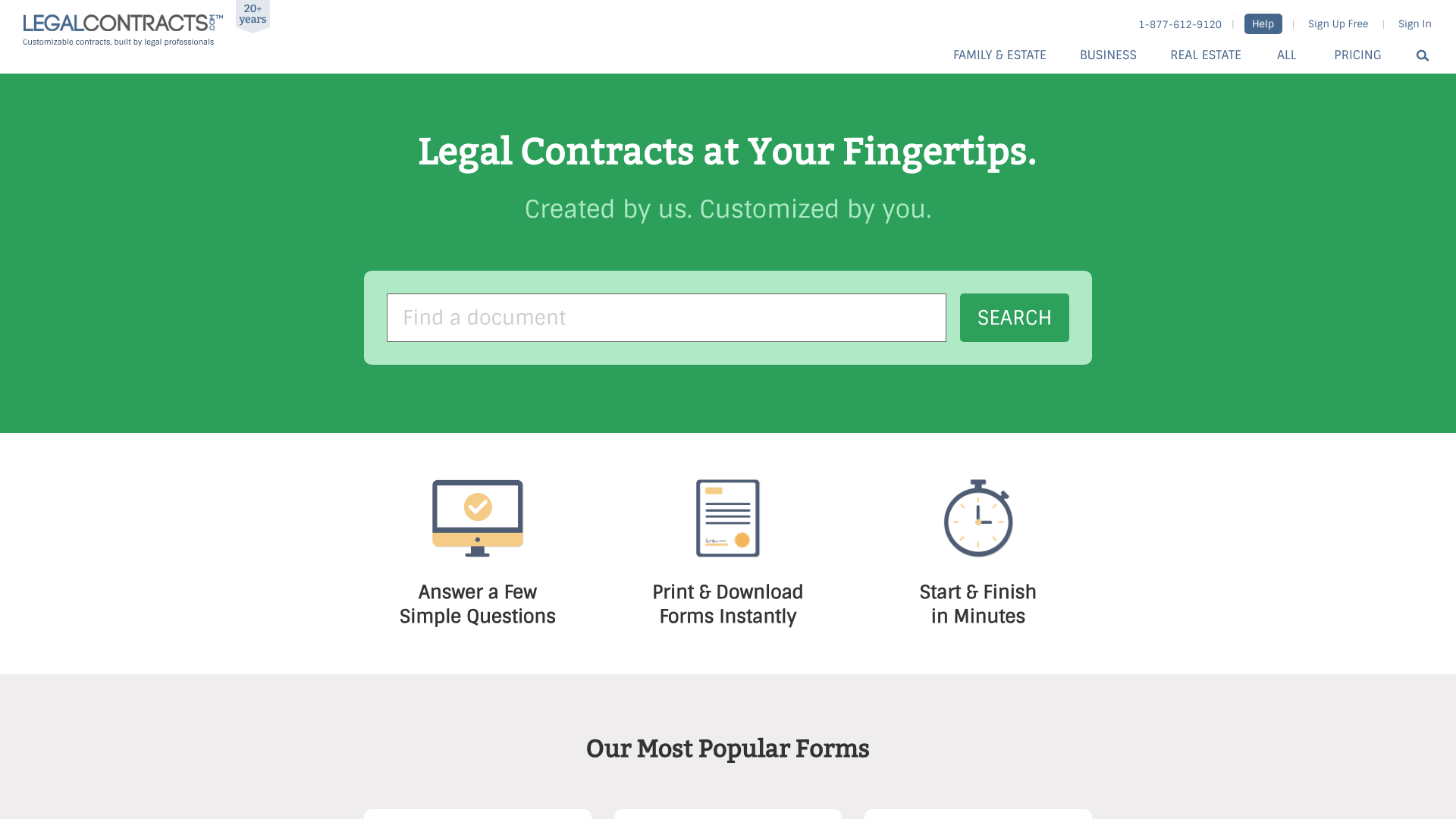
LegalContracts is an online service that guides you through creating a professional, customised legal document. Instead of just giving you a blank form, it asks you a series of questions about your situation and then generates a tailored NDA based on your answers. This approach helps ensure you include all the necessary clauses for your specific needs.
It's an ideal solution for small businesses, startups, and individuals who need a reliable agreement without the high cost of hiring a solicitor. The platform allows you to specify the governing law, making it suitable for various jurisdictions, including the UK.
- Pros: Step-by-step guided process, ensures key clauses aren't missed, customisable for unilateral or mutual agreements, legally vetted language.
- Cons: It is a paid service, so it's not for those seeking a completely free option.
- Pricing: Offers both subscription plans and options to purchase single documents. Visit LegalContracts for the latest pricing information.
2. Government & University Websites: Best for Free, Authoritative Templates
For a no-cost, reliable starting point, government and academic websites are excellent sources. In the UK, the Intellectual Property Office (IPO) provides basic templates and guidance on confidentiality. Similarly, the technology transfer offices of major universities often publish sample NDAs that they use with research partners. These documents are typically well-drafted from a legal standpoint.
- Pros: Completely free, come from a trustworthy and authoritative source, good for educational purposes.
- Cons: Often very generic, will require significant manual editing to fit your situation, lack any form of support.
3. LawDepot: A Strong Alternative for Guided Templates
LawDepot operates on a similar model to LegalContracts, offering an interactive tool to build your own legal documents. It's another strong contender in the online legal services space and is well-regarded for its ease of use. It provides a wide range of templates, including various types of non-disclosure forms, and helps you customise them for your needs.
- Pros: User-friendly interface, comprehensive library of legal documents, offers free trials.
- Cons: Primarily operates on a subscription model, which may not be ideal for a one-off need.
4. DocuSign: Best for Integrated E-Signature
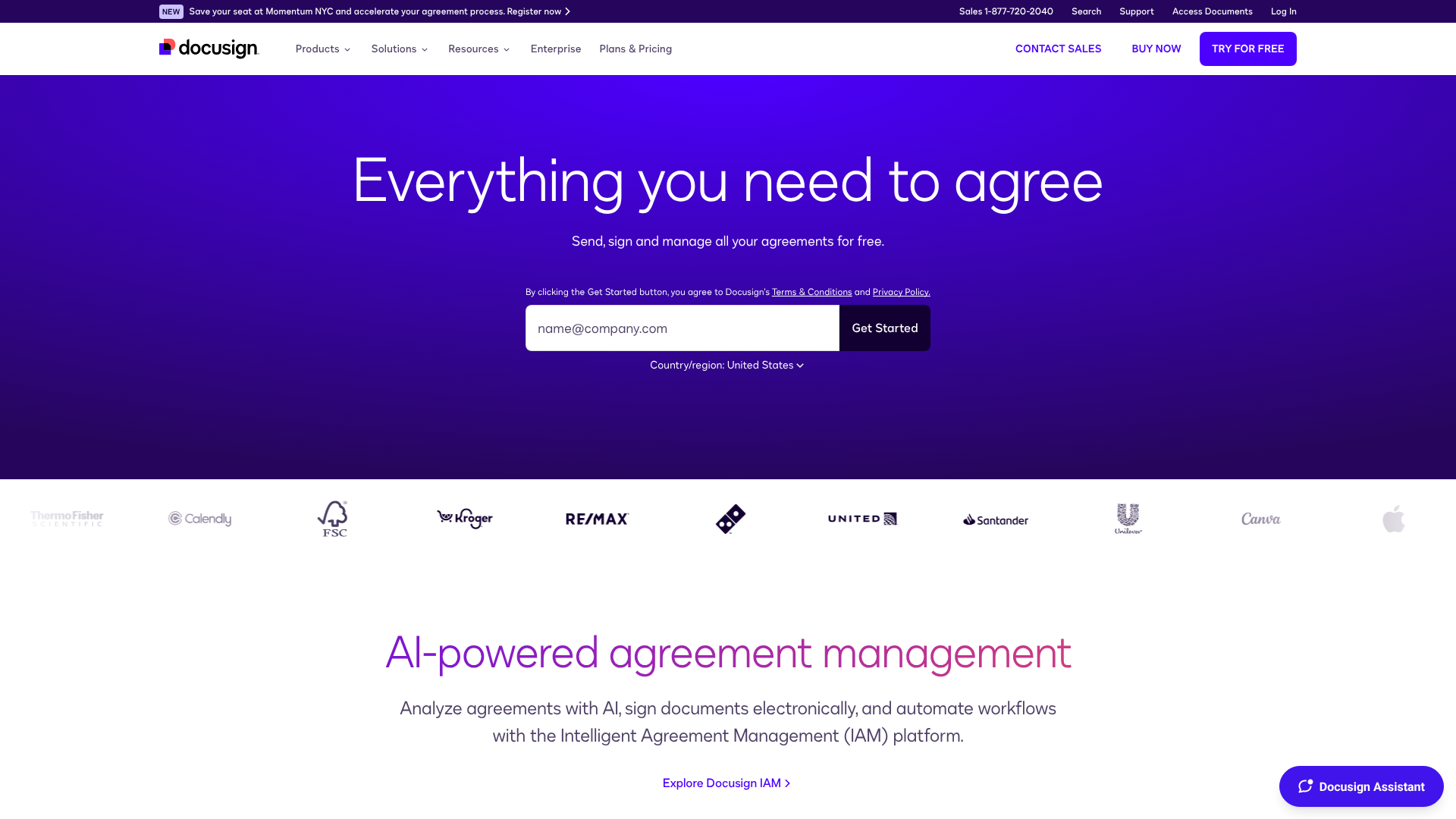
While primarily known as an e-signature platform, DocuSign also offers a library of basic agreement templates, including NDAs. The major advantage here is the seamless integration of the document creation and signing process. You can generate an NDA and send it out for legally binding digital signatures within a single platform.
- Pros: Streamlines the entire workflow from creation to execution, trusted name in digital security.
- Cons: The templates themselves can be quite basic; the platform's main strength is the signature technology, not document customisation.
5. Open-Source Legal Templates: For Tech Startups
Several organisations in the tech and venture capital space provide open-source legal documents tailored for startups. For example, Y Combinator and other accelerators often share standardised templates for common startup needs, including NDAs. These are often drafted by top-tier law firms and are well-suited for technology-related disclosures.
- Pros: Free, designed specifically for the tech industry, often high-quality.
- Cons: Can be heavily biased towards US law (specifically Delaware or California), may need significant adaptation for UK-based businesses.
Pricing and Cost: Free vs. Paid NDA Templates
One of the first decisions you'll face is whether to use a free template or pay for a service. While 'free' is always tempting, it's important to understand the trade-offs. The right choice depends on the value of the information you're protecting.
The Appeal of Free Non-Disclosure Forms
Free templates are easily accessible and cost nothing upfront. They can be a perfectly adequate solution for low-stakes situations. For example, if you're having a preliminary chat with a potential contractor about a small project, a basic free template can set a professional tone and provide a baseline level of protection. The main benefit is immediate access without any financial commitment.
However, the risks are significant. Free templates can be outdated, too generic, or missing clauses that are critical for your industry or jurisdiction. There is no guarantee of their legal soundness, and if a dispute arises, you might find your 'free' agreement costs you dearly. There's no support to turn to if you have questions.
When to Invest in a Paid Service
Paid services, such as those offered by LegalContracts, provide peace of mind. These platforms invest in legal professionals to draft and update their templates, ensuring they align with current laws and best practices. The guided, interactive process helps prevent common mistakes, like forgetting to define the term of the agreement or being too vague about what constitutes confidential information.
The cost is a clear downside, but when you are protecting valuable trade secrets, a multi-million-pound business idea, or sensitive customer data, the small investment is a form of insurance. It provides a much higher degree of confidence that your agreement will be enforceable if you ever need it to be.
Comparison at a Glance
| Feature | Free Templates | Paid Services (e.g., LegalContracts) |
|---|---|---|
| Cost | £0 | Varies (Subscription or one-off fee) |
| Customisation | Manual, requires legal knowledge | Guided, extensive, and user-friendly |
| Legal Validity | Varies, can be risky | High, often specific to your jurisdiction |
| Support | None | Customer support is typically available |
| Best For | Low-stakes, simple agreements, educational use | High-value information, formal business use |
Pros and Cons of Using Pre-Made Templates
Using templates to create legal documents is a common practice, but it's essential to approach it with a clear understanding of both the benefits and the potential drawbacks.
The Advantages
- Cost-Effective: The most obvious benefit is cost. A template, even from a paid service, is significantly cheaper than hiring a solicitor to draft an NDA from scratch, which can cost hundreds or even thousands of pounds.
- Time-Saving: You can generate and deploy an NDA in minutes. This speed is invaluable when you need to move quickly on a business opportunity without getting bogged down in legal delays.
- Accessibility: High-quality templates are readily available online. This democratises access to legal protection, allowing small businesses and startups to safeguard their ideas without a large legal budget.
- Educational: Working through a template helps you understand the fundamental components of a confidentiality agreement. It forces you to think about what information is sensitive and what terms are reasonable.
The Disadvantages and Risks
- One-Size-Fits-None: A generic template might not adequately cover the unique aspects of your situation. It could be missing industry-specific clauses or fail to address the particular risks you face.
- Lack of Context: Without legal training, you might not fully grasp the implications of certain clauses. You could inadvertently agree to terms that are overly restrictive or fail to include language that offers you full protection.
- Enforceability Issues: If the template is poorly drafted, outdated, or not compliant with the laws of your jurisdiction, a court may refuse to enforce it. This is the biggest risk of relying on a subpar free document.
- A False Sense of Security: The greatest danger is thinking you are fully protected when you are not. A flawed NDA can be worse than no NDA at all, as it might lead you to disclose sensitive information under the mistaken belief that you have legal recourse.
Frequently Asked Questions (FAQ)
Here are answers to some of the most common questions people have about non-disclosure agreement templates.
Can I make my own non-disclosure agreement?
Yes, you can technically write your own NDA from scratch. However, this is highly risky unless you have legal training. To be legally enforceable, the document must contain specific elements and precise language. Using a professionally drafted template from a reputable source is a much safer approach than starting with a blank page. It ensures you have the correct foundational structure and legal terminology.
Where can I find a free NDA template?
You can find free NDA templates from various sources, including government websites like the UK's Intellectual Property Office, university law departments, and open-source legal projects. While these are good starting points, always review them carefully to ensure they fit your needs and consider having a legal professional look over the final document for any high-stakes disclosures.
How do you write a simple non-disclosure agreement?
To write a simple NDA, you must include the five core elements. First, clearly identify all parties involved. Second, provide a specific definition of what information is confidential. Third, outline the recipient's obligations to protect that information. Fourth, set a clear time frame for how long the confidentiality must last. Finally, state the consequences of breaching the agreement.
Do I need a solicitor to draft an NDA?
You don't always need a solicitor. For many standard business situations, a high-quality, customisable template from a service like LegalContracts is sufficient. However, you should strongly consider hiring a solicitor if the information is extremely valuable (e.g., a patentable invention), the deal is very complex, or it involves international parties and multiple legal jurisdictions.
Can I put NDA information into ChatGPT?
Absolutely not. You should never input confidential or sensitive information into public AI models like ChatGPT. Doing so could violate the very confidentiality you are trying to protect. The data you enter may be used for training purposes and is not secure. Using AI to draft an NDA from a generic prompt is also risky, as the output may not be legally sound or appropriate for your jurisdiction.
What are red flags in an NDA?
Key red flags include a definition of 'Confidential Information' that is overly broad and vague (e.g., "all information exchanged between parties"). Another is an unreasonably long or perpetual time period for confidentiality. Also, be wary of one-sided clauses that heavily favour the other party, or any terms that restrict your ability to conduct your own business or use your pre-existing knowledge.
Conclusion: Securing Your Information the Smart Way
In today's information-driven economy, protecting your confidential data is not just good practice—it's essential for survival and growth. Non-disclosure agreement templates have made this critical legal tool more accessible and affordable than ever before. They provide a powerful framework for establishing trust and setting clear boundaries in your professional relationships.
While free templates can serve a purpose in low-risk scenarios, the potential for error is high. For any situation involving valuable intellectual property, sensitive business strategy, or personal data, the smart choice is to use a solution that offers guidance and reliability. A tailored approach ensures your agreement is not just a piece of paper, but an enforceable shield for your most important assets.
Protecting your confidential information is not something to leave to chance. For a reliable, customisable, and straightforward solution that balances cost and security, consider using a service like LegalContracts to create an agreement that fits your specific needs.