



Top 5 Loan Agreement Templates Free for UK Personal & Business Use
Lending or borrowing money, whether between family members, friends, or for a small business, hinges on trust. However, trust alone isn't enough to protect your financial interests. A formal, written contract is essential, which is why so many people search for loan agreement templates free of charge to formalise the arrangement. A well-structured agreement clarifies terms, sets expectations, and provides a legal framework, preventing misunderstandings and disputes down the line.
- What You'll Learn
- What Exactly is a Loan Agreement?
- Key Features: What Every Loan Agreement Must Include
- 1. The Parties Involved
- 2. The Principal Amount and Loan Date
- 3. The Interest Rate
- 4. The Repayment Plan
- 5. Default Clause
- 6. Governing Law
- The Benefits of Using Professional Loan Agreement Samples
- How to Choose the Right Free Loan Template
- Top 5 Sources for Loan Agreement Templates Free of Charge
- 1. LawDepot Free Loan Agreement
- 2. eForms Loan Agreement Templates
- 3. DocuSign Loan Agreement Sample
- 4. LegalTemplates.net
- 5. Simply-Docs Personal Loan Agreement
- For Ironclad Protection: A Look at LegalContracts
- Pros and Cons: Free vs. Paid Loan Contracts
- Frequently Asked Questions (FAQ)
- What makes a loan agreement legally binding in the UK?
- Can I just write my own loan agreement from scratch?
- Do I need a witness or a notary for a loan agreement?
- What happens if the borrower doesn't pay me back?
- Final Thoughts
It transforms a casual handshake into a clear, enforceable commitment, ensuring both the lender and borrower are on the same page from day one.
This guide explores the best free resources for downloadable loan contracts, explains the critical clauses you must include, and helps you choose the right option for your situation. We'll cover everything from simple personal loans to more detailed business arrangements, ensuring you have the tools to lend or borrow money safely and securely. We will also look at a premium service for those who require more robust legal protection and customisation.
What You'll Learn
- The Core Components: Understand the essential clauses, such as repayment terms, interest rates, and default conditions, that every loan agreement must contain to be effective.
- Where to Find Reliable Templates: Discover our top recommendations for sources offering free, downloadable loan contracts in formats like PDF and Word.
- Free vs. Paid Options: Learn the key differences between using a free template and opting for a paid legal document service, helping you decide which is right for you.
- How to Customise Your Agreement: Get practical tips on how to tailor a generic template to fit your specific lending or borrowing needs, ensuring all parties are protected.
- Legal Considerations: Gain insight into what makes a loan agreement legally binding in the UK and the importance of details like witness signatures.
What Exactly is a Loan Agreement?

A loan agreement is a formal, legally binding contract between two or more parties: a lender (the person or entity providing the money) and a borrower (the person or entity receiving the money). The document outlines all the terms and conditions of the loan, creating a clear and enforceable record of the arrangement. Its primary purpose is to eliminate ambiguity and protect both sides by explicitly stating their rights and responsibilities.
Unlike a simple IOU which only acknowledges a debt, a comprehensive loan agreement details the mechanics of the loan. This includes the total amount of money being borrowed (the principal), the interest rate (if any), the repayment schedule (e.g., monthly instalments, lump sum), the final due date, and the consequences if the borrower fails to repay the loan as agreed (default conditions). It serves as the single source of truth for the transaction.
Whether you're lending £500 to a friend to cover an unexpected bill or providing a more substantial sum as a start-up loan for a new business, a written agreement is crucial. Verbal agreements are notoriously difficult to prove and enforce in court. A signed document provides concrete evidence of the terms, preventing one party from later claiming the money was a gift or that the repayment conditions were different. Using free loan templates is a popular starting point for creating this essential document without incurring legal fees upfront.
Key Features: What Every Loan Agreement Must Include
A loan agreement is only as strong as its clauses. A generic template might miss crucial details specific to your situation. Before you download the first template you find, ensure it contains, or allows you to easily add, the following essential components. These elements are the backbone of a secure and clear contract.

1. The Parties Involved
This seems obvious, but precision is key. The agreement must clearly identify the full legal names and addresses of both the lender and the borrower. If a business is involved, its full registered name and business address should be used. This clarity prevents any confusion about who is responsible for upholding the contract.
2. The Principal Amount and Loan Date
The document must state the exact amount of money being loaned, written in both numbers and words to avoid ambiguity (e.g., £5,000 (five thousand pounds)). It should also include the date the funds are disbursed to the borrower. This date is often the official start of the loan term.
3. The Interest Rate
If the loan will accrue interest, the agreement must specify the rate. This is typically expressed as an Annual Percentage Rate (APR). The contract should also clarify how the interest is calculated (e.g., compounded monthly or annually) and if the rate is fixed (stays the same) or variable (can change over the loan term). If there is no interest, the agreement should explicitly state that the loan is interest-free.
4. The Repayment Plan
This is one of the most critical sections. It details exactly how and when the borrower will repay the loan. Common options include:
- Regular Instalments: Monthly or weekly payments of a set amount until the loan is paid off.
- Lump Sum: The entire principal and any accrued interest are paid back on a single, specific date.
- Interest-Only Payments: The borrower makes regular payments covering only the interest, with the principal due in a lump sum at the end of the term.
The agreement should specify the date of the first payment, the frequency of payments, and the date of the final payment.
5. Default Clause
What happens if the borrower fails to pay? A default clause outlines the consequences. This could include the lender's right to demand full repayment of the entire outstanding balance immediately, the application of a higher penalty interest rate on the overdue amount, or the right to take legal action. This clause gives the agreement its teeth and incentivises timely repayment.
6. Governing Law
This clause specifies which country's laws will be used to interpret the agreement. For loans made within the UK, it should state that the agreement is governed by the laws of England and Wales, Scotland, or Northern Ireland, depending on where the parties reside and where the contract is signed. This is vital if a dispute ever needs to be settled in court.
The Benefits of Using Professional Loan Agreement Samples
While you could try to draft a loan agreement from scratch, using professionally prepared loan agreement samples offers significant advantages, especially for those without a legal background. These templates provide a solid foundation, ensuring you don't overlook critical legal protections.
First, they save a tremendous amount of time and effort. Researching legal requirements and drafting clauses from zero is a complex task. A template provides a pre-built structure, allowing you to simply fill in the specific details of your loan. This efficiency means you can formalise your agreement quickly and move forward with the transaction.
Second, they are cost-effective. Hiring a solicitor to draft a simple loan agreement can cost hundreds of pounds. For many personal or small business loans, this expense is prohibitive. Free templates offer a no-cost alternative that provides a good level of protection for straightforward lending scenarios.
They democratise access to legal documentation, making it possible for anyone to create a formal contract.
Finally, a good template ensures comprehensiveness. Reputable sources design their templates to include all the standard clauses necessary for a legally sound agreement. This reduces the risk of accidentally omitting a crucial term, like a default clause or governing law provision, which could render your agreement weak or unenforceable. Using a template acts as a checklist, guiding you through all the necessary components for a robust contract.
Pro Tip: When using any template, always read through every clause carefully. Do not assume the default language is perfect for your situation. If a term seems confusing or irrelevant, seek clarification or consider modifying it to better reflect your agreement.
How to Choose the Right Free Loan Template
With numerous websites offering downloadable loan contracts, it can be challenging to know which one to trust. Not all templates are created equal. A poor-quality template could offer a false sense of security while leaving you exposed. Here are key factors to consider when selecting the right option for your needs.
Source Reputation: Choose templates from reputable sources. Legal document websites, government business portals, or established financial advice sites are generally more reliable than a random blog post. Look for signs of credibility, such as clear contact information, positive user reviews, and professional presentation.
Relevance to Your Loan Type: Ensure the template matches your specific situation. A loan agreement for a car purchase will have different clauses than a simple personal loan between friends. Look for templates specifically labelled for personal loans, family loans, business loans, or secured loans (if collateral is involved).
Customisability and Format: The best templates are easily editable. Look for options available in formats like Microsoft Word (.docx) rather than just a static PDF. A Word document allows you to easily add, remove, or modify clauses to perfectly match the terms you've agreed upon with the other party.
Clarity and Simplicity: The language used should be clear, concise, and easy to understand for a non-lawyer. Avoid templates filled with overly complex legal jargon that could cause confusion. The goal of the agreement is to create clarity, not add another layer of complexity.
Jurisdictional Appropriateness: While many basic loan principles are universal, some legal nuances can vary. Whenever possible, look for templates that are specified for use in the UK. This helps ensure the governing law and other legal references are appropriate for your jurisdiction.
By using this checklist, you can filter through the options and select a high-quality template that provides a solid and reliable foundation for your loan agreement.
Top 5 Sources for Loan Agreement Templates Free of Charge
Here are some of the most reliable online sources where you can find high-quality, free loan agreement templates. These platforms offer various options suitable for different types of loans.
1. LawDepot Free Loan Agreement
LawDepot offers a guided questionnaire that helps you build a customised loan agreement. While it is a premium service, it often allows you to create and download a document for free during a trial period. Its step-by-step process ensures you consider all the necessary details, from interest rates to repayment schedules.
- Pros: Highly customisable, guided process reduces errors, suitable for UK law.
- Cons: Requires signing up for a free trial, which may need to be cancelled to avoid charges.
2. eForms Loan Agreement Templates
eForms provides a wide variety of legal document templates, including several types of loan agreements. You can find templates for unsecured loans, secured loans, and even simple promissory notes. The documents are available to download directly in Word or PDF format, making them easy to access and edit.
- Pros: Large selection of templates, direct download with no sign-up required for basic versions, clear and simple layouts.
- Cons: The sheer number of options can be overwhelming for beginners.
3. DocuSign Loan Agreement Sample
Known primarily for its e-signature platform, DocuSign also provides a selection of document templates, including a personal loan agreement. Their template is straightforward and designed for easy integration with their digital signing service, which can be useful for executing the agreement remotely. The template itself is well-structured and covers the essential clauses.
- Pros: Integrates with a trusted e-signature platform, clean and professional design, focuses on core requirements.
- Cons: Less variety in templates compared to dedicated legal form websites.
4. LegalTemplates.net
LegalTemplates.net offers an intuitive document builder that walks you through creating a loan agreement. The process is interactive, asking you questions about your loan and generating the document based on your answers. This helps ensure your final agreement is tailored to your specific needs. You can typically download the final document in multiple formats.
- Pros: Interactive builder makes customisation easy, covers a wide range of loan scenarios, provides helpful explanations along the way.
- Cons: Some advanced features or download formats may require a subscription or one-time payment.
5. Simply-Docs Personal Loan Agreement
Simply-Docs provides a range of business and legal documents tailored for the UK market. They offer a selection of personal loan agreements, including secured and unsecured options. While it's a subscription-based service, they often have free samples or basic versions available. Their documents are known for being thorough and compliant with UK law.
- Pros: Specifically designed for UK law, comprehensive and detailed templates, professional-grade quality.
- Cons: Full access requires a subscription, so free options may be limited.
For Ironclad Protection: A Look at LegalContracts
While free templates are an excellent resource for simple, low-risk situations, there are times when you need a higher level of assurance and customisation. For significant loan amounts, business loans, or agreements with complex terms, using a dedicated legal document service is a wise investment. This is where a platform like LegalContracts shines.
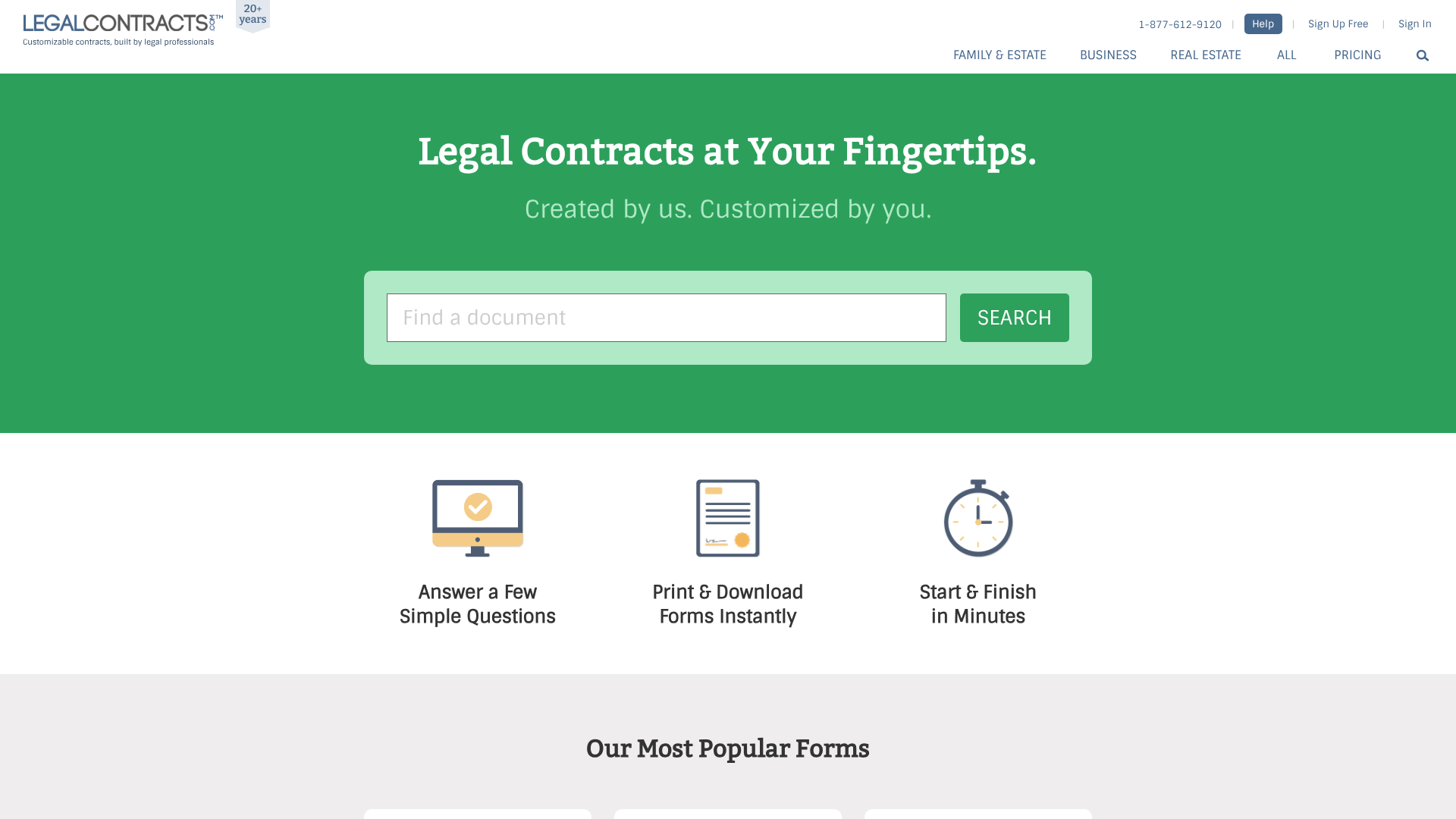
LegalContracts is a premium service that specialises in creating legally sound, highly customised documents. Unlike a static downloadable template, it uses an interactive, step-by-step builder. You answer a series of plain-English questions about your loan, and the platform generates a tailored agreement based on your inputs. This process ensures that the final document accurately reflects your specific arrangement and includes the necessary legal protections for your jurisdiction.
This guided approach minimises the risk of errors or omissions that can occur when manually editing a generic template. It helps you consider aspects you might not have thought of, such as specific default penalties or collateral details. The final document is professional, comprehensive, and built to be enforceable.
Pros
- Guided Creation: The questionnaire-style process is user-friendly and ensures all critical details are included.
- High Customisation: Easily create agreements for various scenarios, including secured loans, variable interest rates, and specific repayment structures.
- Jurisdiction-Specific: The platform tailors clauses to comply with the laws of your specific country or region, a feature often missing in generic templates.
- Peace of Mind: For larger sums of money, the small investment provides significant peace of mind, knowing your agreement is robust and professionally constructed.
Cons
- Cost: It is a paid service, unlike the free templates listed above. You should check their website for the latest pricing.
If your loan involves a substantial amount of money or complex terms, the security offered by a service like LegalContracts might be worth the investment. It bridges the gap between a basic free template and the high cost of hiring a solicitor.
Pros and Cons: Free vs. Paid Loan Contracts
Deciding between a free template and a paid service comes down to balancing cost against risk. Both options have their place, depending on the complexity and value of the loan. Here’s a direct comparison to help you choose.
| Feature | Free Loan Templates | Paid Services (e.g., LegalContracts) |
|---|---|---|
| Cost | £0 | Typically a one-time fee or subscription. |
| Customisation | Limited. Requires manual editing, which can introduce errors. | High. Guided process creates a tailored document based on your answers. |
| Legal Compliance | Generally good for basic cases, but may not be specific to your jurisdiction. | Excellent. Documents are updated and tailored to local laws. |
| Ease of Use | Simple to download, but requires careful manual completion. | Very easy. The platform guides you through each step. |
| Support | None. You are on your own if you have questions. | Customer support is usually available to help with the process. |
| Best For | Simple, low-value personal loans between people with a high level of trust. | High-value loans, business loans, complex repayment terms, or when you need maximum legal protection. |
Free templates are a fantastic tool for straightforward situations. Lending a few hundred pounds to a sibling is very different from providing a £20,000 start-up loan to a business partner. As the financial stakes and complexity increase, the value of a professional, paid service grows exponentially. It's about choosing the right tool for the job to ensure your financial interests are properly protected.
Frequently Asked Questions (FAQ)
Here are answers to some common questions about using and creating loan agreements.
What makes a loan agreement legally binding in the UK?
For a loan agreement to be legally binding in the UK, it must contain the core elements of a valid contract. This includes a clear offer and acceptance (both parties agree to the terms), consideration (the exchange of value, i.e., the loan amount for the promise to repay), and an intention to create legal relations. Crucially, the agreement must be signed by both the lender and the borrower. While not always mandatory for simple contracts, having the signatures witnessed by an independent third party can significantly strengthen its enforceability if it's ever challenged in court.
Can I just write my own loan agreement from scratch?
You can, but it's generally not recommended unless you have a legal background. The risk of omitting essential clauses or using ambiguous language is high. A poorly drafted agreement might be unenforceable or fail to provide the protection you need. Using a reputable template or a document-building service is a much safer approach.
These tools are designed by legal professionals to ensure all the necessary components are included and phrased correctly, saving you from potentially costly mistakes.
Do I need a witness or a notary for a loan agreement?
In the UK, most simple loan agreements do not legally require a notary. However, having the agreement signed in the presence of a witness for each party is a highly recommended best practice. A witness should be an independent adult who is not a party to the loan and has no financial interest in it. Their signature confirms that they saw the parties sign the document, which adds a layer of security and makes it much harder for someone to later claim they didn't sign it.
For very large or complex loans, especially those secured against property, seeking legal advice and potentially notarisation is advisable.
What happens if the borrower doesn't pay me back?
This is where the default clause in your loan agreement becomes critical. The first step is usually to send a formal written reminder or a letter of demand, referencing the signed agreement. If the borrower still refuses to pay, your written agreement serves as the primary evidence in any legal action you might take. For smaller amounts, you may be able to use the small claims court process.
The loan agreement will be the cornerstone of your case, proving the existence of the debt and the agreed-upon terms of repayment.
Final Thoughts
Formalising a loan, no matter how small or informal, is a critical step in protecting both the lender's investment and the relationship between the parties. Using loan agreement templates free of charge is a practical and accessible way to create the necessary legal framework for most personal and small-scale lending situations. A well-chosen template ensures all key terms are documented, creating clarity and preventing future disputes.
For simple, low-risk loans, a downloadable contract from a reputable source like eForms or LawDepot can be perfectly adequate. However, as the financial stakes increase, so does the need for precision and legal robustness. In these cases, a premium service like LegalContracts offers a superior level of customisation and legal assurance, providing peace of mind that is well worth the modest cost.
Ultimately, the goal is to create a document that is clear, fair, and enforceable. By taking the time to choose the right template and carefully detailing your terms, you ensure that your act of lending or borrowing is built on a foundation of security, not just trust.