



Top 5 Free Loan Agreement Templates (2026): For Personal & Business Use
Whether you're lending money to a friend, family member, or a business partner, a formal agreement is essential for protecting all parties involved. Many people turn to free loan agreement templates to formalise these arrangements without incurring legal fees. These documents provide a structured framework that outlines the terms of the loan, ensuring there is no confusion about repayment schedules, interest rates, or consequences for non-payment. A well-drafted agreement transforms a casual handshake into a clear, enforceable contract, providing peace of mind and a clear path forward.
- What You'll Learn
- What Exactly is a Loan Agreement?
- The Core Components of Any Solid Loan Agreement Template
- Contact Information of Both Parties
- Principal Loan Amount and Interest Rate
- Repayment Schedule
- Late Fees and Default Clauses
- Collateral Details (for Secured Loans)
- Governing Law and Signatures
- The Benefits of Using Free Loan Templates (and a Few Cautions)
- Top 5 Free Loan Agreement Templates for Personal & Business Use
- 1. LegalContracts: Best for Customisable, Legally-Sound Agreements
- 2. LawDepot: Great for a Variety of Situations
- 3. eForms: Excellent Source for Basic PDF & Word Templates
- 4. DocuSign: Ideal for E-Signature Integration
- 5. PandaDoc: Good for Business-to-Business Loans
- How to Choose the Right Sample Loan Agreement for Your Needs
- Assess the Complexity of Your Loan
- Consider the Relationship Between Parties
- Check for Jurisdiction-Specific Clauses
- Ensure it's Editable and Clear
- Frequently Asked Questions (FAQ)
- Can I make my own loan agreement?
- Is a handwritten loan agreement legally binding?
- What is the legal document for loaning money to a friend?
- Does a loan agreement need to be notarised?
- Can I legally lend money to a friend and charge interest?
- What are common mistakes in loan agreements?
- Final Thoughts: Securing Your Financial Arrangements
However, not all loan templates are created equal. The quality and comprehensiveness can vary significantly, and choosing the wrong one can leave you exposed to financial risk and legal disputes. This guide will walk you through the essential components of a solid loan agreement, highlight the best sources for reliable templates, and help you choose the right option to secure your financial interests.
What You'll Learn
- What a Loan Agreement Is: A loan agreement is a legally binding contract that details the terms of a loan, protecting both the lender and the borrower by creating a clear, written record.
- Essential Clauses: Every effective agreement must include key details such as the loan amount, interest rate, a clear repayment schedule, and what happens in case of a default.
- Benefits vs. Risks: While using free loan templates is cost-effective and convenient, they can sometimes be too generic and may not cover specific legal requirements for your situation.
- Top Recommendations: For maximum protection and customisation, services like LegalContracts offer guided, legally-vetted document creation, while other platforms provide basic downloadable templates.
What Exactly is a Loan Agreement?
A loan agreement is a formal, written contract between a lender (the person or entity providing the money) and a borrower (the person or entity receiving the money). Its primary purpose is to set out the agreed-upon terms and conditions of the loan in a clear and unambiguous way. This document serves as a legally enforceable record that can be used in court if a dispute arises, making it a critical tool for any lending situation.
It's important to distinguish a loan agreement from a simple IOU (I Owe You). An IOU merely acknowledges that a debt exists and states the amount owed. A loan agreement, on the other hand, is far more comprehensive. It details not just the amount, but also the entire structure of the repayment, including interest, deadlines, penalties, and other specific conditions.
There are several types of loans, and the agreement will reflect this. A secured loan involves the borrower pledging an asset (like a car or property) as collateral, which the lender can claim if the loan is not repaid. An unsecured loan does not require collateral and is based solely on the borrower's creditworthiness and promise to repay. Agreements can also be for personal loans (between friends or family) or for more complex business transactions.

The Core Components of Any Solid Loan Agreement Template

When you download or create a loan agreement, it must contain specific clauses to be effective. These components eliminate ambiguity and ensure both parties understand their rights and responsibilities. Missing even one of these key elements can render the agreement weak or unenforceable. Here’s a breakdown of what you must include.
Contact Information of Both Parties
This seems basic, but it's fundamental. The agreement must clearly state the full legal names and current addresses of both the lender and the borrower. For businesses, this should include the official registered business name and address. This information is crucial for legal identification and for sending any formal notices required under the agreement.
Principal Loan Amount and Interest Rate
The document must specify the exact principal amount of the loan in pounds sterling (£). Alongside this, the interest rate should be clearly defined. It's best to state the Annual Percentage Rate (APR), which represents the yearly cost of the loan. The agreement should also clarify how the interest is calculated—for example, if it's compounded monthly or annually.
Pro Tip: Be aware of usury laws, which are regulations that set a maximum legal interest rate. In the UK, while there isn't a strict cap for personal loans, the Financial Conduct Authority (FCA) expects all lending to be fair. Charging an excessively high interest rate could be deemed unenforceable.
Repayment Schedule
This is the heart of the agreement. The repayment schedule should detail exactly how the loan will be paid back. This includes the amount of each payment, the due date of each payment (e.g., the 1st of every month), and the total number of payments. It should also state the method of payment, such as bank transfer or standing order.
Late Fees and Default Clauses
What happens if the borrower misses a payment? The agreement must outline the consequences. This includes any late fees that will be applied and the grace period (if any) before a payment is considered late. The default clause is even more critical; it defines what constitutes a default (e.g., missing three consecutive payments) and what actions the lender can take, such as demanding full repayment immediately or seizing collateral.
Collateral Details (for Secured Loans)
If the loan is secured, the agreement must describe the collateral in detail. For a vehicle, this would include the make, model, year, and Vehicle Identification Number (VIN). For property, it would include the full address and title details. This section ensures there is no dispute about what asset is securing the loan.
Governing Law and Signatures
Finally, the agreement should state which country's laws will govern the contract (e.g., "This agreement shall be governed by the laws of England and Wales"). Both the lender and the borrower must sign and date the document to indicate their acceptance of the terms. For added legal weight, especially for larger sums, it’s wise to have the signatures witnessed by a neutral third party.
The Benefits of Using Free Loan Templates (and a Few Cautions)
Using free loan templates can be an excellent starting point, but it's important to weigh the advantages against the potential drawbacks. Understanding both sides will help you make an informed decision and avoid common pitfalls.
The Pros: Cost-Effective and Accessible
The most obvious benefit is the cost. Hiring a solicitor to draft a custom loan agreement can be expensive, making free templates an attractive alternative, especially for smaller, straightforward loans. They are readily available online and can be downloaded instantly, providing a quick and convenient way to formalise an agreement without delay.
These templates also serve as a valuable educational tool. They introduce you to the standard clauses and legal terminology used in lending, helping you understand what should be included. For someone unfamiliar with legal documents, a good template can act as a checklist to ensure all essential bases are covered.
The Cons: May Lack Specificity or Legal Nuances
The biggest risk with a generic, free loan template is that it may not be specific enough for your situation. A one-size-fits-all document might not account for the unique aspects of your agreement or comply with the specific laws of your region. This can leave loopholes that could be exploited later.
Furthermore, many free templates are overly simplistic. They might omit important clauses related to early repayment, what happens if the borrower passes away, or how disputes should be resolved (e.g., through mediation). Relying on a basic template for a significant or complex loan is risky, as it may not offer the comprehensive protection you need if things go wrong.
Top 5 Free Loan Agreement Templates for Personal & Business Use
Navigating the options for loan agreements can be tricky. Some services offer genuinely free downloadable files, while others provide powerful tools to build a custom document. Here are our top picks for 2026, covering a range of needs from simple personal loans to more complex business arrangements.
1. LegalContracts: Best for Customisable, Legally-Sound Agreements
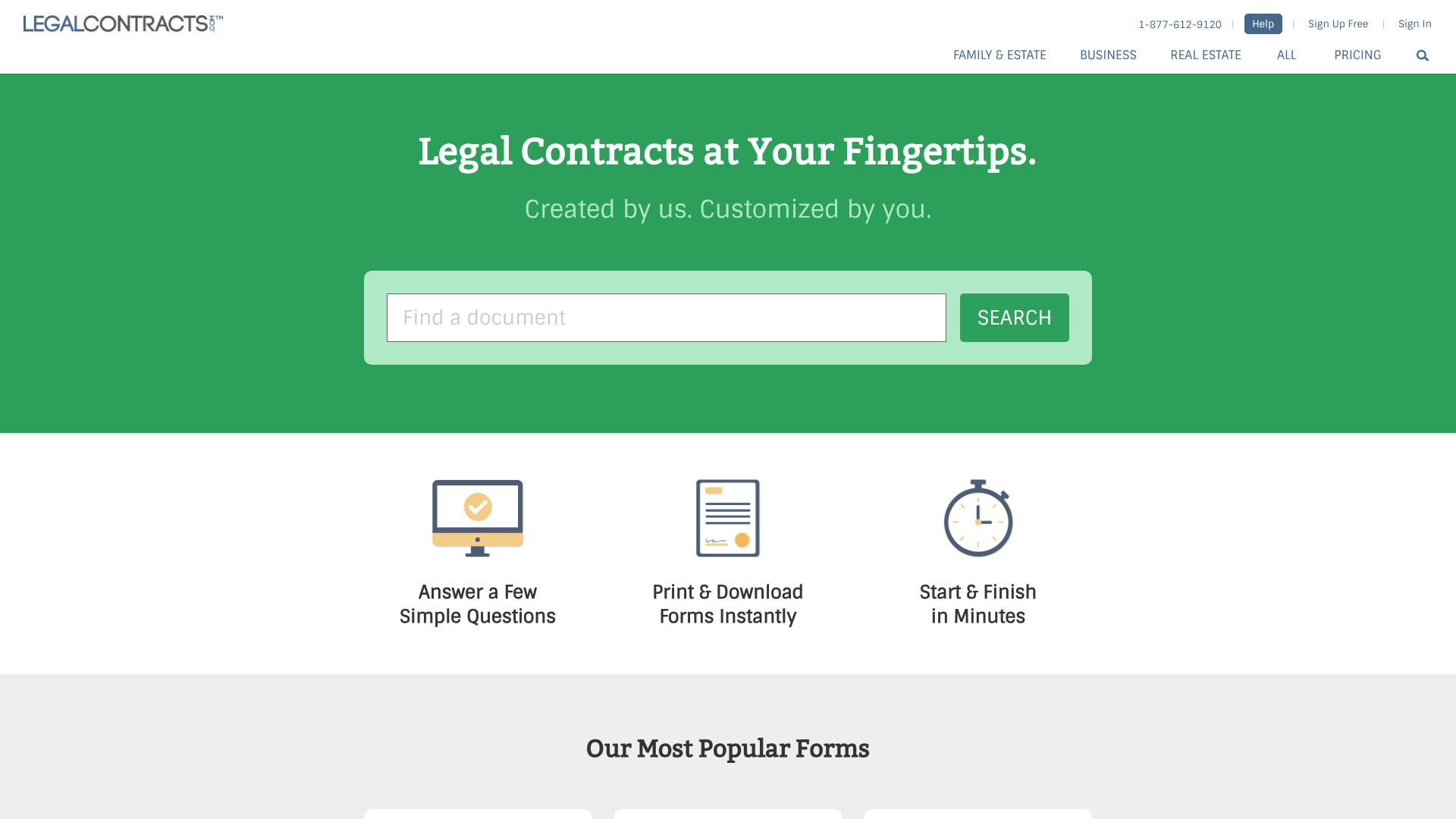
LegalContracts stands out because it doesn't just give you a static file; it guides you through creating a document tailored to your specific needs. The platform uses a question-and-answer format to gather the details of your loan, automatically inserting the correct legal clauses based on your answers. This process helps prevent common errors and ensures your final document is comprehensive and professional.
While you can build the document for free to see how it works, a subscription or one-time payment is required to download and print the final, clean version. This makes it a premium option, but the cost is a small price to pay for the peace of mind that comes with a legally sound, customised agreement.
Pros
- Highly Customisable: The guided process ensures the agreement is tailored to your specific loan terms, relationship, and jurisdiction.
- Legally Vetted: The clauses are professionally written, reducing the risk of loopholes or unenforceable terms.
- User-Friendly: The step-by-step approach makes it easy for non-lawyers to create a robust legal document.
Cons
- Paid Service: Requires payment to download the final document, so it's not entirely free.
2. LawDepot: Great for a Variety of Situations
Similar to LegalContracts, LawDepot offers an online document builder that allows you to create a customised loan agreement. It covers a wide range of scenarios, including personal loans, business loans, and promissory notes. The interface is clean and easy to navigate, making the creation process straightforward.
LawDepot operates on a subscription or free trial basis, where you can create and download documents. It’s a strong contender for those who need more than just a basic template and appreciate the guidance of an automated system. The ability to save and edit your document online is also a useful feature.
Pros
- Versatile: Offers a wide selection of legal templates beyond just loan agreements.
- Guided Creation: The questionnaire format helps ensure all necessary details are included.
Cons
- Subscription Model: Best suited for those who may need to create multiple legal documents, otherwise, it can be costly for a single use.
3. eForms: Excellent Source for Basic PDF & Word Templates
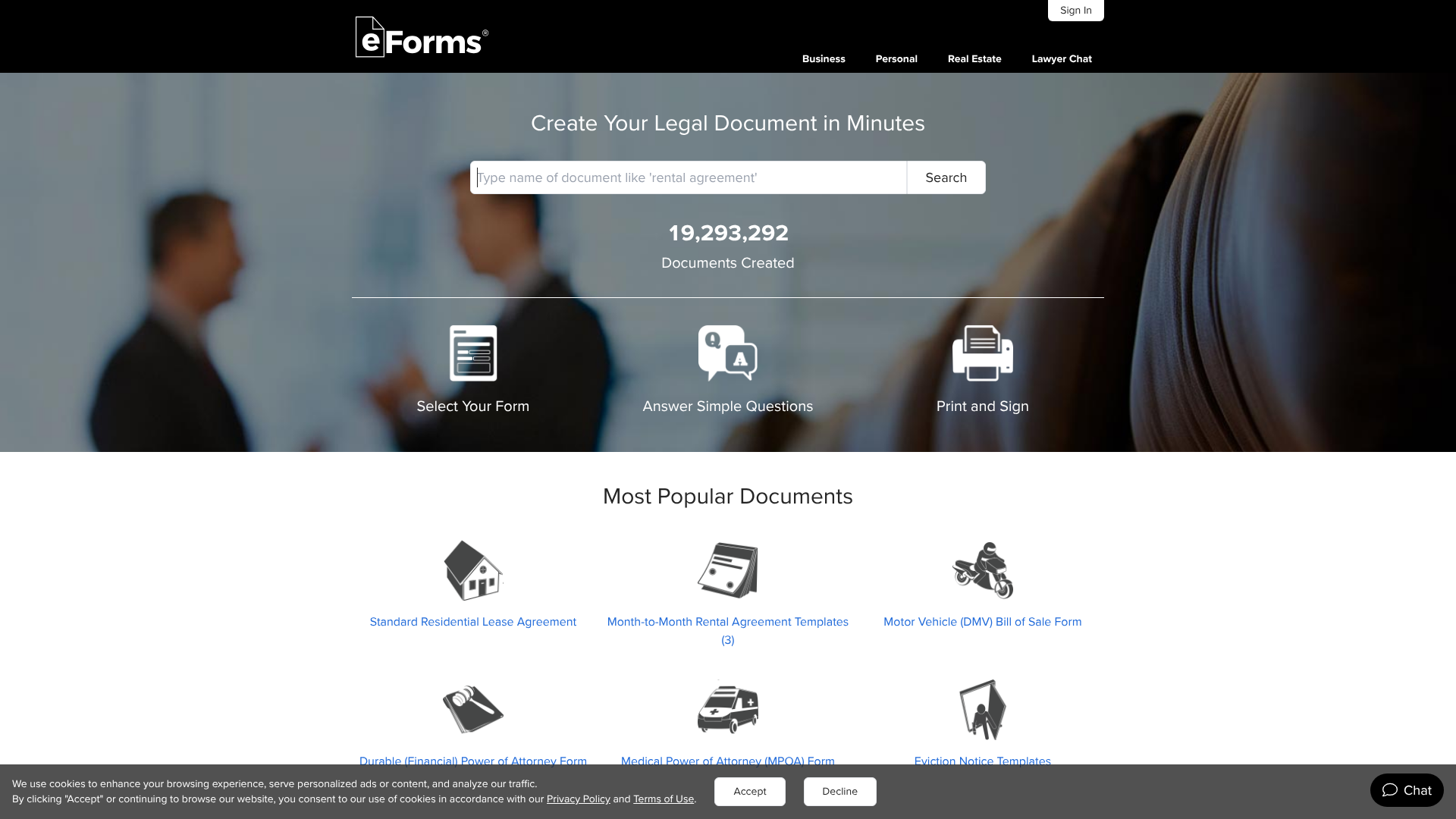
eForms is one of the most popular resources for genuinely free, downloadable legal documents. It provides a vast library of loan agreement templates in both Word and PDF formats. You can find state-specific versions, which is a significant advantage over many other free sites.
The main trade-off is that these are static templates. You will need to manually fill in all the details and be confident that the template includes all the clauses you need. It’s a great option for simple, low-risk loans where a basic framework is sufficient, but it places the responsibility of ensuring legal compliance squarely on your shoulders.
Pros
- Truly Free: No hidden costs or subscriptions to download the templates.
- Multiple Formats: Available as easy-to-edit Word documents or fillable PDFs.
Cons
- Generic: The templates are not customised and may require significant modification and legal review.
4. DocuSign: Ideal for E-Signature Integration
DocuSign is a leader in electronic signatures, and it also offers a free loan agreement template. The primary advantage of using their template is its seamless integration with the DocuSign e-signature platform. This makes it incredibly easy to send the agreement to the other party and have it signed digitally in a secure and legally recognised manner.
The template itself is fairly basic but covers the essential components. It's an excellent choice if your main priority is a streamlined, digital signing process. However, for complex loan arrangements, you might find the template lacks the detailed clauses offered by dedicated legal document builders.
Pros
- E-Signature Ready: Simplifies the signing process, making it fast and secure.
- Reputable Platform: Backed by a trusted name in digital document management.
Cons
- Basic Template: The document itself is not as comprehensive as those from specialised legal tech companies.
5. PandaDoc: Good for Business-to-Business Loans
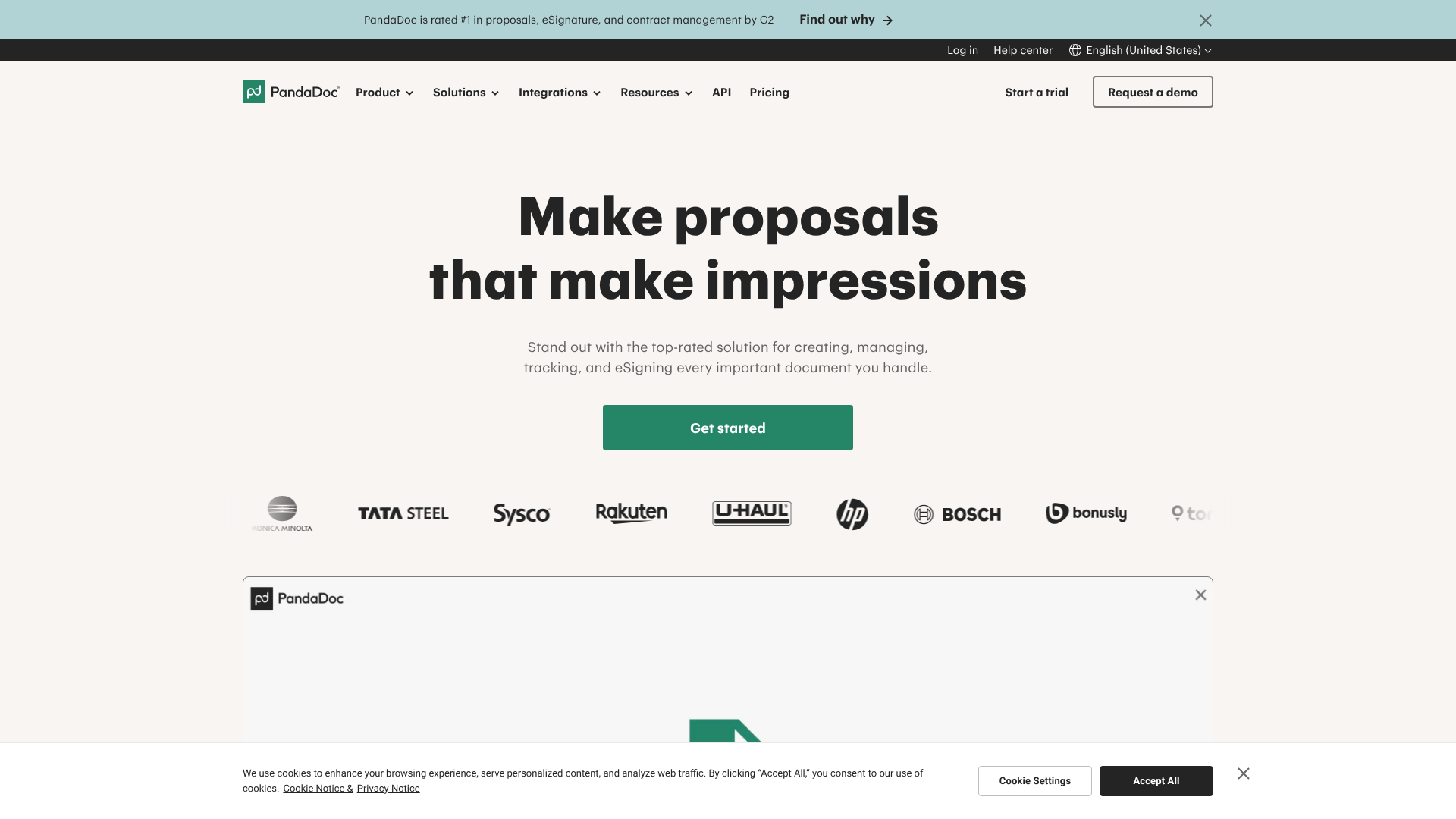
PandaDoc is a platform focused on business documents, and its loan agreement template reflects this. It’s well-suited for business loans, such as a loan from a director to their company or between two businesses. The templates are professional and integrate with PandaDoc's document analytics and e-signature features.
While it can be used for personal loans, its feature set is geared more towards a commercial audience. If you are formalising a business-related loan, PandaDoc provides a professional solution that goes beyond a simple template, allowing you to track when the document is opened and signed.
Pros
- Business-Oriented: Great features for commercial lending scenarios.
- Document Analytics: Provides insights into when the recipient has viewed the agreement.
Cons
- May Be Overkill: Potentially too complex for a simple, personal loan between friends.
How to Choose the Right Sample Loan Agreement for Your Needs
With various options available, selecting the right one depends entirely on your specific circumstances. A template that's perfect for a small loan to a family member might be dangerously inadequate for a larger business loan. Here’s how to make the right choice.
Assess the Complexity of Your Loan
First, consider the loan itself. Is it a simple, one-time payment with a straightforward repayment plan. Or does it involve complex terms like variable interest rates, phased drawdowns, or specific collateral. For a simple £500 loan to a sibling, a basic template from eForms might suffice.
For a £20,000 loan with a vehicle as collateral, you need a much more robust and detailed document, making a service like LegalContracts a wiser choice.
Consider the Relationship Between Parties
The relationship between you and the other party matters. If you're lending to a trusted family member, you might be comfortable with a simpler agreement. However, if you're lending to a business associate or someone you don't know as well, you need maximum legal protection. A more formal, professionally drafted document helps maintain a business-like boundary and protects the relationship from financial strain.
Check for Jurisdiction-Specific Clauses
Laws governing loans can vary. A generic template downloaded from an international website might not comply with UK regulations. It’s crucial to use a template that is either specific to your country or customisable enough to be adapted. Services that ask for your location during the creation process are generally more reliable in this regard.
Ensure it's Editable and Clear
Finally, make sure the template you choose is easy to edit and, more importantly, easy to understand. The final document should be written in plain English, free from confusing legal jargon. Both parties must be able to read and fully comprehend every clause before signing. If a template is locked or difficult to modify, it won’t serve your unique needs.
Frequently Asked Questions (FAQ)
Here are answers to some of the most common questions people have about creating and using loan agreements.
Can I make my own loan agreement?
Yes, you can legally draft your own loan agreement without a solicitor. The key is to ensure it includes all the essential elements: names of the parties, loan amount, interest rate, repayment terms, default conditions, and signatures. However, the risk is that you might miss a crucial detail or use ambiguous language, which could make the contract difficult to enforce if a dispute arises.
Is a handwritten loan agreement legally binding?
A handwritten agreement can be legally binding, provided it meets the basic requirements of a contract. This means it must clearly state the terms, show an intention to create legal relations, and be signed by both parties. While valid, a handwritten document can be prone to issues like illegibility, ambiguity, and difficulty in proving its authenticity. A typed, formally structured document is always preferable for clarity and enforceability.
What is the legal document for loaning money to a friend?
The correct legal document is a Loan Agreement or a Promissory Note. A Loan Agreement is more comprehensive and is recommended for most situations as it details all aspects of the loan and repayment. A Promissory Note is a simpler document that is essentially a written promise to pay a specific sum by a certain date; it often contains fewer detailed clauses than a full loan agreement.
Does a loan agreement need to be notarised?
In the UK, a loan agreement generally does not need to be notarised to be legally valid. However, having the signatures witnessed by an independent third party can be very beneficial. A witness can attest that the signatures are genuine and that the parties signed without being under duress. For very large loan amounts or complex agreements, notarisation or having a solicitor witness the signing can add an extra layer of security.
Can I legally lend money to a friend and charge interest?
Yes, it is perfectly legal to lend money to a friend and charge interest. It is crucial to document the interest rate in the loan agreement to avoid any misunderstandings. As mentioned earlier, while there are no strict usury laws for personal lending in the UK, the interest rate should be reasonable. Documenting it ensures it is treated as a formal loan rather than a gift.
What are common mistakes in loan agreements?
Common mistakes include using vague or ambiguous language, especially regarding repayment dates and amounts. Another frequent error is failing to include a default clause that specifies what happens if the borrower stops paying. Forgetting to have both parties sign the document, or not keeping a signed copy for each party, can also create significant problems down the line.
Final Thoughts: Securing Your Financial Arrangements
A verbal promise to repay a loan is built on trust, but a written loan agreement is built on clarity and legal certainty. Whether you're lending a small amount to help a friend or providing a significant sum for a business venture, formalising the arrangement is a non-negotiable step to protect your finances and your relationships.
Using free loan templates is a practical and cost-effective way to create this crucial document. For simple, low-risk situations, a basic downloadable template may be all you need. However, as the complexity and amount of the loan increase, so does the need for a more robust, detailed, and legally sound agreement.
For peace of mind and a professionally drafted document tailored to your exact needs, consider using a guided service. It's a small investment that provides comprehensive protection and ensures your agreement is clear, fair, and enforceable. If you need a robust, legally sound document, creating your agreement with LegalContracts is a smart investment.