

Lead Nurturing vs Lead Generation: Which Drives More Sales for Small Businesses?
Many businesses treat the discussion around lead nurturing vs lead generation as a choice between two competing priorities. In reality, they are two essential parts of a single, powerful growth engine. Lead generation is the act of attracting potential customers and capturing their interest, while lead nurturing is the process of building a relationship with them to guide them towards a purchase. Without generation, you have no one to nurture; without nurturing, most of your hard-won leads will never become customers.
- Quick Summary
- The Fundamental Difference: Filling the Bucket vs. Growing the Garden
- Key Features and Benefits: A Side-by-Side Comparison
- The Benefits of a Strong Lead Generation Strategy
- The Benefits of an Effective Lead Nurturing Process
- Nurturing Leads vs Generating: Which Strategy Should You Prioritise?
- For New Businesses & Startups: Focus on Generation
- For Established Businesses with a Lead Flow: Focus on Nurturing
- For Scaling Businesses: Balance and Optimise Both
- Top Tools for Generation and Nurturing
- The Economics: Pricing and Cost Comparison
- Pros and Cons: A Balanced View
- Frequently Asked Questions (FAQ)
- What is the meaning of lead nurturing?
- What comes after lead nurturing?
- What is the difference between lead nurturing and lead scoring?
- What is an example of lead nurturing?
- What are the two main types of lead generation?
- Final Thoughts: Creating a Cohesive Strategy
Understanding how these two strategies work together is the key to building a sustainable sales pipeline. Generation fills the top of your funnel with new opportunities, and nurturing skillfully moves those opportunities towards a final sale. This guide breaks down the key differences, benefits, and tools for each, helping you decide where to focus your efforts for maximum impact.
Quick Summary
- Lead Generation's Role: This is the process of attracting and converting strangers into prospects who have shown an initial interest in your business. Its primary goal is to fill your sales funnel with new contacts.
- Lead Nurturing's Role: This is the strategic process of building relationships with qualified leads who are not yet ready to buy. The goal is to educate and build trust, making your brand the obvious choice when they are ready to make a decision.
- A Necessary Partnership: These two functions are not mutually exclusive. A successful marketing strategy requires a steady flow of new leads from generation activities and an effective nurturing process to convert them into customers.
- Different Goals, Different Metrics: Lead generation is often measured by the quantity and cost per lead (CPL). Lead nurturing focuses on engagement rates, lead-to-customer conversion rates, and the length of the sales cycle.
The Fundamental Difference: Filling the Bucket vs. Growing the Garden
To truly grasp the concept of lead nurturing vs generation, it’s helpful to use an analogy. Think of lead generation as filling a bucket with rainwater. Your goal is to capture as much water (leads) as possible from various sources. Lead nurturing, on the other hand, is using that water to grow a garden, carefully tending to each plant (lead) until it’s ready to be harvested (become a customer).
What is Lead Generation? The Magnet
Lead generation is the entire process of attracting prospects to your business and capturing their information, typically an email address. It sits at the very top of the marketing funnel (TOFU) and is the first step in building a relationship with a potential customer. The focus here is on creating awareness and sparking initial interest.
Common lead generation tactics include:
- Content Marketing: Creating valuable blog posts, guides, and ebooks that solve a problem for your target audience. You can use SEO tools like Mangools (KWFinder) to discover topics your audience is searching for.
- Paid Advertising: Running targeted ads on platforms like Google, Facebook, or LinkedIn to reach a specific demographic with a compelling offer.
- Social Media Marketing: Engaging with your audience on social platforms and directing them to a lead magnet, like a free checklist or template.
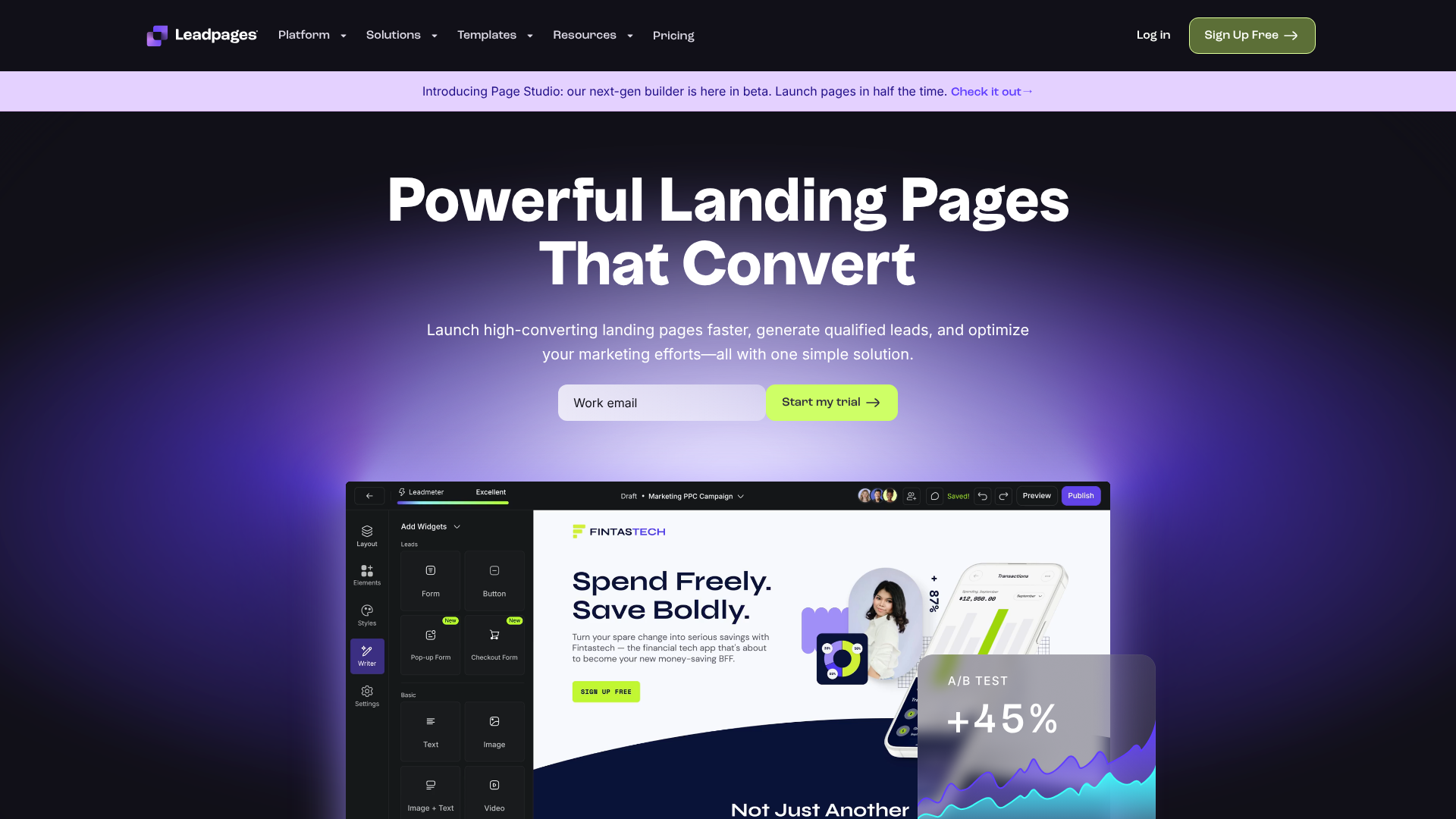
- Landing Pages: Creating dedicated web pages with a single goal: to convince a visitor to exchange their contact information for a valuable resource. Tools like Leadpages are specifically designed to build these high-converting pages quickly.
The primary goal of lead generation is to build a list of contacts who have given you permission to market to them. These individuals are considered Marketing Qualified Leads (MQLs) – they’ve shown interest but aren't necessarily ready to speak to a salesperson yet.
What is Lead Nurturing? The Gardener
Lead nurturing picks up where lead generation leaves off. According to industry research, around 80% of new leads never translate into sales without proper nurturing. This process involves building a relationship with your leads, providing them with relevant information at each stage of their decision-making process, and establishing your brand as a trusted authority.
Effective lead nurturing strategies include:
- Email Drip Campaigns: A series of automated emails sent to a lead after they take a specific action, like downloading an ebook. These emails provide additional value and gently guide the lead further down the funnel. Platforms like ActiveCampaign excel at creating these automated workflows.
- Targeted Content: Sending leads content that is relevant to their interests and stage in the buyer's journey. For example, a lead who read a blog post about a specific feature might receive a case study showing that feature in action.
- Webinars and Demos: Hosting educational events provides immense value and allows for direct interaction. A tool like EasyWebinar can help you run both live and automated webinars to nurture leads at scale.
- Lead Scoring: Assigning points to leads based on their actions (e.g., opening an email, visiting the pricing page). This helps you identify the hottest leads who are ready for a sales conversation, known as Sales Qualified Leads (SQLs).
Nurturing is a long-term game focused on building trust. It ensures that when a lead is finally ready to buy, your company is the first one they think of.
Key Features and Benefits: A Side-by-Side Comparison
While they work together, understanding the distinct characteristics of each process is crucial for allocating resources and setting the right expectations. This lead generation comparison table highlights the core differences.

| Aspect | Lead Generation | Lead Nurturing |
|---|---|---|
| Primary Goal | Capture new leads and fill the top of the funnel. | Build relationships and convert existing leads into customers. |
| Target Audience | Broad audience within a target demographic (strangers). | Segmented list of existing leads who have shown interest. |
| Key Metrics | Cost Per Lead (CPL), Number of New Leads, MQLs. | Open Rate, Click-Through Rate, Conversion Rate, Sales Cycle Length. |
| Timeframe | Often short-term and campaign-based. | Long-term, ongoing process. |
| Communication Style | General, one-to-many communication. | Personalised, one-to-one communication at scale. |
| Common Channels | SEO, PPC Ads, Social Media, Content Syndication. | Email Marketing, Retargeting Ads, Webinars, Personalised Content. |
The Benefits of a Strong Lead Generation Strategy
A consistent lead generation effort is the lifeblood of any growing business. It continuously introduces new potential customers into your ecosystem. The primary benefits include building brand awareness among your target audience, gathering valuable market insights based on what offers resonate, and creating a predictable pipeline of future opportunities for your sales team.
The Benefits of an Effective Lead Nurturing Process
This is where you turn potential into profit. Effective nurturing dramatically increases the ROI of your lead generation spend. Nurtured leads are known to make 47% larger purchases than non-nurtured leads. This is because the process builds deep trust, educates the buyer, and positions your solution as the perfect fit for their problem long before they ever speak to a salesperson.
Nurturing Leads vs Generating: Which Strategy Should You Prioritise?
The correct answer isn't to choose one over the other; it's to understand where to focus your energy based on your business's current stage of growth. The balance between nurturing leads vs generating new ones will shift over time.
For New Businesses & Startups: Focus on Generation
If your business is just starting out, your primary challenge is obscurity. You can't nurture an empty email list. Your efforts should be almost entirely focused on lead generation. The goal is to build an initial audience, validate your product-market fit, and start collecting data on what messaging works.
Your strategy should be simple and focused. Choose one or two acquisition channels you can master, create a high-value lead magnet (like a checklist or a short guide), and drive traffic to a landing page. Tools like ClickFunnels are designed to help you build these simple, effective funnels without needing a team of developers.
For Established Businesses with a Lead Flow: Focus on Nurturing
If you have a steady stream of leads coming in but your sales are flat, you likely have a “leaky bucket.” Your problem isn't a lack of leads; it's a lack of conversion. This is where you should shift your focus heavily towards lead nurturing.
Start by segmenting your existing email list based on interests or behaviour. Create automated email sequences that deliver targeted content to each segment. Implement a lead scoring system to identify your most engaged prospects. This is where a marketing automation platform like Selzy or GetResponse becomes invaluable, allowing you to automate this entire process.
Pro Tip: Start your nurturing efforts with a simple "welcome series." This is an automated sequence of 3-5 emails sent to every new lead. Use it to introduce your brand, set expectations, and deliver your most valuable content. It's a low-effort, high-impact way to begin nurturing from day one.
For Scaling Businesses: Balance and Optimise Both
Once you have a predictable flow of leads and a nurturing system that converts them effectively, the goal is to scale. This involves simultaneously ramping up your generation efforts while continuously optimising your nurturing workflows.
At this stage, you should be exploring new lead generation channels, A/B testing your landing pages and ad copy, and refining your nurturing sequences based on performance data. The goal is to create a well-oiled machine where every pound spent on marketing generates a predictable return in revenue.
Top Tools for Generation and Nurturing
Having the right technology is essential for executing both strategies effectively. Here are some top recommendations for tools that excel at either lead generation, lead nurturing, or both.
Essential Lead Generation Software
- Landing Page Builders: To capture leads, you need high-converting landing pages. Tools like Leadpages and Unbounce offer drag-and-drop builders and optimised templates to make this easy.
- Form Builders: Versatile forms are crucial for capturing information on your website. Jotform provides powerful and customisable forms that can be embedded anywhere.
- SEO & Content Research: Attracting organic traffic is a sustainable way to generate leads. Tools like Semrush and Ahrefs help you analyse competitors and find keywords to build your content strategy around.
- Email Finders: For outbound lead generation, tools like Hunter can help you find the email addresses of key decision-makers in your target companies.
Powerful Lead Nurturing Platforms
- Email Marketing & Automation: This is the heart of any nurturing strategy. Platforms like ActiveCampaign and Omnisend offer sophisticated automation, segmentation, and personalisation features to send the right message to the right person at the right time.
- Webinar Software: Webinars are one of the most effective nurturing tactics for B2B and high-ticket B2C products. EasyWebinar and WebinarGeek provide robust platforms for hosting engaging live and automated events.
- All-in-One Solutions: Some platforms are built to handle both. GetResponse is a great example, offering landing pages, forms, email automation, and webinar hosting all under one roof, making it a great choice for businesses that want a unified solution.
The Economics: Pricing and Cost Comparison
Understanding the financial investment required for each strategy is key to building a realistic marketing budget. The costs associated with generation and nurturing are fundamentally different.
The Cost of Generating a Lead
The cost of lead generation is typically measured in Cost Per Lead (CPL). This metric varies wildly depending on your industry, the channel you use, and the level of competition. For example, a lead from a targeted Google Ad campaign in the legal industry could cost hundreds of pounds, while a lead from an organic blog post might have a CPL close to zero (excluding content creation costs).
Software for lead generation, such as landing page builders or SEO tools, usually involves a monthly subscription. These can range from £30 per month for basic plans to several hundred pounds for advanced platforms. When planning your budget, you must account for both your advertising spend (if any) and your software subscriptions.
The Cost of Nurturing a Lead
The cost of lead nurturing is less about direct acquisition and more about the technology and resources needed to build relationships. The primary cost is the subscription for your marketing automation or email marketing platform. Most of these tools, like Selzy, price their plans based on the number of contacts in your list.
While the software has a cost, the ROI on nurturing is often much higher than on generation. It is almost always cheaper to convert an existing lead than to acquire a new one. The investment in nurturing maximises the value of every pound you've already spent on bringing that lead into your world.
Pro Tip: When evaluating nurturing software, look beyond the price. Consider the sophistication of its automation builder, its segmentation capabilities, and its integration with your other tools (like your CRM). The right platform can save you hundreds of hours in manual work.
Pros and Cons: A Balanced View
No strategy is perfect. Understanding the potential upsides and downsides of focusing on either lead generation or lead nurturing can help you create a more resilient marketing plan.

Lead Generation: The Pros and Cons
Pros:
- Fills the Sales Pipeline: Provides a constant stream of new opportunities for your business.
- Builds Brand Awareness: Puts your brand in front of new audiences who may not have heard of you.
- Provides Market Feedback: Quickly shows you which offers and messages resonate with your target market.
- Scalable: You can often increase the volume of leads by increasing your budget, especially with paid channels.
Cons:
- Can Be Expensive: Paid advertising channels can quickly become costly, especially in competitive markets.
- Leads Can Be Low Quality: A focus on quantity over quality can result in a list full of unengaged or unqualified prospects.
- No Guarantee of Sales: A new lead is just the start of the journey; it doesn't represent immediate revenue.
Lead Nurturing: The Pros and Cons
Pros:
- Increases Conversion Rates: Turns more of your existing leads into paying customers.
- Builds Trust and Loyalty: Creates stronger customer relationships that can lead to repeat business and referrals.
- Shortens the Sales Cycle: Educated and engaged leads often make purchasing decisions faster.
- Improves Marketing ROI: Maximises the value of every lead you generate.
Cons:
- Takes Time to Show Results: Building relationships doesn't happen overnight; it's a long-term strategy.
- Requires Consistent Content: You need a steady supply of valuable content to fuel your nurturing campaigns.
- Ineffective Without Leads: You can't nurture an empty list; it relies on a successful generation strategy.
Frequently Asked Questions (FAQ)
What is the meaning of lead nurturing?
Lead nurturing is the process of developing and reinforcing relationships with buyers at every stage of the sales funnel. It involves listening to the needs of prospects and providing the information and answers they need to build trust, increase brand awareness, and maintain a connection until they are ready to make a purchase.
What comes after lead nurturing?
After a lead has been successfully nurtured, they become a Sales Qualified Lead (SQL) and are typically handed over to the sales team to close the deal. Once they become a customer, the process evolves into customer onboarding, retention, and advocacy. The goal shifts from converting a lead to delighting a customer so they become a repeat buyer and a promoter of your brand.
What is the difference between lead nurturing and lead scoring?
Lead nurturing is the set of actions you take to communicate with and educate your leads (e.g., sending emails, hosting webinars). Lead scoring is the methodology used to rank those leads based on their readiness to buy. Scoring assigns points for certain behaviours (like visiting a pricing page) or demographic information (like job title). Nurturing is the conversation; scoring is the system that tells you how well the conversation is going.
What is an example of lead nurturing?
A classic example is a user who downloads a free ebook titled "A Beginner's Guide to SEO." They would then be entered into an automated email nurturing sequence. The sequence might look like this:
Email 1 (Day 1): Delivers the ebook and welcomes them. * Email 2 (Day 3): Shares a blog post on "5 Common SEO Mistakes to Avoid."
Email 3 (Day 7): Invites them to a free webinar on "How to Choose the Right Keywords."
Email 4 (Day 12): Presents a case study of a similar company that achieved success with your SEO services.
Email 5 (Day 15): Offers a free consultation or a demo of your SEO software.
What are the two main types of lead generation?
The two main types are Inbound and Outbound lead generation. Inbound generation focuses on attracting customers through valuable content and experiences they seek out, such as SEO, blogging, and social media. Outbound generation involves proactively reaching out to potential customers through methods like cold emailing, cold calling, or direct mail.
Final Thoughts: Creating a Cohesive Strategy
The debate over lead nurturing vs lead generation is ultimately a false choice. You cannot have one without the other. A successful business needs a powerful magnet to attract new prospects and a patient gardener to cultivate those prospects into loyal customers. The key is to build a seamless system where leads flow from your generation channels directly into your nurturing workflows.
Start by evaluating your current business needs. If your pipeline is empty, dedicate your resources to building a consistent lead generation engine. If your pipeline is full of leads that aren't converting, shift your focus to implementing a strategic nurturing process. By mastering both, you create a predictable and scalable path to sustainable growth.
If you're ready to build your lead generation engine, tools like Leadpages and ClickFunnels can help you get started quickly. For powerful nurturing automation, explore what ActiveCampaign or Selzy can do for your business.