




50+ Non-Profit Organisation Fundraising Ideas to Engage Donors in 2026
Finding effective non-profit organisation fundraising ideas is crucial for sustaining your mission and expanding your impact. With donor expectations evolving and digital platforms opening new avenues, moving beyond traditional methods is no longer optional—it's essential for growth. The right mix of creative, engaging, and strategic fundraising activities can capture the attention of new supporters and deepen relationships with your existing community.
- What You'll Learn
- Understanding Non-Profit Fundraising: More Than Just Asking for Money
- The Benefits of a Diverse Fundraising Strategy
- How to Choose the Right Fundraising Idea for Your Organisation
- Top 50+ Non-Profit Organisation Fundraising Ideas for 2026
- High-Impact Event Fundraising Ideas
- Community-Focused & Low-Cost Ideas
- Digital & Online Fundraising Strategies
- Educational & Skill-Based Fundraisers
- Partnership & Corporate Fundraising Ideas
- More Creative & Unique Ideas
- Analysing the Costs: What to Expect When Fundraising
- Tools and Technology to Supercharge Your Fundraising
- Frequently Asked Questions About Nonprofit Fundraising
- What is the most profitable fundraiser for nonprofits?
- What is the 80/20 rule for nonprofits?
- What is the best way to raise money for a nonprofit?
- What are the 5 P's of fundraising?
- Final Thoughts: Building a Sustainable Fundraising Future
This guide offers a comprehensive list of ideas tailored for non-profits of all sizes and sectors. We'll explore everything from high-impact events and digital campaigns to low-cost community initiatives, providing the insights you need to choose and execute the perfect fundraiser for your organisation. Whether you're looking to fund a specific project or build a more sustainable financial future, these strategies will help you achieve your goals.
What You'll Learn
- Strategy is Key: The most successful fundraising comes from a diverse strategy that blends different types of events and campaigns, reducing reliance on a single income stream.
- Know Your Resources: Choosing the right idea means matching it to your organisation's budget, volunteer capacity, and community audience for the best return on investment.
- Digital is Non-Negotiable: Online fundraising ideas, from crowdfunding to virtual events, are essential for reaching a wider, younger audience and making giving easy.
- Partnerships Amplify Impact: Collaborating with local businesses and corporations on initiatives like matching gift programmes can significantly boost your fundraising totals with minimal extra effort.
- Engagement Drives Donations: The best ideas do more than just raise money; they build community, raise awareness for your cause, and turn one-time donors into long-term supporters.
Understanding Non-Profit Fundraising: More Than Just Asking for Money

At its core, non-profit fundraising is the process of gathering voluntary contributions of money or other resources, by requesting donations from individuals, businesses, charitable foundations, or governmental agencies. But it's far more nuanced than simply asking for cash. Effective fundraising is about building relationships, telling a compelling story, and creating a community around a shared mission. It’s the engine that powers your organisation's ability to deliver on its promises.
Modern charity fundraising strategies have evolved significantly. While traditional methods like grant applications and direct mail appeals still have their place, the landscape now includes a vast array of digital and event-based options. This includes peer-to-peer campaigns where supporters fundraise on your behalf, text-to-give options that capture impulse donations, and immersive events that create lasting memories and donor loyalty.
The goal is to create a diverse portfolio of fundraising activities. Relying on a single source of income is risky. A balanced approach, combining large-scale events, ongoing digital campaigns, and individual donor stewardship, creates a more resilient and sustainable financial model for your organisation. This ensures that even if one channel underperforms, others can compensate, allowing you to focus on what truly matters: your mission.
The Benefits of a Diverse Fundraising Strategy
Adopting a varied approach to fundraising does more than just protect your organisation from financial instability; it unlocks a host of strategic advantages. A well-rounded plan allows you to connect with different donor segments, build a stronger brand, and create a more engaged community. It’s about creating multiple pathways for people to support your cause in a way that feels right for them.
First, it leads to increased and more stable revenue streams. A gala might bring in a large sum once a year, but a monthly giving programme provides predictable income you can count on. A viral social media challenge could bring in thousands of small donations from a new audience, complementing the larger gifts from your established major donors. This diversification smooths out the peaks and troughs of your income cycle.
Second, it boosts donor engagement and retention. Not everyone can afford a £500 gala ticket, but many can contribute £10 to a crowdfunding campaign or buy a cake at a bake sale. Offering a variety of ways to give makes your organisation more accessible and inclusive. This engagement builds a stronger, more personal connection with your supporters, making them more likely to give again in the future.
Finally, a multi-channel strategy enhances your brand awareness. Each fundraising event, campaign, or social media post is an opportunity to tell your story and reinforce your mission. A fun run gets your logo on t-shirts all over town, while an online auction can reach a national audience. This constant, varied presence keeps your organisation top-of-mind and attracts new supporters, volunteers, and potential corporate partners.
How to Choose the Right Fundraising Idea for Your Organisation
With hundreds of fundraising ideas for nonprofits available, selecting the right one can feel overwhelming. The key is not to pick the most popular or seemingly profitable idea, but the one that best aligns with your organisation's specific circumstances. A thoughtful selection process will dramatically increase your chances of success and prevent you from wasting precious time and resources.
Start by evaluating your audience. Who are your typical donors. Are they young professionals who would enjoy a networking event or families who would prefer a community fair. Consider their interests, giving capacity, and how they like to engage.
An idea that resonates deeply with your target demographic is far more likely to succeed.
Next, conduct a realistic assessment of your resources. How much money can you afford to invest upfront. How many staff members and volunteers can you dedicate to the project. Some ideas, like a large gala, require significant investment and manpower, while others, like a social media campaign, are relatively low-cost.
Be honest about your capacity to avoid burnout and financial strain.
Your chosen idea must also align with your mission and brand. An environmental organisation hosting a tree-planting 'plant-a-thon' is a natural fit. A children's literacy charity holding a read-a-thon makes perfect sense. This alignment makes your fundraising feel authentic and reinforces your core message, making it easier for donors to connect with your cause.
Finally, estimate the potential return on investment (ROI). Consider not just the potential revenue but also the costs in time and money. A simple online campaign might have a higher ROI than a complex event, even if it raises less money overall. Aim for a balanced portfolio of high-effort, high-return activities and low-effort, consistent fundraisers.
Top 50+ Non-Profit Organisation Fundraising Ideas for 2026

Here is a curated list of fundraising ideas, categorised to help you find the perfect fit for your organisation's goals, resources, and audience. We've included a mix of classic events, innovative digital campaigns, and simple, low-cost options.
High-Impact Event Fundraising Ideas
These events require more planning and investment but often yield the highest returns and offer excellent opportunities for sponsorship and major donor engagement.
- Charity Gala or Ball: The classic black-tie event. Secure a venue, caterer, and entertainment. Revenue comes from ticket sales, high-end auctions, and direct appeals during the event.
- Silent & Live Auction: Solicit donated items from local businesses and supporters—think holiday packages, unique experiences, and luxury goods. This can be a standalone event or part of a larger gala.
- Golf Tournament: A popular choice for engaging corporate sponsors and major donors. Charge a team entry fee and sell sponsorship packages for different holes.
- Benefit Concert: Host a local or well-known band. Income is generated from ticket sales, merchandise, and refreshments.
- Art Exhibition & Sale: Partner with local artists who agree to donate a percentage of their sales. This is a sophisticated event that attracts a specific demographic.
- Themed Party: Think outside the box with a casino night, masquerade ball, or 1920s-themed party. The unique theme can generate buzz and boost ticket sales.
- Cook-Off Competition: A chili, BBQ, or dessert cook-off can be a fun, family-friendly event. Charge an entry fee for contestants and sell tickets for attendees to taste and vote.
Community-Focused & Low-Cost Ideas
These ideas are great for building community spirit and raising awareness without a large upfront budget. They are accessible and rely on high participation.
- Charity Car Wash: A timeless classic. All you need is a visible location, volunteers, and supplies. Ask a local business to donate the soap and sponges.
- Bake Sale: Mobilise your supporters to bake goods. Set up a stall at a local community event, school, or office building.
- Trivia Night: Partner with a local pub or community hall. Teams pay a fee to enter, and you can add extra fundraising elements like raffles between rounds.
- Used Book Sale: Ask your community for donations of gently used books. It's a low-cost event that promotes literacy and recycling.
- Dog Walk or Pet Show: Engage animal lovers by organising a sponsored dog walk or a fun pet show with categories like 'waggiest tail'.
- Community Yard Sale: Ask supporters to donate items and host a large-scale yard sale. It’s a great way to raise funds while helping people declutter.
- Pancake Breakfast: A simple and beloved community event. Partner with a local church or school to use their kitchen and hall.
- Karaoke for a Cause: Rent a karaoke machine and host a fun night of singing. Charge for entry and let people pay a small fee to nominate their friends to sing.
Digital & Online Fundraising Strategies
Leverage the power of the internet to reach a global audience and make giving incredibly easy. These campaigns are often cost-effective and highly shareable.
- Crowdfunding Campaign: Use a platform like GoFundMe or Kickstarter to raise money for a specific, time-bound project. A clear goal and compelling story are essential.
- Peer-to-Peer (P2P) Fundraising: Empower your most passionate supporters to create their own fundraising pages and ask their networks for donations. This is perfect for runs, walks, or birthday fundraisers.
- Virtual Gala or Event: Host an online version of a traditional gala, complete with guest speakers, entertainment, and an online auction, all streamed live.
- Social Media Challenge: Create a fun, shareable challenge (like the Ice Bucket Challenge). It costs nothing to start and has the potential to go viral, raising significant awareness and funds.
- Online Auction: Use software to host a silent auction entirely online, allowing people from anywhere to bid on items over several days.
- Text-to-Give Campaign: Set up a system where donors can give a set amount by texting a keyword to a specific number. It’s perfect for capturing in-the-moment generosity during events.
- Email Fundraising Campaign: A well-crafted email series telling a powerful story and making a clear ask can be one of the most effective nonprofit fundraising tips.
- Giving Day: Organise a 24-hour online fundraising blitz. Build excitement in the weeks leading up to it and use a matching gift to incentivise donations.
- Gaming for Good: Partner with gamers and live-streamers on platforms like Twitch. They can host a charity stream and ask their followers to donate to your cause.
Educational & Skill-Based Fundraisers
Use your organisation's expertise or your community's skills to offer value in exchange for a donation. These ideas position you as a knowledgeable and helpful resource.
- Host a Workshop or Class: Is there an expert on your team or in your community? Host a paid workshop on a topic like grant writing, social media marketing, gardening, or cooking.
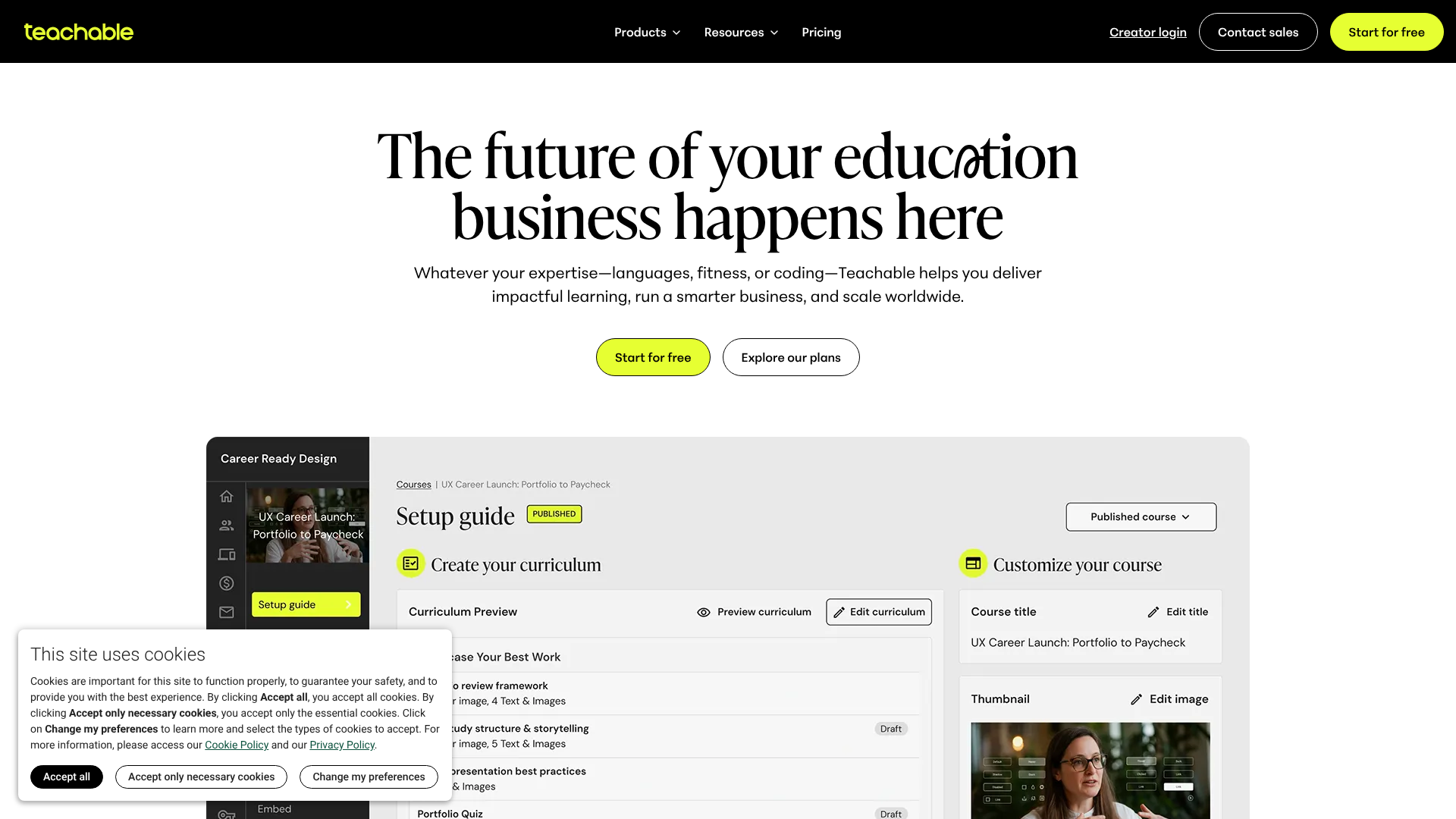
- Create an Online Course: Turn your expertise into a digital asset. An online course can provide a recurring revenue stream with minimal ongoing effort. Platforms like Teachable make it easy to build and sell courses related to your mission.
- Sponsored 'A-Thon' Events: Move beyond the classic walk-a-thon. Consider a read-a-thon for a literacy charity, a code-a-thon for a tech-focused non-profit, or a clean-a-thon for an environmental group.
- Expert Q&A Session: Host a live or virtual Q&A session with an expert in your field. Charge a small fee for access to this exclusive content.
- Sell Branded Merchandise: Use print-on-demand services to sell t-shirts, mugs, and tote bags with your logo or a clever slogan. This raises funds and increases brand visibility.
Partnership & Corporate Fundraising Ideas
Collaborating with businesses can unlock new audiences and significant funding. These ideas leverage the resources and reach of corporate partners.
- Matching Gift Drive: This is one of the most powerful charity fundraising strategies. Ask a corporate sponsor to match all donations received during a specific period, effectively doubling each gift.
- Restaurant 'Give Back' Night: Partner with a local restaurant that agrees to donate a percentage of its sales on a specific night to your organisation. You promote the event to your supporters, driving traffic to the restaurant.
- Corporate Sponsorships: Offer tiered sponsorship packages for your events, programmes, or even your entire organisation. In return, businesses get brand exposure and demonstrate their community commitment.
- Cause Marketing Campaign: Partner with a business to create a co-branded product or service, where a portion of each sale goes to your non-profit. For example, a coffee shop could sell a 'charity blend'.
- Payroll Giving: Work with companies to set up a programme where employees can donate a small portion of their salary to your cause automatically each month.
- Shopping Rebate Programmes: Sign up for programmes where a percentage of supporter purchases from major online retailers is donated back to your organisation.
Pro Tip: When forming partnerships, especially with businesses, ensure everything is clearly documented. A formal sponsorship or partnership agreement protects both parties and clarifies expectations regarding deliverables, timelines, and financial contributions. Using a service like LegalContracts can provide reliable templates to get you started.
More Creative & Unique Ideas
- Raffle a Big-Ticket Item: Secure a high-value donated prize (like a car or a holiday) and sell raffle tickets.
- Talent Show: Showcase the hidden talents of your community members.
- Scavenger Hunt: Organise a city-wide scavenger hunt with clues, challenges, and prizes.
- Board Game Tournament: Host a tournament for popular games like Catan or Chess.
- Film Screening: Rent a local cinema or use a projector to screen a classic or relevant documentary.
- Open Mic Night: A relaxed event for poets, musicians, and comedians.
- 'No-Gala' Gala: Ask donors to contribute what they would have spent on a gala ticket, without having to host the event.
- Polar Plunge: A daring event where participants raise pledges to jump into cold water.
- Battle of the Bands: Let local bands compete for a prize, with the audience voting with their donations.
- Haunted House: A perfect seasonal fundraiser around Halloween.
- Community Cookbook: Collect recipes from supporters and sell a printed or digital cookbook.
- Flower or Plant Sale: Partner with a local nursery for a spring plant sale.
- Gift Wrapping Service: Offer gift wrapping at a local shopping centre during the holidays for a donation.
- Shoe Donation Drive: Partner with an organisation that pays for donated shoes, which are then sent to developing nations.
- Recurring Giving Campaign: Focus a campaign on signing up monthly donors for sustainable, predictable income.
- Legacy Giving Programme: Encourage supporters to include your organisation in their will or estate plans.
Analysing the Costs: What to Expect When Fundraising
Not all fundraising ideas are created equal when it comes to cost and effort. Understanding the potential expenses and the concept of 'cost per pound raised' is a critical nonprofit fundraising tip for making smart decisions. A high-grossing event isn't successful if its costs were so high that the net proceeds are minimal. The goal is to maximise your net revenue, not just the gross total.
High-investment events like galas and golf tournaments have significant upfront costs, including venue hire, catering, entertainment, and marketing. These can easily run into the tens of thousands of pounds. However, they also have the potential for very high returns, especially through major sponsorships and large donations. The key is to secure sponsorships early to cover your initial costs, making the event less risky.
On the other end of the spectrum are low-cost digital campaigns. A peer-to-peer campaign or a social media challenge can have almost no direct costs, aside from staff time and possibly some social media advertising. While individual donations may be smaller, the sheer volume and wide reach can lead to a very high return on investment. These campaigns are excellent for acquiring new, smaller-level donors.
Below is a simple comparison to illustrate the trade-offs:
| Fundraising Idea | Potential Cost | Potential Revenue | Effort Level | Key Benefit | Main Risk |
|---|---|---|---|---|---|
| Charity Gala | High (£10k – £50k+) | Very High (£50k – £250k+) | Very High | Major Donor Engagement | Financial loss if ticket sales/sponsorships fall short |
| 5K Fun Run | Medium (£2k – £10k) | Medium-High (£10k – £50k) | High | Community Building | Logistics, weather, and participant safety |
| Trivia Night | Low (£100 – £500) | Low-Medium (£1k – £5k) | Medium | High Engagement | Low attendance could result in minimal profit |
| Online Crowdfunding | Very Low (£0 – £200) | Varies Widely | Medium | Wide Reach, Specific Goal | Campaign may not gain traction or meet its target |
| Matching Gift Drive | Very Low (£0) | High (Doubles Donations) | Low | High ROI | Dependent on securing a corporate partner |
Tools and Technology to Supercharge Your Fundraising
Executing these ideas effectively often requires the right tools. Modern software can streamline your processes, improve the donor experience, and provide valuable data to inform your future charity fundraising strategies. Investing in the right technology can save you hundreds of hours of administrative work and significantly boost your results.
For general fundraising needs, especially if you're looking into product-based campaigns like selling cookie dough or candles, a platform like Fundraising.com offers a straightforward way to get started. They provide the products and a simple framework, which is great for schools, churches, or community groups looking for a turnkey solution.
Managing volunteers is one of the biggest challenges for event-based fundraising. Keeping track of schedules, roles, and communication can be a full-time job. A dedicated volunteer management platform like VolunteerMark can automate this process. It allows you to post opportunities, let volunteers sign up for shifts, and send out reminders, freeing up your team to focus on the bigger picture.
For online campaigns, a robust Customer Relationship Management (CRM) system is essential. It helps you track donations, manage donor data, and segment your audience for targeted email appeals. While there are many complex systems, a straightforward option like Pipeline CRM can help smaller non-profits manage their donor and sponsor relationships without a steep learning curve. The ability to see your entire pipeline of potential corporate sponsors or major donors in one place is invaluable.
Frequently Asked Questions About Nonprofit Fundraising
Here are answers to some common questions non-profits have when developing their fundraising plans.
What is the most profitable fundraiser for nonprofits?
There is no single 'most profitable' fundraiser, as success depends heavily on the organisation's size, donor base, and resources. However, activities that focus on major gifts and corporate sponsorships typically yield the highest net revenue. A well-executed capital campaign or a high-end charity gala where costs are covered by sponsors can raise hundreds of thousands, or even millions, of pounds.
For most organisations, the most profitable strategy is a diversified one that includes a major gifts programme to cultivate large donations from a small number of supporters, complemented by broader campaigns that bring in smaller amounts from a larger volume of people.
What is the 80/20 rule for nonprofits?
The 80/20 rule, also known as the Pareto Principle, suggests that for many events, roughly 80% of the effects come from 20% of the causes. In a non-profit context, this often means that approximately 80% of your fundraising revenue will come from about 20% of your donors. This highlights the critical importance of identifying, cultivating, and stewarding your major donors.
This principle doesn't mean you should ignore the other 80% of your donors. They are vital for community building, volunteering, and creating a pipeline of future major givers. However, it does mean you should dedicate focused resources and personalised attention to that top 20% who have the capacity and inclination to make a transformative impact on your organisation.
What is the best way to raise money for a nonprofit?
The best way to raise money is to build genuine, lasting relationships with your donors. Fundraising should be seen as a cycle, not a one-time transaction. It starts with identifying potential supporters, moves to cultivating a relationship with them, then involves making a specific ask, and, most importantly, follows up with stewardship and showing the impact of their gift.
A multi-channel approach is also key. The best strategy combines digital fundraising (for reach and convenience), events (for engagement and community), and a strong individual giving programme (for relationship building). By offering various ways for people to connect with and support your mission, you create a resilient and effective fundraising engine.
What are the 5 P's of fundraising?
The 5 P's are a simple framework to help remember the key elements of a successful fundraising ask. They are:
- People: You are asking a person, not a faceless entity. Understand their motivations, connection to your cause, and giving history. Personalise your approach.
- Purpose: Be crystal clear about what you are raising money for. Explain the problem you are solving and the specific impact their donation will have.
- Price: Ask for a specific amount. Suggesting a donation level (e.g., "£50 could provide…") makes the decision easier for the donor and often leads to larger gifts.
- Place: Choose the right time and place to make your ask. This could be in a one-on-one meeting, during an emotional moment at an event, or in a well-timed email.
- Pledge: Make it easy for them to say yes and fulfill their pledge. Offer multiple payment options, from online portals to direct debit, and follow up promptly with a thank you and a receipt.
Final Thoughts: Building a Sustainable Fundraising Future
Choosing the right non-profit organisation fundraising ideas is about more than just hitting a financial target; it's about building a sustainable future for your mission. The most effective organisations use a thoughtful blend of strategies that engage donors at all levels, from the grassroots community member to the major corporate sponsor.
By aligning your fundraising activities with your audience, resources, and mission, you create authentic experiences that build loyalty and inspire generosity. Remember to embrace both traditional methods and new digital tools to maximise your reach and impact. The ideas listed here are a starting point—the real magic happens when you adapt them to fit your unique story and community.
If you're ready to put these ideas into action, consider how technology can support your efforts. For managing event volunteers, a tool like VolunteerMark can be a lifesaver. And for straightforward product campaigns, exploring a platform like Fundraising.com could be a great first step. The key is to start, learn from each campaign, and continuously refine your approach to keep your organisation thriving.