

Sales Engagement Software Explained: How It Helps Teams Close More Deals
Sales teams are often buried in administrative tasks. Juggling emails, phone calls, social media messages, and CRM updates across dozens of prospects can feel like a losing battle. This manual, disjointed approach means valuable time is spent on admin instead of selling, and promising leads can easily fall through the cracks. This is the core problem that sales engagement software is designed to solve, acting as a force multiplier for your sales efforts.
- In a Nutshell
- What Exactly is Sales Engagement Software?
- The Core Engine: Key Features of Sales Engagement Platforms
- Multi-Channel Outreach
- Automated Sequences and Cadences
- Task Management and Prioritisation
- Engagement Tracking and Analytics
- CRM Integration and Data Syncing
- AI-Powered Insights and Recommendations
- Why Bother? The Tangible Benefits of Using Sales Engagement Tools
- Skyrocketing Sales Productivity
- Improving Consistency Across the Team
- Ensuring No Lead is Left Behind
- Gaining Deeper Insights into What Works
- Beyond Automation: How Sales Engagement Solutions Enhance Customer Relationships
- A Look at the Market: Top Sales Engagement Software in 2026
- Outreach: The Enterprise Leader
- Reply.io: Ideal for SMBs and Multichannel Outreach
- Apollo.io: The All-in-One Data and Engagement Platform
- Clearing the Confusion: Sales Engagement vs. Sales Automation Software
- Getting Started: Best Practices for Implementing Sales Engagement Software
- Define Your Sales Process First
- Start Small and Iterate
- Focus on Quality Content, Not Just Quantity
- Train Your Team Thoroughly
- Are We Winning? Measuring the Effectiveness of Your Platform
- Common Hurdles: Challenges in Adopting Sales Engagement Software
- What's Next? The Future of Sales Engagement Technology
- Frequently Asked Questions about Sales Engagement Software
- What is the meaning of sales engagement?
- What is the difference between CRM and sales engagement?
- What are sales engagement tools?
- What are the 4 pillars of engagement?
- Final Thoughts
Understanding what sales engagement software does is key to modernising your sales process. It’s not just another tool; it’s a centralised platform that streamlines, tracks, and optimises every interaction between a salesperson and a potential customer. By structuring outreach and automating repetitive tasks, it frees up your team to focus on building relationships and having meaningful conversations that lead to closed deals.
This guide will explain everything you need to know about these powerful solutions. We'll cover their core features, the significant benefits they offer, and how they differ from other sales tools you might already be using. You'll learn how to choose the right platform and implement it effectively to transform your team's productivity.
In a Nutshell
- Centralised Command Centre: Sales engagement software brings all your communication channels—email, phone, social media—into one unified workspace, eliminating the need to switch between multiple tabs and tools.
- Automation with a Human Touch: It automates multi-step outreach sequences (cadences) but allows for high levels of personalisation, ensuring your communication feels relevant and not robotic.
- Actionable Insights: These platforms track every interaction, providing clear data on what’s working and what isn’t. This allows you to refine your strategies based on performance, not guesswork.
- Productivity Booster: By automating manual tasks like logging activities in a CRM and scheduling follow-ups, it gives salespeople significant time back to focus on high-value activities like talking to prospects.
What Exactly is Sales Engagement Software?
Sales engagement software is a type of platform that helps sales representatives manage and optimise their interactions with prospects and customers across multiple channels. Think of it as the intelligent layer that sits between your CRM (which stores customer data) and your communication tools (like your email client and phone). Its primary job is to make the process of reaching out to potential buyers more efficient, effective, and measurable.
Imagine a pilot in a cockpit. They have all their critical instruments and controls in one place to navigate the plane safely and efficiently. A sales engagement platform serves a similar purpose for a salesperson. It provides a single interface to plan, execute, track, and analyse their outreach efforts.
Instead of manually sending a follow-up email, then setting a reminder to call, then logging that call in the CRM, the platform guides them through a pre-defined sequence of actions for each prospect.
This structured approach is built around the concept of a "cadence" or "sequence"—a series of timed touchpoints across different channels. For example, a cadence might start with a personalised email, followed by a LinkedIn connection request two days later, a phone call on day four, and another follow-up email on day six. The software automates the scheduling of these tasks and presents them to the salesperson in a simple to-do list, ensuring consistent and persistent follow-up without letting any lead slip through the cracks.
Ultimately, the goal of these sales engagement solutions is to bridge the gap between having a list of leads in a CRM and actually having meaningful conversations with them. It organises the chaos of modern sales outreach, empowering reps to connect with the right people, at the right time, with the right message.
The Core Engine: Key Features of Sales Engagement Platforms

While different platforms offer unique functionalities, most powerful sales engagement tools are built around a core set of features designed to streamline the sales workflow. These components work together to create a cohesive system that guides reps through their day and provides managers with critical performance insights.
Multi-Channel Outreach
A modern buyer's journey isn't confined to email. Sales engagement platforms centralise communication across all the channels where your prospects are active. This typically includes email, phone calls (often with built-in diallers that allow for one-click calling), and social media platforms like LinkedIn. This integration means a rep can send an email, make a call, and send a LinkedIn message from one place, with all activities automatically logged.
Automated Sequences and Cadences
This is the heart of any sales engagement platform. Users can build multi-step, multi-channel outreach sequences that dictate the series of touchpoints for a prospect. You can create different cadences for different types of leads—for example, a more aggressive sequence for inbound leads and a slower, more nurturing one for cold outreach. These sequences can include automated emails as well as manual tasks like phone calls or LinkedIn interactions, ensuring a perfect blend of automation and personalisation.
Task Management and Prioritisation
Instead of reps wondering what to do next, the platform serves up a prioritised task list or "work queue". This list tells them exactly who to contact, on which channel, and when. Tasks are automatically generated by the active cadences, so the rep simply has to work through their list for the day. This eliminates guesswork and ensures that high-priority activities are always addressed first.
Engagement Tracking and Analytics
You can't improve what you don't measure. Sales engagement tools provide detailed analytics on every touchpoint. This includes email open rates, click-through rates, and reply rates, as well as call connection rates and conversation outcomes. This data helps you understand which email templates, call scripts, and overall sequences are most effective, allowing for data-driven optimisation of your sales process.
CRM Integration and Data Syncing
Sales engagement platforms are not designed to replace your CRM; they are designed to make it more powerful. They offer deep, bi-directional integration with popular CRMs like Salesforce, HubSpot CRM, and Zoho CRM. This means all outreach activities, email replies, and engagement data are automatically logged back to the correct contact or lead record in the CRM, eliminating manual data entry and ensuring your system of record is always up-to-date.
AI-Powered Insights and Recommendations
Many leading platforms now incorporate artificial intelligence to further enhance effectiveness. AI can analyse your engagement data to suggest the best time of day to send an email, identify which leads are most engaged and likely to convert, and even score the sentiment of email replies. Some tools use generative AI to help reps craft more effective and personalised emails, saving time and improving response rates.
Why Bother? The Tangible Benefits of Using Sales Engagement Tools

Adopting a new piece of software is a significant decision, so it's crucial to understand the concrete value it brings. Sales engagement platforms deliver a powerful return on investment by directly addressing the most common pain points in modern sales: inefficiency, inconsistency, and lack of visibility. The benefits ripple across the entire sales organisation, from individual reps to team leaders and upper management.
Skyrocketing Sales Productivity
This is often the most immediate and noticeable benefit. By automating repetitive administrative tasks—like logging calls, sending follow-up emails, and updating the CRM—sales engagement tools free up a massive amount of a rep's time. Instead of spending hours on admin, they can dedicate their focus to high-value activities: researching prospects, personalising outreach, and having actual conversations with potential customers. This shift routinely leads to a significant increase in the number of prospects a single rep can effectively manage.
Improving Consistency Across the Team
In any sales team, there are top performers and those who struggle. Sales engagement platforms allow you to codify the successful strategies of your best reps into sequences that everyone can use. This standardises the sales process, ensuring that every lead receives the same level of persistent, multi-channel follow-up, regardless of which rep is handling them. This consistency raises the performance floor for the entire team and makes onboarding new hires much faster.
Ensuring No Lead is Left Behind
In a manual system, it's incredibly easy for leads to fall through the cracks. A rep gets busy, forgets to follow up, and a potential deal is lost forever. Sales engagement platforms solve this problem completely. By enrolling every new lead into a cadence, you guarantee they will be contacted a set number of times over a specific period. The system automatically reminds the rep of their next task, ensuring that persistence is built into the process.
Pro Tip: Use your engagement data to create a "re-engagement" cadence for leads that went cold months ago. A simple, automated 3-step sequence can often revive old opportunities with minimal effort, generating pipeline from a list you might have otherwise ignored.
Gaining Deeper Insights into What Works
Without a sales engagement platform, it's difficult to know why one rep is succeeding while another isn't. Is it their email subject lines? Their call script? The time of day they reach out? These platforms provide A/B testing capabilities and detailed analytics on every step of the outreach process. Managers can see which templates, messages, and sequences generate the most replies and meetings, allowing them to train the team using proven, data-backed methods instead of anecdotes.
Beyond Automation: How Sales Engagement Solutions Enhance Customer Relationships
A common misconception about sales engagement software is that it's all about robotic automation that sacrifices personalisation for volume. In reality, the opposite is true. When used correctly, these platforms are powerful tools for building stronger, more meaningful customer relationships. The key is understanding that the automation is there to handle the logistics, freeing up the human to focus on the connection.
By taking care of the mundane tasks, the software gives salespeople more mental bandwidth and time to do what they do best: listen, understand customer needs, and build rapport. Before making a call, a rep can spend five minutes reviewing the prospect's LinkedIn profile and recent company news instead of fumbling to find their contact details and log the previous interaction. This allows for a much more informed and relevant conversation from the very first sentence.
Furthermore, good sales engagement solutions are designed for personalisation at scale. Email templates can use dynamic fields to pull in custom information from the CRM, such as the prospect's name, company, and job title. More advanced platforms allow for "snippets"—customisable paragraphs of text—that a rep can quickly insert to tailor a message to a specific industry or pain point. This creates a hybrid approach where 80% of the message might be templated for efficiency, but the critical 20% is highly personalised for impact.
This focus on relevance helps build trust. Prospects are more likely to engage with a salesperson who has clearly done their research and understands their world. The platform ensures that follow-ups are timely and consistent, which demonstrates professionalism and reliability. Instead of being a tool that creates distance, it becomes the engine that powers more thoughtful, relevant, and ultimately more human interactions.
A Look at the Market: Top Sales Engagement Software in 2026
Choosing the right sales engagement platform depends heavily on your team's size, budget, existing tech stack, and sales process. The market is filled with excellent options, but a few consistently stand out for their features, usability, and integration capabilities.
Outreach: The Enterprise Leader

Outreach is widely considered the market leader, particularly for mid-market and enterprise companies. It offers a comprehensive suite of features, including advanced sequencing, a powerful built-in dialler, and sophisticated AI-driven insights called "Kaia" that can provide real-time coaching during sales calls. Its analytics and reporting are top-tier, giving managers deep visibility into team performance.
- Pros: Extremely powerful and feature-rich, excellent for large teams, deep Salesforce integration, advanced AI capabilities.
- Cons: Can be expensive, might be overly complex for very small teams.
Reply.io: Ideal for SMBs and Multichannel Outreach
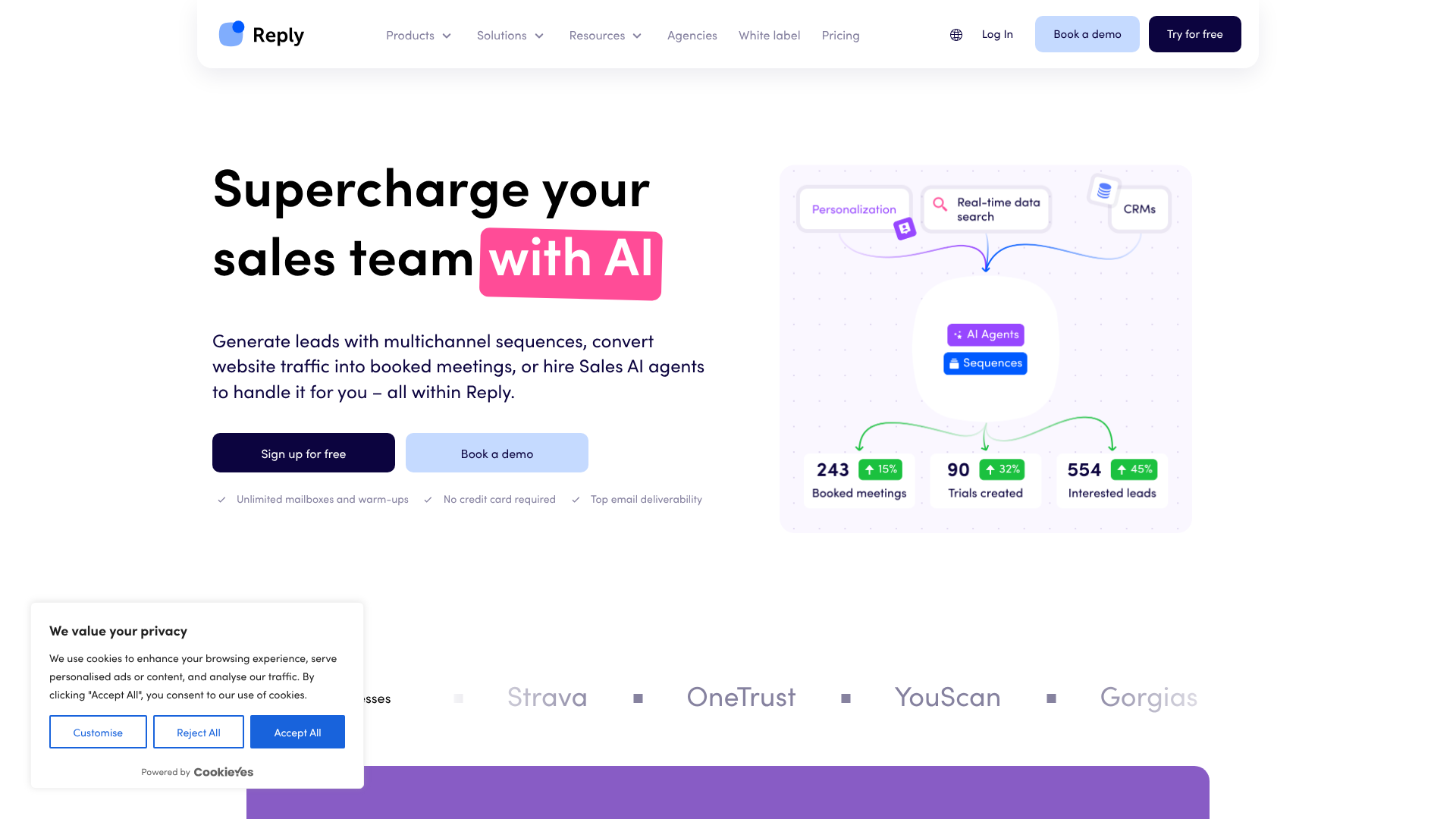
Reply.io is a versatile platform that excels at multichannel outreach, making it easy to incorporate emails, calls, LinkedIn tasks, and even WhatsApp messages into a single sequence. It has a built-in email finder and verifier, which is a huge plus for teams doing cold outreach. Its user-friendly interface and flexible pricing make it a popular choice for small to medium-sized businesses.
- Pros: Strong multichannel capabilities, built-in data tools, user-friendly and easy to set up, good value for the price.
- Cons: Reporting is not as deep as enterprise-level tools like Outreach.
Apollo.io: The All-in-One Data and Engagement Platform
Apollo.io combines a massive B2B contact database with sales engagement functionality, making it a unique all-in-one solution. Teams can use Apollo to find verified contact information for their ideal prospects and then immediately enroll them in outreach sequences without leaving the platform. This integration of data and action is its biggest strength.
- Pros: Huge, high-quality contact database included, combines prospecting and engagement in one tool, very cost-effective.
- Cons: The engagement features, while solid, may not be as advanced or customisable as dedicated platforms like Outreach or Salesloft.
These platforms are most powerful when connected to a robust CRM. They seamlessly sync data with systems like HubSpot CRM and Zoho CRM, ensuring that all sales activities are tracked against the customer record, providing a complete 360-degree view of every interaction.
Clearing the Confusion: Sales Engagement vs. Sales Automation Software
The terms "sales engagement" and "sales automation" are often used interchangeably, but they represent two distinct, albeit related, concepts. Understanding the difference is crucial for choosing the right technology to support your sales team. While both aim to increase efficiency, their focus and scope are different.
Sales automation software, in its purest form, is focused on automating specific, discrete tasks. Think of marketing automation tools that can send a series of pre-written emails when someone downloads an ebook, or a tool that automatically logs call data. The primary goal is to take a repetitive task and have a machine do it. It's very much about task execution.
These tools are often rules-based and operate in the background without direct, real-time input from a salesperson.
Sales engagement software, on the other hand, is about orchestrating the entire workflow of a salesperson's interactions. It includes automation, but its scope is much broader. It’s designed to guide the rep through their day, telling them what to do next and providing them with the context and tools to do it effectively. It’s a rep-centric platform that manages the cadence of human and automated touchpoints.
Here’s a simple analogy: Sales automation is like setting a coffee machine to brew at 7 AM. You set the rule, and it executes the task. A sales engagement platform is like having a personal assistant who not only starts the coffee but also reviews your calendar, lays out your clothes, prepares your briefcase, and reminds you about your 10 AM meeting, handing you the notes as you walk out the door. One automates a task; the other manages a workflow to make the human more effective.
Getting Started: Best Practices for Implementing Sales Engagement Software
Successfully rolling out a sales engagement platform involves more than just buying a subscription. It requires a thoughtful approach to strategy, process, and training. Following best practices can mean the difference between a tool that gathers digital dust and one that transforms your team's performance.
Define Your Sales Process First
A tool is only as good as the process it supports. Before you even choose a platform, map out your ideal sales outreach process. Who are your ideal customer profiles? What are the key pain points you solve? What should the sequence of touchpoints look like for different types of leads? Having this clarity will make configuring the software much easier.
Start Small and Iterate
Don't try to boil the ocean by building dozens of complex, 20-step sequences on day one. Start with one or two simple cadences for your most common use case (e.g., following up on inbound leads). Test them, analyse the results, and then gradually expand and refine your library of sequences based on what the data tells you.
Focus on Quality Content, Not Just Quantity
The biggest risk with these platforms is the temptation to spam prospects with generic, automated messages. Success hinges on the quality of your email templates and call scripts. Spend time crafting well-written, personalised, and value-driven content. Your goal is to start conversations, not just blast out messages.
Pro Tip: Create a shared library of approved email and LinkedIn message templates within your platform. Encourage your reps to personalise the first and last sentences of each message to make it relevant to the specific prospect, combining the efficiency of a template with the impact of customisation.
Train Your Team Thoroughly
Proper training is essential. This includes not just the technical "how-to" of using the software, but also the strategic "why". Train your team on the importance of personalisation, how to interpret the analytics, and how to effectively manage their time using the platform's task manager. Ongoing coaching based on performance data from the platform is key to long-term success.
Are We Winning? Measuring the Effectiveness of Your Platform
Implementing a sales engagement platform provides an unprecedented level of visibility into sales activity and performance. To capitalise on this, you must track the right metrics. These key performance indicators (KPIs) will help you understand what's working, identify areas for improvement, and demonstrate the ROI of your investment.
Start by focusing on activity metrics to ensure the team is using the tool correctly. This includes tracking the number of new prospects added to sequences, emails sent, and calls made per rep. These are baseline metrics that show adoption and effort. However, the real value lies in tracking outcome-based metrics that measure effectiveness.
Key effectiveness metrics to monitor include:
- Email Reply Rate: This is often more important than open rates. A high reply rate indicates your messaging is compelling and relevant enough to start a conversation.
- Meeting Booked Rate: This is the ultimate goal of most top-of-funnel outreach. Track how many positive interactions or conversations lead to a scheduled meeting or demo. This directly measures the platform's contribution to the pipeline.
- Sequence Performance: Analyse which cadences have the highest reply and meeting booked rates. A/B test different subject lines, messages, and call-to-actions to continuously optimise your approach.
- Conversion Rate by Stage: Measure how leads that have gone through your engagement sequences convert through the sales funnel compared to those that haven't. This helps prove the direct impact on revenue.
By building dashboards around these metrics, sales leaders can move from managing by activity to coaching by results. They can pinpoint exactly where a rep is struggling—be it low email replies or poor call connection rates—and provide targeted coaching to help them improve.
Common Hurdles: Challenges in Adopting Sales Engagement Software
While the benefits are significant, adopting a sales engagement platform is not without its challenges. Being aware of these potential hurdles can help you plan for them and ensure a smoother implementation process for your team.
One of the biggest challenges is resistance to change. Experienced salespeople may be set in their ways and view the platform as a "big brother" tool designed to micromanage them. It's crucial to frame the software as a tool to make their lives easier and help them earn more commission, rather than just a tracking mechanism. Highlighting the time-saving benefits is key to getting buy-in.
Another common issue is poor data quality. Sales engagement platforms pull their data from your CRM. If your CRM is filled with outdated contact information, duplicates, and missing fields, the platform's effectiveness will be severely limited. A data clean-up project should often precede or coincide with the implementation of a new engagement tool.
Finally, there's the risk of misuse. If reps rely too heavily on automation and neglect personalisation, your outreach can come across as generic and spammy, potentially damaging your brand's reputation. This goes back to the importance of training. Emphasise that the tool is meant to augment, not replace, genuine human interaction and thoughtful communication.
What's Next? The Future of Sales Engagement Technology
The field of sales engagement is constantly evolving, driven by advancements in artificial intelligence and a deeper understanding of buyer behaviour. The platforms of tomorrow will be even more intelligent, predictive, and integrated into the broader revenue technology ecosystem.
Generative AI is already making a huge impact. In the near future, platforms will not just suggest email templates but will draft entire personalised emails on the fly, based on a prospect's LinkedIn profile, company news, and past interactions. This will take personalisation at scale to a whole new level, allowing reps to craft highly relevant messages in seconds.
Predictive analytics will also become more sophisticated. The software will be able to analyse historical data to predict which leads are most likely to convert, which communication channel is best for a particular prospect, and what the optimal next step should be to move a deal forward. This will shift reps from following a pre-set sequence to executing a dynamic, AI-recommended series of actions.
Finally, expect deeper integrations. Sales engagement will become a core component of a unified "Revenue Intelligence" platform, alongside conversation intelligence (analysing sales calls) and forecasting tools. This will provide a single, holistic view of the entire customer lifecycle, breaking down the silos between marketing, sales, and customer success to create a truly seamless buyer experience.
Frequently Asked Questions about Sales Engagement Software
What is the meaning of sales engagement?
Sales engagement refers to all the interactions between a company's sales team and its prospects or customers. It encompasses the entire process of communication, from the initial outreach to ongoing follow-ups and relationship nurturing. The goal of sales engagement is to build a connection, provide value, and guide the prospect through their buying journey in a meaningful way.
What is the difference between CRM and sales engagement?
This is a critical distinction. A CRM (Customer Relationship Management) system is a database of record. Its primary function is to store information about your customers and prospects—contact details, company information, deal history, and past interactions. It's a passive system for organising data.
A sales engagement platform is an active system of action. It sits on top of the CRM and uses that data to help salespeople execute their outreach. While the CRM tells you who your customers are, the sales engagement platform tells your reps what to do next to connect with them. It manages the communication workflows, automates tasks, and tracks the results of those actions.
What are sales engagement tools?
"Sales engagement tools" is another term for sales engagement software or platforms. It's an umbrella term for any technology designed to help sales teams streamline, manage, and optimise their interactions with prospects. This includes software like Outreach, Reply.io, and Salesloft, which provide features like sequencing, automated dialing, and engagement analytics.
What are the 4 pillars of engagement?
In a sales context, the 4 pillars of engagement can be thought of as: Relevance, Persistence, Consistency, and Value.
- Relevance: Your outreach must be personalised and relevant to the prospect's role, industry, and potential pain points. Generic messages get ignored.
- Persistence: Most deals are not closed on the first touch. A systematic and respectful follow-up process is essential to stay top-of-mind.
- Consistency: Every prospect should receive a high-quality experience, regardless of which salesperson they interact with. This builds brand trust.
- Value: Every interaction should provide some form of value to the prospect, whether it's a useful insight, a relevant piece of content, or a solution to their problem. You must give before you can ask.
Final Thoughts
In today's competitive market, the most successful sales teams are not the ones that work the hardest, but the ones that work the smartest. Manually managing outreach across multiple channels is no longer a viable strategy for growth. It's inefficient, prone to error, and impossible to scale effectively.
Sales engagement software directly addresses these challenges. By providing a structured framework for outreach, automating low-value tasks, and delivering actionable insights, these platforms empower salespeople to be more productive and effective. They enable teams to deliver a consistent, professional, and personalised experience to every prospect, ensuring no opportunity is missed.
If your team is struggling to keep up with follow-ups or you lack visibility into what outreach strategies are actually working, exploring sales engagement solutions is a logical next step. For teams looking to combine powerful data with outreach, a platform like Apollo.io could be a great starting point. For those focused on sophisticated, multi-channel sequences, Reply.io offers a fantastic balance of features and usability.