


What Is a Sales Engagement Platform? A Guide for Modern Sales Teams
If you're in sales, you know the daily juggle. You have your CRM open in one tab, your email in another, your phone ready, and a LinkedIn window for prospecting. It's a constant, chaotic shuffle between different tools, and critical tasks like following up with a warm lead can easily slip through the cracks. This is precisely the problem that a sales engagement platform is designed to solve, acting as a central command centre for all your sales activities.
- What You'll Learn
- What is a Sales Engagement Platform, Really?
- The Critical Difference: Sales Engagement Platform vs. CRM
- Key Features and Benefits of Sales Engagement Tools
- Multichannel Outreach Sequencing
- Sales Automation and Task Management
- Advanced Analytics and Reporting
- Communication Hub (Dialler & Email Integration)
- AI-Powered Insights and Coaching
- How to Choose the Right Sales Engagement Software for Your Team
- Assess Your Current Sales Process
- Define Your Must-Have Features
- Check for CRM Integration
- Consider User Experience and Adoption
- Evaluate Scalability and Support
- Top Sales Engagement Platforms: Our Recommendations
- 1. Outreach: The Enterprise Leader
- 2. Reply.io: Best for SMBs and Automation
- 3. Apollo.io: The All-in-One Solution
- Understanding Pricing and Cost Structures
- The Pros and Cons of Adopting a Sales Engagement Platform
- Frequently Asked Questions (FAQ)
- What is the difference between a CRM and a sales engagement platform?
- What does sales engagement mean?
- Is Salesforce a sales engagement platform?
- What is an example of a customer engagement platform?
- Final Thoughts
Simply put, a sales engagement platform (SEP) is a type of software that streamlines, automates, and analyses the interactions between salespeople and potential customers. It sits on top of your CRM to help you execute your sales process more efficiently. Instead of just storing data, it helps you take action on that data, ensuring no opportunity is missed and every prospect gets the right touch at the right time.
This guide will explain everything you need to know about these powerful tools. We'll define what a sales engagement platform is, explore its key features, compare it to a CRM, and recommend some of the best options available today.
What You'll Learn
- Core Definition: A sales engagement platform is a system of action that helps sales reps execute and automate multichannel outreach, such as emails, calls, and social touches.
- SEP vs. CRM: A CRM is a passive database (a system of record), while an SEP is an active tool for outreach (a system of action). They work together, with the SEP using CRM data to power its campaigns.
- Key Benefits: These platforms drastically increase sales productivity, enforce consistent follow-up, provide deep analytics on what's working, and help teams close more deals.
- Top Tools: Leading sales engagement software includes platforms like Outreach for enterprise teams and solutions like Reply.io for small and mid-sized businesses.
- Choosing a Platform: The right choice depends on your team's size, existing sales process, CRM integration needs, and budget.
What is a Sales Engagement Platform, Really?
A sales engagement platform is a software layer that integrates with your CRM and communication tools (like email and phone) to create a more efficient workflow for sales representatives. Think of it as the salesperson's cockpit. While the CRM acts as the database holding all the flight plans and passenger information, the SEP provides the controls, dials, and automated systems the pilot uses to actually fly the plane.
Its primary purpose is to help reps manage the high volume of activities required in modern sales. This includes sending personalised emails, making phone calls, connecting on social media, and tracking every single one of these interactions automatically. It organises a rep's day by telling them which tasks to prioritise to maximise their chances of connecting with a prospect and moving a deal forward.
Ultimately, the goal of sales engagement software is to increase the quantity and quality of buyer interactions. By automating repetitive tasks and providing data-driven insights, it frees up salespeople to focus on what they do best: building relationships and having meaningful conversations with potential customers.
The Critical Difference: Sales Engagement Platform vs. CRM
One of the most common points of confusion is understanding how a sales engagement platform differs from a Customer Relationship Management (CRM) system. Many people assume they do the same thing, but they serve distinct, complementary purposes. Answering this question is key to understanding the value of these tools.
The CRM: Your System of Record
A CRM is fundamentally a database. Its job is to be the central, passive repository for all customer and prospect information. It stores contact details, communication history, deal stages, and company information. It's a system of record, providing a 360-degree view of your customer relationships.
Platforms like HubSpot CRM or Zoho CRM are excellent at organising data and managing your sales pipeline. You can see who your customers are, what you've sold them, and where each deal stands. However, a CRM is not built to actively execute the day-to-day outreach tasks at scale. That's where an SEP comes in.
The SEP: Your System of Action
A sales engagement platform is a system of action. It takes the data stored in your CRM and uses it to power proactive outreach. It's the engine that drives the sales process forward. It helps reps plan, execute, and track high-volume, multi-step communication sequences across various channels.
For example, an SEP can automatically enrol a new lead from your CRM into a 10-step sequence that includes a mix of emails, phone call reminders, and LinkedIn connection requests over several weeks. It then logs every single one of those activities back to the contact's record in the CRM automatically, keeping the system of record perfectly up-to-date.
The lines are beginning to blur, as some CRMs are adding basic engagement features. However, dedicated sales engagement tools are almost always more powerful, offering more advanced automation, deeper analytics, and better features for high-performance sales teams.
Pro Tip: The best way to think about it is this: You manage your pipeline in the CRM, but you live your day in the SEP. The SEP tells you who to contact, when, and how, while the CRM keeps track of the results.
Key Features and Benefits of Sales Engagement Tools


Sales engagement platforms are packed with features designed to make sales reps more effective. While each platform varies slightly, they generally share a core set of capabilities that deliver significant benefits to the entire sales organisation.
Multichannel Outreach Sequencing
This is the heart of any SEP. It allows you to build automated and semi-automated outreach sequences that combine emails, phone calls, social media interactions (like LinkedIn messages), and other tasks. You can set delays between steps and create different paths based on a prospect's actions, such as opening an email or clicking a link.
- Benefit: It ensures persistent and consistent follow-up with every prospect without anything falling through the cracks. This systematic approach dramatically increases the chances of getting a response.
Sales Automation and Task Management
SEPs automate the tedious administrative work that consumes a huge portion of a salesperson's day. This includes logging calls, sending follow-up emails, updating the CRM, and creating tasks. The platform automatically generates a prioritised task list for the rep each day, telling them exactly what they need to do next.
- Benefit: By eliminating manual data entry and administrative overhead, reps can spend significantly more time on revenue-generating activities. This boost in productivity is one of the most immediate returns on investment.
Advanced Analytics and Reporting
These platforms provide deep insights into sales activities and performance. You can track everything from email open and reply rates to call connection rates and meeting booking rates. A/B testing features allow you to test different subject lines, email copy, or call scripts to see what resonates most with your audience.
- Benefit: Sales leaders get a clear, data-backed view of what's working and what isn't. This allows for continuous optimisation of the sales process and more effective coaching for individual reps.
Communication Hub (Dialler & Email Integration)
Most SEPs include a built-in VoIP phone dialler that allows reps to make calls directly from the platform with a single click. They also offer deep integration with email clients like Gmail and Outlook, allowing reps to send emails, use templates, and track engagement without leaving their workflow.
- Benefit: This centralises all communication tools into one place. Reps can execute all their tasks from a single screen, which reduces context switching and improves focus.
AI-Powered Insights and Coaching
Modern sales engagement software increasingly uses artificial intelligence to help reps sell smarter. AI can analyse conversations to provide real-time coaching during calls, suggest the best times to email a prospect for higher open rates, and even help write more effective email copy. This brings a layer of intelligence to the sales process.
- Benefit: AI helps scale best practices across the entire team. It empowers every rep, from top performers to new hires, with data-driven recommendations to improve their effectiveness.
How to Choose the Right Sales Engagement Software for Your Team
With a growing number of options on the market, selecting the right sales engagement platform can feel overwhelming. The best choice for your organisation depends on your specific needs, team size, and existing tech stack. Here are the key factors to consider during your evaluation process.
Assess Your Current Sales Process
Before you look at any software, look at your own team. Where are the biggest bottlenecks in your current workflow. Are reps spending too much time on manual data entry. Is follow-up inconsistent.
Do you lack visibility into activity metrics. Identifying your primary pain points will help you prioritise which features are most important.
Define Your Must-Have Features
Not all platforms are created equal. Create a checklist of non-negotiable features. For example, if your team relies heavily on cold calling, a robust power dialler with local presence dialling is essential. If your strategy is LinkedIn-focused, you'll need a platform with deep LinkedIn integration.
Be clear about what you need versus what would be nice to have.
Check for CRM Integration
This is arguably the most critical factor. Your sales engagement platform must have a seamless, bi-directional integration with your CRM. It needs to pull data from the CRM to build contact lists and push all activity data back to the CRM to maintain a clean and accurate record. Ask for a demonstration of the integration to see exactly how it works with your specific CRM (e.g., Salesforce, HubSpot, Zoho).
Consider User Experience and Adoption
A powerful platform is useless if your team finds it too complicated to use. Look for an intuitive, user-friendly interface. During the evaluation process, involve a few of your sales reps to get their feedback. A platform that reps enjoy using will see much higher adoption rates, leading to a better return on your investment.
Also, inquire about the onboarding process and what training resources are provided.
Evaluate Scalability and Support
Think about your future needs. Will the platform be able to support your team as it grows. Does it offer different tiers or plans that you can upgrade to as your needs become more complex. Finally, assess the quality of their customer support.
When you run into an issue, you'll want a responsive and helpful support team to get you back on track quickly.
Top Sales Engagement Platforms: Our Recommendations
Here are a few of the leading sales engagement tools that cater to different business needs, from large enterprises to fast-growing startups.
1. Outreach: The Enterprise Leader
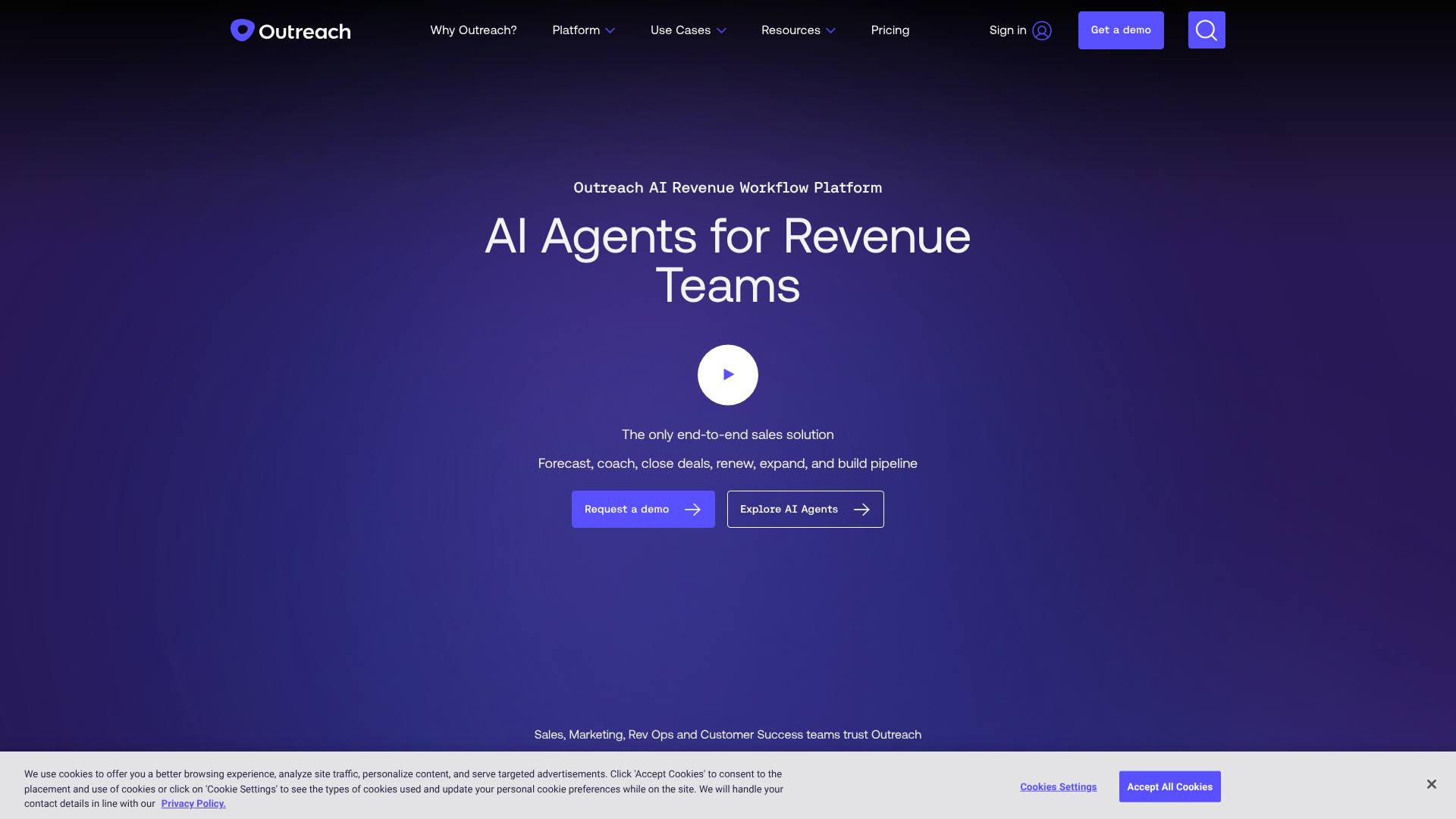
Outreach is widely regarded as one of the pioneers and market leaders in the sales engagement space. It's an incredibly powerful and comprehensive platform designed for larger, more established sales organisations that require sophisticated workflows, deep analytics, and advanced AI capabilities.
Its AI-powered features, like conversation intelligence and deal insights, provide managers with unparalleled visibility into team performance and pipeline health. It excels at helping large teams standardise their sales processes and execute them at scale.
Pros
- Extensive feature set covering every aspect of sales engagement.
- Powerful AI and machine learning for deal insights and forecasting.
- Excellent for standardising processes across large, complex sales teams.
Cons
- Can be more expensive than other options, making it less accessible for smaller businesses.
- The sheer number of features can create a steeper learning curve.
2. Reply.io: Best for SMBs and Automation
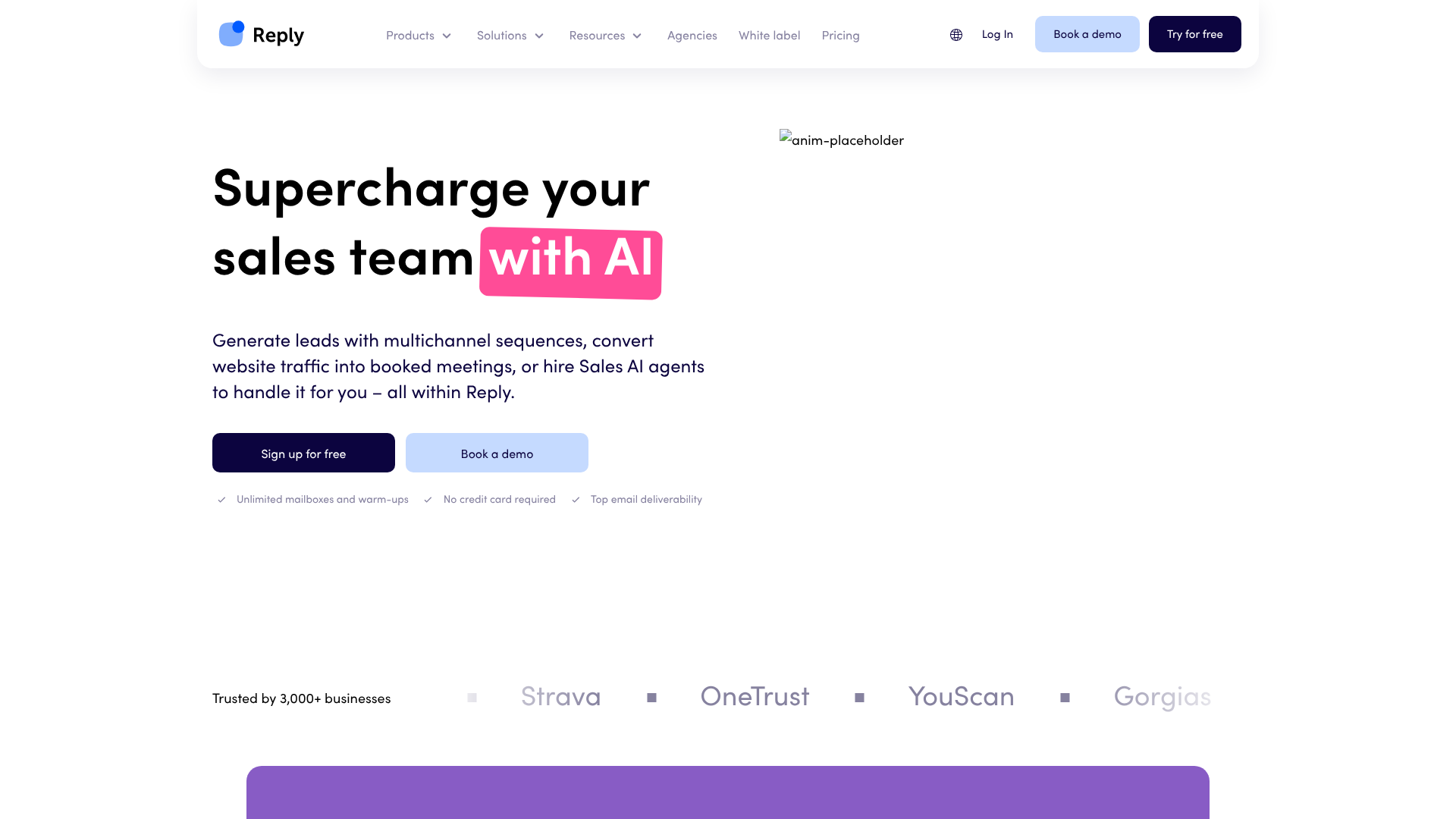
Reply.io is a fantastic option for small to mid-sized businesses looking for a powerful yet user-friendly platform. It offers robust multichannel sequencing capabilities, allowing you to connect with prospects via email, phone, LinkedIn, and even WhatsApp.
One of its standout features is the AI appointment booking assistant, which can handle email responses and book meetings on your behalf. Reply.io strikes a great balance between advanced functionality and ease of use, making it a strong contender for teams that need to scale their outreach efficiently.
Pros
- Strong multichannel capabilities, including WhatsApp and SMS.
- Intuitive user interface that is easy to learn and adopt.
- Excellent value for the features offered, making it ideal for SMBs.
Cons
- Reporting and analytics may not be as deep as enterprise-focused platforms.
- Some advanced features are only available on higher-tier plans.
3. Apollo.io: The All-in-One Solution
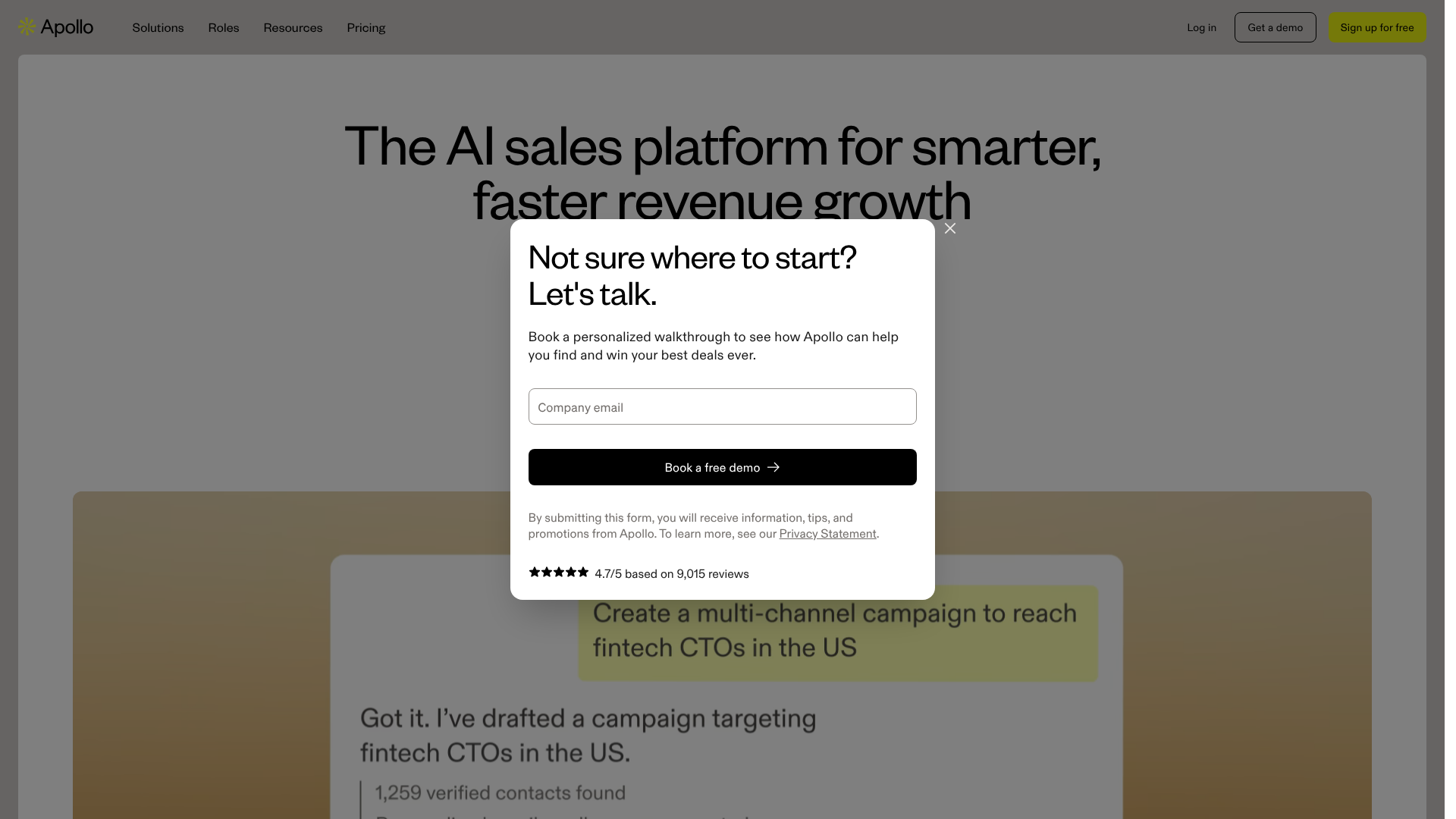
Apollo.io is unique because it combines a massive B2B contact database with a full-featured sales engagement platform. This makes it an all-in-one solution for both lead generation and outreach, which is incredibly valuable for startups and SMBs that don't want to pay for separate tools.
You can find verified email addresses and mobile numbers for prospects, build lists, and then enrol those contacts directly into automated outreach sequences within the same platform. Its integrated nature simplifies the top-of-funnel sales workflow significantly.
Pros
- Combines a high-quality B2B database with engagement features.
- Extremely cost-effective, offering immense value in a single subscription.
- Great for teams that need to build their prospect lists from scratch.
Cons
- The engagement features, while solid, may not be as advanced as dedicated SEPs like Outreach.
- Data accuracy can vary, as with any large-scale database.
Understanding Pricing and Cost Structures
Pricing for sales engagement platforms can vary widely, so it's important to understand the common models and what factors influence the final cost. This will help you budget appropriately and avoid any surprises.
Most sales engagement software is priced on a per-user, per-month basis, typically billed annually. This means the total cost is directly tied to the number of salespeople on your team who will be using the platform. As your team grows, your subscription cost will increase.
Several factors affect the price you'll pay:
- Feature Tiers: Providers usually offer multiple pricing tiers (e.g., Starter, Professional, Enterprise). Basic tiers might include email sequencing and CRM sync, while higher tiers add features like call recording, conversation intelligence, and advanced analytics.
- Number of Users: The more users you have, the higher the total cost. However, many companies offer volume discounts for larger teams.
- Add-Ons: Some features, like a dedicated power dialler or advanced AI capabilities, may be sold as optional add-ons for an additional fee.
Generally, you can expect prices to range from around £50 per user per month for more basic plans to £150 or more per user per month for enterprise-grade solutions. Many providers, especially those targeting larger companies like Outreach, use quote-based pricing, so you'll need to speak with their sales team to get a precise figure.
| Feature | Outreach | Reply.io | Apollo.io |
|---|---|---|---|
| Target Audience | Enterprise | SMBs & Mid-Market | Startups & SMBs |
| Key Differentiator | AI-driven insights & forecasting | Multichannel automation & AI assistant | Integrated B2B contact database |
| CRM Integration | Excellent | Strong | Good |
| Pricing Model | Quote-based | Tiered (per user) | Tiered (per user) |
Pro Tip: Always ask for a free trial or a guided demo. This is the best way to determine if a platform's workflow and features are a good fit for your team before making a financial commitment. Don't just look at the price; consider the potential return on investment from increased productivity and sales.
The Pros and Cons of Adopting a Sales Engagement Platform
Implementing any new software into your tech stack is a significant decision. While sales engagement platforms offer tremendous advantages, it's important to have a balanced view and understand the potential challenges as well.
The Advantages (Pros)
- Massive Productivity Gains: This is the biggest and most immediate benefit. By automating manual tasks, SEPs can give each rep back several hours per week, allowing them to focus on high-value activities.
- Improved Consistency and Process Adherence: Sequences ensure that every lead is nurtured according to your company's best practices. This standardisation leads to more predictable results and a better customer experience.
- Better Data and Visibility: Sales leaders gain clear insight into which activities are driving results. This data allows for more effective coaching and strategic adjustments to the sales process.
- Faster Ramp-Up for New Hires: New salespeople can be onboarded faster by plugging them into pre-built, proven sequences, helping them become productive in weeks rather than months.
The Potential Downsides (Cons)
- Cost: These platforms represent an additional monthly or annual expense. You need to be sure that the expected productivity gains will justify the cost.
- Implementation & Training: Setting up the platform, integrating it with your CRM, and training your team requires a significant upfront investment of time and resources.
- Risk of Over-Automation: If not used thoughtfully, the automation can lead to generic, impersonal outreach that alienates prospects. It's crucial to maintain a high degree of personalisation within your sequences.
- Data Management Complexity: An SEP adds another layer to your tech stack. You need to ensure data flows correctly between the SEP and CRM to avoid creating data silos or inaccuracies.
Frequently Asked Questions (FAQ)
Here are answers to some of the most common questions people have about sales engagement platforms.
What is the difference between a CRM and a sales engagement platform?
A CRM (Customer Relationship Management) is a system of record. It's a database used to store and manage all your customer and prospect data, including contact information, deal history, and communication logs. A sales engagement platform (SEP) is a system of action. It uses the data from the CRM to help salespeople execute, automate, and track their outreach activities like emails, calls, and social touches.
In short, you manage data in the CRM and take action in the SEP.
What does sales engagement mean?
Sales engagement refers to all the interactions between a salesperson and a prospect or customer throughout the sales cycle. It's the process of building a relationship and guiding a potential buyer through their journey. A sales engagement platform is the technology designed to facilitate and optimise these interactions, making them more efficient and effective.
Is Salesforce a sales engagement platform?
Salesforce is primarily a CRM. However, they do offer a product called Salesforce Sales Engagement (formerly High Velocity Sales) which adds SEP-like functionality directly within the Salesforce ecosystem. While this is a convenient option for teams already heavily invested in Salesforce, many companies find that dedicated, third-party SEPs like Outreach or Reply.io offer more robust features, better usability, and more advanced capabilities.
What is an example of a customer engagement platform?
A customer engagement platform is a broader category of software that often focuses on post-sale interactions. While a sales engagement platform is built for salespeople to win new business, a customer engagement platform (like Intercom or Zendesk) is often used by support, success, and marketing teams to communicate with existing customers, provide support, and drive adoption and retention.
Final Thoughts
In today's competitive market, sales teams can no longer rely on manual processes and disjointed tools. A sales engagement platform has become an essential piece of the modern sales tech stack. It bridges the critical gap between the data stored in a CRM and the actions required to turn that data into revenue.
By automating repetitive tasks, ensuring consistent follow-up, and providing invaluable data on what works, these platforms empower sales reps to be more productive and effective. They allow salespeople to spend less time on administration and more time building relationships and closing deals.
If your sales team is struggling with manual workflows, inconsistent outreach, or a lack of visibility into performance, it's time to explore what a sales engagement platform can do. For enterprise teams needing deep analytics, a tool like Outreach is a powerful choice. For growing businesses looking for an all-in-one solution, Apollo.io offers incredible value, while Reply.io provides a great balance of power and usability for SMBs. Evaluating these tools could be the first step toward transforming your sales process.