

How to Use Cold Email Templates for Jobs to Get Hired Fast
In a competitive job market, simply applying through online portals can feel like sending your CV into a black hole. A proactive approach is often what separates successful candidates from the rest. Using strategic cold email templates for a job allows you to bypass the traditional application process, connect directly with decision-makers, and create opportunities that don't even exist yet. This guide will walk you through everything you need to know, from the core components of a winning email to customisable templates that get responses.
- What You'll Learn
- What Exactly is a Cold Email for a Job Application?
- The Core Components of a Winning Cold Email
- The Subject Line: Your First Impression
- The Personalised Opening
- The Value Proposition
- The Call-to-Action (CTA)
- The Professional Signature
- 5 Powerful Cold Email Templates for Job Seekers
- Template 1: The "Company Admirer" Approach
- Template 2: The "Problem Solver" Approach
- Template 3: The "Referral" Approach
- Template 4: The "Informational Interview" Request
- Template 5: The Follow-Up Email
- How to Find the Right Person to Email
- Best Practices for Sending and Tracking Your Outreach
- Personalise, Personalise, Personalise
- Keep it Concise and Mobile-Friendly
- Proofread Meticulously
- Using Tools to Automate Follow-ups
- Common Mistakes to Avoid in Your Job Outreach Emails
- Watch: Crafting the Perfect Cold Email
- Frequently Asked Questions (FAQ)
- How long should a cold email for a job be?
- Should I attach my CV to a cold email?
- How many times should I follow up?
- What's the best time of day to send a cold email?
- Is it okay to cold email a CEO?
- Final Thoughts: Turning Templates into Opportunities
Crafting the perfect outreach message takes skill, but it's a skill you can learn. It’s about combining a proven structure with genuine personalisation to show a company not just what you can do, but how you can solve their specific problems. By the end of this article, you'll have the tools and confidence to turn cold emails into warm conversations and, ultimately, your next job offer.
What You'll Learn
- Personalisation is Non-Negotiable: Generic, mass-sent emails are ignored. The most effective job application email templates are those you customise heavily with research about the company and the person you're contacting.
- Focus on Their Needs, Not Yours: Frame your email around the value you can bring to the company. Connect your skills and experience directly to their goals, projects, or challenges.
- Brevity is Key: Keep your email under 150 words. Decision-makers are busy, so your message must be concise, scannable, and get straight to the point, especially on mobile devices.
- The Call-to-Action (CTA) Must Be Clear and Simple: End your email with a low-commitment request, such as a brief 15-minute chat. Make it as easy as possible for them to say yes.
- Follow-ups are Crucial: Most replies come after a follow-up email. A polite and persistent follow-up strategy can double your response rate without being annoying.
What Exactly is a Cold Email for a Job Application?

A cold email for a job is a proactive message sent to someone at a company you'd like to work for, even when there isn't a specific job opening advertised. Unlike a traditional application where you respond to a listing, a cold email initiates the conversation. You are introducing yourself, expressing your interest in the company, and exploring potential, unlisted opportunities. It's a networking tool designed to get you on a company's radar before a role even becomes public.
The primary goal isn't to ask for a job directly. That can come across as demanding and premature. Instead, the objective is to start a dialogue, build a connection, and learn more about the team or department. You might be seeking an informational interview, offering a specific skill that aligns with a recent company project, or simply positioning yourself as a talented professional they should know.
This strategy is powerful because it shows initiative, confidence, and genuine interest. You're not just another applicant in a pile of hundreds; you're a problem-solver who has identified a company you admire and are actively seeking to contribute. Using well-structured templates for job outreach provides a solid foundation, but the magic happens when you infuse them with your personality and detailed research.
The Core Components of a Winning Cold Email
An effective cold email is a blend of art and science. It needs to be structured logically while feeling personal and authentic. Breaking it down into its core components helps ensure you hit all the right notes to capture attention and earn a reply.
The Subject Line: Your First Impression
The subject line is arguably the most critical part of your email. If it doesn't compel the recipient to open the message, the rest of your carefully crafted words are useless. Avoid generic subjects like "Job Application" or "Enquiry". Instead, aim for something intriguing, specific, and personal.
Good examples include:
- Specific Question: "Question about your content strategy at [Company Name]"
- Referral: "Referred by [Mutual Connection's Name]"
- Value-Oriented: "Idea for improving [Company's Product/Service]"
- Skill-Focused: "Experienced [Your Skill] interested in [Company Name]'s work"
The Personalised Opening
Start your email by showing you've done your homework. A generic "Dear Sir/Madam" is an instant red flag. Use the person's first name and open with a line that proves this isn't a mass email. This is your chance to build an immediate connection.
You could mention:
- A recent company achievement: "Congratulations on the successful launch of [Product Name]!"
- An article they wrote or were quoted in: "I really enjoyed your recent article on [Topic] in [Publication]."
- Something you admire about their work: "I've been following [Company Name]'s work in the AI space for a while and was particularly impressed by [Specific Project]."
The Value Proposition
This is the heart of your email. In one or two sentences, connect your skills and experience to the company's needs. Don't just list your qualifications; explain how they can benefit the person you're emailing or their team. This is where you shift the focus from what you want (a job) to what you can offer (a solution).
For example:
"Given my background in scaling user acquisition for mobile apps, I believe I could contribute to your goal of reaching 1 million users by the end of the year."
The Call-to-Action (CTA)
End your email with a clear, low-friction request. Don't ask for a job. Instead, ask for a small amount of their time to talk. This makes it much easier for them to respond positively.
Effective CTAs include:
- "Would you be open to a 15-minute chat next week to discuss how I might be able to help the team?"
- "Are you the right person to speak to about this? If not, could you please point me in the right direction?"
The Professional Signature
Keep your signature clean and professional. Include your full name, a concise professional title (e.g., "Marketing Specialist" or "Software Engineer"), and a link to your LinkedIn profile. If relevant to your field, you can also include a link to your portfolio or personal website.
5 Powerful Cold Email Templates for Job Seekers
Templates are a fantastic starting point, but they must be adapted. Use these cold email job samples as a framework, and inject your own research, personality, and value proposition into each one. Remember, the goal is to start a conversation, not just send a document.
Template 1: The "Company Admirer" Approach
This template works best when you have a genuine appreciation for the company's mission, product, or culture. It shows you're not just looking for any job, but a role at their company specifically.
Subject: Big fan of [Company Name]'s work
Hi [First Name],
I've been following [Company Name]'s journey for a while, and I was incredibly impressed with your recent [mention a specific project, product launch, or news article]. The way you've [mention a specific positive outcome] is inspiring.
My background is in [Your Field], with a focus on [Your Specific Skill or Accomplishment]. Given your company's work in [Their Industry/Area], I thought my experience could be a great asset to your team.
I know you're busy, but I'd love the chance to chat for 15 minutes about how I could contribute to [Company Name]'s goals. Would you be open to a brief call next week?
Best regards,
[Your Name]
[Your Title]
[Link to your LinkedIn Profile]
Why it works: It leads with genuine, specific praise, which is flattering and shows you've done your research. It quickly connects your skills to their work and ends with a clear, low-pressure ask.
Template 2: The "Problem Solver" Approach
Use this when you've identified a potential challenge or opportunity at the company where your skills could provide a direct solution. This positions you as a proactive and valuable asset from the very first interaction.
Subject: An idea for [Area of Improvement] at [Company Name]
Hi [First Name],
I was exploring [Company's Website/Product] and noticed an opportunity to potentially improve [specific area, e.g., user onboarding flow, content marketing reach].
In my previous role at [Your Previous Company], I specialised in [Your Relevant Skill]. I successfully [mention a key achievement with a metric, e.g., increased user retention by 20% by redesigning the onboarding process]. I have a few thoughts on how a similar approach could benefit [Company Name].
Would you be open to a brief 15-minute chat next week? I'd be happy to share my ideas in more detail.
All the best,
[Your Name]
[Your Title]
[Link to your Portfolio/Website]
Why it works: It immediately demonstrates value and initiative. You're not asking for something; you're offering something. This changes the dynamic and makes them much more likely to be interested in what you have to say.
Template 3: The "Referral" Approach
A warm introduction is always best. If you have a mutual connection, even a slight one, mentioning them in your subject line and opening sentence can dramatically increase your open and response rates.
Subject: Referred by [Mutual Connection's Name]
Hi [First Name],
Our mutual connection, [Mutual Connection's Name], suggested I reach out to you. I was speaking with them about my interest in [Their Industry], and they mentioned you were the best person to talk to at [Company Name].
I'm a [Your Role] with [#] years of experience in [Your Field], and I've been particularly impressed with [Company Name]'s work on [Specific Project]. My experience in [Relevant Skill] aligns well with the challenges in your space.
[Mutual Connection's Name] thought it would be beneficial for us to connect. Would you have 15 minutes for a quick chat sometime next week?
Thanks,
[Your Name]
[Your Title]
[Link to your LinkedIn Profile]
Why it works: It leverages social proof. The recipient is much more likely to trust and respond to an email that comes via a known contact. It instantly makes your cold outreach feel much warmer.
Template 4: The "Informational Interview" Request
This is a softer, less direct approach. You're not asking about jobs but rather for advice and insights. It's an excellent way to network, learn about a company's culture, and get on a hiring manager's radar for future openings.
Subject: Question about your experience at [Company Name]
Hi [First Name],
I found your profile on LinkedIn and was really impressed by your career path, especially your work on [Specific Project or Role].
I'm a [Your Role/Student] looking to grow in the [Their Industry] field, and [Company Name] is at the top of my list of places I'd love to work someday. I'm not asking about job openings, but I was hoping you might be willing to share some of your insights.
Would you have 15-20 minutes in the coming weeks for a brief informational chat? I'd be grateful for any advice you could offer about building a career in this space.
Best,
[Your Name]
[Your Title/Student]
[Link to your LinkedIn Profile]
Why it works: It's a humble and respectful request. Most people are happy to share their experiences and offer advice, making this a high-success-rate approach for building valuable connections.
Template 5: The Follow-Up Email
People are busy, and emails get buried. A single email is often not enough. Sending a polite follow-up 3-5 business days after your initial message can significantly boost your chances of getting a response.
Subject: Re: [Original Subject Line]
Hi [First Name],
I hope you're having a great week. I'm just quickly following up on my previous email regarding [briefly restate your value proposition].
I understand you're likely very busy, but I'm still very keen to connect briefly when you have a moment. My experience in [Your Skill] could be a real asset to your team's work on [Their Goal].
Would a quick 15-minute chat still be a possibility next week?
Best regards,
[Your Name]
Why it works: It's polite, professional, and persistent without being pushy. It brings your original message back to the top of their inbox and gently reminds them of the value you're offering.

How to Find the Right Person to Email
Sending your perfectly crafted email to the wrong address is a waste of effort. Generic inboxes like info@ or careers@ are often unmonitored or managed by automated systems. To get results, you need to find the direct email address of a specific, relevant person within the company.
Your ideal contact is usually the hiring manager for the department you're interested in. This could be a 'Head of Marketing', 'Engineering Manager', or 'Director of Sales'. If you can't identify the hiring manager, a senior team member in a similar role to the one you want is also a great target.
Using LinkedIn for Research
LinkedIn is your most powerful tool for this task. Use its search function to find the company, then filter its employees by job title or keyword. Look for people with titles that suggest they manage the team you want to join. Once you have a name and a title, you're halfway there.
Pro Tip: When you find a potential contact on LinkedIn, look at their recent activity. If they've recently posted about a new project or a challenge their team is facing, you can use that information to make your opening line even more personal and relevant.
Tools for Finding Email Addresses
Once you have a name, you need their email. guessing formats like firstname.lastname[[@company](https://[twitter](https://twitter.com/company).com/company).com](https://www.(https://www.instagram.com/company.com/).com/company.com/) can work, but it's unreliable. Specialised tools are far more effective.
Platforms like Hunter Campaigns (Hunter.io) are designed for this exact purpose. You can input a person's name and company domain, and the tool will search for a verified professional email address. It often provides a confidence score to indicate how likely the address is to be correct.
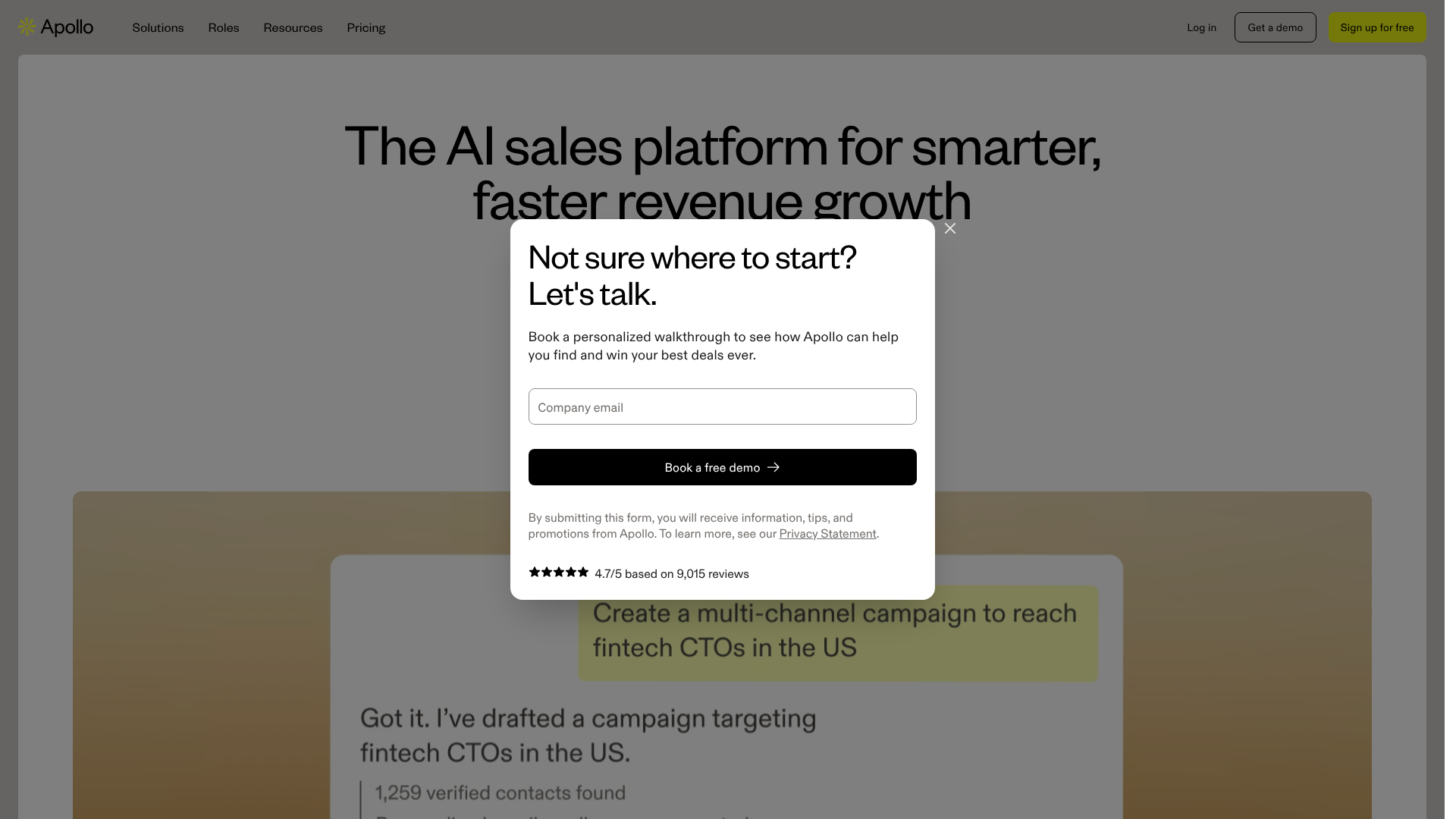
Another powerful option is Apollo.io. It combines a massive B2B database with email-finding capabilities. You can search for people by company, title, and other filters, and then directly access their contact information. Using these tools saves you time and dramatically increases the chances of your email landing in the right inbox.
Best Practices for Sending and Tracking Your Outreach
Crafting the email and finding the contact are just the first steps. How you send, manage, and follow up on your outreach can make all the difference. Adhering to best practices ensures you maintain professionalism and maximise your chances of success.
Personalise, Personalise, Personalise
This cannot be stressed enough. Every single email you send must be tailored to the recipient. Use their name, reference their company's specific work, and connect your skills to their unique context. A template is a guide, not a script to be copied and pasted.
The 10 extra minutes you spend on research will yield a far greater return than sending 50 generic messages.
Keep it Concise and Mobile-Friendly
Over 50% of emails are now opened on mobile devices. Long, dense paragraphs are difficult to read on a small screen. Keep your sentences short, use plenty of white space, and aim for a total length of 100-150 words. Your message should be easily digestible in 30 seconds or less.
Proofread Meticulously
Spelling mistakes and grammatical errors are instant credibility killers. They suggest a lack of attention to detail—a trait no employer wants. Read your email aloud to catch awkward phrasing. Use a grammar-checking tool like Grammarly.
Then, have a friend or family member read it one last time before you hit send.
Using Tools to Automate Follow-ups
Manually tracking who you've emailed and when you need to follow up can become overwhelming, especially if you're reaching out to multiple companies. This is where sales engagement platforms, often used for cold emailing, can be a job seeker's secret weapon.
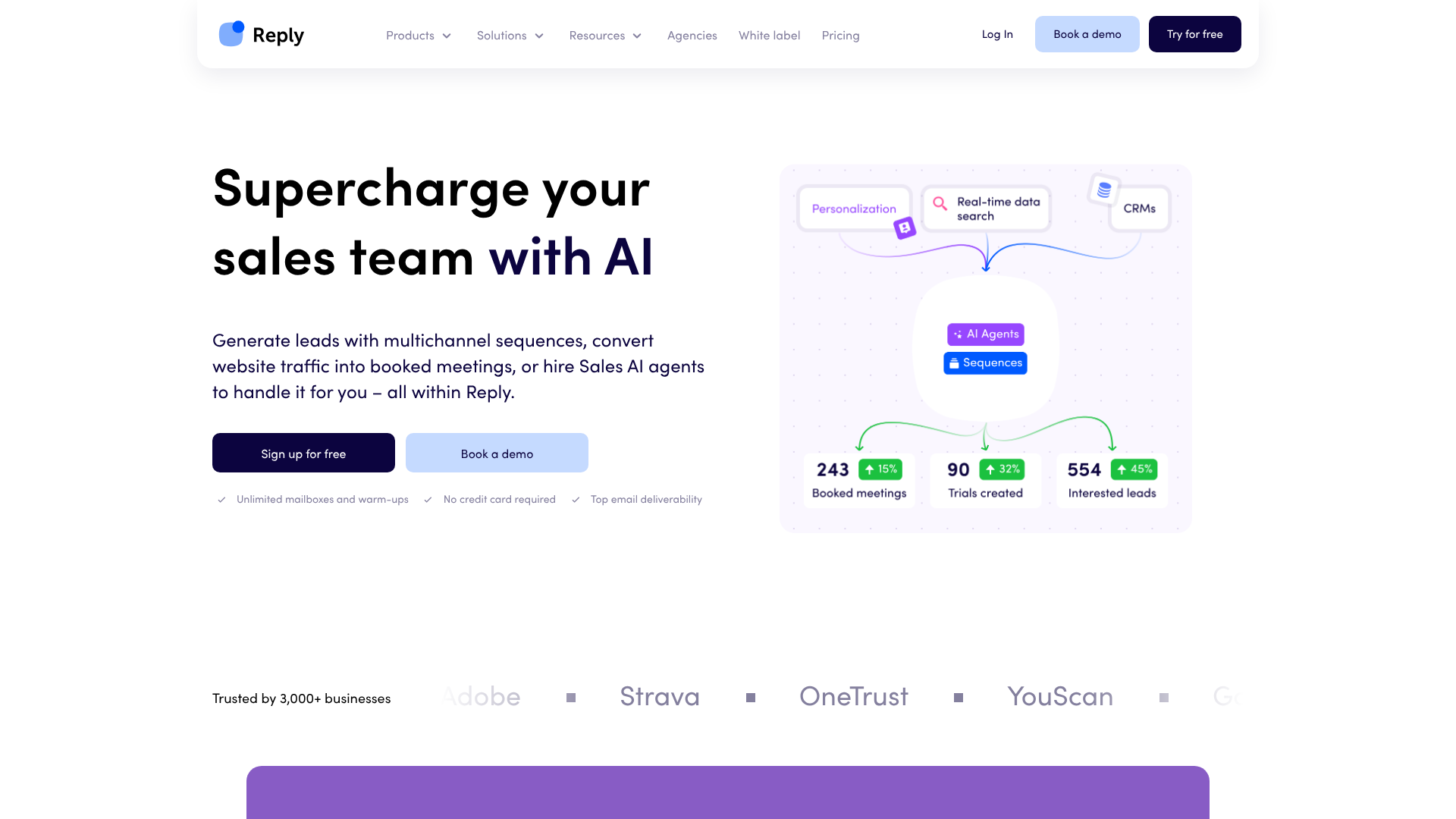
A tool like Reply.io allows you to create a sequence of emails. You can write your initial email and 2-3 follow-ups in advance. The system will send them automatically at specified intervals (e.g., 3 days apart) and will stop the sequence as soon as you get a reply. This ensures you are persistent without having to manage it all manually.
It also provides valuable data, like who has opened your email, which can help you gauge interest.
Common Mistakes to Avoid in Your Job Outreach Emails
Even with the best intentions, it's easy to make mistakes that can get your email deleted instantly. Being aware of these common pitfalls will help you avoid them and keep your outreach professional and effective.
- Making It All About You: The email should focus on the company's needs and how you can help them. Avoid starting sentences with "I want" or "I am looking for". Instead, frame it as "You need X, and I can provide it."
- Writing a Novel: Long emails are a sign of disrespect for the recipient's time. Get to the point quickly and concisely. If they want more information, they will ask for it.
- Attaching Your CV in the First Email: This is a classic mistake. An unsolicited attachment can trigger spam filters and comes across as presumptuous. Your goal is to start a conversation. You can offer to send your CV later in the discussion.
- Using a Vague or Boring Subject Line: As discussed, the subject line is your gatekeeper. "Job Inquiry" or "Hello" will be ignored. Make it specific and compelling.
- Failing to Follow Up: Not following up is leaving opportunities on the table. A majority of responses come from the second or third email in a sequence. A polite follow-up shows you're genuinely interested and persistent.
- Poor Grammar and Spelling: This is a non-negotiable. A single typo can undermine your entire message. Proofread everything twice.
Watch: Crafting the Perfect Cold Email
For a visual guide on how to structure your outreach for maximum impact, check out this excellent video. It breaks down the key elements of a script that gets results.
Frequently Asked Questions (FAQ)
Here are answers to some of the most common questions about using cold email templates for job hunting.
How long should a cold email for a job be?
Your cold email should be as short as possible while still conveying your value. The ideal length is between 100 and 150 words. This typically amounts to three or four short paragraphs. The goal is to be respectful of the recipient's time and make your message easy to scan and digest, especially on a mobile phone.
Should I attach my CV to a cold email?
No, you should not attach your CV to the initial cold email. Unsolicited attachments can trigger spam filters and can seem overly aggressive. The purpose of the first email is to start a conversation and gauge interest. Once you've established a connection and they've replied, you can then offer to send your CV or portfolio.
How many times should I follow up?
A good rule of thumb is to send two or three follow-up emails after your initial message, spaced 3-5 business days apart. This shows persistence without being annoying. If you haven't received a response after three or four total emails, it's generally best to move on. Using a tool to automate this process can ensure you follow up consistently.
What's the best time of day to send a cold email?
While there's no single perfect time, industry data often suggests that sending emails on Tuesday, Wednesday, or Thursday mornings (between 9 AM and 11 AM in the recipient's time zone) yields the highest open rates. Avoid sending emails late at night or on weekends, as they are more likely to get buried in the inbox by Monday morning.
Is it okay to cold email a CEO?
It depends on the size of the company. At a small startup (under 50 employees), emailing the CEO or founder can be very effective as they are often directly involved in hiring. At a large corporation, it's almost always better to target a department head or hiring manager who is closer to the role you're interested in. The CEO is unlikely to read your email, and it may not be passed on to the correct person.
Final Thoughts: Turning Templates into Opportunities
Using cold email templates for job searching is one of the most powerful, proactive steps you can take in your career. It allows you to create your own luck, build meaningful professional relationships, and uncover opportunities that are hidden from the masses. Remember that a template is just the beginning. The real success comes from the research, personalisation, and genuine value you bring to each message.
Treat each email as the start of a potential relationship, not just a job application. Focus on how you can help the company, keep your message concise and professional, and always follow up. This approach demonstrates confidence and initiative—two of the most sought-after qualities in any candidate.
To make your outreach process more efficient, consider using professional tools. Platforms like Hunter Campaigns (Hunter.io) can help you quickly find the right contact details, while a system like Reply.io can automate your follow-ups, saving you time and ensuring you never miss an opportunity to connect. By combining a smart strategy with the right tools, you can turn cold outreach into your most effective job-seeking channel.