


12 Best B2B Sales Prospecting Tools for Growth Teams in 2026
Manually searching for leads, finding contact details, and tracking outreach is a time-consuming process that slows down even the most determined sales teams. The right B2B sales prospecting tools automate these repetitive tasks, freeing up your representatives to focus on what they do best: building relationships and closing deals. These platforms provide access to vast contact databases, streamline communication, and offer insights that turn cold outreach into warm conversations.
- What You'll Learn
- What Exactly Are B2B Sales Prospecting Tools?
- The Core Benefits of Using B2B Prospecting Tools
- Increased Efficiency and Time Savings
- Improved Lead Quality and Data Accuracy
- Enhanced Personalisation at Scale
- Streamlined Workflows and Better Collaboration
- How to Choose the Right Sales Prospecting Software for Your Team
- 1. Data Quality, Accuracy, and Coverage
- 2. Integration Capabilities
- 3. Key Features and Functionality
- 4. Ease of Use and Team Adoption
- 5. Pricing and Scalability
- The 12 Best B2B Sales Prospecting Tools for 2026
- 1. Apollo.io
- 2. HubSpot Sales Hub
- 3. LinkedIn Sales Navigator
- 4. Hunter.io
- 5. Reply.io
- 6. ZoomInfo
- 7. Instantly.ai
- 8. Lusha
- 9. Outreach
- 10. Leadfeeder (by Dealfront)
- 11. Cognism
- 12. Zoho CRM
- Comparing Top B2B Sales Tools: A Quick Overview
- Integrating Prospecting Tools with Your Sales Stack
- Frequently Asked Questions (FAQ)
- What is the difference between lead generation and prospecting?
- Can I use free B2B prospecting tools to start?
- How do I measure the ROI of sales prospecting software?
- What is intent data in B2B sales?
- Final Thoughts: Choosing Your Prospecting Partner
Choosing the correct software is critical. A powerful tool can significantly increase your team's efficiency, improve lead quality, and ultimately drive more revenue. This guide breaks down the best options available in 2026, helping you find the perfect fit for your team's size, budget, and sales strategy.
What You'll Learn
- What Prospecting Tools Do: These tools automate finding, contacting, and managing potential B2B customers, moving beyond basic CRM functions to actively fill your pipeline.
- Key Features to Prioritise: Focus on data accuracy, seamless CRM integration (like with HubSpot or Zoho), and powerful automation features to save the most time.
- All-in-One vs. Specialist Tools: Platforms like Apollo.io offer a complete suite of features, while specialist tools like Hunter.io excel at specific tasks like email finding.
- Choosing the Right Fit: The best tool depends on your specific needs, including team size, budget, target market, and existing sales technology stack.
What Exactly Are B2B Sales Prospecting Tools?
B2B sales prospecting tools are software applications designed to help sales professionals identify, connect with, and manage potential business customers. Think of them as a high-tech toolkit for your sales pipeline. While a Customer Relationship Management (CRM) system helps you manage existing relationships, prospecting tools are focused on the very first stage: finding new opportunities and initiating contact.
At their core, these platforms solve the biggest challenges in modern sales. They provide access to massive, searchable databases of companies and professionals, complete with verified email addresses and direct-dial phone numbers. This eliminates the guesswork and manual labour of hunting for contact information on websites or professional networks.
Beyond just providing data, modern sales prospecting software often includes features for outreach automation. This allows sales reps to create and send personalised email sequences, automate follow-ups, and track engagement metrics like opens and clicks. By handling these repetitive tasks, the software empowers reps to manage a larger number of prospects without sacrificing personalisation.
The Core Benefits of Using B2B Prospecting Tools
Adopting a dedicated B2B prospecting tool isn't just about getting more email addresses; it's about fundamentally changing how your sales team operates. The right platform delivers tangible benefits that translate directly into a healthier pipeline and increased revenue. The impact is felt across efficiency, lead quality, and overall workflow.
Increased Efficiency and Time Savings
This is the most immediate and noticeable advantage. Sales representatives spend a significant portion of their day on non-selling activities, with prospecting being a major one. Automating the search for leads, data verification, and initial outreach can save dozens of hours per month for each rep. Instead of manually scouring LinkedIn, they can build targeted lists in minutes and launch automated sequences, allowing them to focus on qualified, engaged leads.
Improved Lead Quality and Data Accuracy
Prospecting without a tool often leads to outdated or incorrect contact information, resulting in high email bounce rates and wasted time. Reputable B2B sales tools invest heavily in maintaining accurate, up-to-date databases. Many use advanced verification processes to ensure the emails and phone numbers are valid, which improves deliverability and connection rates. This means your team spends less time dealing with bad data and more time talking to the right people.
Enhanced Personalisation at Scale
Effective outreach requires personalisation, but doing it manually for hundreds of prospects is impossible. Sales prospecting software helps bridge this gap. By providing detailed information about a company (like their tech stack, funding rounds, or recent news) and a contact (like their job title and responsibilities), these tools allow reps to tailor their messaging. Using custom fields and templates, they can send highly relevant messages to large segments of prospects automatically.
Streamlined Workflows and Better Collaboration
Most prospecting platforms integrate directly with popular CRM systems like HubSpot CRM or Zoho CRM. This creates a seamless flow of information, automatically logging activities, updating contact records, and syncing new leads. This integration eliminates manual data entry, reduces errors, and ensures that everyone on the team has a clear, unified view of all prospecting activities.
How to Choose the Right Sales Prospecting Software for Your Team
With so many options on the market, selecting the right sales prospecting software can feel overwhelming. The best tool for a small startup will be different from what an enterprise sales team needs. To make the right choice, evaluate each platform based on a few critical factors that align with your team's specific goals and existing processes.
1. Data Quality, Accuracy, and Coverage
This is the foundation of any good prospecting tool. Before committing, ask critical questions about their data. How often is it refreshed and verified? What is their guaranteed email accuracy rate? Does their database have strong coverage in your target industries and geographical regions? Some tools are stronger in North America, while others have better data for Europe or Asia. A free trial is an excellent way to test the data quality for your specific ideal customer profile (ICP).
2. Integration Capabilities
Your prospecting tool shouldn't operate in a silo. It must integrate smoothly with the other tools in your sales stack, especially your CRM. A deep integration with platforms like HubSpot or Salesforce is essential for syncing contacts, logging activities, and maintaining a single source of truth. Also, consider integrations with your email client (Gmail, Outlook), calendar, and other sales engagement tools. Poor integration creates manual work and data fragmentation, defeating the purpose of the tool.
3. Key Features and Functionality
Look beyond the contact database. What specific features does your team need to succeed? If your strategy relies on cold email, look for advanced sequencing, A/B testing, and deliverability features. If your team makes a lot of calls, a built-in power dialler is a must-have. Other important features to consider include intent data (which identifies companies actively researching your solution), lead scoring, and analytics to track performance.
4. Ease of Use and Team Adoption
A powerful tool is useless if your team finds it too complicated to use. Look for an intuitive user interface and a gentle learning curve. During a trial period, have your sales reps test the platform's core workflows. Can they easily build lists, launch campaigns, and track results? A platform that is easy to adopt will deliver a much faster return on investment.
Pro Tip: Don't just look at the features list. Map out your team's ideal prospecting workflow from start to finish. Then, evaluate each tool based on how well it supports that specific process. The goal is to find software that adapts to your strategy, not the other way around.
5. Pricing and Scalability
Finally, consider the cost structure. Most B2B sales tools charge on a per-user, per-month basis. Pay close attention to what is included in each tier. Often, critical features like CRM integration or advanced automation are reserved for higher-priced plans. Look for a provider that offers flexible pricing that can scale with your team as it grows. Avoid platforms with restrictive credit systems that penalise you for building large prospect lists.
The 12 Best B2B Sales Prospecting Tools for 2026
Here's a breakdown of the top B2B prospecting tools that can help your sales team find and engage more qualified leads. We've included a mix of all-in-one platforms, specialist tools, and options for different budgets.
1. Apollo.io
Best For: All-in-one sales intelligence and engagement for SMBs and mid-market teams.
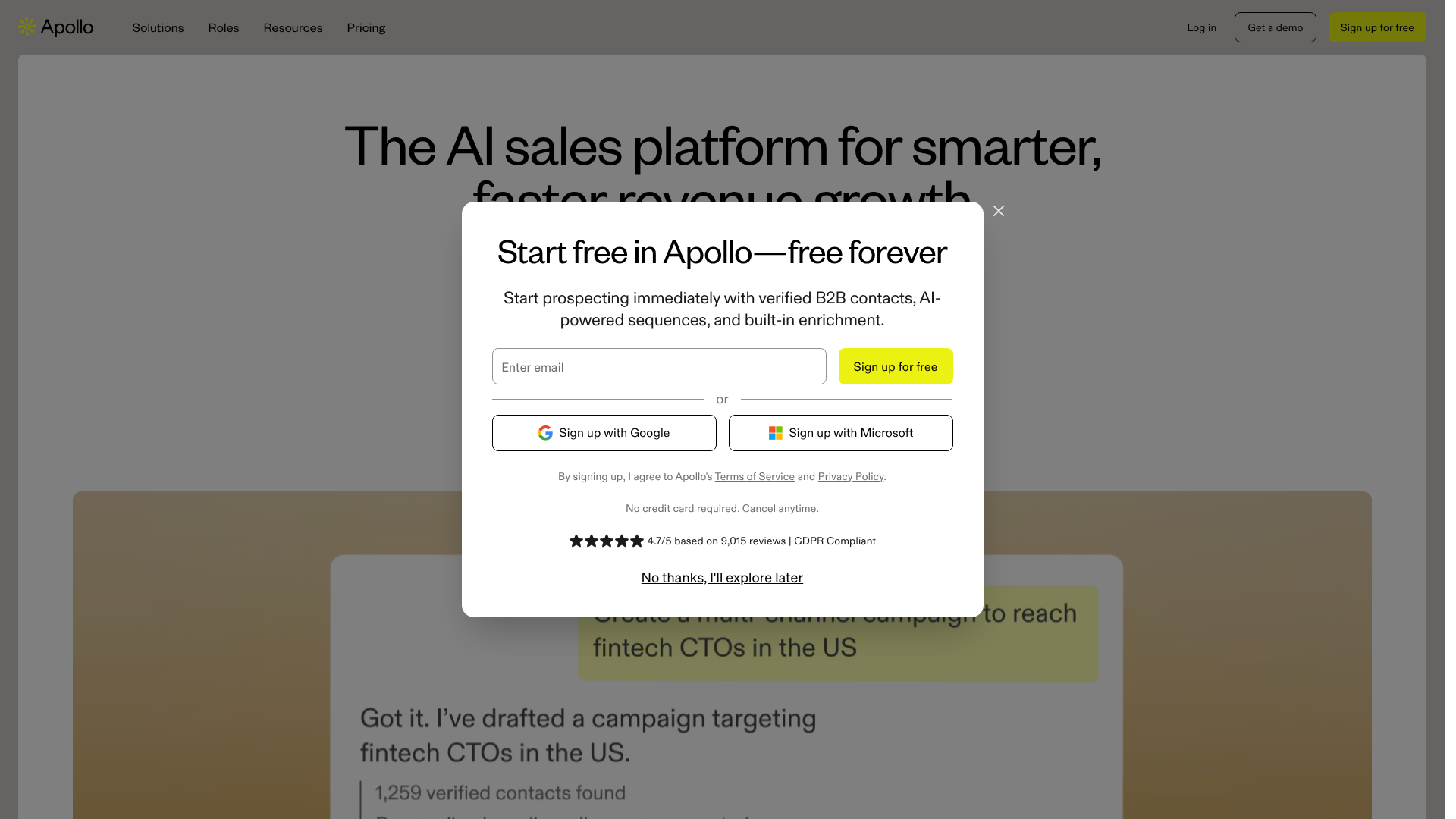
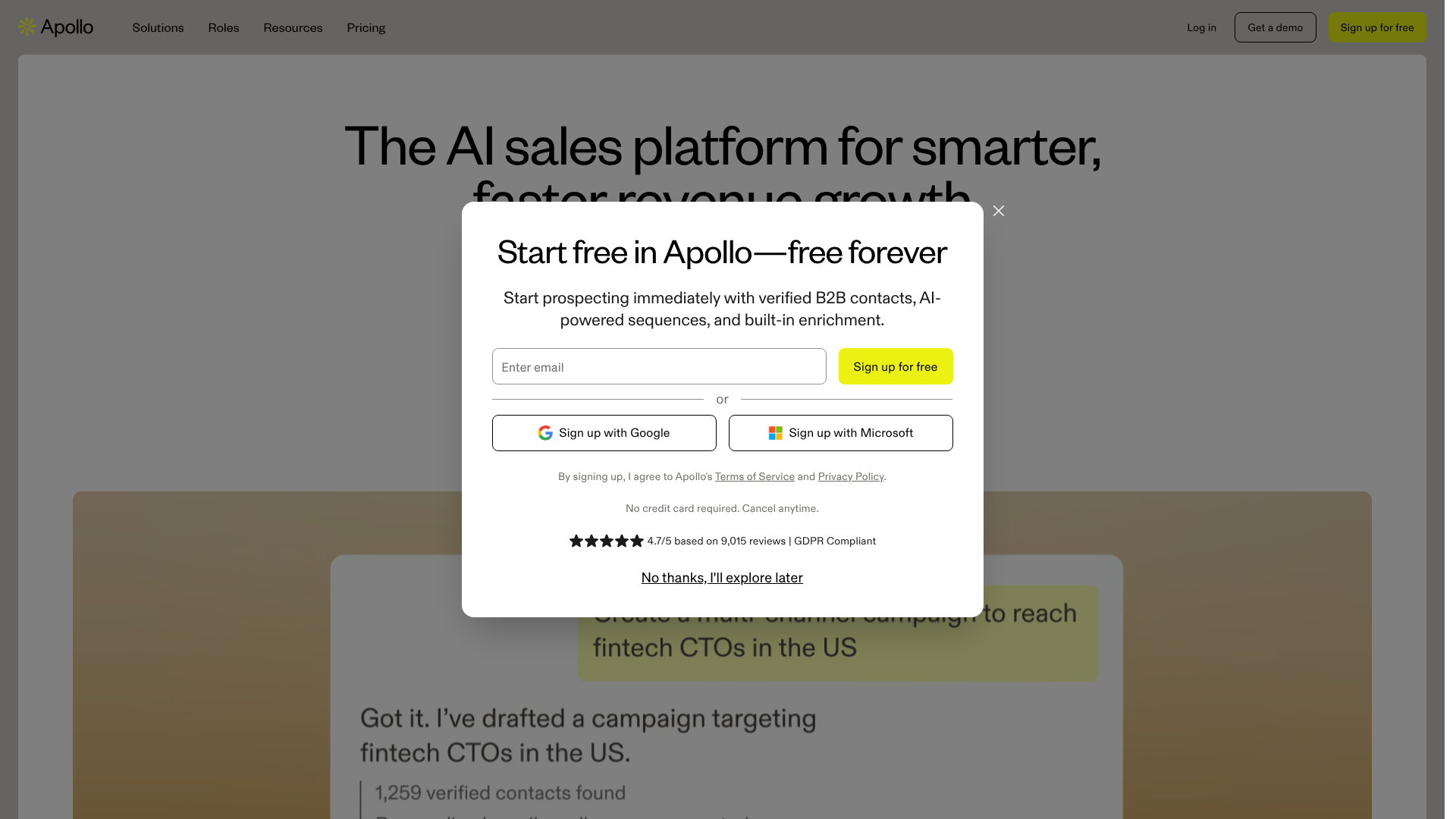
Apollo.io has become a dominant player by combining a massive B2B database with a full suite of engagement tools. It allows users to find contacts, automate email and call sequences, and analyse results within a single platform. Its powerful Chrome extension makes it easy to prospect directly from LinkedIn.
Key Features:
- Contact Database: Access to over 275 million contacts with filters for location, industry, job title, technology used, and more.
- Email Sequencing: Build and automate multi-step email campaigns with personalisation and A/B testing.
- Sales Dialer: A built-in dialler for making and recording calls directly from the platform.
- Job Change Alerts: Get notified when your prospects or past customers move to a new company.
Pros:
- Excellent value for money, combining data and engagement tools at a competitive price.
- The free plan is generous, making it accessible for startups and freelancers.
- Powerful filtering and list-building capabilities.
Cons:
- The user interface can be complex for new users due to the sheer number of features.
- Mobile phone data accuracy can be inconsistent compared to more expensive, specialised providers.
Pricing: Offers a free plan with limited credits. Paid plans start at around $49 per user/month. Visit Apollo.io for the latest pricing.
2. HubSpot Sales Hub
Best For: Teams already using the HubSpot ecosystem or those wanting a tightly integrated CRM and sales tool.
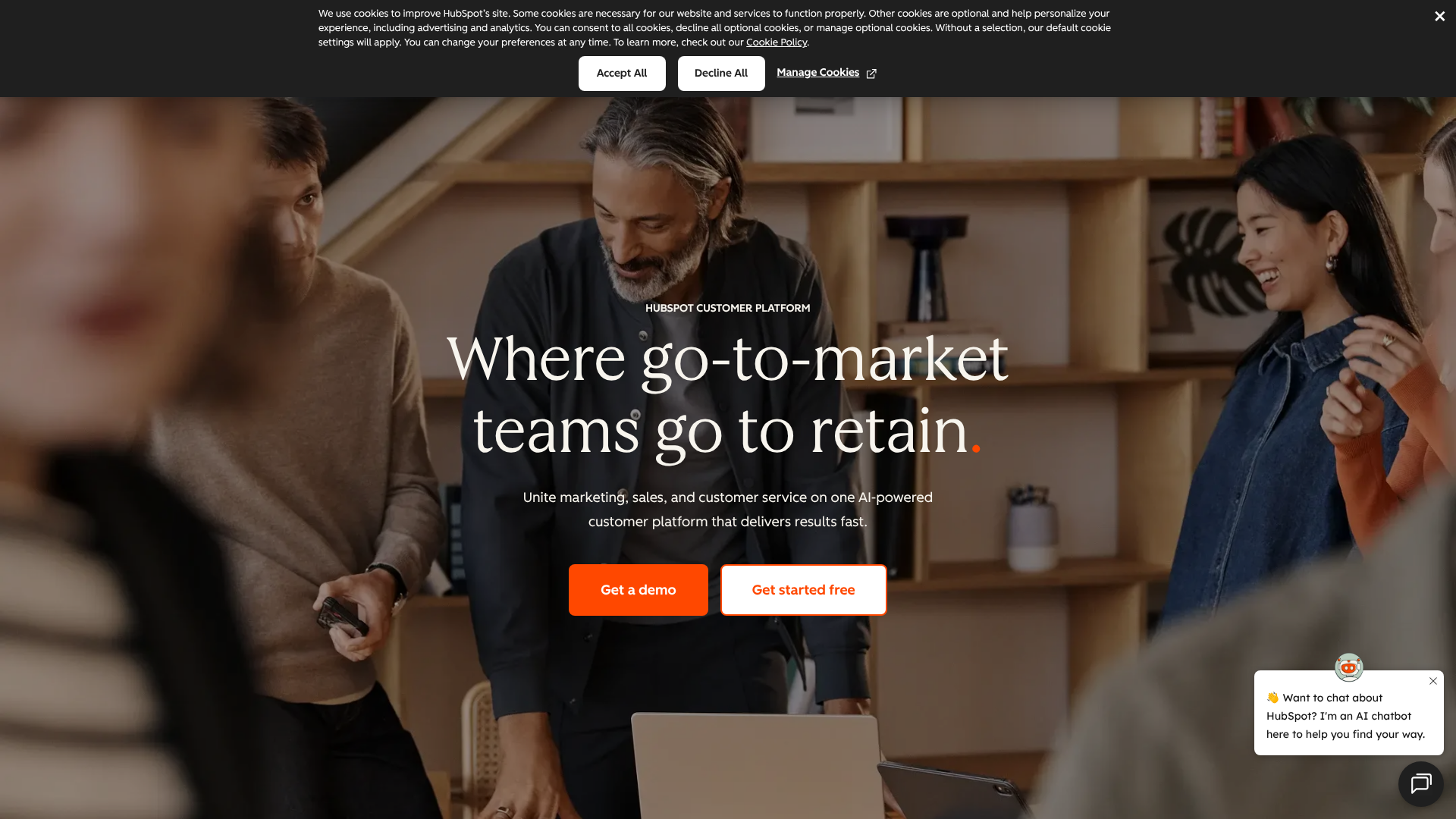
HubSpot Sales Hub is a powerful suite of B2B sales tools built on top of its world-class CRM. While not a standalone database like Apollo, it includes prospecting features like email tracking, meeting scheduling, and sales automation. Its main strength is the seamless integration with marketing and service hubs, providing a complete view of the customer journey.
Key Features:
- Email Tracking & Templates: Get real-time notifications when prospects open emails and use high-performing templates.
- Meeting Scheduler: Eliminate back-and-forth emails by sharing a link to your calendar.
- Sales Automation: Automate follow-up tasks and email sequences based on prospect behaviour.
- Conversation Intelligence: Record and transcribe calls to uncover key insights and improve coaching.
Pros:
- Unbeatable integration with the HubSpot CRM, marketing, and service platforms.
- User-friendly interface that is easy for teams to adopt.
- The free CRM and basic sales tools are very capable for small businesses.
Cons:
- It's not a primary source for lead data; you'll need to integrate it with a database tool for lead generation.
- Advanced features can become expensive as you move up the pricing tiers.
Pricing: A free plan with basic tools is available. Paid plans for Sales Hub start from around £15 per user/month. Check the HubSpot CRM website for current details.
3. LinkedIn Sales Navigator
Best For: Sales professionals who rely heavily on social selling and relationship building.
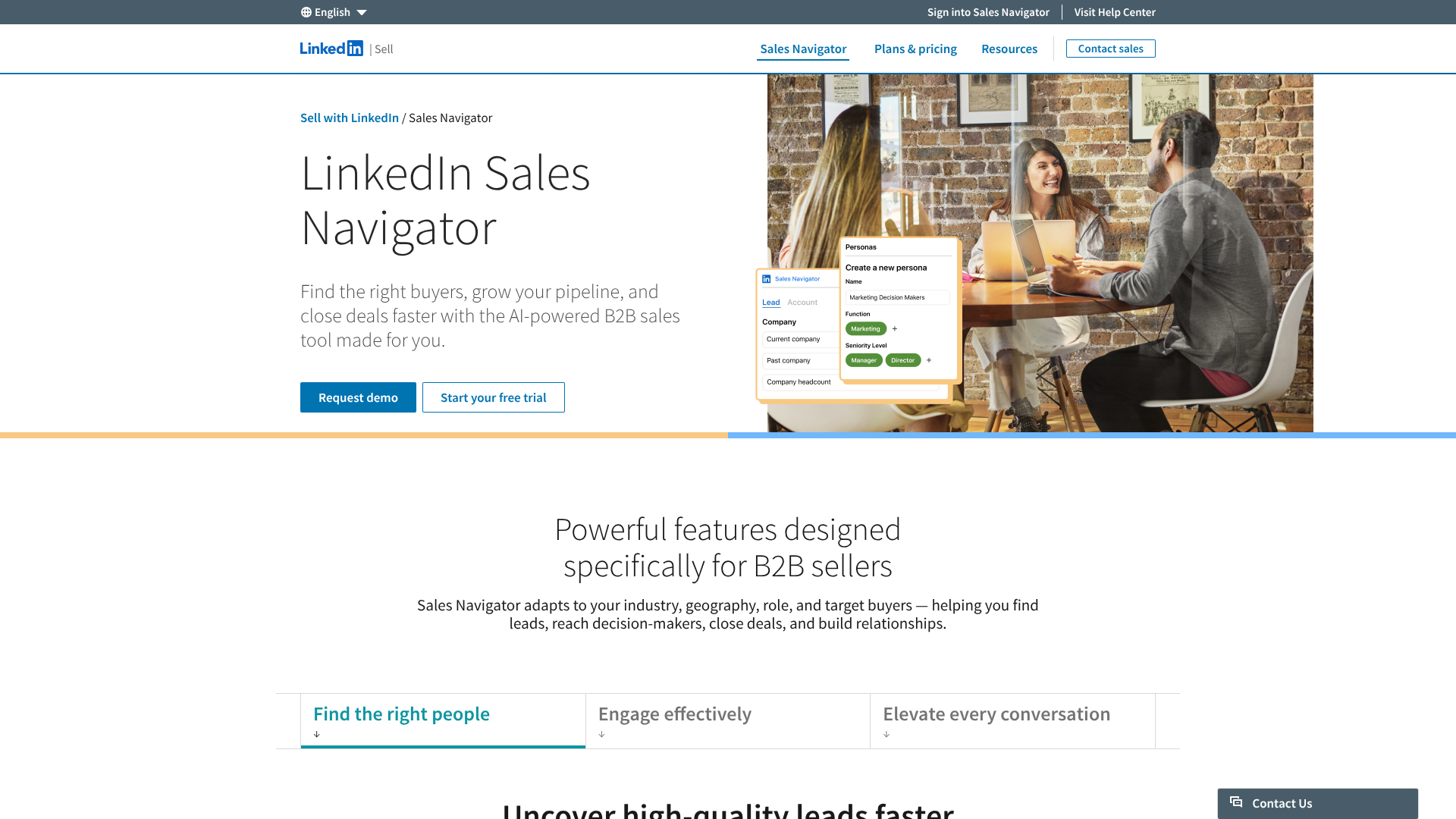
LinkedIn Sales Navigator is the premium version of LinkedIn, designed specifically for sales professionals. It doesn't provide email addresses or phone numbers directly, but it's an unparalleled tool for finding the right decision-makers, understanding company structures, and tracking key buying signals. It's best used in combination with an email-finding tool.
Key Features:
- Advanced Search Filters: Find prospects with highly specific criteria, including seniority, company size, and keywords in their profile.
- Lead Recommendations: Get suggestions for relevant leads based on your search history and saved profiles.
- InMail Messages: Contact LinkedIn members outside of your network.
- Real-time Updates: Stay informed about job changes, company news, and other key triggers.
Pros:
- Access to the most up-to-date professional network in the world.
- Excellent for identifying key stakeholders and understanding account hierarchies.
- Integrates well with many CRMs and sales tools.
Cons:
- Does not provide direct contact information like email or phone numbers.
- Can be expensive, especially for larger teams.
Pricing: Plans typically start around £79.99 per user/month. A free trial is usually available.
4. Hunter.io
Best For: Teams needing a simple, fast, and reliable tool for finding and verifying email addresses.
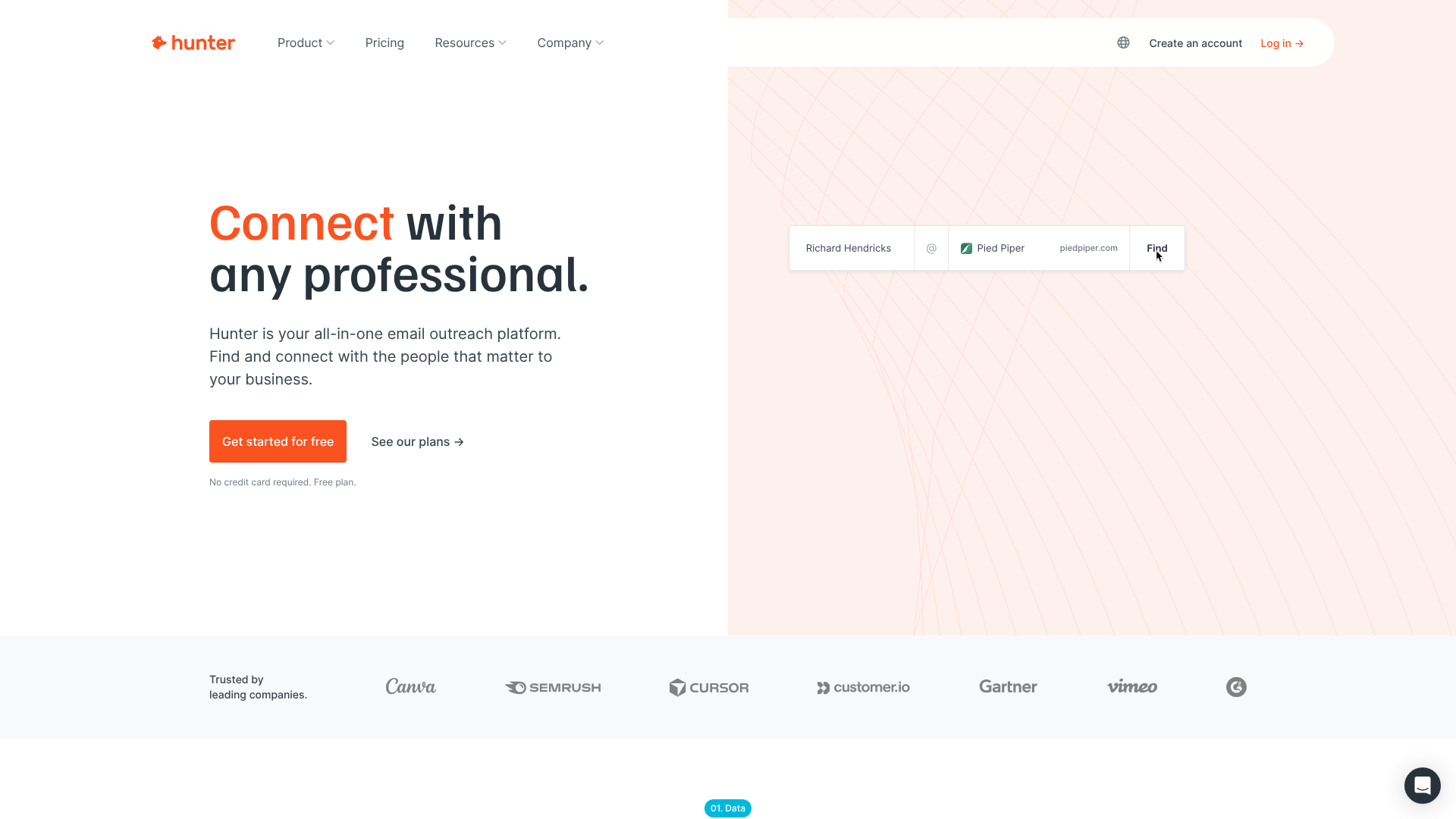
Hunter.io specialises in one thing and does it exceptionally well: finding professional email addresses. Its Domain Search feature is incredibly popular for quickly finding all the email addresses associated with a specific company. It also offers an email verifier to check the validity of addresses and a simple cold email campaign tool.
Key Features:
- Domain Search: Find email addresses from any company website in seconds.
- Email Finder: Find the email address of a specific professional using their name and company.
- Email Verifier: Check the deliverability of any email address to reduce bounce rates.
- Hunter Campaigns: A simple tool for sending basic cold email outreach sequences.
Pros:
- Very easy to use with a clean, straightforward interface.
- High accuracy rate for email verification.
- The free plan is useful for occasional searches.
Cons:
- Limited functionality beyond email finding and verification.
- The database is not as comprehensive as all-in-one platforms.
Pricing: Offers a free plan with 25 searches per month. Paid plans start at around €34 per month. Visit the Hunter Campaigns (Hunter.io) site for more details.
5. Reply.io

Best For: Sales teams focused on executing multi-channel outreach campaigns at scale.
Reply.io is a powerful sales engagement platform that helps you automate contact across email, phone, LinkedIn, and even WhatsApp. It includes a B2B contact database and an AI assistant to help write personalised emails, making it a strong all-around choice for outbound teams.
Key Features:
- Multi-channel Sequences: Combine emails, calls, LinkedIn tasks, and more into a single automated campaign.
- AI Sales Assistant: AI tools to help generate email copy and find the best contact times.
- Free B2B Contact Database: A built-in data source to find prospect emails and phone numbers.
- Appointment Booking: A meeting scheduler that integrates directly into your sequences.
Pros:
- Excellent for creating sophisticated, multi-touch outreach strategies.
- The AI features can significantly speed up the campaign creation process.
- Strong analytics and reporting capabilities.
Cons:
- Can be more expensive than some competitors, especially for larger teams.
- The built-in database may not be as extensive as dedicated data providers.
Pricing: Pricing starts from around $60 per user/month. Visit Reply.io for current plans.
6. ZoomInfo
Best For: Enterprise and mid-market companies that need best-in-class data accuracy and intent signals.
ZoomInfo is a market leader in the B2B data space, known for the depth and accuracy of its contact and company information. It's a premium solution that provides highly accurate direct dials, mobile numbers, and organisational charts. It also offers powerful intent data, which shows you which companies are actively researching solutions like yours.
Key Features:
- Best-in-Class Data: Highly accurate contact information, including mobile numbers and direct dials.
- Intent Data: Identify and target companies showing buying signals across the web.
- Advanced Filtering: Deep search capabilities based on technographics, company attributes, and more.
- Workflow Automation: Tools to enrich incoming leads and automate data cleansing.
Pros:
- Widely considered to have one of the most accurate B2B databases available.
- Powerful intent data provides a significant competitive advantage.
- Excellent for building highly targeted account-based marketing (ABM) lists.
Cons:
- One of the most expensive options on the market, often prohibitive for small businesses.
- Pricing is often based on annual contracts, which can be a large upfront commitment.
Pricing: Custom pricing based on data needs and team size. Expect to pay a premium for access.
7. Instantly.ai
Best For: Businesses focused on scaling their cold email outreach with a focus on deliverability.
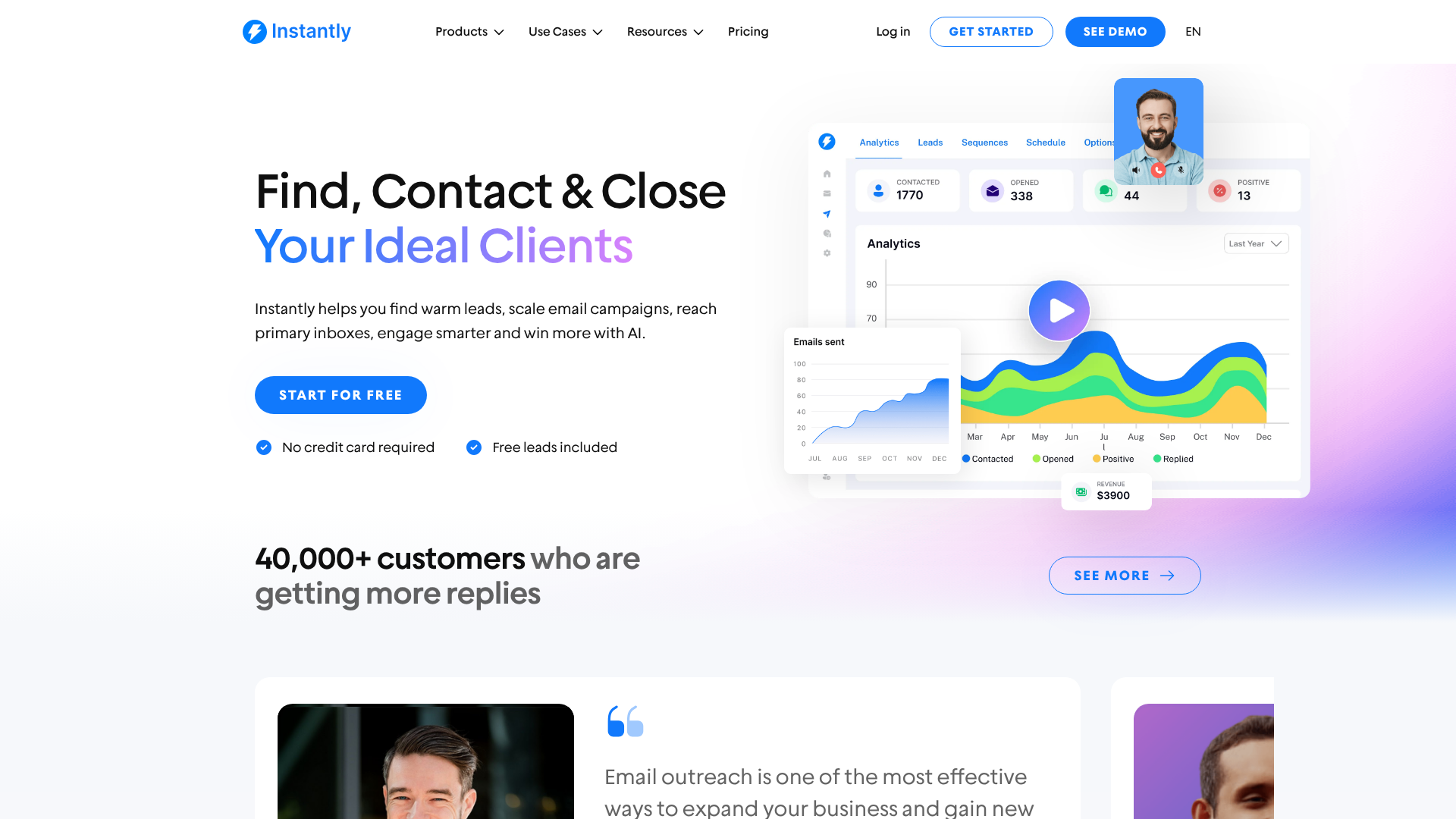
Instantly.ai is designed for one primary purpose: sending high-volume cold email campaigns while protecting your sender reputation. It offers unlimited email account connections and a warm-up feature that automatically prepares your email accounts for outreach. This helps ensure your emails land in the inbox, not the spam folder.
Key Features:
- Unlimited Email Warm-up: Automatically build the reputation of your sending domains.
- Smart Sequences: Create campaigns with A/B testing and intelligent follow-ups.
- Lead Database: Access to a database of verified B2B contacts.
- Deliverability Analytics: Tools to monitor your sending reputation and inbox placement.
Pros:
- Excellent features for maintaining high email deliverability.
- Cost-effective for sending large volumes of emails.
- The warm-up feature is included in all plans.
Cons:
- The platform is heavily focused on email and lacks features for other channels like phone or social.
- The user interface is functional but not as polished as some competitors.
Pricing: Plans start at around $30 per month. Visit Instantly.ai for more information.
8. Lusha
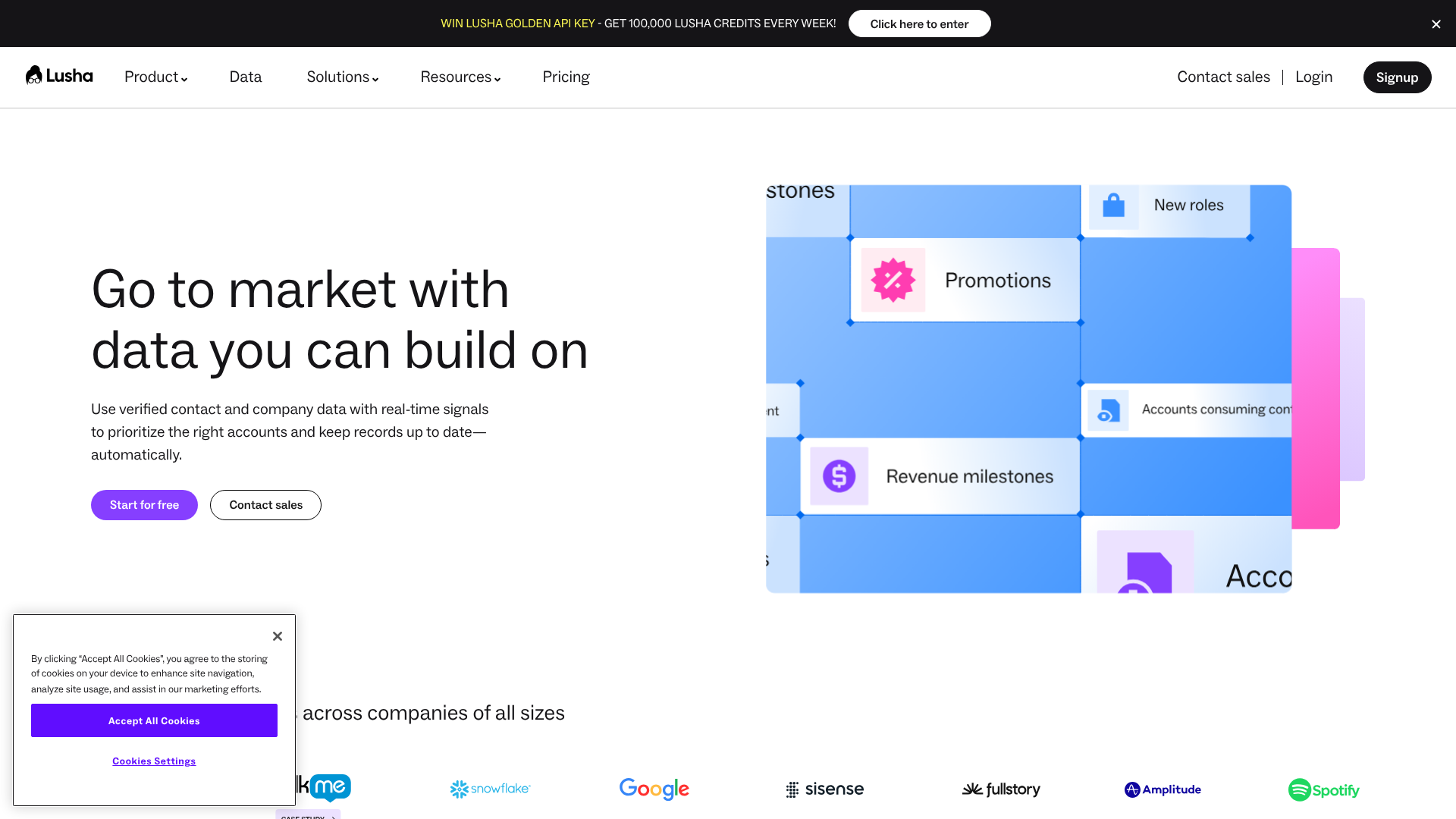
Best For: Sales reps who need quick access to accurate mobile numbers and direct dials.
Lusha is a popular prospecting tool known for its high accuracy in providing direct phone numbers. Its browser extension is widely used to find contact details for prospects on LinkedIn, company websites, and even within Gmail. It's a simple, effective tool for teams that do a lot of cold calling.
Key Features:
- Accurate Phone Numbers: High success rate in finding direct dials and mobile numbers.
- Browser Extension: Easily find contact information on various websites.
- API Access: Enrich your own systems with Lusha's data.
- Team Management: Features for managing credits and access across a sales team.
Pros:
- Very easy to use and integrates seamlessly into a rep's daily workflow.
- One of the best options for finding accurate phone numbers.
- Offers a free plan with a few credits each month.
Cons:
- The credit-based system can become expensive for high-volume users.
- The database is not as broad as platforms like Apollo.io or ZoomInfo.
Pricing: A free plan is available. Paid plans start from around $29 per user/month.
9. Outreach
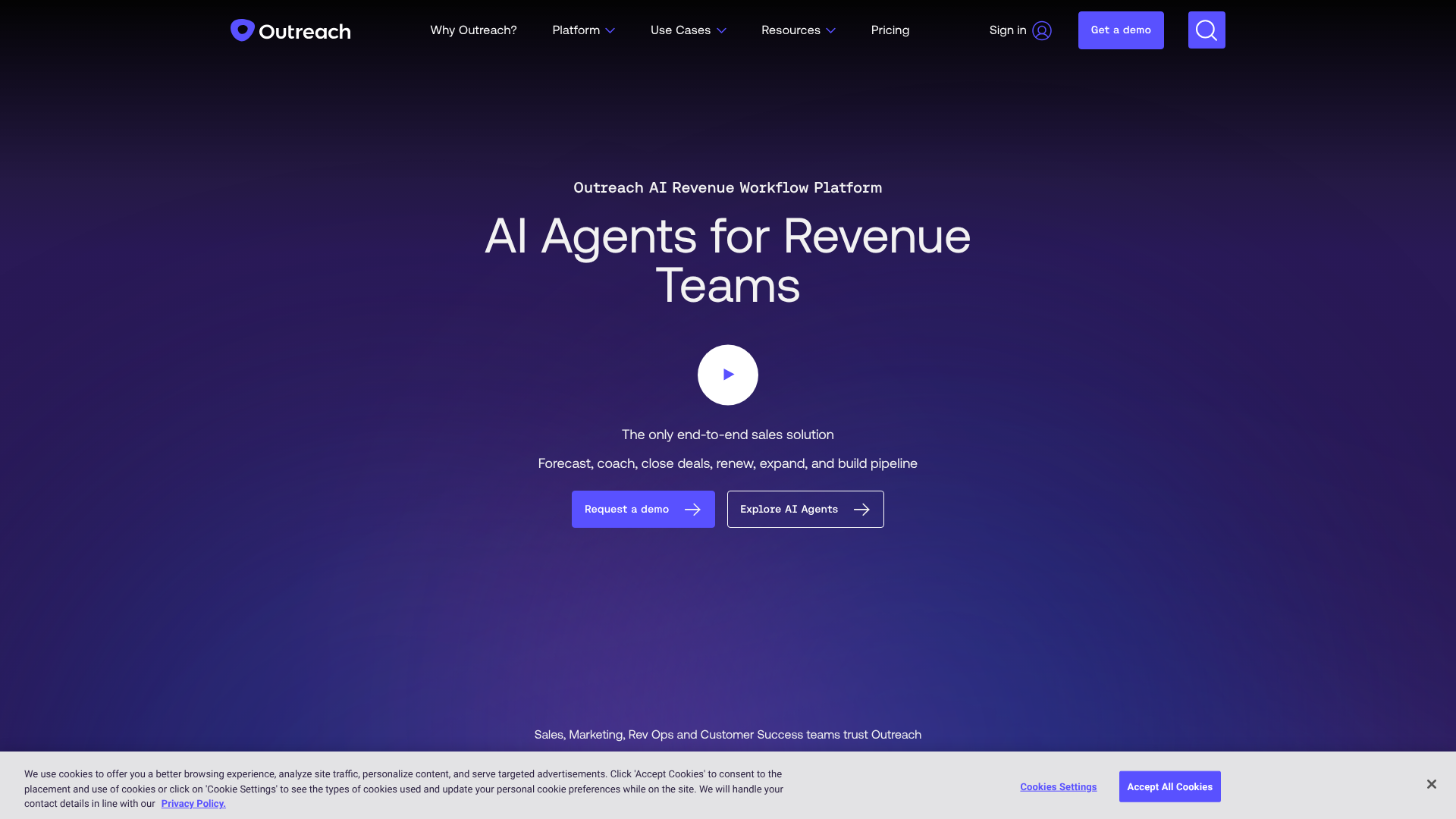
Best For: Large sales teams needing a comprehensive sales engagement and intelligence platform.
Outreach is an enterprise-grade sales engagement platform that helps teams standardise their sales processes and improve rep performance. It combines multi-channel sequencing with conversation intelligence and deal management tools. It's designed to help sales leaders manage, coach, and forecast more effectively.
Key Features:
- Sales Sequences: Automate and track engagement across email, phone, and social channels.
- Conversation Intelligence (Kaia): AI-powered assistant that provides real-time coaching during calls.
- Deal Management: Tools to analyse pipeline health and identify at-risk deals.
- Advanced Analytics: Deep reporting on team performance and sequence effectiveness.
Pros:
- A powerful, all-in-one platform for managing the entire sales cycle.
- Excellent for sales managers who need visibility and coaching tools.
- Deep integration with Salesforce and other enterprise systems.
Cons:
- Complex and expensive, making it better suited for larger, mature sales organisations.
- Requires significant setup and training to use effectively.
Pricing: Custom pricing for enterprise teams. Contact Outreach for a quote.
10. Leadfeeder (by Dealfront)
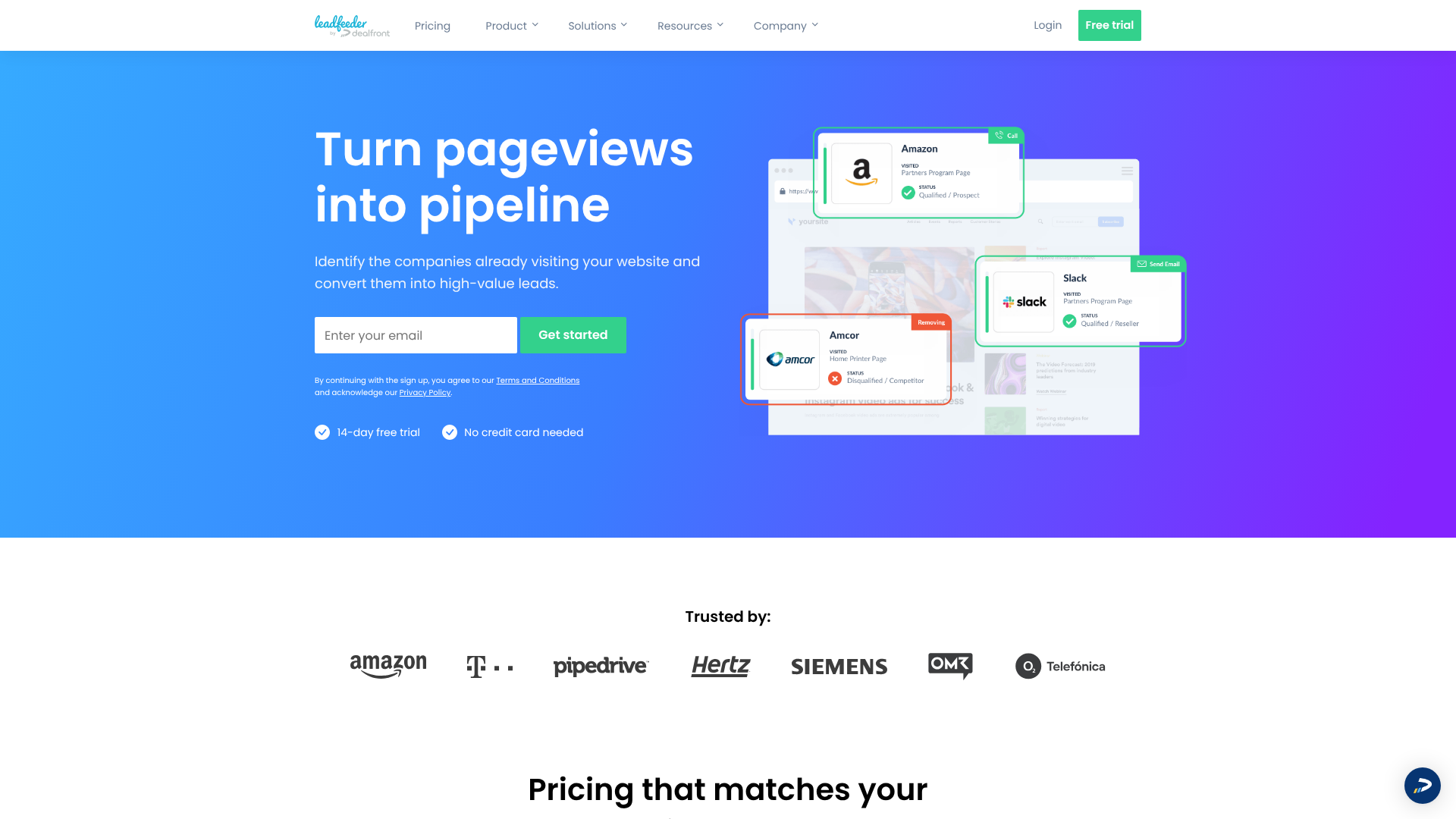
Best For: Marketing and sales teams wanting to identify and engage anonymous website visitors.
Leadfeeder answers a critical question: which companies are visiting your website? By installing a small script, it identifies the companies browsing your site, what pages they looked at, and how long they stayed. This provides a steady stream of warm leads who have already shown interest in your brand.
Key Features:
- Website Visitor Identification: See the names of the companies visiting your site.
- Behavioural Data: Track which pages they view and how they engage with your content.
- Contact Finder: Identify potential contacts within those visiting companies.
- CRM Integration: Automatically send new leads to your CRM and notify the correct salesperson.
Pros:
- Turns anonymous traffic into actionable sales leads.
- Provides valuable context for outreach (e.g., "I saw you were looking at our pricing page").
- Easy to set up and use.
Cons:
- Can only identify companies, not specific individuals.
- The quality of leads depends on the volume and type of traffic your website receives.
Pricing: Offers a free plan with limited features. Paid plans are based on the number of unique companies identified.
11. Cognism
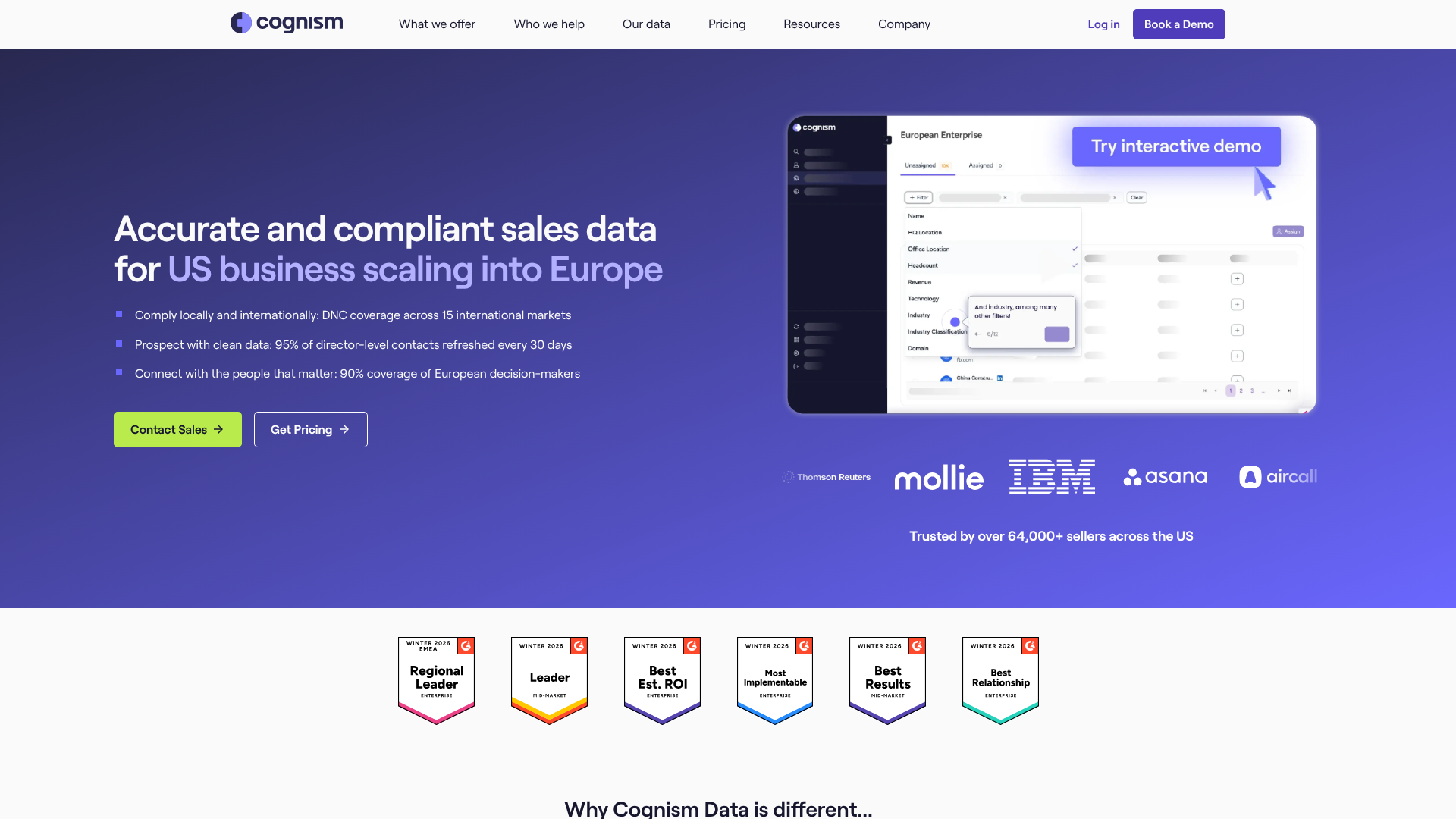
Best For: Teams targeting the EMEA market who need GDPR-compliant contact data.
Cognism is a sales intelligence platform that places a strong emphasis on data quality and compliance, particularly with regulations like GDPR. It provides high-quality, verified mobile numbers and B2B emails, making it a strong competitor to ZoomInfo, especially for companies operating in Europe.
Key Features:
- Globally Compliant Data: Data is checked against Do-Not-Call lists and adheres to GDPR and CCPA.
- Diamond Data®: Phone numbers that are manually verified by a research team for maximum accuracy.
- Intent Data: Powered by Bombora, it helps identify accounts actively in-market.
- Browser Extension: Find data while browsing LinkedIn and corporate websites.
Pros:
- Excellent data coverage and compliance for the European market.
- High accuracy rate for mobile phone numbers.
- Unrestricted access to data for users on paid plans (no credit limits).
Cons:
- Can be more expensive than all-in-one platforms like Apollo.io.
- The platform is primarily focused on data, with fewer engagement features.
Pricing: Custom pricing based on business needs. A demo is required to get a quote.
12. Zoho CRM
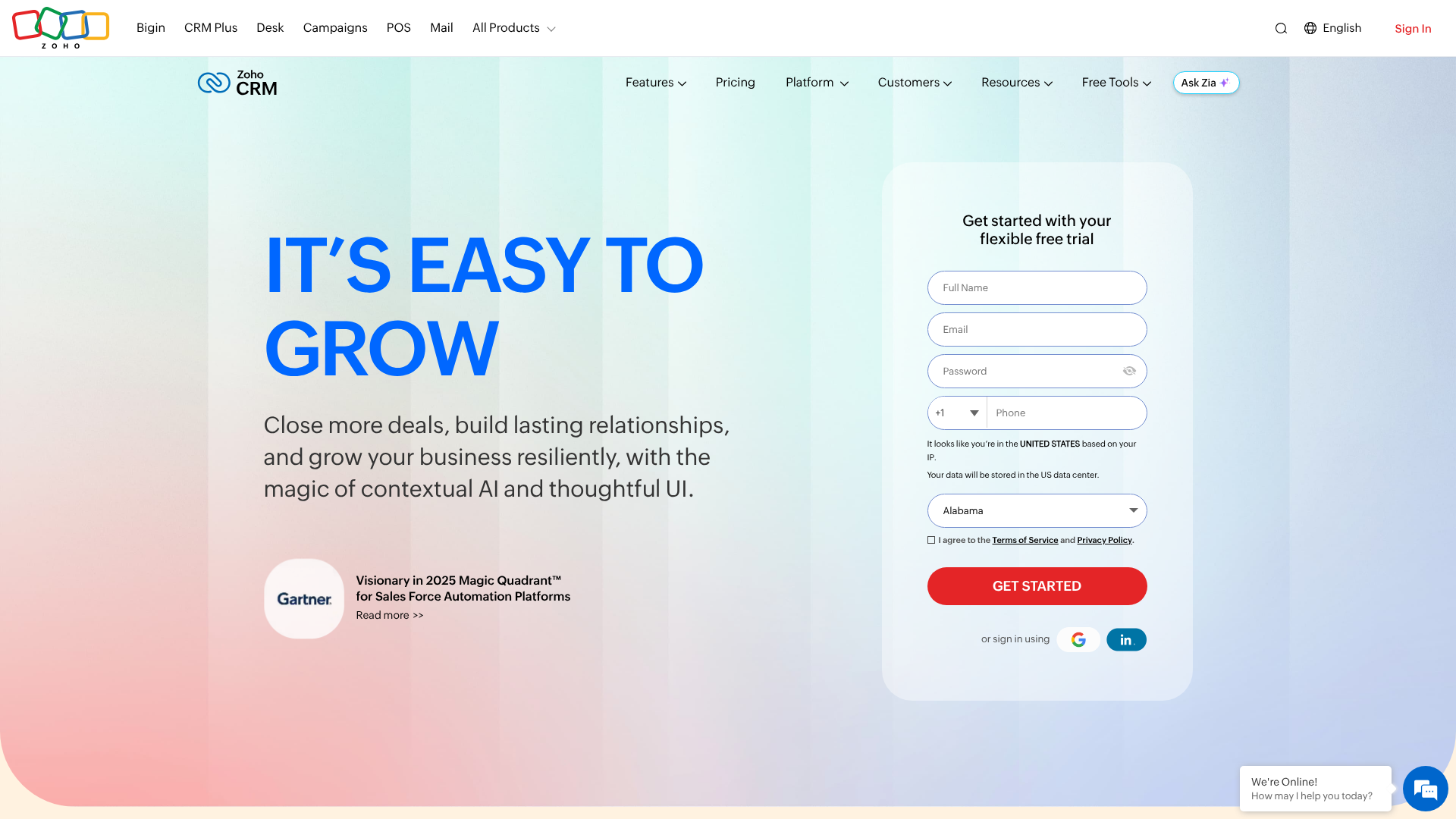
Best For: Small to medium-sized businesses looking for an affordable, integrated CRM with solid prospecting features.
While primarily a CRM, Zoho CRM includes a range of features that support B2B sales prospecting. It's part of the broader Zoho ecosystem, which offers dozens of business apps. For teams that want an all-in-one business suite, Zoho provides a compelling and cost-effective option.
Key Features:
- Lead Management: Capture, score, and route leads from various sources.
- Sales Automation: Automate follow-up emails, task creation, and record updates.
- Analytics and Reporting: Dashboards to track sales performance and pipeline metrics.
- AI Assistant (Zia): Provides predictions, suggestions, and alerts to help sales reps.
Pros:
- Extremely affordable compared to other full-featured CRMs.
- Seamless integration with the huge suite of other Zoho business applications.
- Highly customisable to fit specific business processes.
Cons:
- The user interface can feel dated and less intuitive than more modern platforms.
- Lacks a built-in B2B contact database for generating new leads.
Pricing: Offers a free edition for up to 3 users. Paid plans are very competitive, starting around £12 per user/month. Visit the Zoho CRM website for details.
Comparing Top B2B Sales Tools: A Quick Overview
To help you decide, here’s a quick comparison of some of the leading B2B prospecting tools based on their primary strengths and target users.
| Tool | Best For | Key Feature | Pricing Model |
|---|---|---|---|
| Apollo.io | All-in-one prospecting | Combined data & engagement | Freemium / Per User |
| HubSpot Sales Hub | Integrated CRM & Sales | Seamless workflow | Freemium / Per User |
| LinkedIn Sales Nav | Social Selling | Advanced LinkedIn search | Per User / Subscription |
| Hunter.io | Email Finding | High-accuracy email search | Freemium / Per Search |
| ZoomInfo | Enterprise Data | Intent data & direct dials | Annual Contract / Custom |
| Reply.io | Multi-channel Outreach | Automated sequences | Per User / Subscription |
Integrating Prospecting Tools with Your Sales Stack
A prospecting tool becomes exponentially more powerful when it's connected to the rest of your technology. An integrated sales stack creates a smooth, automated workflow that saves time, prevents data loss, and provides a holistic view of your sales process.
The most critical integration is with your CRM. When a sales rep finds a qualified prospect in a tool like Apollo.io, they should be able to push that contact directly into HubSpot CRM with a single click. All subsequent outreach activities—emails sent, calls made, meetings booked—should automatically sync back to the contact record in the CRM. This ensures your system of record is always up-to-date without manual data entry.
Beyond the CRM, consider how your prospecting tool connects to the later stages of the sales cycle. Once a prospect is engaged, you'll need to send proposals and contracts. Integrating with document management software like PandaDoc or Proposify can streamline this process. Similarly, connecting to an appointment scheduling tool like SimplyBook.me allows prospects to book meetings directly from your email signature or outreach campaigns, eliminating friction.
Frequently Asked Questions (FAQ)
Here are answers to some common questions about B2B sales prospecting tools.
What is the difference between lead generation and prospecting?
Lead generation is the process of attracting and capturing interest from potential customers, often through marketing activities like content marketing, ads, or webinars. These are typically inbound leads. Prospecting, on the other hand, is the proactive, outbound process of identifying, researching, and contacting potential customers who may not yet be aware of your company. Prospecting tools are primarily designed to support this outbound effort.
Can I use free B2B prospecting tools to start?
Yes, absolutely. Many excellent tools offer free plans that are perfect for individuals or small teams just starting out. For example, Apollo.io has a generous free tier for finding contacts, and Hunter.io offers free monthly searches for emails. While these free plans have limitations on credits or features, they are a great way to test a platform's effectiveness before committing to a paid subscription.
How do I measure the ROI of sales prospecting software?
To measure the return on investment (ROI), track a few key metrics before and after implementing the tool. Look at the number of new qualified leads generated per month, the conversion rate from prospect to meeting, and the overall sales cycle length. You can also measure efficiency gains, such as the time saved per rep on manual tasks. Ultimately, the goal is to see if the revenue generated from leads sourced via the tool exceeds the software's cost.
What is intent data in B2B sales?
Intent data is information collected about a company's online activities that signals they are actively researching a purchase. This could include topics they are searching for, content they are consuming on third-party websites, or spikes in research around a particular product category. Tools like ZoomInfo and Cognism provide this data, allowing sales teams to prioritise outreach to companies that are already in a buying cycle, resulting in much higher engagement rates.
Final Thoughts: Choosing Your Prospecting Partner
Investing in the right B2B sales prospecting tools is no longer a luxury; it's a necessity for any team that wants to compete and grow. By automating manual tasks, providing accurate data, and streamlining outreach, these platforms empower your sales reps to operate at peak efficiency and focus on building meaningful customer relationships.
The "best" tool is the one that aligns with your team's unique needs. For a team needing an all-in-one solution with great value, Apollo.io is an excellent starting point. If your business is built around the HubSpot ecosystem, leveraging the HubSpot Sales Hub is a natural choice for its seamless integration.
Before making a final decision, take advantage of free trials. Involve your sales team in the evaluation process to ensure the tool you choose is one they will be excited to use. With the right software partner, you can build a predictable, scalable pipeline that fuels your company's growth for years to come.