

Synthesia AI Voice Generator Review: An In-Depth Look for Creators
Creating professional-grade voiceovers for videos is often a significant bottleneck for content creators and businesses. The process typically involves hiring voice actors, booking studio time, and dealing with complex audio editing, all of which can be expensive and time-consuming. The Synthesia AI voice generator offers a powerful alternative, promising to create realistic, human-like voiceovers from text in minutes. But does it live up to the hype?
- Quick Summary
- What is the Synthesia AI Voice Generator? An Overview
- The Core Features of Synthesia's Voice Tool
- Extensive Voice and Language Library
- AI Voice Cloning
- Emotion and Tone Control
- Closed Captions and Script Integration
- How Does Synthesia's Voice Synthesis AI Actually Work?
- Real-World Use Cases: Who is Synthesia For?
- Corporate Training and Learning & Development
- Marketing and Sales Videos
- Customer Support and How-To Guides
- Educational Content Creation
- Synthesia vs. The Competition: A Brief Comparison
- A Step-by-Step Guide to Creating Voiceovers in Synthesia
- The Main Benefits of Using Synthesia for Content Creation
- Significant Cost and Time Savings
- Unmatched Scalability and Localisation
- Consistency in Branding
- Effortless Updates and Iteration
- Potential Limitations and Challenges to Consider
- The Cost Factor
- The Lingering 'AI' Sound
- The Platform's Learning Curve
- Avatar and Voice Customisation Limits
- What Users Are Saying: Testimonials and Case Studies
- The Future of AI Voice Generation and Synthesia's Role
- FAQ: Answering Your Questions About Synthesia
- Is Synthesia AI safe to use?
- What are the disadvantages of Synthesia?
- Is AI voice cloning legal?
- What's the best AI voice generator?
- Final Verdict: Is the Synthesia AI Voice Generator Worth It?
This in-depth review explores every facet of Synthesia's voice generation capabilities. We'll analyse its core features, examine the technology behind it, compare it to alternatives, and provide a clear verdict on who can benefit most from this innovative platform. By the end, you'll understand exactly how this tool works and whether it's the right investment for your content creation needs.
Quick Summary
- All-in-One Platform: Synthesia is more than just a voice tool; it's a comprehensive AI video creation platform where the voice generator is a core, integrated feature.
- Extensive Library: It offers a massive selection of over 400 realistic AI voices across more than 120 languages and accents, making it ideal for global content strategies.
- Advanced Voice Features: Beyond basic text-to-speech, Synthesia includes features like voice cloning, allowing you to create a digital replica of your own voice for ultimate brand consistency.
- Best for Business Use: The platform is designed for professional applications like corporate training, marketing videos, and product explainers, where scalability and ease of updates are critical.
- Premium Pricing: While incredibly powerful, Synthesia is a premium solution. Its pricing structure reflects its focus on business and enterprise clients rather than casual hobbyists.
What is the Synthesia AI Voice Generator? An Overview
The Synthesia AI voice generator is a sophisticated text-to-speech (TTS) system built into the broader Synthesia AI video generation platform. Unlike standalone voice tools that only output audio files, Synthesia's primary function is to pair these AI-generated voices with realistic AI avatars to produce complete videos directly from a script. This integration is its main selling point and what sets it apart from many competitors in the market.

The core purpose of the synthesia voice tool is to eliminate the need for traditional video production equipment and personnel. You don't need microphones, cameras, actors, or recording studios. Instead, you type your script, choose an avatar, select a voice, and the platform generates a polished video presentation. This approach dramatically speeds up the production workflow, especially for businesses that need to create large volumes of content.
It's designed for a professional audience, including corporate learning and development (L&D) teams, marketing departments, and internal communications specialists. These users value the ability to quickly create, update, and localise video content without the logistical hurdles of a physical video shoot. The platform provides a streamlined solution for turning scripts, presentations, or documents into engaging video content with a consistent, professional voice.
The Core Features of Synthesia's Voice Tool
Synthesia's strength lies in its rich feature set, which goes far beyond simple text-to-speech conversion. These features are designed to give users granular control over the final audio output, ensuring it sounds natural and aligns with their brand's identity.
Extensive Voice and Language Library
One of the most impressive aspects of the platform is its sheer scale. As of 2026, Synthesia offers over 400 distinct voices. This isn't just about quantity; the library covers a wide range of genders, ages, and vocal styles. More importantly, it supports over 120 languages and accents.
This extensive localisation capability is a massive advantage for global companies needing to produce training or marketing materials for international teams and customers. A single video script can be translated and generated with a native-sounding voice for dozens of regions in a fraction of the time it would take with traditional methods.
AI Voice Cloning
For businesses seeking ultimate brand consistency, Synthesia offers a powerful voice cloning feature. This allows you to create a custom AI voice model based on a recording of your own voice (or that of a designated company spokesperson). The process requires submitting a script reading, which the AI uses to learn the unique pitch, tone, and cadence of the speaker. Once created, this custom voice can be used by anyone on your team to generate audio, ensuring all company communications have a familiar and consistent sound.
This is particularly useful for CEOs who want to 'narrate' internal announcements or for brands that have a specific voice actor associated with their marketing.
Emotion and Tone Control
Early AI voices were often criticised for their flat, robotic delivery. Modern voice synthesis AI, like that used by Synthesia, has made significant strides in overcoming this. Users can fine-tune the audio delivery by adding pauses for dramatic effect, adjusting the pitch, and controlling the speed of the narration. While it doesn't offer the same level of emotional nuance as a professional human actor, these controls allow creators to add a layer of expression that makes the final output sound much more engaging and natural.
You can emphasise certain words or phrases to ensure your key messages land with the intended impact.
Closed Captions and Script Integration
Accessibility is a critical component of modern video content. The Synthesia platform automatically generates closed captions for your videos directly from the script you provide. This feature is built-in and requires no extra work from the user. Because the captions are derived from the source text, they are highly accurate.
This not only makes your content accessible to viewers with hearing impairments but also improves engagement for all users, as many people watch videos on social media with the sound off.
How Does Synthesia's Voice Synthesis AI Actually Work?

Understanding the technology behind the Synthesia AI voice generator helps appreciate why it's so effective. The platform doesn't use the old, robotic-sounding text-to-speech (TTS) technology from a decade ago. Instead, it relies on advanced deep learning models, specifically a type of neural network designed to process and generate human speech patterns.
At its core, the process begins when you input text. The AI first analyses this text, breaking it down into phonetic components—the basic sounds that make up speech. This is more complex than just converting letters to sounds; the AI must understand context to handle homographs (words that are spelled the same but pronounced differently, like 'read' and 'read') and determine the correct intonation for questions versus statements.
Next, these phonetic units are fed into a neural network that has been trained on thousands of hours of high-quality audio recordings from real human voice actors. This training allows the model to learn the incredibly complex nuances of human speech, including rhythm, pitch, and the subtle pauses between words. The AI learns to predict what a human would sound like saying those phonetic units in that specific sequence. The final step is generating a digital audio waveform based on these predictions.
This waveform is the sound file you hear, meticulously constructed to mimic the patterns the AI learned from its training data. This is why the voices sound so much more natural and less disjointed than older TTS systems.
Pro Tip: When writing scripts for Synthesia, use punctuation to guide the AI's delivery. Commas create short pauses, and full stops create longer ones. Using question marks and exclamation marks will also naturally adjust the intonation of the final sentence, giving you more control over the performance.
Real-World Use Cases: Who is Synthesia For?
Synthesia's combination of AI voice and video generation makes it a versatile tool for various industries. Its primary value is in creating professional, scalable video content without the high costs and logistical challenges of traditional production.
Corporate Training and Learning & Development
This is arguably Synthesia's most powerful use case. L&D teams are constantly creating content for employee onboarding, compliance training, and software tutorials. With Synthesia, they can transform dense PowerPoint presentations or Word documents into engaging video modules. The key benefit here is the ease of updates.
If a company policy or software interface changes, they don't need to re-hire a voice actor and re-shoot a video; they simply edit the text in the script and regenerate the video in minutes. The ability to localise this training into dozens of languages with a few clicks is also a major advantage for global organisations.
Marketing and Sales Videos
Marketing teams can use Synthesia to rapidly produce a wide range of content, from product explainer videos and feature demos to social media advertisements. The speed of production allows them to test different scripts, calls-to-action, or value propositions quickly. For sales teams, it's a powerful tool for creating personalised video messages for prospective clients. A sales representative could use a template to quickly generate a video that addresses a specific client's pain points, adding a layer of personalisation that stands out more than a standard email.
Customer Support and How-To Guides
Companies can significantly reduce the burden on their customer support teams by creating a library of video FAQs and how-to guides. Instead of writing long, text-based support articles, they can create short, clear videos that walk users through troubleshooting steps or demonstrate how to use a product feature. These visual guides are often more effective and easier for customers to follow, leading to higher satisfaction and fewer support tickets.
Educational Content Creation
Educators and online course creators can use the platform to produce lectures and learning materials. The AI avatars provide a human-like presence that can be more engaging than a simple voiceover on a slide deck. This allows solo creators to produce high-quality course content without needing to be comfortable on camera themselves, democratising the ability to create professional educational videos.
Synthesia vs. The Competition: A Brief Comparison
While Synthesia is a leader in the AI video space, it's helpful to see how its voice generation capabilities stack up against other popular tools that are more voice-focused. The key distinction is that Synthesia is a video-first platform, whereas tools like Murf AI and ElevenLabs are audio-first.
| Feature | Synthesia | Murf AI | ElevenLabs |
|---|---|---|---|
| Primary Function | AI Video Generation | AI Voice Generation & Editing | AI Voice Generation & Cloning |
| Voice Library | 400+ voices in 120+ languages | 120+ voices in 20+ languages | Large community library, 29 languages |
| AI Avatars | Yes, core feature (230+ avatars) | No | No |
| Voice Cloning | Yes (Enterprise feature) | Yes | Yes (Core feature) |
| Key Strength | All-in-one video production | Studio-like audio editor | Hyper-realistic voice quality |
| Best For | Businesses needing scalable video content | Podcasters, audiobook creators | Realistic voice cloning for audio projects |
As the table shows, the best choice depends entirely on your needs. If your end goal is a finished video, Synthesia is the most integrated and efficient solution. If you only need a high-quality audio file for a podcast, audiobook, or a voiceover to edit into your own video footage, a dedicated AI voice generator like Murf AI or ElevenLabs might be a more direct and potentially more cost-effective option.
A Step-by-Step Guide to Creating Voiceovers in Synthesia
Getting started with Synthesia is a straightforward process. The user interface is designed to be intuitive, guiding you from script to final video with ease. Here’s a breakdown of the typical workflow.
Start with a Template or a Blank Canvas
Upon logging in, you can choose from dozens of pre-designed video templates tailored for different use cases like presentations, social media updates, or training modules. Alternatively, you can start from scratch. This is where you'll also select your AI avatar from a library of over 230 diverse options.Write or Paste Your Script
The script is the heart of your video. You can type your text directly into the script box on the right side of the screen. Each new paragraph or line break typically corresponds to a new scene in the video. This is where you'll input the words you want the AI voice generator to speak.Select Your Voice and Language
Below the script box, you'll find the voice selection menu. You can browse through the extensive library and filter by language, gender, or accent. You can preview each voice to find the one that best fits the tone of your content. Once you've chosen a voice, it will be applied to the entire script.Fine-Tune the Delivery
To make the narration sound more natural, you can use Synthesia’s editing tools. By highlighting a specific word, you can access a feature to adjust its pronunciation if the AI isn't getting it quite right. You can also insert pauses of varying lengths (short, medium, long) to control the pacing of the speech and add emphasis where needed.Add Visuals and Generate Your Video
Since Synthesia is a video platform, you'll add visual elements like text overlays, images, or screen recordings to complement the voiceover. Once your script is finalised and your visuals are in place, you simply click the 'Generate' button. Synthesia's servers will then process the project, which can take a few minutes depending on the length. You'll receive an email notification when your video is ready to be downloaded or shared.
The Main Benefits of Using Synthesia for Content Creation
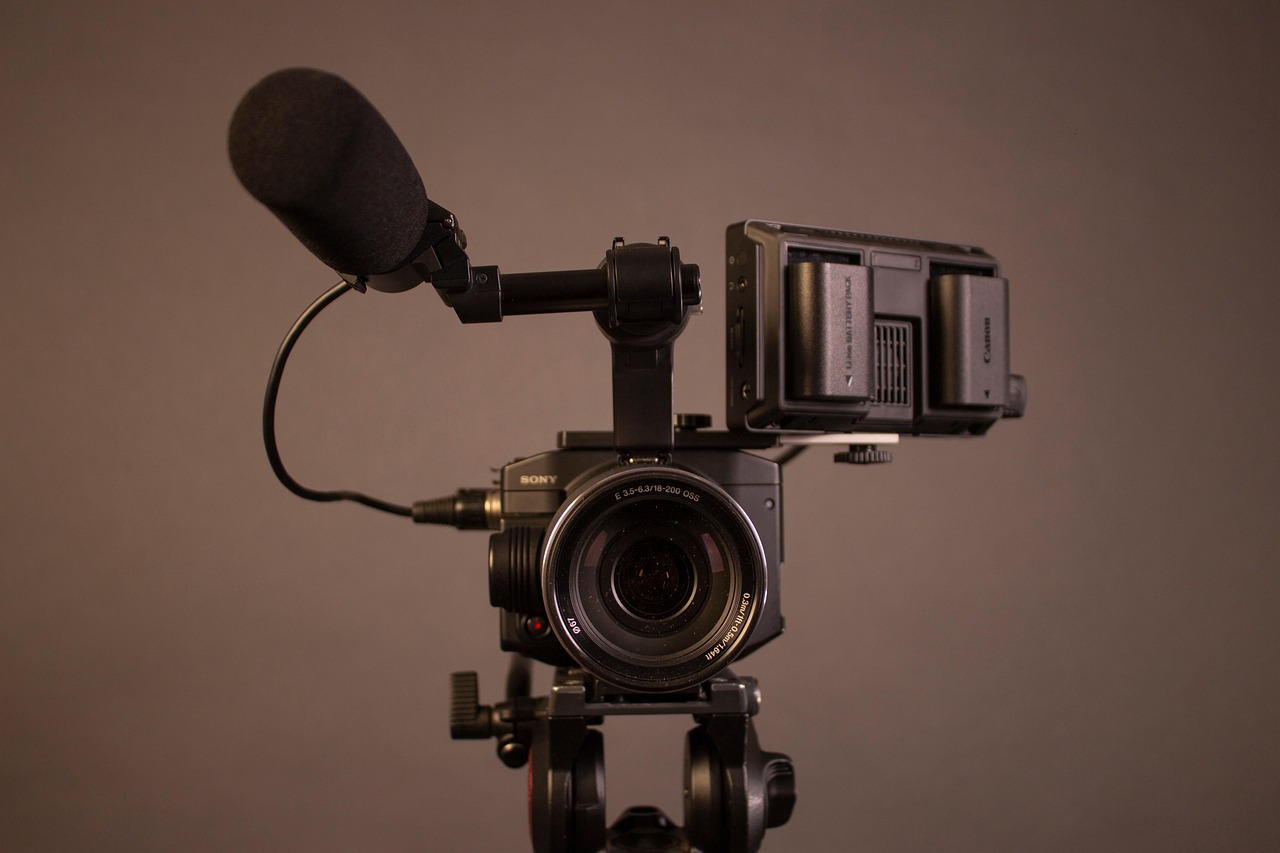
Adopting a tool like Synthesia can have a transformative impact on a company's content production workflow. The benefits extend beyond just convenience, affecting budget, scalability, and brand management.
Significant Cost and Time Savings
Traditional video production is expensive. Costs include hiring voice talent (who often charge per word or per minute), renting studio space, and paying for audio engineers and video editors. This can easily run into thousands of pounds for even a short video. Synthesia replaces these variable costs with a predictable subscription fee.
Furthermore, the time savings are immense. A process that could take weeks—from casting a voice actor to final video delivery—can be condensed into a single afternoon.
Unmatched Scalability and Localisation
Imagine your company needs to create a product demo video for 15 different countries. Traditionally, this would require hiring 15 different voice actors who speak the local language and dialect. It would be a logistical and financial nightmare. With Synthesia, you can take one master script, have it translated, and then generate 15 different versions of the video with native-sounding voices in a matter of hours.
This level of scalability is simply not possible with conventional methods.
Consistency in Branding
Using the same AI voice, especially a custom cloned voice, across all your corporate communications creates a powerful and consistent brand identity. Whether a customer is watching a marketing video, an employee is taking a training module, or a shareholder is viewing an update, the voice representing the company remains the same. This builds familiarity and reinforces the brand's personality in a subtle yet effective way.
Effortless Updates and Iteration
One of the biggest pains in video production is making updates. If a product feature changes or a piece of information becomes outdated, you have to go back to the original voice actor and re-record the specific lines, which can be difficult to schedule and costly. With Synthesia, you just open the project, edit the text in the script, and click 'Generate' again. This agility allows businesses to keep their video content current and accurate without hesitation.
Potential Limitations and Challenges to Consider
No tool is perfect, and it's important to have a balanced view. While Synthesia is a powerful platform, there are some potential drawbacks to keep in mind to ensure it aligns with your expectations and needs.
The Cost Factor
Synthesia is a professional-grade tool, and its pricing reflects that. It is not designed for casual or hobbyist use. The subscription plans are aimed at businesses that will see a clear return on investment through time and cost savings on video production. For a small creator or someone needing a one-off voiceover, the cost may be prohibitive compared to simpler, pay-as-you-go TTS services.
You should always check the official website for the most current pricing structures.
The Lingering 'AI' Sound
While the voice synthesis AI is incredibly advanced, it can sometimes struggle to replicate the full emotional spectrum of a highly skilled human voice actor. For content that requires deep emotional resonance, subtle sarcasm, or complex storytelling, the AI voice may occasionally fall short and sound slightly unnatural. The technology is constantly improving, but for now, a human actor still has the edge in conveying nuanced emotion.
The Platform's Learning Curve
Because Synthesia is a full video editor and not just a voice generator, there is a learning curve involved. Users need to familiarise themselves with the interface for managing scenes, adding media, timing animations, and editing avatars. While it is far simpler than professional video editing software like Adobe Premiere Pro, it's more complex than a basic tool where you just paste text and download an MP3 file.
Avatar and Voice Customisation Limits
The library of stock avatars and voices is vast. However, creating a truly unique digital twin (a custom avatar of a specific person) and a custom cloned voice are typically premium features reserved for enterprise-level plans. Businesses on lower-tier plans will be using the same pool of stock avatars and voices as other Synthesia customers, which could slightly reduce the uniqueness of their content.
What Users Are Saying: Testimonials and Case Studies
User feedback for Synthesia is largely positive, particularly from its target business audience. On software review platforms like G2 and Capterra, users frequently praise the platform for its ease of use and the significant time savings it provides. Many L&D professionals highlight how it has transformed their ability to produce training content at scale.
One of the most prominent public case studies is Reuters, a major international news organisation. They collaborated with Synthesia to create an AI-powered sports presenter. This allowed them to produce daily video sports summaries automatically, using a custom avatar and voice to deliver the news. This case study demonstrates the platform's capability to handle high-volume, time-sensitive content production reliably.
Another common theme in user testimonials is the quality of the localisation features. Companies with a global presence often state that the ability to generate videos in multiple languages without sourcing local talent has been a critical factor in their international communication strategy. While some users note the limitations in emotional range, the overall consensus is that for corporate and educational content, the quality is more than sufficient and the efficiency gains are undeniable.
The Future of AI Voice Generation and Synthesia's Role
The field of voice synthesis AI is advancing at a rapid pace. We are moving towards a future where AI voices will be virtually indistinguishable from human voices, capable of expressing a full range of emotions and even singing. Trends like real-time voice conversion, where you can speak into a microphone and have your voice transformed into a different AI voice instantly, are on the horizon.
Synthesia is well-positioned to be at the forefront of these developments, especially in the context of video. As the technology improves, we can expect to see AI avatars with more lifelike expressions and body language that are perfectly synchronised with increasingly emotive AI voices. This will further blur the line between AI-generated and human-shot video content.
However, this progress also brings ethical considerations. The potential for misuse of voice cloning and deepfake technology is a serious concern. Companies like Synthesia are actively working on safeguards, such as robust content moderation policies that prohibit the creation of misleading or harmful content, and verification processes to ensure users have consent to clone a voice. As the technology becomes more powerful, the responsibility of the platforms that provide it will become even more critical.
FAQ: Answering Your Questions About Synthesia
Here are answers to some common questions people have about the Synthesia AI voice generator and the platform as a whole.
Is Synthesia AI safe to use?
Yes, Synthesia is designed to be a safe and secure platform for business use. They have strict content moderation policies in place to prevent the creation of harmful, deceptive, or illegal content. For features like voice cloning, they require explicit consent and verification from the person whose voice is being cloned. The platform is built with enterprise-grade security protocols to protect user data and content.
What are the disadvantages of Synthesia?
The main disadvantages are its premium price point, which may not be suitable for individuals or very small businesses. While the AI voices are high-quality, they can sometimes lack the deep emotional nuance of a professional human voice actor. Finally, as a comprehensive video platform, it has a steeper learning curve than simple text-to-speech tools.
Is AI voice cloning legal?
AI voice cloning is legal as long as you have the explicit consent of the person whose voice you are cloning. It is illegal to clone someone's voice without their permission to create fraudulent or defamatory content. Reputable platforms like Synthesia have built-in safeguards that require you to verify you have the rights to the voice you wish to clone, often by having the person read a specific declaration script.
What's the best AI voice generator?
The 'best' AI voice generator depends entirely on your specific needs. If you need to create complete videos with avatars and synchronised voiceovers at scale, Synthesia is arguably the best all-in-one solution. If you only need a standalone audio file with a hyper-realistic voice for a podcast or audiobook, a tool like ElevenLabs might be a better fit. If you need advanced audio editing features, Murf AI could be the right choice.
Final Verdict: Is the Synthesia AI Voice Generator Worth It?
After a thorough review of its features, technology, and use cases, the verdict on the Synthesia AI voice generator is clear: it is an exceptionally powerful and valuable tool for the right user. Its true strength lies not just in its voice generation but in its seamless integration into a fast and efficient AI video production platform.
For businesses, corporate trainers, and marketing teams who need to produce, update, and localise video content at scale, Synthesia is a fantastic investment. The time and money saved compared to traditional video production methods can provide a significant return on investment, justifying its premium price tag. The ability to maintain brand consistency and agility in content updates are powerful advantages in today's fast-paced digital world.
However, it is not the ideal tool for everyone. Podcasters, audiobook narrators, or individuals looking for a simple, low-cost text-to-speech solution for audio-only projects would be better served by more specialised, audio-first platforms. Synthesia is a video creation suite first and foremost. If your primary output is video, and you value speed and scalability, then Synthesia is undoubtedly one of the best and most comprehensive solutions on the market today.