

11 Best AI Writing Tools for Marketers & Bloggers (2026 Rankings)
Finding the time and creativity to consistently produce high-quality content can be a major challenge for marketers, bloggers, and business owners. The pressure to publish engaging articles, compelling ad copy, and optimised web pages is constant. This is where finding the best AI writing tools becomes essential, not just as a luxury, but as a strategic advantage to scale your content efforts without sacrificing quality.
- Quick Summary
- What Exactly is AI Writing Software?
- Key Features to Look for in Top AI Writing Tools
- The 11 Best AI Writing Tools of 2026 (A Detailed Comparison)
- 1. Jasper (formerly Jarvis)
- 2. Writesonic
- 3. Copy.ai
- 4. Grammarly
- 5. QuillBot
- 6. Semrush SEO Writing Assistant
- 7. Rytr
- 8. Sudowrite
- 9. Anyword
- 10. Frase.io
- 11. ChatGPT
- AI Writing Software Comparison Table
- The Real Benefits: How AI Writing Tools Transform Content Creation
- Using AI Writing Software for SEO Success
- Understanding the Limitations and Pitfalls of AI Writers
- Real-World Wins: Success Stories with AI Writing Tools
- Case Study 1: A SaaS Startup Scales Blog Content by 300%
- Case Study 2: A Freelancer Improves SEO Rankings with Writesonic
- What's Next? The Future of AI Writing Technology
- How to Choose the Right AI Writing Tool for Your Needs
- Pro Tips for Getting the Most Out of Your AI Writing Tool
- Frequently Asked Questions about AI Writing Tools
- Which AI tool is best for writing?
- Can I legally publish a book written by AI?
- Which AI is better than ChatGPT?
- Is ChatGPT the best AI for writers?
- Final Thoughts: Choosing Your AI Writing Partner
These powerful platforms are designed to act as your co-writer, helping you brainstorm ideas, draft entire articles, refine your tone, and even optimise content for search engines. They can break through writer's block and cut down the time it takes to go from a blank page to a polished final piece. This guide breaks down the top AI writing tools available today, helping you find the perfect partner for your specific content creation needs.
Quick Summary
- Best Overall for Marketing Teams: Jasper stands out for its advanced features, team collaboration tools, and focus on creating brand-consistent, long-form marketing content.
- Best All-in-One Content Platform: Writesonic offers a complete suite of tools, including an AI writer, SEO optimiser, image generator, and even an AI chatbot builder, making it a versatile choice.
- Best for Editing and Polishing: Grammarly goes beyond basic spell-checking with its AI-powered suggestions for tone, clarity, and style, making it indispensable for refining any piece of writing.
- Best for SEO Content Optimisation: Semrush's SEO Writing Assistant provides real-time feedback and data-driven suggestions to ensure your content is perfectly optimised to rank on search engines.
- Choosing the Right Tool: The ideal AI writing software depends on your primary goal, whether it's creating long-form blog posts, short-form ad copy, or simply improving the quality of your existing text.
What Exactly is AI Writing Software?
AI writing software refers to any application that uses artificial intelligence, specifically natural language processing (NLP) and natural language generation (NLG), to create, edit, or optimise human-like text. At their core, these tools are powered by large language models (LLMs), such as OpenAI's GPT series, which have been trained on vast amounts of text data from the internet.
This extensive training allows them to understand context, grammar, tone, and style. When you provide a prompt or command, the AI analyses your input and predicts the most logical sequence of words to generate a relevant and coherent response. It's not thinking or understanding in a human sense; rather, it's a highly sophisticated pattern-matching system.
There are several types of AI writing tools, each designed for different tasks. Some are general-purpose assistants like ChatGPT, capable of handling a wide range of requests. Others are highly specialised, focusing on specific niches like creating SEO-optimised blog posts, writing high-converting ad copy, or even crafting fictional stories. Understanding this distinction is key to finding a tool that aligns with your goals.
Key Features to Look for in Top AI Writing Tools

Navigating the crowded market of AI writing software can be overwhelming. To make an informed decision, it's important to focus on the key features that deliver the most value and align with your content workflow. Not all tools are created equal, and the right features can make the difference between a helpful assistant and a frustrating gadget.
Here are the essential features to look for:
- High-Quality Content Output: This is the most critical factor. The tool should consistently generate text that is coherent, contextually relevant, and requires minimal editing. Test the output with different prompts to gauge its quality and accuracy.
- Variety of Templates and Use Cases: A good tool offers a wide range of pre-built templates for different content types, such as blog post intros, social media captions, email newsletters, and product descriptions. This saves you time and helps you create optimised content for various platforms.
- Long-Form Content Editor: If you plan to write articles or reports, a dedicated long-form editor is a must. This feature allows you to generate, edit, and structure entire documents within the tool, often with helpful commands and integrations.
- SEO Integration: For content marketers and bloggers, SEO features are non-negotiable. Look for tools that can integrate with platforms like SurferSEO or offer built-in keyword suggestions, content briefs, and on-page optimisation analysis. The ability to create content designed to rank is a massive advantage.
- Tone and Style Adjustment: The best writing tools AI offers allow you to define a specific tone of voice (e.g., professional, witty, empathetic) to ensure the generated content aligns with your brand. Some advanced tools can even learn your brand voice from existing content.
- Plagiarism Checker: To protect your site's integrity and SEO, a built-in plagiarism checker is essential. This feature scans the generated text against existing online content to ensure originality before you publish.
The 11 Best AI Writing Tools of 2026 (A Detailed Comparison)
With a clear understanding of what to look for, let's explore the best AI writing tools currently on the market. Each tool has unique strengths tailored to different users, from solo bloggers to large marketing teams.
1. Jasper (formerly Jarvis)
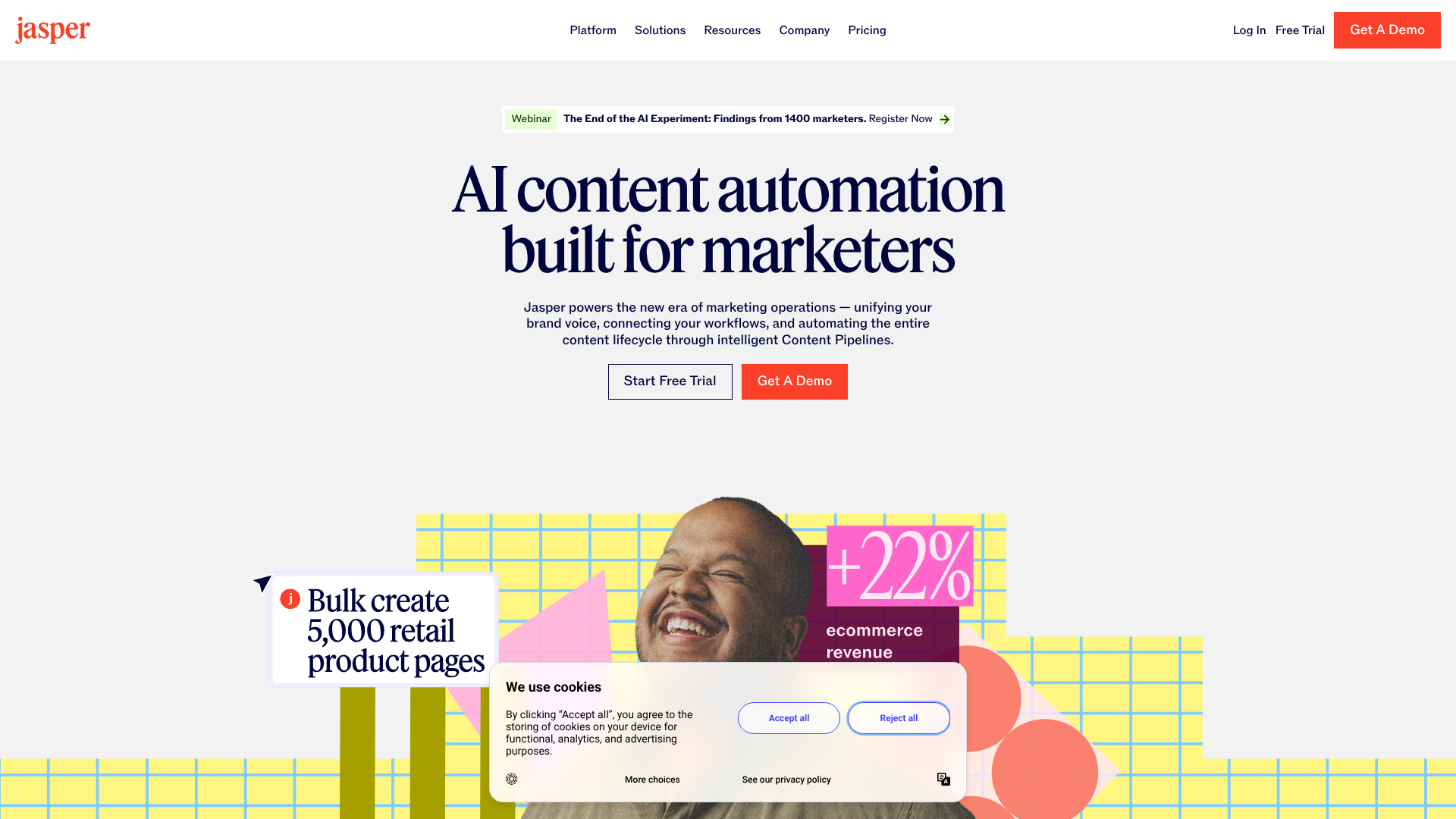
Jasper is one of the most well-known and powerful AI writing assistants, specifically designed for business and marketing content. It excels at creating high-quality, long-form content like blog posts and reports, and its Brand Voice feature ensures everything it produces sounds like you.
Its interface is clean and intuitive, featuring a document-style editor alongside a suite of powerful commands and templates. Jasper's ability to learn from your company's style guides, product catalogues, and marketing materials makes it a top choice for teams looking to maintain consistency across all content.
Pros
- Excellent Long-Form Content: The document editor is perfect for drafting and structuring entire articles with ease.
- Brand Voice & Knowledge Base: Jasper can learn your specific tone and factual information, leading to highly relevant and consistent output.
- Strong Community and Support: A large user community and extensive training resources help you get the most out of the platform.
Cons
- Higher Price Point: It's one of the more expensive options, which may be a barrier for individuals or small businesses.
- Steep Learning Curve: While powerful, mastering all of its advanced features can take some time.
2. Writesonic
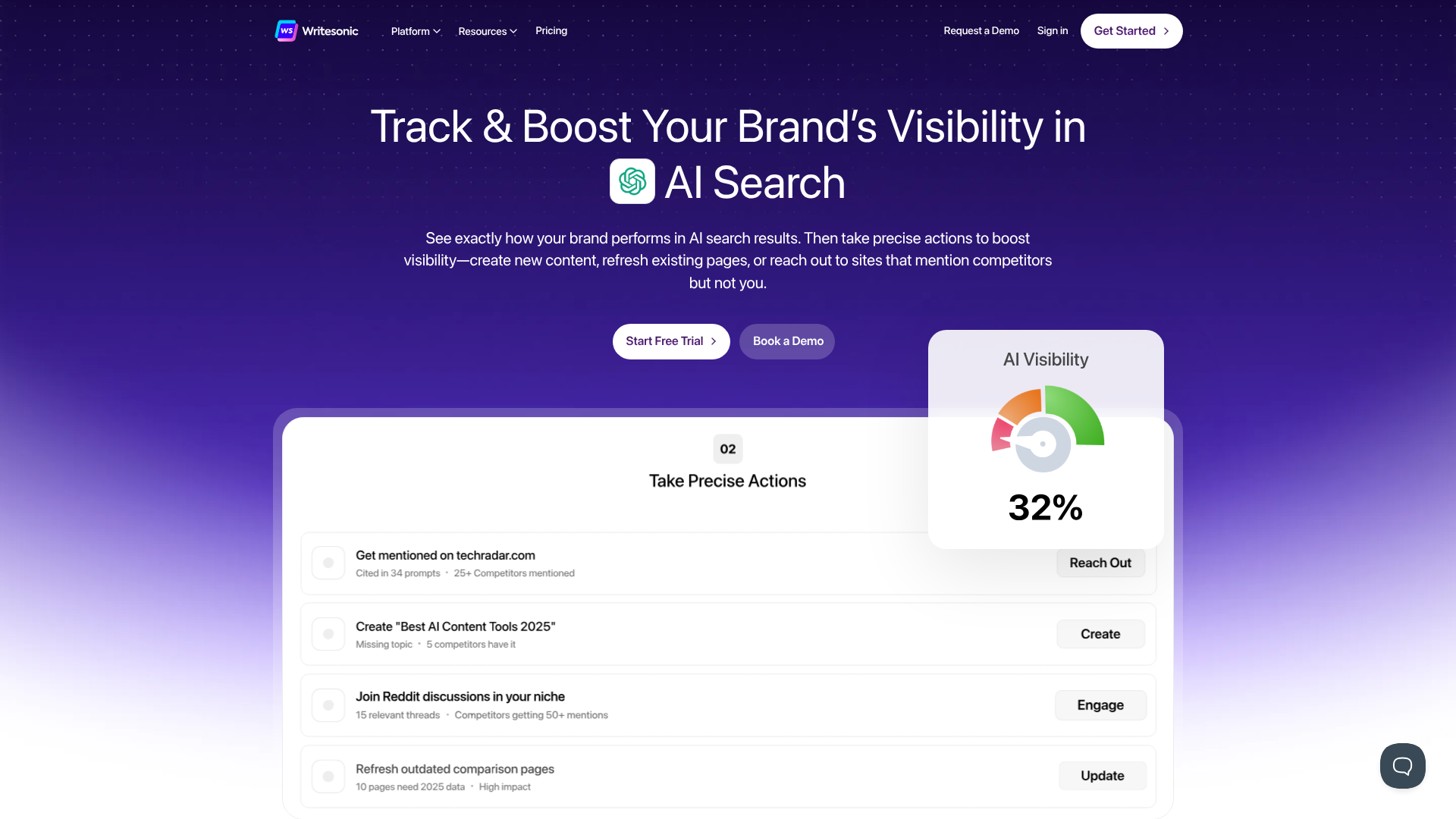
Writesonic positions itself as an all-in-one content creation platform, and it delivers on that promise. It goes beyond just writing, offering tools like Audiosonic for text-to-speech, Photosonic for AI image generation, and Botsonic for creating custom AI chatbots. This makes it an incredibly versatile tool for marketers who need to produce various types of content.
The AI Article Writer 5.0 is a standout feature, capable of generating 1,500+ word, SEO-optimised articles that are factually accurate by integrating with real-time Google search data. Its ability to analyse top-ranking competitors and create content designed to outperform them is a significant advantage for anyone focused on organic traffic.
Pros
- All-in-One Platform: Combines writing, SEO, image generation, and audio tools in one subscription.
- Factual Accuracy: Integrates with Google Search to include up-to-date information and citations in its articles.
- Excellent SEO Features: Provides data-driven insights to help you create content that ranks.
Cons
- Credit System Can Be Confusing: Different features consume credits at different rates, which can be tricky to manage initially.
- Output Quality Can Vary: While generally good, some of the more niche templates may require more editing.
3. Copy.ai
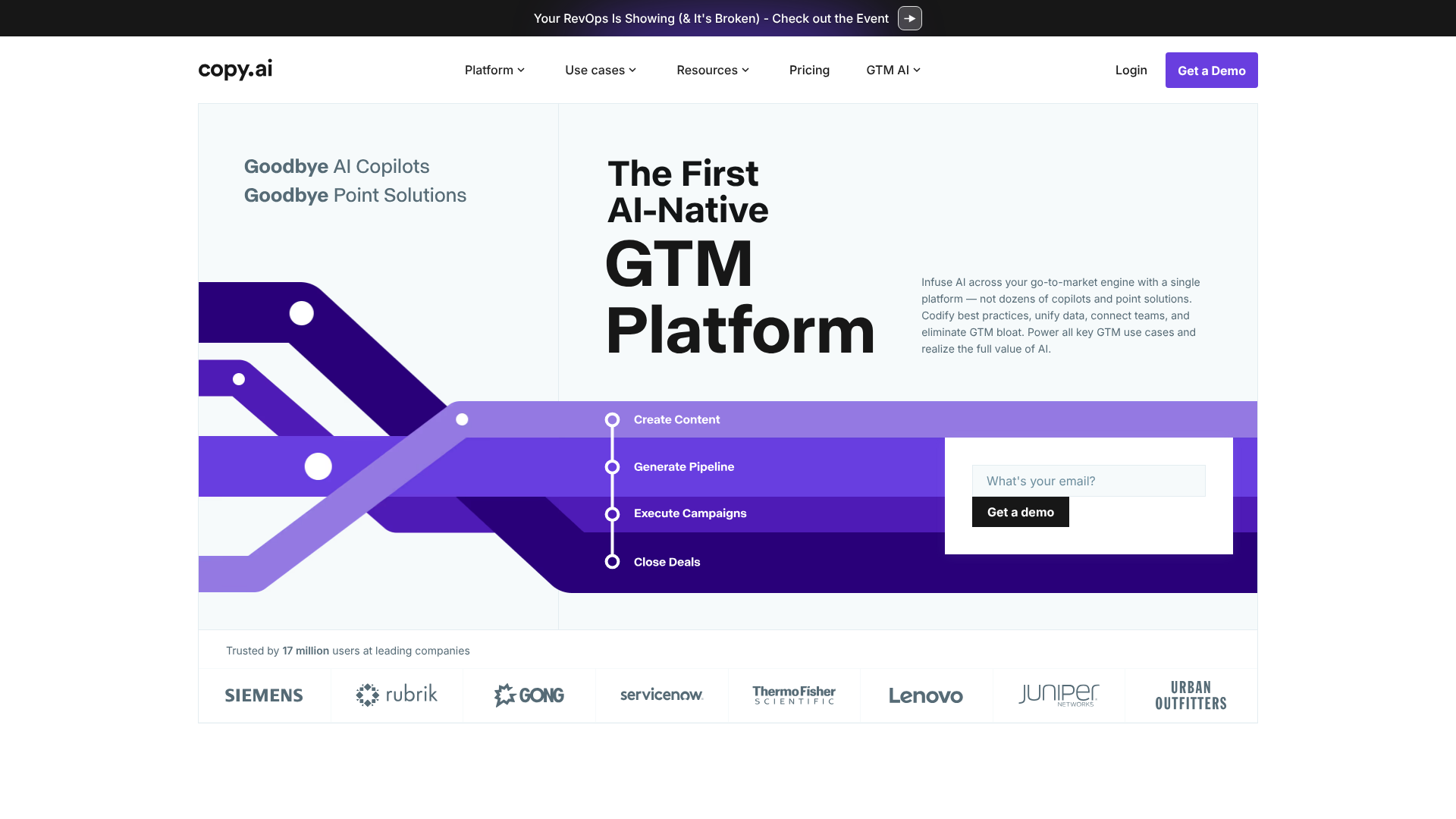
Copy.ai is a popular choice, particularly for sales and marketing teams who need to generate short-form copy quickly. It offers over 90 templates for tasks like writing social media posts, ad copy, and sales emails. Its strength lies in its ability to generate multiple variations of copy at once, allowing you to test different angles and find what resonates with your audience.
While it does have a long-form editor, its core focus remains on shorter, punchier content. The platform is user-friendly and offers a generous free plan, making it an accessible entry point for those new to AI writing software. The workflow features for sales teams are particularly useful for automating outreach and follow-up sequences.
Pros
- Great for Short-Form Copy: Excels at generating creative options for ads, social media, and emails.
- User-Friendly Interface: Easy to navigate, even for complete beginners.
- Generous Free Plan: Allows you to generate up to 2,000 words per month without a subscription.
Cons
- Long-Form Editor is Less Advanced: Not as powerful as dedicated long-form tools like Jasper.
- Can Be Repetitive: Sometimes generates similar ideas across different variations, requiring careful selection.
4. Grammarly
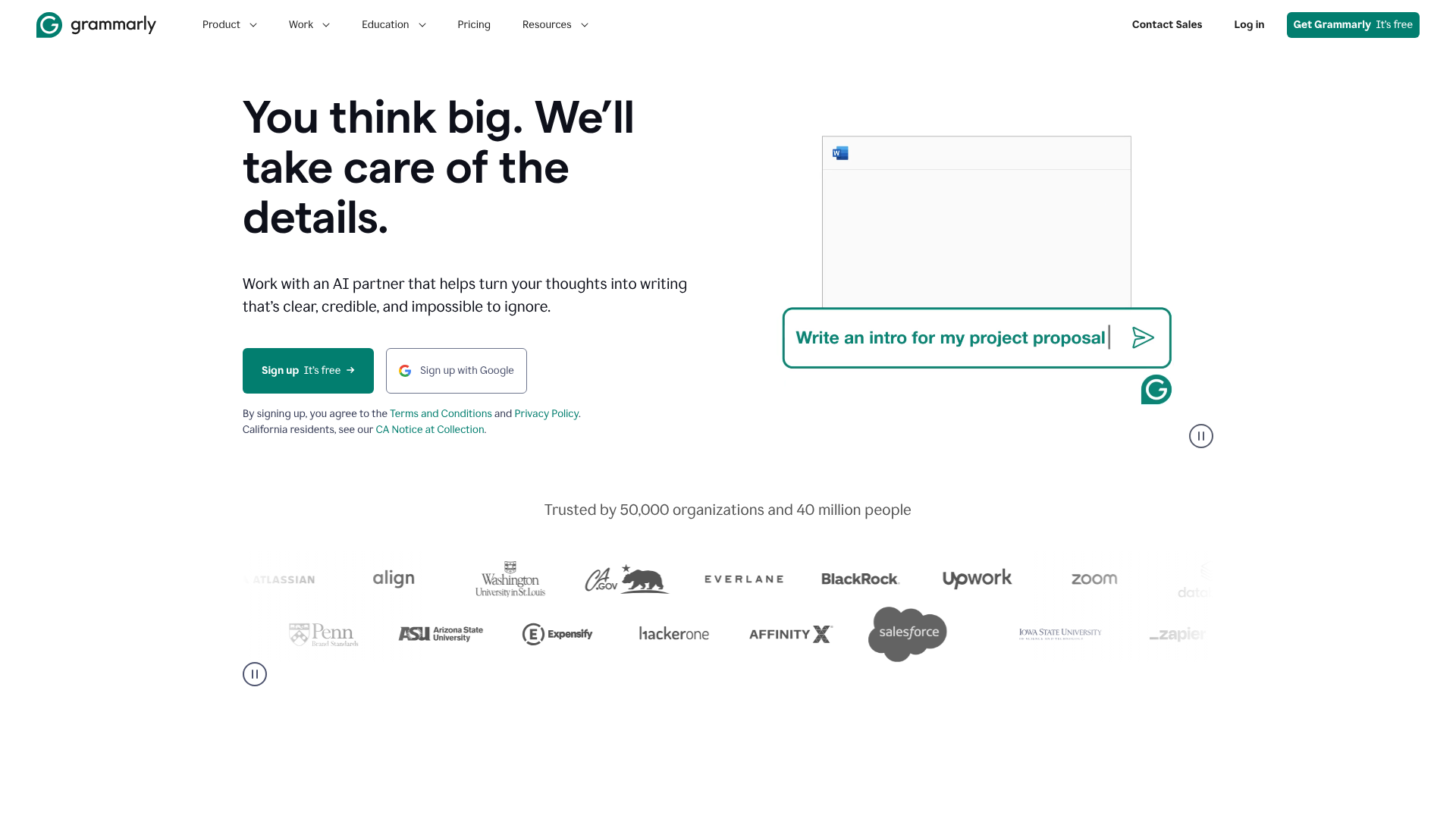
While many know Grammarly as a sophisticated grammar and spell checker, its capabilities have expanded significantly with AI. It now functions as a comprehensive writing assistant that helps improve clarity, tone, and style. GrammarlyGO, its generative AI feature, can help you brainstorm, compose, and rewrite text directly within the apps you already use.
It's not designed to write entire articles from scratch but rather to enhance and polish your own writing. Its suggestions for rephrasing sentences, adjusting tone for a specific audience, and ensuring conciseness are invaluable. For anyone who does a lot of writing—from emails to reports—Grammarly is an essential tool for ensuring professionalism and quality.
Pros
- Excellent Editing Capabilities: Goes far beyond basic grammar to improve the overall quality of your writing.
- Seamless Integration: Works across browsers, desktop apps, and mobile devices.
- Tone Detection: Helps you ensure your message is delivered with the intended tone.
Cons
- Not a Content Generator: It's designed to assist, not replace, the writer.
- Some Suggestions Can Be Overly Prescriptive: You still need to use your judgment to decide which suggestions to accept.
5. QuillBot
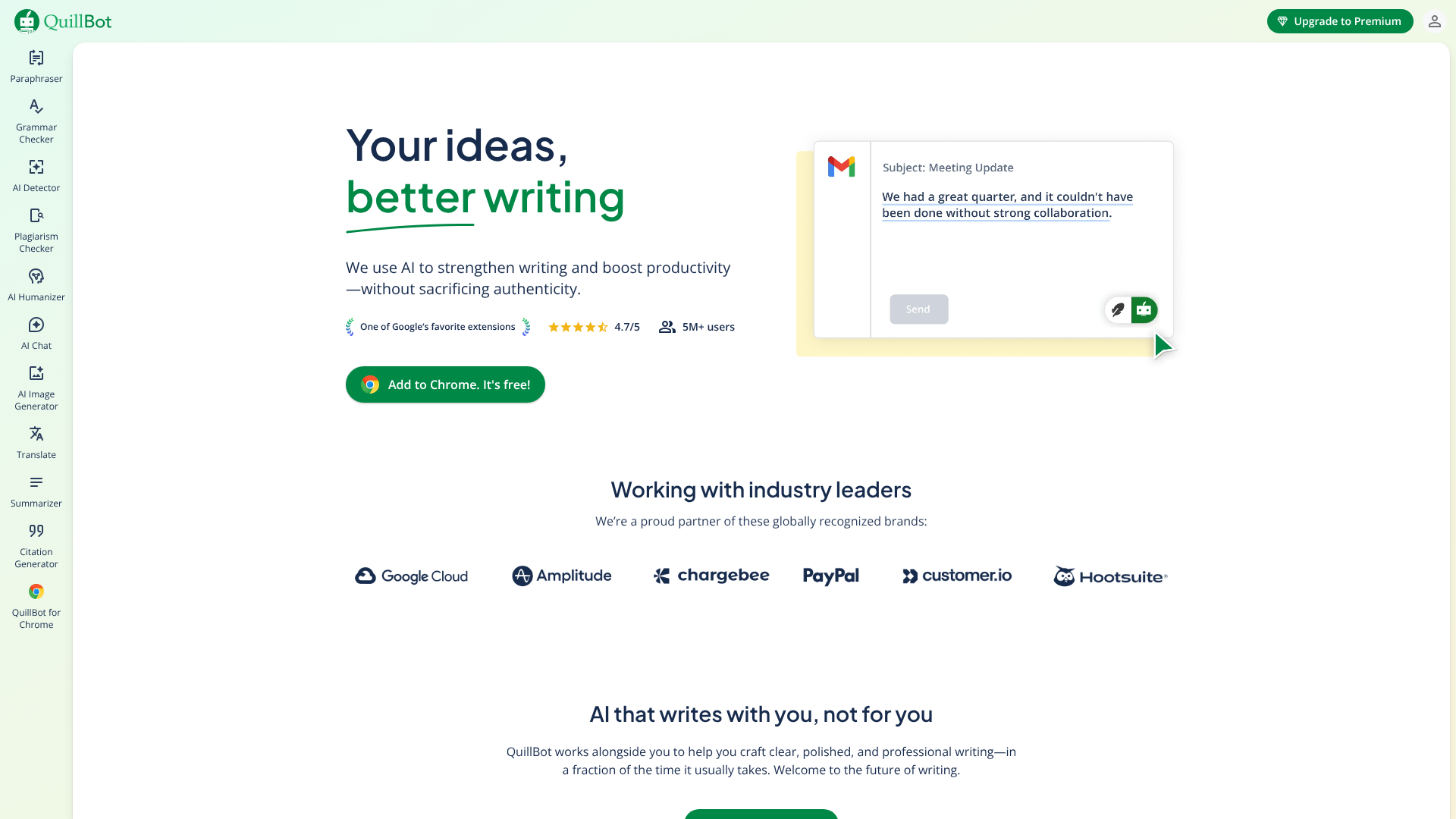
QuillBot is best known for its powerful paraphrasing tool, which is excellent for rewording sentences and paragraphs to improve clarity or avoid repetition. However, it offers a full suite of writing tools, including a summariser, grammar checker, and a co-writer feature that combines research and writing in one place.
Its paraphrasing tool offers several modes, such as Standard, Fluency, and Creative, allowing you to control the level of change in the rewritten text. This is particularly useful for academics, students, and content creators who need to synthesise information from various sources without plagiarising. The co-writer brings all these tools together into a single editor for a streamlined workflow.
Pros
- Best-in-Class Paraphrasing: The paraphrasing tool is highly effective and offers great flexibility.
- Affordable Pricing: Offers a feature-rich free version and a reasonably priced premium plan.
- Integrated Suite of Tools: Combines paraphrasing, summarising, and grammar checking effectively.
Cons
- Co-Writer is Basic: The long-form writing assistant is not as advanced as competitors.
- Paraphrasing Requires Careful Review: You must always review the output to ensure it retains the original meaning.
6. Semrush SEO Writing Assistant
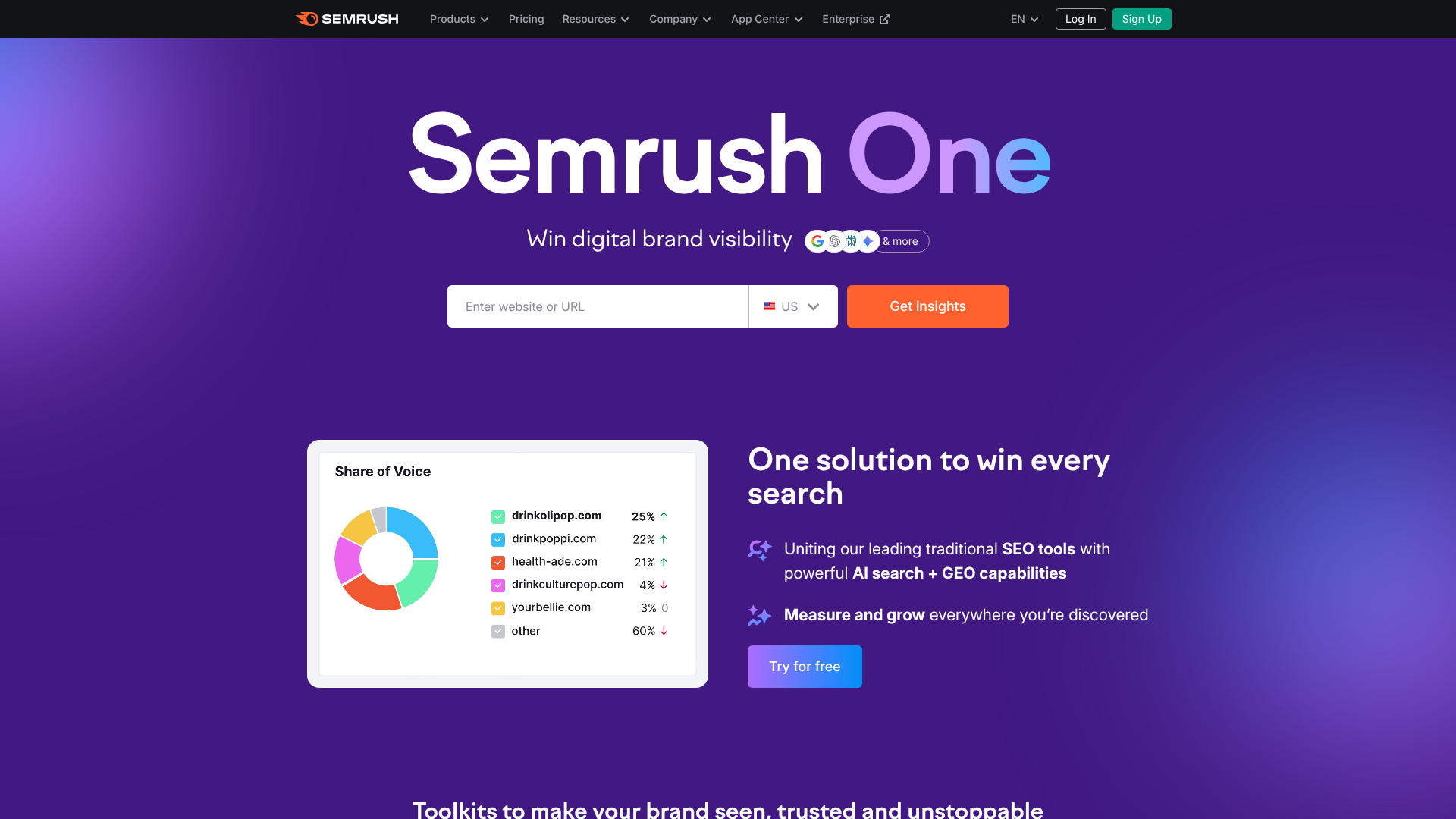
For those who live and breathe SEO, the Semrush SEO Writing Assistant is an indispensable tool. It's not a standalone AI writer but an optimisation tool that integrates with Google Docs, WordPress, and Microsoft Word. It analyses your content in real-time and provides a score based on SEO, readability, tone of voice, and originality.
It provides actionable recommendations based on the top-ranking pages for your target keyword. This includes suggestions for semantically related keywords to include, a target word count, and a recommended readability score. It helps bridge the gap between writing great content and writing content that ranks.
Pros
- Data-Driven SEO Recommendations: All suggestions are based on real-time competitor analysis.
- Seamless Workflow Integration: Works where you write, providing feedback without switching tabs.
- Holistic Content Score: Evaluates your content on multiple factors beyond just keywords.
Cons
- Requires a Semrush Subscription: It's part of the larger Semrush suite, which comes at a premium price.
- Not a Generative Tool: It helps you optimise your writing but doesn't generate the content for you.
7. Rytr
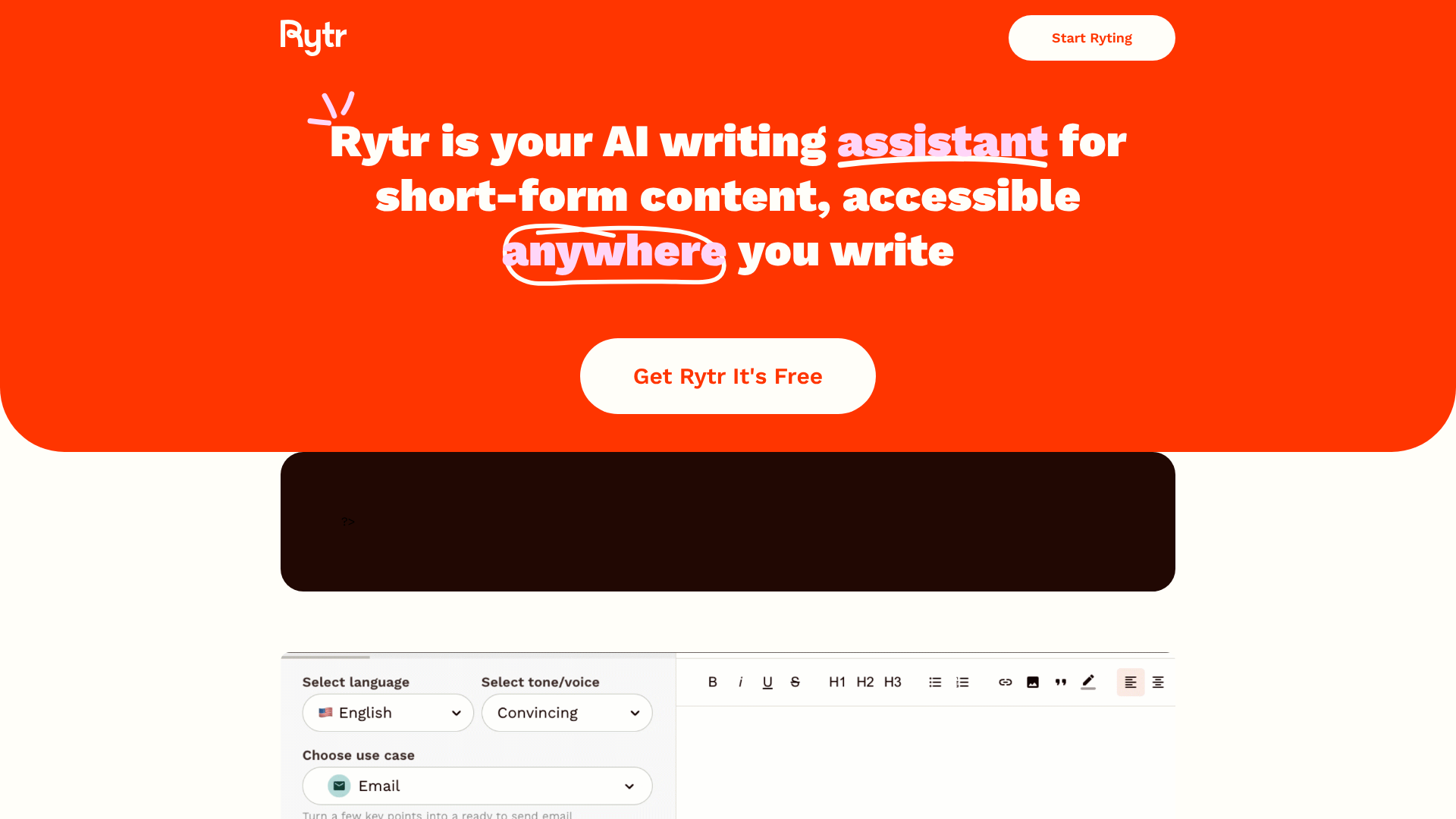
Rytr is a fantastic option for users looking for a simple, affordable, and effective AI writing assistant. It's particularly strong for short-form content like social media updates, product descriptions, and ad copy. The interface is minimalist and easy to use, making it one of the most beginner-friendly tools available.
It offers over 40 use cases and supports more than 30 languages. A unique feature is its built-in plagiarism checker, which is not always available in tools at this price point. Rytr's generous free plan and affordable unlimited plan make it a highly accessible choice for freelancers, small business owners, and marketers on a tight budget.
Pros
- Very Affordable: Offers one of the best value propositions on the market.
- Simple and Intuitive: No steep learning curve; you can start generating content in minutes.
- Built-in Plagiarism Checker: A valuable feature for ensuring content originality.
Cons
- Limited Long-Form Capabilities: The document editor is functional but lacks the advanced features of premium tools.
- Output Can Be Generic: May require more human input to add a unique voice and personality.
8. Sudowrite
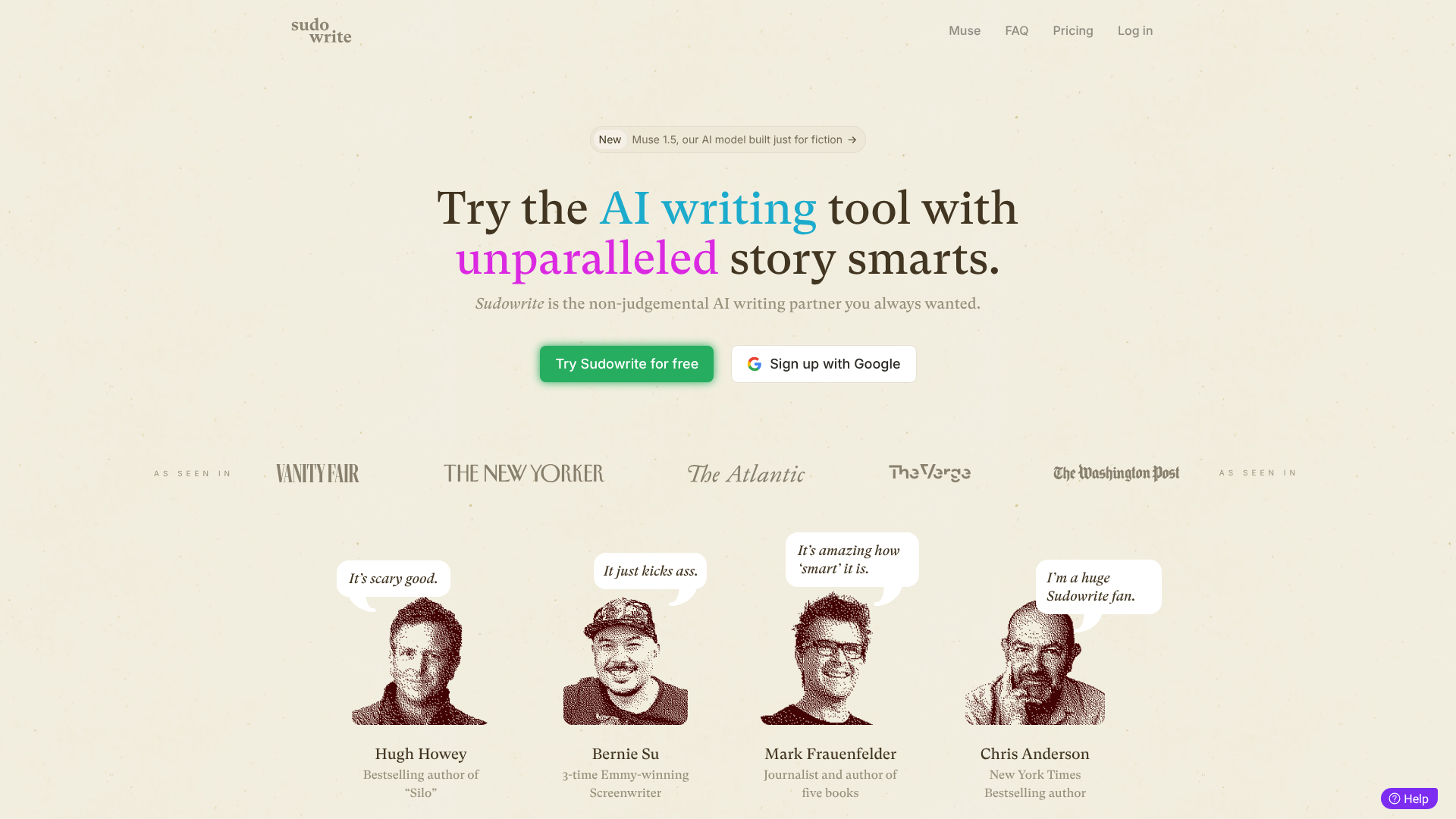
While most AI tools focus on marketing content, Sudowrite is built specifically for creative writers, particularly those writing fiction. It's designed to be a brainstorming partner and a tool to help you overcome writer's block. It won't write your novel for you, but it will help you expand on your ideas in compelling ways.
Features like 'Write' will continue your story in your style, while 'Describe' can generate rich, sensory descriptions of characters or settings. 'Brainstorm' helps you come up with plot points, character names, or world-building ideas. For novelists and short story writers, Sudowrite is a unique and powerful creative assistant.
Pros
- Tailored for Fiction Writers: Its features are specifically designed to enhance the creative writing process.
- Helps Overcome Writer's Block: Excellent for generating new ideas and expanding on existing ones.
- Maintains Your Unique Voice: Learns your writing style to provide consistent suggestions.
Cons
- Niche Focus: Not suitable for marketing, business, or academic writing.
- Can Lead to Over-reliance: Writers must be careful to use it as a tool, not a crutch.
9. Anyword
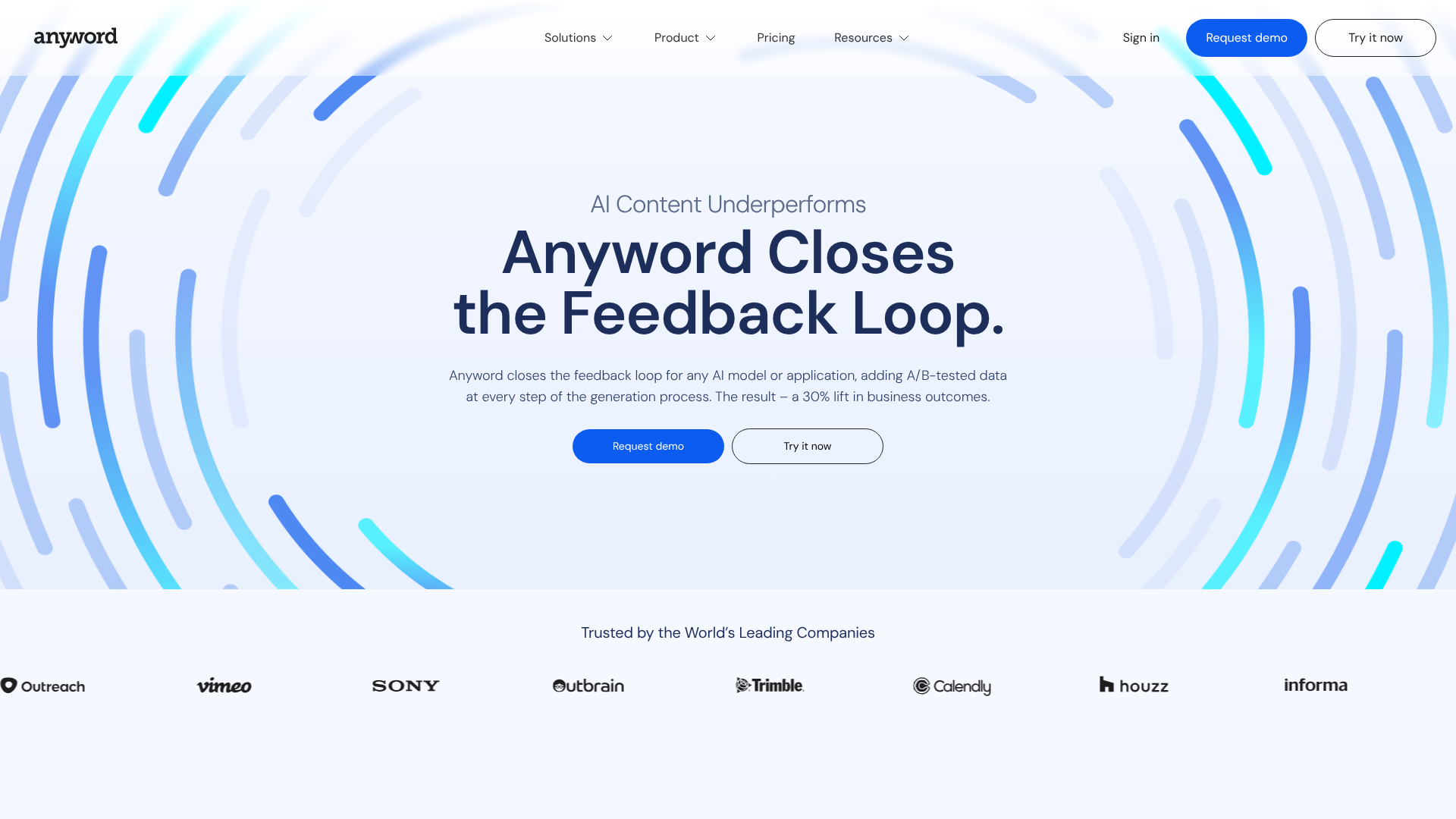
Anyword is a data-driven AI copywriting tool that focuses on performance. Its standout feature is the Predictive Performance Score, which analyses your copy and predicts how well it will engage your target audience. This allows you to generate copy that is not only well-written but also optimised for conversions.
It's built for marketers who need to create high-performing ad copy, landing pages, and email subject lines. Anyword can generate copy tailored to specific customer personas and platforms. The ability to A/B test different versions of AI-generated copy and see predictive scores for each is a powerful feature for optimising marketing campaigns.
Pros
- Predictive Performance Score: Helps you choose the copy most likely to convert before you even launch a campaign.
- Data-Driven Approach: Focuses on creating content that achieves specific marketing goals.
- Customer Persona Targeting: Allows you to create copy tailored to different audience segments.
Cons
- Expensive for Full Features: The predictive scoring and analytics are only available on higher-tier plans.
- Primarily for Short-Form Copy: Less focused on long-form blog content.
10. Frase.io
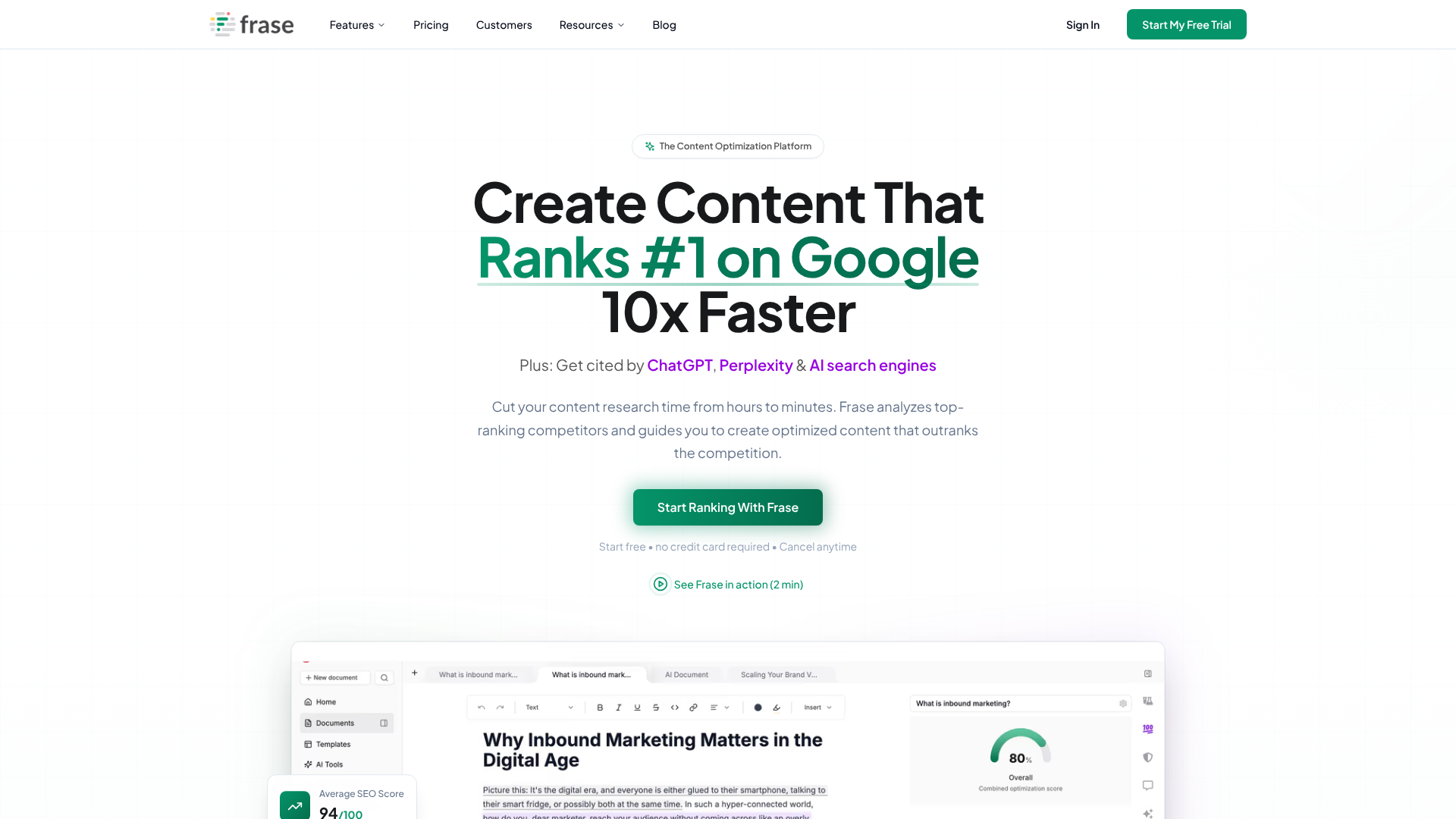
Frase.io is a content research and writing tool designed to help you create comprehensive, SEO-optimised content efficiently. It automates the process of researching a topic by analysing the top search results and generating a detailed content brief in minutes. This brief includes topics to cover, questions to answer, and statistics to cite.
Its AI writer can then help you flesh out this brief into a full article. Frase excels at ensuring your content is more thorough and helpful than your competitors'. The Content Optimiser provides a real-time score as you write, comparing your draft to the top-ranking pages and suggesting improvements. It's an end-to-end solution for creating authoritative content.
Pros
- Excellent for Research and Briefs: Automates hours of manual research.
- Strong SEO Optimisation: Helps you create content that is topically comprehensive.
- End-to-End Workflow: Covers everything from research and outlining to writing and optimising.
Cons
- AI Writer is an Add-On: The core subscription focuses on research and optimisation; the unlimited AI writer costs extra.
- Interface Can Feel Cluttered: With so many features, the UI can be a bit busy for new users.
11. ChatGPT
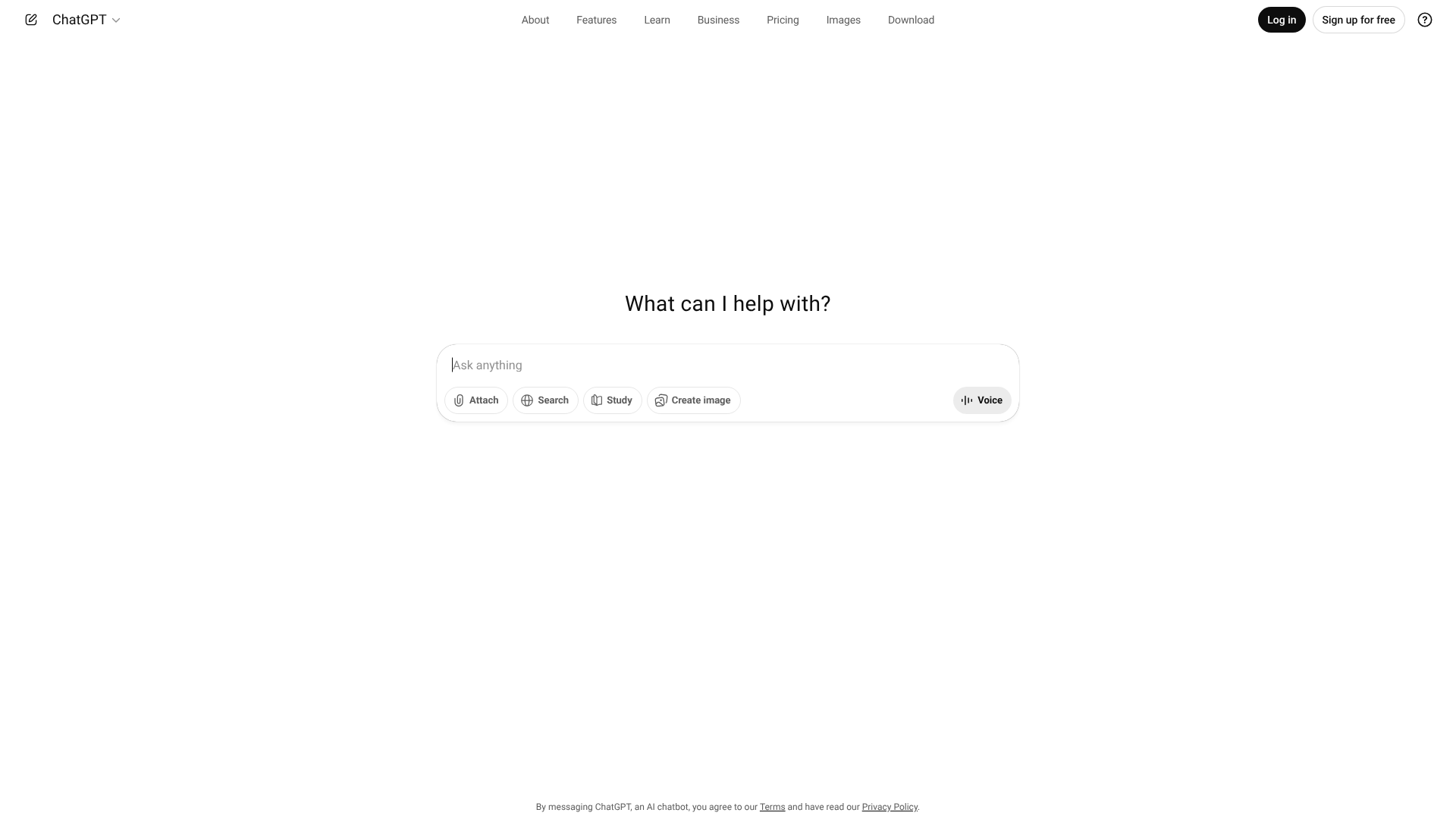
No list of AI writing tools would be complete without mentioning ChatGPT. As a general-purpose conversational AI, it's incredibly versatile. It can brainstorm ideas, create outlines, write drafts, summarise text, and even write code. Its flexibility is its greatest strength.
While it lacks the specialised templates and SEO integrations of dedicated writing tools, its raw generative power is impressive. For writers who are skilled at crafting detailed prompts, ChatGPT can be an extremely powerful and cost-effective assistant. The paid version, ChatGPT Plus, offers access to the more advanced GPT-4 model, plugins, and web browsing capabilities, further expanding its utility.
Pros
- Highly Versatile: Can handle an enormous range of writing and non-writing tasks.
- Conversational Interface: The chat-based format is intuitive and easy to use.
- Cost-Effective: The free version is very capable, and the paid plan is reasonably priced for its power.
Cons
- Lacks Specialised Features: No built-in SEO tools, plagiarism checkers, or marketing templates.
- Requires Skilled Prompting: The quality of the output is highly dependent on the quality of your input.
AI Writing Software Comparison Table
| Feature | Jasper | Writesonic | Grammarly | Semrush | QuillBot |
|---|---|---|---|---|---|
| Best For | Marketing Teams | All-in-One Content | Editing & Polishing | SEO Optimisation | Paraphrasing |
| Long-Form Editor | Advanced | Yes | No | No | Basic |
| SEO Features | Good (with Surfer) | Excellent | No | Excellent | No |
| Free Plan | No (Free Trial) | Yes (Limited) | Yes | No (Free Trial) | Yes (Limited) |
| Pricing Model | Subscription | Subscription/Credits | Subscription | Subscription | Subscription |
The Real Benefits: How AI Writing Tools Transform Content Creation
Adopting AI writing tools isn't just about writing faster; it's about fundamentally changing how you approach content creation. These tools offer a range of benefits that can lead to more efficient workflows, higher quality output, and better overall results for your business or personal brand.
One of the most immediate benefits is a dramatic increase in speed and efficiency. An AI can generate a first draft of a 1,000-word article in minutes, a task that could take a human writer hours. This allows content creators to focus their time on more strategic tasks like research, editing, and promotion, rather than staring at a blank page.
These tools are also incredibly effective at overcoming writer's block. By providing a starting point, an outline, or a few different angles on a topic, an AI can break the creative logjam and get the words flowing. This ability to consistently generate ideas and initial drafts helps maintain a steady content pipeline, which is crucial for modern marketing.
Furthermore, AI can help improve the overall quality and consistency of your writing. Tools like Grammarly can polish your prose, while platforms like Jasper can maintain a consistent brand voice across multiple writers and content pieces. For SEO, tools like Semrush ensure every article is optimised with the right keywords and structure, increasing its chances of ranking well in search results.
Using AI Writing Software for SEO Success
Search Engine Optimisation (SEO) is a critical component of any successful content strategy, and AI writing tools have become powerful allies in the quest for higher rankings. They can assist with nearly every stage of the SEO content workflow, from initial research to final optimisation, making the process more data-driven and efficient.
It starts with keyword research and topic clustering. Many advanced AI platforms can analyse a primary keyword and suggest a cluster of related subtopics and long-tail keywords to target. This helps you build topical authority, a key factor in Google's ranking algorithm. Tools like Frase.io excel at this, generating comprehensive content briefs based on what's already ranking.
Once you have your topic, AI can help create a perfectly structured, SEO-friendly outline. This includes suggesting H2 and H3 headings that incorporate target keywords and address common user questions. This ensures your content is not only optimised for search engines but also structured logically for human readers.
During the writing process, tools like the Semrush SEO Writing Assistant provide real-time feedback. They check for keyword density, suggest semantic keywords, analyse readability, and ensure your content's length is appropriate. This data-driven approach removes the guesswork from on-page SEO, helping you create content that meets all the criteria search engines are looking for.
Understanding the Limitations and Pitfalls of AI Writers

While AI writing tools are incredibly powerful, it's crucial to approach them with a clear understanding of their limitations. Treating them as infallible content machines is a recipe for poor quality and potential penalties. The most effective users see them as assistants, not replacements for human writers and editors.
One of the biggest pitfalls is factual inaccuracy. AI models can "hallucinate," meaning they can confidently state incorrect information or invent sources. They don't have a true understanding of the world; they simply predict the next most likely word. This makes human fact-checking an absolutely essential step in the workflow, especially for content that deals with sensitive or technical topics.
Another limitation is the lack of genuine creativity and emotional depth. An AI can mimic human writing styles, but it cannot replicate genuine experience, emotion, or nuanced perspective. The best content often comes from unique human insights, and relying solely on AI can lead to generic, soulless articles that fail to connect with readers on a deeper level.
Finally, there's the risk of creating content that is unoriginal or too similar to existing work. While most tools have safeguards, the models are trained on existing internet data, so there's always a chance of generating text that is unintentionally duplicative. A robust editing and plagiarism-checking process is vital to ensure your content is unique and valuable.
Pro Tip: Create a detailed editing checklist for all AI-generated content. It should include steps for fact-checking all claims, rewriting sentences to add a unique human voice, checking for plagiarism, and ensuring the content aligns perfectly with your brand's perspective and expertise.
Real-World Wins: Success Stories with AI Writing Tools
To understand the practical impact of these tools, let's look at a couple of common scenarios where AI writing software can drive significant results. These examples illustrate how different businesses can use AI to solve specific content challenges and achieve their goals.
Case Study 1: A SaaS Startup Scales Blog Content by 300%
A small SaaS startup with a limited marketing team was struggling to publish more than one blog post per week. They needed to increase their content velocity to build topical authority and drive organic traffic. By implementing Jasper, they were able to streamline their workflow. Their content strategist used it to generate detailed outlines and first drafts, which were then passed to a human editor for refinement and fact-checking.
This new process allowed them to increase their publishing frequency from one to four articles per week—a 300% increase—without hiring additional writers. Within six months, their organic traffic had doubled, and they began ranking for competitive keywords in their niche. The key was using AI for the heavy lifting of drafting, freeing up human talent for strategy and polishing.
Case Study 2: A Freelancer Improves SEO Rankings with Writesonic
A freelance content writer was creating great content for her clients, but she struggled to ensure it was fully optimised for SEO. She adopted Writesonic for its integrated SEO features. Before writing, she used its competitor analysis tool to generate a data-driven content brief. As she wrote, she used the built-in optimiser to track her SEO score and incorporate relevant keywords.
As a result, the articles she delivered started ranking higher and faster for her clients. This not only improved client satisfaction and retention but also allowed her to charge a premium for her SEO-focused content services. She used AI not to replace her writing skills, but to augment them with powerful data and optimisation capabilities.
What's Next? The Future of AI Writing Technology
The field of AI is evolving at an incredible pace, and the writing tools of today are just a glimpse of what's to come. Several key trends are shaping the future of this technology, promising even more powerful and integrated capabilities.
One major trend is hyper-personalisation. Future AI tools will be able to generate content tailored not just to a brand's voice, but to the individual reader. Imagine emails, landing pages, and even blog posts that dynamically adjust their tone, examples, and calls-to-action based on the user's browsing history, location, or past interactions.
Another exciting development is multi-modal generation. The line between text, image, and video is blurring. We're already seeing tools that can turn a text script into a video with AI avatars, like Synthesia, or create entire videos from a simple text prompt, like Pictory. In the future, you might ask an AI to write a blog post and simultaneously generate a summary video, an infographic, and a set of social media images to accompany it.
Finally, we can expect deeper and more seamless integration into our daily workflows. AI writing assistants will become less like standalone apps and more like invisible partners embedded directly within our document editors, email clients, and project management tools, offering proactive suggestions and assistance without us even having to ask.
How to Choose the Right AI Writing Tool for Your Needs
With so many options available, selecting the perfect tool requires a thoughtful approach. The best AI writing software for a fiction author is very different from the best one for a B2B marketing team. Follow these steps to make a confident choice.
- Define Your Primary Use Case: What is the main task you need help with? Is it writing long-form blog posts, generating catchy ad copy, optimising for SEO, or simply polishing your emails? Be specific. Your primary goal will immediately narrow down the options.
- Consider Your Budget: AI writing tools range from free to several hundred pounds per month. Determine what you can realistically afford. Don't forget to check for free trials, which are a great way to test a platform's capabilities before committing.
- Evaluate the User Experience: The most powerful tool is useless if it's too complicated to use. Sign up for trials and pay attention to the interface. Is it intuitive? Can you find the features you need easily? A clean and logical user experience will save you a lot of frustration.
- Check for Integrations: How well will the tool fit into your existing workflow? Look for integrations with platforms you already use, such as WordPress, Google Docs, or SEO tools like Semrush. Seamless integration can save you a significant amount of time.
- Test the Output Quality: This is the most important step. During your trial, give the tool a real-world task. Ask it to write an introduction for your next blog post or generate ad copy for a new campaign. Judge the quality of the output. How much editing does it require? Does it capture the right tone? The answer to these questions will reveal the best tool for you.
Pro Tips for Getting the Most Out of Your AI Writing Tool
Simply subscribing to an AI writing tool isn't enough; you need to learn how to use it effectively to unlock its full potential. Think of it as a musical instrument—anyone can make a noise, but it takes practice to create music. Here are some tips for becoming a power user.
- Master the Art of the Prompt: The quality of your output is directly proportional to the quality of your input. Be specific and provide as much context as possible. Instead of asking for "a blog post about dogs," ask for "a 1,000-word blog post about the best dog breeds for first-time owners living in flats, written in a friendly and informative tone."
- Use It as a Collaborator, Not a Vending Machine: Don't just accept the first thing the AI generates. Use it to brainstorm multiple headlines, intros, or angles. Ask it to rewrite a paragraph in a different tone. Engage with it in a back-and-forth process to refine your ideas.
- Develop a Human-First Editing Process: Never copy and paste directly from an AI tool to your website. Always run the content through a rigorous editing process. Check for facts, refine the language to match your unique voice, and add your own personal stories and insights. The AI provides the clay; you are the sculptor.
- Leverage Templates for Speed: For repetitive tasks like writing meta descriptions or social media posts, templates are your best friend. They are pre-optimised with the right structure and prompts, allowing you to generate consistent, high-quality content in seconds.
Frequently Asked Questions about AI Writing Tools
As AI writing software becomes more mainstream, many questions arise about its use, capabilities, and limitations. Here are answers to some of the most common queries.
Which AI tool is best for writing?
There is no single "best" AI tool for writing; the ideal choice depends entirely on your specific needs. For marketing teams focused on high-quality, long-form content and brand consistency, Jasper is often considered a top contender. For users seeking an all-in-one platform that includes SEO, image generation, and writing, Writesonic is an excellent option. For pure editing and polishing, Grammarly remains unmatched.
Can I legally publish a book written by AI?
The legal landscape around AI-generated content is still evolving. In many jurisdictions, including the United States, copyright protection is only granted to works created by a human author. A work generated entirely by AI without significant human input may not be eligible for copyright. However, if you use AI as a tool to assist your creative process—generating ideas, drafting sections, and then heavily editing and arranging the final work—you are likely to be considered the author.
It's always best to be transparent about the use of AI and consult legal advice for specific situations.
Which AI is better than ChatGPT?
"Better" is subjective and depends on the task. While ChatGPT is a powerful generalist, specialised tools often outperform it in their specific domains. For example, Jasper is generally better for creating structured, brand-aligned marketing copy. Sudowrite is far superior for creative fiction writing.
Semrush's tool is better for SEO optimisation. Think of ChatGPT as a versatile multi-tool, while other platforms are specialised power tools designed for a specific job.
Is ChatGPT the best AI for writers?
ChatGPT is an excellent and versatile tool for writers, particularly for brainstorming, outlining, and overcoming writer's block. Its conversational nature makes it a fantastic creative partner. However, it lacks the built-in workflows, templates, and integrations that make dedicated AI writing platforms so efficient for specific tasks like SEO blogging or ad copywriting. Many writers find the best approach is to use ChatGPT for initial ideation and then move to a more specialised tool for drafting and optimisation.
Final Thoughts: Choosing Your AI Writing Partner
The rise of AI writing software marks a significant shift in the world of content creation. These tools are no longer a novelty; they are powerful assistants that can help you produce better content, faster. By handling the heavy lifting of drafting and research, they free you up to focus on the human elements that truly make content great: strategy, creativity, and unique perspective.
The key is to choose a tool that aligns with your specific needs and to use it as a partner, not a replacement. Whether you're a marketer looking to scale your blog, a copywriter aiming for higher conversions, or a writer who needs to polish their prose, there is an AI tool that can help you achieve your goals.
If you're looking for an all-in-one platform to handle everything from SEO articles to social media, Writesonic is a fantastic place to start. For teams that need advanced features and a consistent brand voice, Jasper is a powerful and worthwhile investment. Whichever you choose, embracing these tools will undoubtedly elevate your content creation process.