



Automatic Content Generation: A Beginner's Guide to Scaling Output
Creating high-quality content consistently is one of the biggest challenges for any business or creator. The demand for fresh blog posts, engaging social media updates, and informative videos is relentless. Using automatic content generation tools, powered by artificial intelligence, offers a powerful way to meet this demand, increase efficiency, and scale your efforts without burning out your team or your budget.
- What You'll Learn
- What is Automatic Content Generation? A Plain English Explanation
- How Does Automated Content Creation Actually Work?
- The Different Types of Automated Content
- Common Misconceptions Debunked
- The Core Benefits: Why Businesses Are Embracing Content Automation
- Unlocking Unprecedented Scale and Efficiency
- Maintaining Brand Consistency Across All Channels
- Reducing Operational Costs and Freeing Up Human Talent
- Accelerating SEO and Content Marketing Efforts
- How to Choose the Right Automatic Content Generation Tool
- Define Your Primary Use Case
- Assess Ease of Use and Learning Curve
- Evaluate Output Quality and Customisation Options
- Check for Integrations with Your Existing Workflow
- Top Tools for Automated Content Creation in 2026
- Understanding Pricing and Cost Structures
- The Pros and Cons of Auto Content Generation: A Balanced View
- Frequently Asked Questions (FAQ)
- What is automatically generated content?
- How to create automated content?
- Is there a free AI content generator?
- Can you make money on AI content?
- Which AI content creator is the best?
- Can I legally publish a book written by AI?
- Final Thoughts: The Future of Content Creation
This technology is no longer a futuristic concept; it's a practical solution that thousands of businesses are using right now to streamline their workflows. From drafting initial blog post outlines to generating entire video scripts and social media campaigns, content automation is changing how we approach digital marketing. It allows creators to focus less on the repetitive aspects of content creation and more on strategy, creativity, and connecting with their audience.
What You'll Learn
- What It Is: A clear definition of automatic content generation and the core technologies, like AI and machine learning, that make it possible.
- The Core Benefits: Understand how content automation can dramatically increase your efficiency, reduce costs, and help you scale your marketing efforts.
- Choosing the Right Tools: A practical framework for selecting the best automated content creation software based on your specific needs, from text to video.
- Potential Downsides: A balanced look at the pros and cons, including how to avoid common pitfalls like generic output and maintaining brand voice.
- Top Recommendations: An overview of leading tools in the market for various content types, including AI writers, video creators, and voice generators.
What is Automatic Content Generation? A Plain English Explanation
Automatic content generation, often called content automation, is the process of using software and artificial intelligence (AI) to produce written or visual materials with minimal direct human input. Instead of a person manually writing every word or editing every video frame, specialised tools handle much of the heavy lifting. This process uses advanced algorithms to understand prompts, analyse data, and create new, original content that aligns with specified instructions.
At its heart, this technology is designed to act as an assistant. It can generate ideas, write first drafts, summarise long documents, create product descriptions, and even produce video and audio content from a simple text script. The goal isn't to completely replace human creativity but to augment it, making the entire content lifecycle—from ideation to publication—faster and more efficient.
Think of it like a skilled apprentice. You provide the strategy, the key points, and the final approval, while the AI handles the time-consuming task of putting it all together. This partnership allows marketing teams and solo creators to produce more content than was ever possible before, freeing them up for higher-level strategic work.
How Does Automated Content Creation Actually Work?
The magic behind automated content creation lies in a few key technologies, primarily Natural Language Processing (NLP) and Large Language Models (LLMs). In simple terms, NLP is the field of AI that enables computers to understand, interpret, and generate human language. It's the reason you can ask a smart speaker a question and get a coherent answer.
LLMs, like the GPT (Generative Pre-trained Transformer) series, are the engines that power most modern AI writing tools. These models are trained on vast datasets of text and code from the internet. This training allows them to recognise patterns, grammar, context, and stylistic nuances in human language. When you give a tool like Jasper (formerly Jarvis) a prompt, it uses its training to predict the most logical and contextually appropriate sequence of words to generate a response.
For images and video, the process is similar but uses different models. Generative AI for visuals is trained on millions of images and videos with descriptive text. When you provide a prompt like "a photorealistic image of an astronaut riding a horse on Mars," the AI uses its understanding of those concepts to generate a new image that matches the description. This same principle applies to creating AI avatars for videos or synthesising realistic human voices.
The Different Types of Automated Content
Content automation isn't limited to just blog posts. The technology has evolved to cover a wide spectrum of media types, each with specialised tools designed for the job. Understanding these categories helps you identify where automation can have the biggest impact on your workflow.
- Text Generation: This is the most common form of auto content generation. It includes everything from short-form social media captions and ad copy to long-form articles, email newsletters, and technical documentation. Tools like Writesonic are excellent for generating a wide variety of written content quickly.
- Image Generation: AI image generators can create unique, high-quality visuals from text prompts. This is useful for blog post illustrations, social media graphics, and concept art. Platforms like OpenArt allow users to generate stunning AI art and images for their projects.
- Video Generation: This is a rapidly growing area. AI video tools can turn blog posts into summary videos, create animated explainers, or generate videos featuring AI-powered avatars that speak a provided script. Synthesia is a leader in this space, making it easy to create professional-looking videos without cameras or actors.
- Audio and Voice Generation: Text-to-speech (TTS) technology has become incredibly realistic. Tools can generate natural-sounding voiceovers for videos, podcasts, and audiobooks in multiple languages and accents. Murf AI and ElevenLabs offer studio-quality voice generation from text.
Common Misconceptions Debunked
As with any new technology, there are several myths surrounding automatic content generation. It's important to separate fact from fiction to understand its true capabilities and limitations.
One of the biggest misconceptions is that AI-generated content is just "robot writing"—plagiarised, nonsensical, or easily detectable. While early versions of this technology were clunky, modern tools produce highly coherent, grammatically correct, and often indistinguishable from human-written text. They generate new content based on patterns, not by copying and pasting existing work.
Another common myth is that AI will make writers and content creators obsolete. In reality, the technology works best as a collaborative tool. It requires a human operator to provide good prompts, fact-check the output, edit for brand voice, and add unique insights and expertise. The best results come from a human-AI partnership, where the AI handles the first 80% and the human adds the final 20% of polish and strategic value.
The Core Benefits: Why Businesses Are Embracing Content Automation


The rapid adoption of content automation isn't just about chasing the latest tech trend. It's driven by tangible business benefits that solve real-world problems for marketing teams of all sizes. From startups to large enterprises, companies are finding that integrating AI into their content workflow provides a significant competitive advantage.
Unlocking Unprecedented Scale and Efficiency
The most immediate benefit of automatic content generation is the dramatic increase in speed. A task that might take a human writer several hours, like drafting a 1,500-word blog post, can be accomplished by an AI in minutes. This allows a single content creator or a small team to multiply their output significantly.
This scale isn't just about producing more of the same content. It enables businesses to pursue content strategies that were previously out of reach. For example, an e-commerce company can generate unique product descriptions for thousands of items, or a marketing agency can create tailored social media content for dozens of clients simultaneously. This efficiency frees up valuable time for creators to focus on strategy, research, and promotion.
Maintaining Brand Consistency Across All Channels
Ensuring a consistent tone of voice and messaging across your website, blog, social media, and email marketing can be challenging, especially with multiple team members or freelancers involved. Automated content creation tools can be trained on your specific brand guidelines, style guides, and existing content.
By setting up custom templates and brand voice profiles in tools like Jasper (formerly Jarvis), you can ensure that every piece of generated content adheres to your brand's personality. This consistency builds brand recognition and trust with your audience. It eliminates the variations in style that can occur when different people are creating content, leading to a more cohesive brand experience.
Reducing Operational Costs and Freeing Up Human Talent
Content creation can be expensive. Hiring in-house writers, designers, and video producers or outsourcing to freelancers and agencies requires a significant budget. While AI tools come with subscription costs, they are often a fraction of the cost of manual content production, especially at scale.
By automating routine content tasks, businesses can reduce their reliance on external resources and reallocate their budget to other strategic initiatives. More importantly, it allows in-house talent to move away from repetitive, low-level tasks and focus on work that requires critical thinking, creativity, and human connection—like conducting customer interviews, developing high-level content strategy, or building community.
Accelerating SEO and Content Marketing Efforts
Search Engine Optimisation (SEO) requires a steady stream of high-quality, relevant content. AI tools can accelerate this process in several ways. They can help generate topic ideas, create detailed outlines based on top-ranking competitors, and write first drafts of articles optimised for specific keywords.
When combined with a powerful SEO platform like Semrush, you can build a highly efficient content pipeline. Use Semrush to identify valuable keywords and analyse competitors, then feed that data into an AI writer to generate optimised drafts. This synergy allows you to target more keywords and publish content more frequently, which can lead to faster improvements in search engine rankings and organic traffic.
How to Choose the Right Automatic Content Generation Tool
With hundreds of AI content tools on the market, selecting the right one can feel overwhelming. The best tool for you depends entirely on your specific goals, workflow, and budget. By evaluating a few key factors, you can narrow down the options and find a solution that fits your needs perfectly.
Define Your Primary Use Case
First, identify what type of content you need to create most often. Are you a blogger who needs help writing long-form articles. A social media manager who needs to generate dozens of posts per week. Or a course creator who wants to turn scripts into videos.
Different tools specialise in different areas.
- For Bloggers: Look for tools with strong long-form editors, SEO features, and the ability to generate outlines. Writesonic is a great option here.
- For Marketers: You'll need a versatile tool that can handle ad copy, landing pages, email subject lines, and social media captions. Jasper (formerly Jarvis) excels at this.
- For Video Creators: Focus on platforms that specialise in text-to-video or AI avatar generation, like Pictory or Synthesia.
Assess Ease of Use and Learning Curve
The most powerful tool is useless if it's too complicated to use. Look for software with a clean, intuitive interface. Most reputable tools offer free trials or freemium plans, allowing you to test the platform before committing. Spend some time with it to see how quickly you can get up and running.
Check for helpful resources like tutorials, documentation, and customer support. A tool with a supportive community and readily available help can make the learning process much smoother. The goal is to find a tool that integrates into your workflow, not one that requires you to completely overhaul it.
Evaluate Output Quality and Customisation Options
The quality of the generated content is paramount. During your trial period, test the tool with a variety of prompts related to your niche. Does the output sound natural. Is it accurate.
Does it match the tone you're looking for.
Look for customisation features. Can you create a custom brand voice. Can you build reusable templates for your most common content formats. The ability to fine-tune the AI's output to match your specific style is crucial for creating content that doesn't feel generic.
Tools that offer different creativity levels or tone settings give you more control over the final product.
Check for Integrations with Your Existing Workflow
To maximise efficiency, your chosen tool should work well with the other software you already use. Look for integrations with platforms like WordPress, Google Docs, Shopify, or social media scheduling tools. A direct integration can save you countless hours of copying and pasting.
For example, some AI writers offer browser extensions that allow you to use their features directly within your email client or content management system (CMS). This seamless workflow is a key part of what makes content automation so powerful.
Pro Tip: When testing a new AI tool, always use real-world prompts that reflect the actual content you need to create. Vague test prompts will produce vague results. Be specific about the topic, target audience, tone, and desired format to accurately gauge the tool's capabilities.
Top Tools for Automated Content Creation in 2026
Navigating the landscape of AI tools can be tricky. To help you get started, we've broken down some of the top recommendations based on the type of content you want to create. These platforms are leaders in their respective categories and offer a great starting point for anyone looking to explore content automation.
For AI Writing and Text Generation
These tools are the workhorses of content automation, capable of producing everything from a single tweet to a full-length e-book.
1. Jasper (formerly Jarvis)
Jasper is one of the most well-known and respected AI writing assistants, particularly popular among marketers and business owners. It offers a huge library of templates for specific tasks like writing Facebook ads, product descriptions, or video scripts. Its standout feature is the Brand Voice, which allows you to train Jasper on your own content to ensure everything it generates sounds uniquely like your brand.
Pros
- High-Quality Output: Consistently produces well-written, coherent, and creative content.
- Brand Voice Feature: Excellent for maintaining brand consistency across all marketing materials.
- Vast Template Library: Over 50 templates make it easy to get started on any type of marketing copy.
Cons
- Pricing: Can be more expensive than some competitors, especially for teams.
- Learning Curve: The sheer number of features can be slightly overwhelming for absolute beginners.
If your primary need is high-quality marketing copy and long-form content that reflects a specific brand personality, Jasper (formerly Jarvis) is a top-tier choice.
2. Writesonic
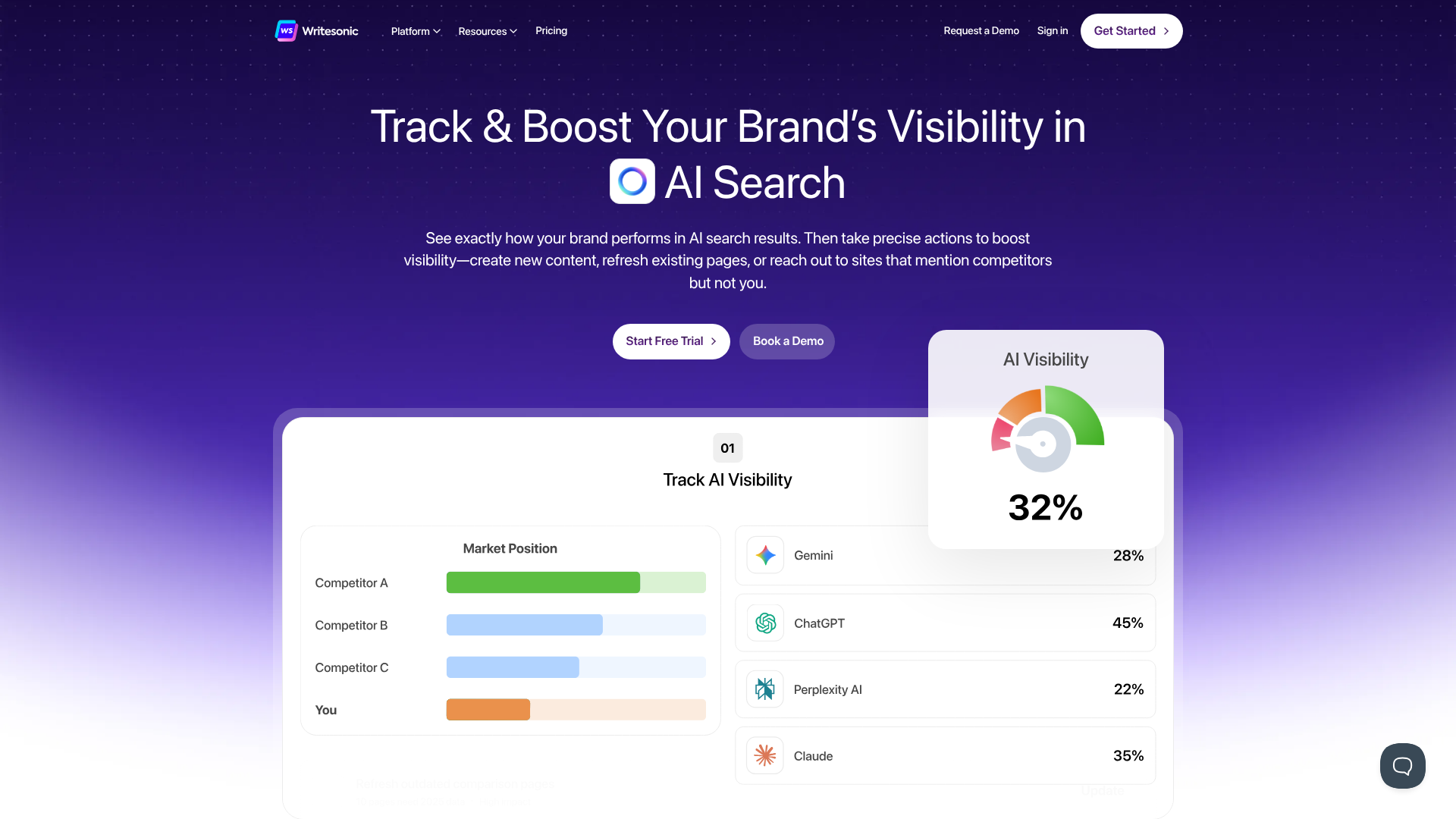
Writesonic is a powerful and versatile AI writer that positions itself as an all-in-one solution for content creation. It excels at generating SEO-optimised blog posts and articles, thanks to its integration with Surfer SEO. Beyond long-form content, it also offers tools for landing pages, ads, and even AI-generated art.
Pros
- All-in-One Platform: Covers everything from articles and social media to AI art and a chatbot builder.
- Strong SEO Features: The Surfer integration helps create content that is more likely to rank on Google.
- User-Friendly Interface: Clean and easy to navigate, making it great for beginners.
Cons
- Credit System: Some plans use a credit system that can be confusing to manage compared to unlimited plans.
- Output Can Vary: Like all AI, the quality can sometimes vary depending on the complexity of the prompt.
For content creators and SEOs looking for a single platform to handle both writing and optimisation, Writesonic is an excellent and cost-effective option.
3. QuillBot
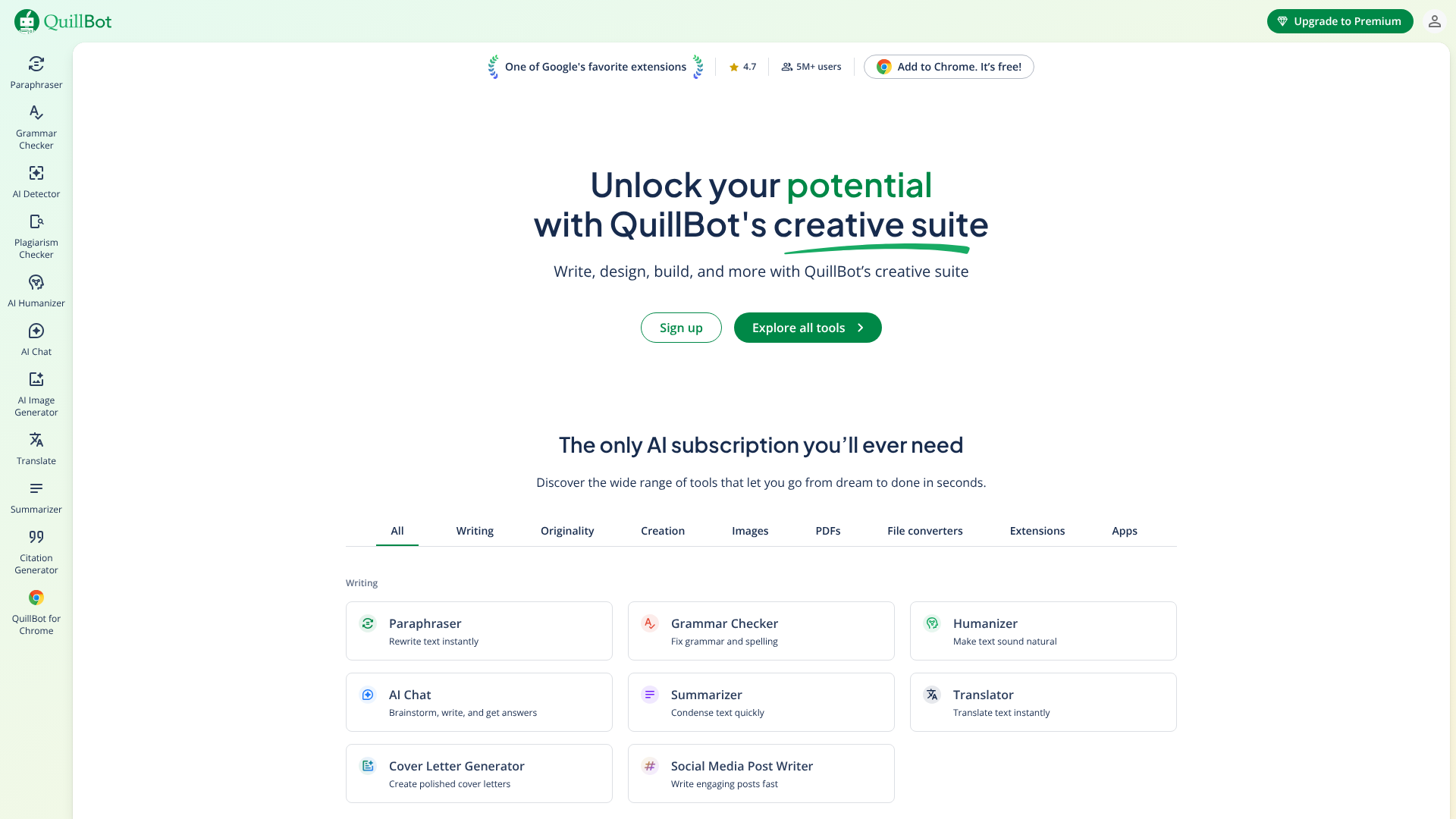
QuillBot focuses on improving existing text rather than generating it from scratch. It's an exceptional tool for paraphrasing, summarising, and checking grammar. If you already have a draft but want to rephrase it for a different audience, improve its clarity, or check for plagiarism, QuillBot is the perfect assistant. It's less of a content generator and more of a content refiner.
Pros
- Excellent Paraphraser: Its core feature is best-in-class for rewriting sentences and paragraphs.
- Multiple Modes: Offers different modes (e.g., Formal, Simple, Creative) to tailor the rewritten text.
- Affordable: Generally more affordable than full-fledged AI writers.
Cons
- Limited Generation: Not designed for creating new content from a simple prompt.
- Can Lose Nuance: Over-reliance on the paraphraser can sometimes strip the original text of its unique voice.
QuillBot is an indispensable tool for students, academics, and anyone who needs to refine and repurpose existing written content.
For AI Video and Voice Generation
This category of tools is transforming how businesses create engaging multimedia content without expensive equipment or talent.
1. Synthesia
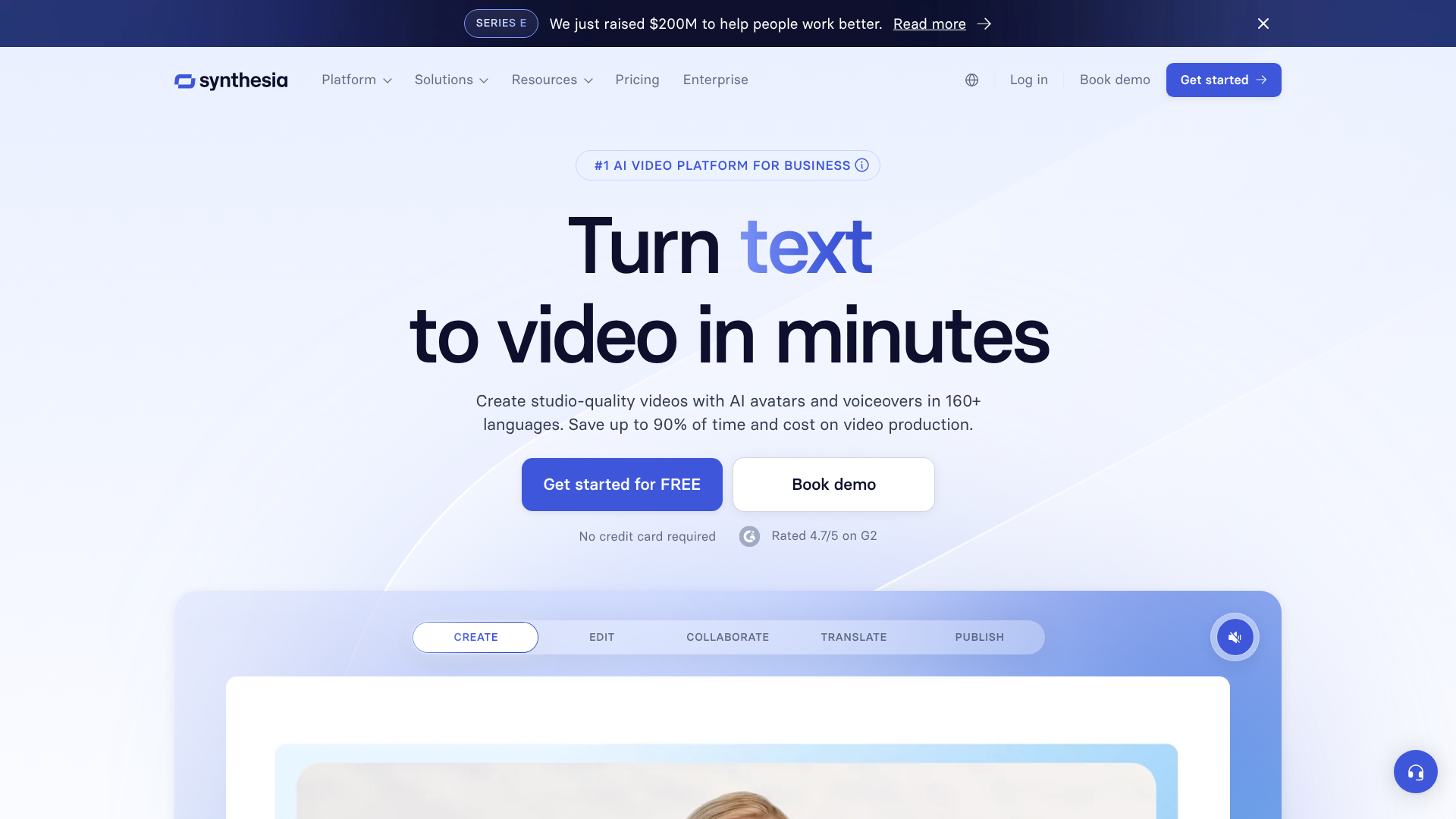
Synthesia is a market leader in AI video generation. It allows you to create professional videos featuring realistic AI avatars simply by typing in a script. You can choose from over 140 diverse avatars, select a voice in over 120 languages, and create videos for training, marketing, and internal communications in minutes.
Pros
- Realistic Avatars: The quality of the AI presenters is exceptionally high.
- Multi-Language Support: The extensive language and accent options are perfect for global businesses.
- Ease of Use: The platform is incredibly intuitive; no video editing experience is required.
Cons
- Cost: Can be a significant investment, making it better suited for businesses than individual creators.
- Limited Customisation: While you can add your own branding, customisation of avatar movements is limited.
For businesses that need to produce scalable training or explainer videos, Synthesia offers a powerful and efficient solution.
2. Pictory
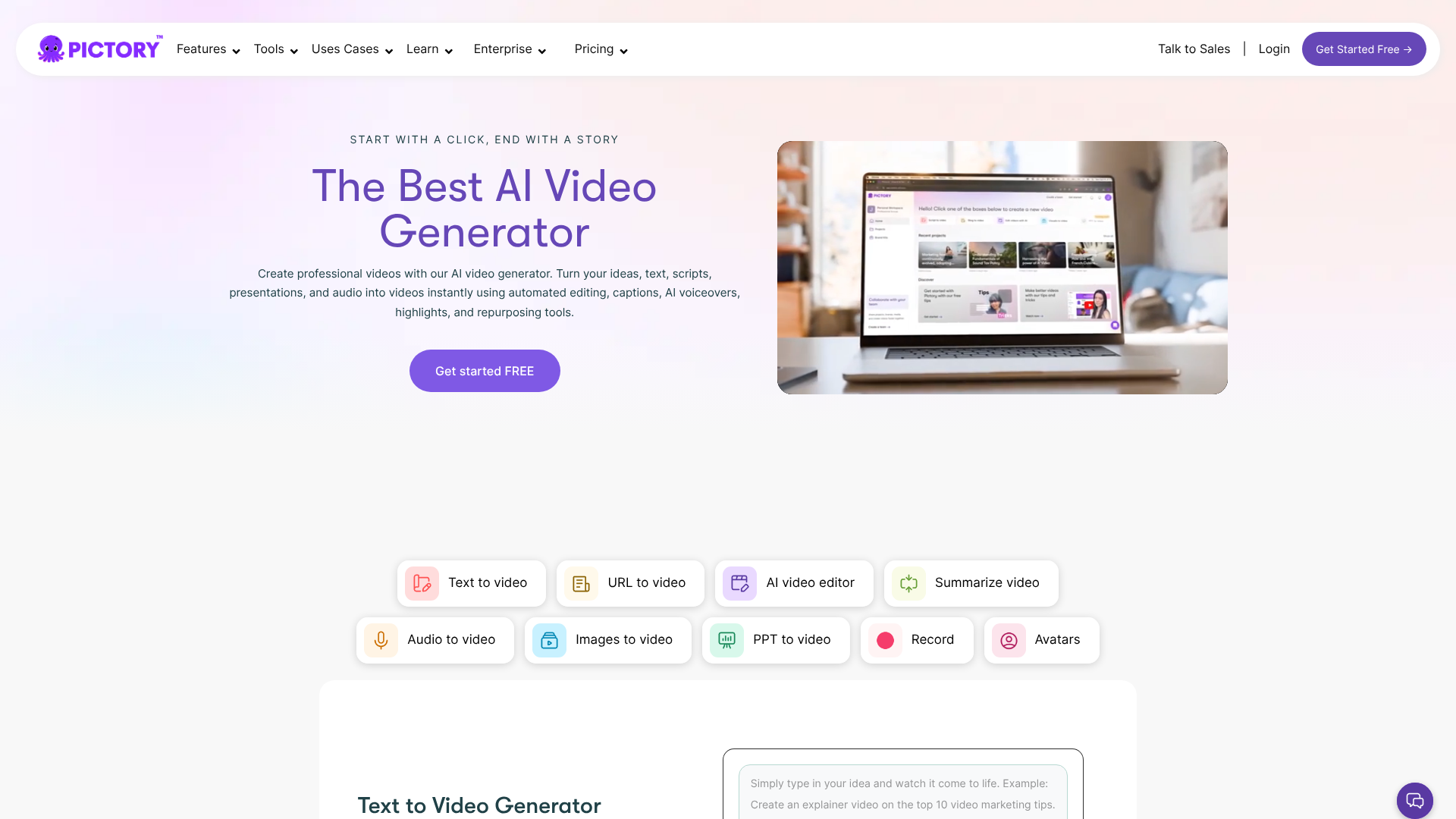
Pictory takes a different approach to AI video. Its core strength is turning long-form content, like blog posts, webinars, or podcasts, into short, engaging, branded videos perfect for social media. It automatically finds the best visuals to match your text and adds captions, music, and a voiceover, saving you hours of editing time.
Pros
- Content Repurposing: The best tool on the market for turning text into video.
- Fast and Automated: The AI does an excellent job of selecting relevant stock footage and creating a cohesive video.
- Affordable: Pricing is very accessible for small businesses and solo creators.
Cons
- Stock Media Reliance: The final video quality is dependent on the available stock library.
- Less Control: Offers less granular control over editing compared to traditional video editors.
If you want to get more mileage out of your existing content by repurposing it for video, Pictory is an unbeatable tool.
For Building Custom AI Solutions
For businesses with unique needs, a custom AI solution can provide a significant competitive edge.
1. CustomGPT.ai

CustomGPT allows you to build your own version of ChatGPT, but trained exclusively on your business's data. You can upload your website content, help documents, product catalogues, or internal knowledge base, and it will create a secure, expert chatbot that can answer questions from customers or employees with high accuracy. It's like having a support agent who has memorised your entire business.
Pros
- Data Privacy: Your data is secure and isn't used to train public models.
- High Accuracy: Because it only uses your data, it provides answers without making things up (hallucinating).
- Easy to Set Up: No coding is required to build and deploy your custom chatbot.
Cons
- Niche Use Case: It's specifically for creating chatbots, not general content.
- Pricing: It's a premium solution designed for businesses with specific support or internal knowledge needs.
For companies looking to automate customer support or create an internal expert system, CustomGPT.ai provides a powerful and secure platform.
Understanding Pricing and Cost Structures
The cost of automatic content generation tools can vary widely, from free plans with limited features to enterprise-level subscriptions costing hundreds or thousands of pounds per month. Understanding the common pricing models will help you compare options and find a plan that fits your budget and usage needs.
Common Pricing Models Explained
Most AI content tools fall into one of three pricing categories:
- Subscription Tiers: This is the most common model. You pay a recurring monthly or annual fee for access to the platform. Tiers are usually based on the number of words or videos you can generate, the number of user seats, and access to advanced features. This model is predictable and works well for users with consistent content needs.
- Pay-As-You-Go / Credit-Based: Some platforms use a credit system where you purchase a bundle of credits that are consumed as you generate content. This can be more cost-effective for users with infrequent or fluctuating needs, as you only pay for what you use. However, it can be harder to predict monthly costs.
- Freemium: Many tools offer a free plan that provides limited access to their features. This is a great way to test a platform's capabilities before upgrading to a paid plan. Free plans typically have strict limits on the amount of content you can generate per month.
Here's a general overview of what you can expect to pay for different types of tools:
| Tool Category | Typical Price Range (Monthly) | Best For |
|---|---|---|
| AI Text Generators | £15 – £80+ | Blog posts, marketing copy, social media |
| AI Video Generators | £25 – £200+ | Explainer videos, social content, training |
| AI Voice Generators | £10 – £100+ | Voiceovers, podcasts, audiobooks |
| Custom AI Chatbots | £80 – £400+ | Customer support, internal knowledge bases |
Cost vs. Value: Is It a Worthwhile Investment?
When evaluating the cost, it's crucial to consider the value it provides. A £50 per month subscription might seem like an expense, but if it saves you 20 hours of work, the return on investment is significant. Compare the tool's cost to the expense of hiring a freelancer or the value of the time it frees up for you and your team.
For most businesses, the right AI tool pays for itself many times over in increased productivity and content output. The key is to start with a clear goal in mind and choose a tool and plan that directly supports that objective.
The Pros and Cons of Auto Content Generation: A Balanced View
While the benefits are compelling, it's important to approach content automation with a realistic perspective. Like any tool, it has both strengths and weaknesses. Understanding these will help you use it effectively and avoid potential pitfalls.
The Advantages
- Speed and Scale: The ability to produce content at a pace and volume that is impossible for humans is the single biggest advantage. This allows for rapid testing of ideas and consistent publishing schedules.
- Cost-Effectiveness: Automating content creation is almost always cheaper than manual production, especially when factoring in the time saved.
- Overcoming Writer's Block: AI tools are excellent for brainstorming ideas, creating outlines, and generating first drafts, helping creators get past the blank page.
- Consistency: AI can maintain a consistent tone and style across vast amounts of content, which is crucial for branding.
The Disadvantages
- Risk of Generic Content: Without careful prompting and editing, AI-generated content can lack personality and sound generic. It requires a human touch to add unique insights and a compelling narrative.
- Potential for Inaccuracies: AI models can sometimes "hallucinate" or generate incorrect information. Fact-checking is absolutely essential, especially for topics that require expertise and accuracy.
- Lack of True E-E-A-T: Google's guidelines emphasise Experience, Expertise, Authoritativeness, and Trustworthiness (E-E-A-T). AI cannot have real-world experience. Human oversight is needed to add personal stories, expert opinions, and unique data that an AI cannot generate.
- Requires Skill to Use Well: Getting high-quality output from an AI tool is a skill. It requires learning how to write effective prompts and how to edit the generated text to meet quality standards.
Pro Tip: Adopt a "human-in-the-loop" workflow. Use AI to generate the first 80% of the content—the research, the structure, and the draft. Then, have a human expert come in to handle the final 20%—the fact-checking, editing for voice, and adding unique, experience-based insights.
Frequently Asked Questions (FAQ)
Here are answers to some of the most common questions people have about using AI for content creation.
What is automatically generated content?
Automatically generated content is any text, image, video, or audio created by a computer program, typically using artificial intelligence, with minimal human intervention. It's produced by algorithms that have been trained on vast amounts of data to understand and replicate human-like patterns of creation. The goal is to automate parts of the content creation process to improve speed and efficiency.
How to create automated content?
To create automated content, you start by choosing a specialised AI tool for your desired format (e.g., a writer like Jasper for text, or a video generator like Synthesia). You then provide the tool with a detailed prompt or script. This prompt guides the AI on the topic, tone, style, and key points to include. After the AI generates the initial content, a human should always review, edit, and refine the output to ensure quality, accuracy, and brand alignment.
Is there a free AI content generator?
Yes, many AI content generation tools offer free plans or trials. For example, platforms like Writesonic and Jasper often have free trials that allow you to generate a certain number of words to test their capabilities. While these free plans are great for experimentation, they usually have significant limitations and are not suitable for producing content at scale. For consistent use, a paid subscription is typically required.
Can you make money on AI content?
Absolutely. You can make money with AI-generated content in the same ways you would with human-created content. This includes running a blog with ads and affiliate links, offering content creation services to clients, creating and selling digital products like e-books, or using AI-generated copy to market your own products and services. The key is that the final content must be high-quality, helpful, and valuable to the end user, which almost always requires human editing and enhancement.
Which AI content creator is the best?
There is no single "best" AI content creator, as the ideal tool depends on your specific needs. For versatile marketing copy and brand voice control, Jasper (formerly Jarvis) is often considered a top choice. For SEO-focused blog posts, Writesonic is excellent. For turning text into video, Pictory is a leader.
The best approach is to identify your primary use case and test a few different options to see which one works best for your workflow.
Can I legally publish a book written by AI?
Yes, you can legally publish a book that was written with the assistance of AI. However, copyright law is still evolving in this area. In many jurisdictions, including the US, copyright protection is only granted to works with human authorship. This means while you can publish and sell the book, you may not be able to claim copyright on the purely AI-generated portions.
It's a complex and changing legal landscape, and it's wise to consult with a legal professional for specific advice.
Final Thoughts: The Future of Content Creation
Automatic content generation is not a passing fad; it's a fundamental shift in how we create and distribute information. These tools are becoming more powerful and accessible every day, offering incredible opportunities for businesses and creators to scale their efforts and reach wider audiences. The technology empowers us to overcome creative blocks, produce content with greater efficiency, and focus on the strategic aspects of our work.
However, the most successful content strategies of the future will not be fully automated. They will be built on a partnership between human creativity and artificial intelligence. AI will handle the repetitive tasks, generate ideas, and produce first drafts, while humans will provide the critical thinking, emotional intelligence, personal experience, and ethical oversight that machines lack. By embracing AI as a powerful assistant, you can elevate your content, save valuable time, and achieve your goals faster than ever before.
If you're looking to explore the world of AI-powered content, starting with a versatile writer is a great first step. For those focused on marketing copy and maintaining a unique brand identity, Jasper (formerly Jarvis) is a fantastic option. If your goal is to produce SEO-optimised blog content efficiently, Writesonic might be the perfect fit for your needs.