




AI-Powered Content Generation: A Marketer's Guide to Scaling Output
The demand for high-quality content is relentless. Marketers, creators, and business owners are constantly under pressure to produce more blog posts, social media updates, videos, and emails to stay relevant. This is where using ai-powered content generation becomes not just an advantage, but a necessity. It’s a technology that helps you create vast amounts of content efficiently, breaking through creative barriers and scaling your marketing efforts in ways that were previously unimaginable.
- What You'll Learn
- What Exactly Is AI-Powered Content Generation?
- The Core Benefits: Why Marketers Are Adopting AI Content Creation
- Unprecedented Speed and Scalability
- Significant Cost Reduction
- Overcoming Writer's Block and Generating Ideas
- Enhanced Personalisation at Scale
- How to Choose the Right Automated Content Generation Tool
- Identify Your Primary Content Needs
- Evaluate Ease of Use and Learning Curve
- Check for Integration Capabilities
- Assess the Quality of the AI's Output
- Top AI Writing and Content Generation Tools for 2026
- For All-Purpose Text Generation
- For AI Video Generation
- For AI Audio and Voiceovers
- Quick Comparison of Top AI Content Tools
- Understanding Pricing and Cost Structures
- The Pros and Cons of AI-Powered Content Generation
- Frequently Asked Questions (FAQ)
- What is AI-powered content generation?
- What is the 30% rule in AI?
- What is the best AI content generator?
- Can I legally publish a book written by AI?
- Final Thoughts
This guide is designed for marketers and creators who want to understand this technology from the ground up. We'll cover what it is, how it works, the tangible benefits for your workflow, and how to select the best tools for your specific needs. By the end, you'll have a clear roadmap for integrating AI into your content strategy effectively.
What You'll Learn
- Core Definition: AI-powered content generation uses complex algorithms and models to automatically create original text, images, video, and audio from simple text prompts.
- Key Benefits: The primary advantages include a massive increase in creation speed, significant cost savings compared to manual production, and a powerful tool for brainstorming and overcoming creative blocks.
- Choosing the Right Tool: Your ideal platform depends on your primary content needs (e.g., writing vs. video), budget constraints, and how well it integrates with your existing marketing software.
- The Human Element: While incredibly powerful, these tools are best used as assistants. Human oversight is essential for fact-checking, ensuring brand alignment, and adding the nuanced creativity that resonates with an audience.
What Exactly Is AI-Powered Content Generation?
At its core, ai-powered content generation is the process of using artificial intelligence, specifically generative AI models, to create new content. Think of it as a highly advanced assistant that can write an article, design an image, or produce a voiceover based on a set of instructions you provide. It’s not just copying and pasting existing information; it's about synthesising data to produce something entirely new.
This technology relies on complex neural networks called Large Language Models (LLMs) for text and Generative Adversarial Networks (GANs) for images. These models are trained on enormous datasets—trillions of words and billions of images from the internet. By analysing patterns, grammar, context, and styles within this data, they learn to generate human-like text and visuals.
For example, when you ask an AI writing tool to create a blog post about digital marketing trends, it doesn't search for a single article to replicate. Instead, it draws upon its vast training to understand the concepts, identify key trends, structure the information logically, and write it in the tone you specify. The same principle applies to creating a video from a script or generating a unique image from a descriptive phrase. This process of automated content generation allows for the creation of diverse assets tailored to specific campaign goals.

The Core Benefits: Why Marketers Are Adopting AI Content Creation
Integrating AI into the content workflow isn't just a trend; it's a strategic move that addresses some of the biggest challenges in modern marketing. The benefits extend far beyond simply writing faster, impacting everything from budget allocation to brand consistency.
Unprecedented Speed and Scalability
The most immediate benefit is the dramatic reduction in creation time. A task that might take a human writer several hours, like drafting a 1,500-word blog post, can be completed by an AI in minutes. This speed allows marketing teams to scale their content output exponentially. Instead of publishing one blog post a week, you could publish five, along with corresponding social media posts and email newsletters, all generated from the same core ideas.
This scalability is crucial for businesses trying to compete in crowded markets. More content means more opportunities to rank in search engines, engage audiences on social media, and nurture leads through email campaigns. AI makes this level of output achievable without a proportional increase in team size or budget.
Significant Cost Reduction
Content creation can be expensive. Hiring freelance writers, graphic designers, and video editors for every project adds up quickly. While AI writing tools come with subscription costs, they are often a fraction of the price of outsourcing the work to human professionals on a per-project basis.
For a startup or small business, this cost-efficiency can free up the budget for other critical marketing activities like advertising or software investment. For larger enterprises, it allows for a more strategic allocation of resources, enabling them to produce a higher volume of content for A/B testing, personalisation, and international market expansion without overspending.
Overcoming Writer's Block and Generating Ideas
Every creator faces the dreaded blank page. AI tools are exceptional at breaking through this barrier. You can use them as a brainstorming partner to generate outlines, headlines, topic ideas, or even initial drafts. This initial spark is often all a human creator needs to get started.
For instance, if you need to write about a complex topic, you can ask an AI to provide a simple explanation or a list of key points to cover. This not only saves research time but also helps structure your thoughts. This collaborative approach turns AI content creation into a process of refinement rather than creation from scratch, making the entire workflow more enjoyable and less stressful.
Enhanced Personalisation at Scale
Personalisation is key to effective marketing, but creating unique content for different audience segments is incredibly time-consuming. AI can generate multiple variations of an ad copy, email subject line, or landing page headline in seconds. This allows marketers to test what resonates best with specific demographics or customer profiles.
Furthermore, some advanced platforms can analyse customer data to create highly personalised content automatically. Imagine sending an email campaign where the content is dynamically adjusted based on a user's past purchase history or browsing behaviour. This level of personalisation was once only possible for large corporations with massive data science teams, but AI is making it accessible to more businesses.
How to Choose the Right Automated Content Generation Tool
With a flood of AI tools on the market, selecting the right one can feel overwhelming. The best choice depends entirely on your specific goals, workflow, and budget. Here are the key factors to consider to ensure you invest in a platform that truly serves your needs.
Identify Your Primary Content Needs
First, clarify what type of content you produce most often. Are you a blogger who needs long-form articles. A social media manager who needs short, punchy captions and images. Or a video marketer who needs scripts and AI-generated video clips.
Different tools specialise in different formats.
- For Text-Based Content: Look for platforms like Jasper or Writesonic, which offer a wide range of templates for blogs, ads, emails, and website copy.
- For Video Content: Tools like Synthesia (for AI avatar videos) or Pictory (for turning text into video) are excellent choices.
- For Audio Content: If you need voiceovers for videos or podcasts, platforms such as Murf AI provide realistic text-to-speech capabilities.
Making a list of your top three content needs will help you narrow down the options significantly. Don't pay for a suite of video features if you only write blog posts.
Evaluate Ease of Use and Learning Curve
The most powerful tool is useless if your team finds it too complicated to use. Look for a clean, intuitive interface and a minimal learning curve. Many platforms offer free trials or demos, which are perfect opportunities to test the user experience firsthand.
During the trial, pay attention to how easy it is to navigate the dashboard, find the right templates, and generate content. If you and your team can get up and running within an hour, it's a good sign. Complex tools that require extensive training can slow down adoption and negate the efficiency benefits you're seeking.
Check for Integration Capabilities
To maximise efficiency, your chosen AI tool should fit into your existing workflow. Check if it integrates with the software you already use, such as your Content Management System (CMS) like WordPress, your social media scheduling tools, or your marketing automation platform like HubSpot.
Seamless integrations prevent you from having to constantly copy and paste content between different applications. For example, a WordPress plugin that lets you generate and publish content directly from your dashboard can save a significant amount of time. Lack of integration can create friction and add manual steps back into your process.
Pro Tip: When evaluating tools, look for a public roadmap or feature request board. This shows that the company is actively developing the product and listening to user feedback, which is a good indicator of long-term value and support.
Assess the Quality of the AI's Output
Not all AI-generated content is created equal. The quality of the output is paramount. During your trial period, generate several pieces of content and critically evaluate them. Is the writing coherent and grammatically correct.
Is the information accurate. Does the tone match your brand voice.
Some tools produce more generic, surface-level content, while others can generate more nuanced and well-researched text. The goal is to find a tool that produces a high-quality first draft, minimising the amount of time you need to spend on editing and refinement. The less editing required, the greater the return on your investment.
Top AI Writing and Content Generation Tools for 2026
Navigating the landscape of AI tools can be a challenge. To help, we've broken down some of the top platforms based on their primary function, from writing long-form articles to creating professional-grade videos and voiceovers.
For All-Purpose Text Generation
These tools are the Swiss Army knives of AI content creation, capable of handling everything from blog posts to ad copy.
1. Jasper (formerly Jarvis)
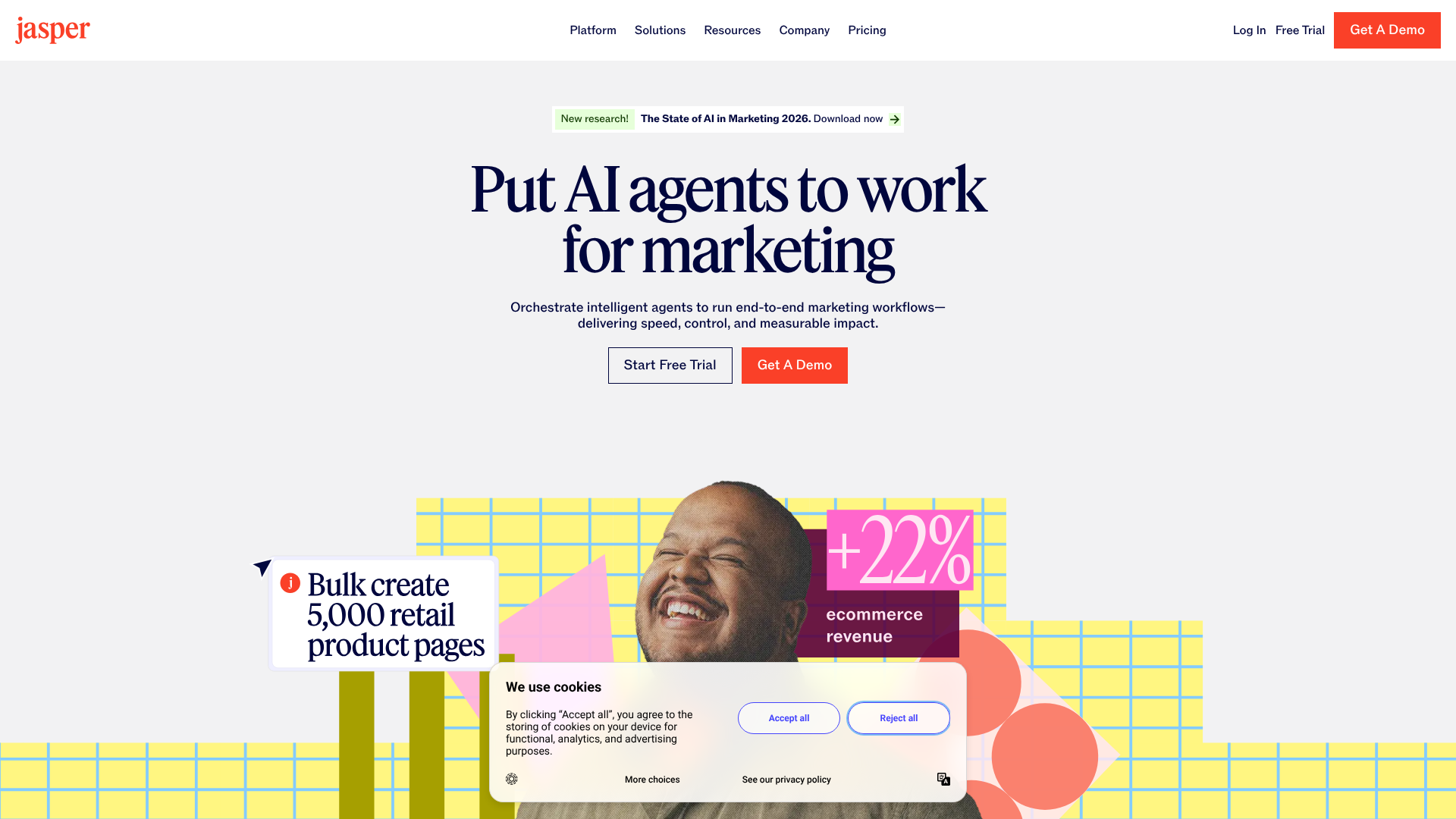
Jasper is one of the most well-known names in the AI writing space. It's designed for marketing teams and offers a vast library of templates for almost any content need. Its 'Boss Mode' feature provides a long-form editor that gives you more control over the generation process, making it ideal for articles and reports.
Pros:
- High-quality output that often requires minimal editing.
- Excellent long-form editor for creating detailed articles.
- Strong brand voice and knowledge features to maintain consistency.
Cons:
- Can be more expensive than some competitors.
- The sheer number of features can be overwhelming for new users.
2. Writesonic
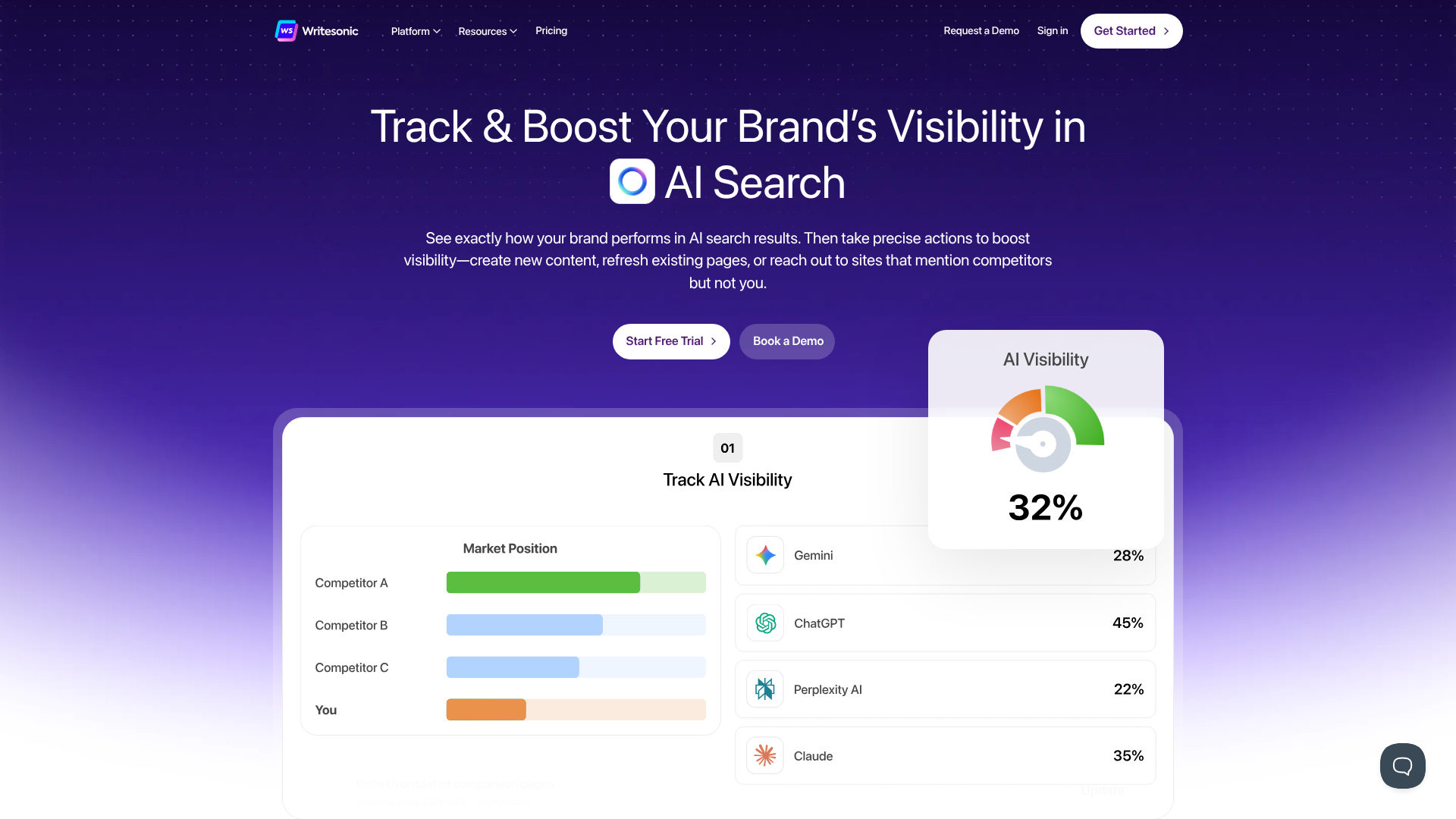
Writesonic is a powerful and versatile competitor that offers a great balance of features, quality, and affordability. It includes tools for every stage of content creation, from its AI Article Writer 5.0, which can generate 1,500-word articles in one click, to Photosonic for AI image generation. It's a great all-in-one solution.
Pros:
- User-friendly interface that is easy to navigate.
- Offers a free trial and a free plan with a generous monthly word count.
- Includes features for both text and image generation.
Cons:
- The quality of long-form content can sometimes be less consistent than Jasper's.
- Credit system can be confusing for some subscription tiers.
For AI Video Generation
Video is a dominant force in marketing, and these tools make production accessible to everyone, regardless of technical skill.
3. Synthesia
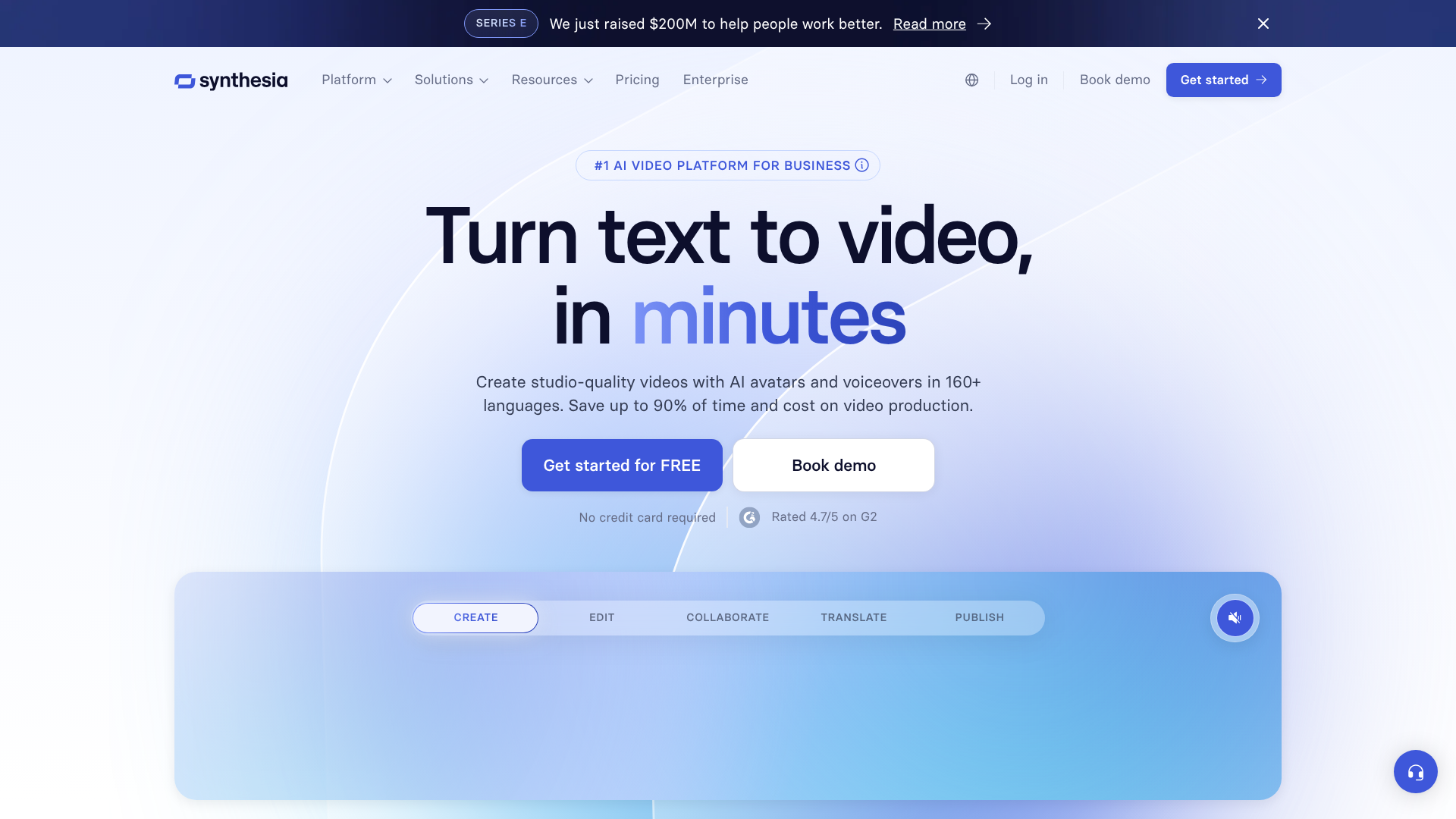
Synthesia is a leader in AI video generation, allowing you to create professional videos with realistic AI avatars. You simply type a script, choose an avatar and a background, and the platform generates a video in minutes. It's perfect for training videos, corporate communications, and product explainers.
Pros:
- Over 140 diverse AI avatars to choose from.
- Supports over 120 languages and accents for global reach.
- No need for cameras, microphones, or actors.
Cons:
- The avatars, while realistic, may not be suitable for content requiring a strong emotional connection.
- Pricing is geared more towards businesses than individual creators.
4. Pictory

Pictory takes a different approach by transforming long-form text content, such as blog posts or scripts, into engaging videos. It uses AI to automatically select relevant stock footage, add captions, and pair it with a voiceover. It's an excellent tool for repurposing content and creating social media videos quickly.
Pros:
- Incredibly fast way to turn articles into videos.
- Automatically adds captions, which is great for social media engagement.
- Offers a library of millions of royalty-free video clips and images.
Cons:
- The AI's video clip selection sometimes needs manual adjustment.
- The AI voiceovers are functional but lack the quality of dedicated text-to-speech platforms.
For AI Audio and Voiceovers
High-quality audio can make or break a project. These tools provide realistic voiceovers without needing to hire a voice actor.
5. Murf AI
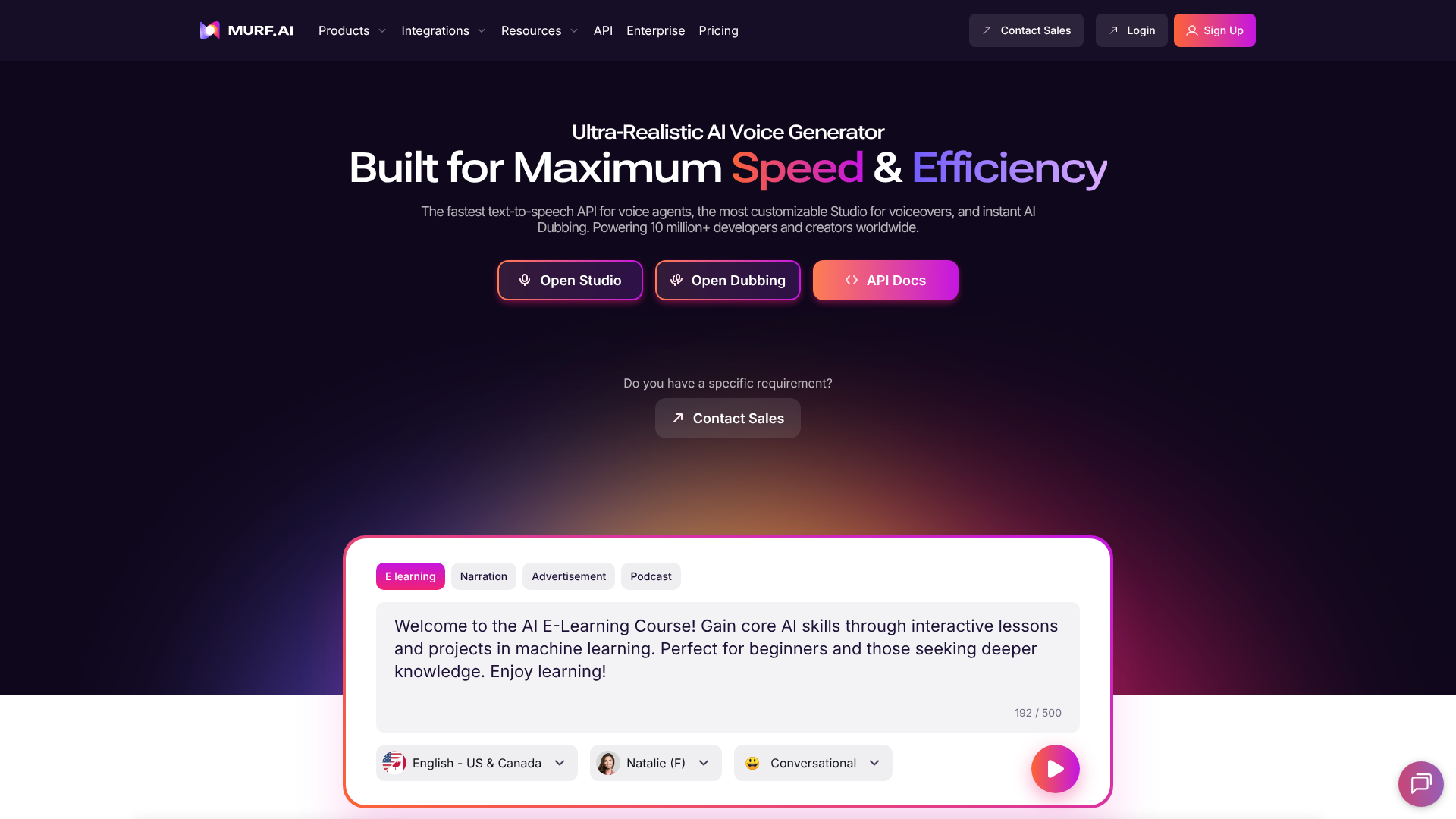
Murf AI offers a studio of AI-powered voices that are remarkably human-like. You can use it for podcasts, video narrations, e-learning modules, and more. The platform allows you to adjust pitch, tone, and speed to get the perfect delivery for your script.
Pros:
- A wide range of high-quality, natural-sounding voices.
- Features for voice cloning and team collaboration.
- Includes a library of royalty-free music.
Cons:
- The free plan is quite limited.
- Advanced features are locked behind higher-tier subscriptions.
Quick Comparison of Top AI Content Tools
| Feature | Jasper | Writesonic | Synthesia | Pictory | Murf AI |
|---|---|---|---|---|---|
| Primary Use | High-quality text | All-in-one text & image | AI avatar videos | Text-to-video | AI voiceovers |
| Best For | Marketing teams | SMBs & bloggers | Corporate training | Content repurposing | Podcasters & educators |
| Free Trial | Yes | Yes (with free plan) | No (free demo video) | Yes | Yes (with free plan) |
| Starting Price | Higher tier | Affordable | Business-focused | Mid-range | Affordable |
Understanding Pricing and Cost Structures
One of the most practical considerations when adopting automated content generation is the cost. Pricing for AI tools varies widely, and understanding the different models is key to finding a solution that fits your budget without compromising on the features you need.
The most common pricing model is a monthly or annual subscription. These plans are typically tiered, with each level offering a higher word count, more features, or more user seats. For example, a basic plan might give you 20,000 words per month and standard features, while a pro plan could offer unlimited words, advanced collaboration tools, and priority support. Subscriptions are predictable and work well for teams with consistent content needs.
Another popular model is pay-as-you-go or credit-based. Instead of a flat monthly fee, you purchase a number of credits, which are then consumed as you generate content. A blog post might cost 5 credits, while a short ad copy might cost 1 credit. This model is flexible and can be cost-effective for individuals or teams with fluctuating or infrequent content demands.
However, it can be harder to budget for and may become expensive with heavy usage.
Finally, many tools offer a freemium model. This provides a free-forever plan with limited functionality, such as a low monthly word count or access to only basic templates. Freemium plans are an excellent way to test a platform's capabilities long-term without financial commitment. They are perfect for solo creators or very small businesses just starting with AI.
For example, QuillBot offers a robust free version for paraphrasing and grammar checks, making it a great entry point.
When comparing costs, look beyond the price tag. Consider the value you're getting. A slightly more expensive tool that produces higher-quality content and saves you hours in editing time is often a better investment than a cheaper tool that creates mediocre drafts.
The Pros and Cons of AI-Powered Content Generation
Like any technology, AI content tools come with a set of advantages and disadvantages. A balanced understanding is crucial for integrating them into your workflow responsibly and effectively. Trust and transparency are key, and that means acknowledging the limitations as well as the strengths.
The Advantages (A Quick Recap)
- Efficiency and Speed: Generate content in minutes, not hours or days, allowing you to scale production dramatically.
- Cost-Effectiveness: Significantly lower costs compared to hiring human writers, designers, or voice actors for every task.
- Idea Generation: A powerful tool for brainstorming, creating outlines, and overcoming creative blocks.
- Consistency: Maintain a consistent tone, style, and voice across all your content, which is vital for branding.
The Disadvantages and Risks
- Potential for Inaccuracy: AI models can sometimes "hallucinate" or generate incorrect information, facts, or statistics. Human fact-checking is non-negotiable, especially for content that requires accuracy and authority.
- Lack of Genuine Creativity and Emotion: While AI can mimic human writing styles, it cannot replicate genuine emotion, personal experience, or deep creative insight. Content that requires a strong emotional connection or a unique perspective will always benefit from a human touch.
- Risk of Generic Content: If too many people use the same tools with similar prompts, the output can start to look generic. It's important to add your own unique insights, examples, and voice to make the content stand out.
- Ethical and Plagiarism Concerns: While most AI tools aim to generate original content, there is always a small risk of producing text that is too similar to its training data. Always run content through a plagiarism checker like the one included in Grammarly to be safe.
- Evolving Search Engine Policies: Google has stated that high-quality AI-generated content is not against its guidelines, but it penalises low-quality, spammy content regardless of how it's created. The focus must always be on creating helpful, reliable, people-first content.
Pro Tip: Adopt a 'human-in-the-loop' workflow. Use AI to generate the first 80% of the content—the research, the structure, the initial draft. Then, have a human editor or writer come in to add the final 20%—the fact-checking, the brand voice, the personal stories, and the strategic insights.
Frequently Asked Questions (FAQ)
Here are answers to some of the most common questions people have about using AI for content creation.
What is AI-powered content generation?
AI-powered content generation is the use of artificial intelligence technologies, like large language models, to automatically create new and original content. This can include text (articles, emails, social media posts), images, videos, and audio. You provide the AI with a prompt or instructions, and it generates the content based on its vast training data and understanding of patterns, language, and context.
What is the 30% rule in AI?
The '30% rule' is a guideline, not a strict rule, that many content creators follow when using AI. It suggests that at least 30% of the final content should be edited, refined, or added by a human. The idea is to use the AI-generated text as a strong first draft but to ensure the final piece includes human oversight, fact-checking, unique insights, and brand-specific nuances. This approach helps maintain quality, originality, and authenticity, preventing the content from sounding robotic or generic.
What is the best AI content generator?
There is no single 'best' AI content generator because the ideal tool depends entirely on your specific needs. For marketing teams needing high-quality, long-form articles, Jasper is often considered a top choice. For bloggers and small businesses looking for an affordable all-in-one solution for text and images, Writesonic is an excellent option. For creating training or explainer videos with AI avatars, Synthesia leads the market.
The best approach is to identify your primary use case and then test a few relevant tools using their free trials.
Can I legally publish a book written by AI?
The legality and copyright of AI-generated work is a complex and evolving area of law. In many jurisdictions, including the United States, copyright protection is only granted to works created by a human author. According to guidance from the U.S. Copyright Office, work that is purely generated by an AI system without significant human modification or creative input is not eligible for copyright.
If you heavily edit, arrange, and modify the AI's output to the point where it reflects your own creative expression, you may be able to claim copyright on the human-authored portions. It is highly recommended to consult with a legal professional before publishing a long-form work like a book that was substantially created by AI.
Final Thoughts
AI-powered content generation is more than just a technological novelty; it's a fundamental shift in how we create and scale digital content. It offers marketers, writers, and businesses a powerful way to increase efficiency, reduce costs, and break through creative barriers. The tools available today can draft articles, design visuals, and produce videos at a speed and scale that was previously impossible.
However, the most successful adoption of this technology comes from viewing it not as a replacement for human creativity, but as a powerful collaborator. The best results are achieved when AI handles the heavy lifting—the initial draft, the research, the structure—while humans provide the final layer of strategy, empathy, and originality. This human-in-the-loop approach ensures that the content is not only produced efficiently but is also accurate, engaging, and truly valuable to your audience.
If you're ready to explore how these tools can fit into your workflow, consider trying a platform with a robust free trial. Tools like Writesonic offer a great starting point for text and images, while Pictory can show you how quickly you can repurpose your existing articles into engaging videos. The key is to start experimenting and find the right balance between artificial intelligence and human ingenuity.