

How to Choose a Course on Contract Drafting: A Guide for Professionals
In business, a well-drafted contract is your strongest shield and sharpest sword. It protects your interests, prevents costly disputes, and provides a clear roadmap for your professional relationships. But the skill to create such a document doesn't come naturally; it's learned. That's why finding the right course on contract drafting is a critical step for lawyers, paralegals, and business professionals alike.
- What You'll Learn
- What Exactly is a Course on Contract Drafting?
- The Core Skills You'll Master in a Contract Drafting Class
- 1. Mastering Clarity and Precision
- 2. Strategic Risk Allocation
- 3. Structuring a Coherent Agreement
- 4. Translating Business Goals into Legal Terms
- How to Choose the Right Contract Drafting Course: A Step-by-Step Guide
- Step 1: Define Your Learning Goals and Current Skill Level
- Step 2: Evaluate the Course Curriculum and Instructor Expertise
- Step 3: Consider the Learning Format (Online, In-Person, Self-Paced)
- Step 4: Look for Practical Exercises and Real-World Examples
- Step 5: Check for Certifications and Professional Recognition
- Top Contract Drafting Courses for Different Needs
- For In-Depth Mastery: Adams on Contract Drafting
- For University-Level Learning: University College London (UCL) Workshops
- For Continuing Legal Education (CLE): Lawline & PLI
- For Non-Lawyers and Business Professionals: Informa Connect
- Understanding the Cost: Pricing Models for Contract Drafting Courses
- The Pros and Cons of Investing in a Formal Course
- Complement Your Learning with Practical Tools
- Interested in Teaching? Creating Your Own Contract Drafting Class
- Frequently Asked Questions About Learning Contract Drafting
- Can I learn contract drafting on my own?
- How long does it take to become proficient in contract drafting?
- Do I need to be a lawyer to take a contract drafting course?
- What is the most important skill in contract drafting?
- Final Thoughts
This guide will walk you through everything you need to know to select a programme that fits your goals, budget, and learning style.
Whether you're a seasoned solicitor looking to modernise your skills or a project manager who needs to understand supplier agreements, the right training can make all the difference. We'll break down what to look for in a curriculum, compare different types of courses, and provide actionable steps to help you make an informed decision. The goal is to move beyond templates and truly understand the mechanics of creating clear, enforceable, and strategic agreements.
What You'll Learn
- Identify Core Skills: Understand the essential skills a quality contract drafting course should teach, from mastering clear language to strategic risk allocation.
- Step-by-Step Selection Process: Follow a five-step framework to evaluate and choose the best course for your specific career goals and current expertise.
- Top Course Recommendations: Discover leading programmes tailored for different needs, including in-depth masterclasses, university workshops, and courses for non-lawyers.
- Cost and Value Analysis: Learn about the typical pricing structures for these courses and how to weigh the cost against the long-term career benefits.
- Practical Application: Find out how to supplement your learning with practical tools and even explore creating your own course if you're an expert in the field.
What Exactly is a Course on Contract Drafting?

A course on contract drafting is a specialised educational programme designed to teach the principles, techniques, and best practices for creating legally sound and commercially effective agreements. Unlike a general contract law class, which focuses on theory and case law, a drafting course is intensely practical. Its primary objective is to equip you with the skills to translate a business deal into a clear, unambiguous, and enforceable written document.
These courses cater to a surprisingly broad audience. For junior lawyers and paralegals, they are a fundamental building block for a successful career in transactional law. They bridge the gap between academic knowledge and the day-to-day reality of a legal practice. The focus is on moving away from archaic legalese and adopting a modern, precise drafting style that minimises ambiguity and future disputes.
However, the audience extends far beyond the legal profession. Contract managers, procurement officers, project managers, entrepreneurs, and senior executives all benefit immensely from learning contract drafting. For these professionals, the goal isn't necessarily to draft a complex agreement from scratch but to be able to review, understand, and intelligently negotiate the contracts that cross their desks daily. A good contract drafting class empowers them to spot red flags, understand key obligations, and communicate more effectively with their legal counsel.
The Core Skills You'll Master in a Contract Drafting Class
Enrolling in a high-quality contract drafting course is about more than just learning where to put the signatures. It's an investment in a set of sophisticated skills that are valuable in any professional setting. A comprehensive curriculum will go beyond basic templates and teach you the 'why' behind the 'what', turning you into a more strategic and effective professional. Here are the core competencies you should expect to develop.
1. Mastering Clarity and Precision
The single most important skill is learning to write with absolute clarity. Ambiguity is the enemy of a good contract, as it creates room for interpretation and disputes. A great course will teach you how to eliminate vague language, redundancies, and outdated legalese ('hereinafter', 'witnesseth'). You'll learn to use a modern, plain English style that is both professional and easy to understand, ensuring all parties have the same understanding of their rights and obligations.
2. Strategic Risk Allocation
Every contract is an exercise in risk management. You'll learn how to identify potential risks in a business transaction—such as non-performance, liability, or changes in circumstances—and draft clauses that allocate these risks between the parties in a deliberate way. This includes mastering key provisions like representations, warranties, indemnities, and limitations of liability. Understanding how to draft these clauses effectively can save a business from catastrophic financial loss.
3. Structuring a Coherent Agreement
A contract needs a logical flow to be effective. A good contract drafting class will teach you the architectural principles of a well-structured agreement. You'll learn how to organise clauses into a coherent narrative, use definitions effectively to ensure consistency, and structure the document so that it's easy for anyone to navigate and find the information they need. This structural skill is crucial for creating documents that are not only legally sound but also user-friendly.
4. Translating Business Goals into Legal Terms
The best contracts are those that accurately reflect the commercial intentions of the parties. This skill involves listening to business objectives—like payment terms, delivery schedules, and quality standards—and translating them into precise, legally binding language. A course will give you practice in this translation process, ensuring the final document is a tool that helps the business achieve its goals, rather than an obstacle.
How to Choose the Right Contract Drafting Course: A Step-by-Step Guide
With so many options available, from online workshops to university-level programmes, selecting the right contract drafting course can feel overwhelming. Following a structured approach ensures you invest your time and money in a programme that directly aligns with your career objectives. Here is a five-step process to guide your decision.
Step 1: Define Your Learning Goals and Current Skill Level
First, be honest about what you want to achieve. Are you a new paralegal who needs to learn the absolute basics? Or are you an experienced in-house counsel looking to refine your skills in a specific area, like technology contracts? Your goal determines the depth and specialisation you need.
Consider your current knowledge. A course designed for non-lawyers will spend more time on fundamental legal concepts, while an advanced workshop for solicitors will dive straight into complex drafting scenarios. Choosing a course that matches your starting point is crucial for getting the most value from the experience.
Step 2: Evaluate the Course Curriculum and Instructor Expertise
Once you know your goals, scrutinise the syllabus of any course you're considering. Look for a curriculum that covers the core skills mentioned earlier: clarity, risk allocation, structure, and the translation of business deals. A good syllabus will be detailed, listing the specific topics and types of contracts that will be covered.
Equally important is the instructor's background. Who is teaching the class? Look for instructors with significant real-world experience in drafting and negotiating contracts. An academic with practical expertise or a practicing lawyer can offer invaluable insights that go beyond the textbook.
Step 3: Consider the Learning Format (Online, In-Person, Self-Paced)
The format of the course should fit your schedule and learning preferences. In-person workshops offer direct interaction and networking opportunities. Live online classes provide similar interaction with the convenience of remote learning. Self-paced online courses offer the ultimate flexibility, allowing you to learn whenever you have time.
Think about how you learn best. Do you thrive on live Q&A sessions and peer discussions, or do you prefer to absorb material at your own pace, re-watching lectures as needed? There is no single 'best' format; the right choice depends entirely on your personal circumstances.
Step 4: Look for Practical Exercises and Real-World Examples
Theoretical knowledge is useful, but contract drafting is a practical skill that can only be mastered through practice. The best courses are built around hands-on exercises, such as marking up a poorly drafted agreement or creating a clause from scratch based on a client's instructions.
These practical components are where the real learning happens. They force you to apply the concepts you've been taught and provide an opportunity to receive feedback on your work. A course that is purely lecture-based will not be as effective at building tangible drafting skills.
Step 5: Check for Certifications and Professional Recognition
Finally, consider the credential you will receive upon completion. For legal professionals, a course that offers Continuing Legal Education (CLE) or Continuing Professional Development (CPD) credits is often essential for maintaining their license to practice.
For all learners, a certificate from a reputable institution like a university or a well-known professional training organisation can be a valuable addition to your CV or LinkedIn profile. It serves as a clear signal to employers and clients that you have invested in developing this specialised and highly sought-after skill.
Pro Tip: Don't just read the course description. Look for testimonials or reviews from past students. Their experiences can provide honest insights into the quality of the teaching, the practicality of the exercises, and the overall value of the programme.
Top Contract Drafting Courses for Different Needs
While the 'best' course is subjective, certain programmes have earned a strong reputation for their quality and focus. Here are some top recommendations, categorised by the type of learner they are best suited for. This is not an exhaustive list but a starting point for your research based on well-regarded options in the field.
For In-Depth Mastery: Adams on Contract Drafting
Ken Adams is widely considered a leading authority on modern contract language. His courses, based on his seminal book A Manual of Style for Contract Drafting, are for those who want to achieve true mastery. He offers intensive workshops and longer masterclasses that are rigorous and deeply focused on the principles of clear, efficient drafting. This is an ideal choice for dedicated transactional lawyers who want to elevate their craft to the highest level.
For University-Level Learning: University College London (UCL) Workshops
Many top universities offer short courses and workshops on contract drafting. UCL, for example, provides highly-regarded workshops on general contract drafting skills as well as specialised topics like drafting legal clauses in commercial contracts. These programmes combine academic rigour with a practical focus, taught by experienced legal professionals and academics. They are excellent for those who want a credential from a prestigious institution.
For Continuing Legal Education (CLE): Lawline & PLI
For practicing lawyers in the US and other jurisdictions, maintaining CLE credits is a requirement. Platforms like Lawline and the Practising Law Institute (PLI) offer a vast catalogue of online courses on contract drafting. These are convenient, often available on-demand, and specifically designed to meet professional development requirements. They cover a wide range of topics, from fundamental concepts to niche areas, making it easy to find a class that fits your specific needs.
For Non-Lawyers and Business Professionals: Informa Connect
Professionals outside the legal field need a course that demystifies legal concepts without getting bogged down in overly technical case law. Programmes like Informa Connect's 'Certificate in Contract Drafting for Non-Lawyers' are designed for this audience. They focus on the practical skills needed to understand, review, and manage contracts effectively in a business context, empowering managers and executives to be more confident and competent when dealing with legal documents.
Understanding the Cost: Pricing Models for Contract Drafting Courses

The investment required for a contract drafting course can vary significantly, from a couple of hundred pounds for a self-paced online class to several thousand for an intensive, multi-day masterclass. Understanding the different pricing structures and what they include is key to finding an option that provides real value for your budget.
Typically, pricing is influenced by several factors. The reputation of the provider is a major one; a course from a top-tier university or a world-renowned expert will naturally command a higher price. The format also plays a crucial role. In-person workshops with direct access to instructors are generally the most expensive, followed by live online courses.
Self-paced, pre-recorded online courses are often the most affordable option.
The duration and depth of the content are also key differentiators. A short, three-hour webinar on a specific clause will be much cheaper than a comprehensive, eight-week programme that covers the entire lifecycle of a contract. When comparing costs, look beyond the price tag and evaluate the cost per learning hour and the depth of the material provided. Does the price include course materials, access to instructors for questions, and a certificate upon completion?
For legal professionals, it's also important to factor in the value of any CLE or CPD credits offered. While a course with these credits might be more expensive, it fulfils a professional requirement, potentially saving you money on other training. Ultimately, view the cost as an investment in your career. The ability to draft a single contract that avoids a costly dispute can deliver a return on that investment many times over.
The Pros and Cons of Investing in a Formal Course
Deciding whether to enrol in a formal contract drafting class requires weighing the clear benefits against the potential drawbacks and considering alternative ways to learn. While a structured course is often the most efficient path to proficiency, it's not the only one.
Advantages of a Structured Course
The primary benefit is efficiency and structure. A well-designed course provides a curated learning path, saving you the time and effort of finding and organising resources on your own. You gain access to expert knowledge, with instructors who can explain complex concepts and answer your specific questions. This guided learning process can dramatically accelerate your development.
Another major advantage is the opportunity for feedback. Practical exercises that are reviewed by an experienced professional are invaluable. This feedback loop helps you identify your weaknesses and correct mistakes in a low-stakes environment. Finally, a formal course provides a credential that validates your skills and demonstrates your commitment to professional development to employers.
Potential Drawbacks and Alternatives
The most significant drawback is the cost. High-quality courses can be a substantial financial investment. The time commitment can also be a challenge for busy professionals. A self-study approach, using leading books like Ken Adams's manual and analysing publicly available contracts, can be a low-cost alternative. This path requires immense discipline and you miss out on expert feedback, but it is a viable option for highly motivated individuals.
Another alternative is mentorship. Learning from a senior colleague who is an expert drafter can be incredibly effective. This on-the-job training is highly practical but depends on having access to a willing and capable mentor. For many, a hybrid approach works best: using a formal course to build a strong foundation and then continuing to learn through self-study and practical experience.
Complement Your Learning with Practical Tools
While a course provides the foundational knowledge, true mastery of contract drafting comes from practice and exposure to a wide variety of real-world documents. To accelerate your learning, it's helpful to use tools that provide access to professionally drafted agreements. This allows you to see how the principles you're learning are applied in practice.
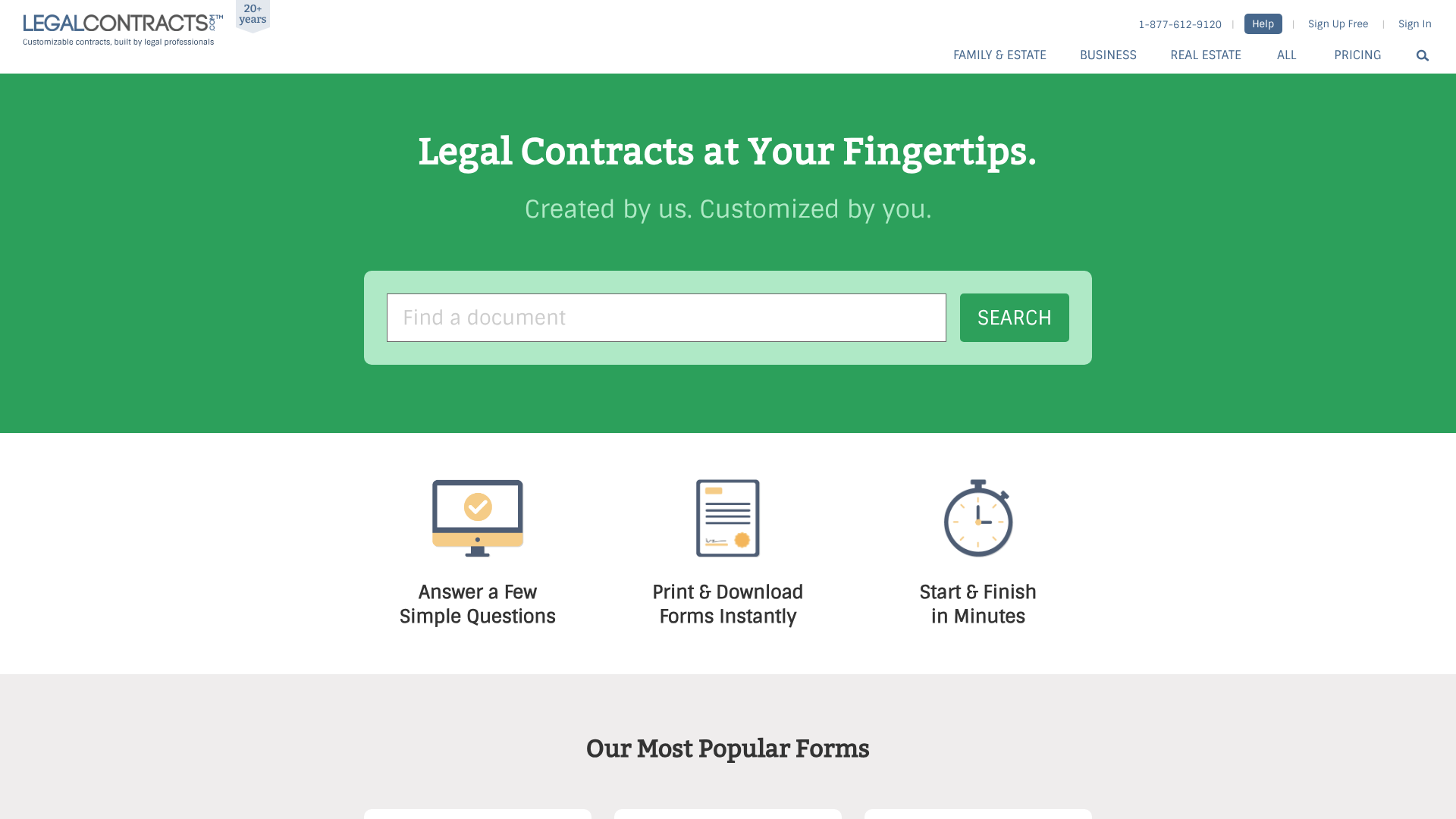
One excellent resource for this is a legal document library. Platforms like LegalContracts offer a vast collection of contract templates for numerous situations, from business partnerships to rental agreements. By reviewing these documents, you can analyse their structure, study the language used in specific clauses, and compare different approaches to allocating risk. This hands-on analysis is the perfect complement to formal instruction.
Think of it as a reference library. After learning about indemnification clauses in your course, you can search for and review dozens of examples on a platform like LegalContracts. This reinforces your understanding and exposes you to nuances you might not have covered in class. Using these tools helps bridge the gap between theory and the messy reality of drafting for specific commercial contexts.
Interested in Teaching? Creating Your Own Contract Drafting Class
If you are already an experienced lawyer or contract manager with deep expertise in drafting, you might consider sharing your knowledge by creating your own course. The demand for practical legal skills training is high, and teaching can be a rewarding way to build your professional brand and create a new revenue stream.
Modern Learning Management System (LMS) platforms make it easier than ever to build and sell your own online course. Tools like Teachable and LearnWorlds provide all the infrastructure you need, from video hosting and payment processing to student management. You can create a curriculum based on your unique experience, record video lectures, and design practical exercises for your students.
Creating a niche course can be particularly successful. For example, instead of a general contract drafting class, you could offer a specialised workshop on drafting software-as-a-service (SaaS) agreements or construction contracts. By focusing on an area where you have distinct expertise, you can attract a dedicated audience of professionals looking for that specific knowledge. This not only benefits the students but also solidifies your reputation as a thought leader in your field.
Frequently Asked Questions About Learning Contract Drafting
Can I learn contract drafting on my own?
Yes, it is possible to learn contract drafting through self-study, but it requires significant discipline. You would need to read authoritative books on the subject, meticulously study numerous example contracts, and practice drafting clauses yourself. The main disadvantage of this approach is the lack of expert feedback, which is crucial for identifying and correcting your mistakes and bad habits.
How long does it take to become proficient in contract drafting?
Proficiency varies by individual and the intensity of the training. A comprehensive course might take anywhere from a few days (for an intensive workshop) to a few months (for a semester-long class). However, true mastery is a lifelong process. Most lawyers would agree that it takes several years of consistent, hands-on practice after initial training to become a highly proficient and confident drafter.
Do I need to be a lawyer to take a contract drafting course?
Absolutely not. Many excellent courses are specifically designed for non-lawyers, such as contract managers, procurement specialists, and business owners. These courses focus on the practical aspects of understanding and reviewing contracts, empowering professionals to protect their business interests and work more effectively with legal counsel. They typically avoid overly technical legal jargon.
What is the most important skill in contract drafting?
While many skills are important, the ability to write with clarity and precision is arguably the most critical. The primary goal of a contract is to create a shared, unambiguous understanding between all parties. Vague or confusing language is the leading cause of contract disputes. A skilled drafter can express complex commercial terms in simple, clear language that leaves no room for misinterpretation.
Final Thoughts
Investing in a course on contract drafting is an investment in a core business skill that pays dividends throughout your career. A well-drafted contract can prevent disputes, save money, and facilitate successful business relationships. The ability to contribute to that process, whether as a lawyer or a business professional, is exceptionally valuable.
By following the steps outlined in this guide—defining your goals, evaluating the curriculum, considering the format, and looking for practical application—you can confidently choose a programme that will provide a strong foundation. Remember to supplement your formal learning by reviewing real-world examples and, if you're an expert, perhaps even consider sharing your own knowledge.
For those looking to see theory in action, exploring a library of professional templates can be an invaluable next step. If you want to analyse how clauses are structured in practice, a resource like LegalContracts provides the examples you need to sharpen your skills. Ultimately, the journey to becoming a skilled drafter is a continuous one, and the right education is the perfect place to start.