

Top 5 Loan Agreement Templates Free for UK Lenders (2026 Guide)
Lending money to a friend, family member, or business partner without a formal contract is a common mistake, often born from trust and a desire to avoid awkward formalities. However, this goodwill can quickly lead to misunderstandings, strained relationships, and financial loss. Using one of the many available loan agreement templates free of charge is the smartest way to protect both the lender and the borrower, ensuring everyone is clear on the terms from the outset. A well-drafted agreement isn't about mistrust; it's about creating clarity and security for everyone involved.
- What to Know
- What Exactly Are Free Loan Agreement Templates?
- The Essential Features Your Loan Agreement Must Include
- The Parties Involved (Lender and Borrower)
- The Principal Loan Amount and Date
- Interest Rate and Calculations (APR)
- The Repayment Plan (Schedule and Method)
- Late Fees and Default Clauses
- Collateral (Secured vs. Unsecured Loans)
- Governing Law (Jurisdiction)
- How to Choose the Right Free Loan Template for Your Needs
- Top 5 Recommended Loan Agreement Templates (Free & Paid Options)
- 1. LegalContracts: Best for Customisable, Legally Sound Agreements
- 2. eForms: Best Variety of Free Loan Templates
- 3. LawDepot: Best for User-Friendly Template Creation
- 4. DocuSign: Best for Integrated E-Signatures
- 5. UK Government Website (gov.uk): Best for Official Guidance
- Cost Comparison: Are "Free" Templates Truly Free?
- Pros and Cons of Using Free Loan Agreement Forms
- Frequently Asked Questions (FAQ)
- Is a loan agreement legally binding?
- Can I write my own loan agreement?
- What happens if the borrower defaults on the loan?
- Do I need a witness to sign a loan agreement?
- How much interest can I legally charge in the UK?
- Final Thoughts: Securing Your Loan with Confidence
These documents outline the essential details: the loan amount, the interest rate, the repayment schedule, and the consequences if payments are missed. Whether you're formalising a small personal loan or a more significant business arrangement, having a written record is non-negotiable. This guide will walk you through the best options for free loan templates, explain the critical clauses you must include, and help you choose the right document for your specific situation, ensuring your financial arrangement is secure and professional.
What to Know
- Clarity is Key: A loan agreement is a vital legal document that formalises a lending arrangement, clearly defining terms to protect both the lender and the borrower from future disputes.
- Essential Clauses: Every effective agreement must include the principal loan amount, interest rate (if any), a detailed repayment schedule, and clear terms for what happens in case of a default.
- Free vs. Professional: While free templates are excellent for simple, low-risk loans, customisable legal services provide superior protection and compliance for more complex or high-value agreements.
- UK Compliance: It is crucial to ensure any template you use, especially a generic one downloaded online, complies with the lending laws and regulations specific to the UK.
What Exactly Are Free Loan Agreement Templates?
A loan agreement template is a pre-drafted document that provides a structured framework for creating a legally binding contract between a lender and a borrower. Think of it as a fill-in-the-blanks form that covers all the standard legal bases, saving you the time and expense of hiring a solicitor to draft one from scratch. These templates are designed to be adaptable for various situations, from a simple personal loan between friends to a more formal business loan.
The primary purpose of using loan agreement forms free of charge is to eliminate ambiguity. It forces both parties to think through and agree upon the critical details of the loan before any money changes hands. This includes the exact amount borrowed, the repayment timeline, whether interest will be charged, and what happens if the borrower is unable to pay on time. By putting everything in writing, you create a clear record of the arrangement that can be referred back to if any disagreements arise.
These templates typically come in common formats like Microsoft Word (.docx) or Adobe PDF, allowing you to easily edit and fill in your specific details. You can find different types of templates tailored to specific needs, such as a Personal Loan Agreement for lending to an individual, a Business Loan Agreement for commercial purposes, or a Promissory Note, which is a simpler promise to pay. The goal is to provide an accessible starting point for creating a formal, enforceable contract without an immediate financial outlay.
The Essential Features Your Loan Agreement Must Include
Not all free loan templates are created equal. A generic document might miss crucial clauses specific to your situation or local laws. To ensure your agreement is comprehensive and enforceable, it must contain several key components. Leaving any of these out can create loopholes and potential for conflict down the line.
The Parties Involved (Lender and Borrower)
This is the most fundamental part of the agreement. You must clearly state the full legal names and current addresses of both the lender (the person or entity providing the money) and the borrower (the person or entity receiving the money). If a business is involved, be sure to use its official registered name. This precision is vital for legal identification and ensures there is no confusion about who is bound by the contract's terms.
The Principal Loan Amount and Date
The document must specify the exact amount of money being loaned, known as the principal. Write it out in both words and numerals (e.g., "Five Thousand Pounds (£5,000.00)") to prevent any ambiguity or potential for alteration. You should also include the date the funds will be provided to the borrower, as this often marks the official start of the loan term.
Interest Rate and Calculations (APR)
If you are charging interest, this section needs to be incredibly detailed. State the annual percentage rate (APR) clearly. You should also specify how the interest will be calculated—for example, is it simple interest calculated only on the principal, or is it compounded daily, monthly, or annually? It's also wise to check UK usury laws, which can limit the maximum interest rate you can legally charge to avoid being deemed an unfair or predatory lender.
The Repayment Plan (Schedule and Method)
This clause outlines exactly how the loan will be repaid. It should detail the amount of each payment, the frequency of payments (e.g., monthly, quarterly), and the date the first payment is due. Specify the total number of payments and the final date by which the loan must be fully repaid. It's also helpful to state the accepted method of payment, such as bank transfer or standing order, to avoid any confusion.
Late Fees and Default Clauses
What happens if the borrower misses a payment? A strong agreement anticipates this possibility. You should outline any late fees that will be applied and the grace period (if any) before a payment is considered late. The default clause is even more critical; it defines what constitutes a default (e.g., missing a certain number of payments) and what the lender's rights are in that event, such as demanding the full remaining balance immediately.
Collateral (Secured vs. Unsecured Loans)
Your agreement must state whether the loan is secured or unsecured. An unsecured loan is based solely on the borrower's promise to repay. A secured loan is backed by a specific asset, known as collateral (e.g., a vehicle, property, or valuable item), that the lender can claim if the borrower defaults. If the loan is secured, the collateral must be described in detail in the agreement.
Governing Law (Jurisdiction)
This clause specifies which country's or region's laws will be used to interpret the agreement. For anyone in the UK, you should state that the agreement is governed by the laws of England and Wales, Scotland, or Northern Ireland, depending on where the parties reside and where the agreement is made. This is crucial for ensuring the contract is enforceable in the correct legal jurisdiction.
How to Choose the Right Free Loan Template for Your Needs

With so many options available when you search to download loan agreements, selecting the right one can feel overwhelming. The best template for you depends entirely on the specifics of your lending situation. A simple IOU might suffice for a £100 loan to a sibling, but it would be completely inadequate for a £10,000 business loan. Considering a few key factors will help you narrow down the choices and find a document that offers the right level of protection.
First, consider the complexity of the loan. Is it a straightforward lump-sum loan with simple interest, or does it involve a complicated repayment structure with variable rates? For simple, unsecured loans with a clear end date, a basic one-page template will likely be sufficient. For loans involving collateral, business assets, or detailed payment schedules, you'll need a more comprehensive template that includes specific clauses for those terms.
Next, evaluate the relationship between the parties. Lending to a close family member might feel less risky, but a formal agreement is still wise to prevent misunderstandings from ruining the relationship. When lending to a business partner or a less familiar acquaintance, your agreement should be more robust, with stringent clauses for default and late payments. The level of trust should not dictate the level of legal protection you put in place.
Finally, think about your own legal confidence. If you're comfortable reading and understanding legal documents, you might be able to adapt a generic template to your needs. However, if legal jargon feels intimidating, it's far better to use a service that guides you through the process, explaining each clause as you go. The risk of misinterpreting a clause or using a flawed template could cost you far more than the small fee for a professionally guided service.
Pro Tip: Before signing, have both parties read the entire document carefully. It's even a good idea for each person to explain the key terms in their own words to ensure there is a mutual understanding of all obligations.
Top 5 Recommended Loan Agreement Templates (Free & Paid Options)
Navigating the world of loan agreements means choosing between completely free, downloadable files and user-friendly paid services that offer more security. To help you decide, we've compiled a list of the best options available to UK users, covering both categories. This allows you to weigh the convenience of a free download against the peace of mind that comes with a professionally guided solution.
1. LegalContracts: Best for Customisable, Legally Sound Agreements
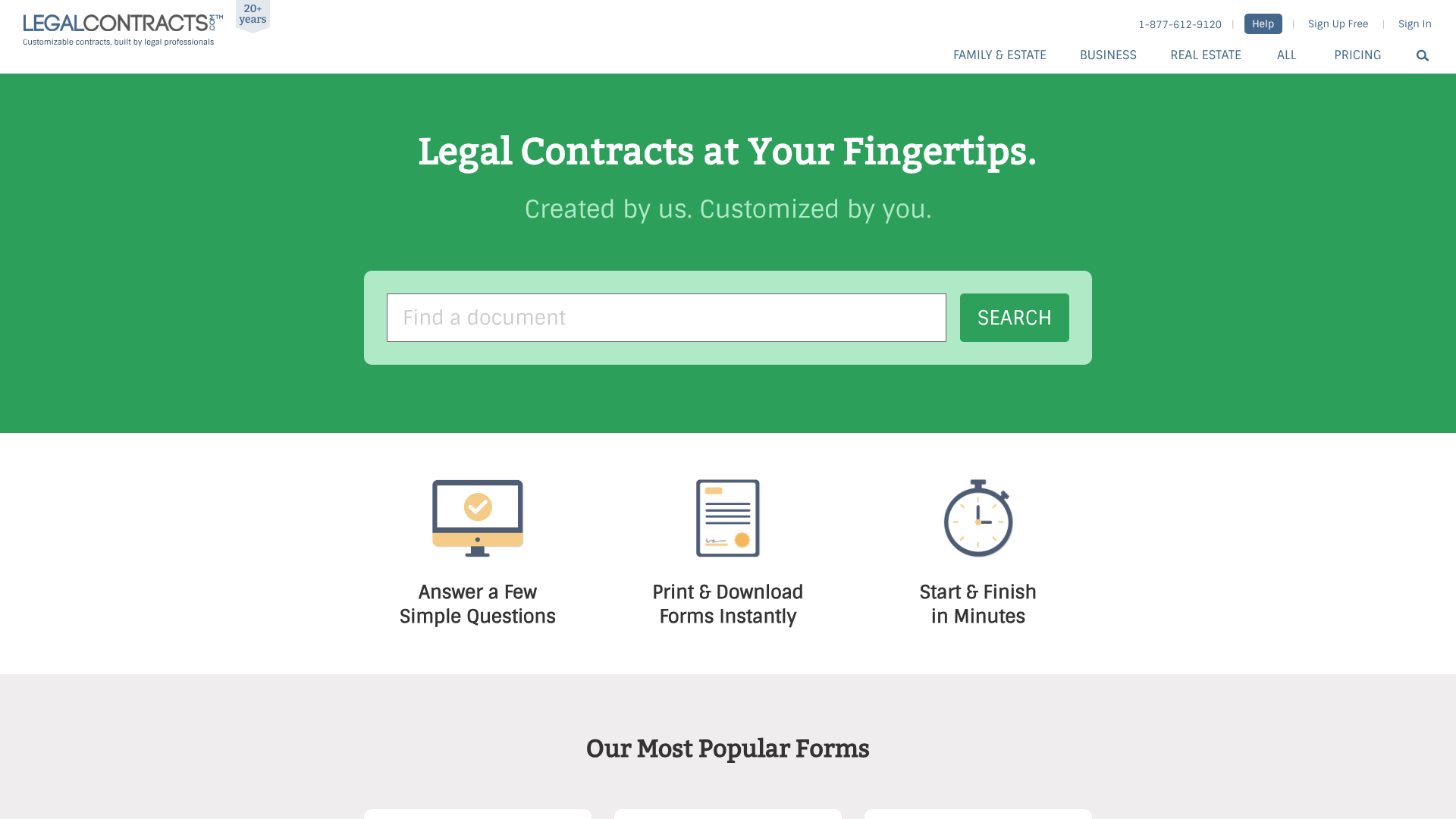
While not strictly free, LegalContracts earns the top spot for users who prioritise legal security and customisation over a zero-price tag. Instead of providing a static template, their platform guides you through an interactive questionnaire. Based on your answers, it generates a loan agreement tailored specifically to your needs and compliant with UK law. This process ensures you don't miss any critical clauses and that the final document is robust and professional.
This service is ideal for significant personal loans, business loans, or any situation where the risk is high enough to warrant a small investment in a legally sound document. It helps you consider aspects you might not have thought of, such as collateral specifics, detailed default terms, and proper legal wording. The final document can be downloaded, printed, and signed, giving you confidence that your agreement is comprehensive and enforceable.
Pros
- Highly Customisable: The document is built around your specific answers, not a generic template.
- Legally Compliant: Ensures the agreement adheres to the laws of England and Wales, Scotland, or NI.
- User-Friendly: The step-by-step process is easy to follow, even with no legal background.
Cons
- Not Free: There is a fee for the service, though it is significantly less than hiring a solicitor.
2. eForms: Best Variety of Free Loan Templates
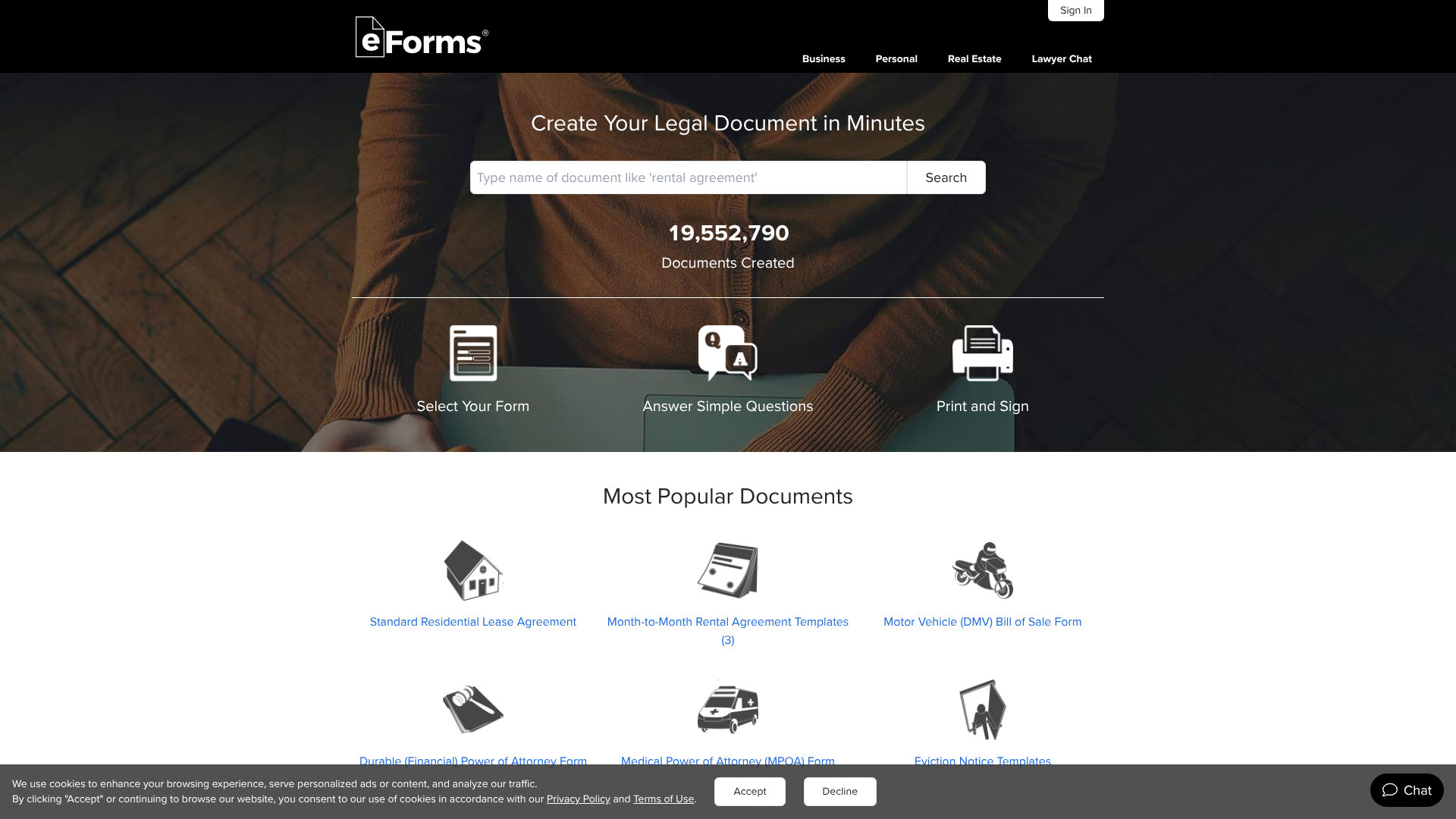
eForms is one of the most popular resources for free legal documents, and for good reason. It offers a wide selection of free loan templates, covering everything from simple personal loans and family loans to more specific agreements like vehicle loans. Each template is available to download in both Microsoft Word and PDF formats, making them easy to access and edit.
The strength of eForms lies in its variety. You can browse different options and find a starting point that most closely matches your needs. The templates are generally well-structured and include the most common clauses. This makes eForms an excellent choice for straightforward, low-risk lending scenarios where a basic, no-cost solution is all that's required.
Pros
- Wide Selection: Offers numerous templates for different types of loans.
- Multiple Formats: Available in both Word for easy editing and PDF for universal access.
- Completely Free: No cost to download and use the templates.
Cons
- Generic Nature: The templates are not tailored to specific UK jurisdictions and may require modification.
- No Legal Guidance: You are on your own to ensure the document is suitable and legally compliant.
3. LawDepot: Best for User-Friendly Template Creation
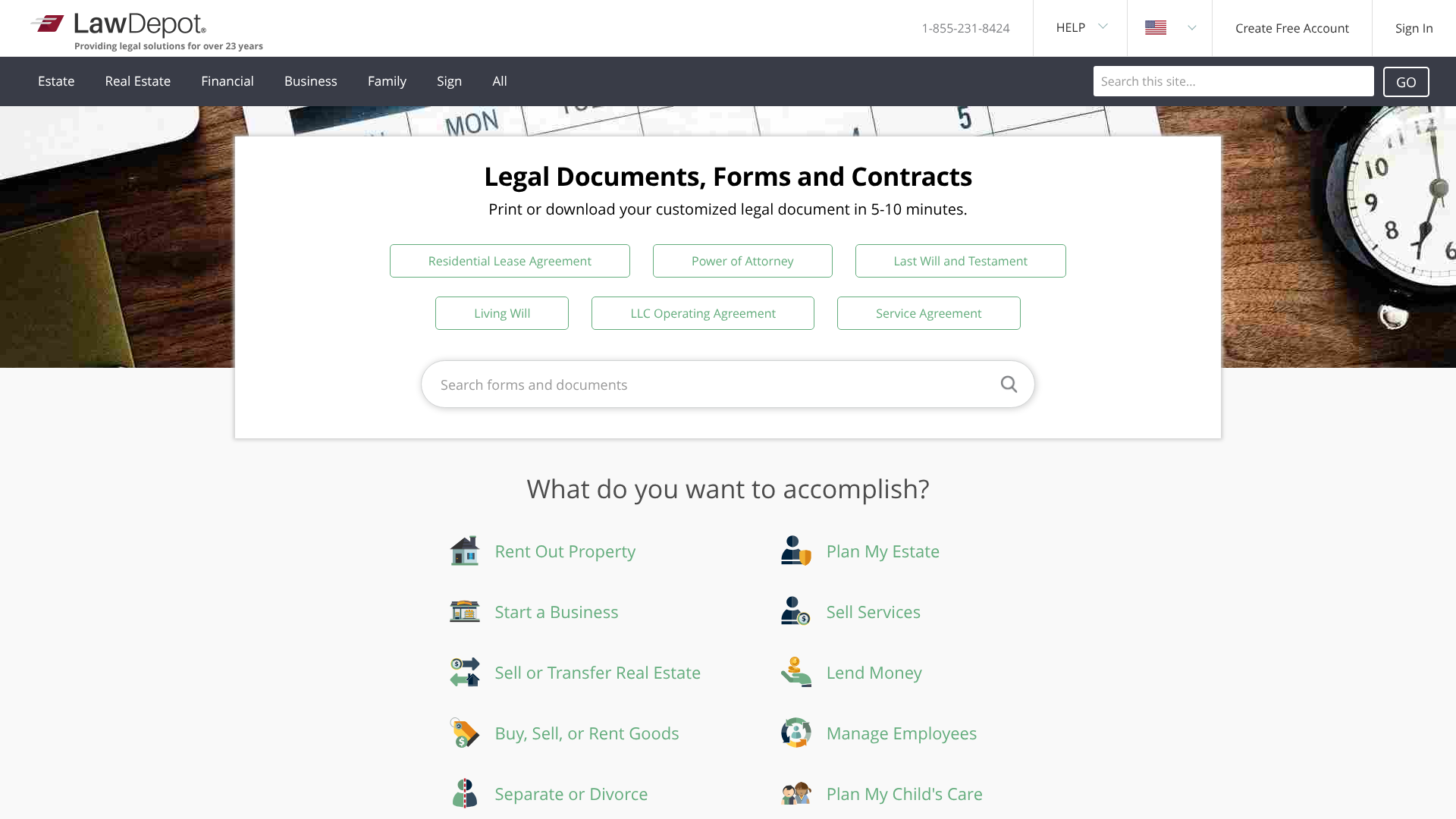
LawDepot operates on a similar model to LegalContracts, offering a guided, step-by-step process to build your loan agreement. It asks you a series of questions about your loan and constructs a customised document based on your inputs. The interface is clean and very easy to navigate, making it a great option for those who are new to creating legal forms.
While LawDepot is a subscription service, it often offers a free trial period that allows you to create and download a document at no cost. This makes it a fantastic way to generate a high-quality, customised loan agreement for free, provided you remember to cancel the trial if you don't wish to continue. It strikes a good balance between the customisation of a paid service and the accessibility of a free one.
Pros
- Guided Process: The question-and-answer format simplifies the creation of the document.
- Customised Output: Produces a document tailored to your specific loan terms.
- Free Trial Available: You can often create your document for free during a trial period.
Cons
- Subscription Model: Requires signing up for a trial, which converts to a paid subscription if not cancelled.
- Upselling: You may encounter prompts to purchase additional services.
4. DocuSign: Best for Integrated E-Signatures
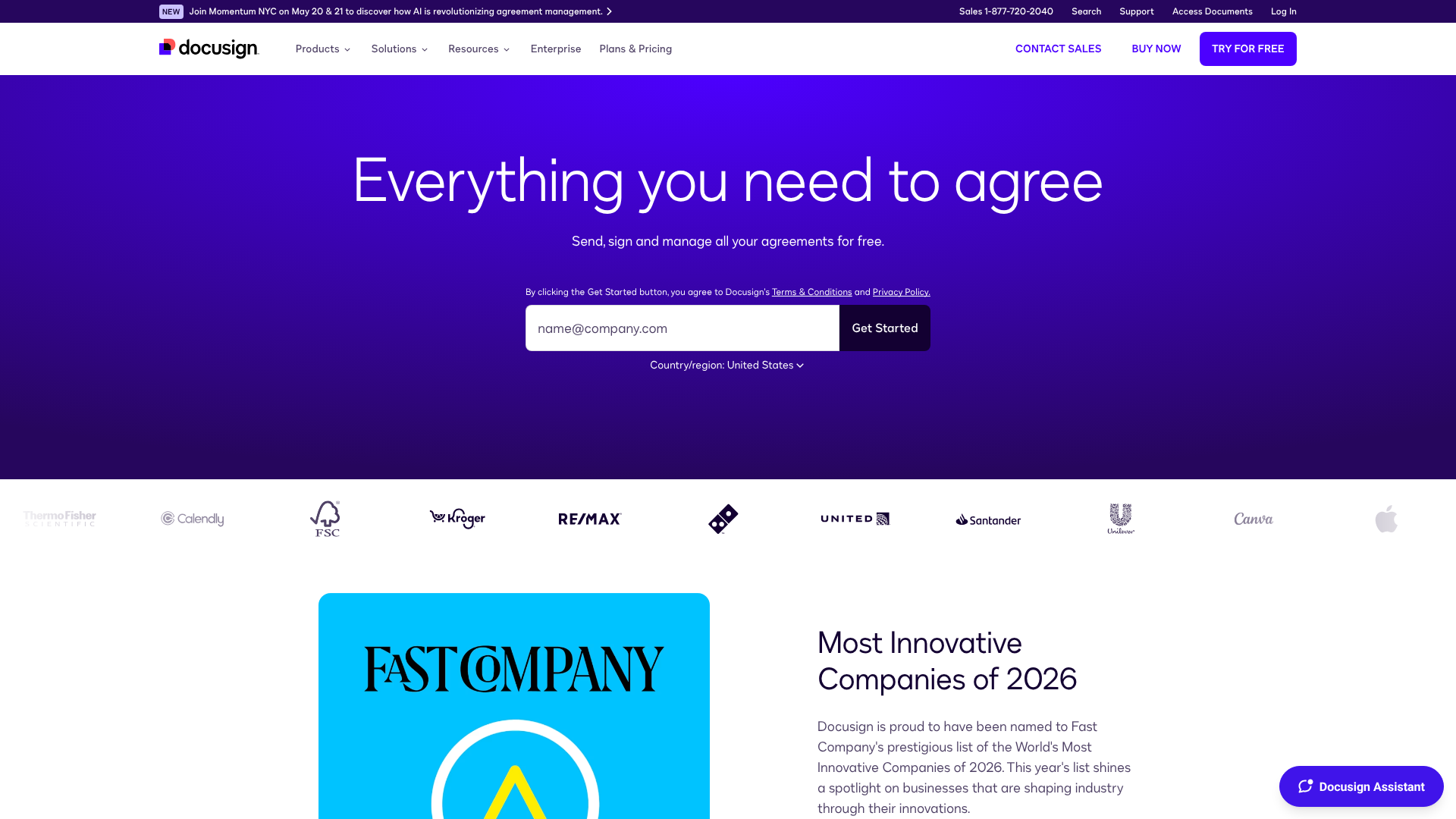
DocuSign is a household name for electronic signatures, but it also provides a free, basic loan agreement template. The template itself is quite simple and best suited for very straightforward personal loans. Its real advantage, however, lies in its seamless integration with DocuSign's e-signature platform.
If your primary goal is to create a simple agreement and have it signed digitally in a secure and verifiable way, this is an excellent choice. You can fill out the template and then send it to the borrower for their electronic signature, creating a legally binding digital record of the agreement. This is particularly useful when the lender and borrower are not in the same physical location.
Pros
- E-Signature Integration: Natively works with one of the most trusted e-signature platforms.
- Secure and Verifiable: Provides a clear audit trail for when the document was signed.
- Simple and Free: The template is easy to use and costs nothing.
Cons
- Very Basic Template: Lacks clauses for more complex scenarios like collateral or detailed default terms.
- Platform-Focused: The main value is tied to using the DocuSign platform for signing.
5. UK Government Website (gov.uk): Best for Official Guidance
While the official UK Government website, gov.uk, does not offer a downloadable loan agreement template, it is an indispensable resource that should be used alongside any template you choose. It provides authoritative guidance on the legalities of lending money, tax implications, and consumer credit regulations. For example, you can find information on the legal limits for interest rates and your obligations as a lender.
Before you download loan agreements from any source, it's highly recommended to review the relevant pages on gov.uk. This will help you understand the legal framework you are operating within and ensure the clauses in your chosen template are compliant. Using this official resource adds a layer of authority and diligence to your process.
Pros
- Authoritative Information: Provides legally accurate guidance directly from the government.
- Covers Legal Requirements: Explains tax implications and regulatory rules you must follow.
- Completely Free: A trusted source of information at no cost.
Cons
- No Template Provided: It is a source of information and guidance only, not a fillable document.
Cost Comparison: Are "Free" Templates Truly Free?

The appeal of a "free" template is obvious—it costs no money upfront. However, the true cost of a document is not just its price tag. When you opt for a free, generic template, you are often paying in other ways, such as with your time, effort, and potentially, your legal security. It's important to understand the hidden costs to make an informed decision.
| Feature | Free Downloadable Template | Guided Legal Service (e.g., LegalContracts) |
|---|---|---|
| Upfront Cost | £0 | Small one-time fee or subscription |
| Time & Effort | High (Requires manual editing and legal review) | Low (Guided process takes minutes) |
| Legal Compliance | Not guaranteed; may be outdated or generic | High (Tailored to local laws) |
| Customisation | Limited to your own knowledge | High (Builds document based on your needs) |
| Risk of Errors | High | Low |
| Peace of Mind | Low to Moderate | High |
As the table shows, a free template requires a significant investment of your time to find, edit, and verify. You bear the full responsibility for ensuring it is legally sound. A small error or an omitted clause could render the agreement unenforceable, costing you the entire loan amount. In contrast, a paid service is an investment in expertise and convenience.
For a small fee, you get a customised, compliant document and the confidence that comes with it.
Pros and Cons of Using Free Loan Agreement Forms
Using loan agreement forms free of charge can be a practical solution in many cases, but it's not without its drawbacks. Weighing the advantages against the potential risks is essential before you commit to using one for your financial arrangement.
The Advantages
- No Financial Outlay: The most significant benefit is that they are completely free. This is especially appealing for small, informal loans where paying for legal services would be disproportionate to the amount being lent.
- Immediate Accessibility: You can find and download a template in minutes. This speed is a major advantage when you need to formalise an agreement quickly without waiting for a solicitor's appointment.
- Simplicity: For straightforward loans between parties who trust each other, a basic template often contains all the necessary elements to create a clear and understandable contract.
The Disadvantages and Risks
- Lack of Legal Compliance: Many free templates are generic and may not comply with the specific laws of the UK. An unenforceable contract is as bad as having no contract at all.
- Overly Simplistic: A generic template might miss crucial clauses needed for your specific situation, such as detailed terms for collateral, guarantors, or specific default consequences.
- No Support or Guidance: When you download a free file, you're on your own. There is no one to ask if you're filling it out correctly or if a particular clause is appropriate for your loan.
- Risk of Being Outdated: Laws change, and a free template sitting on a website for years may not reflect current legal standards or best practices, creating potential loopholes.
Pro Tip: If you use a free template, consider having it briefly reviewed by a legal professional. The small cost for a review can provide valuable peace of mind and is still much cheaper than drafting a document from scratch.
Frequently Asked Questions (FAQ)
Is a loan agreement legally binding?
Yes, a loan agreement can be a legally binding contract, provided it includes the essential elements of a valid contract: offer and acceptance, consideration (the loan amount), an intention to create legal relations, and certainty of terms. For it to be enforceable, both parties must sign it.
A written, signed agreement provides strong evidence of the loan and its terms, making it much easier to enforce in court compared to a verbal agreement. Ensuring all details are clear and unambiguous is crucial for its legal standing.
Can I write my own loan agreement?
Legally, yes, you can write your own loan agreement without a solicitor. However, there are significant risks involved if you don't have a legal background. You might unintentionally use ambiguous language or omit critical clauses that are necessary to protect your interests.
Using a well-vetted template is a much safer approach than starting from a completely blank page. A template provides a structured framework that covers the standard legal requirements, reducing the risk of critical errors.
What happens if the borrower defaults on the loan?
If a borrower defaults, the loan agreement dictates the lender's next steps. Typically, the first step is to send a formal written notice to the borrower, referencing the default clause in the agreement and demanding payment. The agreement may allow for the application of late fees or penalty interest.
If the borrower still fails to pay, the lender may have the right to demand the entire remaining loan balance immediately (an acceleration clause). The final resort is legal action, where the lender can take the borrower to court to obtain a judgment. If the loan was secured with collateral, the lender could also begin proceedings to seize that asset.
Do I need a witness to sign a loan agreement?
In the UK, most simple contracts, including many loan agreements, do not legally require a witness to be valid. However, having a witness sign the document is highly recommended. A witness's signature provides independent verification that the signatures of the lender and borrower are genuine and that they were not signed under duress.
This adds a significant layer of security and makes the agreement much harder to challenge in court. The witness should be an independent third party who is not a beneficiary of the agreement.
How much interest can I legally charge in the UK?
For informal personal loans between individuals, there is no specific legal cap on the interest rate you can charge. However, the rate must be fair and not 'extortionate'. If a dispute ends up in court, a judge could rule that an excessively high interest rate is unenforceable under consumer protection principles.
For businesses that lend money, regulations are much stricter under the Financial Conduct Authority (FCA). As a general rule for personal loans, it's wise to keep interest rates reasonable and comparable to those offered by mainstream lenders to ensure your agreement is seen as fair.
Final Thoughts: Securing Your Loan with Confidence
Formalising a loan, no matter how small or informal, is a critical step in protecting your finances and your relationships. A well-constructed loan agreement serves as a clear roadmap for the entire lending process, ensuring both parties are on the same page and minimising the potential for future conflict. It transforms a casual promise into a concrete, enforceable commitment.
While the accessibility of loan agreement templates free online offers a fantastic starting point for simple arrangements, it's crucial to understand their limitations. For loans that involve significant sums of money, complex terms, or business assets, the risks associated with a generic template often outweigh the initial cost savings. In these cases, investing in a guided, legally compliant service is a wise decision.
Ultimately, the goal is to create a document that provides security and clarity for everyone. For straightforward loans, a carefully selected free template may be all you need. For anything more substantial, a customisable service like LegalContracts offers an affordable way to gain professional-grade protection and invaluable peace of mind.