


Top 7 Free Loan Agreement Templates for Personal & Business Use
Whether you're lending money to a friend, providing a startup loan to a family member, or formalising a business transaction, a clear agreement is essential. Without one, you risk misunderstandings, financial loss, and damaged relationships. Using free loan agreement templates is a practical way to create a legally sound document without the high cost of a solicitor. These templates provide a solid framework, ensuring all critical terms are clearly defined and agreed upon by both parties.
- Quick Summary
- What Exactly is a Loan Agreement Template?
- The Core Components of a Solid Loan Contract Sample
- Key Benefits of Using Free Loan Templates
- How to Choose the Right Free Loan Agreement Template
- Assess Your Loan's Complexity
- Check for Jurisdiction Specifics
- Look for Customisation Options
- Verify the Source's Credibility
- Top 7 Sources for Free & Paid Loan Agreement Templates in 2026
- 1. LegalContracts: Best for Customisable, Legally-Vetted Agreements
- 2. LawDepot: Excellent for User-Friendly Document Creation
- 3. eForms: Great for a Wide Variety of Free Templates
- 4. DocuSign: Best for Integrated E-Signatures
- 5. UK Government Website (gov.uk): For Official Guidance
- 6. Rocket Lawyer: Good for Ongoing Legal Support
- 7. Template.net: A Massive Library of General Templates
- Understanding the Costs: Free vs. Paid Loan Contract Samples
- Pros and Cons of Using Pre-Made Loan Agreement Templates
- Frequently Asked Questions (FAQ)
- Can I write my own loan agreement?
- How do I write a simple loan agreement?
- Is a handwritten loan agreement legally binding?
- What are the most common mistakes to avoid in loan agreements?
- What's the difference between a loan agreement and a promissory note?
- Final Thoughts: Securing Your Financial Arrangements
This guide breaks down the best sources for reliable loan templates, explains the crucial elements every agreement must contain, and helps you choose the right option for your specific situation. We'll cover everything from simple personal loans to more detailed business arrangements, giving you the confidence to formalise your financial agreements properly.
Quick Summary
- A Loan Agreement is Essential: It's a legally binding contract that protects both the lender and the borrower by clearly outlining the terms of the loan, preventing disputes and confusion.
- Templates Save Time and Money: Using a pre-made loan agreement template avoids the need to draft a legal document from scratch and can save you hundreds or even thousands in solicitor's fees.
- Key Elements are Non-Negotiable: Every valid loan agreement must include the names of the parties, the principal loan amount, the interest rate, a detailed repayment schedule, and clauses for what happens in case of default.
- Choose a Template for Your Jurisdiction: Legal requirements vary by location. Always use a template that is compliant with the laws of your country or region, such as England and Wales in the UK.
- Online Builders Offer Customisation: Services like LegalContracts provide a step-by-step process to create a customised agreement tailored to your specific needs, offering more security than a generic downloadable file.
What Exactly is a Loan Agreement Template?
A loan agreement template is a pre-formatted document that serves as a starting point for creating a formal loan contract. Think of it as a blueprint that contains all the standard legal language, clauses, and structural elements necessary to make a loan arrangement enforceable and clear. Its primary purpose is to formalise the lending process, transforming a casual promise into a binding commitment.
By putting the terms in writing, the document protects both the lender and the borrower. For the lender, it provides a legal recourse if the borrower fails to repay the loan as agreed. For the borrower, it ensures the lender cannot arbitrarily change the terms, such as increasing the interest rate or demanding early repayment without cause. This clarity is crucial for preventing misunderstandings that can strain personal or professional relationships.
It's also important to distinguish between a loan agreement and a promissory note, as people often search for both. A promissory note is generally a simpler document; it's a written promise from a borrower to pay a specific amount of money to a lender by a certain date. A loan agreement is more comprehensive. It includes all the details of a promissory note but also outlines the lender's and borrower's responsibilities, including what happens during default, any collateral pledged, and the legal jurisdiction governing the contract.
For anything beyond the simplest of loans, a full loan agreement is the safer choice.
The Core Components of a Solid Loan Contract Sample

A well-drafted loan agreement is built on several key components that leave no room for ambiguity. When you're reviewing different loan contract samples, make sure they include these essential sections. Omitting any of them can weaken the document's enforceability and lead to disputes later on.
Parties Involved
This is the most basic part of the contract. It must clearly identify the lender and the borrower using their full legal names and current addresses. For a business loan, this would include the registered business name and address. Accurate identification is critical for legal enforcement if one party needs to take action against the other.
Principal Loan Amount & Interest
The agreement must state the exact amount of money being loaned, known as the principal. Alongside this, it should specify the interest rate, usually expressed as an Annual Percentage Rate (APR). The contract should also clarify how interest is calculated—whether it's simple interest (calculated only on the principal) or compound interest (calculated on the principal plus accrued interest). This section prevents any disagreement over the total amount owed.
Repayment Schedule
This section details exactly how and when the loan will be repaid. It should be specific, outlining the payment frequency (e.g., monthly, quarterly), the amount of each payment, the date the first payment is due, and the final date by which the loan must be fully repaid. Common repayment structures include regular instalments or a single lump-sum payment on a specific date. A clear schedule helps the borrower budget and ensures the lender knows when to expect payments.
Default Clauses
What happens if the borrower can't pay? This is what the default clauses cover. This section outlines the consequences of late or missed payments, such as late fees or an increased interest rate. It should also specify what constitutes a full default (e.g., missing three consecutive payments) and the lender's rights in that event, which could include demanding full repayment immediately or seizing any collateral that was pledged.
Governing Law
This clause specifies which country's or region's laws will be used to interpret and enforce the agreement. For example, a loan between two parties in England would state that it is governed by the laws of England and Wales. This is a crucial detail, as contract law can differ significantly between jurisdictions, and it determines which courts would handle any legal disputes.
Key Benefits of Using Free Loan Templates

Opting for a free loan template might seem like a simple cost-cutting measure, but the benefits extend far beyond just saving money. These tools offer a blend of efficiency, clarity, and security that makes them a valuable resource for anyone entering into a lending arrangement. They democratise the process of creating a formal contract, making it accessible to individuals and small businesses alike.
First and foremost, they are incredibly cost-effective. Engaging a solicitor to draft a custom loan agreement can cost anywhere from a few hundred to several thousand pounds, depending on its complexity. For straightforward personal or small business loans, this expense can be prohibitive. A template provides a legally sound structure without the associated professional fees.
Second, they are a significant time-saver. Drafting a legal document from scratch is a daunting task that requires careful research and precise language. A template provides a ready-made framework, allowing you to simply fill in the specific details of your loan. This can reduce the time it takes to finalise an agreement from days or weeks to just a matter of minutes.
Furthermore, good templates ensure comprehensive coverage. When you're not a legal expert, it's easy to overlook important clauses, such as what happens in a default scenario or which jurisdiction's laws apply. Reputable loan agreement templates are often designed by legal professionals and include the necessary sections to create a robust and enforceable contract, protecting you from common pitfalls.
Finally, using a template brings clarity and helps prevent future disputes. Verbal agreements are notoriously unreliable and prone to misinterpretation. By putting everything in writing—the loan amount, repayment schedule, and interest rate—both parties have a clear reference point. This written record minimises ambiguity and provides a formal, professional foundation for the loan, which can be vital for preserving relationships.
How to Choose the Right Free Loan Agreement Template
With countless options available online, selecting the right free loan agreement template can feel overwhelming. Not all templates are created equal, and choosing a poor one could leave you with a document that isn't legally enforceable. To make the right choice, you need to evaluate each option based on a few key criteria.
Assess Your Loan's Complexity
First, consider the nature of your loan. Are you lending a friend £500 to be paid back in a month. A simple, one-page template will likely suffice. However, if you're providing a £20,000 business loan with interest, collateral, and a multi-year repayment plan, you'll need a much more detailed and robust template.
The complexity of the agreement should match the complexity and risk of the loan itself.
Check for Jurisdiction Specifics
This is one of the most critical factors. A template designed for use in the United States will not be suitable for a loan made in the United Kingdom, as contract laws differ. Look for templates that are explicitly designed for your jurisdiction (e.g., England and Wales, or Scotland). Using a document that doesn't comply with local laws could render it completely invalid.
Look for Customisation Options
A good template should be a starting point, not a rigid, unchangeable document. You should be able to easily edit key details like the loan amount, interest rates, payment dates, and instalment amounts. The best sources for templates, particularly online document builders, allow you to add or remove clauses to tailor the agreement to your unique situation.
Verify the Source's Credibility
Where did you find the template. Is it from a reputable legal technology company, a government website, or a random, anonymous blog. Always opt for templates from credible sources. Reputable providers have a vested interest in ensuring their documents are accurate and up-to-date.
A template from an unverified source could be outdated or contain errors that compromise its legal standing.
Pro Tip: Before finalising any agreement involving a significant amount of money, consider having it briefly reviewed by a legal professional, even if you used a template. Many online legal services offer affordable document reviews that can provide valuable peace of mind.
Top 7 Sources for Free & Paid Loan Agreement Templates in 2026
Navigating the world of online legal documents can be tricky. To help, we've compiled a list of the top sources for reliable loan agreement templates. This list includes a mix of free downloadable files and user-friendly document builders that guide you through the creation process.
1. LegalContracts: Best for Customisable, Legally-Vetted Agreements
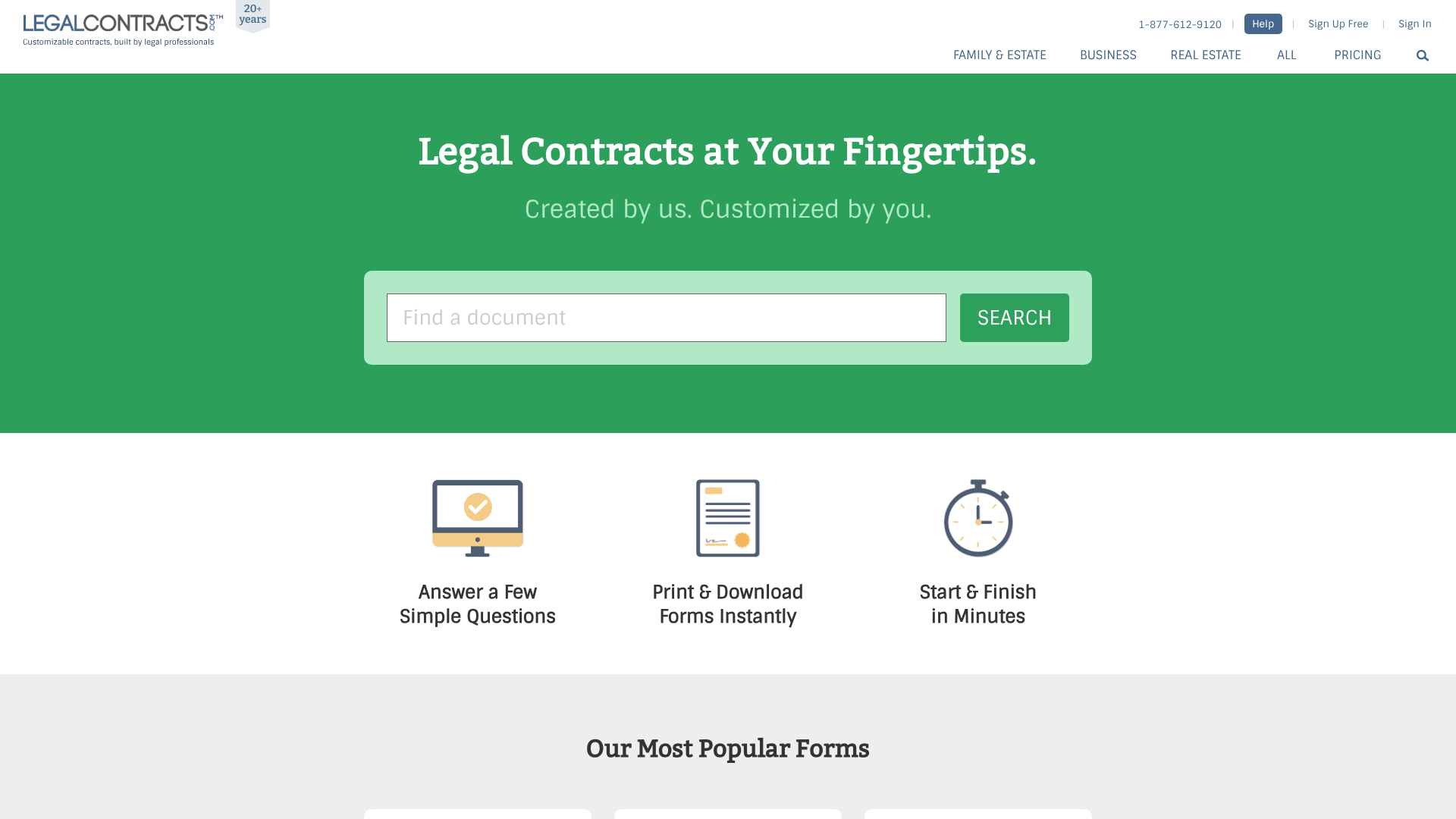
LegalContracts isn't just a source for static templates; it's an intelligent document builder. The platform guides you through a series of questions about your loan, and your answers are used to generate a customised loan agreement tailored to your specific needs and jurisdiction. This approach helps ensure you don't miss any critical details.
Pros:
- The step-by-step questionnaire makes the process simple and ensures all necessary information is included.
- Documents are designed to be legally compliant with local laws in the UK, US, Canada, and Australia.
- It covers a wide range of scenarios, including secured loans, unsecured loans, and various repayment options.
Cons:
- While you can build the document for free to see how it works, you typically need to sign up for a free trial or subscription to download and print the final version.
If you need a reliable and customisable document, creating your loan agreement with LegalContracts is a great place to start.
2. LawDepot: Excellent for User-Friendly Document Creation
LawDepot is another major player in the online legal document space and operates very similarly to LegalContracts. Its platform is known for its clean interface and straightforward, easy-to-follow process. It asks you simple questions and builds the loan agreement based on your responses, providing helpful explanations along the way.
Pros:
- Extremely user-friendly, making it great for those with no legal experience.
- Offers a wide variety of legal documents beyond just loan agreements.
- Provides a free trial that allows you to create and download your document.
Cons:
- It's a subscription-based service, so you'll need to remember to cancel the trial if you don't want to be charged.
3. eForms: Great for a Wide Variety of Free Templates
For those looking for a truly free, downloadable template, eForms is one of the most comprehensive resources available. The site offers a massive library of legal forms, including numerous variations of loan agreements for different situations (personal, business, vehicle, etc.). The templates are available in PDF and Word formats, making them easy to edit.
Pros:
- Offers genuinely free templates that you can download without a subscription.
- Provides templates specific to different jurisdictions.
- Huge selection of different types of loan agreements.
Cons:
- As it's a static template, it offers less guidance than a document builder. You need to be confident in filling it out correctly.
4. DocuSign: Best for Integrated E-Signatures
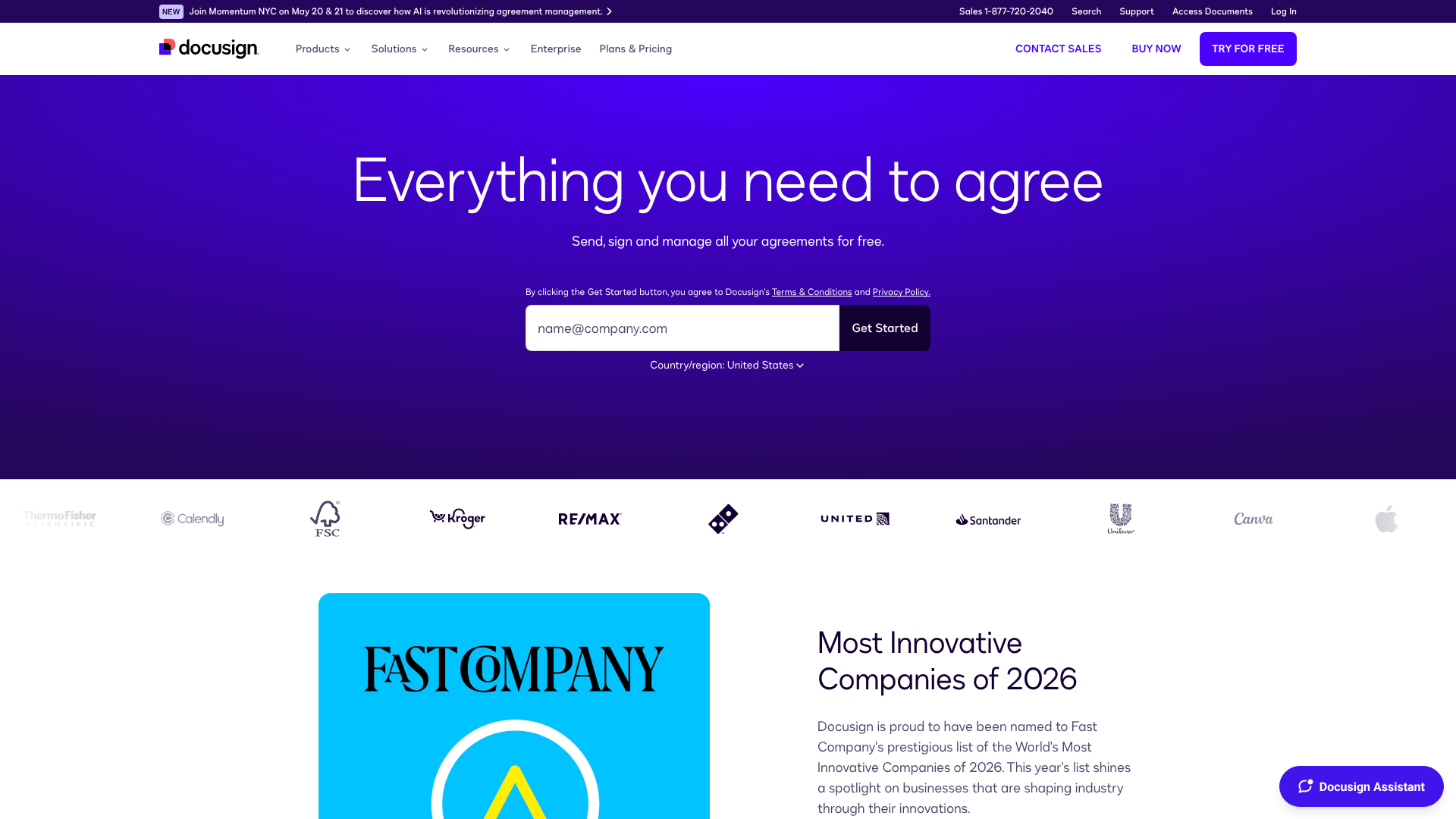
DocuSign is famous for its e-signature platform, but it also provides a collection of basic document templates, including a loan agreement. The main advantage of using DocuSign is the seamless integration of its powerful and legally recognised e-signature technology. You can create the agreement and send it for signing within the same platform.
Pros:
- Industry-leading e-signature functionality is built-in.
- Provides a secure and organised way to manage signed documents.
- Offers a free trial to test the platform.
Cons:
- The loan agreement template itself is quite basic compared to specialised services.
5. UK Government Website (gov.uk): For Official Guidance
For UK-based users, particularly for business loans, the official government website is an authoritative source of information. While it may not always provide a direct downloadable template for personal loans, it offers invaluable guidance and sometimes provides templates related to specific government-backed lending schemes, like the Start Up Loans programme.
Pros:
- Highly credible and trustworthy information.
- Completely free to access.
- Provides official guidance on the legal requirements for financial agreements in the UK.
Cons:
- The resources are often geared towards businesses and may not be suitable for simple personal loans.
6. Rocket Lawyer: Good for Ongoing Legal Support
Rocket Lawyer offers a service model that combines document creation with access to legal professionals. You can create a loan agreement using their builder, and if you have questions, you can ask a lawyer through their platform. This is ideal for situations that are slightly more complex than a standard loan.
Pros:
- The ability to get legal advice on your document is a major advantage.
- Offers a comprehensive suite of legal services for individuals and businesses.
- A free trial is available for new users.
Cons:
- It is primarily a subscription service, making it one of the more expensive options if you need ongoing support.
7. Template.net: A Massive Library of General Templates
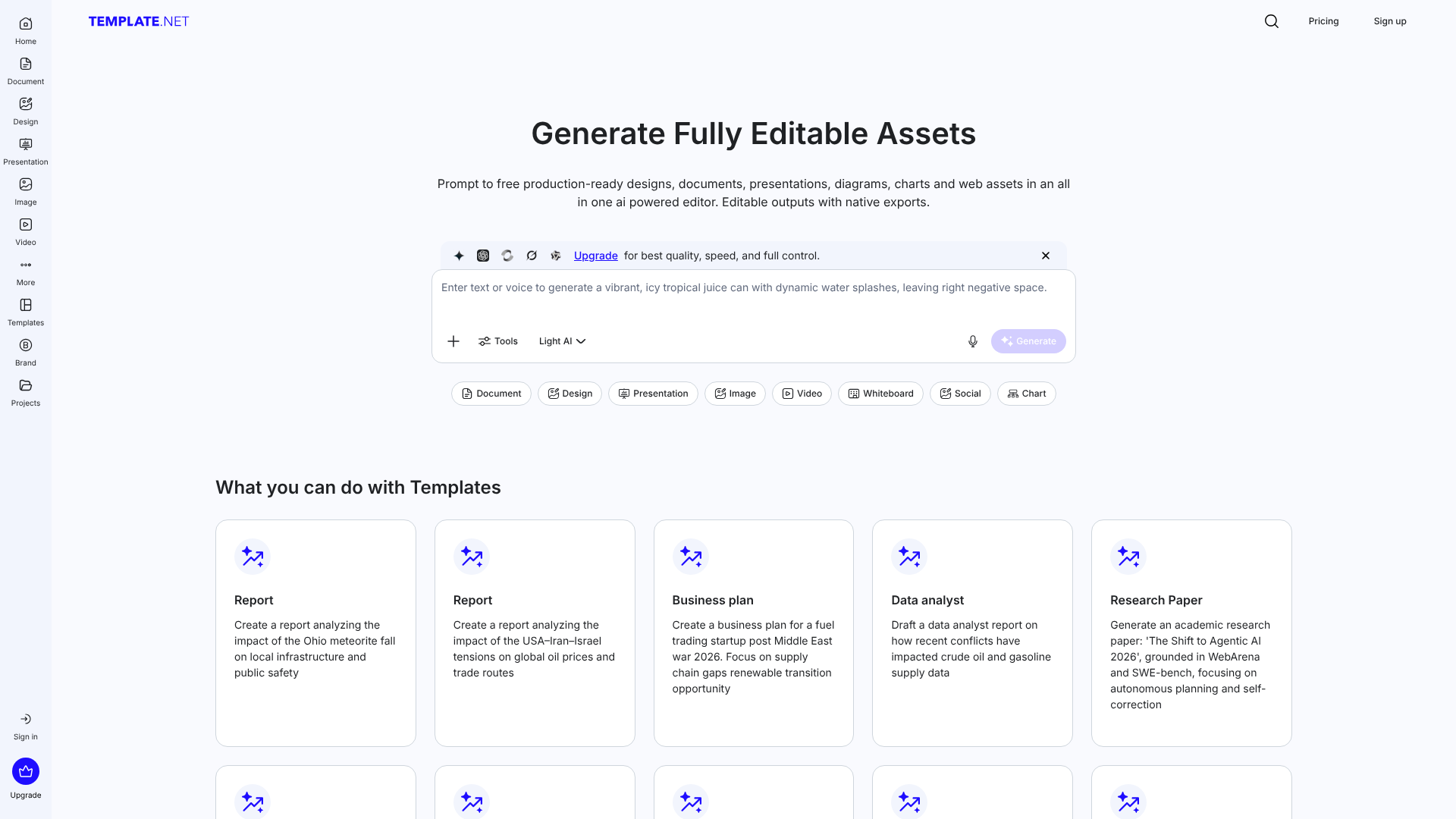
Template.net is a vast repository of templates for almost any purpose imaginable, including loan agreements. You can find a wide variety of styles and formats, some of which are more visually appealing than standard legal forms. This can be useful for less formal, but still documented, arrangements.
Pros:
- A huge selection of templates with different designs.
- Many templates are free to download.
Cons:
- The quality and legal validity can be inconsistent, as not all templates are created by legal experts. It's best used for very simple, low-risk loans.
Understanding the Costs: Free vs. Paid Loan Contract Samples
The term "free" can mean different things online, and it's important to understand the distinction when choosing a loan contract sample. The right choice often depends on the level of risk involved in your loan and your comfort with legal documents.
What "Free" Really Means
There are generally three categories of "free" templates:
Truly Free Downloads: These are typically Word or PDF files that you can download, edit, and use without any cost or subscription. Websites like eForms or non-profit legal resource sites offer these. They are great for simple, straightforward loans where you feel confident filling in the blanks yourself.
Freemium / Free Trial Models: This is the approach used by services like LegalContracts and LawDepot. You can use their powerful document builder to create a customised, jurisdiction-specific agreement for free. However, to download, print, or share the final document, you usually need to sign up for a free trial, which requires payment details and will convert to a paid subscription if not cancelled.
Open Source / Educational: Some universities or legal aid organisations provide free templates for educational and public service purposes. These are often high-quality but may be very generic and require careful adaptation to your specific situation.
When Is It Worth Paying?
While a free downloadable template is fine for low-stakes loans, there are several scenarios where paying for a premium service or even hiring a solicitor is a wise investment:
- Large Loan Amounts: If you are lending or borrowing a substantial sum of money, the small cost of a professional document is cheap insurance. * Complex Business Loans: Business loans often involve more complex terms, collateral, and covenants. A paid service can handle this complexity better. * Collateral is Involved: When property or other assets are used to secure the loan, the agreement needs specific legal language to be enforceable.
This is where document builders excel. * You Need Peace of Mind: If you are at all unsure about the process, paying a small fee for a guided service that ensures legal compliance is well worth the cost.
Cost Comparison Table
| Service Type | Typical Cost | Best For |
|---|---|---|
| Free Downloadable Template | £0 | Simple, low-risk personal loans between trusted parties. |
| Online Document Builder (Trial/Subscription) | £10 – £40/month | Customised, jurisdiction-specific agreements for moderate-value loans. |
| Solicitor-Drafted Agreement | £200 – £1000+ | High-value, complex, or high-risk loans requiring legal advice. |
Pros and Cons of Using Pre-Made Loan Agreement Templates
Using a pre-made template is an incredibly useful shortcut, but it's important to have a balanced view of its advantages and potential drawbacks. Understanding both sides will help you decide when a template is the right tool for the job and when you might need professional legal help.
The Advantages (Pros)
- Accessibility: Anyone with an internet connection can find and use a loan agreement template. This removes the barrier of high legal costs and makes it possible for anyone to formalise a loan.
- Speed: You can generate a comprehensive legal document in minutes, rather than waiting days or weeks for a solicitor to draft one for you. This is ideal when time is a factor.
- Structure: Templates provide a solid, logical framework. They ensure you include all the necessary sections in the right order, preventing you from forgetting crucial elements like default clauses or governing law.
- Cost Savings: This is the most significant benefit. For simple loans, using a free or low-cost template can save you hundreds of pounds in legal fees, making the lending process more financially viable.
The Disadvantages (Cons)
- Lack of Customisation: A generic, one-size-fits-all template may not adequately address the unique circumstances of your loan. If your agreement has special conditions, a static template might not accommodate them.
- Not a Substitute for Legal Advice: A template is a tool, not a service. It cannot analyse your specific situation, identify potential risks, or offer legal counsel. It simply fills in the blanks based on the information you provide.
- Risk of Invalidity: If you source a template from a non-reputable website, it could be outdated, contain legal errors, or be non-compliant with current laws, potentially rendering it unenforceable.
- Jurisdictional Issues: Using a template designed for another country is a common and critical mistake. Legal terminology and requirements can vary dramatically, and a US-centric template will likely be invalid in the UK.
Frequently Asked Questions (FAQ)
Here are answers to some of the most common questions people have about creating loan agreements.
Can I write my own loan agreement?
Yes, you absolutely can write your own loan agreement. For a contract to be legally binding, it generally needs to contain key elements: an offer, acceptance, consideration (the loan amount), and an intention to create legal relations, all signed by the involved parties. As long as your self-written document includes these, it can be enforceable.
However, the risk is that you might unintentionally omit crucial legal language or clauses that protect you. This is why using a well-vetted loan agreement template is a much safer approach. It provides a professionally structured document, ensuring you cover all the necessary bases without needing a law degree.
How do I write a simple loan agreement?
To write a simple loan agreement, start with a basic template to ensure you have the right structure. Clearly title the document "Loan Agreement". Then, include the following essential information: the full names and addresses of the lender and borrower, the exact principal amount of the loan, the date of the loan, the interest rate (if any), and a clear repayment plan.
The repayment plan should specify the amount of each payment, the due dates, and the final payoff date. Finally, include a space at the bottom for both parties to sign and date the document. For a "friendly loan," keep the language clear and straightforward, but don't skip these fundamental components.
Is a handwritten loan agreement legally binding?
In the UK, a handwritten agreement can be just as legally binding as a typed one, provided it meets all the requirements of a valid contract. The terms must be clear, and it must be signed and dated by both the lender and the borrower. The key is proving that both parties agreed to the terms and intended for it to be a binding agreement.
That said, a typed document is always preferable. It is easier to read, which prevents disputes over what a particular word or number says. A typed and professionally formatted agreement also carries more psychological weight and is easier to present as evidence in court if necessary.
What are the most common mistakes to avoid in loan agreements?
The most common mistakes often stem from a lack of detail. These include having vague or undefined repayment terms (e.g., "pay me back when you can"), forgetting to state the interest rate or how it's calculated, and failing to include consequences for late payments (late fees). Another major error is not specifying the governing law, which can create huge complications if a dispute arises between parties in different locations.
Finally, the simplest mistake can be the most damaging: forgetting to have all parties sign and date the document. An unsigned agreement is just a piece of paper with no legal power.
What's the difference between a loan agreement and a promissory note?
A promissory note is a straightforward, one-way promise to pay. It's a document signed by the borrower that states they promise to pay back a specific sum of money to the lender by a certain date. It's simpler and contains fewer details.
A loan agreement is a more comprehensive, two-way contract that outlines the rights and obligations of both the lender and the borrower. It includes all the information of a promissory note but adds detailed clauses about things like default, collateral, legal recourse, and warranties from both parties. For any loan that isn't extremely simple and low-risk, a loan agreement offers far greater protection.
Final Thoughts: Securing Your Financial Arrangements
Formalising a loan with a written agreement is one of the smartest financial decisions you can make, whether you're dealing with a business partner, a friend, or a family member. It replaces ambiguity with clarity, sets clear expectations, and provides a legal framework that protects everyone involved. It is not a sign of mistrust; rather, it is a mark of respect and responsibility.
Using free loan agreement templates or affordable document builders makes this process accessible and straightforward. For simple, low-value loans between people you trust, a free downloadable template from a reputable source like eForms might be all you need. It provides the essential structure to get the terms down in writing.
However, for loans that involve larger sums of money, interest, or more complex repayment terms, the guided, jurisdiction-specific approach of a document builder is a superior choice. It ensures your agreement is not only comprehensive but also legally sound. If you want to create a robust, customised document with confidence, a service like LegalContracts offers an excellent and reliable solution to secure your financial arrangements.