




How to Follow Up on a Cold Email: A 7-Step Guide for Sales Pros
You've spent hours researching prospects, crafting the perfect personalised opening line, and hitting send on a cold email you’re proud of. Then, you get nothing but silence. It’s a common frustration in sales and outreach, but the story doesn’t end there. The most successful professionals know that the real opportunity often lies in the follow-up.
- What You'll Learn
- The Art of the Cold Email Follow-Up: Why It Matters More Than You Think
- The Core Benefits: Turning Silence into Opportunity
- Crafting Your Follow-Up Strategy: Timing, Frequency, and Tone
- The Step-by-Step Guide to Writing a Follow-Up That Gets Replies
- 1. Always Reply in the Same Thread
- 2. Use a Simple, Clear Subject Line
- 3. Provide Context with a Gentle Reminder
- 4. Add New, Tangible Value
- 5. Use a Soft, Clear Call-to-Action (CTA)
- 6. Keep It Incredibly Short
- 7. Know When to Stop
- Top Follow-Up Templates for Different Scenarios
- Template 1: The Value-Add Follow-Up (2-3 days later)
- Template 2: The Quick Question Follow-Up (4-5 days later)
- Template 3: The "Breakup" Email (5-7 days later)
- Automating Your Follow-Up: Tools to Scale Your Outreach
- The Pros and Cons of a Persistent Follow-Up Strategy
- FAQ: Answering Your Top Questions About Cold Email Follow-Ups
- What is the 30/30/50 rule for cold emails?
- When should you follow up on a cold email?
- How many times should I follow up on a cold email?
- How do you follow up on a cold email with no response?
- Is cold emailing illegal?
- How do you follow up without sounding desperate?
- Final Thoughts
Learning how to effectively follow up on a cold email is not about being pushy; it's about demonstrating professional persistence and delivering value until you connect with your prospect at the right time.
Many people give up after one unanswered email, assuming a lack of response means a lack of interest. This is a huge mistake. Your prospect's inbox is a battlefield of competing priorities. Your first email might have been missed, arrived at a bad time, or simply been put aside to deal with later.
A strategic cold email follow-up cuts through that noise, reminds them of your value proposition, and significantly increases your chances of starting a meaningful conversation.
This guide will walk you through a step-by-step process for mastering the follow-up. We'll cover everything from the ideal timing and frequency to proven templates and the automation tools that can put your outreach on autopilot, turning silence into your biggest source of new opportunities.
What You'll Learn
- Timing is Crucial: The first follow-up should typically be sent 2-3 days after the initial email to stay top-of-mind without being intrusive.
- Add Value, Don't Just 'Check In': Each follow-up message is an opportunity to provide a new piece of value, such as a relevant case study, a helpful article, or a quick insight.
- Keep It Short and In-Thread: Always reply in the same email thread for context. Your follow-up messages should be even shorter and more scannable than your first email.
- Know When to Stop: A well-crafted sequence includes a final "breakup" email that politely closes the loop, often prompting a response from those who were interested but busy.
- Automation is Your Ally: Using sales engagement platforms can help you manage follow-up sequences at scale, ensuring consistency and saving you hours of manual work.
The Art of the Cold Email Follow-Up: Why It Matters More Than You Think
A cold email follow up is a subsequent message sent to a prospect who hasn't responded to your initial outreach. It's a strategic touchpoint designed to gently remind them of your first email, provide additional value, and keep the conversation alive. It’s a common misconception that following up is annoying or desperate. When done correctly, it's the opposite: it’s a sign of professionalism, confidence in your solution, and respect for the prospect's busy schedule.
Think about it from the recipient's perspective. A single email is easy to ignore, delete, or forget. A study by Iko System found that while the first email gets an average 18% response rate, the fourth email in a sequence gets a 27% response rate. Persistence pays off.
Your initial email might not have captured their attention, but a follow-up might arrive just as they're thinking about the problem you solve.
Effective follow-ups are not just about sending more emails. They are about building a micro-narrative. Each message adds a new layer of context or value, helping the prospect understand your offer more clearly. It’s your chance to reframe your value proposition, share a different benefit, or offer a piece of social proof that might resonate more strongly than your first attempt.
The Core Benefits: Turning Silence into Opportunity
Implementing a structured strategy to follow up cold email sequences does more than just get you more replies; it builds a stronger foundation for your entire sales process. The benefits are tangible and can directly impact your pipeline and revenue.
First, it helps you cut through the noise. The average professional receives over 120 emails per day. It's statistically probable that your first email was simply buried. A polite follow-up bumps your message back to the top of the inbox, giving you a second chance to be seen.
This simple act of resurfacing your message can be the difference between being ignored and starting a conversation.
Second, it builds familiarity and trust. Seeing your name and company appear a few times in a non-aggressive, helpful way creates a sense of recognition. This is known as the mere-exposure effect; people tend to develop a preference for things merely because they are familiar with them. Each value-driven follow-up reinforces that you are a helpful expert, not just another random salesperson.
Finally, it allows you to catch prospects at the right time. The timing of your first email might have been off. The prospect could have been on holiday, in the middle of a major project, or simply not in the right headspace. A follow-up sequence that spans a couple of weeks increases the probability that one of your messages will land when the prospect's need is urgent and your solution is top-of-mind.
Crafting Your Follow-Up Strategy: Timing, Frequency, and Tone

Success doesn't come from randomly sending messages. It comes from a well-defined strategy that dictates when you send emails, how many you send, and the tone you use. This framework ensures you remain persistent without crossing the line into becoming a nuisance.
Ideal Timing and Frequency
The timing of your follow up cold email is critical. Sending it too soon can feel desperate, while waiting too long allows the prospect to forget your initial message completely. A proven cadence looks something like this:
- Follow-Up 1: 2-3 business days after the initial email.
- Follow-Up 2: 4-5 business days after the first follow-up.
- Follow-Up 3: 5-7 business days after the second follow-up.
This schedule is a solid starting point. It keeps you on their radar without overwhelming their inbox. The total number of follow-ups in a sequence should generally be between 3 and 5. Any more than that, and you risk diminishing returns and potential spam complaints.
The key is to test and see what works best for your specific industry and audience.
Maintaining the Right Tone
Your tone should always be helpful, professional, and low-pressure. Avoid guilt-tripping language like "I haven't heard back from you" or demanding phrases. Instead, adopt a collaborative and empathetic tone. Acknowledge that they are busy and frame your follow-up as an attempt to provide helpful information.
One of the most effective ways to end a sequence is with a "breakup email." This is a final, polite message that assumes they are not interested and lets them know you won't be contacting them again about this matter. It's a no-pressure way to close the loop, and paradoxically, its finality often triggers a response from prospects who were interested but hadn't found the time to reply.
The Step-by-Step Guide to Writing a Follow-Up That Gets Replies
Now let's get into the practical steps of creating a follow-up that works. Each component plays a role in getting your email opened, read, and acted upon. Following this structure will make your outreach more effective and professional.
1. Always Reply in the Same Thread
This is a non-negotiable rule. Replying to your previous message keeps the entire conversation in one thread. This provides immediate context for the prospect; they can simply scroll down to see your original email without having to search their inbox. It makes their life easier, which is always a good thing.
2. Use a Simple, Clear Subject Line
Since you're replying in the same thread, the original subject line will appear with a "Re:" prefix. This is usually sufficient. If you want to add something, keep it simple. For example, "Re: [Original Subject] – Quick question" can work, but often, no change is needed.
3. Provide Context with a Gentle Reminder
Start your email with a brief, friendly reminder of why you're reaching out. Don't make them guess. A simple opening like, "Hi [Name], just wanted to quickly follow up on my email from last week about [topic]" is perfect. It's direct, polite, and immediately orients them.
4. Add New, Tangible Value
This is the most important step. Never send a follow-up that just says "just checking in" or "bumping this up." That adds no value and is purely self-serving. Each message should offer something new. Here are some ideas:
- Share a Case Study: "I thought you might find this case study on how we helped [Similar Company] achieve [Result] interesting."
- Provide a Helpful Resource: "Here’s a blog post our team wrote about solving [Problem] that I thought you’d appreciate."
- Offer a Quick Insight: "I noticed your company recently [Company News]. We've helped other businesses navigate that by [Our Solution]."
5. Use a Soft, Clear Call-to-Action (CTA)
Your CTA should be low-friction and easy to answer. Instead of asking for a 30-minute demo, which is a big commitment, try something softer. A question-based CTA often works best:
- "Is this a priority for you at the moment?"
- "Would it be worth a brief chat next week to explore this?"
- "Are you the right person to discuss this with?"
6. Keep It Incredibly Short
Your follow-up email should be even shorter than your initial one. Aim for 3-5 sentences, or under 100 words. It should be easily scannable on a mobile phone. Respect their time, and they'll be more likely to give you a moment of theirs.
7. Know When to Stop
If you've sent 3-4 follow-ups over a few weeks and still have no response, it's time for the breakup email. This final message politely closes the loop and removes any pressure. It shows you respect their decision, which can leave a positive lasting impression and even earn you a referral down the line.
Pro Tip: Use a P.S. (Postscript) in your follow-ups. People's eyes are naturally drawn to the P.S. at the end of an email. You can use it to add a personal touch, a different piece of value, or an alternative, lower-friction CTA, like a link to a webinar recording.
Top Follow-Up Templates for Different Scenarios

Having a few proven templates can save you time and provide a solid structure for your messages. Remember to customise these to fit your voice and your prospect's specific context. Here are three templates for a typical sequence.
Template 1: The Value-Add Follow-Up (2-3 days later)
This first follow-up is all about providing a new piece of value that reinforces your initial message.
Subject: Re: [Original Subject]
Hi [Name],
I know you're likely busy, so I wanted to quickly follow up on my email from Tuesday.
When we helped [Similar Company] with [Problem], they found our guide on [Topic] particularly useful. I thought you might get some value from it too: [Link to resource].
Is this something on your radar for this quarter?
Best,
[Your Name]
Template 2: The Quick Question Follow-Up (4-5 days later)
This message is shorter and aims to re-engage the prospect with a simple, direct question.
Subject: Re: [Original Subject]
Hi [Name],
Just checking in on this one more time.
We recently published a case study showing how we helped [Client Name] achieve a 40% increase in efficiency. You can see the full story here: [Link to case study].
Is improving [Metric] a priority for you in 2026?
Thanks,
[Your Name]
Template 3: The "Breakup" Email (5-7 days later)
This is your final, polite attempt. It removes all pressure and often gets a surprisingly high response rate.
Subject: Re: [Original Subject]
Hi [Name],
I haven't heard back from you, so I'll assume that now isn't the right time to discuss [Topic].
I won't follow up on this again, but please feel free to reach out if this becomes a priority in the future. We're always here to help.
All the best,
[Your Name]
Automating Your Follow-Up: Tools to Scale Your Outreach
Manually tracking when to send each follow-up to hundreds of prospects is nearly impossible. It's inefficient, prone to human error, and doesn't scale. This is where sales engagement and cold email automation platforms become essential. These tools allow you to build multi-step sequences that run automatically until a prospect replies.
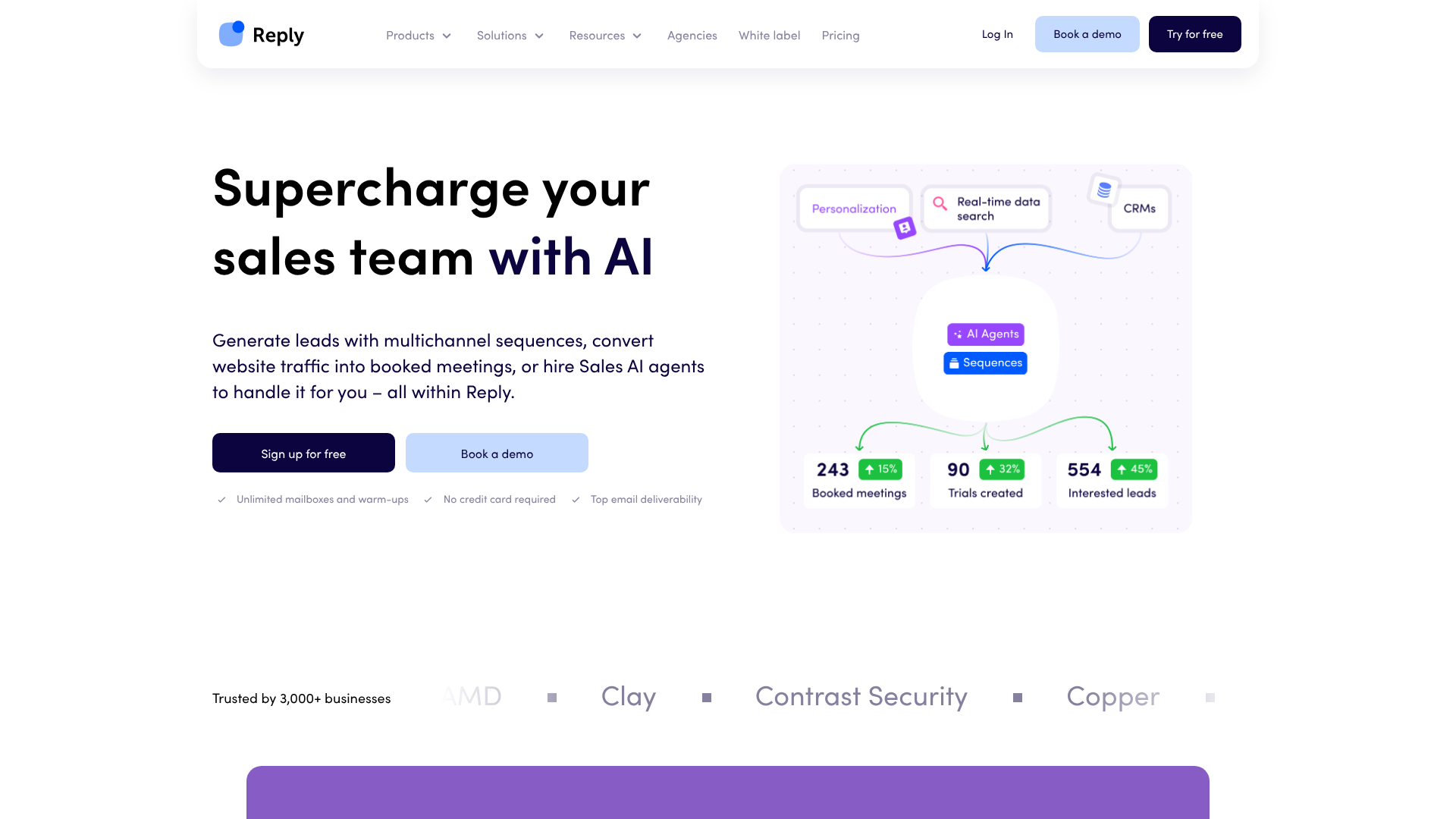
Using automation ensures that every prospect receives the right message at the right time, without you having to live in your spreadsheet. When a prospect replies, the sequence automatically stops for that contact, allowing you to step in and handle the conversation personally. This frees up your time to focus on what matters most: talking to interested leads and closing deals.
Here are some of the top tools designed to help you check in on cold email campaigns effectively:
- Reply.io: A powerful sales engagement platform that helps you automate multi-channel outreach across email, LinkedIn, calls, and SMS. It uses AI to help you write better emails and find the best time to send them, making it a comprehensive solution for sales teams.
- Instantly.ai: Known for its excellent deliverability features, Instantly allows you to connect unlimited email accounts and includes automated warm-up to keep your sending reputation high. It's a great choice for those running high-volume cold email campaigns.
- Outreach: An enterprise-grade platform that provides deep analytics and sales intelligence. Outreach helps sales teams manage their entire workflow, from initial prospecting to closing the deal, with powerful automation and AI-driven insights.
- Hunter Campaigns (Hunter.io): If you already use Hunter for finding email addresses, their Campaigns feature is a simple and effective tool for creating and automating cold email sequences. It's a straightforward, no-frills option that gets the job done.
Comparison of Top Cold Email Tools
| Feature | Reply.io | Instantly.ai | Outreach | Hunter Campaigns |
|---|---|---|---|---|
| Best For | Multi-channel sales teams | High-volume email outreach | Enterprise sales engagement | Simplicity and integration |
| Key Feature | AI-powered sequencing | Unlimited email warm-up | Comprehensive sales workflow | Combined email finder & sender |
| Channels | Email, LinkedIn, Calls, SMS | Email, Calls, LinkedIn | ||
| Pricing Model | Per user, tiered plans | Per user, tiered plans | Custom (enterprise focus) | Based on contacts/emails sent |
For the most up-to-date pricing information, it's best to visit the official websites of these platforms as their plans and features can change.
The Pros and Cons of a Persistent Follow-Up Strategy
While a well-executed follow-up strategy is overwhelmingly positive, it's important to understand both its advantages and potential pitfalls. Being aware of the risks helps you mitigate them.
Pros
- Dramatically Higher Response Rates: As data consistently shows, a significant portion of replies come from follow-up emails, not the initial one. Ignoring follow-ups means leaving a majority of your potential opportunities on the table.
- Builds Brand Recall: Consistent, valuable touchpoints keep your name and brand in front of the prospect. When they are ready to buy, you'll be one of the first they think of.
- Catches Prospects at the Right Time: You can't predict when a prospect's needs will become urgent. A sequence spread over several weeks increases your chances of landing in their inbox at the perfect moment.
Cons
- Risk of Being Marked as Spam: If your follow-ups are too frequent, lack personalisation, or don't offer value, recipients may mark them as spam. This can damage your email domain's reputation and hurt future deliverability.
- Can Be Perceived as Annoying: A poorly executed check in on cold email that just says "checking in" is annoying. The key is to always lead with value to avoid this perception.
- Time-Consuming Without Automation: Without the right tools, managing a follow-up strategy for more than a handful of prospects is a significant time drain that can detract from other important sales activities.
Pro Tip: To protect your domain reputation, set up a separate domain for cold outreach (e.g., if your main domain is company.com, use company.co or getcompany.com). Use tools like Instantly.ai to automatically warm up your new sending accounts before launching campaigns.
FAQ: Answering Your Top Questions About Cold Email Follow-Ups
Here are answers to some of the most frequently asked questions about following up on cold emails.
What is the 30/30/50 rule for cold emails?
The 30/30/50 rule is a guideline for structuring the content of your cold emails to maximise effectiveness. It suggests that your email should be composed of 30% information about them (personalisation), 30% information about you and your solution (context), and 50% value, insights, or social proof that is relevant to their challenges. This framework helps ensure your email is prospect-centric rather than self-serving.
When should you follow up on a cold email?
The general best practice is to wait 2 to 3 business days before sending your first follow-up. This gives the prospect enough time to see and consider your initial email without letting so much time pass that they forget about it. Subsequent follow-ups can be spaced further apart, such as 4-5 days later, and then a week after that.
How many times should I follow up on a cold email?
Most experts agree that a sequence of 3 to 5 follow-ups (so 4-6 total emails including the initial one) is the sweet spot. This provides enough touchpoints to get noticed without becoming overly aggressive. After this point, the response rates tend to drop off significantly. It's better to end with a polite breakup email and move on to other prospects.
How do you follow up on a cold email with no response?
The key is to add new value with each attempt. Never just "bump" the email. Provide a different case study, link to a new blog post, mention a recent company achievement of theirs, or ask a thought-provoking question related to their industry. Always keep the message short, reply in the same thread, and maintain a helpful, low-pressure tone.
Is cold emailing illegal?
No, cold emailing is not illegal in most regions, including the UK, EU, and US, provided you follow certain rules. Under regulations like GDPR and the CAN-SPAM Act, your email must be relevant to the recipient's professional role (legitimate interest), you must not use misleading subject lines, and you must provide a clear and easy way for them to opt out of future communications. It's crucial to target your outreach carefully and respect opt-out requests immediately.
How do you follow up without sounding desperate?
Confidence is key. Your tone should be one of a busy professional reaching out to another busy professional. Avoid apologetic language. Focus on the value you can provide them, not on your need to get a meeting.
A clear sequence with a defined end point (the breakup email) also signals that you have other opportunities and are not desperate for their reply.
Final Thoughts
Mastering how to follow up on a cold email is one of the highest-leverage skills you can develop in sales and marketing. It transforms cold outreach from a single shot in the dark into a strategic, multi-touchpoint campaign that builds relationships and generates real opportunities. The difference between top performers and the rest often comes down to their persistence and their process.
Remember the core principles: be patient with your timing, be relentless in providing value, and be professional in your tone. Keep your messages concise, always reply in the same thread, and know when it's time to politely move on. By following the steps and strategies outlined in this guide, you can turn silent inboxes into active conversations.
If you're ready to streamline your process and scale your efforts, consider exploring tools designed for this purpose. Platforms like Reply.io and Instantly.ai can automate your sequences, helping you stay consistent and save countless hours. This allows you to focus on building relationships with the prospects who respond, ultimately driving more growth for your business.