



How to Write a Cold Email That Gets Replies: A B2B Guide for 2026
Sending an email to someone you've never met can feel like shouting into the void. You spend time crafting the perfect message, hit send, and then. silence. The reality is that most cold emails are deleted within seconds.
- In a Nutshell
- What is a Cold Email and Why Does It Still Work in 2026?
- The Anatomy of a High-Converting Cold Email
- 1. The Subject Line: Your First Impression
- 2. The Opening Line: The Personalised Hook
- 3. The Body: Connecting Pain to Your Solution
- 4. The Call-to-Action (CTA): The Easy Next Step
- 5. The Signature: Clean and Professional
- A Step-by-Step Guide to Writing Cold Emails That Get Replies
- Step 1: Define Your Ideal Customer Profile (ICP)
- Step 2: Build a Hyper-Targeted Prospect List
- Step 3: Conduct Deep Personalisation Research
- Step 4: Craft a Compelling Subject Line
- Step 5: Write a Hyper-Personalised Opening Line
- Step 6: Connect Their Pain to Your Solution (The Body)
- Step 7: End with a Clear, Low-Friction Call-to-Action (CTA)
- Step 8: Plan Your Follow-Up Sequence
- Choosing Your Strategy: High-Volume vs. Hyper-Personalised
- Essential Cold Email Tips for Better Results
- The Tools of the Trade: Software to Scale Your Outreach
- The Pros and Cons of Cold Email Outreach
- Frequently Asked Questions About Writing Cold Emails
- Do cold emails actually work?
- Is cold emailing illegal in the UK?
- What are the 5 C's of email writing?
- What not to do in cold emails?
- Final Thoughts
This guide will teach you how to write a cold email that not only avoids the bin but actually starts meaningful conversations, books meetings, and drives results for your business in 2026.
Forget generic templates and spammy tactics. We're breaking down the entire process, from deep prospect research to crafting a compelling call-to-action and mastering the art of the follow-up. Whether you're in sales, marketing, or looking for your next job, these principles will transform your outreach from ignored to impactful.
In a Nutshell
- Personalisation is Paramount: Generic emails don't work. The key to a successful cold email is deep research and tailoring your message specifically to the recipient's role, company, and recent activities.
- Focus on Them, Not You: Frame your email around the recipient's problems and how you can offer a solution. Lead with value and demonstrate you understand their world before you introduce your product or service.
- Brevity is Your Best Friend: Decision-makers are busy. Your email should be scannable and get to the point quickly, ideally under 100 words. Use short sentences and paragraphs.
- The Goal is a Conversation, Not a Sale: Your initial email's objective isn't to close a deal. It's to pique interest and start a dialogue. Use a low-friction call-to-action (CTA) that's easy for them to say "yes" to.
- Follow-Up is Non-Negotiable: Most replies come from follow-up emails, not the first one. A polite, persistent, and value-driven follow-up sequence is essential for success.
What is a Cold Email and Why Does It Still Work in 2026?
A cold email is an initial email sent to a recipient without prior contact. Unlike spam, which is sent indiscriminately to a mass list, a well-crafted cold email is a targeted, personalised, one-to-one communication tool designed to initiate a professional relationship. It's the digital equivalent of a cold call, but with the advantage of being less intrusive and more scalable.
In an era of social media noise and ad fatigue, you might wonder if cold emailing is still effective. The answer is a resounding yes, but the rules have changed. The days of blasting thousands of generic templates are over. Modern, successful cold emailing is built on a foundation of quality over quantity.
It's about sending the right message to the right person at the right time.
When done correctly, cold emailing is one of the most direct and cost-effective ways to generate leads, build partnerships, network with industry leaders, or even land a job. It allows you to bypass gatekeepers and communicate directly with decision-makers. According to some industry reports, email continues to deliver a high return on investment, making it a vital channel for B2B communication. The key is shifting your mindset from 'selling' to 'helping'.
The Anatomy of a High-Converting Cold Email


Before we dive into the step-by-step process, it's crucial to understand the core components that make up an effective cold email. Each part has a specific job to do, and they must work together to guide the recipient from opening the email to taking your desired action. This section of our cold email guide breaks down the essential elements.
1. The Subject Line: Your First Impression
The subject line has one goal: to get your email opened. It must be intriguing without being clickbait. The best subject lines are short, casual, and personalised. Avoid anything that sounds like a marketing blast, such as using all caps, excessive exclamation marks, or salesy words like "sale" or "free".
- Good Example: "Question about [Company Name]'s content strategy"
- Bad Example: "REVOLUTIONARY SOFTWARE TO 10X YOUR ROI!!!"
Aim for under seven words. A simple, lowercase subject line often performs best because it feels more like an email from a colleague than a salesperson. Think curiosity, relevance, and authenticity.
2. The Opening Line: The Personalised Hook
Once they've opened the email, the first sentence determines if they keep reading. This is where your research shines. The opening line must be 100% about them and prove this isn't a generic email sent to hundreds of people. Reference something specific you found during your research.
- Good Example: "Hi [Name], I saw your recent post on LinkedIn about the challenges of scaling engineering teams and it really resonated."
- Bad Example: "Hi [Name], my name is John and I work for XYZ Corp."
Never start with yourself. Start with a genuine compliment, a shared connection, a comment on their recent work, or a reference to a company announcement. This immediately builds rapport and shows you've done your homework.
3. The Body: Connecting Pain to Your Solution
The body of the email should be concise and focused on value. Briefly state a problem you know their role or company likely faces and connect it to the solution you provide. Don't list features; talk about outcomes and benefits. Use social proof to build credibility.
- Example: "Companies like yours often find that as they scale, [mention specific pain point]. We helped [Similar Company] overcome this by [briefly describe benefit], resulting in a 25% increase in efficiency."
Keep this section to two or three short sentences. The goal is to demonstrate your understanding of their challenges and hint at a valuable solution, creating enough curiosity for them to want to learn more.
4. The Call-to-Action (CTA): The Easy Next Step
The CTA is where many cold emails fail. They either have no clear next step or ask for too much too soon (e.g., "Can you hop on a 30-minute demo?"). Your CTA should be a simple, low-commitment question that makes it easy for them to respond. This is often called an "interest-based CTA".
- Good Example: "Would you be open to learning more about how we did this?"
- Bad Example: "Let me know what time works for a demo next week."
Make the ask small. The goal is to get a simple 'yes' or 'no' to start a conversation. You can also make it an open-ended question like, "Is this a priority for you at the moment?" This focuses on their needs rather than your desire for a meeting.
5. The Signature: Clean and Professional
Your email signature should be simple and professional. Include your name, title, company, and a link to your website or LinkedIn profile. Avoid cluttering it with large logos, images, or inspirational quotes, as these can trigger spam filters and look unprofessional.
A Step-by-Step Guide to Writing Cold Emails That Get Replies
Now that you understand the components, let's walk through the practical steps of writing cold emails. This structured approach ensures you're not just sending messages but executing a strategic outreach campaign.
Step 1: Define Your Ideal Customer Profile (ICP)
Before you write a single word, you must know exactly who you're trying to reach. An Ideal Customer Profile (ICP) is a detailed description of the company that would get the most value from your product or service. Don't confuse this with a buyer persona, which focuses on an individual.
Your ICP should include firmographic data such as:
- Industry or vertical
- Company size (employee count or revenue)
- Geographical location
- Technology they use (e.g., are they a HubSpot user?)
- Specific pain points or challenges they face
Having a clear ICP prevents you from wasting time on prospects who are a poor fit. It's the foundation of targeted outreach. If you don't know who you're selling to, you can't tailor your message effectively.
Step 2: Build a Hyper-Targeted Prospect List
With your ICP defined, it's time to find the right companies and the right people within those companies. This is where quality trumps quantity. A list of 50 highly-qualified prospects is far more valuable than a list of 5,000 random contacts.
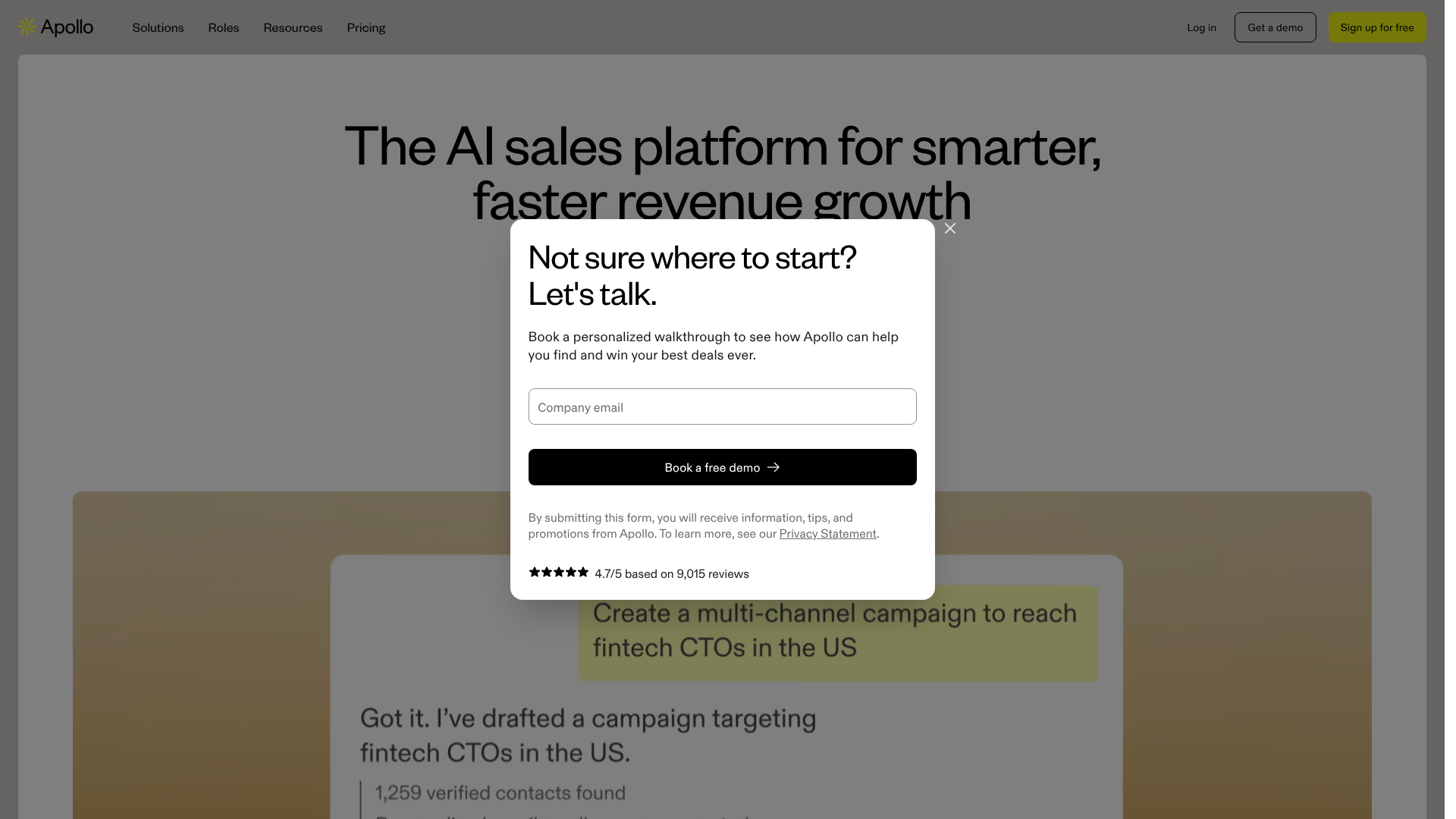
Use tools like LinkedIn Sales Navigator or specialised B2B data platforms like Apollo.io to filter companies based on your ICP criteria. Once you have a list of target companies, identify the specific decision-makers. Look for job titles like 'Head of Sales', 'VP of Marketing', or 'CTO', depending on who you need to reach. Then, use an email finder tool like Hunter.io to find their professional email address.
Step 3: Conduct Deep Personalisation Research
This step is the most time-consuming, but it's also what separates successful cold emailers from spammers. For each prospect on your list, spend 5-10 minutes researching them and their company. You're looking for 'hooks' to use in your email.
Look for things like:
- LinkedIn Activity: Did they recently post an article, share an opinion, or get promoted. – Company News: Did their company just raise a funding round, launch a new product, or get featured in the news. – Podcasts or Interviews: Have they appeared as a guest on a podcast or been quoted in an article. – Job Postings: Is their company hiring for roles that relate to the problem you solve.
(e.g., hiring more salespeople indicates a focus on growth).
This information is gold. It allows you to craft a genuinely unique opening line that proves you see them as an individual, not just another name on a list.
Step 4: Craft a Compelling Subject Line
Using your research, craft a subject line that is relevant to your prospect. If you found a mutual connection, use their name. If you're referencing a recent company event, mention it.
- Example 1 (Mutual Connection): "[Mutual Connection's Name] suggested I reach out"
- Example 2 (Company News): "Congrats on the Series B funding"
- Example 3 (Simple & Direct): "Quick question about [Company Name]"
Keep it short, personal, and intriguing. A/B test different subject lines to see what resonates best with your audience. Tools like Reply.io can help you track open rates to optimise your approach.
Step 5: Write a Hyper-Personalised Opening Line
Take the best piece of information from your research and put it into your first sentence. This is your chance to make an immediate connection.
- Example: "Hi Sarah, I listened to your interview on the SaaS Breakthrough podcast and was really impressed with your insights on product-led growth."
This single sentence accomplishes so much. It uses their name, shows you've consumed their content, and offers a genuine compliment. It immediately lowers their guard and makes them receptive to what you have to say next.
Step 6: Connect Their Pain to Your Solution (The Body)
Now, transition smoothly from your personalised opener to the value proposition. This is where you connect the dots between their world and your solution. Use a 'problem-solution' framework.
- Example: "You mentioned the difficulty of maintaining company culture during rapid scaling. Many of the fast-growing tech companies we work with, like [Client Name], face the same challenge. We help them by [briefly state your one-sentence value prop]."
Notice how this doesn't list features. It focuses on a problem they themselves mentioned and provides social proof. Keep it to 2-3 sentences. The goal is to create relevance and credibility.
Step 7: End with a Clear, Low-Friction Call-to-Action (CTA)
As discussed earlier, make your ask simple. Don't ask for a meeting right away. Instead, ask for their interest or opinion. This makes it incredibly easy for them to reply.
- Interest-Based CTA: "Is improving team onboarding something on your radar for Q3?"
- Open-Ended CTA: "Curious to get your take on this approach?"
If your goal is to book a meeting, you can also offer a direct but low-pressure option. Integrating a scheduling tool can reduce back-and-forth. For instance, you could say, "If this sounds interesting, feel free to pick a time on my calendar here," and link to a tool like SimplyBook.me.
Step 8: Plan Your Follow-Up Sequence
Most deals are closed in the follow-up. People are busy, and your first email might get buried. A persistent but polite follow-up strategy is essential. Plan a sequence of 3-5 emails spread out over a few weeks.
Each follow-up should add value. Don't just say "just checking in". Instead, share a relevant case study, a helpful blog post, or a new insight. Keep them short and always reference the original email's context.
Sales engagement platforms like Outreach or Instantly.ai are built to automate and manage these sequences, ensuring you never let a warm lead go cold.
Pro Tip: When following up, reply in the same email thread. This keeps the entire context of the conversation in one place for the recipient, making it easier for them to remember who you are and what you initially reached out about.
Choosing Your Strategy: High-Volume vs. Hyper-Personalised
When it comes to cold email outreach, there are two primary schools of thought: the high-volume, semi-automated approach and the low-volume, hyper-personalised approach. The right strategy for you depends on your product, market, and resources. Understanding the differences is a key part of this cold email guide.
The High-Volume Approach:
This strategy focuses on reaching a larger number of prospects with a templated email that uses merge tags (like {{firstName}} and {{companyName}}) for basic personalisation. It's a numbers game, relying on a lower conversion rate from a much larger pool of contacts. This can be effective for products with a broad appeal and a lower price point, where the total addressable market is huge.
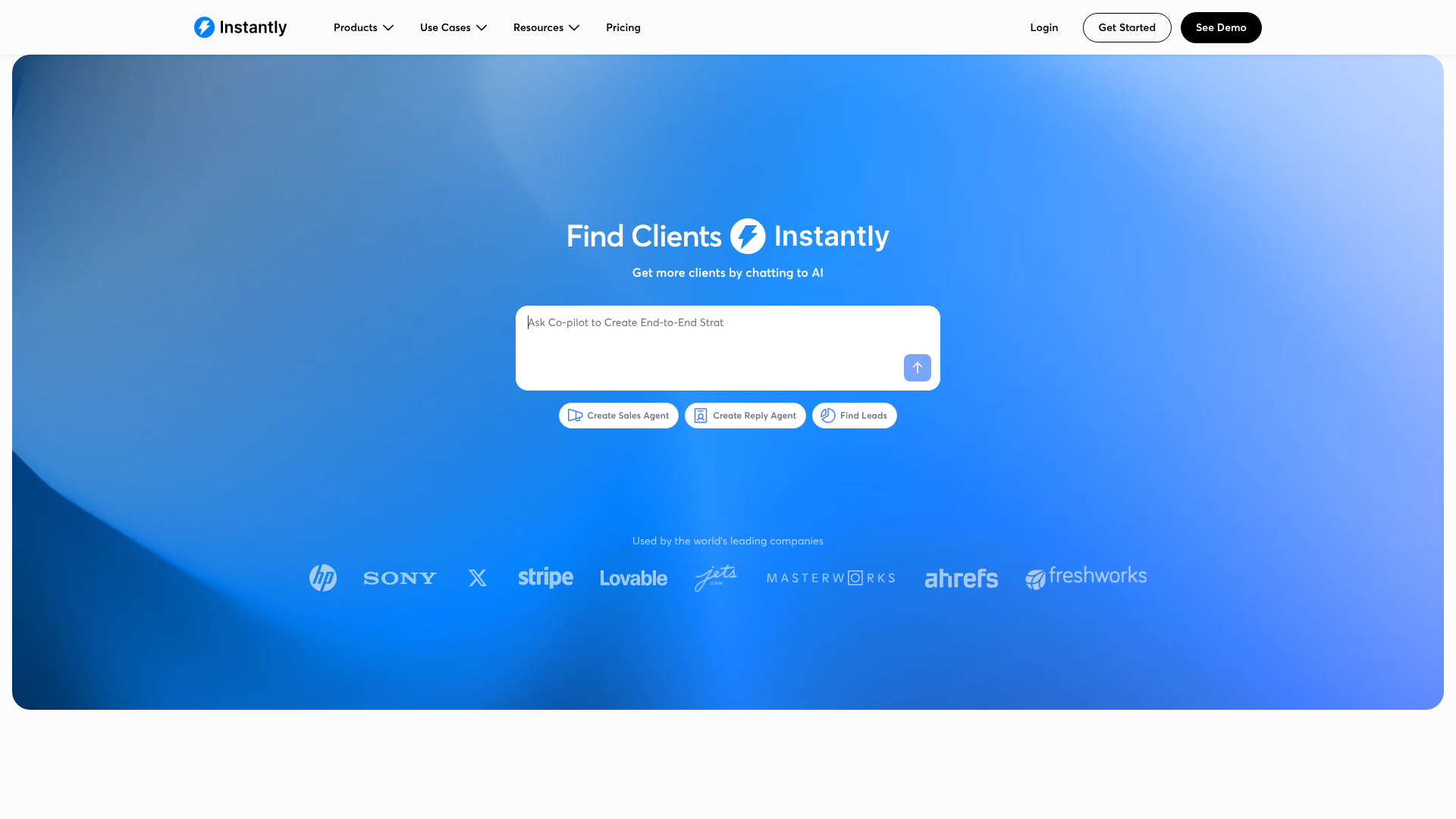
- Tools: Platforms like Instantly.ai are designed for this, allowing you to send thousands of emails per day while warming up email accounts to protect deliverability.
- Pros: Highly scalable, lower time investment per email.
- Cons: Lower reply rates, higher risk of being marked as spam, can damage brand reputation if done poorly.
The Hyper-Personalised Approach:
This strategy, which we've focused on in this guide, involves sending a much smaller number of highly researched and customised emails. Each email is a unique piece of communication tailored to the individual. This is best for high-value B2B sales, where deals are complex and building a relationship is key.
- Tools: While you can do this manually, a good CRM like HubSpot CRM is essential for tracking your interactions and research notes for each prospect.
- Pros: Significantly higher reply and conversion rates, builds strong relationships, protects brand reputation.
- Cons: Time-intensive, not easily scalable without a dedicated team.
For most B2B businesses selling a considered purchase, a hybrid approach often works best. Use hyper-personalisation for your top-tier, 'whale' accounts, and a more streamlined, semi-personalised approach for your tier-two and tier-three accounts.
Essential Cold Email Tips for Better Results
Beyond the core structure, several best practices can significantly improve your campaign's performance. Incorporating these cold email tips will give you an edge over the competition.
Top 10 Cold Email Tips That Give You an Unfair Advantage
For a deep dive into advanced tactics, this video from Eric Nowoslawski offers excellent insights that can give you a competitive advantage.
More Key Tips to Remember:
- Write Like You Talk: Ditch the corporate jargon and overly formal language. Write in a clear, conversational tone. Use contractions (you're, it's, don't). The goal is to sound like a human, not a marketing robot.
- Keep it Under 100 Words: Brevity is crucial. Most decision-makers scan emails on their mobile phones. If they see a wall of text, they will delete it. Aim for 3-5 sentences total.
- Focus on Mobile Readability: Use short paragraphs (1-2 sentences each). This creates white space and makes your email easy to skim on a small screen.
- Avoid Spam Trigger Words: Words like "free," "guarantee," "sale," "act now," and excessive punctuation can land your email in the spam folder. Be mindful of your language.
- Don't Use Attachments or Too Many Links: In your initial email, avoid attachments and limit yourself to one, maybe two, links (e.g., in your signature). Attachments and multiple links are red flags for spam filters.
- Send Emails at the Right Time: While there's no single 'best' time, general wisdom suggests sending emails on Tuesday, Wednesday, or Thursday mornings. Test different days and times to see what works for your audience.
- Always Proofread: A typo or grammatical error can instantly kill your credibility. Read your email out loud before sending it to catch any mistakes.
The Tools of the Trade: Software to Scale Your Outreach
While you can start writing cold emails with just a Gmail account, dedicated software becomes essential as you scale your efforts. These tools help with prospecting, sending, automation, and tracking, allowing you to run more efficient and effective campaigns. Here are some top recommendations.
Prospecting and Data Enrichment
- Apollo.io: An all-in-one platform that combines a massive B2B database with sequencing and analytics. It's excellent for building targeted lists and finding verified contact information.
- Hunter.io: Famous for its email finder, Hunter also offers Hunter Campaigns, a simple tool for sending and tracking cold email campaigns directly from your Gmail account.
Sales Engagement and Automation
- Reply.io: A powerful sales engagement platform that helps you automate multi-channel sequences across email, phone, and social media. It's great for sales teams that need a robust system for managing outreach.
- Instantly.ai: A popular choice for high-volume outreach. Instantly focuses on unlimited email account warm-ups and smart sending features to maximise deliverability at scale.
- Outreach: A market leader in the sales engagement space, Outreach provides enterprise-level features for managing complex sales cycles and optimising team performance.
CRM and Lead Management
- HubSpot CRM: A powerful and user-friendly CRM that offers a free tier. It's the perfect central hub to track all your prospect interactions, manage your pipeline, and see the full history of your conversations.
- Zoho CRM: Another excellent CRM option that provides a comprehensive suite of tools for managing sales, marketing, and customer support activities, often at a very competitive price point.
| Tool Category | Top Recommendations | Best For | Pricing |
|---|---|---|---|
| Prospecting | Apollo.io, Hunter.io | Building targeted lists and finding emails | Visit their websites for current pricing |
| Automation | Reply.io, Instantly.ai | Automating multi-step follow-up sequences | Visit their websites for current pricing |
| CRM | HubSpot CRM, Zoho CRM | Managing leads and tracking conversations | Both offer free and paid plans |
The Pros and Cons of Cold Email Outreach
Like any business strategy, cold emailing has its advantages and disadvantages. A balanced understanding is key to setting realistic expectations and integrating it effectively into your growth strategy.
Pros of Cold Emailing
- Direct Access: It allows you to connect directly with key decision-makers, bypassing traditional gatekeepers like receptionists or assistants.
- Scalability: With the right tools and processes, you can reach a large, targeted audience in a relatively short amount of time.
- Cost-Effective: Compared to paid advertising or hiring a large sales team, cold email can offer a significantly higher return on investment, especially for B2B companies.
- Trackable and Measurable: Modern outreach tools provide detailed analytics on open rates, click-through rates, and reply rates, allowing you to test, learn, and optimise your campaigns continuously.
- Relationship Building: When done with a focus on personalisation and value, it can be the starting point for strong, long-term business relationships.
Cons of Cold Emailing
- Low Reply Rates (If Done Poorly): Generic, non-personalised campaigns will yield very low reply rates, often less than 1%. Success requires significant effort in research and copywriting.
- Risk of Damaging Brand Reputation: Spammy or aggressive tactics can annoy prospects and harm your company's image. A single bad campaign can get your domain blacklisted.
- Deliverability Challenges: Email service providers have sophisticated spam filters. Maintaining good email deliverability requires technical setup (SPF, DKIM, DMARC) and careful sending practices.
- Time-Consuming: The hyper-personalised approach that yields the best results requires a significant time investment in research for each prospect.
Frequently Asked Questions About Writing Cold Emails
Here are answers to some of the most common questions people have about cold emailing.
Do cold emails actually work?
Yes, cold emails absolutely work, but only if they are done correctly. The strategy has evolved from a high-volume, low-quality numbers game to a targeted, high-quality, personalised approach. A well-researched email that offers genuine value to the recipient can be incredibly effective for lead generation, networking, and sales. Success depends entirely on the quality of your list, the level of personalisation, and the value you provide in your message.
Is cold emailing illegal in the UK?
Cold emailing is not illegal in the UK, but it is regulated. For B2B (business-to-business) communication, you can generally email employees at their corporate email address under the principle of 'legitimate interest', as long as your product or service is relevant to their job role. However, you must provide a clear and easy way for them to opt-out of future communications. For B2C (business-to-consumer) emails to individuals' personal accounts, you typically need their explicit consent (opt-in) beforehand.
It's always best to stay updated on regulations like GDPR and consult legal advice if you're unsure.
What are the 5 C's of email writing?
The 5 C's are a great framework for effective communication, and they apply perfectly to cold emails. They are:
Clear: Is your message easy to understand. Avoid jargon and complex sentences.
Concise: Are you getting to the point quickly. Respect the reader's time. 3.
Correct: Is your email free of spelling and grammar errors. Proofread carefully. 4. Courteous: Is your tone respectful and professional.
Politeness goes a long way. 5. Compelling: Does your email grab their attention and make them want to respond. This comes from personalisation and a strong value proposition.
What not to do in cold emails?
There are several common mistakes to avoid. Don't use a misleading subject line. Don't make the email all about you, your company, and your product's features. Avoid long, dense paragraphs of text.
Never send attachments in the first email. Don't use a generic, one-size-fits-all template, and finally, don't give up after one attempt—always have a follow-up plan.
Final Thoughts
Learning how to write a cold email is less about finding a magic template and more about adopting a mindset of helpfulness, curiosity, and respect for the recipient's time. The most successful cold emails don't feel 'cold' at all; they feel like the start of a relevant and timely conversation.
By focusing on deep research, genuine personalisation, and a clear value proposition, you can transform your outreach from an ignored annoyance into a powerful engine for growth. Remember the core principles: make it about them, keep it brief, provide value, and make the next step easy. Master these, and you'll not only get more replies but also build more meaningful business relationships.
If you're ready to put these principles into practice and scale your outreach efforts, consider exploring tools designed for the job. Platforms like Reply.io and Apollo.io can provide the structure and automation needed to run effective campaigns consistently.