


Sales Pipeline vs Sales Funnel: A Complete Guide for Sales Teams
In the world of sales, the terms 'pipeline' and 'funnel' are often used interchangeably, leading to widespread confusion. While they both describe the journey from a potential lead to a paying customer, understanding the core difference in the sales pipeline vs sales funnel comparison is crucial for building a predictable revenue engine. They aren't the same thing; they are two different lenses used to view and manage your sales process.
- In a Nutshell
- What is a Sales Pipeline? The Seller's Roadmap
- What is a Sales Funnel? The Buyer's Journey
- Sales Pipeline vs Funnel: A Side-by-Side Comparison
- Why You Need Both: The Power of a Combined View
- Tools to Manage Your Pipeline and Funnel
- CRMs: The Central Hub for Pipeline Management
- Sales Engagement Platforms for Pipeline Acceleration
- Proposal and eSignature Tools for Closing Deals
- Pricing and Cost Considerations for Sales Tools
- Pros and Cons: Pipeline vs Funnel Perspectives
- Frequently Asked Questions (FAQ)
- What are the 7 stages of the sales pipeline?
- What are the 5 stages of a sales funnel?
- What does a good sales pipeline look like?
- What tools can manage a sales pipeline?
- What is another name for a sales pipeline?
- Conclusion: Unifying Your Sales View for Better Results
A sales pipeline focuses on the specific actions your sales team takes to move a deal forward. It's an internal, seller-focused roadmap. In contrast, a sales funnel represents the customer's journey and measures the conversion rates at each stage, highlighting where potential buyers drop off. Getting this distinction right is the first step to diagnosing problems and optimising your entire sales motion.
This guide will break down the pipeline vs funnel debate, explaining what each concept is, how they work together, and which tools can help you master both. By the end, you'll have a clear framework for analysing your sales health and driving better results.
In a Nutshell
- Perspective is Key: A sales pipeline is viewed from the seller's perspective, outlining the actions and stages a salesperson controls to close a deal.
- The Buyer's Journey: A sales funnel is viewed from the buyer's perspective, illustrating the path they take from initial awareness to making a purchase.
- Focus on Action vs. Conversion: Pipelines focus on managing deals and forecasting revenue based on sales activities. Funnels focus on measuring conversion rates and identifying leaks in the process.
- Two Sides of One Coin: You don't choose between them. A successful sales organisation uses the pipeline to manage day-to-day actions and the funnel to analyse and improve the overall process effectiveness.
- Tools are Essential: Modern CRM platforms like HubSpot and Zoho are fundamental for visualising and managing your sales pipeline, while their reporting features help you analyse your sales funnel.
What is a Sales Pipeline? The Seller's Roadmap
A sales pipeline is a clear, visual representation of where your prospects are in your sales process. It's structured as a sequence of stages that a sales representative must take a deal through, from initial contact to a signed contract. Think of it as the sales team's to-do list, providing a snapshot of all active opportunities and their current status.
The primary purpose of a pipeline is to help sales reps and managers track deal progress and forecast future revenue. By looking at the number of deals in each stage and their potential value, a sales leader can make an educated guess about how much revenue the team will close in a given month or quarter. It's fundamentally action-oriented, answering the question, "What do we need to do next to move this deal forward?"
Each stage in the pipeline corresponds to a specific set of actions. For example, the 'Qualification' stage involves research and discovery calls, while the 'Proposal' stage involves creating and sending a detailed offer. This structure brings order and predictability to what can otherwise be a chaotic sales process.
The 7 Common Stages of a Sales Pipeline
While the exact stages can be customised for your business, most sales pipelines follow a similar seven-stage framework. Understanding these steps is key to building a process that works.
Prospecting: This is the top of the pipeline where new potential leads are identified. Activities include cold outreach using tools like Hunter Campaigns (Hunter.io) to find and contact prospects, networking, and responding to inbound marketing leads.
Lead Qualification: Not every prospect is a good fit. In this stage, the sales rep determines if the lead has the budget, authority, need, and timeline (BANT) to buy. This is a critical step to avoid wasting time on deals that will never close.
Initial Contact/Meeting: Once a lead is qualified, the rep makes contact to schedule a discovery call or an initial meeting. The goal here is to understand the prospect's pain points in-depth and build rapport.
Proposal/Demonstration: After understanding the prospect's needs, the rep presents a solution. This could be a formal proposal document, created with a tool like PandaDoc, or a live software demonstration showing how the product solves their specific problems.
Negotiation & Follow-up: This stage involves handling objections, discussing pricing, and refining the terms of the agreement. It often requires multiple conversations and consistent follow-up to keep the deal moving.
Closing the Deal: The final step where contracts are sent out and signed. Using an eSignature tool like eSignly can significantly speed up this stage. The deal is marked as either 'Won' or 'Lost'.
Post-Sale/Retention: The work isn't over once the deal is won. This stage involves onboarding the new customer and ensuring their success, which can lead to upselling opportunities and referrals, feeding new opportunities back into the pipeline.
Key Metrics for Pipeline Management

To keep your pipeline healthy, you need to track a few key performance indicators (KPIs). These numbers tell you if your sales process is working effectively.
- Number of Deals in Pipeline: A simple count of how many active opportunities your team is working on. A consistently low number signals a prospecting problem.
- Average Deal Size: The average value of the deals in your pipeline. Tracking this helps with more accurate revenue forecasting.
- Pipeline Value: The total potential value of all deals in the pipeline. This is often weighted based on the probability of closing at each stage.
- Sales Velocity: This measures how quickly deals move through your pipeline from start to finish. A slow velocity might indicate bottlenecks or an inefficient process.

What is a Sales Funnel? The Buyer's Journey
While the pipeline maps out your team's actions, the sales funnel maps out the customer's journey. It's a marketing and sales model that illustrates the theoretical path a potential customer takes from their first interaction with your brand to becoming a loyal advocate. The 'funnel' shape represents the decreasing number of people at each stage; you'll always have more people aware of your brand than those who actually buy.
The primary purpose of a sales funnel is to measure and optimise conversion rates. It helps you understand how effectively you're moving people through the buyer's journey and, more importantly, where they are dropping out. It's fundamentally analytical, answering the question, "Why are we losing potential customers at this stage?"
By analysing the funnel, a business can identify weaknesses in its marketing or sales process. For example, if many people visit the website (Awareness) but few sign up for a demo (Interest), there might be a problem with the website's messaging or call-to-action. This sales funnel comparison with your pipeline data gives you a complete picture.
The 5 Stages of a Sales Funnel (AIDA Model)
Most sales funnels are based on the AIDA model, which describes the cognitive stages a person goes through during the buying process.
Awareness: This is the widest part of the funnel. A potential customer becomes aware of a problem they have and learns that your company offers a potential solution. This happens through blog posts, social media, advertising, or word-of-mouth.
Interest: The prospect is actively researching solutions to their problem. They might download an ebook, watch a webinar, or compare different products. Your goal here is to provide valuable information that helps them and positions your solution as a strong contender.
Decision (or Desire): At this stage, the prospect has narrowed down their options and is seriously considering your product. They are looking for proof that your solution is the best choice. Case studies, free trials, and product demos are highly effective here.
Action: This is the bottom of the funnel where the prospect makes a purchase and becomes a customer. The focus is on making the buying process as smooth as possible, with clear pricing, easy checkout, and responsive sales support.
Loyalty/Advocacy: Some models add a fifth stage focused on customer retention. After the purchase, you want to delight your customers so they continue to use your product, buy more over time, and recommend your brand to others.
Key Metrics for Funnel Analysis
Analysing your funnel requires a different set of metrics than your pipeline. These numbers focus on efficiency and volume.
- Conversion Rate: The percentage of people who move from one stage to the next. This is the most important funnel metric.
- Lead-to-Customer Rate: The overall percentage of initial leads that end up becoming paying customers.
- Drop-off Rate: The percentage of prospects who exit the funnel at each stage. High drop-off at a specific stage signals a problem to investigate.
- Cost Per Acquisition (CPA): The total marketing and sales cost required to acquire a single new customer.
Sales Pipeline vs Funnel: A Side-by-Side Comparison
The easiest way to grasp the pipeline vs funnel distinction is to see their core attributes compared directly. While they track the same overall process, their perspective, purpose, and focus are fundamentally different.
Here is a detailed breakdown of the key differences:
| Feature | Sales Pipeline | Sales Funnel |
|---|---|---|
| Perspective | Seller-focused (Internal Process) | Buyer-focused (Customer Journey) |
| Purpose | Manage deals, forecast revenue | Measure conversions, identify leaks |
| Focus | Actions and tasks (What reps do) | Volume and rates (How many convert) |
| Shape | Linear / Cylindrical | Conical / Funnel-shaped |
| Key Question | "What's the next step for this deal?" | "Why are we losing prospects here?" |
| Primary User | Sales Reps & Sales Managers | Marketing & Sales Leadership |
Let's expand on these points. The pipeline's seller-focused perspective means its stages are defined by your team's actions: 'Sent Proposal', 'Completed Demo', 'Negotiation Started'. The funnel's buyer-focused perspective means its stages are defined by the customer's mindset: 'Awareness', 'Interest', 'Decision'. This is the most critical distinction in any sales funnel comparison.
Because of this, their purposes diverge. You use a pipeline to manage your workload and predict your income. You use a funnel to diagnose the health of your customer acquisition process. A sales manager might review the pipeline daily to see if reps are on track, but review the funnel monthly to see if a marketing campaign is generating high-quality leads.
Pro Tip: Don't try to make your CRM pipeline stages match the AIDA funnel stages directly. Pipeline stages should be concrete, verifiable actions (e.g., 'Demo Scheduled'), not abstract mental states ('Interest'). This keeps your pipeline data clean and your forecasting accurate.
Why You Need Both: The Power of a Combined View
This isn't a case of choosing one over the other. The most effective sales organisations understand that the pipeline and funnel are two sides of the same coin. Using them together provides a complete, 360-degree view of your sales performance that neither can offer alone.
Imagine your sales pipeline is packed with deals. From a pipeline perspective, things look great. Your team is busy, and the total pipeline value is high. However, when you look at your sales funnel, you see a massive 90% drop-off rate between the 'Proposal' and 'Closing' stages.
The funnel reveals a critical problem that the pipeline view hides. Your team is doing a lot of work for very little reward. This insight allows you to investigate why deals are stalling at the proposal stage. Is your pricing too high.
Is the proposal unclear. Is your competition outmanoeuvring you.
Conversely, imagine your sales funnel shows fantastic conversion rates. Every lead that enters moves smoothly to the next stage. From a funnel perspective, your process is highly efficient. But when you look at the pipeline, you see it's nearly empty.
The funnel analysis doesn't show you that your marketing team isn't generating enough new leads to keep the sales team busy. The pipeline view immediately highlights this volume problem.
Using both allows you to connect sales activities (pipeline) to business outcomes (funnel). It's the key to building a scalable and predictable revenue machine.
Tools to Manage Your Pipeline and Funnel
Manually tracking deals and conversions in a spreadsheet is a recipe for disaster. Modern software is essential for effectively managing both your pipeline and funnel. Here are the key categories of tools that successful teams use.
CRMs: The Central Hub for Pipeline Management
A Customer Relationship Management (CRM) system is the non-negotiable foundation of any sales tech stack. It's where you build, manage, and track your sales pipeline.
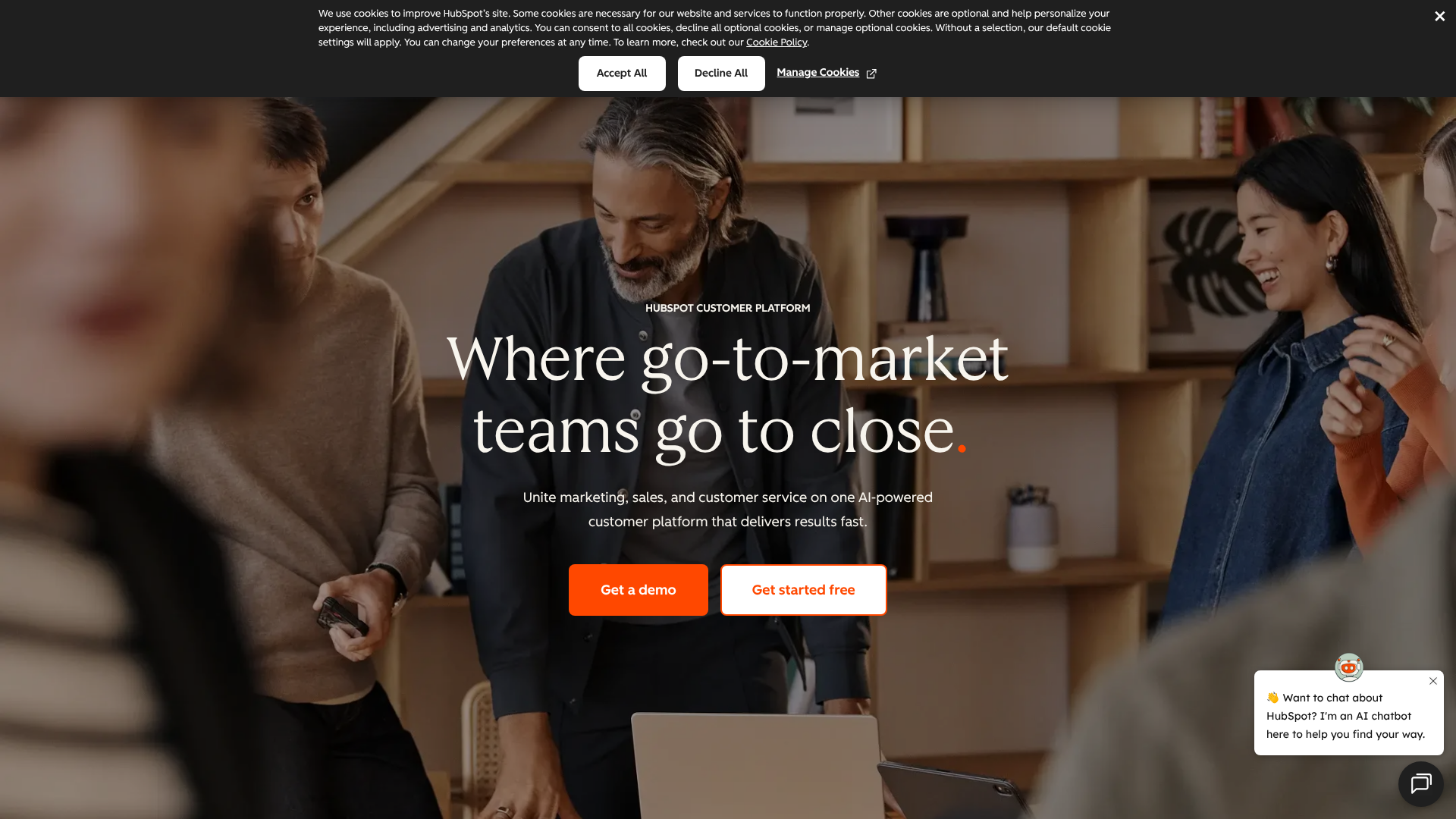
HubSpot CRM is an excellent choice, particularly for small to medium-sized businesses. It offers a powerful suite of free tools, including a visual drag-and-drop pipeline that makes it incredibly easy for reps to update deal stages. As you grow, you can upgrade to paid tiers for more advanced automation, reporting, and forecasting features that help you analyse your funnel data.
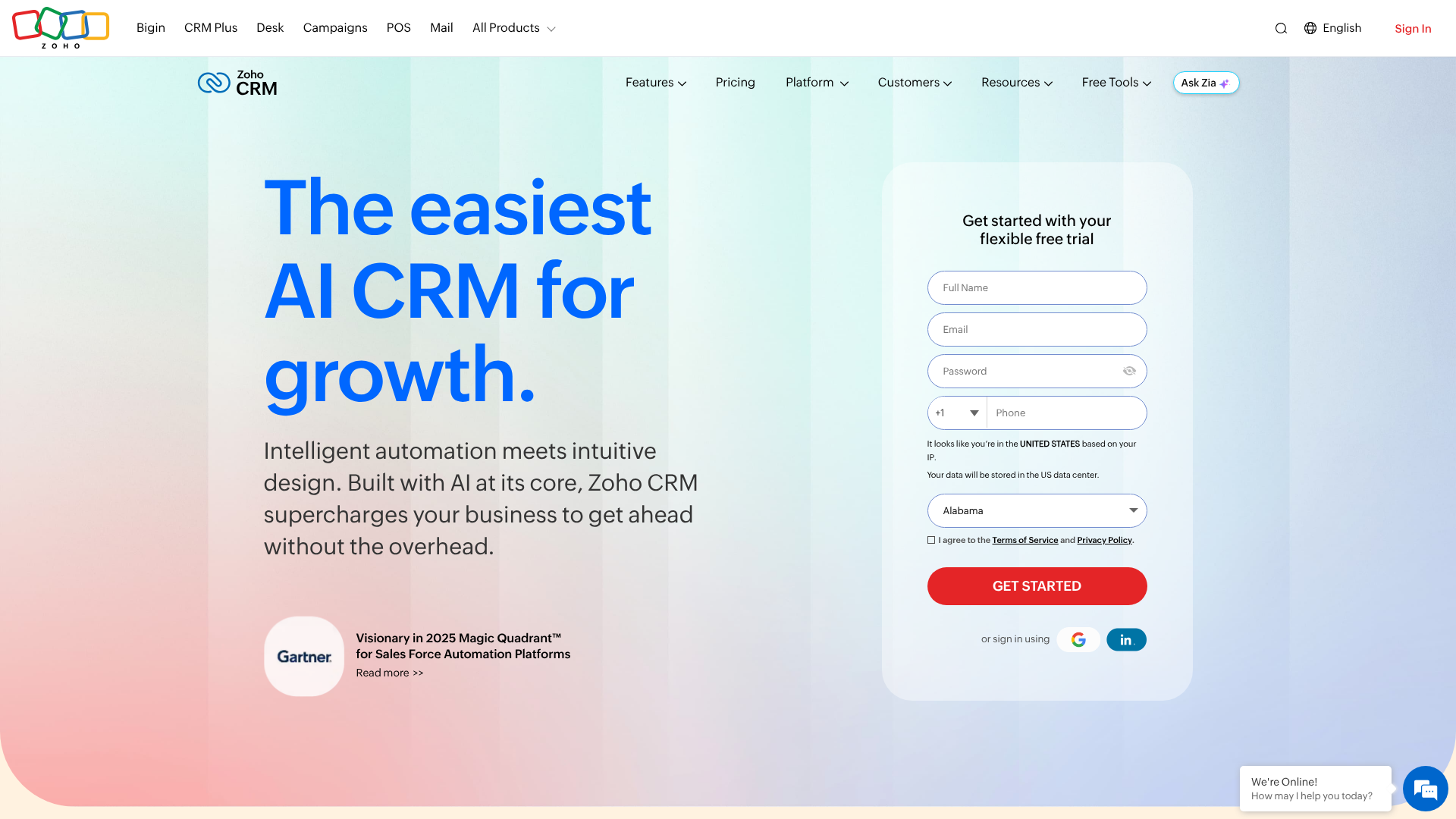
Zoho CRM is another top-tier option known for its extensive customisation capabilities and affordable pricing. It's a great fit for businesses that have unique sales processes and need a platform that can be tailored to their specific needs. Zoho's analytics tools are also powerful, allowing you to build custom dashboards to monitor both pipeline health and funnel conversion rates.
Sales Engagement Platforms for Pipeline Acceleration
These platforms help your sales reps execute the activities within each pipeline stage more efficiently. They automate outreach, track engagement, and provide data on what's working.
Tools like Outreach and Reply.io allow you to create multi-step, multi-channel outreach sequences (email, phone, social media). This ensures consistent follow-up, which is critical for moving deals through the pipeline. They provide analytics that can help you understand which messaging converts best, directly impacting your funnel's performance.
Proposal and eSignature Tools for Closing Deals
When a deal reaches the later stages of the pipeline, you need tools to create compelling proposals and get them signed quickly. Platforms like Better Proposals and Proposify offer templates and analytics to see when a prospect has viewed your proposal. This gives reps a perfect opportunity to follow up at the right moment, increasing the chances of closing the deal.
Pricing and Cost Considerations for Sales Tools
The investment in sales tools can vary widely, but it's important to view it as a driver of revenue, not just a cost. Most modern sales software operates on a subscription model, typically priced per user, per month.
For CRMs, you can get started for free. HubSpot CRM's free tools are robust enough for any small business to build its first pipeline. Paid plans, which unlock automation and advanced reporting, typically start from around £40 per month per user, scaling up from there. Zoho CRM also offers a free edition, with paid plans being very competitive, often starting under £20 per user per month.
For the most accurate and up-to-date information, it's always best to visit their websites directly.
Sales engagement platforms like Outreach or Reply.io are a more significant investment, often costing over £100 per user per month. These are designed for dedicated sales teams where efficiency gains can lead to a substantial return on investment. The cost is justified by the time saved through automation and the increased number of deals closed due to systematic follow-up.
Proposal and eSignature tools typically have tiered pricing based on the number of documents or users. Costs can range from £15 to £50 per user per month. The value comes from a more professional presentation and a faster closing process, which directly impacts your sales velocity.
Pros and Cons: Pipeline vs Funnel Perspectives
Each viewpoint has its own strengths and weaknesses. Understanding them helps you know when to use which perspective to analyse your business.
The Pipeline Perspective: Pros and Cons
Pros:
- Action-Oriented: It gives sales reps a clear list of tasks and next steps for every deal.
- Accurate Forecasting: When managed well, it provides the most reliable data for predicting future revenue.
- Individual Accountability: It makes it easy to see which reps are managing their deals effectively and who might need coaching.
Cons:
- Internally Focused: It can cause teams to focus too much on their own actions and lose sight of the customer's actual needs and experience.
- Lacks the 'Why': It shows what is happening with deals but doesn't explain why customers are behaving a certain way.
The Funnel Perspective: Pros and Cons
Pros:
- Customer-Centric: It forces you to think about the sales process from the customer's point of view.
- Identifies Weaknesses: It is the best way to find and fix systemic problems or 'leaks' in your sales and marketing process.
- Improves Efficiency: Optimising funnel conversion rates leads to a lower cost per acquisition and higher overall revenue.
Cons:
- Can Be Too Abstract: The stages are conceptual and don't always translate to concrete daily tasks for a sales rep.
- Volume-Dependent: Funnel data can be misleading if you don't have a significant volume of leads passing through it.
Pro Tip: Schedule a monthly meeting between marketing and sales leadership to review the sales funnel data together. This fosters alignment and helps both teams take responsibility for the entire customer journey, from the first ad click to the final signed contract.
Frequently Asked Questions (FAQ)
Here are answers to some of the most common questions about sales pipelines and funnels.
What are the 7 stages of the sales pipeline?
A typical sales pipeline consists of seven stages that represent the seller's actions: Prospecting (finding new leads), Lead Qualification (vetting leads), Initial Contact (making the first call), Proposal/Demonstration (presenting the solution), Negotiation (handling objections), Closing (signing the deal), and Post-Sale (onboarding and retention).
What are the 5 stages of a sales funnel?
The sales funnel typically follows the five stages of the AIDA(L) model, which represents the buyer's journey: Awareness (becoming aware of your brand), Interest (actively researching), Decision (evaluating your solution), Action (making the purchase), and Loyalty (becoming a repeat customer and advocate).
What does a good sales pipeline look like?
A good sales pipeline is well-balanced, with a healthy number of deals distributed across all stages, not just clustered at the beginning or end. It should have a consistent flow of new opportunities entering at the top and a predictable percentage of deals closing at the bottom. A healthy pipeline also has a high data integrity, meaning reps update it regularly, which leads to accurate sales forecasts.
What tools can manage a sales pipeline?
The most essential tool for managing a sales pipeline is a Customer Relationship Management (CRM) platform. Leading CRMs like HubSpot CRM and Zoho CRM provide visual, drag-and-drop interfaces to track deals, automate tasks, and forecast revenue. Other tools like sales engagement and proposal software support specific stages within the pipeline.
What is another name for a sales pipeline?
A sales pipeline is sometimes referred to as an 'opportunity pipeline', 'deal pipeline', or simply the 'sales process'. The stages within it might be called 'deal stages' or 'opportunity stages'. While the names can vary slightly, the concept of tracking a seller's actions through a linear process remains the same.
Conclusion: Unifying Your Sales View for Better Results
The debate over the sales pipeline vs sales funnel isn't about choosing a winner. It's about understanding that you need both to succeed. The pipeline gives you control over your daily sales activities and the ability to forecast revenue, while the funnel gives you the insight to improve your overall process and increase efficiency.
By embracing both perspectives, you empower your sales reps with a clear roadmap for their deals and equip your leadership with the data needed to make strategic decisions. You stop just working in your sales process and start working on it, creating a system that is not only effective today but also scalable for tomorrow.
To start building a clear, actionable sales process, consider implementing a CRM. Tools like HubSpot CRM offer a great starting point with free pipeline management features, while Zoho CRM provides deep customisation for growing teams. Adopting the right tool is the first practical step toward mastering both the art and science of sales.