
B to B Lead Generation: A Practical Guide for Sustainable Growth
An empty sales pipeline is a constant source of anxiety for any business. Without a steady flow of potential customers, growth stalls, and uncertainty creeps in. The solution lies in mastering the art and science of b to b lead generation—the engine that powers sustainable revenue and predictable growth by systematically identifying and attracting your ideal business customers.
- In a Nutshell
- What Exactly is B to B Lead Generation?
- Why Mastering Business Lead Generation is Non-Negotiable
- The Core Components of a Successful B2B Lead Gen Strategy
- Top B2B Lead Generation Strategies and the Tools to Power Them
- 1. Content Marketing & SEO: The Inbound Engine
- 2. Cold Outreach Reimagined: Personalisation at Scale
- 3. Webinars & Virtual Events: Demonstrating Expertise
- 4. High-Converting Landing Pages & Forms
- Understanding the Costs: Pricing Models in B2B Prospecting
- The Pros and Cons of Different Lead Generation Channels
- Inbound Lead Generation (SEO, Content, Social Media)
- Outbound Lead Generation (Cold Email, Cold Calling, Paid Ads)
- Frequently Asked Questions About B2B Lead Generation
- What is the difference between lead generation and demand generation?
- How long does it take to see results from B2B lead generation?
- What is a good cost per lead (CPL) for B2B?
- How can I improve the quality of my leads?
- Final Thoughts: Building Your Lead Generation Machine
This guide moves beyond simple definitions to provide a practical framework for building a robust lead generation machine. We'll explore the foundational strategies, the tools that automate success, and the metrics that matter. Whether you're building a strategy from scratch or refining an existing one, you'll find actionable steps to fill your pipeline with qualified prospects ready to engage.
In a Nutshell
- It's a Process, Not an Event: Effective B2B lead generation involves a multi-step process of attracting, engaging, nurturing, and qualifying potential business customers before they are passed to the sales team.
- Strategy Before Tactics: Success starts with a clearly defined Ideal Customer Profile (ICP). Knowing exactly who you're targeting makes every subsequent tactic, from content creation to ad campaigns, significantly more effective.
- A Multi-Channel Approach is Key: Relying on a single channel is risky. The most resilient strategies combine inbound methods (like SEO and content marketing) with outbound methods (like personalised email and social selling) to create a consistent flow of leads.
- Technology is Your Ally: Modern tools for marketing automation, SEO, and prospecting are essential for scaling your efforts. They allow you to personalise communication, track engagement, and manage leads efficiently without manual overload.
- Focus on Quality Over Quantity: Generating thousands of irrelevant leads is a waste of resources. The ultimate goal is to generate high-quality, sales-ready leads that have a genuine need for your product or service and are more likely to convert.
What Exactly is B to B Lead Generation?
At its core, b to b lead generation is the strategic process of identifying and attracting potential business customers (leads) for your company's products or services. It's the first and most critical step in any sales funnel. Unlike B2C (business-to-consumer) marketing, which often targets individual emotional buys, B2B transactions are typically more complex, involve higher price points, and require approval from multiple stakeholders.
This complexity means the business lead generation process is longer and more nuanced. It’s not about a single interaction but about building a relationship and demonstrating value over time. The journey of a lead is often categorised into different stages to help marketing and sales teams align their efforts and understand a prospect's level of interest.
The B2B Lead Funnel: From Curious to Qualified
Understanding the stages of a lead is crucial for effective nurturing. Here’s a simple breakdown:
- Information Qualified Lead (IQL): This is someone at the very top of the funnel. They've provided their contact information in exchange for something valuable, like an e-book or a whitepaper. They are aware of a problem but are still in the research phase.
- Marketing Qualified Lead (MQL): An MQL has shown more significant interest than an IQL. They might have attended a webinar, requested a demo, or repeatedly visited key pages on your website. They fit your target demographic and are deemed ready for marketing nurture campaigns.
- Sales Qualified Lead (SQL): This is a lead that has been vetted by both marketing and sales and is considered ready for a direct sales conversation. They typically have a clear need, a defined budget, and the authority to make a purchasing decision. The goal of all B2B lead gen activities is to produce a steady stream of SQLs.
Why Mastering Business Lead Generation is Non-Negotiable
Investing time and resources into a structured business lead generation strategy isn't just a 'nice-to-have' marketing activity; it's a fundamental driver of business health and growth. A consistent flow of qualified leads is the lifeblood of the sales department, directly impacting revenue and long-term stability. Without it, sales teams are left to rely on inconsistent referrals or inefficient cold calling, leading to unpredictable boom-and-bust cycles.
One of the primary benefits is the ability to build a predictable sales pipeline. When you know your conversion rates at each stage of the funnel, you can forecast future revenue with much greater accuracy. For example, if you know that you need 100 MQLs to generate 10 SQLs, and 2 of those SQLs become customers, you can work backwards to determine the marketing activity required to hit your revenue targets. This data-driven approach removes guesswork and allows for strategic planning.
Furthermore, a strong lead generation process provides invaluable market insights. By tracking which content, channels, and messaging attract the best leads, you gain a deeper understanding of your customers' pain points and priorities. This feedback loop helps you refine your product, improve your marketing, and stay ahead of the competition. It transforms marketing from a cost centre into a strategic intelligence unit that fuels the entire organisation.


The Core Components of a Successful B2B Lead Gen Strategy
Before launching any campaigns or investing in software, a successful strategy must be built on a solid foundation. Jumping straight to tactics without defining the strategy is like setting sail without a map or a destination. You might be busy, but you won't make meaningful progress. There are three core components that must be established first.
First and foremost is defining your Ideal Customer Profile (ICP). An ICP is a detailed description of the perfect company you want to sell to. It goes beyond basic firmographics like industry and company size to include details like their technology stack, budget cycles, and common business challenges. Without a crystal-clear ICP, your marketing messages will be too generic to resonate, and you'll waste resources attracting businesses that are a poor fit for your solution.
Second is crafting a Compelling Value Proposition and Offer. Once you know who you're targeting, you need to give them a powerful reason to engage. What specific problem do you solve for your ICP. How do you solve it better than anyone else.
Your offer—whether it's a free trial, a detailed case study, or a webinar—must be highly relevant to their needs and provide immediate value. A weak or irrelevant offer will fail to convert traffic into leads, no matter how perfectly targeted your audience is.
Finally, you must select the right Channels and Nurturing Process. Where does your ICP spend their time online. Are they active on LinkedIn, do they read industry blogs, or do they rely on search engines to find solutions. Your channel strategy should focus on being present where your ideal customers are looking.
Once you capture a lead, you need a clear nurturing process, often powered by marketing automation, to guide them through the funnel with relevant content until they are ready for a sales conversation.
Top B2B Lead Generation Strategies and the Tools to Power Them
With a solid strategic foundation in place, you can begin executing specific tactics to attract and convert leads. A modern B2B prospecting approach relies on a blend of inbound and outbound methods, each supported by powerful software to improve efficiency and effectiveness. Here are some of the most impactful strategies for 2026 and beyond.
1. Content Marketing & SEO: The Inbound Engine
Content marketing is the practice of creating and distributing valuable, relevant, and consistent content to attract and retain a clearly defined audience. For B2B, this means creating blog posts, whitepapers, case studies, and guides that solve your ICP's problems. When optimised for search engines (SEO), this content can attract high-intent prospects who are actively searching for solutions like yours.
The key is to focus on 'bottom-of-the-funnel' topics—keywords that indicate a user is close to making a purchase decision (e.g., "best crm for small businesses" or "[competitor] alternative"). Answering these questions builds trust and positions your company as an authority. This strategy creates a long-term, scalable asset that generates leads passively for years.
- Recommended Tools:
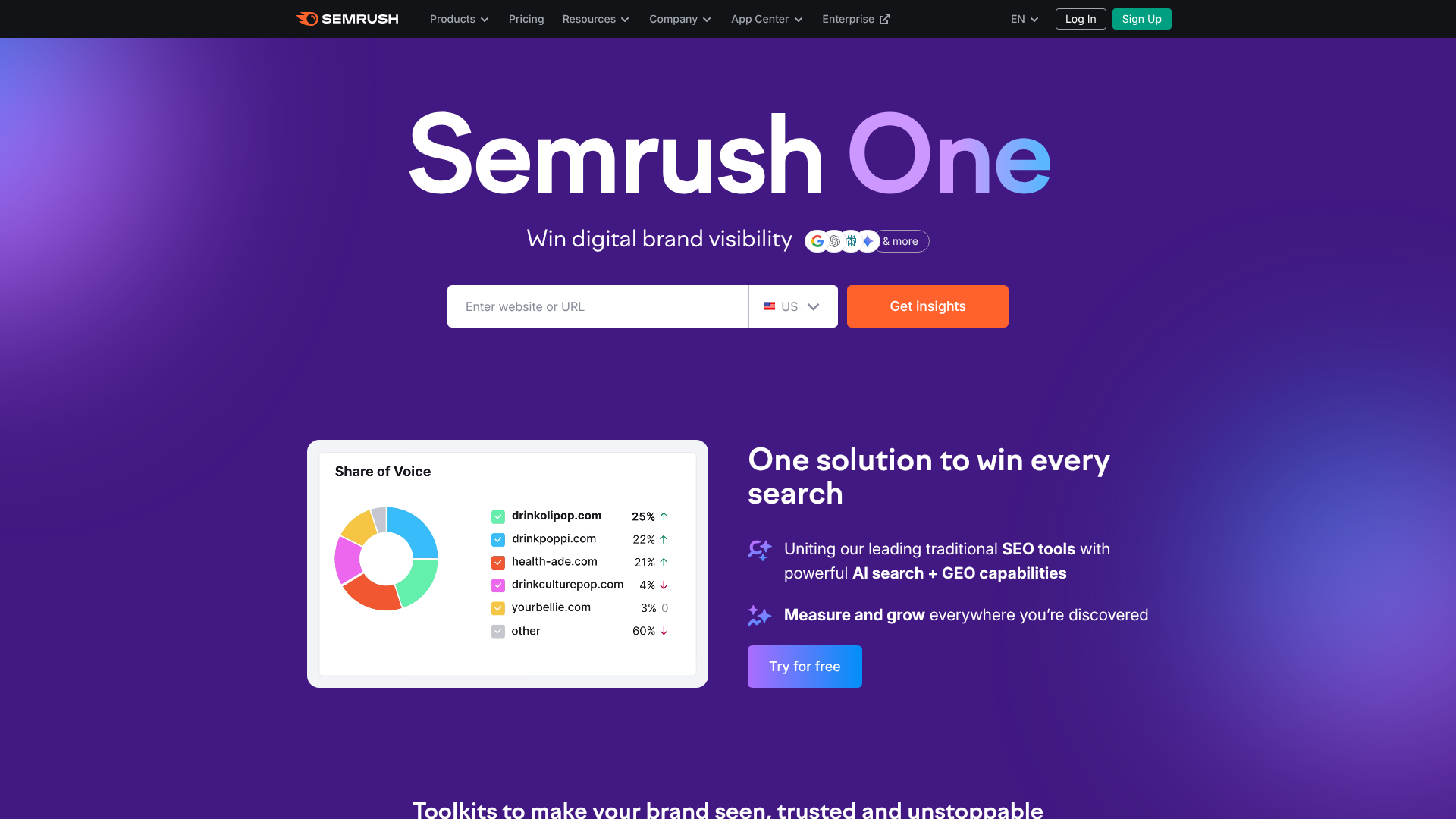
- Semrush: An all-in-one SEO platform perfect for identifying high-value keywords, analysing competitors, and tracking your search engine rankings. It's essential for building a data-driven content strategy.
- Surfer SEO: This tool helps you optimise your content to rank higher. It analyses top-ranking pages for your target keyword and provides a checklist of terms, headings, and structural elements to include in your article.
2. Cold Outreach Reimagined: Personalisation at Scale
Cold email still works, but the days of blasting a generic template to thousands of contacts are over. Modern B2B prospecting via email is about hyper-personalisation. This involves researching each prospect to find a relevant reason to connect, such as a recent company announcement, a shared connection, or a post they made on LinkedIn. The goal is to start a conversation, not to pitch your product in the first email.
This approach requires more effort upfront but yields significantly higher response rates. Automation tools can help manage the process by sending follow-up emails automatically, but the initial message should always feel like it was written specifically for the recipient. A well-executed cold email campaign can open doors to key decision-makers who might never have discovered you through inbound channels.
- Recommended Tools:
- Hunter: An essential tool for finding the email addresses of professionals at any company. Its accuracy helps ensure your carefully crafted emails actually reach the intended recipient.
- ActiveCampaign: While known for email marketing, ActiveCampaign's powerful automation features are perfect for creating personalised outreach sequences. You can trigger different follow-up paths based on whether a prospect opens, clicks, or replies.
Pro Tip: Use the "1-2 punch" method for outreach. Send a personalised connection request on LinkedIn. The next day, send your personalised email referencing the LinkedIn request. This multi-touch approach dramatically increases the chances your message will be seen.
3. Webinars & Virtual Events: Demonstrating Expertise
Webinars are one of the most effective formats for generating high-quality B2B leads. They provide a platform to showcase your expertise, demonstrate your product in action, and interact directly with dozens or even hundreds of potential customers at once. Unlike a static blog post, a live event creates a sense of urgency and provides immense value in a condensed timeframe.
The leads you generate from a webinar are often highly qualified. Someone willing to dedicate 45-60 minutes of their time to learn about a topic is clearly invested in solving a problem. You can use the registration data to qualify leads and the Q&A session to identify their specific pain points, providing your sales team with rich context for their follow-up calls.
- Recommended Tools:
- EasyWebinar: A powerful platform that supports both live and automated (evergreen) webinars. Its integration capabilities make it simple to pass registrant data directly into your CRM or email marketing tool for seamless follow-up.
- WebinarGeek: Known for its user-friendly interface and robust marketing features, WebinarGeek makes it easy to create professional-looking webinars, send automated reminders, and analyse performance.
4. High-Converting Landing Pages & Forms
All your marketing efforts—whether it's an ad, an email, or a social media post—need a destination. A landing page is a standalone web page created specifically for a marketing or advertising campaign. Its sole purpose is to convert visitors into leads by getting them to take a specific action, such as downloading a resource or signing up for a demo.
An effective landing page has a single, clear call-to-action (CTA), compelling copy that speaks directly to the visitor's pain point, and a simple form that only asks for essential information. Removing distractions like website navigation and focusing on one goal dramatically increases conversion rates. Tools designed for building landing pages make it easy to create and A/B test different versions without needing a developer.
- Recommended Tools:
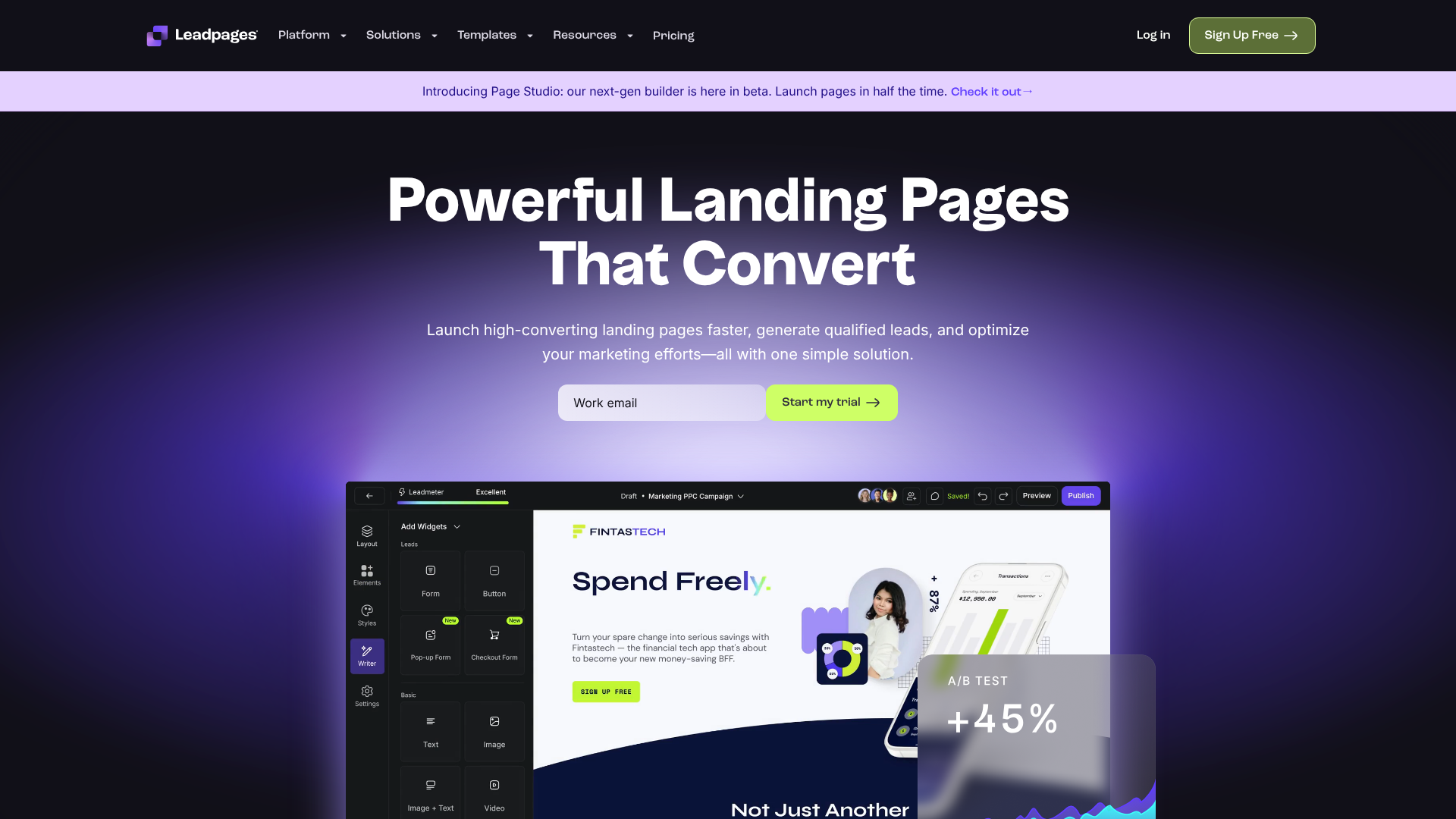
- Leadpages: A market leader in landing page creation. It offers a vast library of high-converting templates and a simple drag-and-drop editor, allowing you to launch professional pages in minutes.
- Jotform: While landing pages are crucial, the form itself is where the conversion happens. Jotform is a powerful and flexible form builder that allows you to create everything from simple contact forms to complex, multi-step registration forms with conditional logic.
Understanding the Costs: Pricing Models in B2B Prospecting
Budgeting for B2B lead gen can be complex because costs vary widely based on the channels you use, the industry you're in, and the seniority of the decision-makers you're targeting. There isn't a single 'one-size-fits-all' price. However, understanding the common pricing models can help you evaluate options, whether you're hiring an agency or investing in paid advertising.
One common model is Cost Per Lead (CPL). In this model, you pay a fixed price for every lead that meets a set of pre-defined criteria (e.g., from a specific industry, company size, and job title). This model is predictable but can sometimes prioritise quantity over quality if the criteria aren't strict enough. CPLs can range from £25 for a simple content download lead to over £500 for a highly qualified, sales-ready lead in a competitive tech niche.
Another approach is a Monthly Retainer. This is common when working with lead generation agencies or freelancers. You pay a fixed monthly fee for a set of activities and deliverables, such as a certain number of outreach emails sent, content pieces created, or hours worked. This model provides consistent effort but doesn't always guarantee a specific number of leads.
It's best for long-term, strategic initiatives like SEO or content marketing.
Finally, some providers offer Performance-Based or Commission Models, where they are paid based on results, such as a percentage of the revenue from each closed deal. This model aligns the provider's incentives directly with your own but is less common and often comes with higher potential payouts for the provider. When budgeting, it's crucial to look beyond the initial cost and consider the potential Return on Investment (ROI) of the leads generated.
The Pros and Cons of Different Lead Generation Channels
Choosing the right channels for your B2B lead gen efforts is a critical decision that impacts your budget, timeline, and results. The two broadest categories are inbound and outbound marketing, and each has distinct advantages and disadvantages. A balanced strategy often incorporates elements of both.
Inbound Lead Generation (SEO, Content, Social Media)
Inbound marketing focuses on attracting customers through valuable content and experiences they find on their own. It's about drawing prospects in rather than pushing your message out.
Pros:
- Higher Lead Quality: Leads who find you through search or content are actively looking for a solution, making them more qualified and easier to convert.
- Long-Term Asset: A high-ranking blog post or a popular YouTube channel can generate leads for years with minimal ongoing effort, providing excellent long-term ROI.
- Builds Authority: Consistently publishing valuable content establishes your brand as a trusted expert in your industry.
Cons:
- Time-Consuming: It can take 6-12 months or more to see significant results from SEO and content marketing.
- Less Predictable: You can't simply 'turn on' inbound leads. Results depend on algorithm changes, competition, and content quality.
- Requires Significant Upfront Investment: Creating high-quality content and promoting it requires a substantial investment of time and/or money.
Outbound Lead Generation (Cold Email, Cold Calling, Paid Ads)
Outbound marketing involves proactively reaching out to potential customers who have not yet expressed interest in your brand.
Pros:
- Fast Results: You can start generating conversations and booking meetings within days of launching a campaign.
- Highly Targeted: You have complete control over who you contact, allowing you to go directly after your ideal customers.
- Predictable and Scalable: Once you find a message and audience that works, you can scale the activity predictably by increasing volume.
Cons:
- Can be Perceived as Intrusive: If not done well, outbound outreach can damage your brand's reputation.
- Lower Conversion Rates: Because the prospects are 'cold', response and conversion rates are typically much lower than with inbound leads.
- Requires Constant Effort: The moment you stop your outbound activities, the lead flow stops. It's not a long-term asset.
Pro Tip: Combine inbound and outbound for maximum effect. Use your inbound content (like a case study or a whitepaper) as the 'value offer' in your outbound email campaigns. This warms up the cold outreach and provides a legitimate reason to connect.
Frequently Asked Questions About B2B Lead Generation
Navigating the world of B2B lead generation can bring up many questions. Here are answers to some of the most common ones.
What is the difference between lead generation and demand generation?
Lead generation is the process of capturing interest and contact information from potential customers. It's a specific action focused on filling the top of the sales funnel. Demand generation is a broader, more holistic strategy focused on creating awareness and interest in your company's products and the problems they solve. Demand generation creates the environment in which lead generation can succeed.
How long does it take to see results from B2B lead generation?
This depends entirely on the channels you use. Outbound strategies like paid ads or cold email can start generating responses within a week. Inbound strategies like SEO and content marketing are a long-term play; it often takes 6 to 12 months to gain significant traction and see a consistent flow of organic leads.
What is a good cost per lead (CPL) for B2B?
A 'good' CPL varies dramatically by industry, target audience, and lead quality. For a simple content download (IQL), a CPL of £20-£50 might be reasonable. For a highly qualified, demo-request lead (SQL) in a competitive software niche, a CPL of £200-£500+ could be considered a success. The most important metric is not the CPL itself, but the return on investment it generates.
How can I improve the quality of my leads?
Improving lead quality starts with refining your Ideal Customer Profile (ICP) and targeting. Be more specific about the industries, company sizes, and job titles you go after. Additionally, use lead scoring to automatically rank leads based on their demographic data and online behaviour. This allows your sales team to focus their energy on the prospects most likely to convert.
Final Thoughts: Building Your Lead Generation Machine
Effective b to b lead generation is not about finding a single magic bullet. It's about building a resilient, multi-channel system that consistently attracts, engages, and qualifies your ideal customers. It requires a strategic foundation built on a deep understanding of your ICP, a commitment to providing value, and the intelligent use of technology to scale your efforts.
Start by focusing on one or two channels that align best with your audience and resources. For some, that might be a content-driven SEO strategy powered by tools like Semrush. For others, a direct outreach approach using ActiveCampaign to automate personalised sequences might yield faster results. The key is to start, measure everything, and iterate based on the data.
By combining the right strategies with the right tools, you can transform lead generation from a source of stress into a predictable, scalable engine for growth. If you're ready to start building high-converting funnels and landing pages, platforms like Leadpages and ClickFunnels offer excellent starting points for turning traffic into tangible business leads.