
Bluehost vs WP Engine: Which is Better for Your WordPress Site in 2026?
Choosing a web host is one of the most critical decisions you'll make for your website. It directly impacts your site's speed, security, and overall user experience. The debate often comes down to two very different contenders, which is why a detailed Bluehost vs WP Engine comparison is essential. On one side, you have Bluehost, a budget-friendly giant known for its accessibility.
- Quick Summary
- What is Bluehost vs WP Engine? The Core Difference Explained
- At a Glance: Bluehost vs WP Engine Comparison Table
- Performance and Speed: Who is Faster?
- Key Features: A Side-by-Side Look
- Ease of Use and User Experience
- Customer Support: A Tale of Two Tiers
- Pricing and Value: A Clear Cost Comparison
- The Verdict: Pros and Cons of Each Host
- Who Should Choose Which Host?
- Frequently Asked Questions (FAQ)
- Is WordPress or Bluehost better?
- Is WP Engine a better hosting provider than Bluehost for WordPress websites?
- Is WP Engine banned from WordPress?
- What is better than Bluehost?
- Is Bluehost owned by WordPress?
- Final Thoughts: Bluehost vs WP Engine
On the other, there's WP Engine, a premium, managed WordPress host built for performance and peace of mind.
This isn't a simple apples-to-apples comparison. It's about understanding two fundamentally different hosting philosophies: affordable shared hosting versus high-performance managed hosting. Your choice will depend entirely on your budget, technical needs, and long-term goals for your website. This guide will break down every crucial aspect to help you make the right decision.
Quick Summary
- Bluehost is Best For: Beginners, personal bloggers, and small websites operating on a strict budget. It offers an affordable entry point into the world of web hosting and is very easy to get started with.
- WP Engine is Best For: Businesses, agencies, e-commerce stores, and high-traffic websites that cannot compromise on speed, security, or support. It's a premium investment for serious projects.
- The Core Difference: Bluehost primarily offers shared hosting, where you share server resources with other websites. WP Engine provides managed WordPress hosting, giving you dedicated resources and a team of experts managing the technical side for you.
- Our Verdict: If performance, security, and expert support are your top priorities and your budget allows, WP Engine is the superior choice. If you're just starting and cost is the most important factor, Bluehost is a solid place to begin.
What is Bluehost vs WP Engine? The Core Difference Explained
To properly understand this comparison, you first need to grasp the fundamental difference between their service types: shared hosting and managed WordPress hosting. They cater to completely different needs and expectations.
Bluehost: The World of Shared Hosting
Bluehost is one of the most popular web hosts in the world, largely because it specialises in affordable shared hosting. Think of shared hosting like living in a large apartment building. You get your own flat (your hosting space), but you share the building's main resources—like the water supply, electricity, and lift—with all the other residents.
This model makes it incredibly cost-effective. However, if one resident uses a huge amount of water, it might affect the water pressure for everyone else. Similarly, on a shared server, a traffic spike on another website can potentially slow down yours. It's an excellent, low-cost solution for new websites, personal blogs, and small portfolios that don't have high traffic or performance demands.
WP Engine: The Premium Managed WordPress Experience

WP Engine operates in a different league. They offer managed WordPress hosting, which is more like having a serviced apartment with a dedicated concierge and security team. The entire environment is built, optimised, and managed specifically for one application: WordPress. You don't have to worry about server maintenance, security updates, performance optimisation, or WordPress core updates—the 'concierge' team at WP Engine handles it all for you.
This service comes at a premium price, but it includes elite performance through Google Cloud Platform infrastructure, proactive security that blocks millions of attacks daily, and access to a support team of genuine WordPress experts. A bluehost vs wordpress engine analysis reveals that you're not just buying server space with WP Engine; you're investing in a high-performance platform and an expert technical team.
At a Glance: Bluehost vs WP Engine Comparison Table
This table provides a quick overview of the key differences between the two hosting providers.
| Feature | Bluehost | WP Engine |
|---|---|---|
| Hosting Type | Shared, VPS, Dedicated | Managed WordPress Hosting |
| Performance | Standard | Exceptional, optimised for speed |
| Pricing | Starts very low (from ~£2.35/mo) | Premium (from ~£24/mo) |
| Best For | Beginners, Blogs, Low-Traffic Sites | Businesses, Agencies, High-Traffic Sites |
| Uptime Guarantee | No formal guarantee | 99.95% SLA-backed guarantee |
| Staging Site | Yes, basic one-click staging | Yes, advanced Dev/Stage/Prod environments |
| Security | Good (SSL, basic malware scan) | Excellent (Managed WAF, daily scans, free hack repair) |
| CDN | Free Cloudflare integration | Premium integrated Global CDN |
| Support | 24/7 General Support | 24/7 WordPress Expert Support |
| Free Domain | Yes, for the first year | No |
Performance and Speed: Who is Faster?
Website speed is not just a vanity metric; it directly affects user experience, conversion rates, and SEO rankings. In the performance category, the difference between Bluehost and WP Engine is significant.
WP Engine's Performance Architecture
WP Engine is built from the ground up for one thing: making WordPress sites fly. They achieve this through a multi-layered, highly optimised technology stack. Their infrastructure is built on the Google Cloud Platform, using its most performant servers. This provides a fast and scalable foundation.
On top of that, WP Engine has its proprietary caching system called EverCache®. It's designed to serve pages incredibly quickly without needing complex caching plugins. They also include a premium Content Delivery Network (CDN) with all plans, which caches your site's assets on servers around the globe, ensuring fast load times for visitors no matter where they are. This comprehensive approach to speed makes them a clear winner for any site where performance is a priority.
Bluehost's Performance
Bluehost provides reliable performance that is perfectly adequate for new or small websites. They offer solid-state drives (SSDs) on all plans, which are much faster than traditional hard drives, and they include a free Cloudflare CDN integration to help speed up global load times.
However, because it's a shared environment, your site's performance can be subject to the 'noisy neighbour' effect. If other sites on your shared server experience a sudden surge in traffic, it can consume server resources and slow your site down. While Bluehost's performance is good for its price point, it cannot consistently match the raw speed and stability of a fine-tuned managed environment like WP Engine.

Key Features: A Side-by-Side Look
Beyond speed, the features included with your hosting plan can save you time, money, and headaches. Here’s how a wp engine comparison with Bluehost stacks up in key areas.
Staging Environments
A staging environment is a private clone of your live website where you can safely test updates, new plugins, or design changes before pushing them to the public. It's an essential tool for preventing site-breaking errors.
WP Engine offers one of the best staging workflows in the industry. With every plan, you get three distinct environments: Development, Staging, and Production (your live site). This allows you to build in one place, test in another, and then deploy to your live site with a single click. This is a professional-grade tool that is invaluable for agencies and developers.
Bluehost also offers a one-click staging site feature. It's functional and allows you to create a copy of your site for testing. However, it lacks the sophisticated multi-environment workflow that WP Engine provides, making it more suited for simple updates rather than complex development cycles.
Security Measures
Website security is non-negotiable. A single breach can destroy your reputation and be costly to fix.
WP Engine takes a proactive, managed approach to security. They run daily malware scans, have a proprietary web application firewall (WAF) that blocks malicious traffic before it even reaches your site, and they offer a remarkable security guarantee: if your site gets hacked, they will fix it for free. This level of managed security provides incredible peace of mind.
Bluehost provides good security fundamentals. You get a free SSL certificate, and they offer tools like SiteLock for malware scanning, though the more advanced features often come at an extra cost. The primary difference is the approach: with Bluehost, security is largely your responsibility, supported by their tools. With WP Engine, security is a managed service handled by their experts.
Pro Tip: Don't underestimate the value of a free hack-fix guarantee. The cost of hiring a security expert to clean a hacked WordPress site can easily run into hundreds of pounds, making WP Engine's guarantee a significant value proposition.
Backups and Restoration
Regular backups are your website's safety net.
WP Engine includes automated daily backups with every plan, and you can also create a manual backup at any time. Restoring your site from a backup is a simple one-click process from their user portal. These backups are stored off-site for added security.
Bluehost offers backups through a partnership with CodeGuard, but this is often included only in their higher-tier plans. On the basic plans, you may need to purchase it as an add-on. While the functionality is there, having it included and seamlessly integrated like it is with WP Engine is a major advantage.
Ease of Use and User Experience
How easy is it to manage your website with each host? Both platforms are designed to be user-friendly, but they target different types of users.
Bluehost: The Beginner's Choice

Bluehost is renowned for its beginner-friendly experience. They use a combination of a custom dashboard and the traditional cPanel, which is the industry standard for shared hosting. Their guided setup process makes it incredibly simple to install WordPress and get your first site online, often in just a few minutes. For anyone new to web hosting, Bluehost's interface is straightforward and less intimidating.
WP Engine: The Professional's Portal
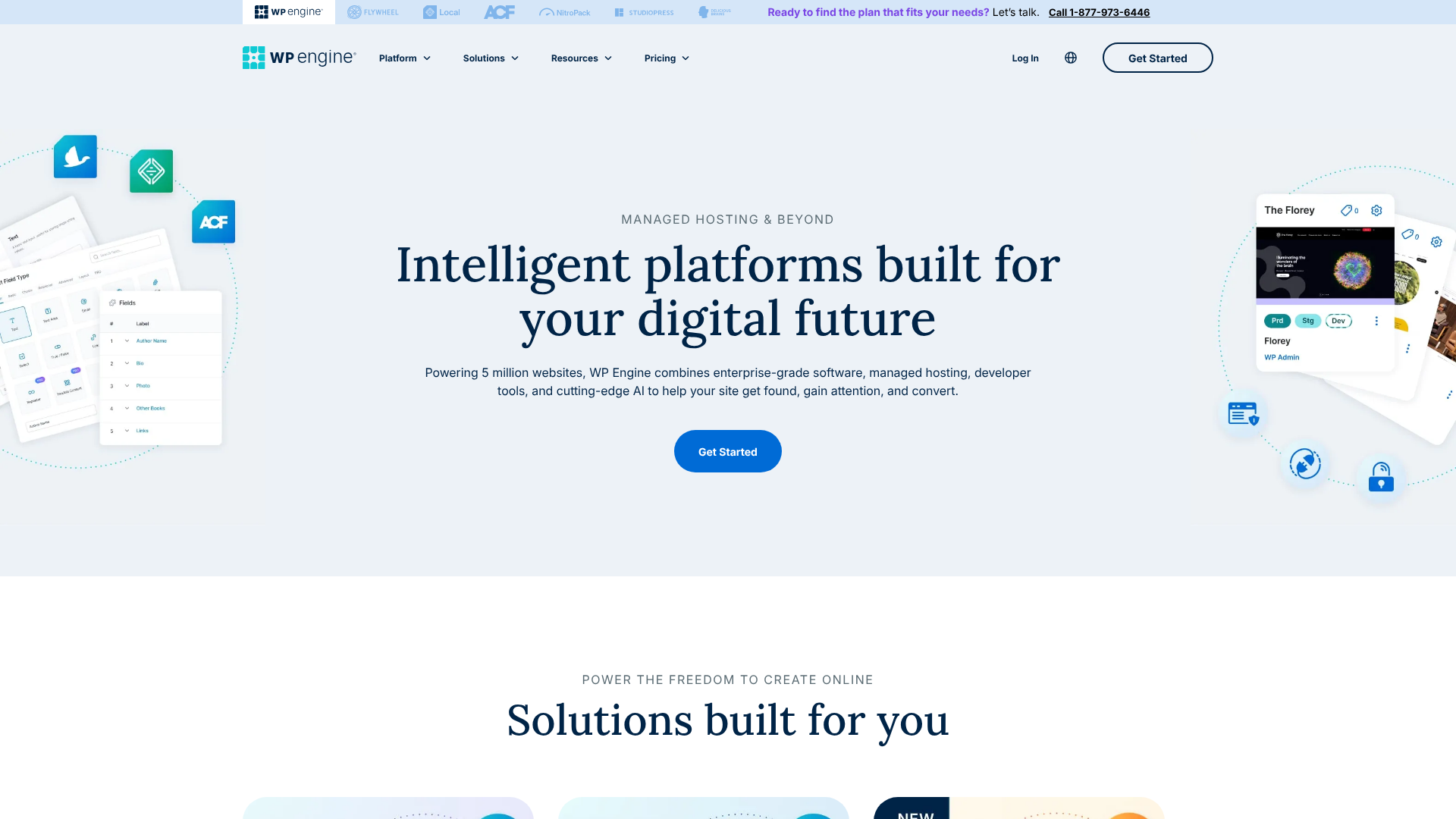
WP Engine does not use cPanel. Instead, they have a custom user portal designed specifically for managing WordPress sites. This portal provides easy access to all their advanced tools, such as staging environments, backups, performance metrics, and user permissions. While it might take a new user a little time to get familiar with it, developers and agencies often prefer it because it's clean, fast, and focused entirely on WordPress-specific workflows, without the clutter of cPanel.
To see a visual walkthrough of both dashboards, this video provides a helpful overview:
Customer Support: A Tale of Two Tiers
When something goes wrong, fast and knowledgeable support is crucial. This is another area where the difference between a budget host and a premium host becomes very clear.
WP Engine's support is a cornerstone of their service. Their support team is available 24/7 via live chat and phone (on higher plans) and is staffed entirely by WordPress experts. When you contact them, you're not talking to a generalist; you're talking to someone who deeply understands WordPress and the WP Engine platform. Their expertise can resolve complex issues quickly, saving you hours of frustration.
Bluehost also offers 24/7 support via live chat and phone. Their support team is trained to handle a wide range of hosting issues. However, they are generalists, not WordPress specialists. While they can help with common hosting problems, they may not have the in-depth knowledge to troubleshoot complex plugin conflicts or performance issues specific to WordPress.
The quality of support can sometimes be inconsistent depending on the agent you connect with.
Pricing and Value: A Clear Cost Comparison
For many, the decision will come down to price. It's important to look beyond the introductory monthly fee and consider the total value you receive.
Bluehost Pricing
Bluehost is famous for its low introductory prices, often starting as low as a few pounds per month. This makes it extremely attractive for those on a tight budget. These plans typically include a free domain name for the first year and a free SSL certificate.
However, it's crucial to be aware of two things. First, these low prices are for the initial term (usually 12 or 36 months). Renewal rates are significantly higher. Second, Bluehost often promotes add-ons during the checkout process, which can increase the total cost if you're not careful.
WP Engine Pricing
WP Engine is positioned as a premium service, and its pricing reflects that, starting at around £24 per month. This initial price can seem high compared to Bluehost, but it's important to factor in what's included. The price covers the high-performance infrastructure, managed security, daily backups, premium CDN, staging environments, and expert support.
Furthermore, all WP Engine plans come with the Genesis Framework and over 35 premium StudioPress themes, a package that would cost hundreds of pounds if purchased separately. When you calculate the cost of these premium features, WP Engine often provides excellent value for money for those who need them.
The Verdict: Pros and Cons of Each Host
To help you decide, here is a straightforward breakdown of the pros and cons of each service.
Bluehost: Pros and Cons
Pros:
- Very Affordable: The low entry-level pricing is hard to beat for new websites.
- Beginner-Friendly: The guided setup and easy-to-use dashboard are perfect for first-timers.
- Free Domain Name: You get a free domain for the first year, which saves on initial costs.
- Recommended by WordPress.org: They have a long-standing relationship and recommendation from WordPress.org.
Cons:
- Inconsistent Performance: As a shared host, performance can be slower and less stable than managed options.
- Aggressive Upselling: The checkout process includes many pre-selected add-ons that can be confusing.
- High Renewal Rates: The attractive introductory price disappears upon renewal.
- Support is Generalist: Support staff are not WordPress specialists.
WP Engine: Pros and Cons
Pros:
Exceptional Speed: Optimised infrastructure delivers some of the fastest WordPress hosting available. – Top-Tier Security: Managed security with a free hack-fix guarantee provides total peace of mind. – Expert WordPress Support: 24/7 access to a team of highly knowledgeable WordPress experts. – Powerful Developer Tools: Advanced features like Dev/Stage/Prod environments are invaluable.
All-Inclusive Value: Includes premium themes, CDN, and other features that would cost extra elsewhere.
Cons:
- Expensive: The premium price point can be prohibitive for small blogs or personal sites.
- WordPress Only: You cannot host any other type of application or website.
- Plugin Restrictions: They disallow a list of plugins known to cause performance or security issues, which can be limiting for some users.
Who Should Choose Which Host?
Your choice in the bluehost vs wp debate depends entirely on who you are and what you need.
Choose Bluehost if…
- You are a beginner launching your very first website or blog.
- Your budget is the most important factor in your decision.
- Your website is a personal project, portfolio, or small blog with low to moderate traffic.
- You are comfortable with the standard features of shared hosting and don't require advanced developer tools.
Choose WP Engine if…
- Your business depends on your website's speed, reliability, and security.
- You run an e-commerce store, a membership site, or a high-traffic blog.
- You are an agency, freelancer, or developer building websites for clients.
- You value expert, responsive support and want the peace of mind that comes with a fully managed service.
Frequently Asked Questions (FAQ)
Is WordPress or Bluehost better?
This question highlights a common confusion. WordPress is a Content Management System (CMS)—the software you use to build and manage your website. Bluehost is a web hosting company—the service that stores your website's files and makes them accessible on the internet. You need both.
Bluehost offers hosting that is optimised for WordPress, but they are separate things. The question is not whether one is better, but rather that you use a host like Bluehost to run your WordPress site.
Is WP Engine a better hosting provider than Bluehost for WordPress websites?
For most business and performance-focused use cases, yes, WP Engine is a better hosting provider for WordPress. Its entire infrastructure and support system are exclusively designed to make WordPress sites run faster and more securely than they would on a standard shared host like Bluehost.
However, 'better' is subjective. If 'better' means more affordable and easier for a complete novice to start with, then Bluehost could be considered the better choice for that specific user.
Is WP Engine banned from WordPress?
No, absolutely not. This is a misconception that may arise from WP Engine's list of disallowed plugins. WP Engine maintains a list of plugins that are not permitted on its platform because they conflict with their caching technology, cause performance issues, or create security vulnerabilities.
This is not a ban from WordPress; it's a quality control measure for WordPress sites on their platform to ensure high performance and security for all their customers. This practice is common among high-end managed WordPress hosts.
What is better than Bluehost?
For users looking for a step up from Bluehost's shared hosting without jumping to WP Engine's premium price, other hosts like SiteGround or Kinsta are often considered strong alternatives. They offer managed WordPress hosting features at a price point that is often between Bluehost and WP Engine.
However, for those seeking the absolute best performance, security, and support specifically for WordPress, WP Engine remains a top-tier choice that is considered better than Bluehost in almost every technical aspect.
Is Bluehost owned by WordPress?
No, Bluehost is not owned by WordPress. Bluehost is owned by Newfold Digital (formerly Endurance International Group or EIG), a large corporation that owns many other hosting brands. WordPress is an open-source project managed by the WordPress Foundation.
Bluehost is, however, one of the three hosting companies officially recommended on the WordPress.org website, a recommendation that has been in place for many years.
Final Thoughts: Bluehost vs WP Engine
Choosing between Bluehost and WP Engine is a classic case of balancing budget against performance. There is no single 'best' host for everyone. Bluehost serves an essential role in the market, providing an accessible and affordable entry point for millions of new website owners. It's a reliable starting block for your online journey.
However, as your website grows in traffic and importance, its needs will evolve. You will eventually reach a point where the limitations of shared hosting will hinder your growth. At that stage, investing in a premium managed host like WP Engine becomes a strategic business decision. The superior speed, robust security, and expert support provide a stable foundation for growth and a significant return on investment through better user experience and peace of mind.
If your website is a critical business asset, don't compromise on its foundation. For unparalleled performance and a truly managed experience, we recommend exploring what WP Engine has to offer. It's the professional choice for serious WordPress sites.