



10 Best Subject Lines for Cold Email That Boost Open Rates (2026)
You've spent hours researching a prospect, crafting the perfect value proposition, and polishing your email body until it shines. You hit send, feeling confident. But then. nothing.
- Quick Summary
- Why Your Cold Email Subject Line is 90% of the Battle
- 10 Core Strategies for Writing Cold Email Subject Lines That Get Opened
- 1. Keep it Short and Simple
- 2. Spark Curiosity (Without Being Clickbait)
- 3. Personalise, Personalise, Personalise
- 4. Use Numbers and Data
- 5. Create a Sense of Urgency or Exclusivity
- 6. Ask a Relevant Question
- 7. Reference a Mutual Connection or Trigger Event
- 8. Be Ultra-Specific and Value-Driven
- 9. Sound Human, Not Like a Robot
- 10. Focus on the Recipient, Not Yourself
- 50+ Examples of the Best Subject Lines for Cold Email (Categorised)
- The "Quick Question" Style
- The "Personalised" Style
- The "Value Proposition" Style
- The "Referral" Style
- The "Curiosity" Style
- The "Urgency" Style
- The "Ultra-Specific" Style
- The Science of Subject Lines: Length, Testing, and Data
- 7 Common Mistakes That Kill Your Open Rates (And How to Avoid Them)
- Tailoring Your Approach: Industry-Specific Subject Line Tips
- Frequently Asked Questions about Cold Email Subject Lines
- What do I title my cold email?
- What should you avoid putting in the subject line?
- What subject lines get the most opens?
- Is cold emailing illegal?
- Final Thoughts: Your Next Steps to Better Open Rates
The silence is deafening, and your open rate stays stubbornly low. The culprit is almost always the first thing your prospect sees: the subject line. Finding the best subject lines for cold email isn't just a small tweak; it's the single most important factor that determines whether your message gets read or deleted.
Your subject line is the gatekeeper to your entire cold outreach effort. It has one job: to earn the click. In a crowded inbox where decision-makers delete dozens of emails a day without a second thought, a generic or salesy subject line is a death sentence. A great one, however, piques curiosity, creates a connection, and promises value, compelling even the busiest professional to see what's inside.
This guide breaks down the strategies, examples, and psychology behind effective email subject lines. We'll move beyond generic templates and give you the framework to write compelling subject lines that feel personal, provide value, and dramatically increase your chances of starting a conversation.
Quick Summary
- Personalisation is Key: The most effective email subject lines are tailored to the individual. Use their name, company, or reference a recent achievement to show you've done your research.
- Brevity Wins: Aim for 3-5 words. Mobile devices often cut off longer subject lines, and short, punchy phrases stand out in a crowded inbox.
- Spark Curiosity, Don't Sell: Your goal is to get an open, not to close a deal in the subject line. Ask a question or make an intriguing statement that makes the recipient want to learn more.
- Avoid Spam Triggers: Steer clear of all caps, excessive exclamation marks, and salesy words like "free," "sale," or "guarantee," which can land your email in the spam folder.
- Always Be Testing: What works for one audience may not work for another. Continuously A/B test your subject lines to find the formulas that deliver the highest open rates for your campaigns.
Why Your Cold Email Subject Line is 90% of the Battle

The importance of a subject line in a cold email campaign cannot be overstated. It's the first impression, the digital handshake, and the deciding factor in a split-second judgment call. According to research, 35% of email recipients open an email based on the subject line alone. When you're reaching out to someone who has no idea who you are, that number is likely even higher.
Think of the average professional's inbox. It's a constant stream of internal communications, client requests, newsletters, and, of course, sales pitches. Your cold email is an uninvited guest. The subject line is your chance to prove you're a guest worth talking to, not an intruder to be ignored.
A weak subject line gets your email lumped in with the spam and deleted without a thought. A strong one cuts through the noise.
Effective subject lines work because they tap into basic human psychology. They create curiosity, establish relevance, and hint at a solution to a problem the recipient is facing. It’s the difference between a subject line like "Innovative Software Solution" and "Idea for [Company Name]'s user onboarding". The first is generic and will be ignored; the second is specific, personalised, and intriguing.
It shows you've thought about their specific business, which immediately builds a small amount of trust and earns you a few more seconds of their attention.
10 Core Strategies for Writing Cold Email Subject Lines That Get Opened
Crafting the best email subject lines is both an art and a science. It requires creativity, empathy, and a willingness to test and adapt. Here are ten foundational strategies to guide your efforts.
1. Keep it Short and Simple
In a world of information overload, brevity is your best friend. Over 60% of emails are now opened on mobile devices, where screen space is limited. A long subject line will get cut off, and your key message will be lost. Aim for a length of 1 to 5 words.
Short subject lines like "Quick question" or "Idea for [Company Name]" stand out in a cluttered inbox. They are easy to read and process at a glance, making it more likely the recipient will engage. The goal isn't to tell the whole story, but to create enough intrigue to earn a click. Think of it as a headline, not a summary.
2. Spark Curiosity (Without Being Clickbait)
Curiosity is a powerful motivator. A subject line that makes someone think, "What's this about?" is far more effective than one that lays everything out on the table. The key is to create an information gap—a space between what they know and what they want to know.
For example, instead of "Our Award-Winning Marketing Service," try "Your next marketing campaign?". This poses a question and implies you have an idea specifically for them. Avoid clickbait tactics that promise something the email doesn't deliver, as this destroys trust instantly. The curiosity should be genuine and relevant to the value you provide in the email body.
3. Personalise, Personalise, Personalise
This is the most critical strategy for successful cold outreach. A personalised subject line shows you've done your homework and aren't just blasting a generic template to thousands of people. Emails with personalised subject lines are 26% more likely to be opened.
Personalisation goes beyond just using a {FirstName} merge tag. Reference their company, a recent project they completed, a post they shared on LinkedIn, or a mutual connection. For example: "Loved your post on content strategy" or "[Mutual Connection]'s intro". This creates an immediate sense of familiarity and relevance, making your email feel less "cold."
4. Use Numbers and Data
Numbers are specific, tangible, and easy for the brain to process. They can make your subject line stand out and lend credibility to your claim. Using a specific number is more believable than a vague statement.
Compare "Increase your revenue" with "15% revenue increase for [Competitor]". The second option is far more compelling. It provides a concrete result and uses social proof by mentioning a competitor. Numbers can be used to highlight a benefit, a statistic, or a specific idea, such as "3 ideas to improve [Pain Point]".
5. Create a Sense of Urgency or Exclusivity
Urgency encourages immediate action. Subject lines that imply timeliness or scarcity can prompt recipients to open your email now rather than putting it off for later (and likely forgetting about it). Use words like "today," "now," or reference a specific upcoming date.
For example, "Meeting this week?" creates a soft sense of urgency. You can also create a feeling of exclusivity, making the recipient feel special. A subject line like "An invitation for [FirstName]" or "Exclusive data for [Industry] leaders" suggests the content is tailored specifically for them and not available to everyone.
6. Ask a Relevant Question
Questions are naturally engaging. They prompt the reader to think of an answer, which can be enough to get them to open the email to see if your message aligns with their thoughts. The question must be relevant to their role or business challenges.
A good question-based subject line is open-ended and focused on the prospect. For instance, "Struggling with [Pain Point]?" directly addresses a potential problem. Another effective approach is a simple, low-friction question like "Coffee next Tuesday?" or "Thoughts on this?", which feels more conversational and less demanding.
7. Reference a Mutual Connection or Trigger Event
Leveraging a mutual connection is one of the most powerful ways to warm up a cold email. A subject line like "[Mutual Connection] recommended I reach out" immediately establishes trust and credibility. The recipient is far more likely to open an email from someone connected to a person they know.
A trigger event is another powerful tool. This could be a recent company announcement, a new funding round, a hiring spree for a specific department, or an executive starting a new role. A subject line like "Congrats on your Series B funding" shows you are paying attention and have a timely reason for reaching out.
8. Be Ultra-Specific and Value-Driven
Generic subject lines are the enemy of high open rates. Instead of being vague, be as specific as possible about the value you are offering. The recipient should have a clear idea of what they will gain by opening your email.
Instead of "How we can help your business," try "A new way to handle [Specific Task] at [Company Name]". This subject line identifies a specific function within their company and promises a better way to do it. It’s targeted, relevant, and focused on a tangible outcome.
9. Sound Human, Not Like a Robot
Many cold emails fail because they sound like they were written by a marketing automation machine. Use a conversational and natural tone. Lowercase subject lines, for example, often perform better because they feel more personal and less like a corporate broadcast.
Think about how you would email a colleague. You might write something like "quick thought" or "checking in". These simple, human-sounding phrases can be very effective cold email subject lines because they are disarming and don't immediately scream "SALES!".
10. Focus on the Recipient, Not Yourself
Your subject line should be about them, their company, their goals, and their problems. Avoid using "I," "we," or your company name in the subject line. The focus should always be on the recipient.
For example, instead of "[Your Company Name] Introduction," use "Idea for [Their Company Name]". The first is about you begging for their time; the second is about you offering them value. This simple shift in perspective can make a massive difference in how your email is perceived.
50+ Examples of the Best Subject Lines for Cold Email (Categorised)
Here are some proven examples you can adapt for your own campaigns, broken down by strategy.
The "Quick Question" Style
These are short, direct, and non-threatening. They work because they set a low expectation for the email's content and feel easy to respond to.
- Quick question
- Thoughts on [Topic]?
- 15 minutes this week?
- Permission to reach out?
- Appropriate person?
The "Personalised" Style
These show you've done your research and are reaching out for a specific reason.
- [FirstName], saw your post on LinkedIn
- Idea for [Company Name]
- Congrats on the [Recent Achievement]
- Loved your interview on [Podcast/Publication]
- Question about your [Specific Project]
The "Value Proposition" Style
These get straight to the point and highlight a clear benefit or result.
- 10x [Their Goal]
- A better way to do [Task]
- Saving [Competitor] 20% on [Expense]
- An idea to improve your [Metric]
- New strategy for [Company Name]
The "Referral" Style
Leveraging a name they know is the fastest way to build trust.
- [Mutual Connection] suggested I connect
- Intro from [Referrer's Name]
- Following up on [Mutual Connection]'s suggestion
- [Referrer] said you were the expert on [Topic]
- Connecting via [Mutual Connection]
The "Curiosity" Style
These create an information gap that makes the recipient want to know more.
- Don't open this email
- Your next big idea?
- A different approach to [Pain Point]
- This is a bit random, but…
- Is this a priority for you?
The "Urgency" Style
These prompt immediate action.
- Meeting Thursday?
- Available today?
- A few spots left
- Before your 2026 planning
- Quick check-in
The "Ultra-Specific" Style
These are highly targeted and demonstrate deep research.
- Idea for your new SDR team
- Question about your tech stack
- [Company Name] <> [Your Company Name]
- Improving your checkout page conversion
- Your thoughts on the [Industry Trend] article?
Pro Tip: Combine these strategies for maximum impact. For example, a personalised question like "[FirstName], thoughts on improving [Metric]?" is often more effective than a generic one. The key is to mix and match based on your prospect and your offer.
The Science of Subject Lines: Length, Testing, and Data
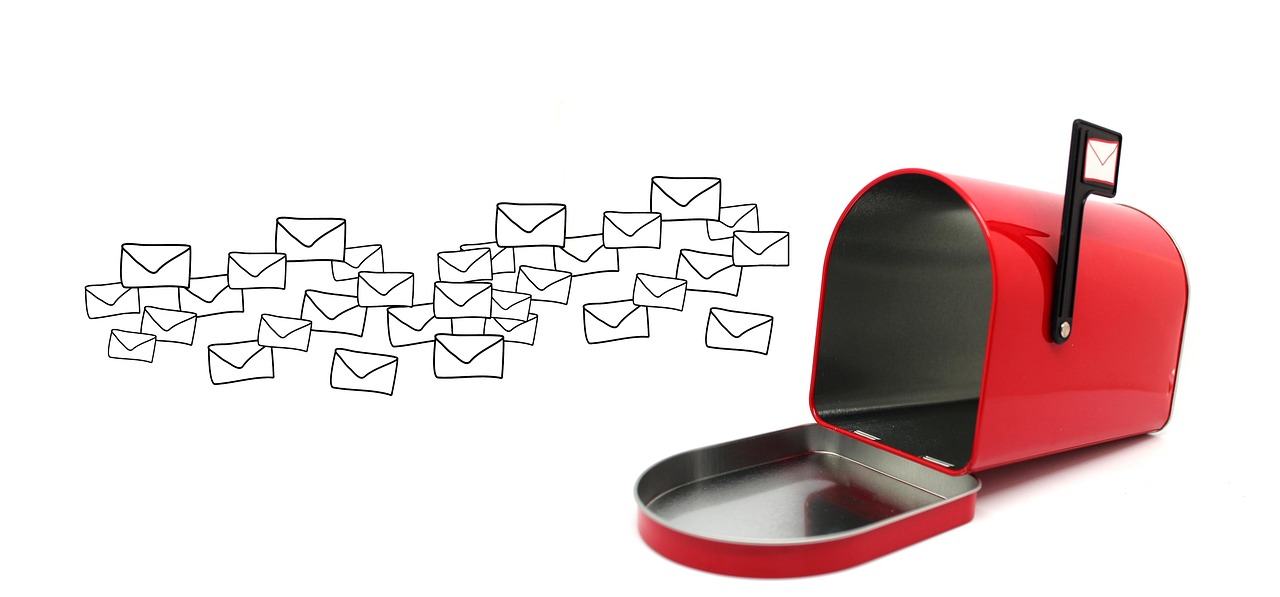
While creativity is important, the best outreach strategies are driven by data. Understanding the technical aspects of subject lines, such as length and performance testing, can transform your results from guesswork into a predictable system for success.
How Subject Line Length Impacts Open Rates
As mentioned earlier, shorter is generally better. Data consistently shows that subject lines with 1-5 words tend to have the highest open rates. This is largely due to the prevalence of mobile email clients, which truncate longer subject lines. A subject line that looks great on a desktop monitor might be completely unintelligible on an iPhone.
Consider the preview text that appears next to the subject line. This is another crucial piece of real estate. Your first line of the email should complement the subject line, not repeat it. For a subject line like "Quick question," the preview text could be, "[FirstName], saw your company is expanding its sales team and…" This combination provides context and deepens the intrigue created by the short subject line.
However, this isn't a universal rule. In some industries, particularly more academic or technical fields, a slightly longer, more descriptive subject line might perform better if it clearly communicates relevance. The only way to know for sure what works for your audience is to test it.
A/B Testing: Your Path to Higher Open Rates
A/B testing, or split testing, is the process of sending one version of your subject line to a segment of your audience and another version to a different segment to see which one performs better. This is the single most effective way to improve your open rates over time.
Manually testing subject lines is tedious and often inaccurate. Modern sales engagement platforms are essential for this process. Tools like Reply.io or Instantly.ai have built-in A/B testing features that automate this process. You can set up two or more subject line variations for a campaign, and the software will automatically send them to different parts of your list and report back on which version got more opens, clicks, and replies.
When testing, be scientific. Only change one variable at a time. If you change both the subject line and the email body, you won't know which change was responsible for the difference in results. Start with two distinct subject lines—for example, a short, curiosity-driven one versus a longer, value-driven one.
Once you have a statistically significant winner, make that your new control and test a new variation against it. Over time, this iterative process will lead to significant gains in your campaign performance.
7 Common Mistakes That Kill Your Open Rates (And How to Avoid Them)
Knowing what to do is only half the battle. Knowing what not to do is just as important. Here are some common subject line mistakes that can sabotage your cold email campaigns before they even have a chance.
Using ALL CAPS or Excessive Punctuation!!!
This is the digital equivalent of shouting. It looks unprofessional and is a massive red flag for spam filters. A subject line like "AMAZING OFFER JUST FOR YOU!!!" is almost guaranteed to be ignored or marked as spam.Including Spam Trigger Words
Email service providers have sophisticated algorithms that look for words commonly associated with spam. Words like "free," "guarantee," "winner," "$$$," "act now," and "sale" can increase your spam score and prevent your email from ever reaching the inbox. Be mindful of your language and focus on providing value rather than using hype.Writing Misleading Clickbait
Never promise something in the subject line that the email body doesn't deliver. A subject line like "Your recent order" might get a high open rate, but the recipient will feel deceived and angry once they realise it's a sales pitch. This tactic destroys trust and can get your domain blacklisted.Being Too Generic or Boring
Subject lines like "Introduction," "Business Proposal," or "Checking In" are overused and uninspired. They provide no value or curiosity and will be lost in a sea of similar emails. Always strive to be specific and relevant to the recipient.Having Typos and Grammatical Errors
A typo in your subject line is a sign of carelessness. It immediately undermines your credibility and suggests a lack of professionalism. Always proofread your subject lines multiple times before hitting send.Using Overly Formal or Corporate Jargon
While you should be professional, overly formal language can sound robotic and impersonal. Avoid corporate buzzwords and jargon. Write in a clear, simple, and conversational tone that sounds like it's coming from one human to another.Forgetting the Mobile Preview
Always consider how your subject line will appear on a mobile device. Use a tool to preview it on different screen sizes. Ensure your most important words are at the beginning so they don't get cut off.
Tailoring Your Approach: Industry-Specific Subject Line Tips
While the core principles of good subject lines are universal, the best approach can vary depending on the industry you're targeting. Here are some industry-specific nuances to consider.
For SaaS & Tech
Audiences in the tech industry are often data-driven and focused on efficiency and integration. They appreciate specificity and clear outcomes.
- Good: "Idea for your [Software] integration"
- Good: "Reducing churn by 15% at [Company Name]"
- Bad: "Revolutionary new software"
Focus on specific pain points related to their workflow, tech stack, or key metrics like MRR, churn, or user activation. Mentioning a specific technology they use shows you've done your research.
For Marketing & Creative Agencies
Marketers and creatives are inundated with pitches. To stand out, you need to be creative, intriguing, and demonstrate a clear understanding of their brand or recent campaigns.
- Good: "Your recent [Campaign Name] campaign"
- Good: "A different idea for your content strategy"
- Bad: "Award-winning marketing services"
Reference their work. Compliment a recent campaign and offer a specific, tangible idea to build on it. Your subject line needs to show that you think like them—creatively and strategically.
For B2B Sales
Sales leaders are focused on results, revenue, and team performance. Your subject lines should be direct, confident, and tied to a business outcome.
- Good: "Hitting your Q3 sales targets"
- Good: "Idea for your SDR team"
- Bad: "Let's connect"
Use language they understand. Talk about quotas, pipeline, and sales cycles. Referencing a competitor they respect can also be a powerful way to grab their attention.
For Recruitment
When reaching out to potential candidates, the subject line needs to be discreet, intriguing, and focused on the opportunity. When contacting hiring managers, it should be about providing value.
- For Candidates: "Confidential inquiry re: [Role] at [Company Type]"
- For Hiring Managers: "Top [Role] candidate for your team"
- Bad: "Your dream job awaits!"
For candidates, confidentiality is key. For hiring managers, efficiency is everything. Show them you have a high-quality candidate that can solve their hiring problem quickly.
Frequently Asked Questions about Cold Email Subject Lines
Here are answers to some of the most common questions people have about writing effective cold email subject lines.
What do I title my cold email?
Title your cold email with a short, personalised, and curiosity-driven phrase. The best titles focus on the recipient, not you. Good options include asking a quick question (e.g., "Quick question about [Topic]"), referencing a shared connection (e.g., "[Referrer's Name] suggested I reach out"), or proposing a specific idea (e.g., "Idea for [Company Name]"). The goal is to sound like a human and provide a compelling reason to open the email.
What should you avoid putting in the subject line?
You should avoid anything that looks like spam or a generic marketing blast. This includes using all caps, multiple exclamation marks, and spammy words like "free," "sale," or "guarantee." Also, avoid vague and overused phrases like "Checking in" or "Business opportunity." Finally, never use misleading clickbait that doesn't align with the content of your email, as it will destroy trust.
What subject lines get the most opens?
The subject lines that consistently get the most opens are those that are short, personalised, and create curiosity. Simple subject lines like "Quick question" or just the prospect's name often perform very well because they feel personal and non-threatening. Subject lines that reference a specific, recent event or a mutual connection also have extremely high open rates because they establish immediate relevance and trust.
Is cold emailing illegal?
Cold emailing is not illegal in most places, including the UK, as long as you comply with relevant regulations like GDPR and the Privacy and Electronic Communications Regulations (PECR). This generally means you must have a legitimate interest in contacting the business professional, provide a clear way for them to opt-out, and be transparent about who you are. However, regulations can be complex, so it's always wise to consult with a legal professional to ensure your outreach practices are fully compliant.
Final Thoughts: Your Next Steps to Better Open Rates
Mastering the art of the cold email subject line is a continuous process of writing, testing, and learning. There is no single "perfect" subject line that works for everyone, every time. The best subject lines for cold email are born from a deep understanding of your audience, a clear value proposition, and a commitment to sounding human.
Start by focusing on the core principles: keep it short, make it personal, and spark curiosity. Write your subject line after you've written the email body to ensure it accurately reflects the value inside. And most importantly, use data to guide your decisions. A/B testing isn't optional; it's the only way to truly know what resonates with your prospects.
To effectively manage and test your campaigns at scale, using a dedicated sales engagement platform is crucial. Tools like Apollo.io or Hunter Campaigns (Hunter.io) can help you organise your outreach, automate follow-ups, and get the data you need to continuously refine your subject lines. By combining smart strategy with the right tools, you can turn your cold email outreach from a game of chance into a predictable engine for growth.