
What is a Sales Engagement Platform? A Guide for B2B Sales Teams
Sales teams often find themselves juggling dozens of tasks, from sending follow-up emails and making calls to updating their CRM. This constant context-switching kills productivity and lets promising leads fall through the cracks. The core challenge is bridging the gap between planning sales activities and actually executing them efficiently. Understanding what is a sales engagement platform is the first step towards solving this problem, as it provides a centralised system to manage, automate, and analyse every interaction a salesperson has with a prospect.
- In a Nutshell
- What is a Sales Engagement Platform? A Clear Definition
- The Core Features of Modern Sales Engagement Tools
- 1. Multi-Channel Outreach and Sequencing
- 2. Email Automation and Tracking
- 3. Integrated Sales Dialler and Call Logging
- 4. Task Management and Workflow Automation
- 5. Analytics and Reporting
- The Tangible Benefits of Using a Sales Engagement Platform
- How Sales Engagement Platforms Supercharge Sales Productivity
- The Critical Link: Integrating Sales Engagement Platforms with Your CRM
- How to Choose the Right Sales Engagement Platform for Your Business
- Common Challenges in Implementing Sales Engagement Platforms
- The Powerful Role of Automation in Sales Engagement
- Future Trends: What's Next for Sales Engagement Technology?
- Real-World Impact: Case Studies of Sales Engagement Success
- Frequently Asked Questions (FAQ)
- What is the difference between a CRM and a sales engagement platform?
- Is HubSpot a sales engagement platform?
- What are the 4 pillars of engagement?
- What are examples of sales engagement platforms?
- Final Thoughts
Think of it as an intelligent co-pilot for your sales representatives. While a CRM stores customer data, a sales engagement platform (SEP) tells your team what to do with that data. It organises their daily workflow, automates repetitive tasks, and provides insights into what's working, allowing them to focus on what they do best: building relationships and closing deals.
This guide breaks down everything you need to know about sales engagement software, from its core features and benefits to how to choose the right solution for your business. We'll explore how these tools transform sales productivity and why they've become an essential part of the modern technology stack for any ambitious B2B sales organisation.
In a Nutshell
- Centralised Workflow: A sales engagement platform acts as a single interface for sellers to manage all their interactions—emails, calls, social media messages—eliminating the need to switch between multiple tools.
- Automation and Sequencing: SEPs automate multi-step, multi-channel outreach campaigns (known as sequences or cadences), ensuring consistent and timely follow-up with every prospect without manual effort.
- CRM Synergy: These platforms don't replace your CRM; they enhance it. They sync all activity data back to the CRM in real-time, providing a complete, accurate picture of every customer relationship.
- Actionable Analytics: Sales engagement tools provide deep insights into which messages, sequences, and channels are most effective, allowing leaders to coach their teams and refine their strategy based on data, not guesswork.
What is a Sales Engagement Platform? A Clear Definition
To properly define a sales engagement platform, it's best to think of it as a layer of software that sits on top of your Customer Relationship Management (CRM) system. While the CRM is the system of record—a database holding all your customer information—the Sales Engagement Platform (SEP) is the system of action. It's the engine that powers the day-to-day activities of your sales team.
An SEP streamlines and automates the process of reaching out to prospects across various channels, including email, phone, and social media (like LinkedIn). It guides sales reps through a pre-defined set of steps, known as a 'sequence' or 'cadence', to ensure no lead is forgotten and every interaction is purposeful. For example, a sequence might start with an automated email, schedule a phone call task for the next day, and then suggest a LinkedIn connection request two days later.
This structured approach removes the guesswork from a sales rep's day. Instead of staring at a list of contacts and wondering who to contact next and what to say, the platform serves up a prioritised list of tasks. This ensures that high-priority leads get the attention they deserve and that the team's outreach efforts are consistent, scalable, and measurable.

The Core Features of Modern Sales Engagement Tools
While different platforms offer unique functionalities, most leading sales engagement tools share a set of core features designed to maximise a seller's efficiency and effectiveness. These components work together to create a unified and powerful workflow for the entire sales team.
1. Multi-Channel Outreach and Sequencing
This is the heart of any SEP. It allows sales managers to build automated communication workflows that incorporate email, phone calls, social media touchpoints, and even SMS messages. Reps can enrol prospects into these sequences, and the platform automatically executes the steps or creates manual tasks at the right time. This ensures persistent, multi-touch follow-up that is critical for breaking through the noise.
2. Email Automation and Tracking
SEPs supercharge email outreach. They offer features like customisable templates with personalisation tokens, A/B testing for subject lines and body copy, and detailed tracking. Reps can see exactly when a prospect opens an email, clicks a link, or downloads an attachment. This real-time feedback helps them prioritise follow-ups with the most engaged leads.
3. Integrated Sales Dialler and Call Logging
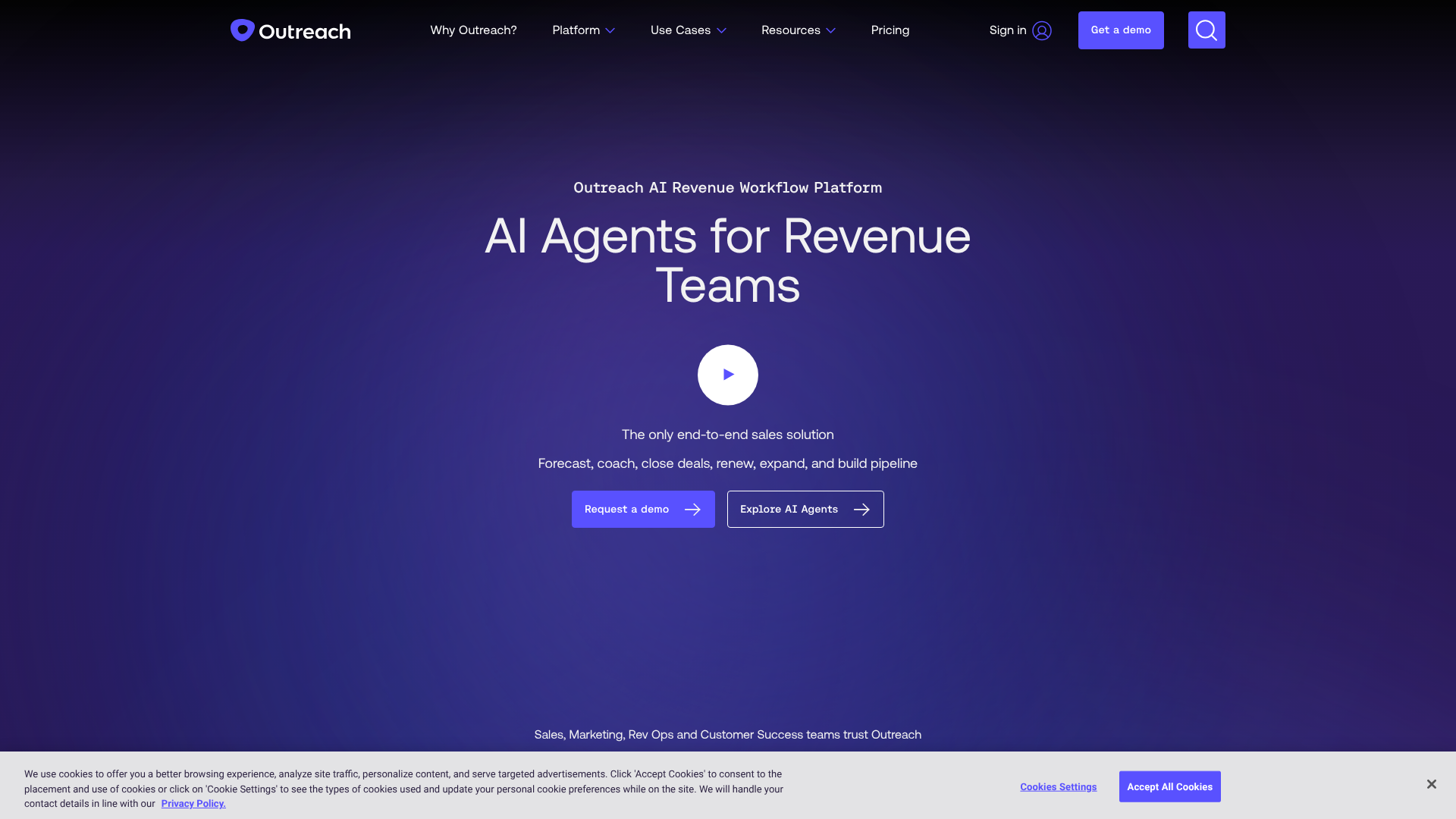
Most platforms include a built-in Voice over IP (VoIP) dialler, allowing reps to make calls directly from the application with a single click. These calls are automatically recorded, transcribed, and logged in both the SEP and the integrated CRM. Some advanced tools, like Outreach, even use AI to analyse call recordings for keywords and sentiment, providing valuable coaching opportunities.
4. Task Management and Workflow Automation
Beyond just communication, SEPs are powerful task managers. They create a prioritised to-do list for each rep every day, combining automated email sends with manual tasks like calls, LinkedIn messages, or research. This ensures that reps are always focused on the next best action to move a deal forward.
5. Analytics and Reporting
What you can't measure, you can't improve. Sales engagement software provides detailed analytics on every aspect of the sales process. You can track sequence performance, email reply rates, call connection rates, and individual rep activity. This data helps sales leaders identify top-performing strategies and coach underperforming reps effectively.
The Tangible Benefits of Using a Sales Engagement Platform
Adopting a sales engagement platform isn't just about getting new technology; it's about transforming how your sales team operates. The benefits ripple across the entire organisation, from individual rep productivity to overall revenue growth. Here are some of the most significant advantages.
First, there's a dramatic increase in sales productivity. By automating repetitive administrative tasks like logging activities in the CRM, sending follow-up emails, and scheduling calls, SEPs free up a significant amount of a rep's time. A study by CSO Insights found that salespeople spend less than 35% of their time actually selling. SEPs help reclaim that lost time, allowing reps to focus on high-value activities like having conversations with prospects and closing deals.
Second, it leads to improved consistency and scalability in your outreach. With pre-approved sequences and templates, you can ensure every prospect receives a consistent, on-brand experience. This is crucial for scaling your sales team. A new hire can become productive much faster by using proven sequences instead of trying to figure out the process on their own.
It standardises the playbook for success.
Third, you gain much deeper visibility into sales activities and performance. Traditional sales management often relies on self-reported data, which can be incomplete or inaccurate. An SEP automatically captures every touchpoint, providing a crystal-clear view of what your team is doing and what results they are getting. This data-driven approach enables more accurate forecasting and more effective coaching, as you can pinpoint exactly where in the process deals are stalling.
Finally, it directly impacts conversion rates and revenue. By ensuring persistent and timely follow-up, SEPs prevent leads from going cold. The ability to test and optimise outreach strategies means you're constantly improving your messaging and approach. This leads to more meetings booked, more opportunities created, and ultimately, more deals won.
How Sales Engagement Platforms Supercharge Sales Productivity
Productivity in sales isn't just about working harder; it's about working smarter. Sales engagement platforms are designed around this principle, systematically removing friction and inefficiency from a salesperson's daily routine. They achieve this in several key ways.
The most immediate impact comes from minimising context switching. A typical sales rep might have their email client, CRM, phone, LinkedIn, and a calendar all open at once, constantly bouncing between them. An SEP consolidates these functions into a single, unified interface. A rep can start their day, see a prioritised list of tasks, and execute them all from one screen—send an email, make a call, connect on LinkedIn, and book a meeting without ever leaving the platform.
This focus is a massive productivity booster.
Automation is another critical pillar. Consider the manual effort involved in a standard follow-up process: find the contact in the CRM, draft a personalised email, send it, set a reminder to follow up in two days, log the activity back in the CRM. An SEP automates this entire workflow. A rep simply enrols a prospect in a sequence, and the platform handles the rest, only creating a manual task when a human touch is required, like a phone call.
Furthermore, these platforms help reps prioritise their efforts effectively. With engagement tracking, a rep can instantly see which prospects are warming up. Someone who just opened your email three times and clicked on the pricing page link is a much hotter lead than someone who hasn't engaged in weeks. The platform can surface these active leads, allowing reps to strike while the iron is hot instead of wasting time on unresponsive contacts.
Pro Tip: Encourage your team to dedicate specific time blocks for different activities within the SEP. For example, a 'power hour' for making calls, followed by a block for personalising emails. The platform organises the tasks, but time-blocking helps reps maintain focus and energy throughout the day.
The Critical Link: Integrating Sales Engagement Platforms with Your CRM
One of the most common questions is about the difference between a CRM and a sales engagement platform. It's a crucial distinction: they are not competitors; they are partners. A successful implementation depends on a deep and seamless integration between the two.
Your CRM, such as HubSpot CRM or Zoho CRM, is the central repository for all customer data. It holds contact information, deal history, company details, and service tickets. It is the single source of truth for the customer relationship across your entire company, including marketing, sales, and customer service.
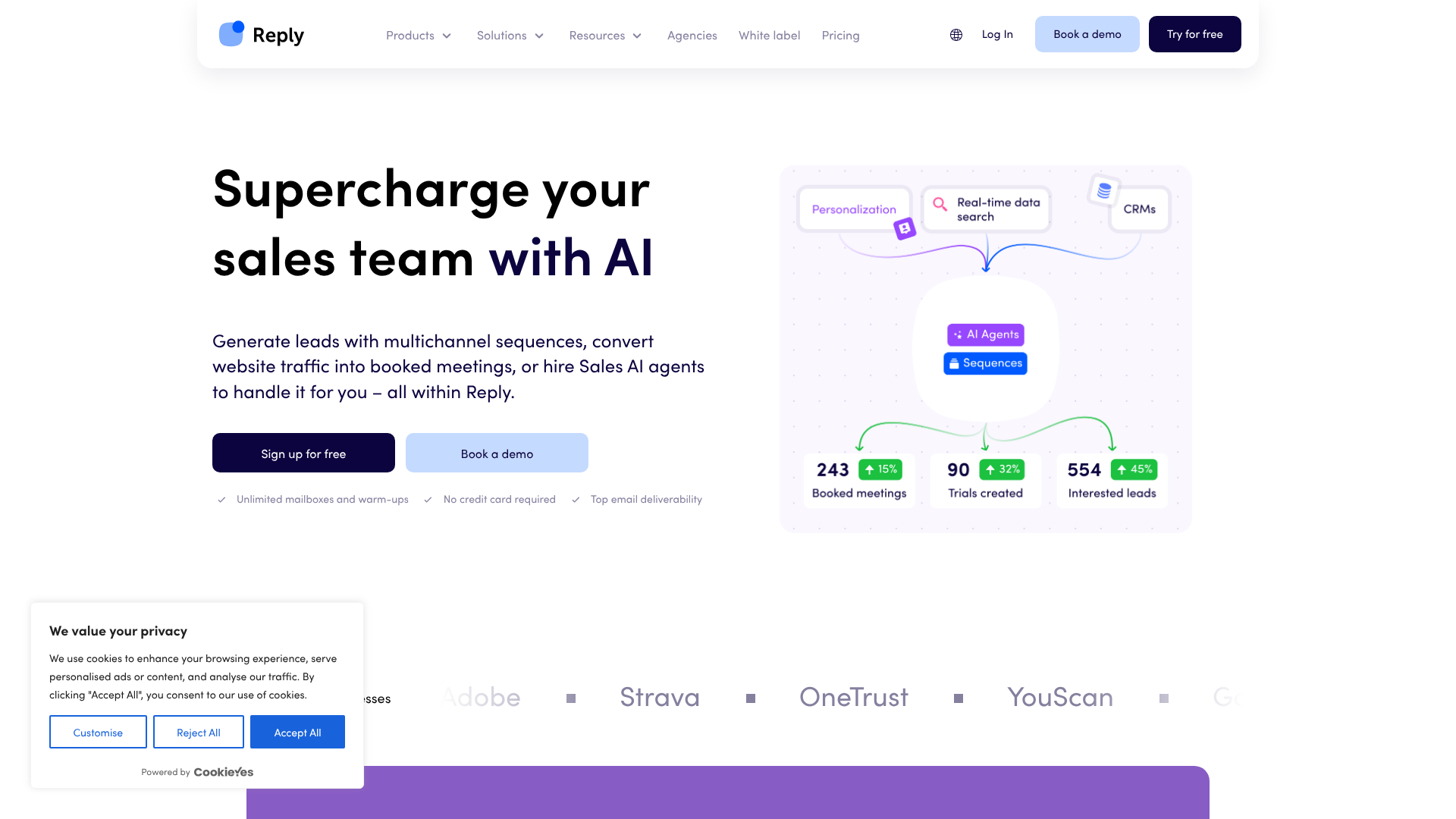
Your Sales Engagement Platform, like Reply.io or Apollo.io, is the action layer specifically for the sales team. It uses the data from the CRM to execute outreach campaigns. The magic happens when the two systems are perfectly synchronised. The SEP pulls contact and lead lists from the CRM to enrol in sequences.
Then, as reps execute tasks—sending emails, making calls, booking meetings—the SEP pushes all of that activity data back to the CRM in real-time.

This bidirectional sync is vital for several reasons. First, it ensures data integrity. You have a complete, 360-degree view of every interaction with a prospect logged automatically against their contact record in the CRM. This eliminates the need for manual data entry, which is both time-consuming and prone to error.
Second, it provides visibility for the entire organisation. A marketing manager can see which campaigns are generating engaged leads, and a customer success manager can see the full sales history when a new client is onboarded. This creates a cohesive customer journey and breaks down data silos between departments.
How to Choose the Right Sales Engagement Platform for Your Business
With a growing market of sales engagement software, selecting the right one can feel overwhelming. The best platform for a small startup might not be the right fit for a large enterprise. To make an informed decision, evaluate potential solutions against these key criteria.
CRM Integration: This is non-negotiable. The platform must offer a deep, native, and reliable integration with your existing CRM. Check for bidirectional syncing capabilities and ensure it can handle custom fields and objects that are specific to your business processes. A weak integration will create more problems than it solves.
User Experience (UX) and Adoption: If your sales reps find the tool clunky or difficult to use, they won't adopt it. Look for an intuitive interface that simplifies the daily workflow, not complicates it. Involve a few of your sales reps in the demo process to get their feedback. A platform is only valuable if it gets used.
Feature Set and Scalability: Does the platform have the core features you need today? Consider your future needs as well. Look for capabilities like call recording and analysis, A/B testing, and advanced analytics. Can the platform support your team as it grows from 10 reps to 100? Check their pricing tiers and enterprise-level features.
Analytics and Reporting: The platform should provide clear, actionable insights. Can you easily build reports to track team performance, sequence effectiveness, and content engagement? The goal is to use this data to make strategic decisions, so the reporting capabilities must be robust and easy to understand.
Support and Onboarding: Implementing a new tool across a sales team is a significant change management project. Evaluate the vendor's onboarding process, training resources, and ongoing customer support. A strong partnership with your vendor is crucial for long-term success.
Platforms like Outreach are often favoured by larger enterprise teams for their extensive feature set and customisation, while tools like Reply.io are popular with small to mid-sized businesses for their ease of use and strong automation capabilities.
Common Challenges in Implementing Sales Engagement Platforms
While the benefits of SEPs are clear, a successful rollout requires careful planning. Simply buying the software is not enough. Businesses often face a few common hurdles during implementation that can hinder ROI if not addressed proactively.
One of the biggest challenges is user adoption. Sales reps are often set in their ways and may be resistant to changing their workflow. If they perceive the new platform as 'big brother' monitoring their every move or as something that adds complexity, they won't embrace it. To overcome this, it's essential to communicate the 'what's in it for me' (WIIFM) factor.
Frame the platform as a tool that will help them save time, book more meetings, and hit their targets more easily.
Data hygiene is another critical issue. An SEP is only as good as the data it's fed from the CRM. If your CRM is filled with outdated contacts, duplicates, and missing information, your automated outreach will be ineffective and unprofessional. Before launching, conduct a thorough data cleanup.
Implement clear processes for data entry moving forward to maintain a clean and reliable database.
Finally, a lack of strategy can derail an implementation. You need a clear plan for how you will use the platform. This involves defining your ideal customer profiles, developing messaging and content for your sequences, and establishing KPIs to measure success. Without a well-defined sales playbook, your team will be using a powerful tool without direction, leading to inconsistent results.
Pro Tip: Start with a pilot program. Roll out the platform to a small, enthusiastic group of reps first. Let them become champions and help work out any kinks in the process. Their success stories and expertise will be invaluable when you roll it out to the entire team.
The Powerful Role of Automation in Sales Engagement
Automation is the engine that drives the efficiency of a sales engagement platform. It's about more than just scheduling emails; it's about creating intelligent, responsive workflows that allow a small team to engage with prospects at the scale of a much larger one. The goal of this automation is not to replace the salesperson but to augment their abilities, freeing them from manual drudgery to focus on human connection.
At its core, sales automation within an SEP is about sequences. These are not simple email drips. Modern sequences are dynamic and multi-channel. For example, a sequence can be configured to automatically send a follow-up email if a prospect doesn't reply within 48 hours.
If the prospect clicks a link in that email, the sequence can automatically pause and create a high-priority call task for the sales rep. This level of trigger-based automation ensures that reps are always engaging with prospects based on their real-time behaviour.
This automation also extends to administrative tasks. Every email sent, every call made, and every meeting booked is automatically logged in the CRM. This alone can save a rep hours each week. Furthermore, when a prospect replies to an email or books a meeting through an integrated calendar link (using tools like SimplyBook.me), the platform can automatically remove them from the sequence to prevent awkward, irrelevant follow-ups.
Ultimately, automation in sales engagement is about enabling personalisation at scale. By using templates with dynamic fields that pull data from the CRM (like name, company, and job title), reps can send highly personalised messages to hundreds of prospects without drafting each one manually. This combination of automated execution and personalised content is what makes modern sales outreach so effective.
Future Trends: What's Next for Sales Engagement Technology?
Sales engagement technology is constantly evolving. What was once a simple email automation tool has become a sophisticated command centre for revenue teams. Looking ahead, several key trends are shaping the future of this space.
Artificial Intelligence (AI) and Machine Learning will become even more integrated. We are already seeing AI-powered features like sentiment analysis on calls and recommendations for the best time to send an email. In the future, AI will play a bigger role in content creation, suggesting personalised email copy based on a prospect's industry and persona. It will also power more predictive analytics, helping to identify at-risk deals and suggest the next best action with a higher degree of accuracy.
Deeper Integration into the Revenue Operations (RevOps) Stack is another major trend. SEPs will move beyond just CRM integration to connect with a wider array of tools, including marketing automation platforms, business intelligence software, and even proposal tools like PandaDoc. The goal is to create a seamless flow of data across the entire customer lifecycle, from the first marketing touchpoint to the final signed contract and renewal. This holistic view will break down departmental silos and align the entire company around revenue generation.
Conversational Intelligence will become a standard feature. Tools that record, transcribe, and analyse sales calls will be built directly into SEPs. This will provide sales leaders with unprecedented insight into what their top performers are saying and doing on calls. This data can then be used to create data-driven coaching programs and scale best practices across the entire team, turning every rep into an A-player.
Real-World Impact: Case Studies of Sales Engagement Success
To truly understand the impact of a sales engagement platform, let's look at a couple of common scenarios where these tools make a significant difference.
Scenario 1: The High-Growth SaaS Startup
A fast-growing SaaS company with a small sales development (SDR) team of five was struggling to scale its outbound prospecting. The SDRs were manually sending emails and logging activities, and their follow-up was inconsistent. After implementing a sales engagement platform, they built several targeted outreach sequences for different buyer personas.
Within the first quarter, their activity levels tripled without increasing headcount. The automated follow-up ensured no lead was dropped, and the A/B testing feature helped them quickly identify the most effective messaging. As a result, the team increased the number of qualified meetings booked by 150%, directly fuelling the sales pipeline and contributing to a record-breaking revenue quarter.
Scenario 2: The Established Enterprise Sales Team
An enterprise company with a large, geographically dispersed sales team faced challenges with process consistency and visibility. Different teams were using different methods for outreach, and management had little insight into daily activities. They adopted an enterprise-grade SEP like Outreach to standardise their sales playbook.
They created a library of approved sequences and templates, ensuring all customer-facing communication was on-brand and followed best practices. The platform's analytics dashboard gave leadership a real-time view of team performance, allowing them to identify coaching opportunities and share successes across the organisation. The move resulted in a 25% shorter sales cycle, as reps were more efficient and effective in moving deals through the pipeline. It also improved forecast accuracy, as all activity data was reliably captured in their CRM.
Frequently Asked Questions (FAQ)
Here are answers to some of the most common questions about sales engagement platforms.
What is the difference between a CRM and a sales engagement platform?
A CRM (Customer Relationship Management) system is a database of record. It stores all information about your customers and prospects, including contact details, communication history, and deal status. A Sales Engagement Platform (SEP) is a system of action. It sits on top of the CRM and helps salespeople execute their outreach activities—like sending emails and making calls—in a structured and automated way.
The SEP syncs all this activity data back to the CRM.
Is HubSpot a sales engagement platform?
This is a common question. HubSpot is primarily a CRM and marketing automation platform, but its Sales Hub product includes many features found in a sales engagement platform, such as email sequencing, call tracking, and task automation. For businesses already using the HubSpot ecosystem, Sales Hub can serve as their SEP. However, standalone platforms like Outreach or Reply.io often offer more advanced, specialised features for sales engagement, especially for teams with complex outbound needs.
What are the 4 pillars of engagement?
In the context of sales, the four pillars of engagement typically refer to a multi-channel approach to connect with prospects. These are generally considered to be:
- Email: The foundation of most outreach, used for initial contact and automated follow-up. 2.
Phone: For direct, real-time conversations to build rapport and qualify leads. 3. Social Media: Primarily LinkedIn, used for research, personalised connection requests, and sharing valuable content. 4.
Personalisation: This isn't a channel, but it's a crucial pillar that underpins all others. It's about tailoring your message to the individual prospect's needs, role, and industry.
What are examples of sales engagement platforms?
There are many excellent sales engagement platforms on the market, each with slightly different strengths. Some of the most well-known examples include Outreach, Salesloft, Reply.io, Groove, and Apollo.io. Each of these tools provides the core functionality of sequencing, automation, and analytics to help sales teams sell more effectively.
Final Thoughts
Understanding what is a sales engagement platform is no longer optional for modern sales organisations. In a world where buyers are more informed and harder to reach than ever, sales teams need a technology stack that enables them to be more efficient, persistent, and personalised in their outreach. These platforms provide the structure and automation needed to execute a world-class sales process at scale.
By centralising workflows, automating repetitive tasks, and providing data-driven insights, sales engagement software empowers representatives to spend less time on administration and more time building relationships and closing deals. It bridges the critical gap between your CRM data and your sales team's actions, ensuring that your strategy is executed consistently and effectively.
If your team is struggling with productivity, inconsistent follow-up, or a lack of visibility into sales activities, exploring sales engagement tools could be the most impactful decision you make this year. Platforms like Outreach or Reply.io offer powerful solutions that can be tailored to teams of all sizes, and they might be the key to unlocking your team's full potential.