




Lead Generation vs Lead Nurturing: A Marketer's Guide to Growth
In the world of digital marketing, the terms lead generation and lead nurturing are often used together, but they represent two distinct and equally critical stages of the customer journey. Understanding the difference in the lead generation vs lead nurturing dynamic is fundamental to building a marketing strategy that doesn't just attract attention but systematically converts that attention into revenue. While one fills your pipeline with potential customers, the other skillfully guides them towards a purchase, ensuring your initial efforts aren't wasted.
- In a Nutshell
- What is Lead Generation? The Art of Attraction
- What is Lead Nurturing? The Science of Relationship Building
- Why Lead Generation is the Engine of Your Marketing Funnel
- The Critical Role of Lead Nurturing in Converting Prospects
- Lead Gen vs Lead Nurture: A Side-by-Side Comparison
- Proven Strategies for Effective Lead Generation
- Content Marketing & SEO
- High-Converting Landing Pages
- Webinars and Virtual Events
- Social Media Marketing
- Smart Strategies for Successful Lead Nurturing
- The Tech Stack: Tools for Lead Generation and Nurturing
- Measuring Success: How to Track Performance
- Frequently Asked Questions (FAQ)
- What is the difference between lead generation and nurturing leads?
- What are the two types of lead generation?
- What comes after lead nurturing?
- What are some lead nurturing strategies?
- What is a lead nurturing workflow?
- Final Thoughts: Unifying Generation and Nurturing for Maximum Impact
Many businesses excel at one while neglecting the other, creating a leaky funnel where potential sales slip through the cracks. Lead generation without nurturing is like collecting phone numbers but never making a call. Conversely, nurturing without a steady stream of new leads is like having a great conversation in an empty room. This guide will break down both concepts, highlight their key differences, and show you how to master both for sustainable business growth.
In a Nutshell
- Lead Generation is Acquisition: Its primary goal is to attract potential customers (prospects) and capture their contact information, turning anonymous visitors into identifiable leads.
- Lead Nurturing is Relationship Building: It focuses on engaging with captured leads, building trust, and providing value to guide them through the buyer's journey until they are ready to make a purchase.
- They are Sequential Partners: Lead generation comes first, filling the top of the marketing funnel. Lead nurturing follows, moving those leads down the funnel towards conversion.
- Different Goals, Different Tactics: Generation uses broad-appeal tactics like eBooks and webinars to capture interest, while nurturing uses personalised communication like targeted email sequences and retargeting ads to build relationships.
What is Lead Generation? The Art of Attraction
Lead generation is the very first step in building a relationship with a potential customer. It is the process of attracting and converting strangers and prospects into someone who has shown an interest in your company's product or service. This isn't about finding just anyone; it's about identifying individuals who could genuinely benefit from your solution and encouraging them to raise their hand and say, "I'm interested."
The core objective of lead generation is to fill the top of your sales and marketing funnel. This is achieved by offering something of value—often referred to as a "lead magnet"—in exchange for a prospect's contact information, typically an email address. This value exchange is the foundational transaction of lead generation. The prospect gets a valuable resource, and you get a direct line of communication to a potential customer.
Common lead generation tactics include creating gated content like eBooks, whitepapers, or case studies that require an email to download. Other powerful methods involve hosting webinars, running social media contests, or offering free trials and demos. The key is that each tactic provides enough upfront value to persuade a visitor to willingly share their details, officially transitioning them from an anonymous browser into a tangible lead.
What is Lead Nurturing? The Science of Relationship Building

Once a lead is generated, the journey is far from over. In fact, most new leads are not ready to buy immediately. This is where lead nurturing comes in. Lead nurturing explained simply is the process of developing and reinforcing relationships with buyers at every stage of the sales funnel.
It's a strategic, sustained communication effort designed to move leads from initial interest to purchase-ready.
The primary goal of lead nurturing is to build trust, establish your brand as an authority, and stay top-of-mind with your prospects. It acknowledges that the modern buyer's journey is not a straight line but a complex process of research, consideration, and validation. Through nurturing, you provide the right information at the right time, addressing your leads' questions and pain points as they arise, thereby guiding them closer to a decision.
Effective lead nurturing relies heavily on personalisation and automation. Tactics include targeted email drip campaigns that send a series of helpful messages over time, sharing relevant blog posts or customer success stories, and using retargeting ads to re-engage leads across different platforms. By consistently providing value without a hard sell, you build a strong relationship, so when the lead is finally ready to buy, your brand is the obvious choice.
Why Lead Generation is the Engine of Your Marketing Funnel
Without a consistent and effective lead generation strategy, your marketing funnel remains empty. It is the essential engine that powers your entire sales process, providing the raw material—potential customers—that every other marketing and sales activity depends on. A business with no new leads is a business that is not growing. It's that simple.
First and foremost, lead generation directly fuels business growth by creating a predictable pipeline of potential revenue. By actively seeking out and capturing interest, you're not just waiting for customers to find you; you're proactively building an audience to sell to. This is especially critical in competitive markets where passive strategies are insufficient. A steady flow of leads ensures your sales team always has opportunities to pursue, smoothing out the peaks and troughs of revenue cycles.
Beyond just filling the pipeline, lead generation is a powerful tool for building brand awareness and establishing your presence in the market. Every piece of content you create, every webinar you host, and every ad you run introduces your brand to a new audience. This process not only generates leads but also educates the market about who you are and what problems you solve. Furthermore, the data collected during lead generation provides invaluable insights into your target audience, helping you refine your messaging, products, and overall marketing strategy.
The Critical Role of Lead Nurturing in Converting Prospects
Capturing a lead is a victory, but it's only half the battle. Research consistently shows that a significant percentage of qualified leads—often cited as around 50%—are not yet ready to make a purchase when they first interact with your brand. Ignoring these leads is like throwing away potential revenue. This is why the role of lead nurturing is so critical; it bridges the gap between initial interest and final purchase.
Lead nurturing is fundamentally about building trust. In a crowded marketplace, customers buy from companies they know, like, and trust. By consistently providing valuable, relevant, and non-promotional content, you position your brand as a helpful expert and a trusted advisor, not just a seller. This relationship-building process is crucial for converting sceptical prospects into loyal customers.
It keeps your brand at the forefront of their minds, so when their need becomes urgent, you are their first call.
Furthermore, a well-executed nurturing strategy directly impacts your bottom line by increasing conversion rates and shortening the sales cycle. By educating leads and addressing their objections proactively, you help them move through their decision-making process more efficiently. This results in higher-quality, better-informed leads being passed to the sales team, who can then close deals more quickly. Ultimately, lead generation and nurturing work together to maximise the return on your initial marketing investment, ensuring that the effort and budget spent on attracting leads translate into actual sales.

Lead Gen vs Lead Nurture: A Side-by-Side Comparison
The best way to understand the distinction between lead generation and lead nurturing is to compare them directly across several key aspects. While they are interconnected, their objectives, methods, and metrics are fundamentally different.
Here is a breakdown of the core differences:
| Aspect | Lead Generation | Lead Nurturing |
|---|---|---|
| Primary Goal | To acquire new leads and capture their contact information. | To build relationships with existing leads and guide them to a sale. |
| Target Audience | Broad audience of potential customers (prospects) at the top of the funnel. | Segmented audience of existing leads who have already shown interest. |
| Core Tactics | Gated content (eBooks, whitepapers), webinars, landing pages, SEO, paid ads. | Drip email campaigns, personalised content, retargeting, lead scoring. |
| Communication Style | Often a one-to-many approach, offering broad value. | A one-to-one or one-to-few approach, highly personalised and targeted. |
| Timeline | Focused on a single, immediate action (e.g., a download or sign-up). | A long-term process that unfolds over multiple touchpoints and time. |
| Key Metrics | Cost Per Lead (CPL), Conversion Rate, Number of MQLs. | MQL-to-SQL Rate, Sales Cycle Length, Engagement Rates (opens, clicks). |
Essentially, lead generation casts a wide net to catch as many relevant fish as possible. Its success is measured by the quantity and quality of the leads it brings in. Lead nurturing, on the other hand, takes the fish that have been caught and carefully cultivates them, providing the right environment and sustenance until they are ready to be reeled in. Its success is measured by how effectively it converts those initial leads into paying customers.
Proven Strategies for Effective Lead Generation
To build a robust lead generation machine, you need a multi-faceted strategy that attracts prospects from various channels. Relying on a single method is risky; a diversified approach ensures a consistent flow of new leads into your funnel.
Content Marketing & SEO
Creating high-quality, valuable content is the cornerstone of modern lead generation. By publishing blog posts, guides, and videos that answer your audience's most pressing questions, you attract organic traffic through search engines. To make this effective, you must target the right keywords. SEO tools like Semrush or Mangools (KWFinder) are invaluable for identifying what your potential customers are searching for, allowing you to create content that directly meets their needs.
High-Converting Landing Pages
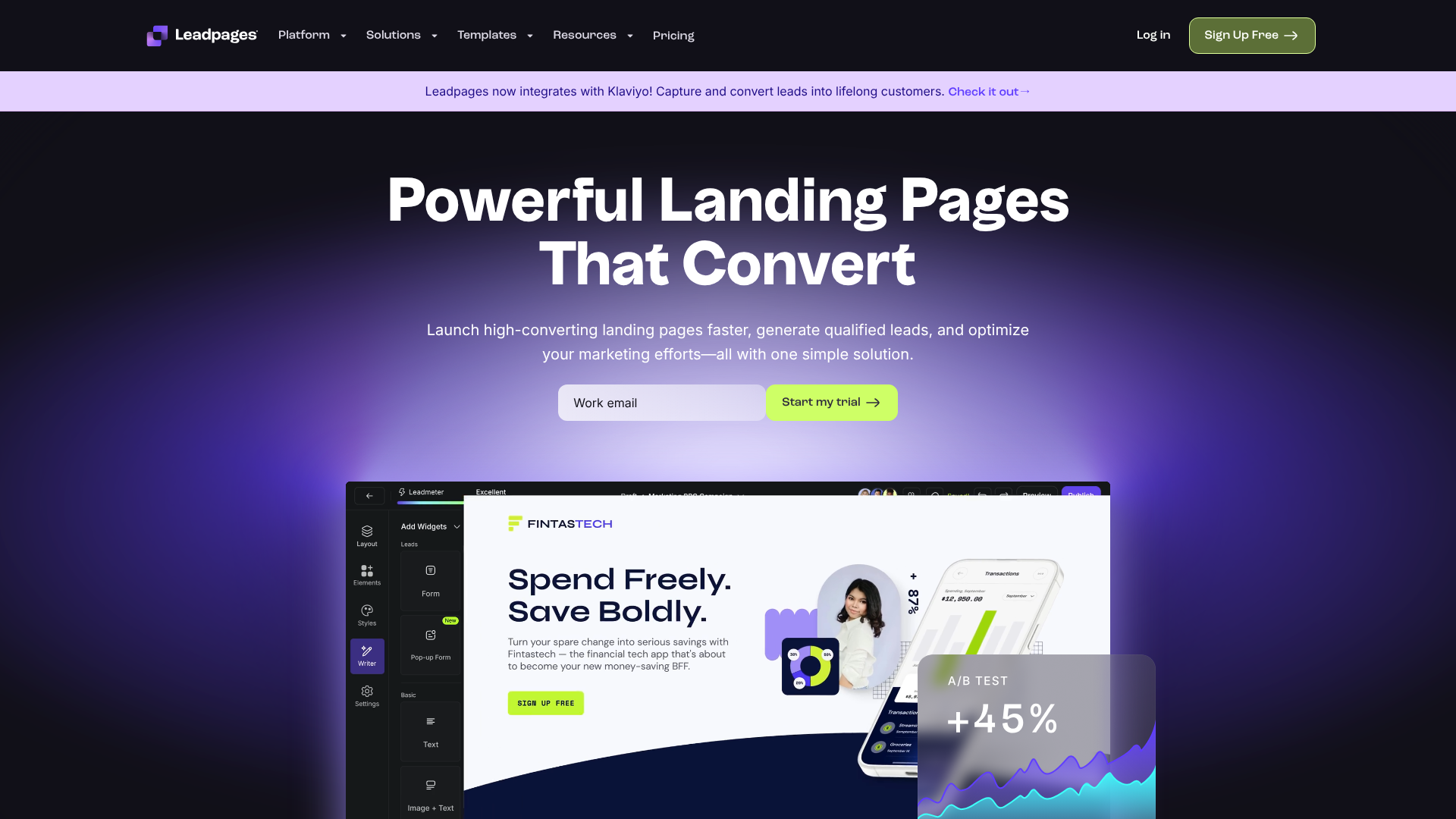
All your traffic needs a destination designed for one purpose: conversion. A dedicated landing page with a clear value proposition, compelling copy, and a simple form is essential for capturing lead information. The page should be free of distractions and focused entirely on the offer. Landing page builders like Leadpages and Unbounce specialise in creating these optimised pages quickly, often with A/B testing features to maximise conversion rates.
Webinars and Virtual Events
Webinars are an incredibly effective way to generate high-quality leads. They allow you to engage with a captive audience for an extended period, demonstrate your expertise, and present your solution in a live, interactive format. Because they require a time commitment, attendees are often more invested and qualified than someone who just downloads a PDF. Platforms such as EasyWebinar make it simple to host and promote these events, complete with registration pages and follow-up sequences.
Social Media Marketing
Social media platforms are not just for brand awareness; they are powerful lead generation channels. You can use targeted ads on platforms like LinkedIn or Facebook to promote your lead magnets to specific demographics and professional groups. Running contests, hosting Q&A sessions, or simply promoting your gated content can drive significant traffic to your landing pages and fill your pipeline with new prospects.
Pro Tip: When creating a lead magnet, focus on solving one specific, urgent problem for your target audience. A niche, highly practical guide like "The 5-Step Checklist for First-Time SaaS Founders" will often outperform a broad, generic eBook like "A Guide to Business."
Smart Strategies for Successful Lead Nurturing
Once you've captured a lead, your focus must shift from acquisition to relationship. A thoughtful lead nurturing strategy ensures your new leads feel valued and understood, not just added to another mailing list.
Personalised Email Marketing
Email remains the king of lead nurturing. The key to success is personalisation. Instead of sending generic email blasts, segment your audience based on their interests, behaviour, or demographic data. Then, create automated email sequences (drip campaigns) that deliver targeted content relevant to each segment.
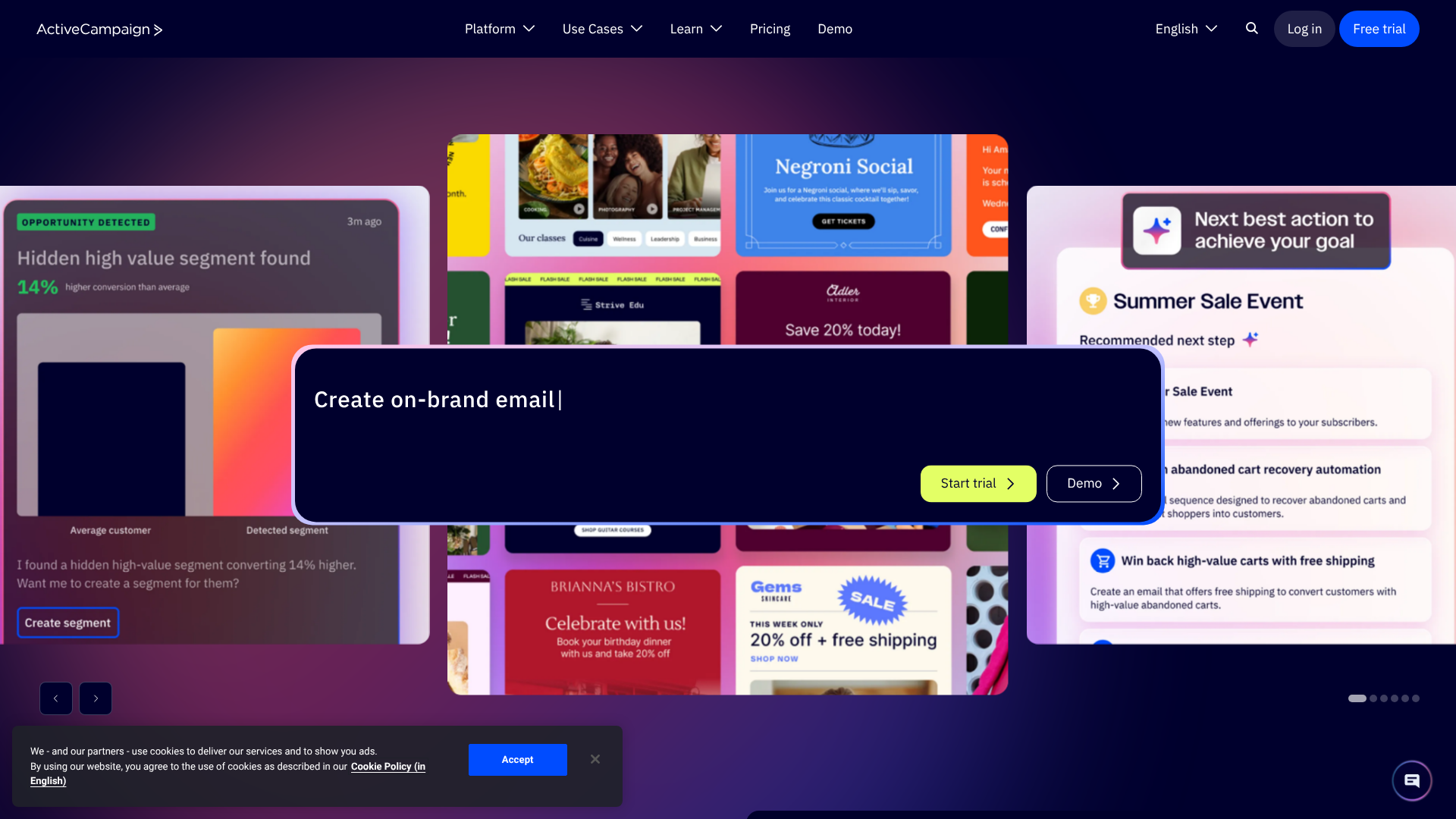
Marketing automation platforms like ActiveCampaign or GetResponse are essential for managing these complex, personalised workflows at scale.
Multi-Channel Nurturing
Your leads don't live exclusively in their email inboxes. An effective nurturing strategy engages them across multiple channels. This could include retargeting them with ads on social media that showcase a customer testimonial, connecting with them on LinkedIn to share a relevant article, or even sending a personalised video message. This multi-channel approach reinforces your message and keeps your brand visible in the various digital spaces your leads frequent.
Lead Scoring
Not all leads are created equal. Lead scoring is a methodology used to rank prospects on a scale representing their perceived value to the organisation. You can assign points based on various attributes, including their professional information (job title, industry) and their engagement with your brand (website visits, email opens, content downloads). This allows your marketing and sales teams to prioritise their efforts, focusing on the leads who are most likely to convert.
Providing Value, Not Just Selling
The golden rule of lead nurturing is to always provide value. Your communication should be 90% helpful and 10% promotional. Share industry insights, practical tips, success stories, and educational resources that help your leads do their jobs better or solve their problems. This builds immense trust and positions you as an indispensable resource, making the eventual sale a natural conclusion to the value you've already provided.
The Tech Stack: Tools for Lead Generation and Nurturing
Executing these strategies effectively requires the right set of tools. Your technology stack is the backbone of your marketing efforts, automating processes, providing data, and enabling you to scale your campaigns.
Essential Lead Generation Tools
These tools are focused on the top of the funnel—attracting visitors and converting them into leads.
- Landing Page Builders: To capture leads, you need optimised landing pages. Tools like Leadpages, Unbounce, and ClickFunnels provide templates and drag-and-drop editors to build high-converting pages without needing a developer.
- Form Builders: Sometimes you just need a simple, embeddable form on your website or blog. Jotform offers powerful and customisable forms to capture lead data from anywhere on your site.
- SEO & Content Tools: To attract organic traffic, you need to rank on search engines. Platforms like Semrush and Ahrefs provide everything from keyword research and competitor analysis to site audits, forming the foundation of your content strategy.
- Webinar Software: For hosting virtual events, you need a reliable platform. Solutions like EasyWebinar and WebinarGeek handle registration, live broadcasting, and audience interaction.
Powerful Lead Nurturing Tools
These tools are designed to manage relationships with existing leads, guiding them towards a purchase.
- Marketing Automation & CRM: This is the heart of your nurturing efforts. Platforms like ActiveCampaign, GetResponse, and Selzy combine Customer Relationship Management (CRM) with powerful email marketing and automation. They allow you to segment your audience, build automated workflows, score leads, and track every interaction.
- Social Media Management: To maintain a presence where your leads are, you need to manage your social channels efficiently. Tools like Hootsuite and Buffer let you schedule posts, monitor conversations, and engage with your audience across multiple platforms from a single dashboard.
Measuring Success: How to Track Performance
To optimise your strategy, you must measure what works and what doesn't. The metrics for lead generation and lead nurturing are different, reflecting their distinct goals.
Key Metrics for Lead Generation
These metrics tell you how effective you are at filling the top of your funnel.
- Cost Per Lead (CPL): This is your total campaign spend divided by the number of new leads acquired. It tells you exactly how much it costs to get one new lead, helping you assess the efficiency of different channels.
- Conversion Rate: The percentage of visitors who take the desired action (e.g., fill out a form). A low conversion rate on a landing page might indicate a problem with the offer, copy, or design.
- Marketing Qualified Leads (MQLs): The number of leads that marketing deems ready to be handed over to the sales team. This is a crucial measure of lead quality, not just quantity.
- Traffic-to-Lead Ratio: This metric shows what percentage of your overall website traffic converts into leads. It provides a high-level view of your website's overall effectiveness at lead capture.
Key Metrics for Lead Nurturing
These metrics reveal how well you are moving leads through the funnel and building relationships.
- MQL-to-SQL Conversion Rate: The percentage of Marketing Qualified Leads that the sales team accepts as Sales Qualified Leads (SQLs). A high rate indicates strong alignment between marketing and sales and effective nurturing.
- Sales Cycle Length: The average time it takes for a lead to become a customer. Effective nurturing should shorten this cycle by educating leads and preparing them for the sales conversation.
- Email Engagement Rates: Metrics like open rates, click-through rates (CTR), and unsubscribe rates are direct indicators of how well your content is resonating with your leads.
- Customer Lifetime Value (CLV): While a long-term metric, leads that have been properly nurtured often become more loyal customers with a higher CLV, as the relationship was built on trust and value from the start.
Frequently Asked Questions (FAQ)
What is the difference between lead generation and nurturing leads?
The core difference lies in their objective and timing. Lead generation is the initial process of attracting prospects and capturing their information to turn them into leads (acquisition). Lead nurturing is the subsequent process of building a relationship with those leads over time to guide them towards a sale (relationship building). Generation fills the funnel; nurturing moves leads through it.
What are the two types of lead generation?
Lead generation is typically categorised into two main types: inbound and outbound. Inbound lead generation focuses on attracting customers through valuable content and experiences they seek out, such as SEO, content marketing, and social media. Outbound lead generation involves proactively reaching out to potential customers through methods like cold calling, direct mail, or targeted advertising.
What comes after lead nurturing?
After a lead has been successfully nurtured, they become a Sales Qualified Lead (SQL) and are handed over to the sales team to begin the direct sales process. The goal is to close the deal and convert the lead into a paying customer. Following the sale, the focus shifts to customer onboarding, retention, and delight, which can lead to upselling, cross-selling, and valuable word-of-mouth referrals.
What are some lead nurturing strategies?
Effective lead nurturing strategies include creating personalised email drip campaigns based on user behaviour, using a multi-channel approach that includes social media and retargeting ads, implementing a lead scoring system to prioritise hot leads, and consistently sharing valuable, educational content that solves problems for your audience rather than just promoting your product.
What is a lead nurturing workflow?
A lead nurturing workflow is an automated sequence of communications and actions triggered by a lead's behaviour or attributes. For example, if a user downloads an eBook about a specific topic, a workflow could automatically send them a series of three emails over two weeks, each providing more in-depth information on that topic, followed by an invitation to a related webinar. These workflows are built in marketing automation software.
Final Thoughts: Unifying Generation and Nurturing for Maximum Impact
The debate of lead generation vs lead nurturing is ultimately a false one. They are not competing priorities but two essential halves of a single, cohesive growth strategy. One cannot succeed without the other. A powerful lead generation engine is wasted if the leads it produces are left to go cold, and the most sophisticated nurturing programme is useless without a steady stream of new leads to engage.
True marketing success is found when you create a seamless journey that gracefully transitions a prospect from a curious visitor to a qualified lead, and from a qualified lead to a loyal customer. This requires a holistic view of the customer lifecycle and a commitment to providing value at every single stage.
By investing in both attracting new prospects and building meaningful relationships with them, you create a resilient, predictable, and scalable engine for growth. Whether you're looking to fill your funnel with a powerful landing page tool like Leadpages or build lasting relationships with an automation platform like ActiveCampaign, the ultimate goal is the same: to build a marketing system that consistently delivers results.