



How to Follow Up on Cold Email: A 7-Step Guide for Sales Teams to Get Replies
You've crafted the perfect cold email. It's personalised, concise, and has a compelling call-to-action. You hit send, feeling optimistic, and then. nothing.
- What to Know
- Why You Absolutely Must Follow Up on Cold Emails
- The Perfect Cadence: When and How Often to Follow Up
- How to Craft a Compelling Cold Email Follow-Up Message
- 5 Common Mistakes to Avoid When You Follow Up Cold Email
- The Power of Personalisation in Your Follow-Up Strategy
- Proven Examples of Effective Follow-Up Emails
- Example 1: The Gentle Nudge with Added Value (Follow-Up #1)
- Example 2: The Quick Question (Follow-Up #2 or #3)
- Example 3: The "Break-Up" Email (Final Follow-Up)
- How to Measure and Analyse Your Follow-Up Success
- Leveraging Tools for Efficient Cold Email Follow-Ups
- Tailoring Your Approach: Follow-Up Strategies for Different Industries
- Frequently Asked Questions About Following Up on Cold Emails
- What is the 30/30/50 rule for cold emails?
- How soon to follow up on a cold email?
- How do I politely follow up on an email?
- What is the +1 email trick?
- How do you follow up without sounding pushy?
- Final Thoughts
Silence. This is a common scenario, but it's not the end of the road. The real opportunity often lies in the follow-up. Mastering how to follow up on cold email is not about being pushy; it's about being persistent, professional, and valuable, turning silence into a conversation.
Many sales professionals give up after one or two attempts, but data consistently shows that the majority of deals are closed after multiple touchpoints. Your prospect is likely busy, their inbox is flooded, and your initial message might have been missed or forgotten. A strategic cold email follow-up brings your message back to their attention, demonstrates your commitment, and provides another chance to showcase the value you offer. Without a solid follow-up strategy, you're leaving a significant amount of potential revenue on the table.
This guide provides a step-by-step framework for creating a follow-up sequence that gets replies. We'll cover everything from the ideal timing and crafting compelling messages to using tools to streamline the process, ensuring your efforts lead to meaningful connections and, ultimately, more business.
What to Know
- Timing is Crucial: The first follow-up should be sent 2-3 days after the initial email. Subsequent follow-ups should have progressively longer intervals to avoid overwhelming your prospect.
- Always Add Value: Never send a message that just says "checking in". Each follow-up is an opportunity to provide a new piece of information, a relevant resource, or a helpful insight.
- Personalisation Wins: Go beyond using their first name. Reference their company's recent achievements, a post they shared on LinkedIn, or an industry challenge they're facing to show you've done your homework.
- Automate with Care: Use sales engagement platforms to manage your follow-up sequences at scale, but ensure every automated message still feels personal and human. The goal is efficiency, not robotic communication.
Why You Absolutely Must Follow Up on Cold Emails

The single biggest mistake in cold outreach isn't a bad subject line or a weak call-to-action; it's the failure to follow up. In a world of overflowing inboxes and constant distractions, your first email is just one of hundreds your prospect receives daily. It's easy for it to get buried, accidentally deleted, or simply set aside with the intention of replying later—an intention that rarely materialises without a nudge.
Consider the numbers. Research consistently shows that around 80% of sales require at least five follow-up touches after the initial meeting. While this applies to warmer leads, the principle for cold outreach is even more critical. Your first email is an introduction; the follow-ups build familiarity and trust.
Each message is another opportunity to demonstrate your value proposition from a slightly different angle, increasing the chances that something will resonate.
Furthermore, a persistent and professional follow-up strategy signals your seriousness and belief in the solution you're offering. It separates you from the masses who send one-off email blasts and give up. When done correctly, a cold email follow-up isn't annoying—it's helpful. You are reminding a busy professional about a potential solution to a problem they have.
It's a service, not a nuisance.
The Perfect Cadence: When and How Often to Follow Up
Timing is everything when you follow up cold email. Sending a follow-up too soon can feel aggressive, while waiting too long allows any initial interest to fade. The goal is to create a cadence that is persistent but respectful of your prospect's time. A well-structured sequence, or cadence, typically involves 3-5 emails spread over a few weeks.
Here is a proven cadence you can adapt:
- Email 1 (Initial Outreach): Day 1. The first point of contact.
- Follow-Up 1 (The Gentle Nudge): Day 3 (2 days later). This is a simple, polite reminder. It brings your original email to the top of their inbox. The assumption here is that they may have missed it.
- Follow-Up 2 (Add Value): Day 7 (4 days later). At this stage, you need to offer something new. This could be a link to a relevant case study, a short blog post you wrote, or a surprising statistic related to their industry.
- Follow-Up 3 (Another Angle): Day 14 (7 days later). Try a different value proposition or ask a simple, engaging question. Keep this message extremely short and easy to respond to.
- Follow-Up 4 (The Break-Up Email): Day 21 (7 days later). This is the final, polite attempt. You state that you won't be contacting them again about this matter and give them an easy way out. Paradoxically, this email often gets the highest response rate because it creates a sense of urgency and relieves pressure.
The increasing gap between emails is intentional. It shows that you respect their time and prevents you from appearing desperate. This structure keeps you top-of-mind without flooding their inbox.
How to Craft a Compelling Cold Email Follow-Up Message
Once you've determined your timing, the content of your message becomes the focus. Each follow-up should be a strategic move, not just a random ping. The most effective approach is to reply within the same email thread. This provides the recipient with immediate context, as they can simply scroll down to see your original message without having to search their inbox.
The Anatomy of a High-Converting Follow-Up
A successful follow-up email has four key components that work together to prompt a response. Mastering these elements will dramatically improve your success rate.
- Provide Clear Context: Start by briefly reminding them of your previous email. Don't make them guess who you are or why you're emailing them again. A simple line like, "Hi [Name], just wanted to follow up on my email from last week about [topic]" is sufficient.
- Add New, Tangible Value: This is the most critical part. The value you add must be relevant to them. Instead of saying, "I think you'll find this useful," say, "I saw your company is expanding into the APAC region and thought this case study on international logistics might be helpful." This shows you're thinking specifically about their challenges.
- Keep it Short and Scannable: Your prospect is busy. Your follow-up should be even shorter than your initial email. Aim for 3-4 sentences maximum. Use short paragraphs and bullet points if necessary to make the message easy to digest on a mobile phone.
- End with a Clear, Low-Friction Call-to-Action (CTA): Don't ask for a 30-minute meeting in a follow-up. Make the next step incredibly easy. A good low-friction CTA could be a simple question like, "Is this something you're currently focused on?" or "Would you be the right person to discuss this with?" These questions often only require a simple yes/no answer, making it easy for them to engage.

5 Common Mistakes to Avoid When You Follow Up Cold Email
Even with the best intentions, it's easy to make mistakes that can get your emails deleted or, worse, marked as spam. Steering clear of these common pitfalls is just as important as knowing what to do. Being aware of these errors will help you refine your approach and maintain a professional image.
The "Just Checking In" Email: This is the cardinal sin of follow-ups. Phrases like "just checking in," "wanted to follow up," or "bumping this to the top of your inbox" offer zero value to the recipient. They translate to, "I want something from you, but I'm not willing to put in any more effort." Always lead with value.
Using a Passive-Aggressive Tone: Never try to guilt-trip your prospect into replying. Lines like, "I've tried to reach you a few times now" or "I know you're busy, but…" come across as unprofessional and demanding. Maintain a positive, helpful, and respectful tone throughout your entire sequence.
Sending a Wall of Text: If your initial email was concise, your follow-up should be even more so. Long, dense paragraphs are intimidating and likely to be ignored. Your goal is to make it as easy as possible for the recipient to read, understand, and respond in under 30 seconds.
Having a Vague or Demanding CTA: A follow-up is not the place for a high-commitment ask. Avoid generic CTAs like "Let me know your thoughts." Be specific but flexible. Instead of "Are you free for a call Tuesday at 10 am?", try "Would you be open to a brief 15-minute call next week to explore this further?"
Giving Up Too Soon: As mentioned earlier, most positive responses come from follow-ups, not the initial email. Sending one follow-up and stopping is a waste of your initial effort. Commit to a sequence of at least 3-4 follow-ups before closing the loop on a prospect.
Pro Tip: When you write your follow-up, read it from your prospect's perspective. Ask yourself: "If I received this, would I feel helped or harassed?" This simple empathy check can prevent you from making many of the mistakes listed above.
The Power of Personalisation in Your Follow-Up Strategy
Personalisation is the difference between an email that feels like a thoughtful message and one that feels like part of a mass-marketing blast. In the context of a cold email follow-up, it's your most powerful tool for cutting through the noise. While the first email should already be personalised, you can often go deeper in your follow-ups to show you're genuinely invested.
Effective personalisation goes far beyond using the [FirstName] and [CompanyName] mail merge fields. It involves demonstrating that you understand the prospect's world. This could mean referencing a specific company milestone, a recent project they launched, or a comment they made on a LinkedIn post. For example, you might say, "I saw your recent post on LinkedIn about the challenges of scaling your engineering team and thought you might find this article on developer retention strategies interesting."
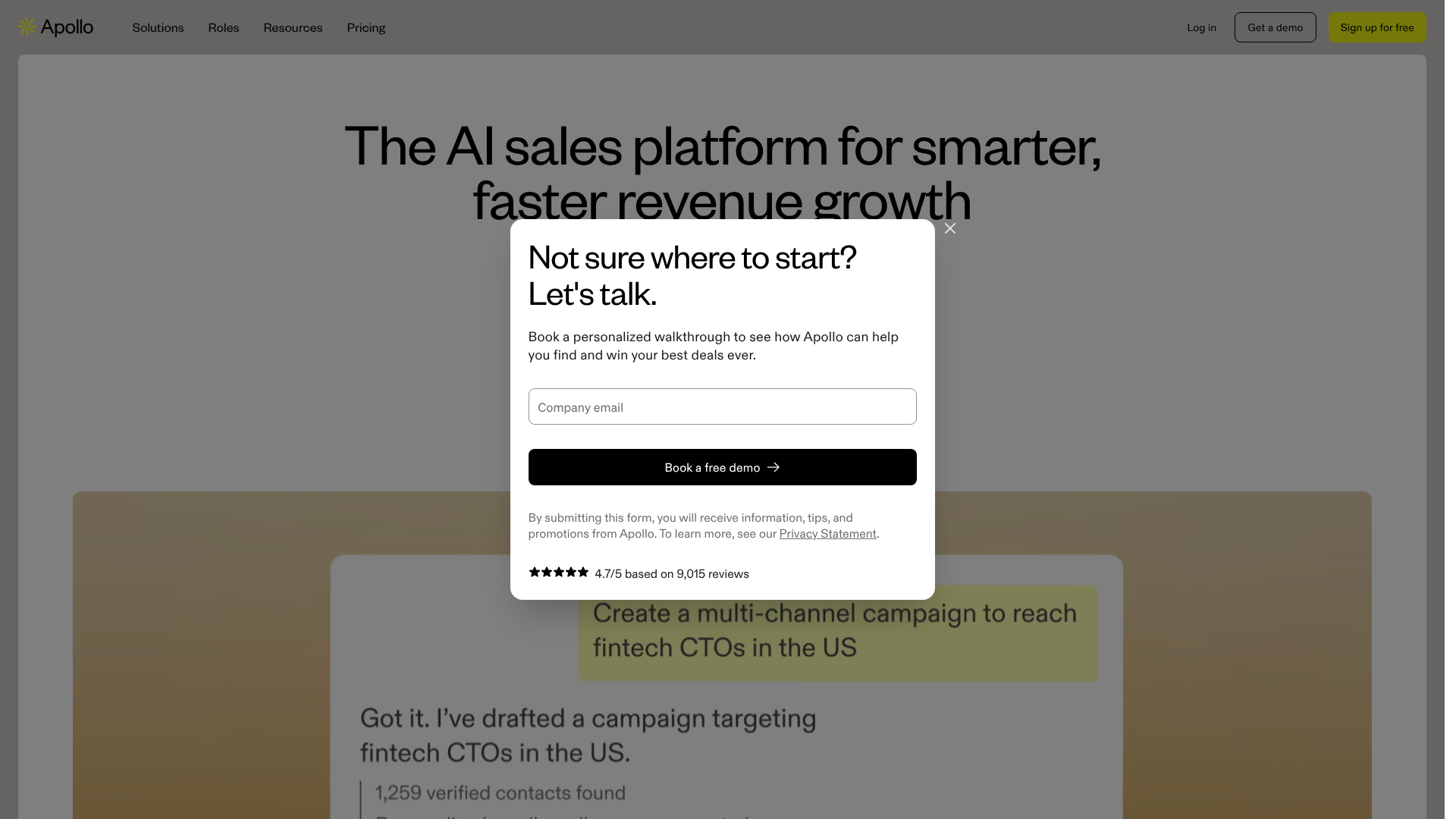
This level of detail shows you've done your research and aren't just sending the same template to hundreds of people. It builds immediate rapport and positions you as a thoughtful expert rather than just another salesperson. Tools like Apollo.io can be incredibly useful here, as they provide data on company news, funding rounds, and technology stacks that you can use as personalisation triggers in your outreach.
Remember, the goal of personalisation is to make the prospect feel seen and understood. It transforms your message from an interruption into a relevant and potentially valuable conversation starter. A single, highly personalised follow-up is worth more than a dozen generic ones.
Proven Examples of Effective Follow-Up Emails
Theory is helpful, but seeing practical examples can make the concepts click. Here are three effective follow-up templates you can adapt for your own use, each designed for a different stage of your sequence. Notice how they are short, value-driven, and have a clear, low-friction CTA.
Example 1: The Gentle Nudge with Added Value (Follow-Up #1)
This email is perfect for your first follow-up, sent 2-3 days after the initial outreach. It's polite, provides context, and adds a small piece of value.
Subject: Re: [Original Subject Line]
Hi [Name],
Just wanted to quickly follow up on my email from Tuesday. I shared some ideas on how we help SaaS companies like yours reduce customer churn by an average of 15%.
I thought you might find our latest case study with [Similar Company] relevant. They achieved a 20% reduction in churn in their first six months with us.
You can view it here: [Link to Case Study]
Is improving customer retention a priority for you in Q3?
Best,
[Your Name]
Why it works: It immediately provides context, offers relevant social proof (the case study), and ends with a simple, closed-ended question that is easy to answer.
Example 2: The Quick Question (Follow-Up #2 or #3)
This template is extremely short and focuses on getting a simple reply to re-engage the prospect. It's best used later in the sequence.
Subject: Re: [Original Subject Line]
Hi [Name],
Following up again on my previous email about [your solution].
Am I speaking with the right person about this? If not, could you kindly point me in the right direction?
Thanks for your help,
[Your Name]
Why it works: It's incredibly easy to read and act upon. It respects their time and provides an easy out for the prospect if they aren't the decision-maker, often resulting in a referral to the correct person in the organisation.
Example 3: The "Break-Up" Email (Final Follow-Up)
This is your last-ditch effort. It's polite, professional, and closes the loop. The psychology of taking something away often prompts a response.
Subject: Re: [Original Subject Line]
Hi [Name],
I've reached out a few times regarding [your solution] but haven't heard back, so I'll assume this isn't a priority for you right now.
I won't contact you again about this, but please feel free to reach out if anything changes in the future.
All the best,
[Your Name]
Why it works: It relieves all pressure from the prospect. It's professional, respectful, and closes the file, which can trigger a response from those who had intended to reply but never got around to it. Many replies to this email start with, "Apologies for the delay…"
How to Measure and Analyse Your Follow-Up Success
You can't improve what you don't measure. A successful cold email strategy isn't just about writing good emails; it's about systematically tracking your results and optimising your approach based on data. To check in on cold email performance effectively, you need to focus on a few key metrics.
Key Metrics to Track
- Open Rate: This metric primarily reflects the effectiveness of your subject line and preview text. While important, it can sometimes be misleading due to privacy features that automatically mark emails as opened. Use it as a directional guide, not an absolute truth.
- Reply Rate: This is the most important metric for cold outreach. A reply, even a "no, thank you," is a success because it provides feedback and opens a line of communication. Track the reply rate for each step in your sequence to see which messages are resonating the most.
- Meeting Booked Rate: This measures how many positive replies translate into actual meetings or demos. It's the ultimate indicator of whether your outreach is generating qualified interest.
- Conversion Rate: This tracks the entire funnel, from the initial email sent to a closed deal. This is a longer-term metric but essential for calculating the ROI of your cold outreach efforts.
A/B Testing Your Sequences
Once you have a baseline for your metrics, you can start A/B testing to improve them. This involves changing one variable at a time in your sequence and measuring the impact on your reply rate. For example, you could test:
- Different subject lines in your initial email.
- Different value-adds in your second follow-up (e.g., case study vs. blog post).
- Different CTAs (e.g., asking a question vs. proposing a time).
- Different timing between your follow-ups.
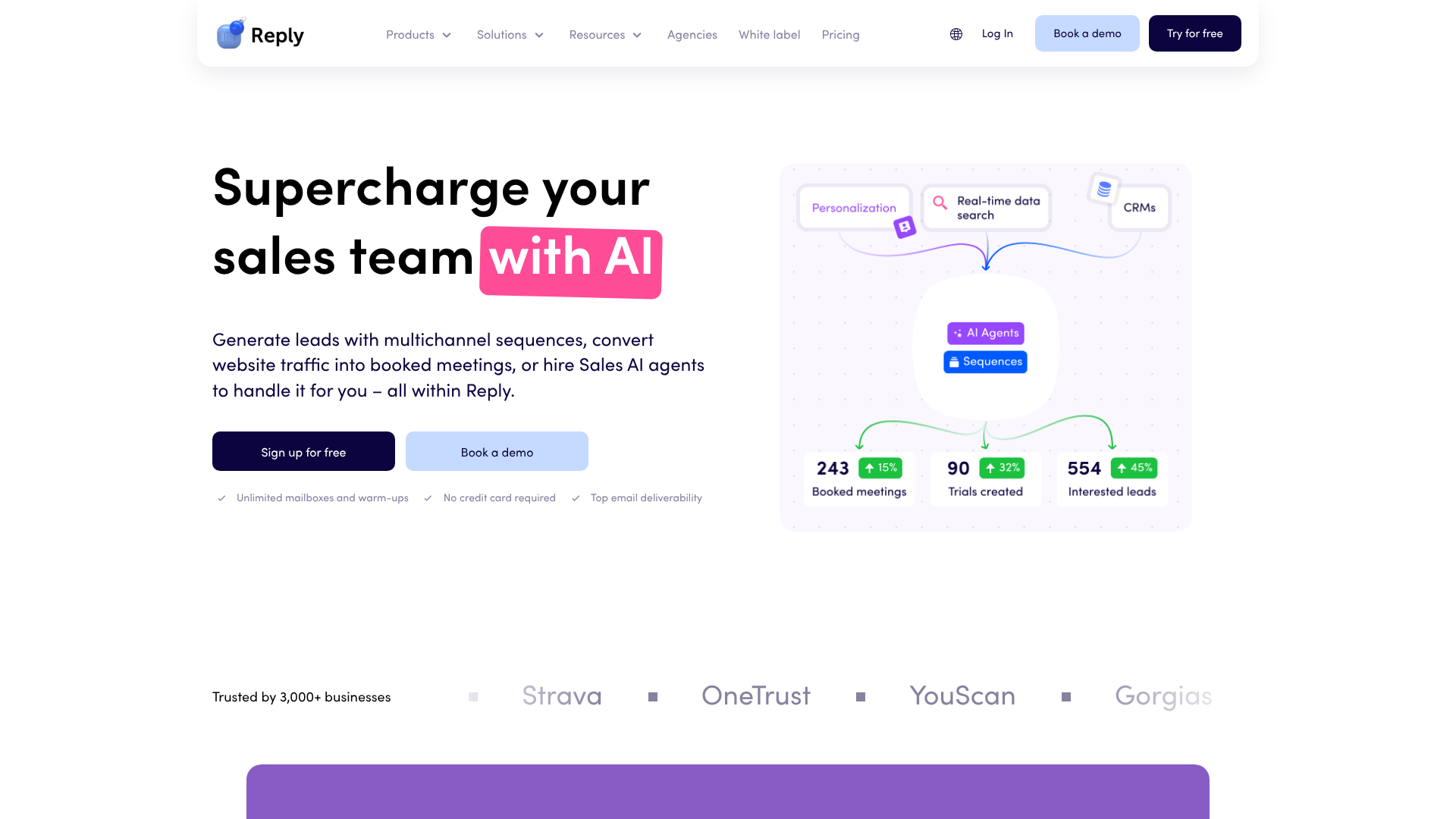
Platforms like Reply.io or Instantly.ai are built for this. They allow you to set up multiple campaign variations and automatically track which sequence performs best, taking the guesswork out of optimisation.
Leveraging Tools for Efficient Cold Email Follow-Ups
Manually tracking when to send each follow-up to hundreds of prospects is not just inefficient; it's nearly impossible. This is where technology becomes a sales professional's best friend. Using the right tools can automate the tedious parts of the process, allowing you to focus on personalisation and building relationships.
Sales Engagement Platforms (SEPs) are designed specifically for this purpose. Tools like Outreach and Reply.io allow you to build multi-step, multi-channel sequences. You can write your entire email follow-up series, set the timing between each step, and enrol prospects. The platform will then automatically send the emails on your behalf, stopping the sequence immediately if a prospect replies.
This ensures you never accidentally follow up with someone who has already responded.
Alongside SEPs, a Customer Relationship Management (CRM) system is essential. A CRM like HubSpot CRM or Zoho CRM acts as your central database for all prospect interactions. When a prospect replies positively, they move from your automated sequence into your CRM, where you can manage the relationship, track the deal stage, and ensure no opportunity falls through the cracks. The combination of a SEP for automation and a CRM for relationship management creates a powerful and scalable outreach machine.
Finally, tools like Hunter Campaigns (Hunter.io) can help you find verified email addresses and launch simple campaigns directly, providing an all-in-one solution for smaller teams just getting started with structured outreach.
Tailoring Your Approach: Follow-Up Strategies for Different Industries
A one-size-fits-all approach to cold email follow-ups is rarely effective. The value you offer, the tone you use, and the resources you share should be tailored to the specific industry and persona you are targeting. What resonates with a tech startup founder will likely be different from what captures the attention of a marketing director at a large enterprise.
For SaaS & Tech
Prospects in the tech industry are typically data-driven and focused on efficiency, scalability, and ROI. Your follow-ups should reflect this.
- Value-Add: Share case studies with clear metrics, ROI calculators, or whitepapers on technical challenges. Offer a short, 15-minute demo focused on solving one specific pain point.
- Tone: Be direct, concise, and professional. Avoid overly casual language.
For Creative Agencies (Marketing, Design, etc.)
Creatives are visual and appreciate originality. Your follow-ups need to stand out and showcase your own creativity.
- Value-Add: Instead of a case study, send a link to a visually impressive piece from your portfolio. Offer a free, no-obligation "idea session" where you brainstorm some creative concepts for their brand.
- Tone: Be more personable and creative. Show some personality, but remain professional.
For B2B Services & Consulting
In this sector, trust and expertise are paramount. Your follow-ups should position you as a thought leader and a trusted advisor.
- Value-Add: Share insightful blog posts, industry trend reports, or an invitation to a webinar you are hosting. The goal is to educate, not sell.
- Tone: Be consultative, helpful, and authoritative. Focus on building credibility with each interaction.
Pro Tip: Before launching a campaign, create a detailed Ideal Customer Profile (ICP) and buyer persona. This exercise will force you to think deeply about your audience's pain points, priorities, and communication preferences, making it much easier to tailor your follow-up content effectively.
Frequently Asked Questions About Following Up on Cold Emails
What is the 30/30/50 rule for cold emails?
The 30/30/50 rule is a guideline for structuring your cold email content to maximise relevance and impact. It suggests that 30% of your email should be about them (personalisation, referencing their company or role), 30% should be about their potential problem and how you solve it (your value proposition), and the final 50% should be focused on social proof and credibility (case studies, client names, metrics). It's a framework to ensure your email is more about the recipient than it is about you.
How soon to follow up on a cold email?
The general consensus is to wait 2-3 business days before sending your first follow-up. This gives the recipient enough time to have seen and considered your initial email without being so long that they've completely forgotten about it. Subsequent follow-ups should have longer intervals, such as 4-5 days for the second follow-up and a week for the third, to avoid being perceived as spammy.
How do I politely follow up on an email?
Politeness in a follow-up comes from your tone and the value you provide. Always assume the best—that the person is busy, not that they are ignoring you. Use polite language, keep your message brief and to the point, and always offer a new piece of information or a helpful resource. Avoid any language that sounds demanding or passive-aggressive.
The goal is to be a helpful professional, not a persistent pest.
What is the +1 email trick?
The "+1 email trick" is a simple but effective technique for following up. Instead of creating a new email, you reply to your own sent message and add a new recipient, such as a colleague of the original prospect, with a note like, "Hi [New Person], I thought I would loop you in here as this might be more relevant for your team." This can increase visibility within the organisation and get your message in front of the right person.
How do you follow up without sounding pushy?
The key to not sounding pushy is to focus on giving, not taking. Each follow-up should offer value without demanding anything in return. Frame your messages around helping them solve a problem or achieve a goal. Use low-friction CTAs that are easy to say no to, like "Is this a priority for you at the moment?" This gives them control of the conversation and shows you respect their decision-making process.
Final Thoughts
Mastering the art of the follow up on cold email is a fundamental skill for modern sales and marketing professionals. It's a game of patient persistence, where value, personalisation, and strategic timing are your greatest assets. Remember that silence is rarely a definitive "no"; more often, it's a sign of a busy professional who needs a polite and helpful nudge.
By implementing a structured follow-up cadence, focusing on adding value with every touchpoint, and leveraging the right tools to manage the process, you can transform your cold outreach from a frustrating numbers game into a predictable system for generating conversations and building your sales pipeline. Stop leaving opportunities on the table and start following up with purpose.
If you're ready to automate your outreach and track results with precision, platforms like Reply.io for sales engagement and HubSpot CRM for customer management can provide the structure and data you need to succeed. They can help turn these principles into a scalable and effective part of your growth strategy.