


AI in solar energy uses machine learning, forecasting models, and optimization algorithms to predict output, detect faults, and balance supply with demand.
- The AI + Solar Revolution
- Where AI Is Already Transforming Solar
- a. Predictive Maintenance for Solar Farms
- b. AI-Driven Weather Prediction for Energy Optimization
- c. Smart Grids That Balance Supply and Demand
- d. How Is AI Used in Solar Energy?
- Future Possibilities: AI and the Next Generation of Solar
- a. AI + Agrivoltaics
- b. Designing More Efficient Solar Panels with AI
- c. Energy Storage Optimization with AI
- Challenges & Risks of AI in Solar Energy
- Why It Matters
- A Smarter Path to a Sustainable Future
- FAQ: AI in Solar Energy
- 1. What is AI in solar energy?
- 2. How is AI used in solar energy?
- 3. How does artificial intelligence help predict solar power?
- 4. Can AI make solar panels more efficient?
- 5. What are the benefits of AI in renewable energy?
- 6. What are the challenges of using AI in solar energy?
- 7. What is the future of AI in solar energy?
The world is at a crossroads. On one hand, rising global energy demand continues to put pressure on fossil fuels. On the other, climate change is forcing us to rethink how we produce and consume energy. Among the renewable options, solar power stands out as a sustainable, abundant, and increasingly cost-effective solution. But solar energy has its challenges; intermittency, efficiency, and integration into existing grids.
This is where artificial intelligence (AI) steps in. By merging advanced data analysis with renewable energy systems, AI is not only solving today’s challenges but also shaping the future of clean energy technology.
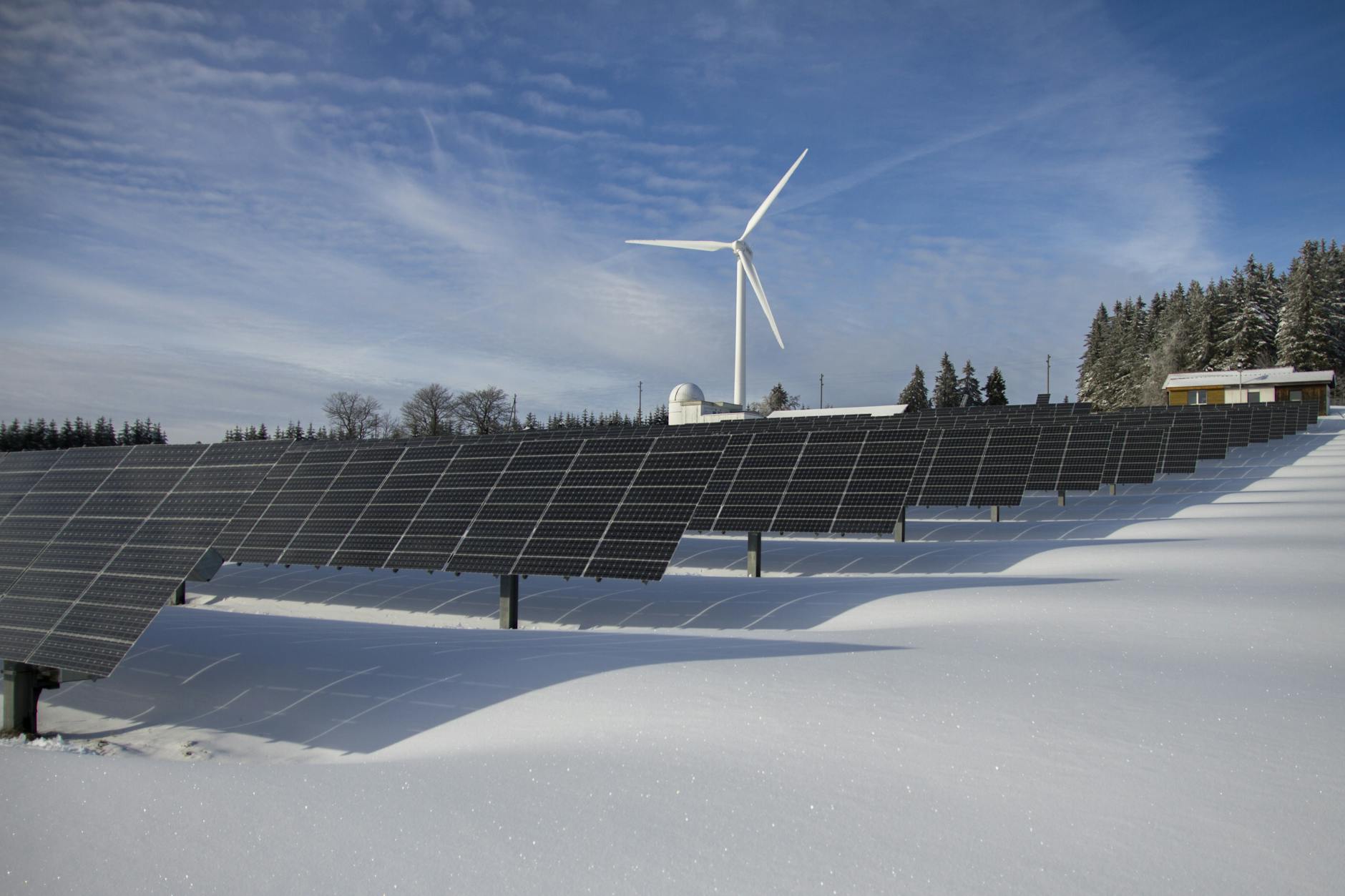
The AI + Solar Revolution
Two of the most transformative technologies of our time; AI and solar energy are converging. While solar offers limitless potential, it is dependent on weather conditions, seasonal cycles, and daylight availability. AI fills this gap by making solar more predictable, efficient, and adaptable.
Through real-time analytics, machine learning, and predictive algorithms, AI ensures that renewable energy becomes a reliable cornerstone of the global power system. This is the start of a new era: AI in solar energy as the backbone of a smarter, greener world.
Where AI Is Already Transforming Solar
AI is no longer a futuristic idea in the clean energy space, it’s already revolutionizing how solar energy is generated, stored, and distributed.
a. Predictive Maintenance for Solar Farms
Large solar farms contain thousands of panels, each vulnerable to faults such as dust accumulation, micro-cracks, or shading. Manual inspections are costly and slow.
AI-powered drones and image recognition systems now scan panels, identify issues, and even predict failures before they happen. This predictive maintenance ensures maximum uptime and reduces repair costs, making solar projects more profitable.
b. AI-Driven Weather Prediction for Energy Optimization
One of the most pressing questions in the field is: How is solar power predicted with artificial intelligence?
AI uses meteorological data, satellite images, and cloud movement patterns to forecast solar output with remarkable accuracy. This allows operators to balance supply and demand in advance, ensuring that solar energy remains reliable despite natural fluctuations.
For example, if AI predicts reduced sunlight, the system can draw on battery storage or switch to alternative renewable sources. This makes AI in solar energy an indispensable tool for grid stability.
c. Smart Grids That Balance Supply and Demand
The rise of rooftop solar, community farms, and battery storage has made energy distribution increasingly complex. AI powers smart grids that analyze production and consumption in real-time, automatically redistributing electricity where it’s needed most.
This not only prevents blackouts but also reduces energy waste. For households, it means affordable bills; for utilities, it reduces infrastructure strain.
d. How Is AI Used in Solar Energy?
AI is currently applied in solar energy through:
- Image recognition AI for fault detection.
- Forecasting models for weather and sunlight prediction.
- Optimization algorithms to manage storage and distribution.
- Smart inverters that dynamically adjust output for grid stability.
In short, AI for renewable energy is turning solar into a smarter, more dependable resource.
Future Possibilities: AI and the Next Generation of Solar
The true potential of AI in solar is only beginning to unfold. The coming decade will see breakthroughs that could redefine how we power our world.
a. AI + Agrivoltaics
Agrivoltaics, the practice of combining solar panels with agricultural land, is gaining momentum. AI can monitor soil conditions, optimize panel tilt, and balance sunlight for both crops and power generation. This dual approach tackles land scarcity while producing both food and energy; a vision of sustainable farming for the future.
b. Designing More Efficient Solar Panels with AI
AI is accelerating material science by simulating thousands of solar cell designs and materials. This is speeding up breakthroughs like perovskite solar cells, which could outperform traditional silicon-based panels. By reducing trial-and-error, AI shortens the innovation cycle and pushes solar technology to new heights.
c. Energy Storage Optimization with AI
Energy storage is critical to solving solar’s intermittency problem. AI algorithms optimize how batteries are charged and discharged, extending their lifespan and maximizing efficiency. This ensures that solar power collected during the day can meet demand at night; a crucial step in building the future of clean energy technology.
Challenges & Risks of AI in Solar Energy
While the potential is enormous, integrating AI into renewable energy is not without challenges:
- Data Limitations: AI relies on quality data. Incomplete or inaccurate datasets can lead to poor predictions.
- High Costs: Implementing AI systems requires upfront investment, which may be prohibitive for smaller solar operators.
- Bias in Energy Allocation: If not carefully managed, AI could favour certain regions or customers, raising ethical concerns.
- Cybersecurity Risks: Smarter grids are more connected and therefore more vulnerable to cyberattacks. Protecting infrastructure will be as important as building it.
Why It Matters
The intersection of AI and solar energy is more than a technological advancement, it’s a global imperative.
- Addressing Climate Change The urgency of reducing carbon emissions means scaling renewables quickly. AI for renewable energy accelerates this transition by making solar smarter and more dependable.
- Global Energy Security Dependence on fossil fuels exposes nations to geopolitical risks. Localized, AI-powered solar reduces reliance on imports and strengthens energy independence.
- Economic Opportunities The clean energy sector is projected to generate trillions in economic value. AI not only reduces operational costs but also creates new markets, from smart grids to solar-powered AI-driven agriculture.
A Smarter Path to a Sustainable Future
The future of clean energy lies at the intersection of intelligence and sustainability. By integrating AI with solar power, we are building energy systems that are resilient, efficient, and future-ready.
From predictive maintenance to agrivoltaics and next-gen storage, AI in solar energy is no longer just about generating electricity, it’s about creating a foundation for a sustainable planet.
The challenges are real, but so is the momentum. With continued innovation, collaboration, and responsible deployment, AI will not only power the next chapter of renewable energy, it will power the future of humanity.
FAQ: AI in Solar Energy
1. What is AI in solar energy?
AI in solar energy refers to the use of artificial intelligence technologies like machine learning, image recognition, and predictive analytics to optimize solar power generation, maintenance, and distribution.
2. How is AI used in solar energy?
AI is used to:
- Detect faults in solar panels through image recognition.
- Predict sunlight availability with weather forecasting models.
- Optimize energy storage and distribution in smart grids.
- Improve overall efficiency of solar farms through predictive maintenance.
3. How does artificial intelligence help predict solar power?
AI analyzes satellite data, cloud patterns, and meteorological inputs to forecast solar output accurately. This allows operators to anticipate drops in energy production and balance demand using storage or alternative sources.
4. Can AI make solar panels more efficient?
Yes. AI-driven material science and simulations are helping researchers design more efficient solar cells, such as perovskite-based panels. AI also optimizes how panels are tilted and oriented to maximize energy capture.
5. What are the benefits of AI in renewable energy?
The benefits include:
- Increased reliability of solar energy.
- Lower maintenance and operational costs.
- Improved grid stability.
- Smarter energy storage solutions.
- Faster innovation in solar panel design and deployment.
6. What are the challenges of using AI in solar energy?
Challenges include high implementation costs, limited datasets in some regions, cybersecurity risks for smart grids, and ethical concerns about energy allocation.
7. What is the future of AI in solar energy?
The future will see AI play a central role in agrivoltaics, next-generation solar panel design, large-scale storage optimization, and fully autonomous smart grids making it the foundation of the future of clean energy technology.