
By using this site, you agree to the Privacy Policy and Terms of Use.
Accept
Tech Happened logo (512 x 512 px)
Friday, Nov 6, 2026
  • What's Hot:
  • AI News
  • Games
  • AI
  • News
  • Apps News
  • Web Hosting Reviews
  • Home
  • Automation & Workflow
  • Marketing
  • AI Tools
  • How Tos
  • Events
  • Contact
Reading: From Rooftop to Risk: How Solar Inverter Flaws Spark National Security Fears
Newsletter
Font ResizerAa
Tech HappenedTech Happened
  • Home
  • Marketing
  • Startups
  • Events
  • Contact
Search
  • Home
  • Automation & Workflow
  • Marketing
  • AI Tools
  • How Tos
  • Events
  • Contact

Trending →

More Women In Tech Fellowship: 300 African Women to Turn AI Skills Into Real-World Projects

By
Tech Happened
September 21, 2026

Top 10 Email Marketing Tools for 2026

By
Tech Happened
September 13, 2026

Lovable vs v0 vs Replit: Which AI App Builder Is Best in 2026?

By
Tech Happened
September 13, 2026

10 Latest Canva Features That Will Blow Your Mind in 2026

By
Tech Happened
September 13, 2026

How to Use ChatGPT to Plan 30 Days of Content

By
Tech Happened
September 13, 2026
Follow US
© Tech Happened. All Rights Reserved.
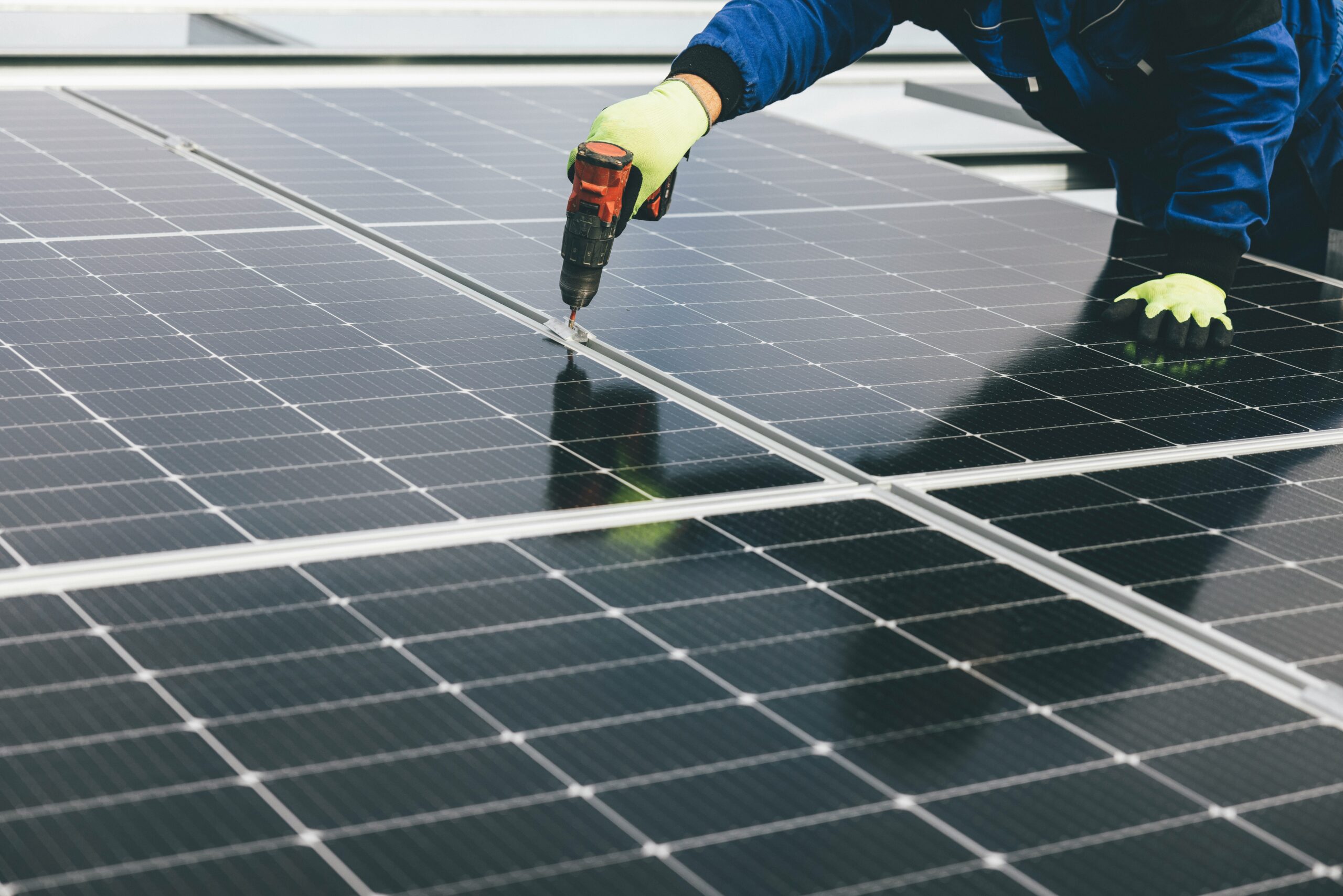
Solar inverter on the roof

Home - Cybersecurity - From Rooftop to Risk: How Solar Inverter Flaws Spark National Security Fears

Cybersecurity

From Rooftop to Risk: How Solar Inverter Flaws Spark National Security Fears

A Texas solar manufacturer’s vulnerabilities spotlight the hidden risks of America’s growing rooftop revolution.

Emmanuella Madu
Last updated: August 15, 2025 10:25 pm
By
Emmanuella Madu
Share
3 Min Read
SHARE

James Showalter paints a chilling, if unlikely, scenario: someone drives up to your home, cracks your Wi-Fi password, and hijacks the grey box mounted by your garage that powers your solar setup. This “solar stalker” would need the skill and motivation to hack your inverter, turning a household energy device into a potential cybersecurity threat.

Showalter, CEO of EG4 Electronics in Sulphur Springs, Texas, insists it’s improbable, yet his company landed in the spotlight when the U.S. Cybersecurity and Infrastructure Security Agency (CISA) warned of critical flaws in EG4’s inverters. According to CISA, attackers with network access and an inverter’s serial number could intercept data, install rogue firmware, or seize control of the system.

For the 55,000 owners of the affected model, the revelations were unsettling. Once little-known components, inverters have evolved into the brains of home solar systems, tracking performance, connecting to utilities, and even sending surplus power back to the grid.

The issue comes amid a solar boom. U.S. small-scale solar installations have grown fivefold since 2014, turning homes into miniature power plants. But each new system adds to a vast web of connected devices, prime targets for bad actors.

Related: Air Bnb Rolls Out “Reserve Now, Pay Later” Feature For U.S. Travellers. 

CISA’s advisory detailed unencrypted communications, firmware without integrity checks, and weak authentication. Some customers vented online, upset that EG4 failed to notify them directly. Showalter admitted missteps but called the flaws “an industry-wide problem,” noting that dozens of solar vulnerabilities have surfaced across brands in recent years.

Compounding the concern, reports from earlier this year revealed that U.S. officials found unexplained communication devices inside some inverters and batteries from Chinese manufacturers. With China dominating solar equipment production, the discoveries have fueled geopolitical tensions.

While experts stress that large-scale grid attacks would be difficult to pull off, the growing number of residential inverters poses a broader risk: as the energy grid decentralizes, its attack surface expands. Unlike large solar farms, home systems operate in a regulatory gray zone with few enforced cybersecurity rules.

EG4 says it is now tightening security, updating firmware, and moving away from Chinese suppliers. For some customers, though, the incident has turned their clean-energy investment into a crash course in the complex, and sometimes unnerving, intersection of climate tech and cybersecurity.
TAGGED:cybersecuritySolarEnergy
Share This Article
Facebook Copy Link
What do you think?
Love0
Sad0
Happy0
Sleepy0
Angry0
Dead0
Wink0

Recent Posts

  • More Women In Tech Fellowship: 300 African Women to Turn AI Skills Into Real-World Projects
  • Top 10 Email Marketing Tools for 2026
  • Lovable vs v0 vs Replit: Which AI App Builder Is Best in 2026?
  • 10 Latest Canva Features That Will Blow Your Mind in 2026
  • How to Use ChatGPT to Plan 30 Days of Content

Recent Comments

No comments to show.

You Might Also Like ↷

Tesla Autopilot vehicle

Over 1,300 Teslamate Dashboards Exposed, Leaking Driver Data.

August 27, 2025
060925trump

Trump’s Cyber Security Budget Cuts Spark Alarm in New York

July 29, 2025
th-One-Leet

Oneleet Raises $33M to Tackle ‘Compliance Theatre’ in Cybersecurity

October 2, 2025
Apple, iphone, Iran government, spyware attack

Apple Warns Iranians About Iphone Spyware Attack, by Government.

August 1, 2025
  • Advertise with us
  • Subscribe to our newsletter
  • Join us on Whatsapp

Stay tuned for a blend of captivating content that not only informs but also inspires you to navigate the ever-evolving landscape of technology and marketing.

Tech Happened logo (512 x 512 px)
  • About Us
  • Privacy Policy
  • Terms of Service
  • Contact
FacebookLike
XFollow
PinterestPin
InstagramFollow
YoutubeSubscribe
TiktokFollow
WhatsAppFollow
LinkedInFollow
ThreadsFollow
BlueskyFollow

Tech Happened is a property of Hiig Holdings.

© 2026. Tech Happened. All rights reserved.
Tech Happened Newsletter Canvas Image
Our Newsletter
Subscribe now for a front-row seat to the latest in technology and marketing.
Zero spam, Unsubscribe at any time.