


By using this site, you agree to the Privacy Policy and Terms of Use.
Accept
Tech Happened logo (512 x 512 px)
Thursday, Nov 5, 2026
  • What's Hot:
  • AI News
  • Games
  • AI
  • News
  • Apps News
  • Web Hosting Reviews
  • Home
  • Automation & Workflow
  • Marketing
  • AI Tools
  • How Tos
  • Events
  • Contact
Reading: U.S. Plans To Export AI Chips Again, But Not To China.
Newsletter
Font ResizerAa
Tech HappenedTech Happened
  • Home
  • Marketing
  • Startups
  • Events
  • Contact
Search
  • Home
  • Automation & Workflow
  • Marketing
  • AI Tools
  • How Tos
  • Events
  • Contact

Trending →

More Women In Tech Fellowship: 300 African Women to Turn AI Skills Into Real-World Projects

By
Tech Happened
September 21, 2026

Top 10 Email Marketing Tools for 2026

By
Tech Happened
September 13, 2026

Lovable vs v0 vs Replit: Which AI App Builder Is Best in 2026?

By
Tech Happened
September 13, 2026

10 Latest Canva Features That Will Blow Your Mind in 2026

By
Tech Happened
September 13, 2026

How to Use ChatGPT to Plan 30 Days of Content

By
Tech Happened
September 13, 2026
Follow US
© Tech Happened. All Rights Reserved.
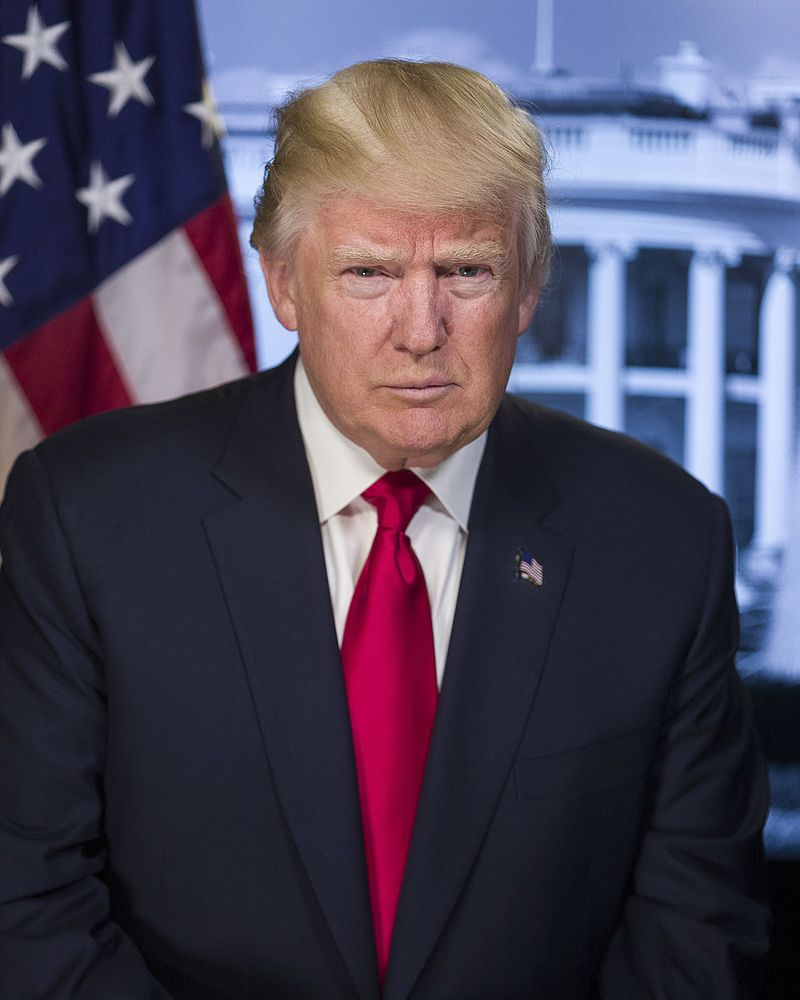
U.S. president donald trump photo

Home - Games - U.S. Plans To Export AI Chips Again, But Not To China.

Games

U.S. Plans To Export AI Chips Again, But Not To China.

American chipmakers may get a green light to sell more AI hardware, but with a strict “no China” rule attached.

Shalom Ihuoma
Last updated: July 23, 2025 11:57 pm
By
Shalom Ihuoma
Share
3 Min Read
SHARE

The U.S. government is working on a new plan that could allow American companies like Nvidia and AMD to export their high-end AI chips to other countries again. But there’s one big condition: those chips cannot end up in China. According to Reuters, the U.S. Commerce Department is designing a license system. This system would let companies sell powerful AI chips overseas, as long as the buyers promise not to re-export them to places like China or Russia countries the U.S. sees as security threats.

Contents
  • Why this matters
  • How the new system would work
  • What this means for U.S. chipmakers

Why this matters

The U.S. has been blocking China from getting advanced chips because of fears that they could be used for military, surveillance, or spying purposes. The goal is to slow down China’s progress in AI and defense tech. But here’s the problem: U.S. chip companies are losing a lot of money because they can’t sell to one of their biggest markets, China. Nvidia, for example, had to make weaker versions of its chips just to stay in the Chinese market after the U.S. tightened export rules in 2023.

Now, the government is trying to find a middle ground:

  • Protect U.S. national security
  • Still let companies do business with the rest of the world

How the new system would work

If this license plan is approved, buyers in countries like Vietnam, India, or Brazil could purchase U.S. AI chips, but they’d have to sign a legal agreement promising not to send the chips to China or other banned countries. If they break the rule, they could face legal consequences, and companies could lose their export rights. The U.S. already shared this plan with allies like Germany, Japan, South Korea, and the Netherlands, according to Reuters. That matters because those countries are home to major tech companies like Samsung, ASML, and TSMC, which are key players in making advanced chips.

What this means for U.S. chipmakers

Companies like Nvidia and AMD are expected to benefit if the plan goes through. They’d be able to sell high-end chips again to countries outside of China, which could bring in more revenue. Still, some U.S. officials and experts are worried the chips could be smuggled into China anyway, even with these agreements in place. Once a chip leaves the U.S., it can be hard to track where it really ends up.

Related: Why Jensen Huang Says China Cannot Count on Nvidia’s Chips

The White House and Commerce Department have not made a final decision yet. The plan is still being reviewed.


TAGGED:AI chipsChina BanCommerce DepartmentExport RulesnvidiaSemiconductorsU.S. Policy
Share This Article
Facebook Copy Link
What do you think?
Love0
Sad0
Happy0
Sleepy0
Angry0
Dead0
Wink0

Recent Posts

  • More Women In Tech Fellowship: 300 African Women to Turn AI Skills Into Real-World Projects
  • Top 10 Email Marketing Tools for 2026
  • Lovable vs v0 vs Replit: Which AI App Builder Is Best in 2026?
  • 10 Latest Canva Features That Will Blow Your Mind in 2026
  • How to Use ChatGPT to Plan 30 Days of Content

Recent Comments

No comments to show.

You Might Also Like ↷

revel rideshare

 Revel Shuts Down NYC Ride-Hailing to Focus on EV Charging Expansion

August 12, 2025
tavily-TIWH - this is what happened

Tavily Secures $25M to Power Enterprise AI Agents with Web Connectivity

August 6, 2025
Apple device being displayed

Apple Faces $1.1 Billion in Tariff Costs for Q3 2025, Tim Cook Confirms

August 1, 2025
Indian Flag

U.S. and Indian VCs Form $1B Alliance to Back Deep Tech Start-ups

September 2, 2025
  • Advertise with us
  • Subscribe to our newsletter
  • Join us on Whatsapp

Stay tuned for a blend of captivating content that not only informs but also inspires you to navigate the ever-evolving landscape of technology and marketing.

Tech Happened logo (512 x 512 px)
  • About Us
  • Privacy Policy
  • Terms of Service
  • Contact
FacebookLike
XFollow
PinterestPin
InstagramFollow
YoutubeSubscribe
TiktokFollow
WhatsAppFollow
LinkedInFollow
ThreadsFollow
BlueskyFollow

Tech Happened is a property of Hiig Holdings.

© 2026. Tech Happened. All rights reserved.
Tech Happened Newsletter Canvas Image
Our Newsletter
Subscribe now for a front-row seat to the latest in technology and marketing.
Zero spam, Unsubscribe at any time.